

World's 50 Best #58 · Falstaff Winery - Listed
Founded in 1502 and once a supplier to King Louis XIV, Tokaj Hétszőlő is among the most historically grounded estates in the Tokaj wine region. The estate combines wine production with trails, a bistro, wine shop, events space, and courtyard facilities.

Pearl is the En Primeur Club membership app — saves, bookings, and concierge access live there. Same editors, same standards.
- Address
- Tokaj, 3910
- Phone
- +36 47 352 009
- Website
- tokajhetszolo.com
- Directions
- Get directions
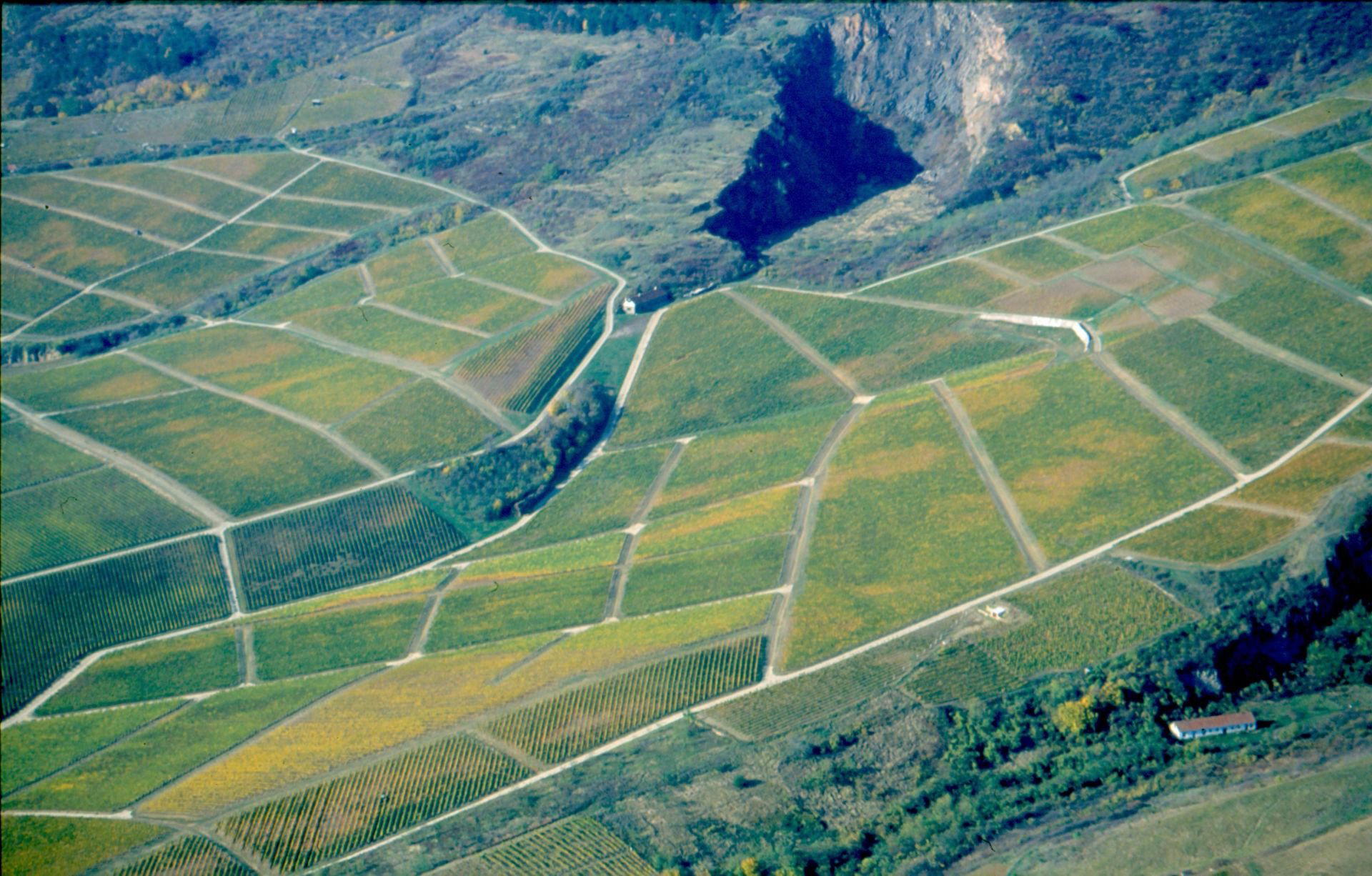
Five Centuries of Tokaji in a Single Estate
The town of Tokaj sits at the confluence of the Tisza and Bodrog rivers, in a volcanic-soil wine region that has carried protected status since 1730, making it one of the earliest formally demarcated wine appellations in the world. The region's reputation was built on Aszú, the botrytis-affected dessert wine that commanded higher prices in seventeenth-century European courts than almost any other bottle on the continent. Within that geography and that history, Tokaj Hétszőlő occupies a specific position: founded in 1502, it predates the formal demarcation by more than two centuries and carries a provenance that few estates anywhere in the world can credibly claim. Its wines were served to King Louis XIV, a detail that functions less as marketing than as a reliable marker of historical tier.
What You Encounter on Arrival
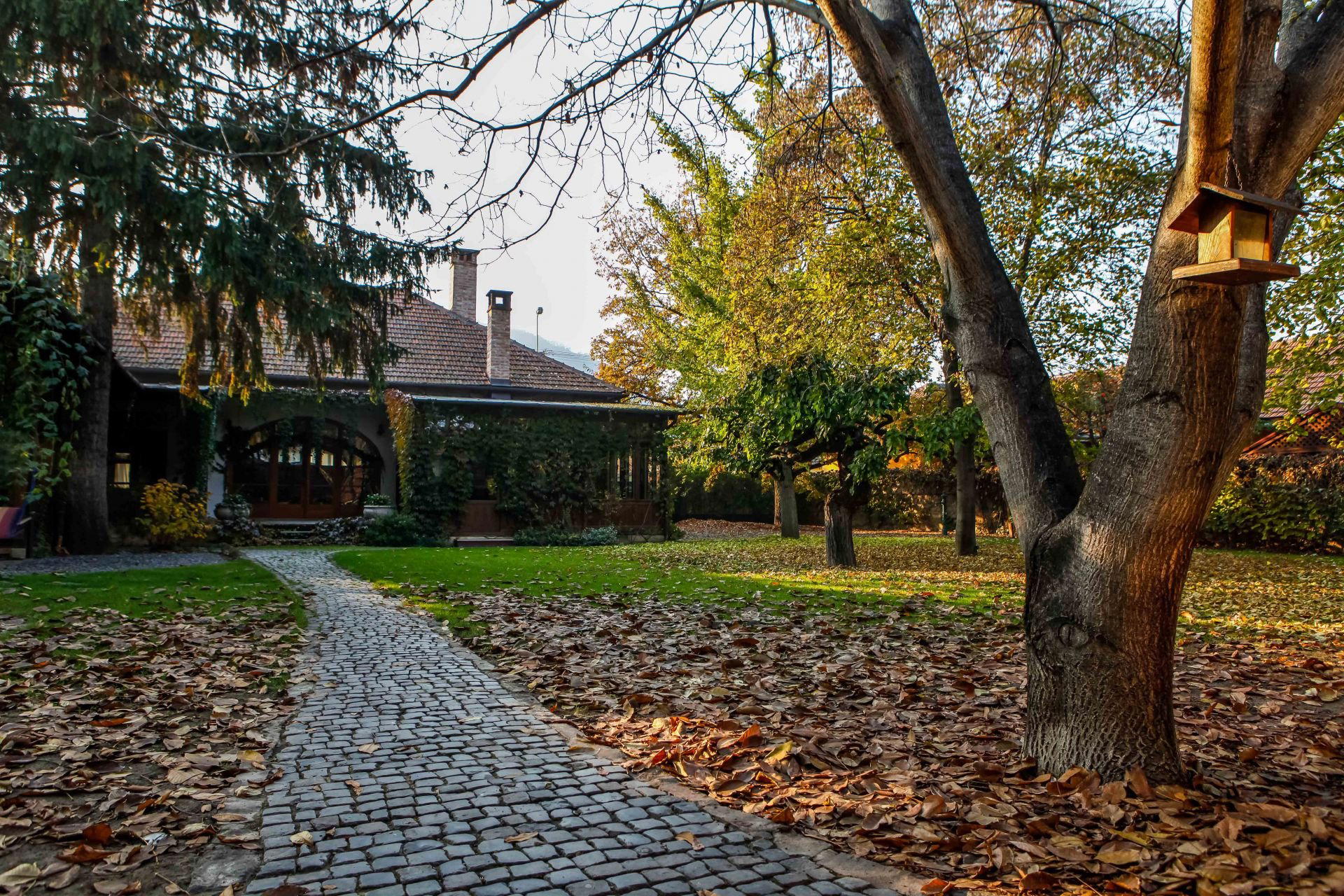
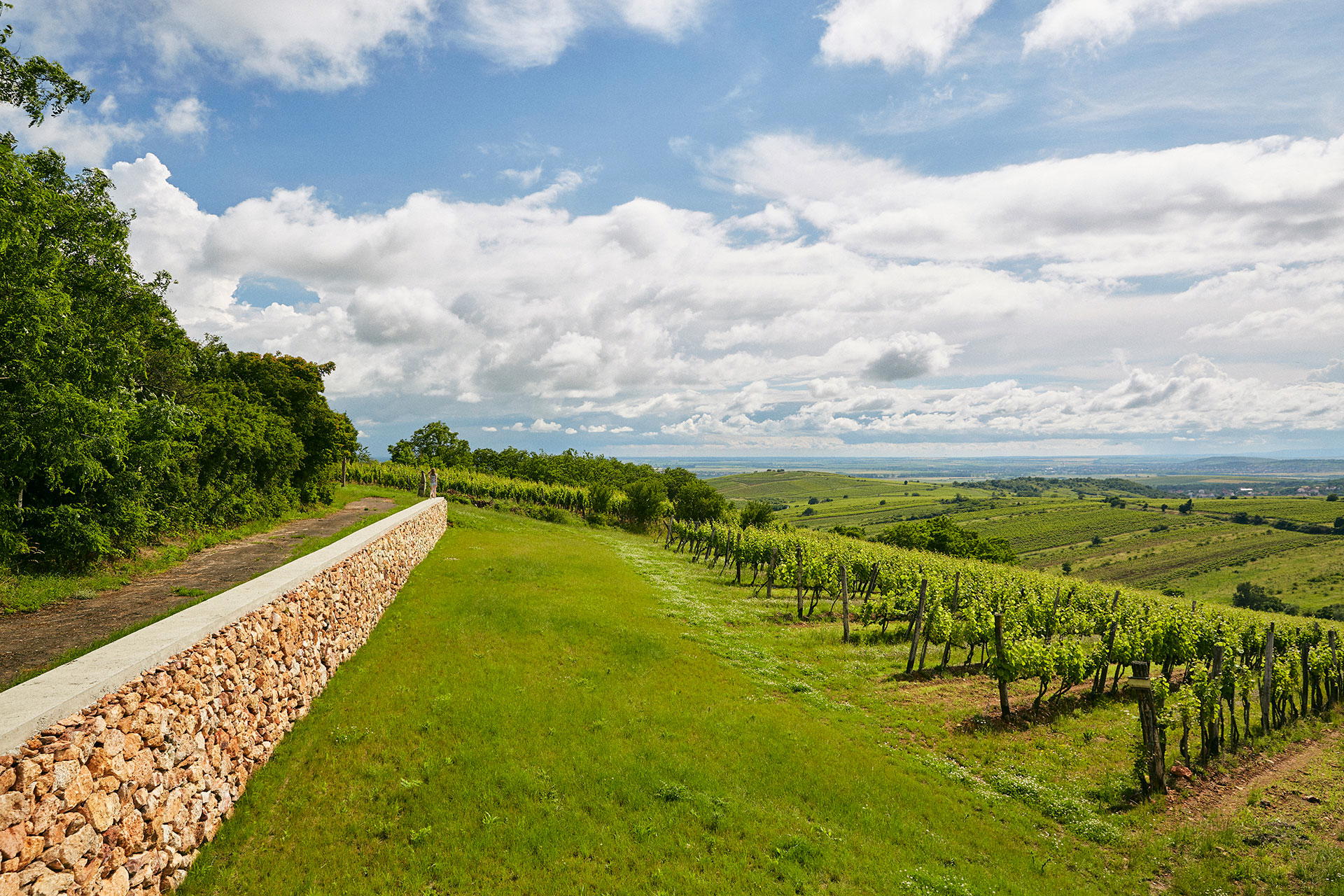
Approaching Hétszőlő, the estate reads as something considerably more layered than a standard winery visit. The property encompasses vineyard trails, a courtyard garden, a bistro, a wine bar, a wine shop, a brick bread oven, and event infrastructure that extends to a dance floor with DJ provision when required. That breadth is deliberate: the estate functions as a full hospitality destination rather than a production facility with a tasting room attached. The courtyard is the organizing space, drawing together the various elements without the property feeling like it is trying to be several different venues at once. For visitors arriving from Tokaj town, the estate is compact enough to cover on foot across an afternoon, though the vineyard trails extend the visit meaningfully for those who want terrain context for the wines they are tasting.
Tokaj's premium wine producers have increasingly attracted international capital since Hungary's post-communist land reforms opened the region to foreign investment in the early 1990s. That wave brought serious operators with Burgundy, Bordeaux, and Spanish connections, and the results have been broadly positive for quality benchmarking across the appellation. Hétszőlő fits that pattern: Michel Reybier, who acquired the estate, also owns Cos d'Estournel in Saint-Estèphe and Jeeper Champagne. That portfolio signals a particular kind of ownership — one with deep experience in prestige French appellations and the infrastructure to manage estate properties at the top of their respective price tiers. In practical terms, it means the hospitality standards at Hétszőlő are calibrated against a European luxury benchmark rather than a regional Hungarian one. Visitors familiar with Cos d'Estournel's approach to the guest experience will recognize the underlying logic.
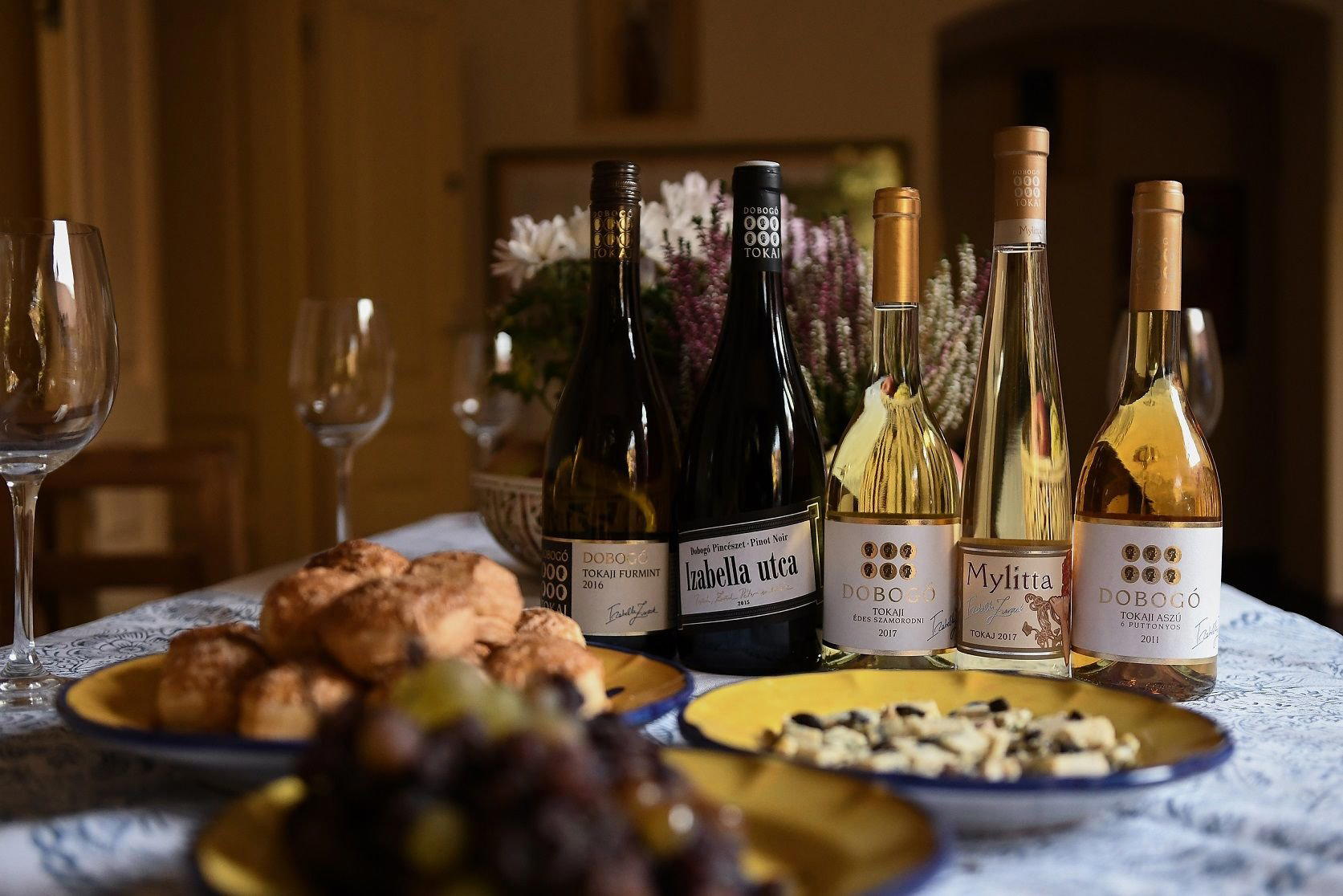
That ownership context also positions Hétszőlő within the broader competitive conversation among Tokaj's serious producers. Estates such as Disznókő in Mezőzombor, Royal Tokaji in Mád, and Tokaj Oremus in Tolcsva represent the same cohort of internationally backed or historically significant producers operating at the appellation's recognized upper level. Locally based estates including Balassa Winery, Demeter Zoltán Winery, Dobogó Pincészet, Erzsébet Pince, and Gizella Pince offer a different kind of access to the region, with smaller-scale, producer-focused visits. Hétszőlő's combination of historical depth and international ownership places it in a distinct tier from those smaller family producers, though both cohorts reward attention.
The Wines and the Region's Signature Styles
Tokaj's wine identity has historically centered on Furmint, the primary grape in Aszú production, with Hárslevelű and Yellow Muscat completing the traditional permitted varieties. Furmint's high acidity and susceptibility to noble rot (Botrytis cinerea) made the region's botrytized wines uniquely suited to the long-aging demands of seventeenth and eighteenth-century court cellars. In the contemporary market, Tokaj producers have broadened their range to include dry Furmint alongside the traditional sweet styles, and that shift has introduced the region to a wider international audience accustomed to evaluating wines against Alsace, white Burgundy, or Austrian Grüner Veltliner benchmarks. Hétszőlő's position as an estate with a 500-year documented history means its dry and sweet offerings both carry implicit provenance weight that newer producers cannot replicate. For visitors building a picture of what Tokaj's Furmint can do across the style spectrum, tasting at an estate of this age provides a useful reference point against which to assess the more recently established producers in the region.
For those looking to extend their regional understanding, Árvay Winery in Rátka and Béres Winery in Erdőbénye round out a multi-stop tour of the appellation's varied terroir. Further afield, comparing Tokaj's oxidative and botrytized traditions against producers in entirely different idioms — Babarczi Winery in Győr, Bock Winery in Villány, or internationally at Accendo Cellars in St. Helena and Aberlour in Aberlour, offers a broader frame for understanding what makes Tokaj's wine culture specifically its own.
Events, Occasions, and the Estate's Full Range
Tokaj Hétszőlő functions as a wedding and corporate events venue in addition to its wine tourism operation, and the infrastructure supports that dual use without the hospitality feeling makeshift. The brick bread oven and courtyard garden are configured for group dining, and the dance floor provision suggests the estate handles full-day or evening events regularly. For visitors considering a private tasting or a structured group visit rather than a walk-in afternoon, planning in advance is the practical approach; estates with this level of event infrastructure tend to have their calendar occupied several months ahead, particularly in the late summer and harvest season when the vineyards are at their most active. The Tokaj harvest window runs roughly from late September into October, and visits during that period carry the added dimension of seeing the botrytis-affected Aszú berries in situ, which is worth factoring into travel timing for anyone with a serious interest in understanding how these wines are actually made.
Planning Your Visit
Tokaj town is accessible by train from Budapest, with journey times typically under three hours from Keleti station, making a day trip viable for visitors based in the capital who want to cover the region efficiently. The estate's address places it within the town proper, which removes the logistical complexity of rural estate access that affects some of the more remotely sited producers in the appellation. Given the range of activities on offer, from vineyard trails to the bistro and wine bar, a half-day allocation is a realistic minimum, with a full day appropriate if the vineyard context and food element are both priorities. The wine shop makes purchasing direct for those who want to carry bottles back, though allocation wines at this tier may have limited availability in walk-in retail. Checking directly with the estate before arrival is advisable for specific wine or event inquiries. See our full Tokaj restaurants guide for broader coverage of dining and drinking across the town and appellation.
Price and Recognition
Comparable venues nearby, for context on price, style, and recognition.
| Venue | Cuisine | Price | Awards |
|---|---|---|---|
| Tokaj HétszőlőThis venue — the venue you are viewing | Tokaj, Furmint, Hárslevelű | $30–50 | World's 50 Best #58 · Falstaff Winery - Listed |
| Hímesudvar | Tokaj, Furmint, Sárgamuskotály | $20–30 | Not listed |
| Balassa Winery | Tokaj, Furmint, Zéta | Not listed | Falstaff Winery - Listed |
| Crocus Winery | Winery | Not listed | Not listed |
| Erzsébet Pince | historic center, Furmint, Hárslevelű | Not listed | Not listed |
| Demeter Zoltán Winery | Tokaj, Furmint, Hárslevelű | Not listed | Falstaff Winery - Listed |
Recognition history
Dated appearances from independent guides and award organizations, with the underlying list record or original source where available.
World's 50 Best Vineyards #58
World's 50 Best
Falstaff Winery - Listed
Falstaff
Continue exploring
More in Tokaj
Wineries in Tokaj
Browse all →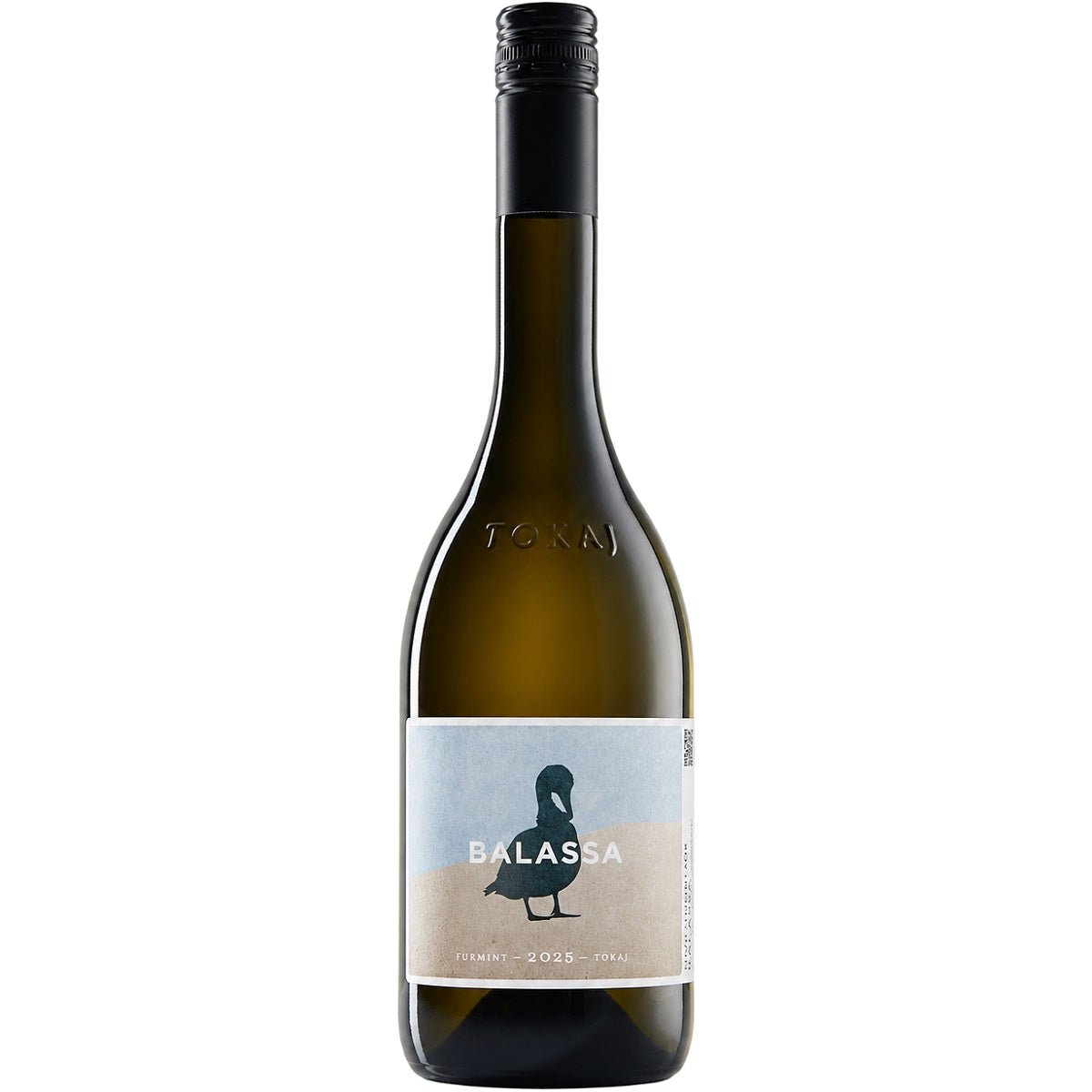
Restaurants in Tokaj
Browse all →
Hotels in Tokaj
Browse all →
Details
- Scenic
- Rustic
- Historic
- Elegant
- Wine Education
- Special Occasion
- Vineyard Tour
- Historic Building
- Estate Grounds
- Organic
- Vineyard
- Furmint
- Hárslevelű
- Sárga Muskotály
- Kövérszőlő
- Still White
- Dessert
- Fortified
- Cellar Tasting
- Hungarian
- English
Elegant and refined atmosphere in the historic underground Knight’s Hall with a focus on the winery's centuries-old heritage and natural terroir.