
Falstaff Winery - Listed
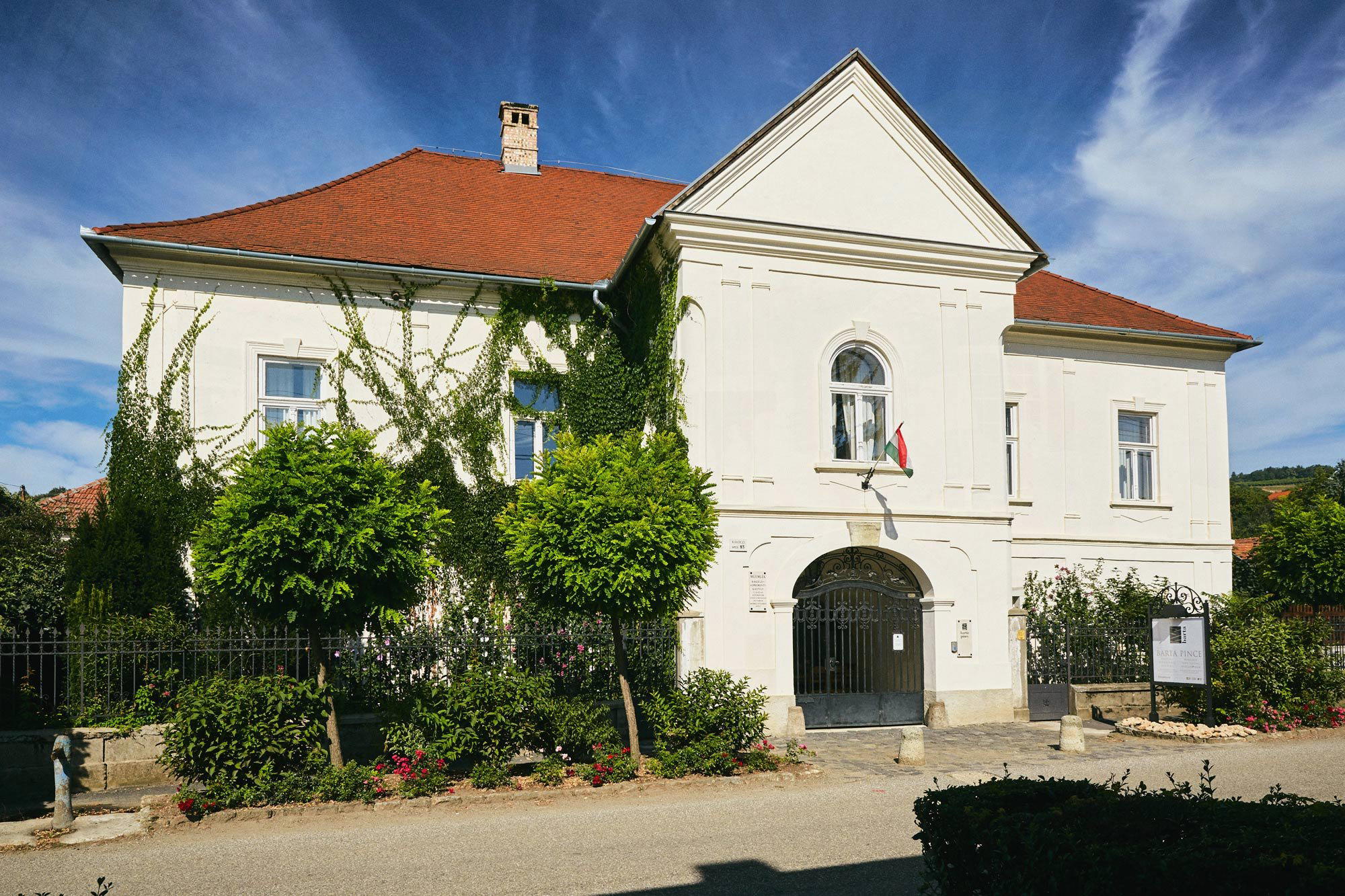
Royal Tokaji sits on Rákóczi utca in the village of Mád, at the centre of Tokaj-Hegyalja's most prestigious wine country. Visitors come to engage directly with one of the region's foundational names across a format shaped by the wines themselves.

Pearl is the En Primeur Club membership app — saves, bookings, and concierge access live there. Same editors, same standards.
- Address
- Mád, Rákóczi u. 35, 3909
- Phone
- +36 47 548 500
- Website
- royal-tokaji.com
- Directions
- Get directions
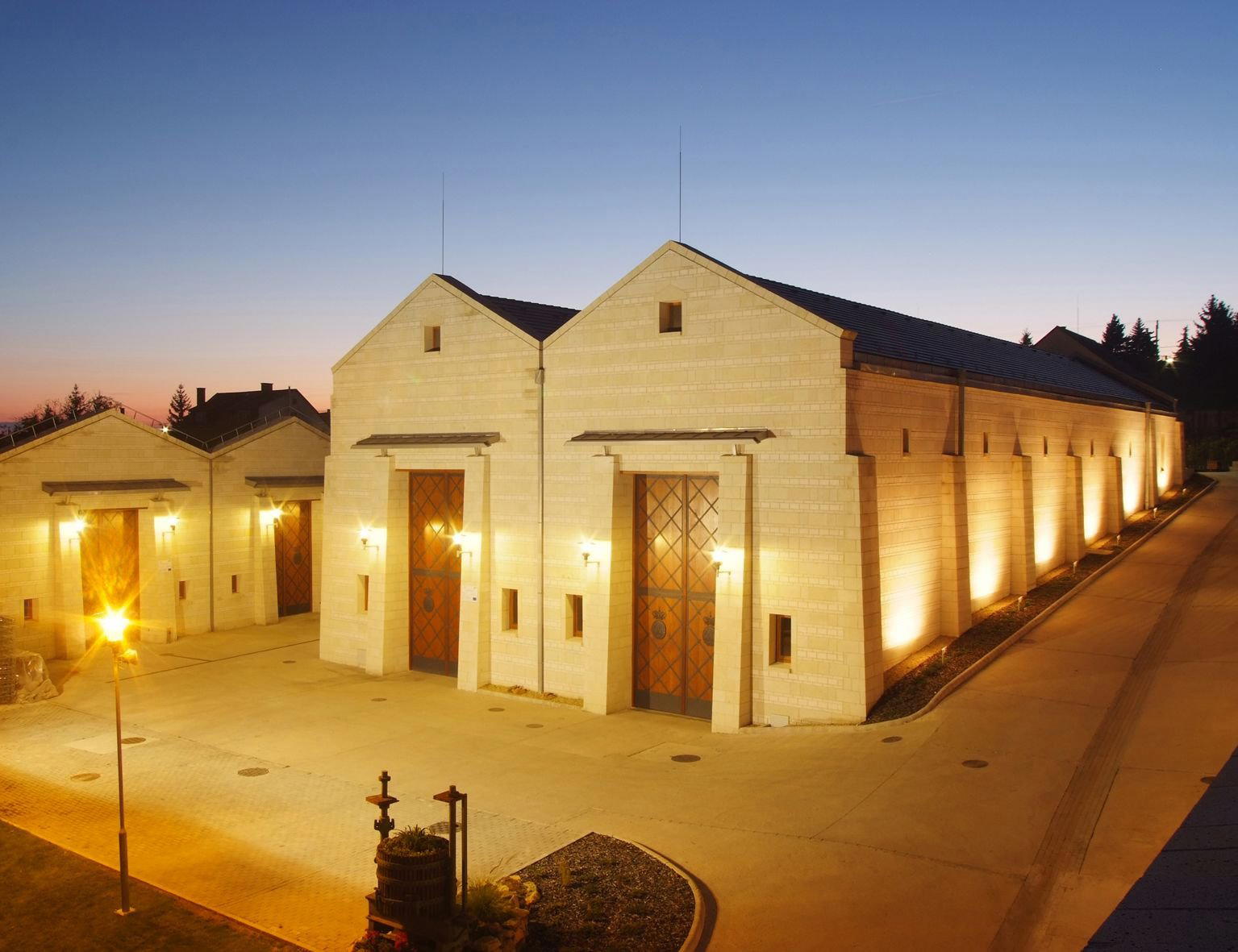
Arriving in Mád: The Village That Defines Tokaj's Upper Tier
The road into Mád runs through a range of volcanic hillsides and centuries-old vine rows before depositing you in a village that, by any measure of serious wine geography, punches far above its size. Mád is home to some of Tokaj-Hegyalja's most prized single-vineyard sites — Nyulászó, Király, Betsek — and the producers based here have shaped how the region is understood internationally. Royal Tokaji, at Rákóczi utca 35, sits within that history rather than beside it. The address alone signals where you are in the hierarchy of Tokaj wine culture.
The village itself is worth understanding before any tasting begins. Mád has developed a distinct identity within the wider Tokaj appellation: smaller in scale than the town of Tokaj to the south, more concentrated in its focus on premium single-vineyard production, and increasingly organised around the kind of producer-led visits that reward prior research. Alongside neighbours including Barta Pince, Holdvölgy, Szepsy, Zsirai Winery, and Szent Tamás Winery, Royal Tokaji anchors a village itinerary that draws visitors from Budapest and beyond for the specific purpose of understanding what Furmint and Aszú taste like at their most serious.
A Name That Carries Weight in the Region's Modern Revival
Tokaj-Hegyalja's recovery from the Soviet era is one of the more closely watched stories in European fine wine. The region had produced wines of exceptional reputation for centuries, a reputation that collapsed under collectivised agriculture and only began its recovery in the early 1990s with a wave of private investment. Royal Tokaji was part of that first wave, and its early presence gives it a particular position in the timeline of the region's renewal. That history is not incidental to a visit; it shapes what you're drinking and how the wines are framed.
For a visitor trying to calibrate where Royal Tokaji sits relative to its Mád neighbours or to producers elsewhere in the appellation, Disznókő in Mezőzombor, Tokaj Hétszőlő in Tokaj, or Tokaj Oremus in Tolcsva, that rating provides a concrete reference point rather than a vague endorsement.
The Tasting Format: What a Visit Actually Involves
Tasting rooms in Mád tend to follow one of two formats: cellar-based visits that move through underground barrel halls and bottling areas before ending at a table, or more focused above-ground encounters built around the wines themselves. The physical environment in either case reflects the producer's orientation, toward education and context, or toward sensory encounter with minimal framing. Royal Tokaji, sitting on one of the village's main streets, occupies a position that makes it accessible without the logistical complexity of some more remote estate visits.
The wines themselves are the structure of any Tokaj tasting worth attending. Furmint is the dominant variety, capable of producing dry whites of real tension and age-worthiness alongside the sweet Aszú expressions that built the region's historical reputation. The classification system, from three-puttonyos to six-puttonyos Aszú, and the rarer Eszencia, gives any guided tasting a clear architecture. Understanding where a given wine falls within that system, and how single-vineyard character expresses itself across different classifications, is the primary reason to sit down with a knowledgeable guide rather than simply purchasing bottles.
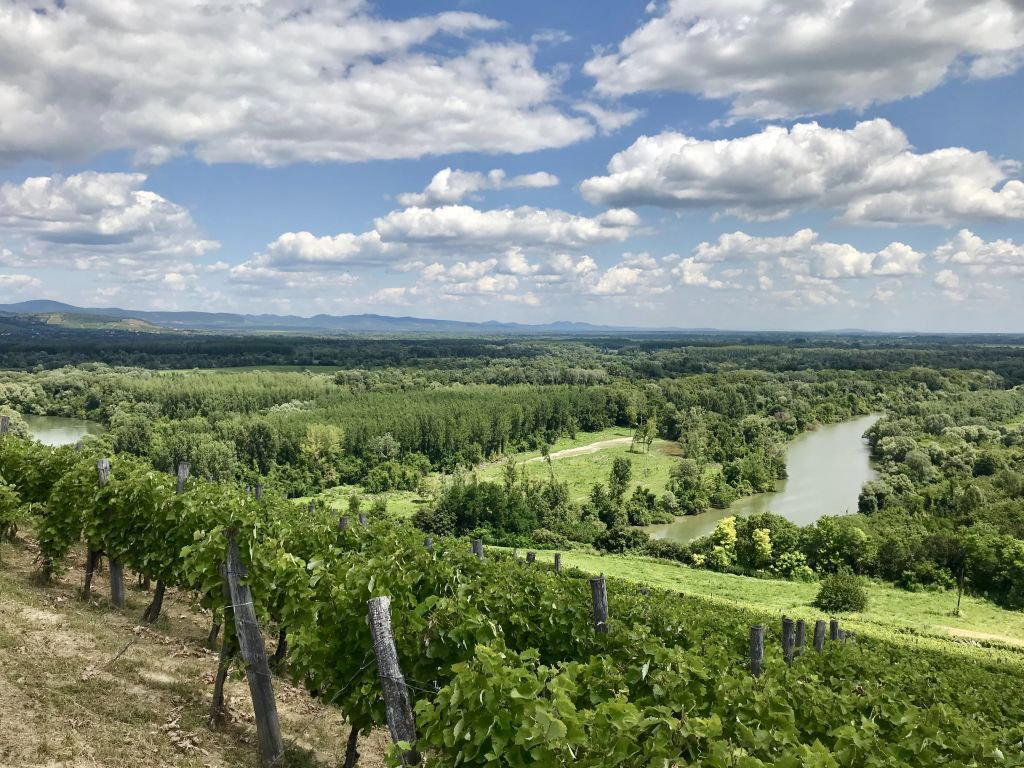
Visitors who have spent time at comparable estates, Árvay Winery in Rátka or Béres Winery in Erdőbénye, for example, will find points of comparison useful. Each producer within the appellation draws on different vineyard sites and applies different approaches to harvesting and élévage, and the differences between them are meaningful rather than cosmetic. Royal Tokaji's vineyard holdings, which include classified sites, provide the foundation for those comparisons.
How Tokaj Tastings Differ from Other European Wine Regions
For visitors whose tasting experience is rooted in Burgundy, Bordeaux, or Napa, producers like Accendo Cellars in St. Helena or elsewhere in the New World, Tokaj presents a different set of reference points. The concept of botrytis-affected grapes harvested individually by hand, pressed to produce must of extraordinary sweetness and concentration, and then aged in small casks in underground cellars, is distinct from almost any other fine wine tradition. The puttonyos system, which historically measured the proportion of Aszú paste added to a base wine, has been refined in recent decades but still structures how these wines are categorised and priced.
That specificity is part of what makes a guided tasting here more rewarding than a retail encounter with the same bottles. The wines are not always immediately legible to palates trained on dry reds or conventional white wine formats. Acidity, oxidative character, residual sugar, and the particular honeyed-mineral quality associated with botrytis all operate simultaneously, and understanding how to read them requires some orientation. A well-run tasting experience in Mád provides that orientation through the wines themselves rather than through lecture.
For those interested in how Tokaj compares to other premium Hungarian producers operating in a different register, Babarczi Winery in Győr and Bock Winery in Villány offer useful contrast from other Hungarian appellations, while Aberlour in Aberlour illustrates how a different category of heritage producer in a separate country approaches the challenge of communicating tradition through a structured visitor experience.
Planning a Visit to Royal Tokaji
Mád is approximately two and a half hours by road from Budapest, making it a day trip for city-based travellers, though an overnight stay allows time to cover multiple producers without rushing. The village is compact and most of its wine estates can be reached on foot once you are in the centre. Royal Tokaji's address on Rákóczi utca places it along the main artery through the village, accessible without any significant navigational complexity.
Visits to most Mád producers benefit from advance arrangement rather than spontaneous arrival. The tasting room economy here runs on appointment-based visits, and the staff who guide those sessions are typically the people with the most detailed knowledge of current vintages and vineyard classification. Arriving without prior contact risks finding the cellar closed or the tasting experience unavailable. Contacting the estate directly ahead of travel remains the most reliable approach, even if current contact details require independent verification through the producer's own channels.
The optimal period for visiting Tokaj-Hegyalja runs from late spring through autumn. Harvest, which typically falls in October and extends into November for late-harvest Aszú picking, brings particular activity to the village but also higher visitor numbers. Spring and early autumn offer more space to move through estates at a considered pace. For a broader picture of what Mád offers across producers, formats, and dining, see our full Mád restaurants guide.
Cuisine Context
Comparable venues nearby, for context on price, style, and recognition.
| Venue | Cuisine | Price | Awards | Notes |
|---|---|---|---|---|
| Royal TokajiThis venue — the venue you are viewing | Furmint, Sárgamuskotály | Not listed | Falstaff Winery - Listed | Not listed |
| Szent Tamás Winery | Furmint, Hárslevelű | $50–100 | Not listed | Mád |
| Barta Pince | Furmint, Hárslevelű | $50–100 | Falstaff Winery - Listed | Mád |
| Holdvölgy | Furmint, Hárslevelű | $20–30 | Falstaff Winery - Listed | Mád |
| Zsirai Winery | Furmint, Hárslevelű | Not listed | Not listed | Mád |
| Szepsy | Furmint, Hárslevelű | Not listed | World's 50 Best #43 · Falstaff Winery - Listed | Mád |
Recognition history
Dated appearances from independent guides and award organizations, with the underlying list record or original source where available.
Falstaff Winery - Listed
Falstaff
Details
- Historic
- Elegant
- Rustic
- Scenic
- Intimate
- Wine Education
- Special Occasion
- Cave Tasting
- Vineyard Tour
- Historic Building
- Vineyard
- Mountain
- Furmint
- Sárgamuskotály
- Hárslevelű
- Kabar
- Dessert
- Fortified
- Single Vineyard Tasting
- Aszú Tasting
- English
- Hungarian
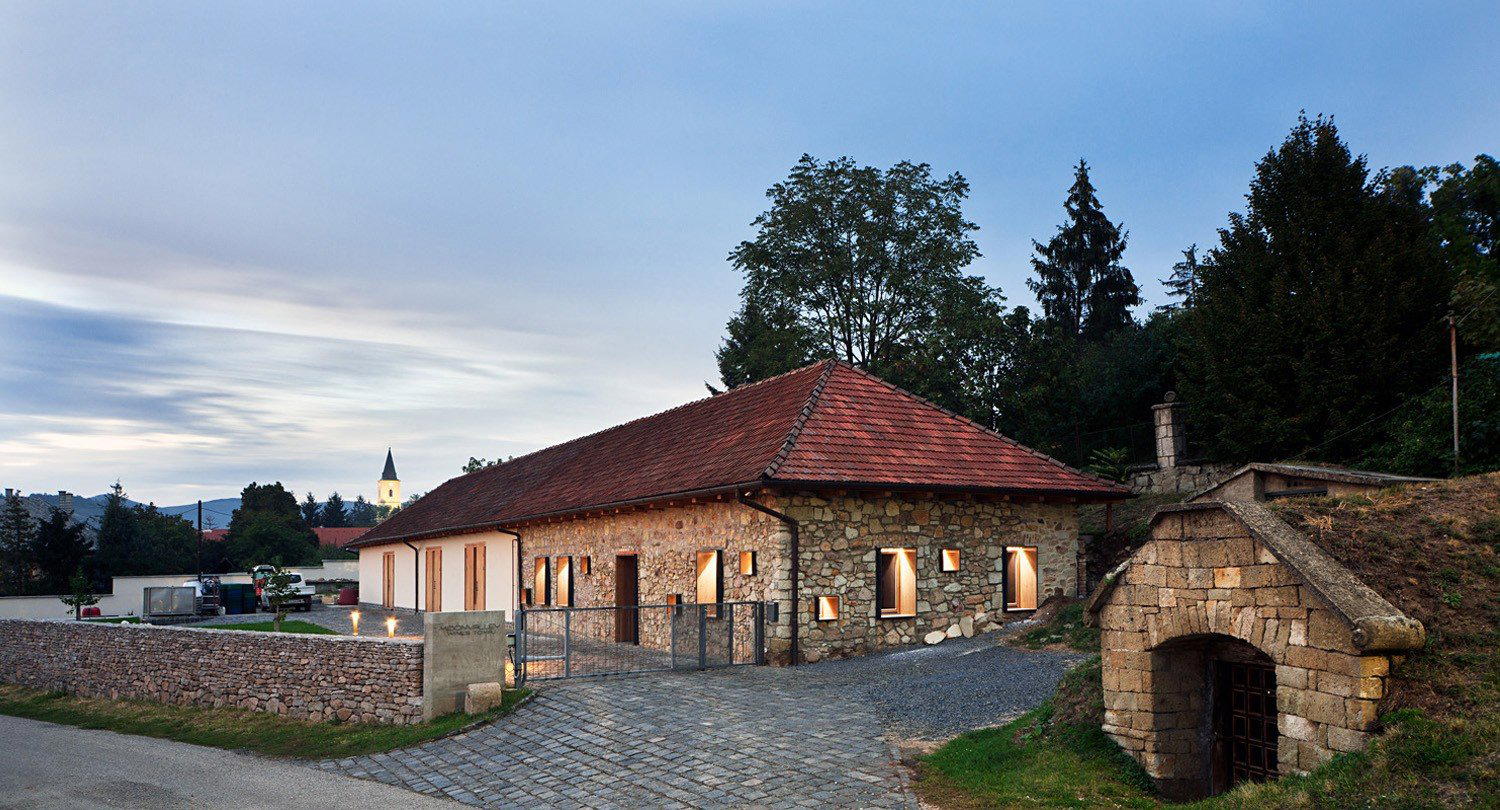
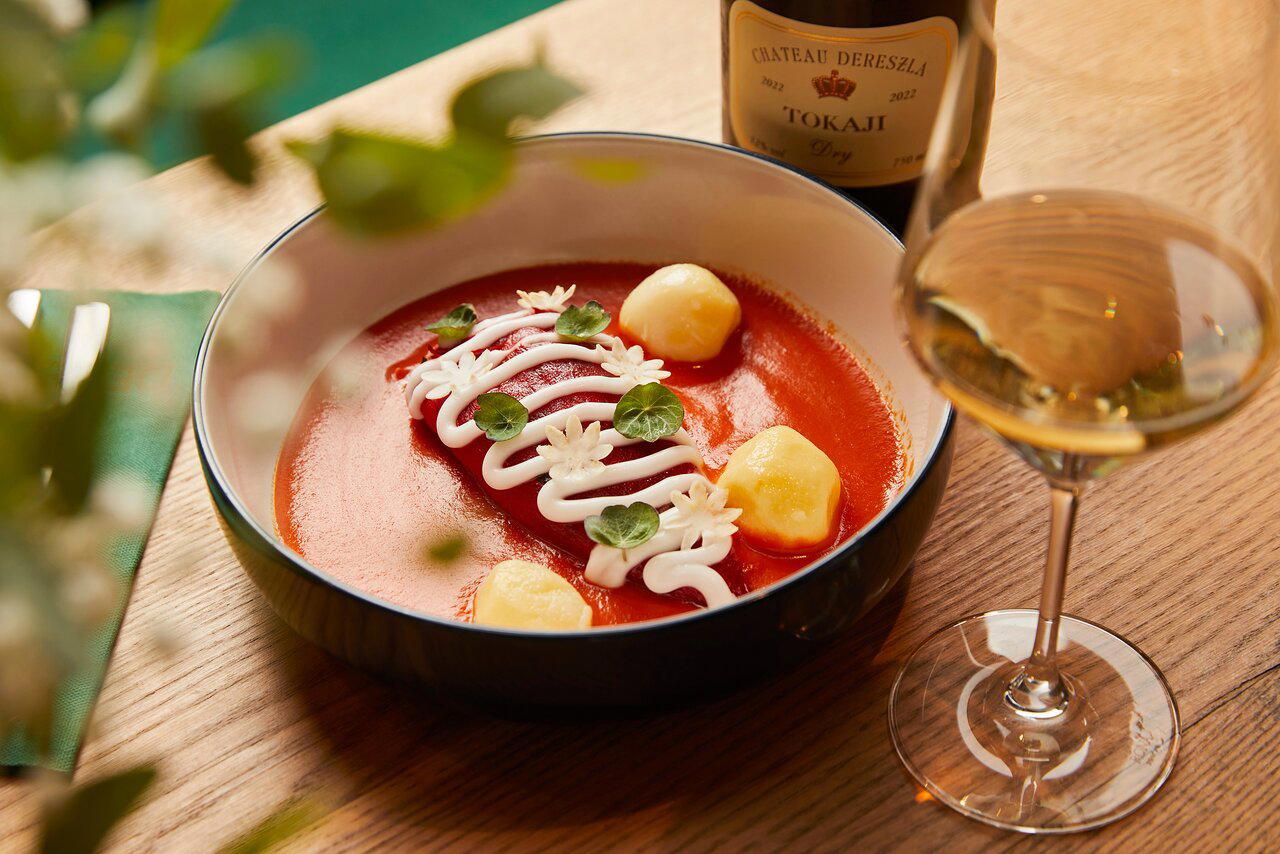
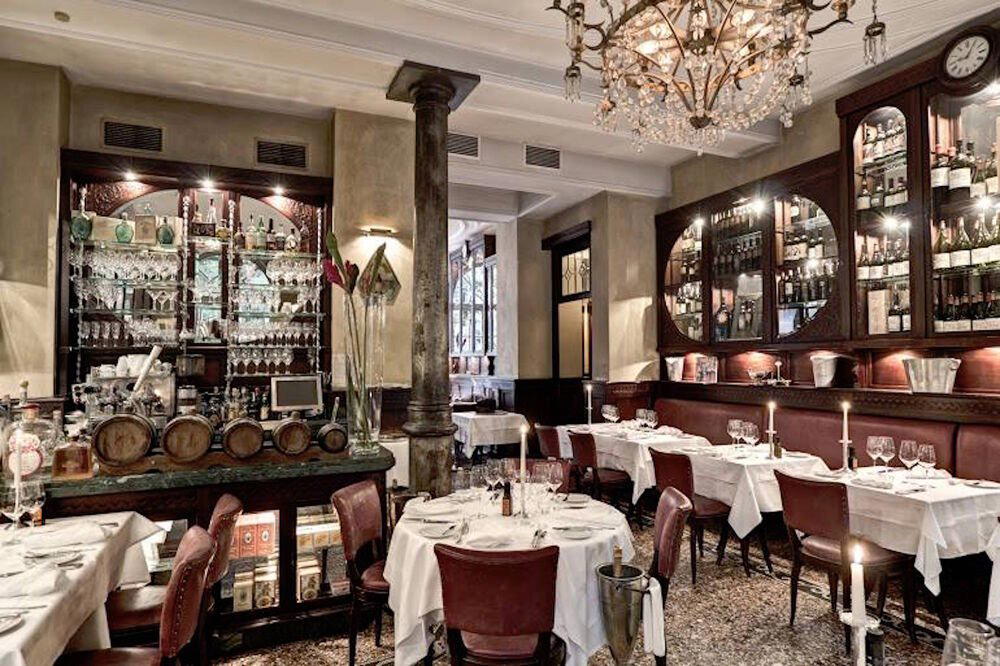
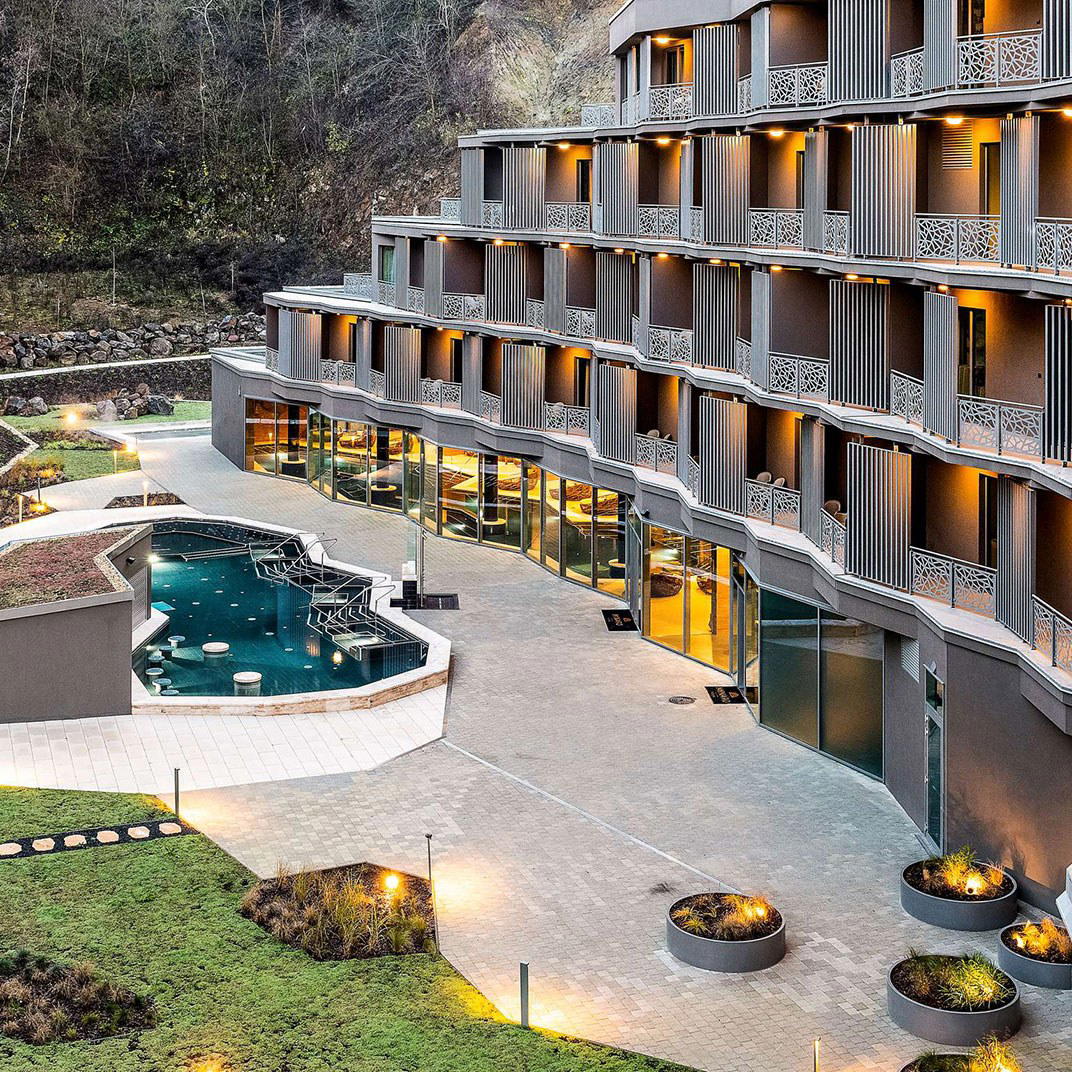
Historic medieval cellars with pitch-dark, mold-covered environments providing cool, damp conditions ideal for slow wine maturation; elegant modern winery blending tradition with state-of-the-art facilities.