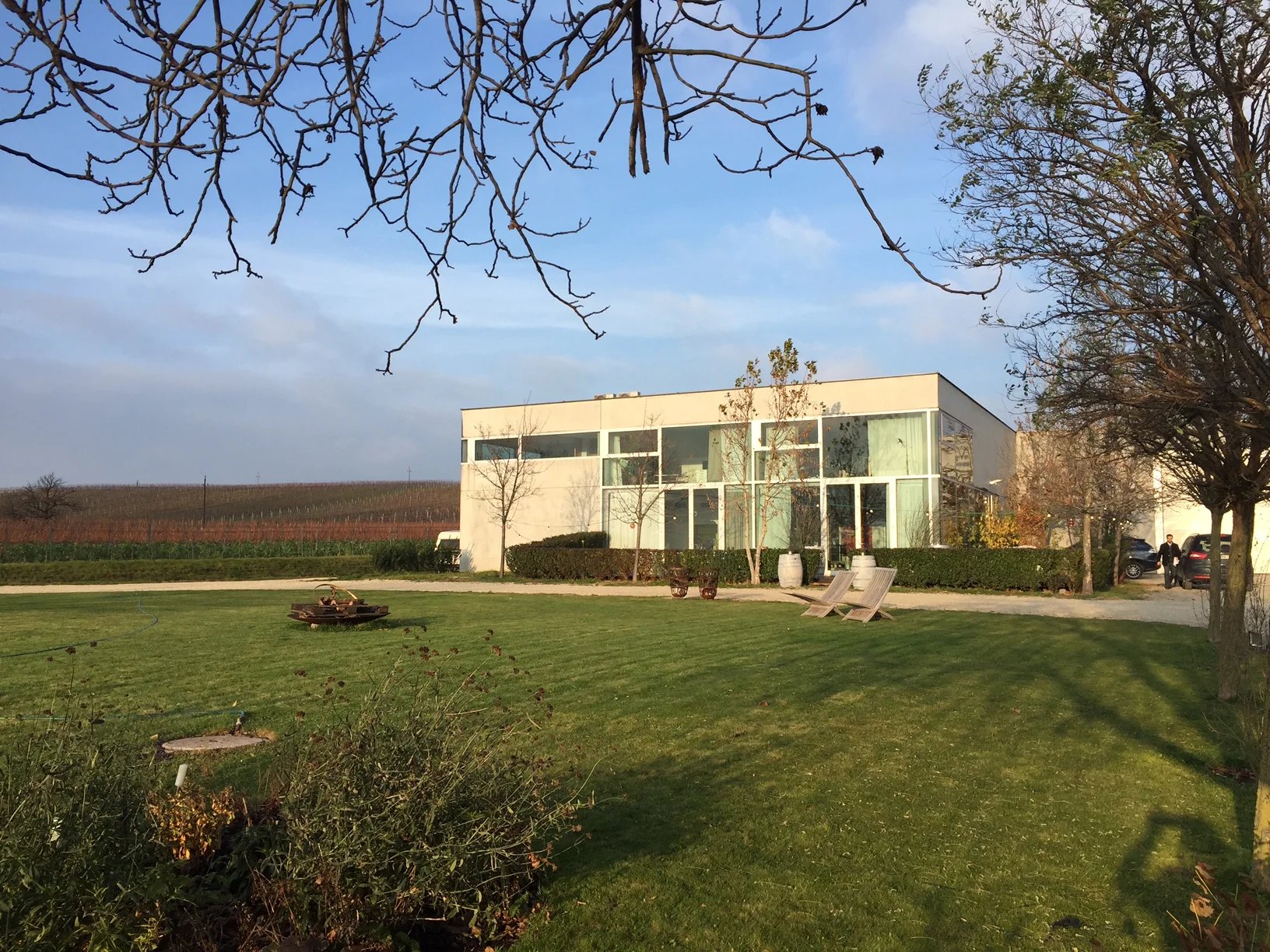
Hotel Daniel Vienna occupies a deliberate position in the city's accommodation spectrum: design-conscious, accessible by price, and rooted in the kind of low-fuss sociability that draws repeat visitors from the creative and travelling professional crowd. Located in the 3rd district near the Belvedere quarter, it operates as a gathering point as much as a place to sleep, with a garden, a bakery, and an approach to hospitality that favours informality over ceremony.
 Discover on Pearl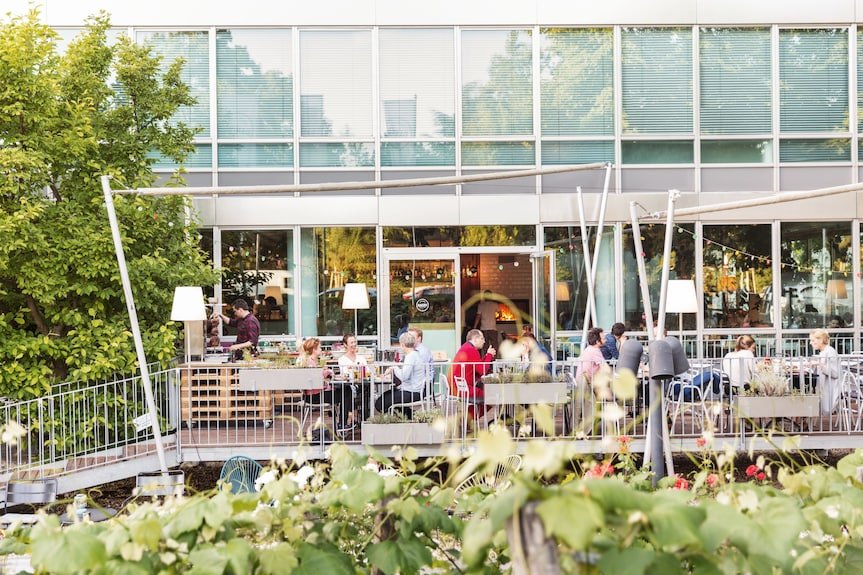
The Third District on Its Own Terms
Vienna's 3rd district, Landstraße, sits just east of the Ringstraße's formal gravity, close enough to the Belvedere gardens and the Stadtpark to feel central, but removed from the tourist density of the 1st. That positioning is not incidental. The neighbourhood has drawn a particular kind of resident and visitor: people who want proximity to the city's cultural infrastructure without the surrounding theatre of the inner districts. Hotel Daniel Vienna, at Landstraßer Gürtel 5, occupies that same temperament. It is not a grand hotel in the Viennese tradition of the Ringstraße palaces, and it does not try to be. It operates in a different register entirely, one that has proved more durable with its regulars than any amount of marble and chandelier.
Approaching from the U3 Rochusgasse stop or the tram lines that run along the Gürtel, the hotel's profile reads as deliberately unhurried. The architecture and communal spaces lean towards the functional-made-considered, a design approach that has become a credible alternative to the heavy-handed luxury aesthetic that dominated European hotel design for most of the 2000s. In Vienna specifically, where the Grand Hotel tradition can feel like a museum piece rather than a living hospitality offer, this positioning has created a loyal following among travellers who return repeatedly, not because the property is trying to impress them, but because it consistently does not.
What Keeps People Coming Back
The regulars at a hotel like this are worth understanding as a category. They are not the guests chasing status-tier upgrades or the business travellers logging nights for points. They tend to be younger creative professionals, design-aware tourists, and the kind of Europeans who treat Vienna as a regular stop rather than a once-in-a-decade pilgrimage. For this cohort, the hotel's communal dynamic matters as much as the room itself. The garden is a consistent draw in warmer months, functioning less as a hotel amenity and more as a neighbourhood gathering point where the line between guest and local blurs in a way that more formal properties would never permit.
The bakery component is similarly telling. In a city that takes its coffee houses with near-religious seriousness, a hotel that anchors its morning offer around a proper bakery is making a statement about where it sits in the cultural hierarchy. Vienna's café tradition, running from the Biedermeier era through the fin-de-siècle intellectual salons, is one of the most documented hospitality cultures in Europe. A hotel that aligns itself with that tradition through bread and coffee rather than through lobby grandeur is reading the city correctly. For guests who return season after season, the morning ritual at Hotel Daniel carries something of that continuity: the same quality, the same rhythm, the kind of consistency that earns loyalty without requiring a concierge to manufacture it.
Elsewhere in Vienna's hotel spectrum, the split between grand legacy properties and design-forward independents has widened over the past decade. 25hours Hotel Vienna at MuseumsQuartier occupies the design-independent tier with a more programmatic cultural identity, positioning itself against the MQ's arts institutions. Hotel Daniel operates with less institutional framing but arguably more social ease, which is a different value proposition that suits a different kind of repeat visitor.
Vienna's Drinking Culture as Context
Understanding what Hotel Daniel's bar and social offer means to its regulars requires some context about how Vienna drinks. The city's wine bar scene has expanded considerably, with natural wine lists and Austrian-regional focus becoming more common in venues like Bar Tabacchi and Amerlingbeisl. The cocktail culture has moved in similar directions to other European capitals, away from template international menus and toward smaller, more considered programs. Alte Donau represents yet another register of Viennese leisure drinking, the outdoor, water-adjacent, season-specific format that the city does unusually well.
Hotel Daniel's drinking offer sits within this broader context as something more casual and inclusive than a destination bar, but more intentional than a hotel bar that exists merely as a service amenity. For the guest who is using the hotel as a base for several days of serious Vienna engagement, including the Belvedere collections, the Lower and Upper museums both within walking reach, and the varied restaurant options in Landstraße and the adjacent 4th district, the ability to end the day somewhere that feels genuinely alive rather than merely functional matters considerably.
Practical Orientation
For first-time visitors arriving at Hotel Daniel Vienna, the 3rd district location provides direct public transport access to almost all of the city's central attractions, with the U3 line running to Stephansplatz in under ten minutes and tram connections covering the Ringstraße institutions. The hotel's positioning at the Gürtel places it at one of Vienna's major arterial roads, which means good connectivity in multiple directions. Those extending their Austrian travels beyond Vienna will find useful comparisons in the country's other drinking and hospitality cultures: Augustiner Bräu Mülln in Salzburg represents the communal beer-hall tradition that sits at the opposite end of Austria's hospitality spectrum, while Landhauskeller in Graz shows how southern Austrian wine culture operates in a historic cellar format. For those moving into the Alpine regions, Hotel Schwarzer Adler Innsbruck in Innsbruck and Achen Lake in Eben am Achensee offer contrasting takes on Austrian hospitality away from the capital. Further afield within Austria's wine country, Carinthia Weinbar in Velden am Wörthersee reflects the lakeside leisure drinking culture of Carinthia. For a sharp contrast in hospitality philosophy from a different continent entirely, Bar Leather Apron in Honolulu and Red Bull Hangar-7 in Himmelreich illustrate how far the design-led hospitality format has travelled globally. See our full Vienna restaurants guide for broader coverage of the city's dining and drinking scene.
Cuisine Context
These are the closest comparables we have in our database for quick context.
| Venue | Cuisine | Awards | Notes |
|---|---|---|---|
| Hotel Daniel Vienna | This venue | ||
| Capsule | |||
| Champagne Characters | |||
| Espresso Bar | |||
| Eulennest Vinothek | |||
| Kleinod Bar |
Continue exploring
![[aend] restaurant in Vienna](https://cdn.enprimeurclub.com/storage/v1/object/public/images/locations/recsVyRkMfzCxPmp0/hero2.jpg?width=3840&quality=85)