Weingut Lenz Moser

Weingut Lenz Moser sits in Rohrendorf bei Krems, at the heart of one of Austria's most consequential wine corridors. For those tracing the Wachau and Kremstal wine regions, this address rewards serious attention.
Pearl is the En Primeur Club membership app — saves, bookings, and concierge access live there. Same editors, same standards.
- Address
- Lenz Moserstraße 1, 3495 Rohrendorf bei Krems
- Phone
- +43 2732 85541
- Website
- lenzmoser.at
- Directions
- Get directions
 Saves & bookings on Pearl
Where the Danube Bends and the Soil Takes Over
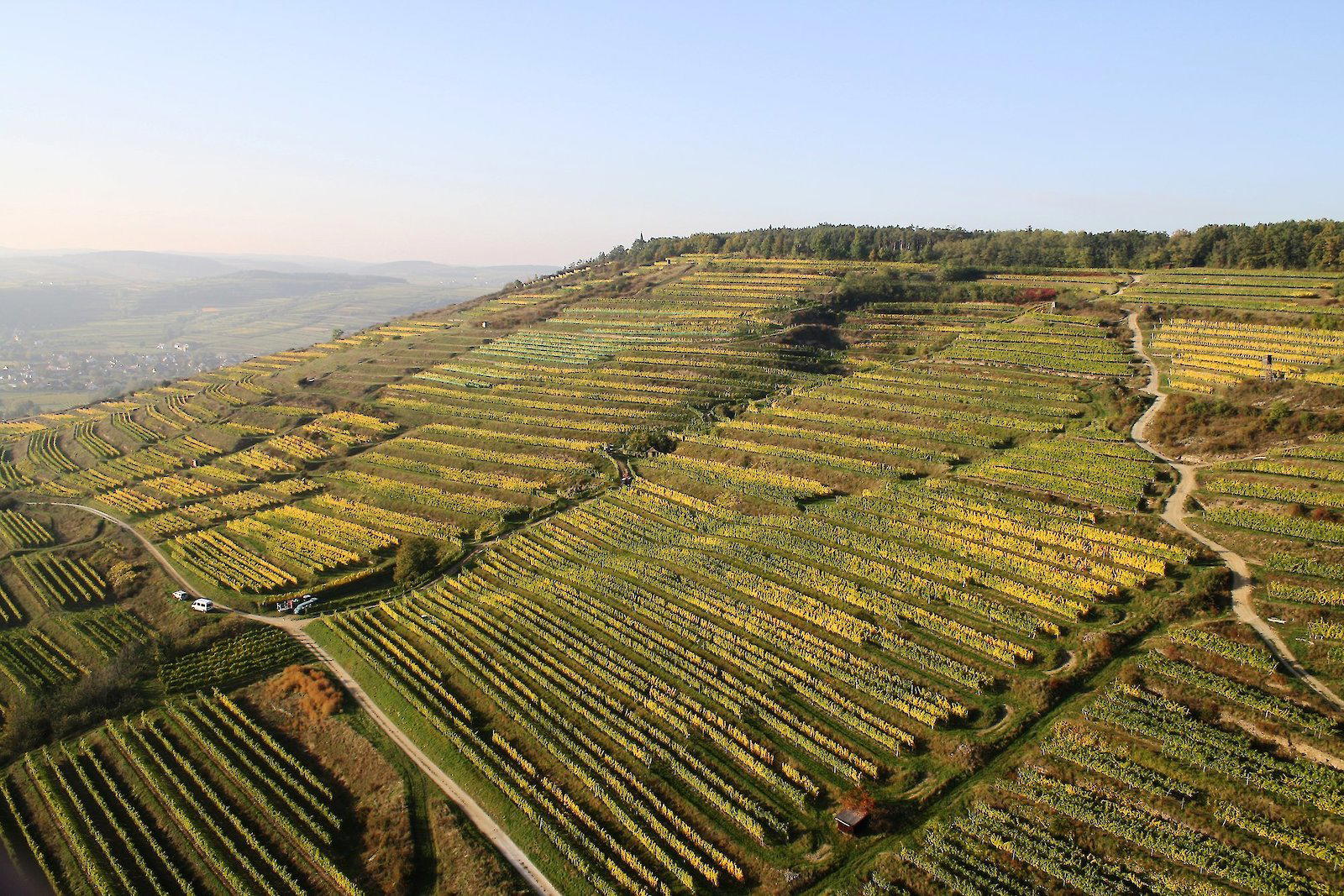
The road into Rohrendorf bei Krems arrives through a landscape shaped more by geology than by human ambition. The Kremstal, curving south from the Danube, is defined by a collision of primary rock and loess, the gneiss and granite that run through the hillside vineyards, and the deep wind-deposited soils that hold moisture and slow the ripening of grapes in ways that few Austrian regions can replicate with the same precision. Weingut Lenz Moser, addressed at Lenz Moserstraße 1, sits directly inside this corridor, one of the more storied wine addresses in Lower Austria.
That kind of award carries context. In the broader Austrian fine wine scene, the Kremstal appellation has spent decades working its way out of the shadow of its neighbour the Wachau, establishing its own identity on the strength of Grüner Veltliner and Riesling grown on soils that differ meaningfully from the terraced schist slopes further west. Rohrendorf, specifically, sits at a point where those primary rock influences begin to soften and loess takes on a larger role, and that shift in substrate shows up in the wines, which tend toward a rounder, more textural register than the high-altitude Wachau bottlings. Weingut Emmerich Knoll in Dürnstein and Weingut Bründlmayer in Langenlois each operate from different geological starting points, and comparing those houses against Lenz Moser is a useful exercise in understanding how the region's soils translate into glass.
Terroir as the Organizing Principle
Austrian wine culture has placed terroir at the centre of its quality argument for at least three decades, and the Kremstal was among the first DAC appellations to codify that logic into regulation. The DAC framework, which ties the appellation name to specific grape varieties and style benchmarks, functions as a kind of terroir guarantee: wines that carry the Kremstal DAC designation must express what the region can actually do, not what the winemaker can impose on it. This structure rewards estates whose vineyards are well-placed and whose approach respects the seasonal rhythms of a continental climate with warm summers, cold winters, and autumn windows that stretch just long enough for slow, even maturation.
The loess soils around Rohrendorf are particularly significant for Grüner Veltliner. Loess retains water through dry spells and releases it steadily, which buffers against the kind of heat stress that can flatten aromatics and push alcohol higher than the variety's ideal range. The result, across producers who manage their yields carefully, is Grüner Veltliner with the white pepper signature intact and a mineral thread that reads as place rather than technique. Comparable producers across Lower Austria, including Weingut Heinrich Hartl in Oberwaltersdorf and Weingut Kracher in Illmitz, each occupy different terroir positions and different stylistic registers, which underscores how much Austria's wine identity depends on reading geography as the primary text.
The Rohrendorf Position in the Kremstal Map
Rohrendorf occupies a transitional zone in the Kremstal, which gives it a slightly different production profile from the higher-altitude sites further into the hills. Elevations here support a longer hang time in good vintages without the extreme diurnal temperature swings that define higher sites, and the loess-heavy soils add body and persistence to wines that might otherwise read as linear. This is Grüner Veltliner country at a mid-weight register, and the Riesling grown on pockets of primary rock in the same district tends toward a broader, more stone-fruit-inflected style than the leaner, more mineral expressions that the schist soils of the Wachau produce. Neither style is strictly superior, they are different arguments from different soils, and both have a strong case.
The estate's address on a street that bears its own name is a detail worth noting. In Austrian wine geography, that kind of historical anchoring usually signals long tenure in a specific location, which matters because Kremstal sites take time to read correctly. Producers who have farmed the same plots across multiple decades accumulate knowledge about which rows ripen earliest, which blocks need thinning in wet years, and how the microclimate shifts from the valley floor to the middle slopes. That accumulated site knowledge is not transferable, and it tends to show up in wines that are consistent across vintages rather than merely impressive in notable years. For a region that has had to make its case against the more famous Wachau benchmark, consistency across the vintage range is the more persuasive argument. You can explore neighbouring producers with a similarly rooted approach, including Weingut Sepp Moser, also based in Rohrendorf, whose trajectory offers a useful parallel.
Austria's Broader Fine Wine Context
Understanding Lenz Moser requires some orientation within the wider Austrian wine hierarchy. The country's fine wine identity has broadened substantially over the past two decades. What was once a Grüner Veltliner and Riesling story, concentrated in the Wachau, Kamptal, and Kremstal, now includes serious red wine production from Burgenland, with estates like Weingut Pittnauer in Gols making a case for Blaufränkisch and field blends that sit comfortably alongside Kremstal whites in terms of critical standing. The country's wine culture has also developed a more diversified production infrastructure, with distilleries and specialist producers across multiple regions, including Weingut Scheiblhofer Distillery in Andau and Weingut Wohlmuth in Kitzeck, which has built its reputation in Styria on aromatic whites from slate and volcanic soils.
Against that broader picture, Kremstal estates like Lenz Moser sit at the intersection of tradition and geographical specificity. They are not trying to be Wachau, and they are not chasing the red wine premiums of Burgenland. The argument is about what loess and primary rock in the Kremstal corridor can do with Grüner Veltliner and Riesling when the vines are old enough and the farming is careful enough.
Planning a Visit to Rohrendorf
Rohrendorf bei Krems is accessible by train from Vienna via the Westbahn or Norbahn routes, with connections to Krems an der Donau, the regional hub, running regularly throughout the day. From Krems, the village is a short drive or taxi ride. The broader Kremstal and Wachau wine corridor is one of Austria's more visited wine regions, particularly in September and October when harvest activity adds another layer to what is already a visually compelling stretch of the Danube valley. Visitors combining Rohrendorf with Langenlois to the north and Dürnstein to the west can trace a significant cross-section of Austrian white wine styles within a single day's travel. Booking ahead is recommended for an estate visit.
Is Weingut Lenz Moser more low-key or high-energy?
By the conventions of Austrian estate wineries, Rohrendorf producers tend toward a measured, producer-focused hospitality style rather than the high-throughput tasting room format common in New World wine regions. Visitors should expect a setting oriented around the wines and the vineyards rather than around event programming.
What's the signature bottle at Weingut Lenz Moser?
Given Rohrendorf's terroir profile, Grüner Veltliner and Riesling are the varieties most closely associated with the Kremstal appellation and particularly logical starting points for any serious tasting.
Why do people go to Weingut Lenz Moser?
The Kremstal's loess and primary rock terroir tells a distinct story from the Wachau's schist slopes, and Lenz Moser is one of the addresses where that distinction is worth examining directly. For producers operating in adjacent regions and styles, the EP Club also covers 1310 Spirit of the Country Distillery in Sierning, 1404 Manufacturing Distillery in Sankt Peter-Freienstein, 1516 Brewing Company Distillery in Vienna, A. Batch Distillery in Bergheim, Aberlour in Aberlour, and Accendo Cellars in St. Helena for a wider comparative frame across Austria and beyond.
Fast Comparison
Comparable venues nearby, for context on price, style, and recognition.
| Venue | Cuisine | Price | Notes |
|---|---|---|---|
| Weingut Lenz MoserThis venue — the venue you are viewing | Grüner Veltliner, Blauer Zweigelt | $$ | Not listed |
| Weingut Sepp Moser | Grüner Veltliner, Riesling | $$$ | Rohrendorf |
| Weingut Salomon Undhof | Riesling, Grüner Veltliner | $$ | Stein an der Donau |
| Destillerie Königsberg | Winery | Not listed | Kirchschlag |
| Baumann Obstbrand Distillery | Winery | Not listed | Stanz bei Landeck |
| Fuxsteiner Dirndl Distillery | cornelian_cherry | $$ | Tradigistgegend |
Recognition history
Dated appearances from independent guides and award organizations, with the underlying list record or original source where available.
Falstaff Winery - 2 Stars
Falstaff
Continue exploring
More in Rohrendorf
Wineries in Rohrendorf
Browse all →
Bars in Rohrendorf
Browse all →
Restaurants in Rohrendorf
Browse all →
At a Glance
- Classic
- Rustic
- Wine Education
- Vineyard Tour
- Estate Grounds
- Vineyard
- Weinviertel
- Grüner Veltliner
- Blauer Zweigelt
- Riesling
- Chardonnay
- Pinot Noir
- Blaufränkisch
- Still White
- Still Red
- Estate Tasting
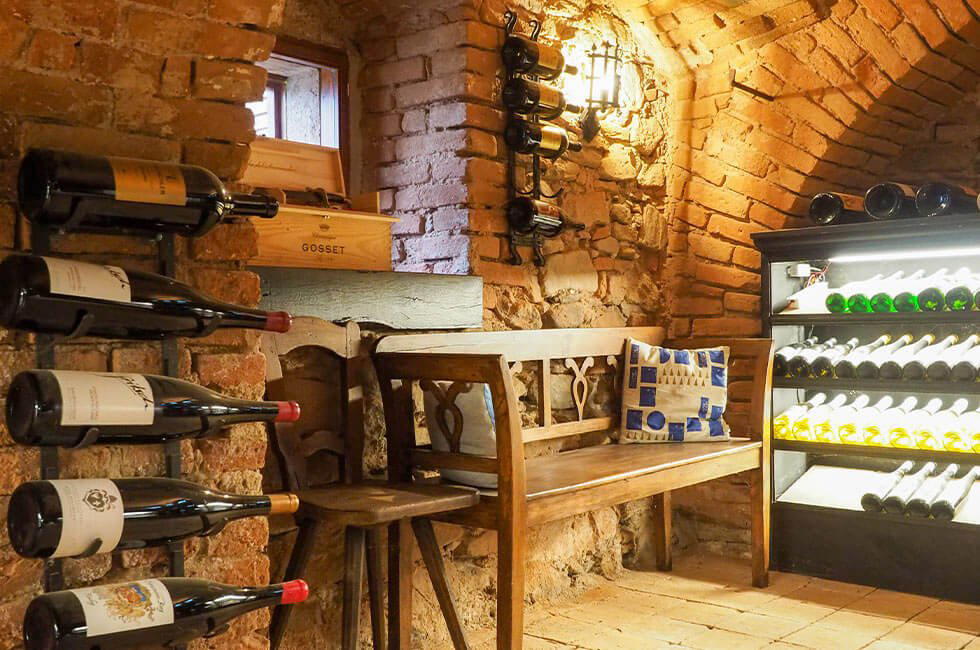
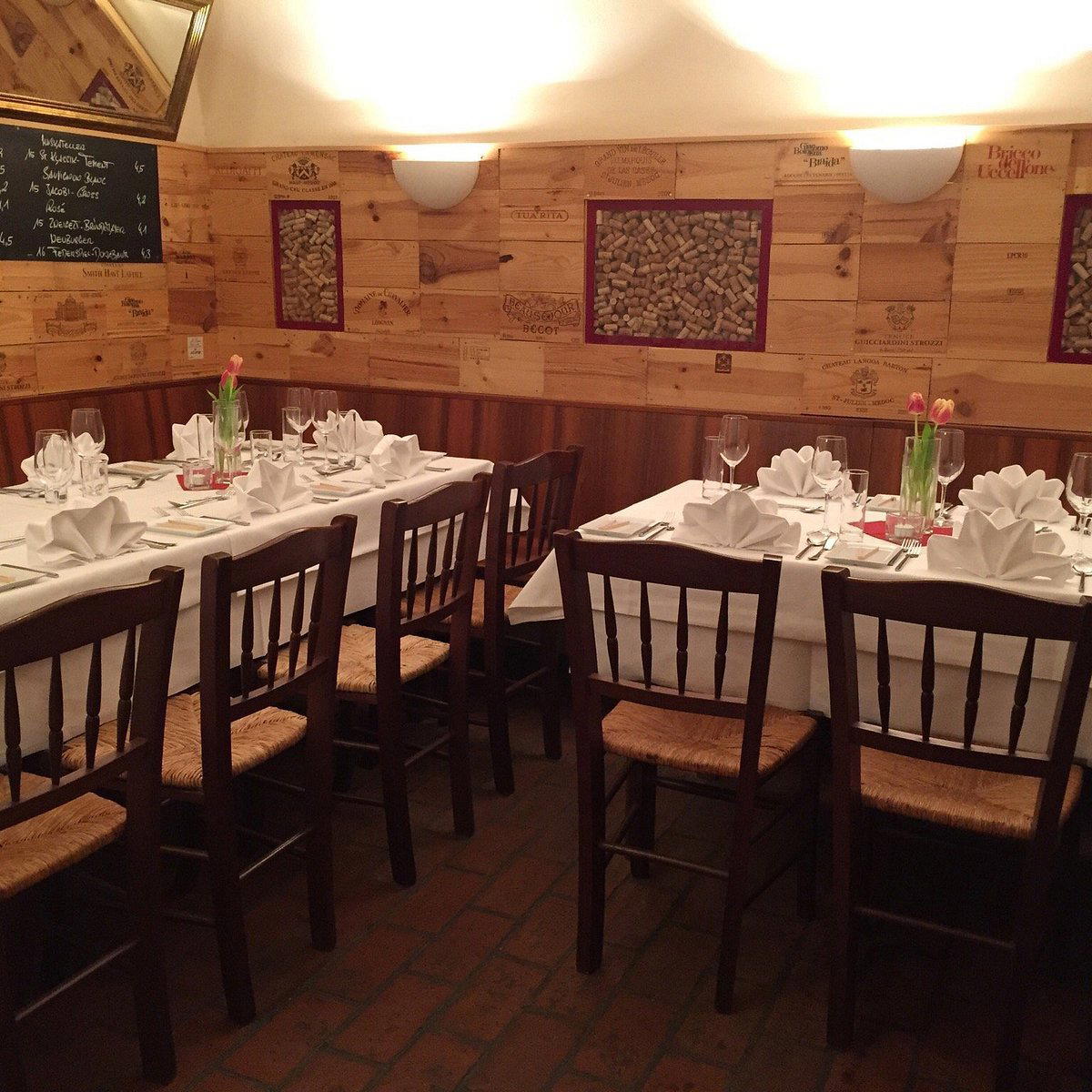
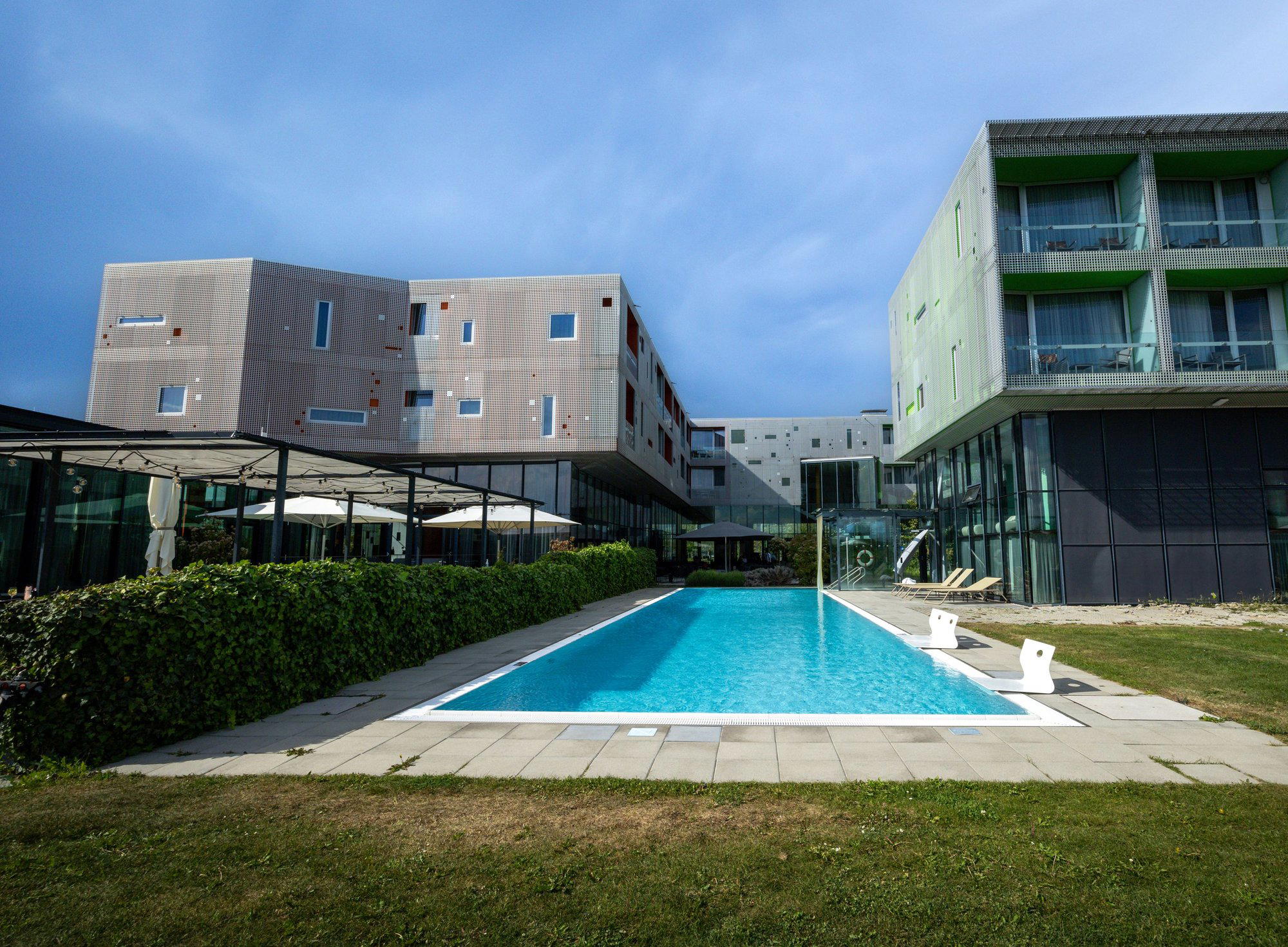
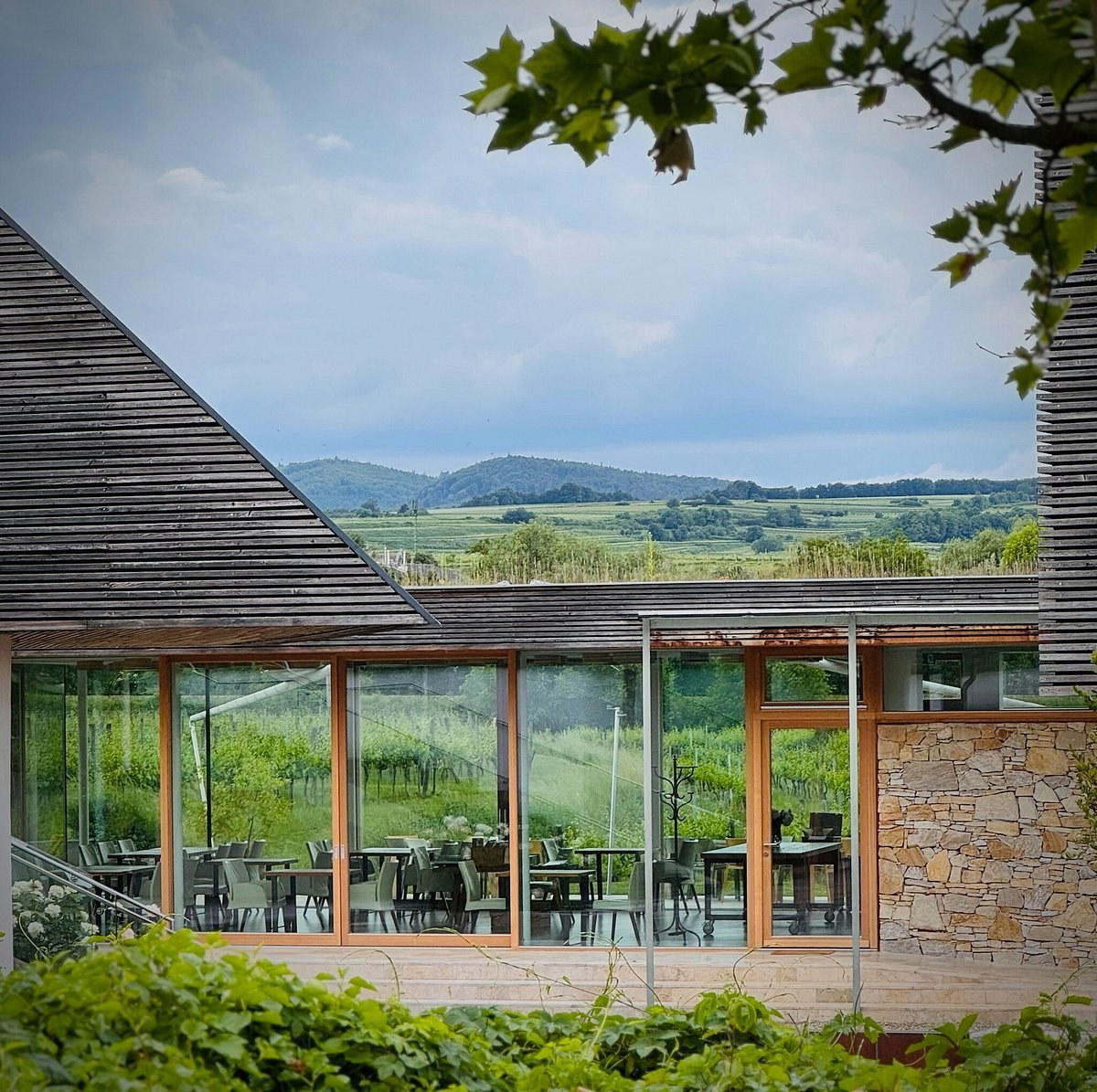
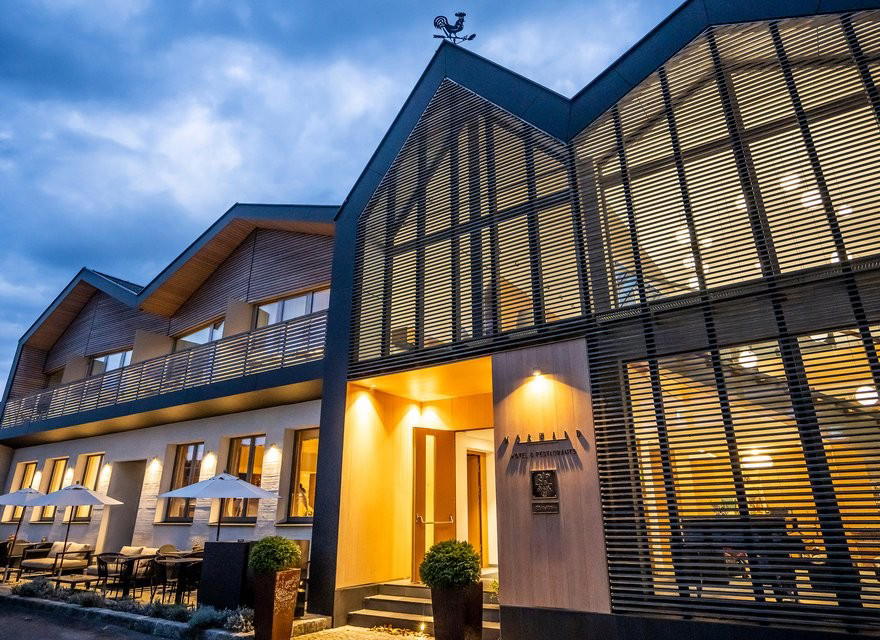
Historic estate atmosphere blending tradition and innovation in a scenic wine-growing valley.