Villa de Varda
Villa de Varda sits in Mezzolombardo at the northern edge of the Rotaliana plain, where the Adige valley narrows and the soils shift toward the gravel-rich terrain that defines the region's wine identity. It is an address that rewards those who follow Italian mountain viticulture seriously.
Pearl is the En Primeur Club membership app — saves, bookings, and concierge access live there. Same editors, same standards.
- Address
- Via Rotaliana, 27, 38017 Mezzolombardo TN
- Phone
- +39 0461 601486
- Website
- villadevarda.com
- Directions
- Get directions
 Saves & bookings on Pearl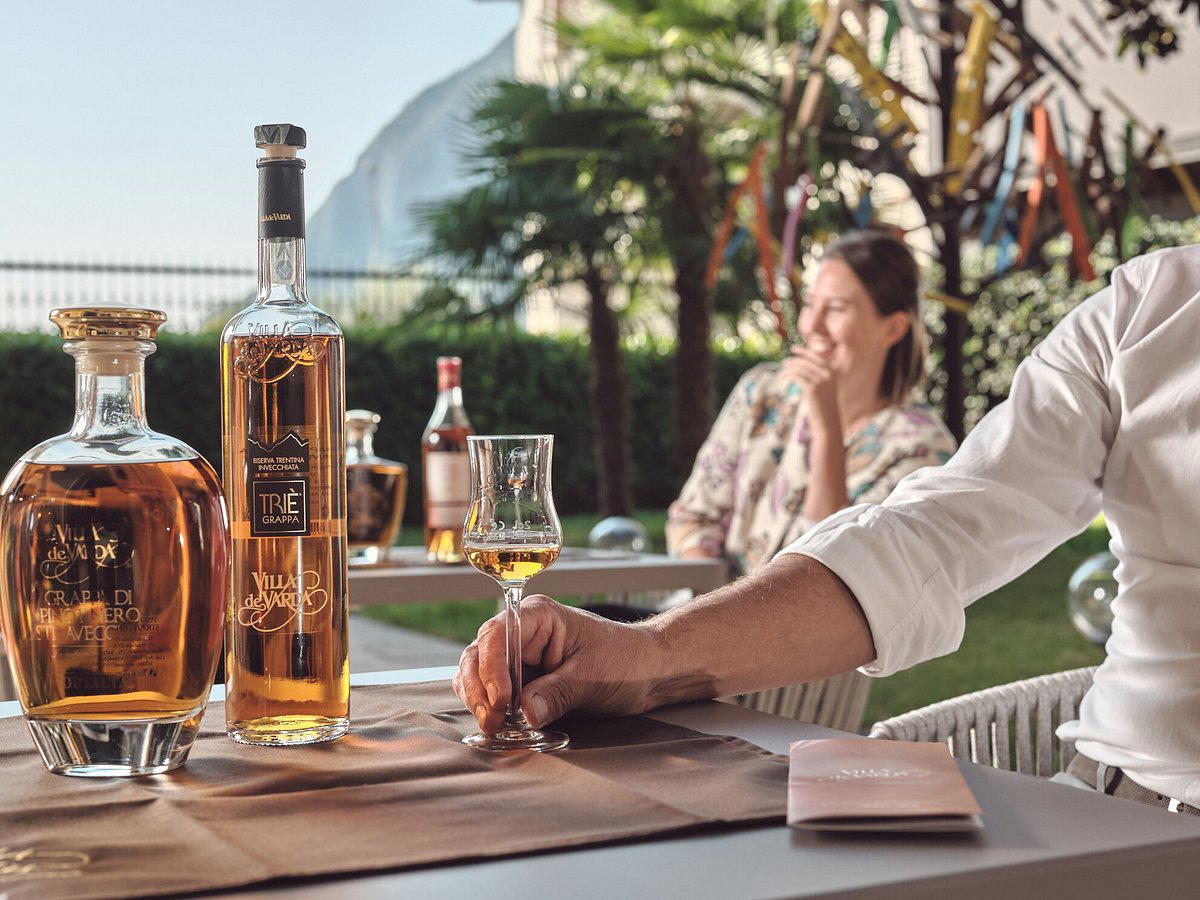
Where the Rotaliana Plain Meets the Alps
The approach to Mezzolombardo tells you something before you arrive at any cellar door. The Adige valley tightens here, the Dolomite foothills pressing in from both sides, and the alluvial plain below, the Rotaliana, opens briefly in a flood of gravel and porphyry soils that have shaped Trentino's wine identity for centuries. This is Teroldego country: the grape is so bound to this specific geography that the DOC carries the plain's name in its title. Villa de Varda, located on Via Rotaliana in Mezzolombardo, is a winery focused on Teroldego Rotaliano DOC. The address is not incidental. It is an argument about terroir stated in stone and soil before a single bottle is opened.
Among the credentialed producers of the Trentino-Alto Adige corridor, a region that runs from Bolzano south through Trento and draws comparisons to alpine producers across the border in Austria and Switzerland, Mezzolombardo sits at a precise gravitational point. The valley's diurnal temperature range, warm days and sharply cool nights driven by the Ora wind from Lake Garda, preserves acidity in grapes that ripen fully at altitude. That thermal structure is the reason producers here can work with varieties that would read as flat or overripe in warmer Italian zones.
Trentino's Winemaking Logic
To understand what a Trentino winery of this standing is doing, it helps to think about the region's position within Italian viticulture more broadly. Trentino is neither Tuscany nor Piedmont in the popular imagination, yet its producers have long operated with a precision and terroir-consciousness that aligns them more closely with Burgundy's appellation thinking than with the volume-led production of the Po plain. The emphasis tends toward restraint: wines built for structure, longevity, and the expression of specific site conditions rather than for fruit-forward accessibility. Producers such as Foradori, also based in Mezzolombardo, have made that argument on the international stage.
Within that framework, the winemaker's role in Trentino is particularly consequential. The region's varietal complexity is significant: Teroldego and Marzemino sit alongside Pinot Grigio, Gewürztraminer, Nosiola, and an array of international varieties that entered the valley during the late nineteenth century and became naturalized over decades. Decisions about harvest timing, canopy management on steep or semi-steep sites, and cellar approach in fermentation and aging define the character of a wine in ways that are less negotiable here than in flatter, more forgiving terrain. When a winery works across multiple varieties on this geography, the winemaking philosophy functions as the connective tissue of the entire range.
That philosophy, in the mountain wine tradition, tends toward intervention minimalism: the goal is to carry what the site and the season offer into the bottle without masking it. This is not the same as hands-off production; it requires active decision-making at every stage to protect freshness and structure. The parallel in other Italian regions can be found in producers like Aldo Conterno in Monforte d'Alba or in the estate-led identity of Ca' del Bosco in Erbusco.
The Rotaliana as a Winemaking Address
Few Italian plains carry the appellation specificity of the Rotaliana. The Campo Rotaliano DOC for Teroldego is tightly bounded: the grape grows here and essentially nowhere else at commercial quality. That exclusivity creates both a burden and an opportunity for producers on the plain. The burden is that Teroldego's tannic structure and dark fruit profile need careful handling to avoid the wine reading as heavy or extractive. The opportunity is that a well-made Teroldego Rotaliano, structured, mineral, with the sort of alpine freshness that the diurnal range delivers, is genuinely distinctive in the context of Italian red wine, with few direct comparators.
Producers operating in this tight geography need to work with the variety's particular chemistry. Teroldego's high polyphenol content and thick skins mean decisions in the vineyard about yield management and in the cellar about maceration length and extraction pressure carry outsized consequences for the finished wine. Estates that have resolved those decisions with clarity tend to produce wines that age in interesting ways, developing the savory and earthy complexity that characterizes the leading expressions of the DOC. Villa de Varda's position on Via Rotaliana places it at the center of that conversation, and its 2025 prestige recognition affirms that the work being done here is registering at the level where it matters.
Italian Mountain Producers in Context
The broader Italian premium wine scene has diversified considerably over the last two decades. Regions that once existed outside the mainstream critical conversation, Etna, the Jura-adjacent Valtellina, the Friuli-Venezia Giulia whites corridor, now carry waiting lists and international allocations. Trentino's producers have benefited from this widening of attention, though the region's visibility still trails its quality in most export markets. That gap represents both a market dynamic and a practical reality for travelers: estates here are more accessible, more willing to receive visitors, and less mediated by the allocation systems that have made access to comparable producers in Piedmont or Tuscany increasingly difficult.
For reference, estates like Lungarotti in Torgiano, Castello di Volpaia in Radda in Chianti, or Planeta in Menfi represent the kind of estate-scale, regionally rooted production that has defined Italian premium wine's appeal internationally. Villa de Varda operates within that same category of producer, with the specificity of the Rotaliana plain as its geographical anchor. Among Trentino's distilling tradition, producers like Distilleria Marzadro in Nogaredo and Nonino Distillery in Pavia di Udine reflect the alpine spirit-making culture that runs parallel to viticulture in this part of Italy, providing further context for the region's production breadth.
Planning a Visit to Mezzolombardo
Mezzolombardo sits in Trentino at a practical intersection for travelers moving between Verona or Bolzano by road or rail. The Rotaliana plain is navigable on foot from the town center, and Via Rotaliana runs through the estate addresses that define the DOC's core. For anyone structuring a Trentino wine itinerary, Mezzolombardo warrants a half-day at minimum, with time to cover multiple producers on the same plain. Villa de Varda at Via Rotaliana 27 is the relevant address. Contact the estate directly or check current hours before travel.
For travelers who want to extend the producer circuit beyond Trentino, the northern Italian wine corridor connects relatively easily to L'Enoteca Banfi in Montalcino, Poggio Antico in Monte San Vito, and further afield to Accendo Cellars in St. Helena for those tracking comparative winemaking philosophy across regions. Within Italy's spirits and aperitivo tradition, Campari in Milan and Distilleria Romano Levi in Neive complete a picture of the broader Italian production culture that winery sits within. For Scotland enthusiasts, Aberlour in Aberlour draws a useful parallel as a geographically specific producer whose address functions as the first argument for its credibility, the same logic that applies to the Rotaliana plain.
A Pricing-First Comparison
Comparable venues nearby, for context on price, style, and recognition.
| Venue | Cuisine | Price |
|---|---|---|
| Villa de VardaThis venue — the venue you are viewing | Mezzolombardo, Teroldego, Pinot Noir | $$ |
| Foradori | Mezzolombardo, Teroldego, Nosiola | $$$ |
| Lamoreaux Landing Wine Cellars | Winery | Not listed |
| Cantina Produttori Nebbiolo di Carema | Carema, Nebbiolo | $$ |
| Stock Spirits (Stock 84) | Winery | Not listed |
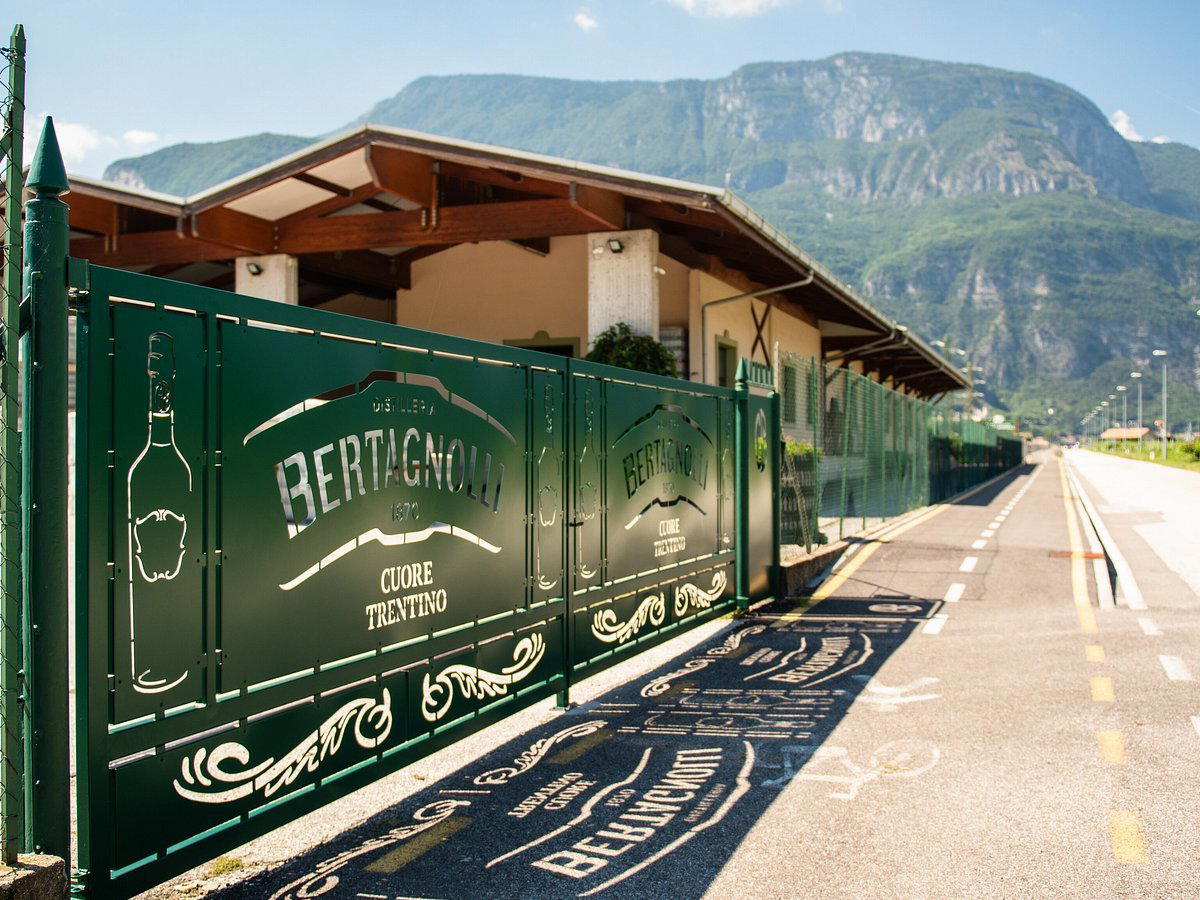
| Distilleria Bertagnolli | Piana Rotaliana, Teroldego, Moscato | $$ |
Continue exploring
More in Mezzolombardo
Wineries in Mezzolombardo
Browse all →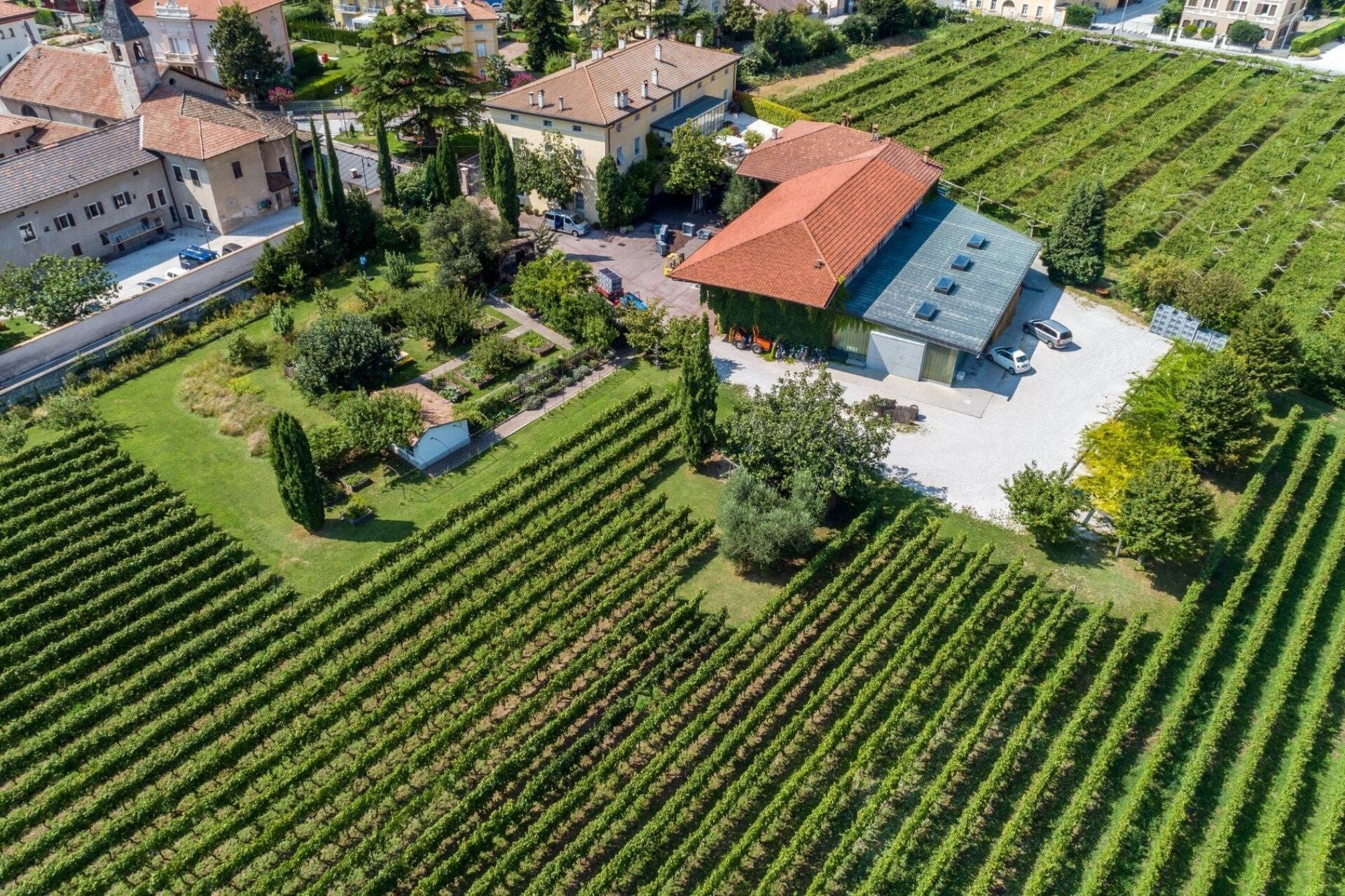
Bars in Mezzolombardo
Browse all →
Restaurants in Mezzolombardo
Browse all →
At a Glance
- Rustic
- Historic
- Intimate
- Wine Education
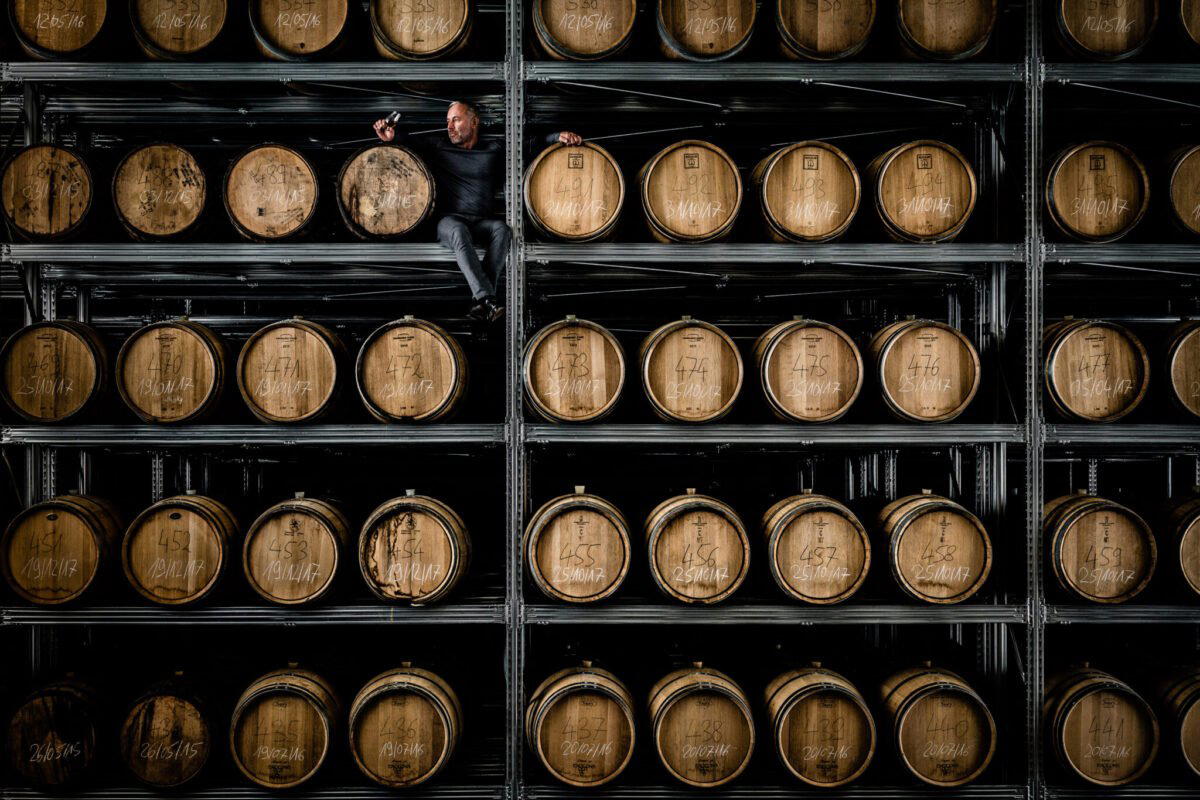
- Barrel Room
- Historic Building
- Vineyard
- Trentino
- Teroldego
- Pinot Noir
- Moscato
- Barolo
- Grappa Tasting
- Whisky Tasting
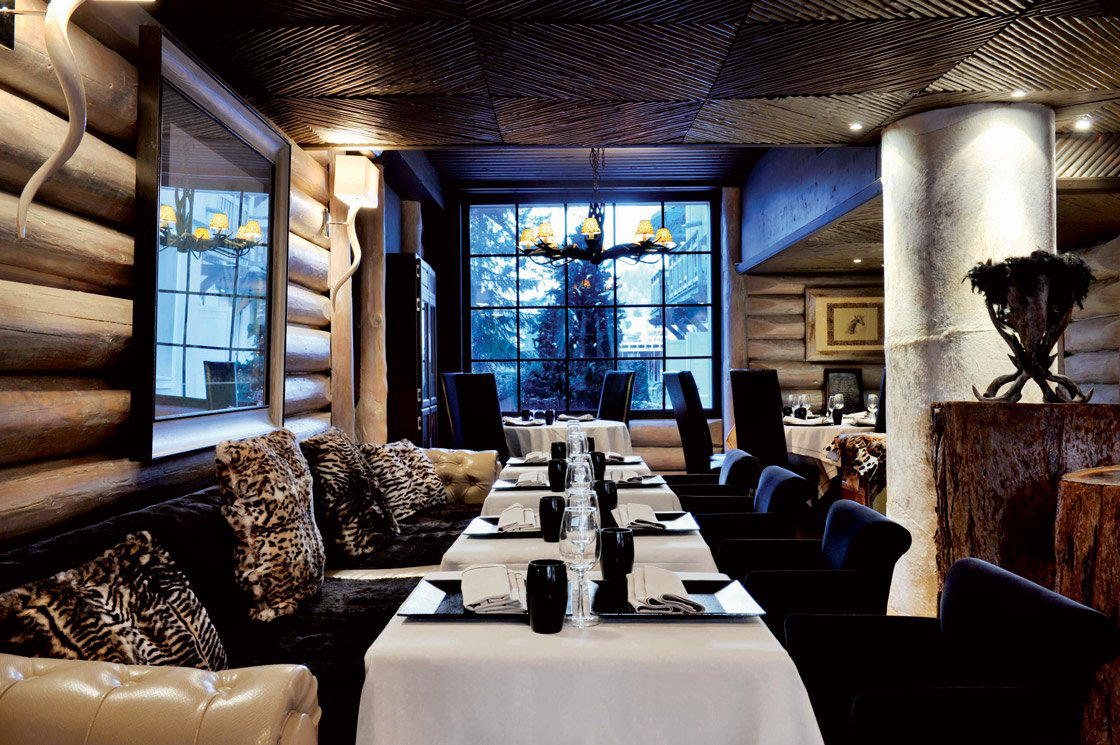
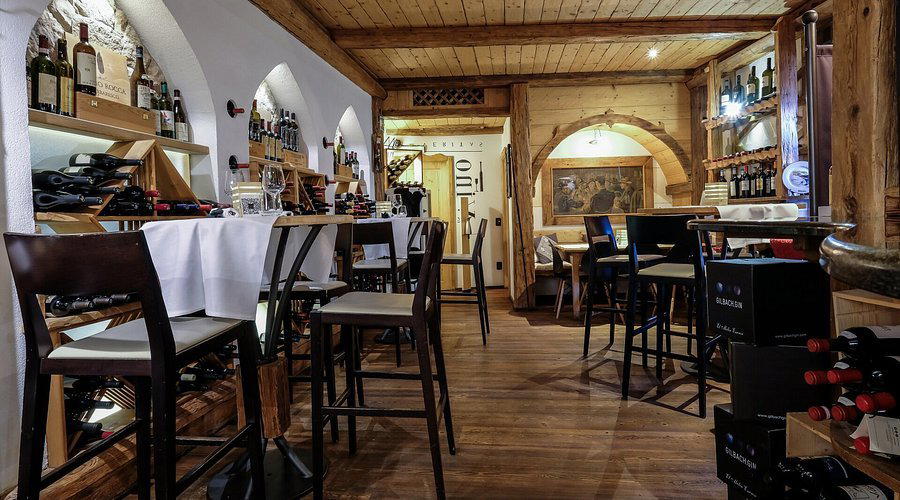
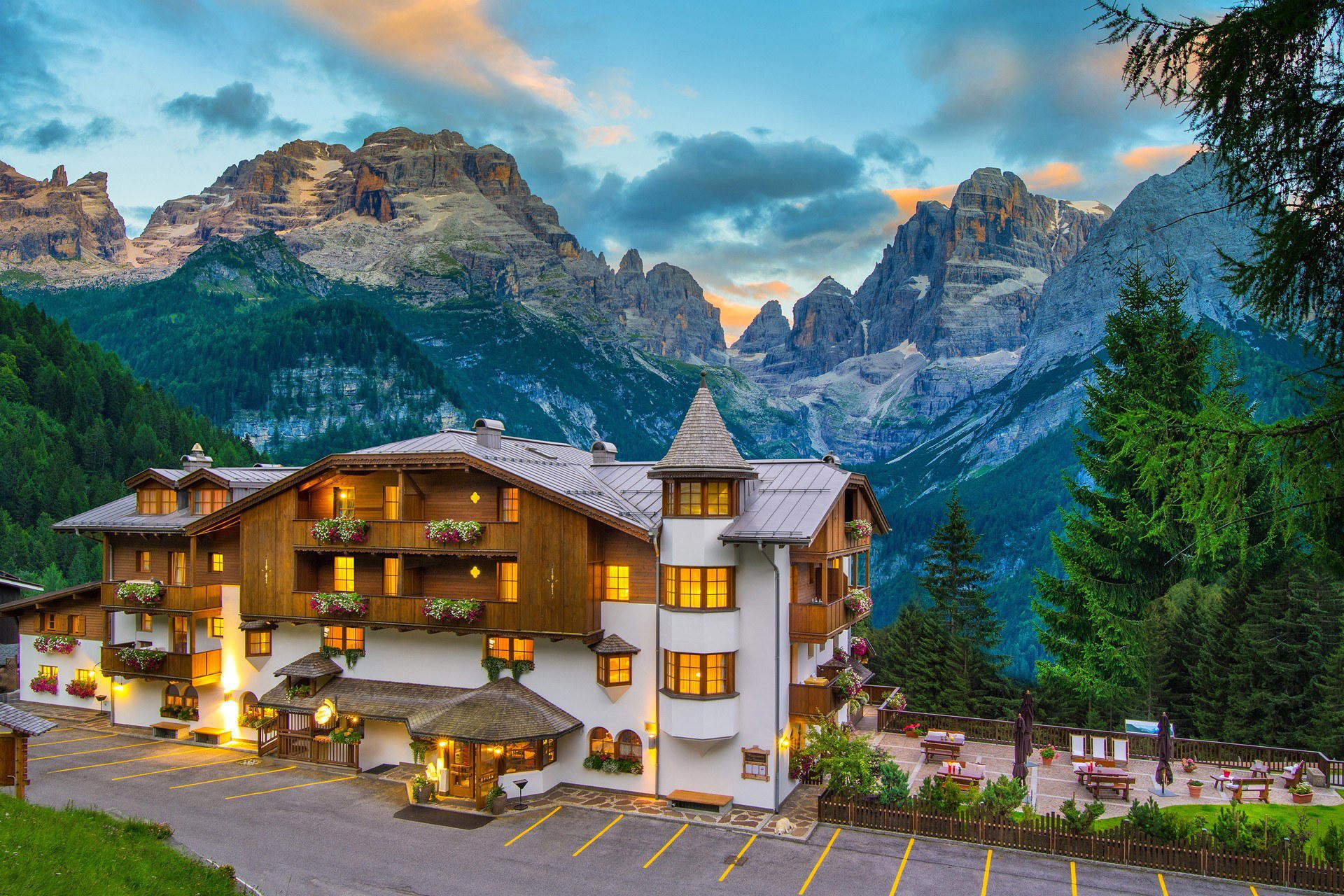
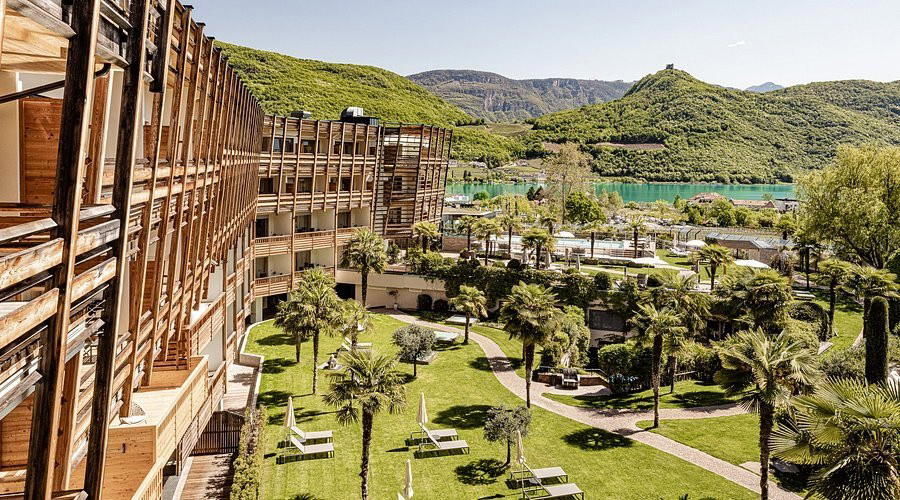
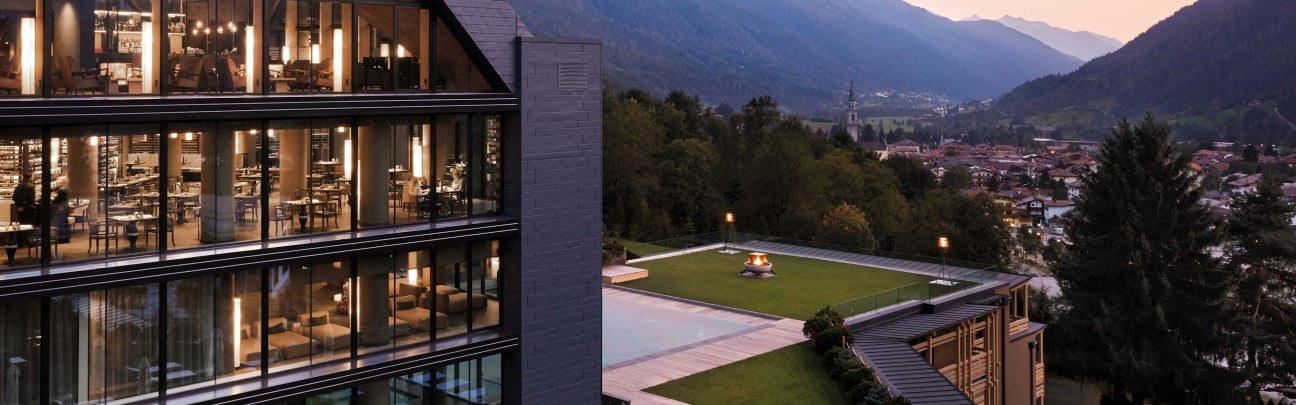
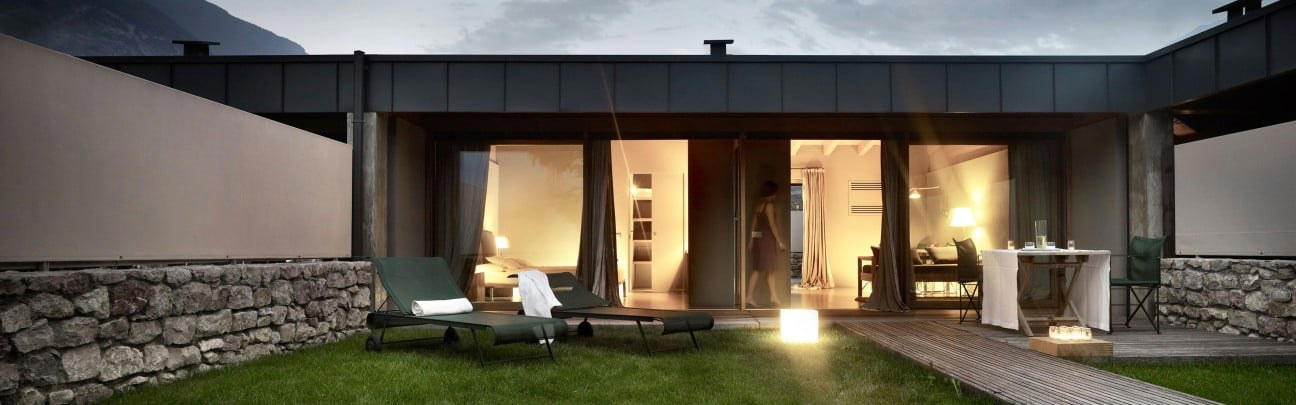
Traditional and artisanal atmosphere in aging barrel cellars and family museum with a focus on craftsmanship.