Based on Napfény utca in the heart of Hungary's most Cabernet-forward red wine region, the winery represents the quieter, producer-direct side of a region that earns serious attention from those who follow Central European viticulture.

Pearl is the En Primeur Club membership app, where members save venues, book tables and use the concierge.
Szekszárd's Red Wine Tradition and Where Vida Fits
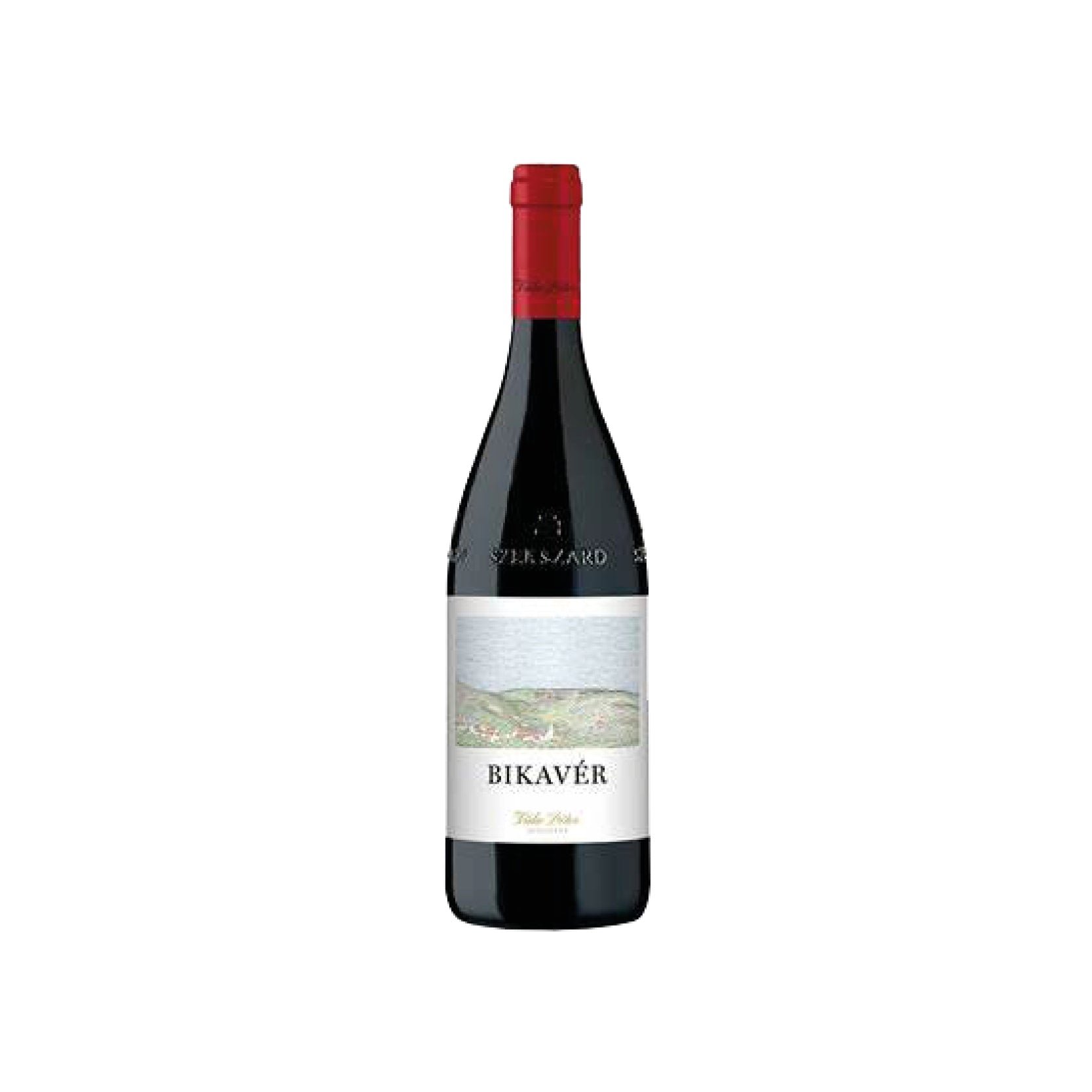
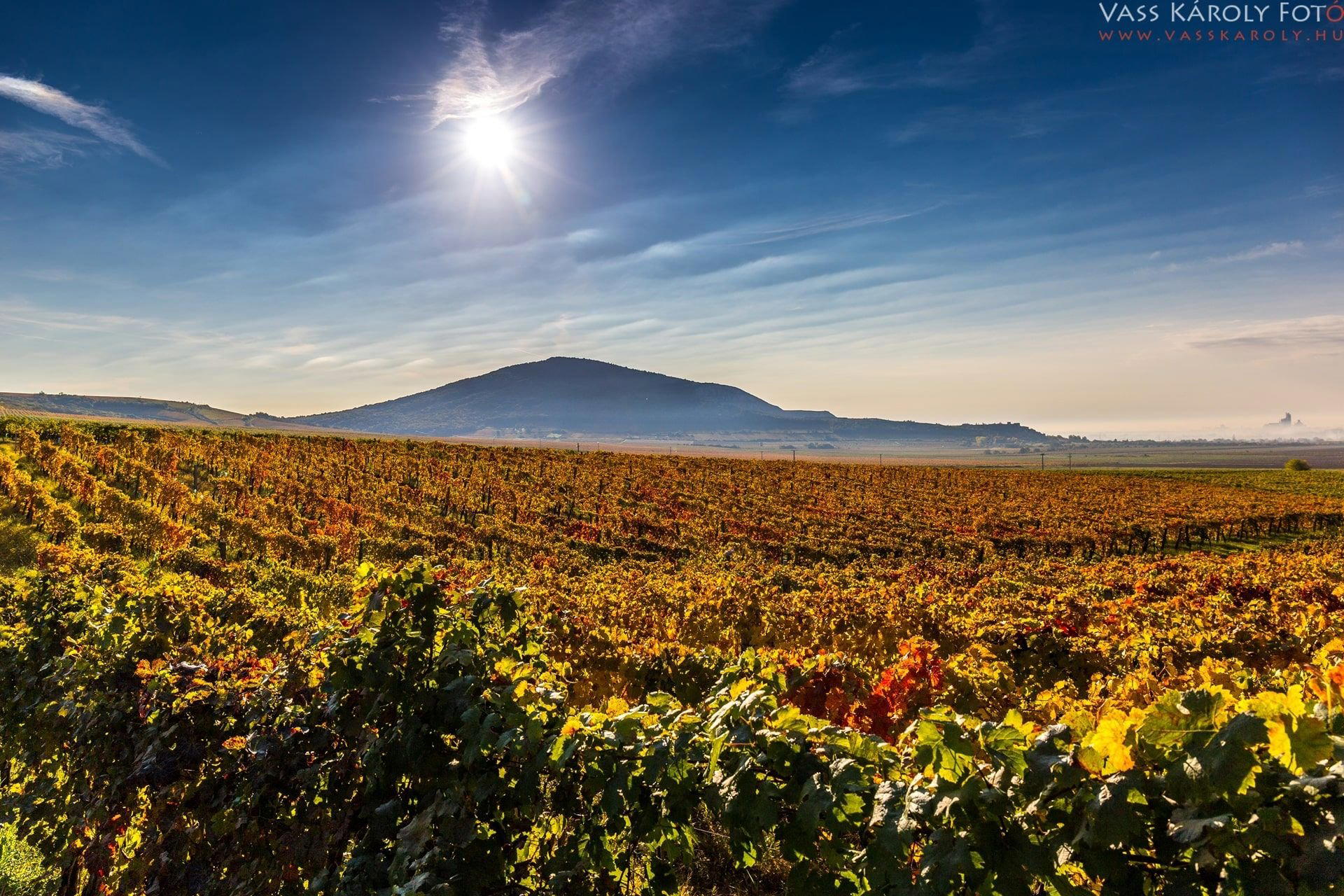
Hungary's wine map divides broadly between the fame of Tokaj in the north and the quieter authority of the Southern Transdanubia region, where Szekszárd produces reds with a density and warmth that have no real equivalent elsewhere in the country. The loess-rich soils and continental climate here favour Kékfrankos, Kadarka, and Bordeaux varieties, often blended into Bikavér, Bull's Blood, which, unlike its Eger counterpart, tends toward a fuller, more structured style. Within that regional identity, individual producers occupy noticeably different positions: some operate at volume with broad distribution, while a smaller cohort works at tighter scale, building reputations through prestige-tier recognition and direct engagement with visitors and buyers.
Vida Wines, at Napfény u. 27/A, sits in the latter cohort. That kind of rating, awarded through the Pearl system's tiered assessment framework, is not distributed widely, and its presence here signals a producer that has passed meaningful critical review rather than simply operating in a desirable region. For context, peers such as Heimann Winery, Bodri Winery, and Eszterbauer Winery all operate within this same Szekszárd community, and visiting more than one on the same trip is both practical and editorially worthwhile, the region rewards comparison tasting in a way that few Hungarian appellations do.
The Pairing Question: Food and Wine in the Szekszárd Context
Szekszárd reds, particularly the fuller Bikavér blends and single-varietal Kékfrankos expressions, are among the most food-compatible wines produced in Central Europe. The structure of these wines, moderate tannin, firm acidity, and dark fruit character shaped by loess and clay soils, makes them natural companions for the region's meat-driven cuisine: slow-braised pork, paprika-heavy stews, game preparations in autumn, and the richer preparations that define Hungarian table cooking at its most serious.
Producers at the prestige tier in Szekszárd increasingly frame their visitor experiences around this pairing logic. Rather than offering generic tastings, the more serious operations in the region bring food into the conversation, whether through formal pairing events, chef collaborations during harvest season, or simpler but deliberate selections of local charcuterie and cheese designed to show the wines in functional context. How Vida Wines structures this hospitality dimension specifically is best confirmed directly upon planning a visit, but the regional pattern is consistent: at this recognition level, the expectation is substance over theatre.
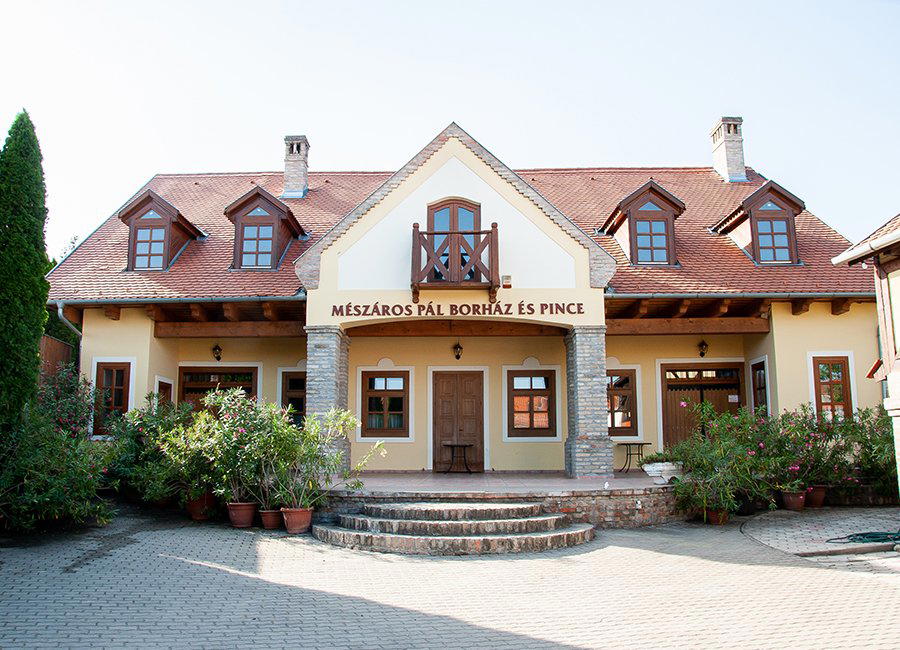
For those mapping a broader Southern Transdanubia itinerary, Lajver Winery and Mészáros Pál Winery are two further Szekszárd addresses worth including. Each brings a different approach to the same regional raw material, and the contrast between cellars is part of the educational value of the visit.
Szekszárd's Place in the Hungarian Wine Hierarchy
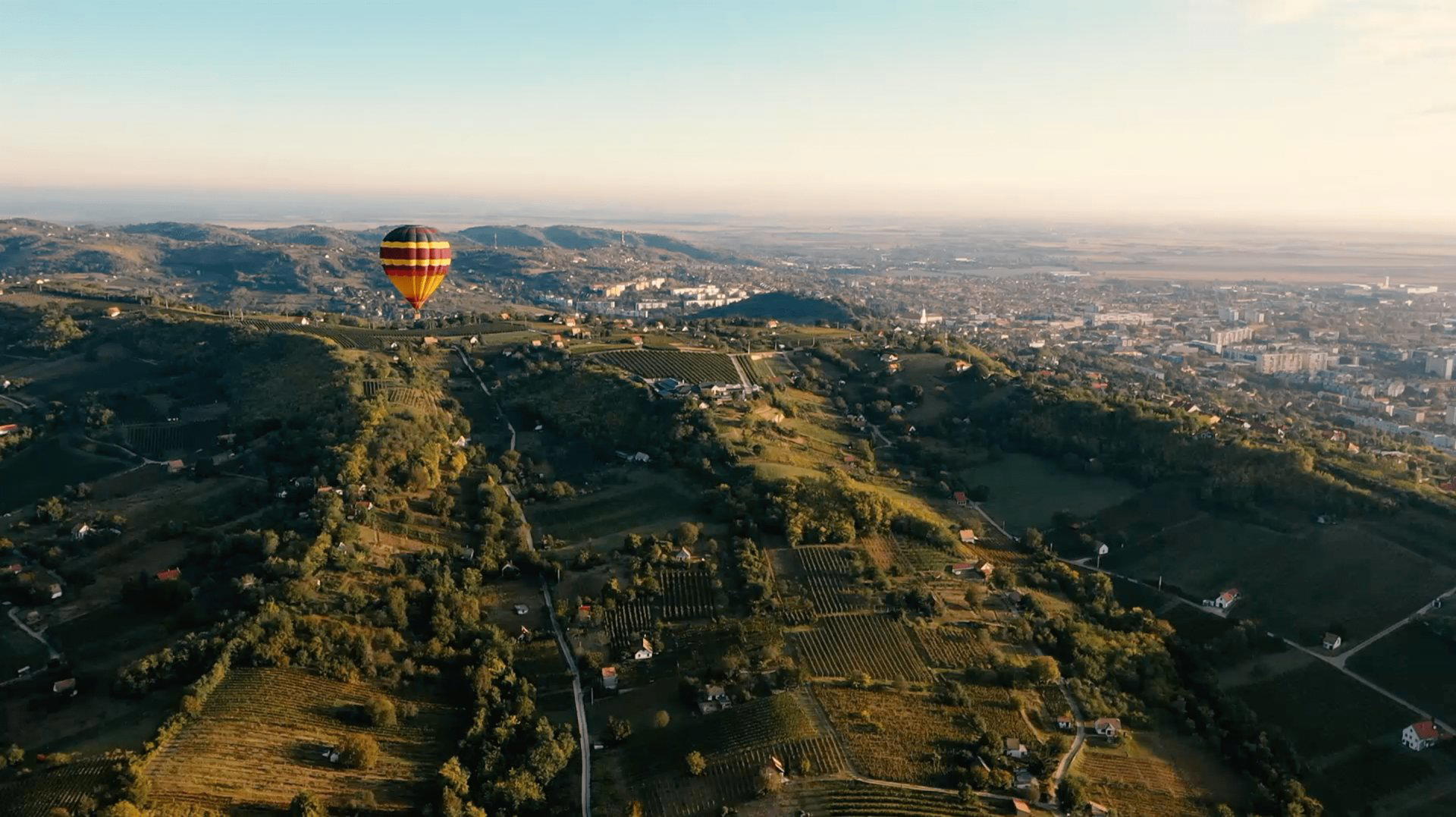
It is worth being direct about Szekszárd's position in international wine consciousness: it remains considerably less visited than Tokaj, and considerably less discussed outside Hungary than its quality level warrants. That gap creates a specific kind of travel opportunity. Regions at this stage, recognised domestically, holding verified prestige credentials, but not yet absorbed into premium international tour circuits, tend to offer access that deteriorates as profile rises. The producer-direct relationship that a visit here can establish is harder to replicate once a region reaches the scale of Tokaj.
Tokaj itself, for comparison, has producers such as Royal Tokaji in Mád, Disznókő in Mezőzombor, Tokaj Hétszőlő in Tokaj, Tokaj Oremus in Tolcsva, and Árvay Winery in Rátka operating in a well-developed visitor infrastructure with international booking pipelines and cellar experiences. Szekszárd sits at an earlier point on that trajectory, which for the right traveller is an argument in its favour rather than against it.
Beyond Hungary, the broader regional premium wine world, represented by producers such as Babarczi Winery in Gyor, Béres Winery in Erdőbénye, and internationally by names like Aberlour in Aberlour or Accendo Cellars in St. Helena, demonstrates how prestige-tier recognition functions across different regional contexts. In each case, the credential carries weight precisely because it is not widely distributed.
Planning a Visit
Szekszárd sits in southern Hungary, roughly two hours south of Budapest by car, making it a workable day trip from the capital or a natural anchor for a multi-day Southern Transdanubia route that might also include Villány and Pécs. The winery's address, Napfény u. Prestige-tier producers in this region typically receive visitors by appointment rather than walk-in, which is worth factoring into planning lead time, particularly during harvest (late September through October), when cellar schedules tighten. Our full Szekszárd restaurants and winery guide maps additional context for building a complete itinerary around the region.
Comparable Venues
Comparable venues nearby, for context on price, style, and recognition.
| Venue | Cuisine | Price | Awards | Notes |
|---|---|---|---|---|
| Vida WinesThis venue (the venue you are viewing) | Kadarka, Kékfrankos | $20–30 | Not listed | Not listed |
| Vesztergombi Winery | Cabernet Sauvignon, Cabernet Franc | Not listed | Not listed | Szekszárd |
| Sebestyén Winery | Kékfrankos, Kadarka | Not listed | Not listed | Szekszárd |
| Heimann Winery | Kékfrankos, Kadarka | Not listed | Falstaff Winery - Listed | Szekszárd |
| Bodri Winery | Kékfrankos, Kadarka | $20–30 | Not listed | Faluhely |
| Eszterbauer Winery | Kadarka, Kékfrankos | Not listed | Not listed | Szekszárd |
Continue exploring
More in Szekszárd
Wineries in Szekszárd
All wineries in Szekszárd →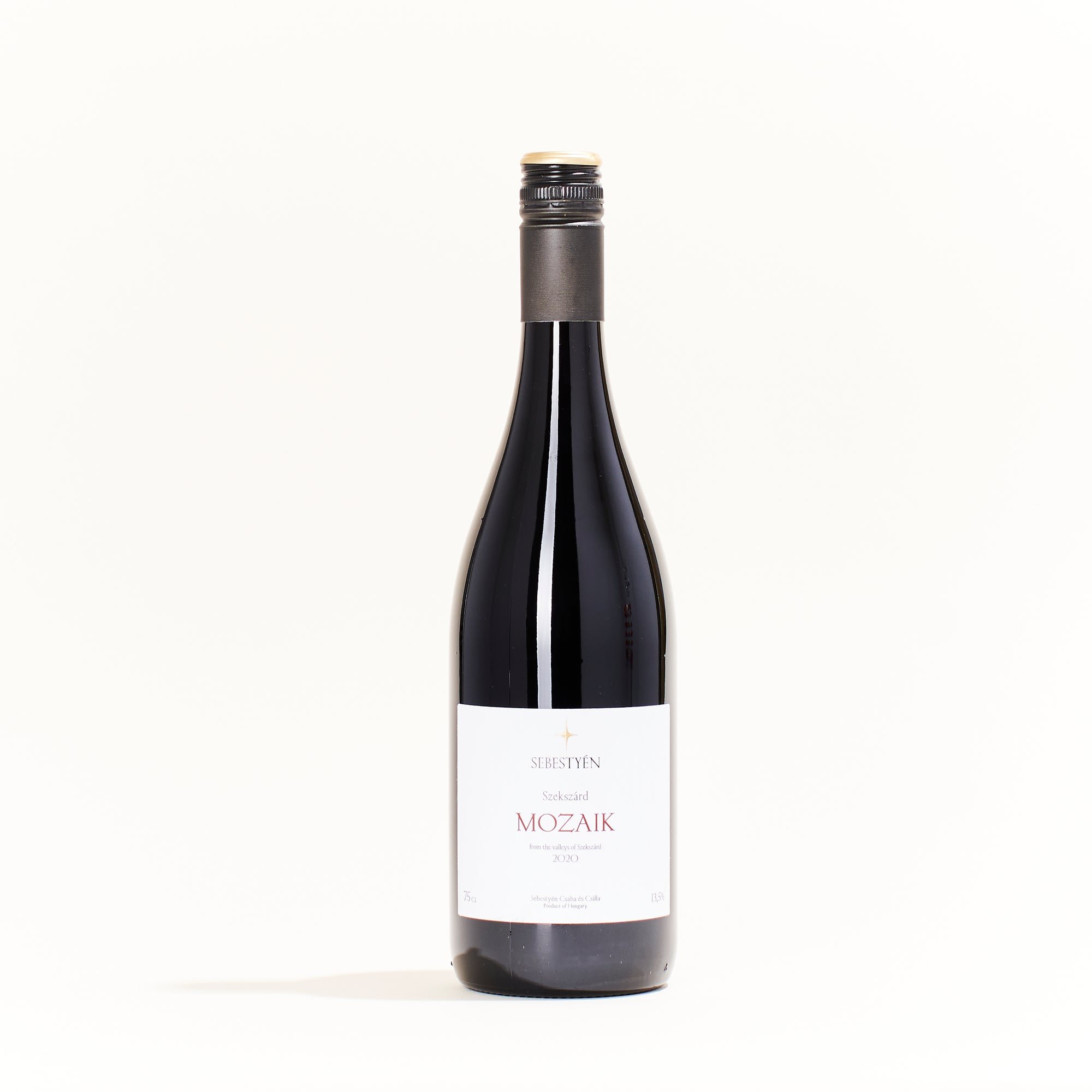
Restaurants in Szekszárd
Browse all →
Hotels in Szekszárd
Browse all →
Details
- Elegant
- Scenic
- Rustic
- Intimate
- Wine Education
- Romantic Getaway
- Group Outing
- Special Occasion
- Vineyard Tour
- Estate Grounds
- Private Tasting
- Panoramic View
- Sustainable
- Vineyard
- Garden
- Kadarka
- Kékfrankos
- Merlot
- Cabernet Sauvignon
- Cabernet Franc
- Bikavér
- Still Red
- Still Rosé
- Guided Tasting
- Wine Education
- English
- Hungarian
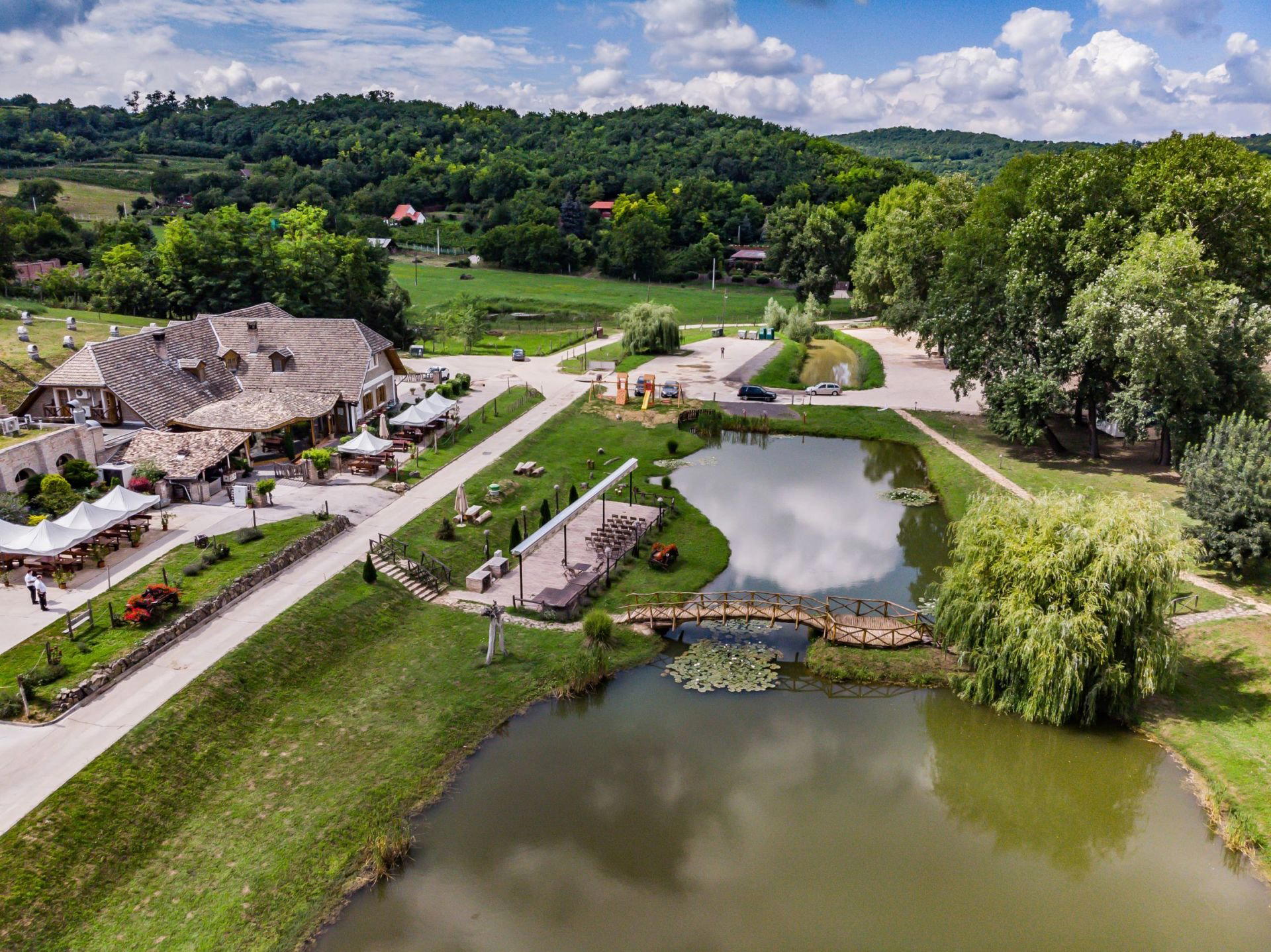
Warm, educational, and personal atmosphere where the winemaker shares stories about the region and wines; guests experience the harmony of wine and nature in a family-owned setting with scenic vineyard views.