Located on Bor utca, Wine Street, in the heart of the appellation, the winery represents the considered, restrained style that has come to define Szekszárd's best estate bottlings. An address worth knowing for anyone tracing Hungary's quality red wine story beyond Tokaj.
Pearl is the En Primeur Club membership app — saves, bookings, and concierge access live there. Same editors, same standards.
- Address
- Szekszárd, Bor u. 8, 7100 Hungary
- Phone
- +36 74 312 848
- Website
- eszterbauer-bor.hu
- Directions
- Get directions
 Saves & bookings on Pearl
Szekszárd and the Making of a Southern Hungarian Wine Identity
Szekszárd sits on a ridge of loess hills above the Danube plain in southern Hungary, and the region's winemaking history stretches back to Roman occupation. For most of the twentieth century, that history counted for little: collectivisation flattened the appellation into a bulk-production zone, and Szekszárd's name carried modest recognition at leading on export markets. What has changed since the early 1990s is the re-emergence of individual estates with the ambition and technical means to make wines that speak specifically to place. Eszterbauer Winery, located on Bor utca, belongs to that post-transition generation of producers that helped shape Szekszárd's current standing.
The appellation is dominated by Kadarka, the indigenous thin-skinned red that was once Szekszárd's calling card, and by Kékfrankos (known across the border as Blaufränkisch), alongside the international varieties Merlot, Cabernet Franc, and Cabernet Sauvignon. The region's soils, deep loess over clay and limestone, with southern and southeastern exposures, produce reds with a particular tonal quality: structure without the aggressive tannins of higher-altitude zones, and a fruit profile that runs darker and denser than you might expect from a continental climate this far north. Serious Szekszárd producers have used these conditions to construct wines that compete credibly in Hungary's prestige tier, a category long dominated by Tokaj's Aszú and Furmint. For visitors tracing Hungary's broader quality wine story, Szekszárd represents among the more coherent arguments that the country's red-wine potential is underexplored.
In the context of Szekszárd specifically, a prestige-tier designation carries weight as a comparative signal. It positions Eszterbauer alongside rather than below the region's most discussed names, and it suggests a consistent output across vintages rather than occasional peaks.
Prestige ratings in Central European wine systems tend to reward precision in winemaking and a clear sense of house style over novelty or spectacle. Producers who hold these designations typically demonstrate command of fermentation and cellar work, deliberate choices about oak usage and élevage, and an ability to express vineyard character without masking it. For a visitor or buyer approaching Szekszárd from the outside, this kind of third-party recognition provides a useful entry point into a region where the range of quality across producers remains wide. Eszterbauer's position in that upper band is one of the reasons the winery appears in conversations about Szekszárd's most coherent estate operations.
Within the appellation, peer producers working at a similar tier include Heimann Winery, Bodri Winery, and Sebestyén Winery, each approaching Szekszárd's grape material from a distinct angle. Lajver Winery and Mészáros Pál Winery round out a producing community that, taken together, represents Szekszárd's leading case for serious collector attention. Their geographic concentration makes the appellation easy to explore on a focused tasting itinerary.
An Appellation in the Shadow of Tokaj, and Why That's Changing
Hungary's wine identity in export markets has been built almost entirely on Tokaj. The region's Aszú wines carry international recognition backed by centuries of documented trade, royal patronage, and, more recently, significant foreign investment from producers including Royal Tokaji in Mád, Disznókő in Mezőzombor, Tokaj Hétszőlő in Tokaj, and Tokaj Oremus in Tolcsva. These estates brought capital and technical expertise that raised the appellation's floor and ceiling simultaneously. Árvay Winery in Rátka represents a smaller-scale, artisan counterpoint within Tokaj itself.
Szekszárd has followed a different trajectory. Without the same international investment or name recognition, the appellation's improvement has been driven largely by a generation of Hungarian producers working with domestic capital and training from Central European and Western wine schools. The result is a more internally varied producer community, where differences in philosophy, on oak, on blending, on the role of Kadarka versus international varieties, are visible from label to label. This variety is part of what makes the region interesting rather than predictable. Eszterbauer operates within this context: a producer whose prestige recognition reflects the region's upward arc rather than any single dramatic intervention from outside.
For comparison beyond Hungary's borders, the dynamic of a high-quality but overlooked red wine appellation gaining formal recognition is familiar territory. Babarczi Winery in Győr and Béres Winery in Erdőbénye represent other Hungarian producers navigating similar recognition gaps in their own regional contexts.
Planning a Visit to Bor Utca
Eszterbauer Winery's address on Bor utca places it in the working core of Szekszárd's wine district, within reach of the town centre and the cluster of producers that make the appellation worth a dedicated half-day or full-day itinerary. Szekszárd itself is accessible by train from Budapest in roughly two hours, making it a viable day trip from the capital, though overnight stays allow for a more considered tour of the appellation's leading addresses. The town's scale is modest, and the concentration of quality producers within a small radius is one of the practical advantages of Szekszárd over larger, more spread-out Hungarian wine regions.
The winery is at Bor utca 8, 7100 Szekszárd, Hungary. Visits are recommended by reservation.
Budget Reality Check
Comparable venues nearby, for context on price, style, and recognition.
| Venue | Cuisine | Price |
|---|---|---|
| Eszterbauer WineryThis venue — the venue you are viewing | Szekszárd, Kadarka, Kékfrankos | $$ |
| Heimann Winery | Szekszárd, Kékfrankos, Kadarka | $$ |
| Sebestyén Winery | Szekszárd, Kékfrankos, Kadarka | $$ |
| Lajver Winery | Szálka, Kékfrankos, Kadarka | $$$ |
| Bodri Winery | Faluhely, Kékfrankos, Kadarka | $$ |
| Vida Wines | Szekszárd, Kadarka, Kékfrankos | $$$ |
Continue exploring
More in Szekszárd
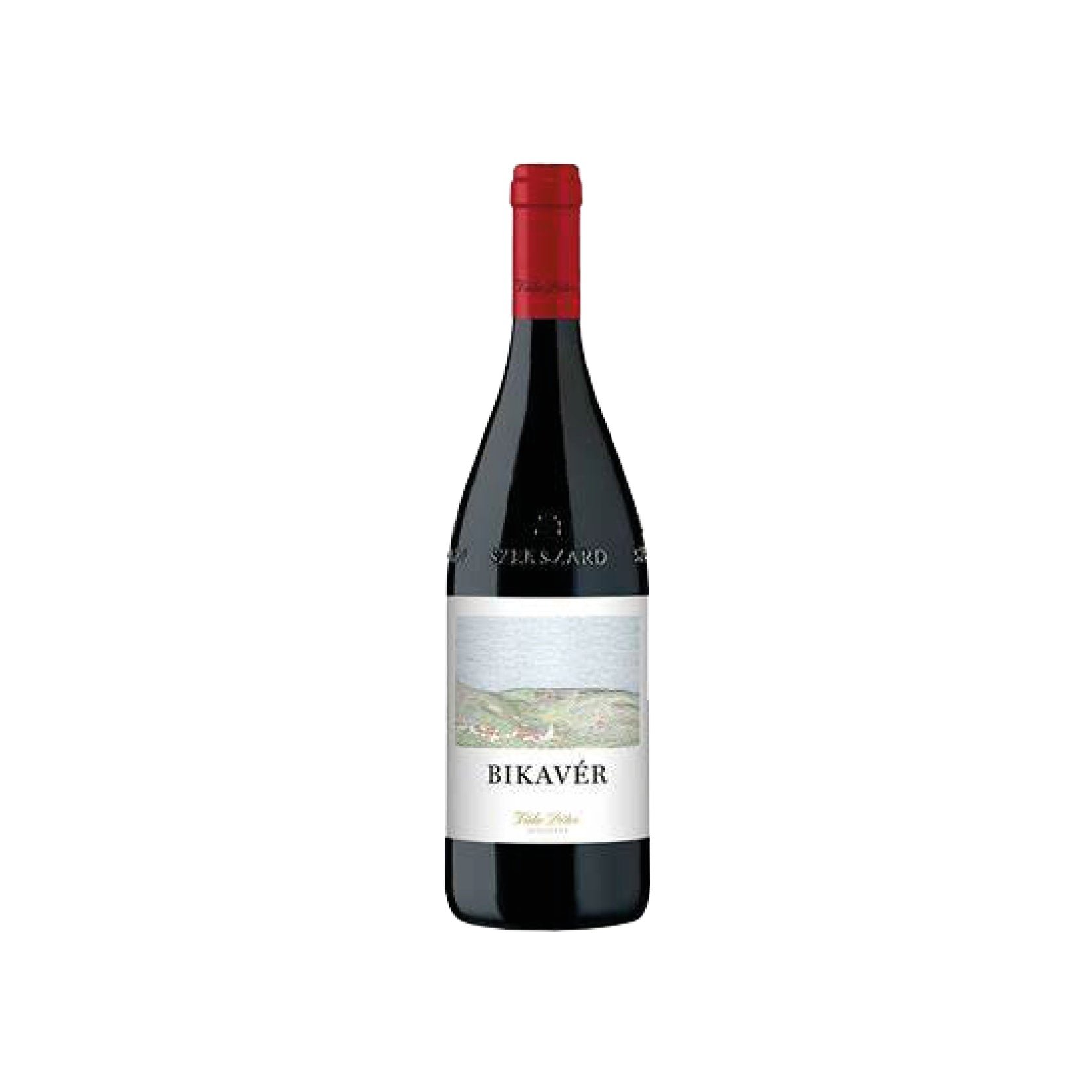
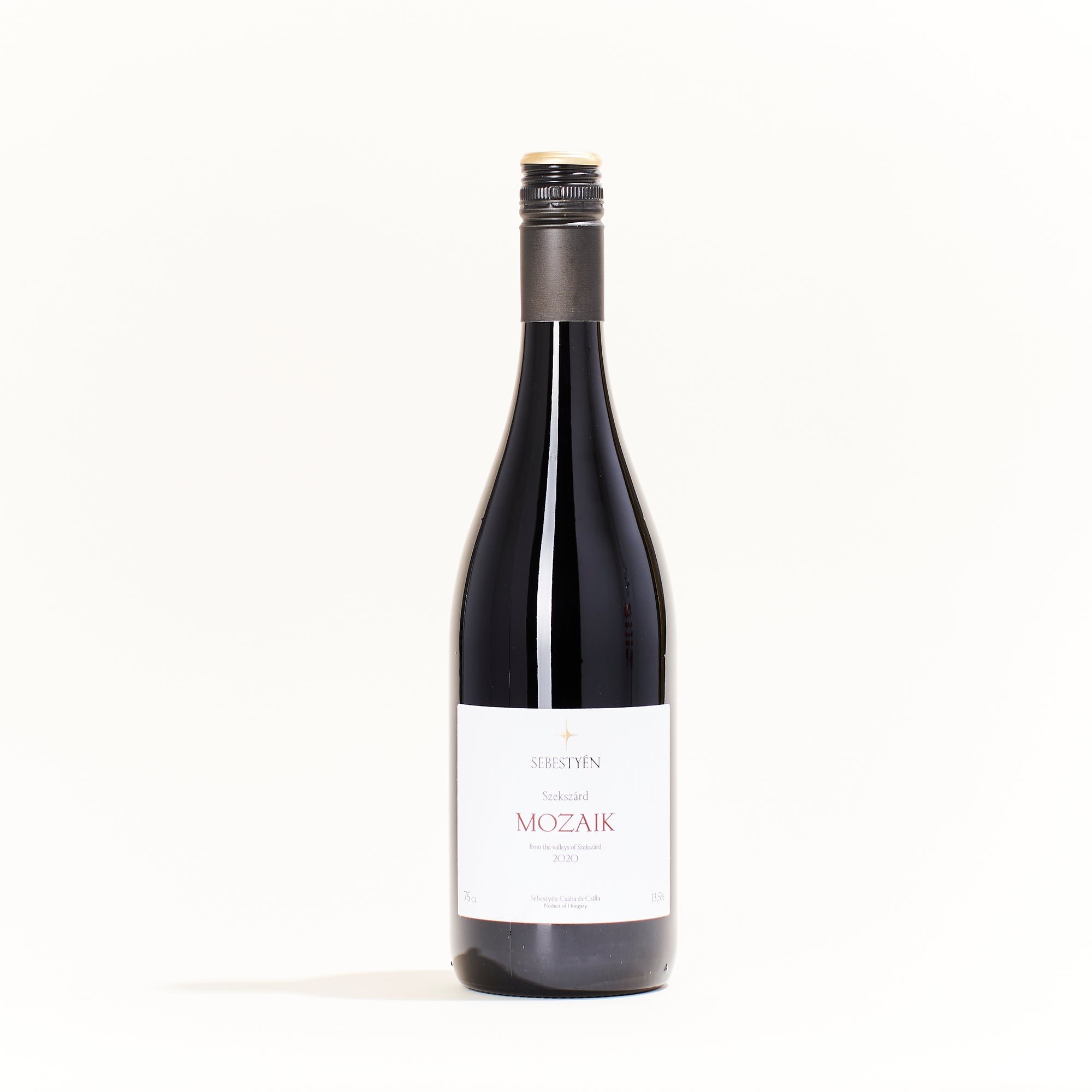
Wineries in Szekszárd
Browse all →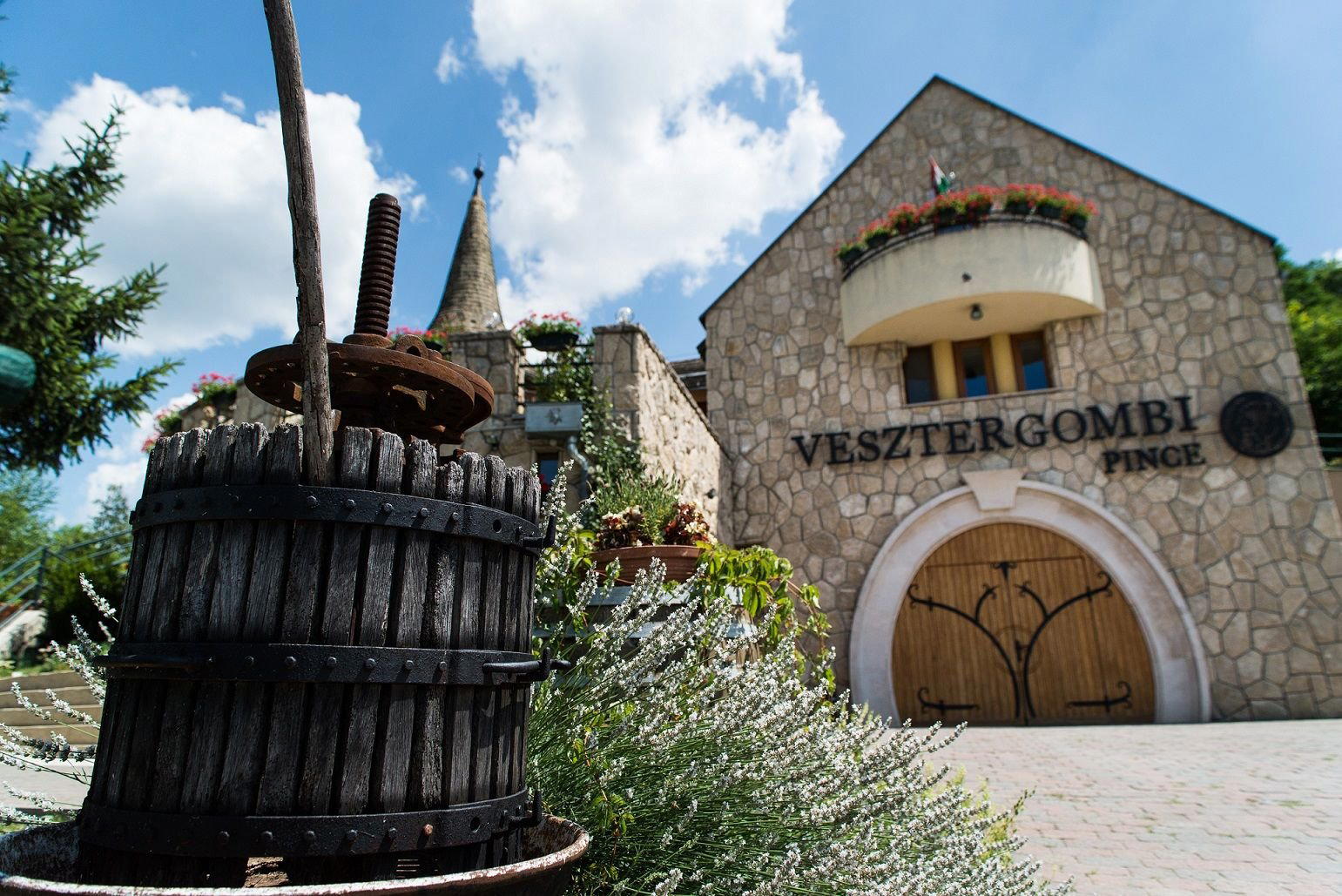
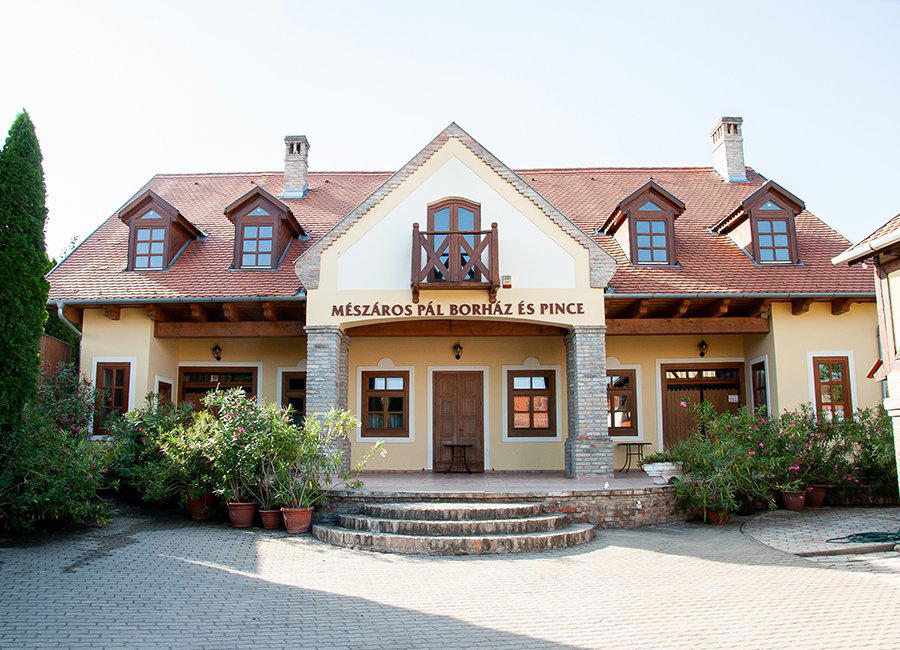
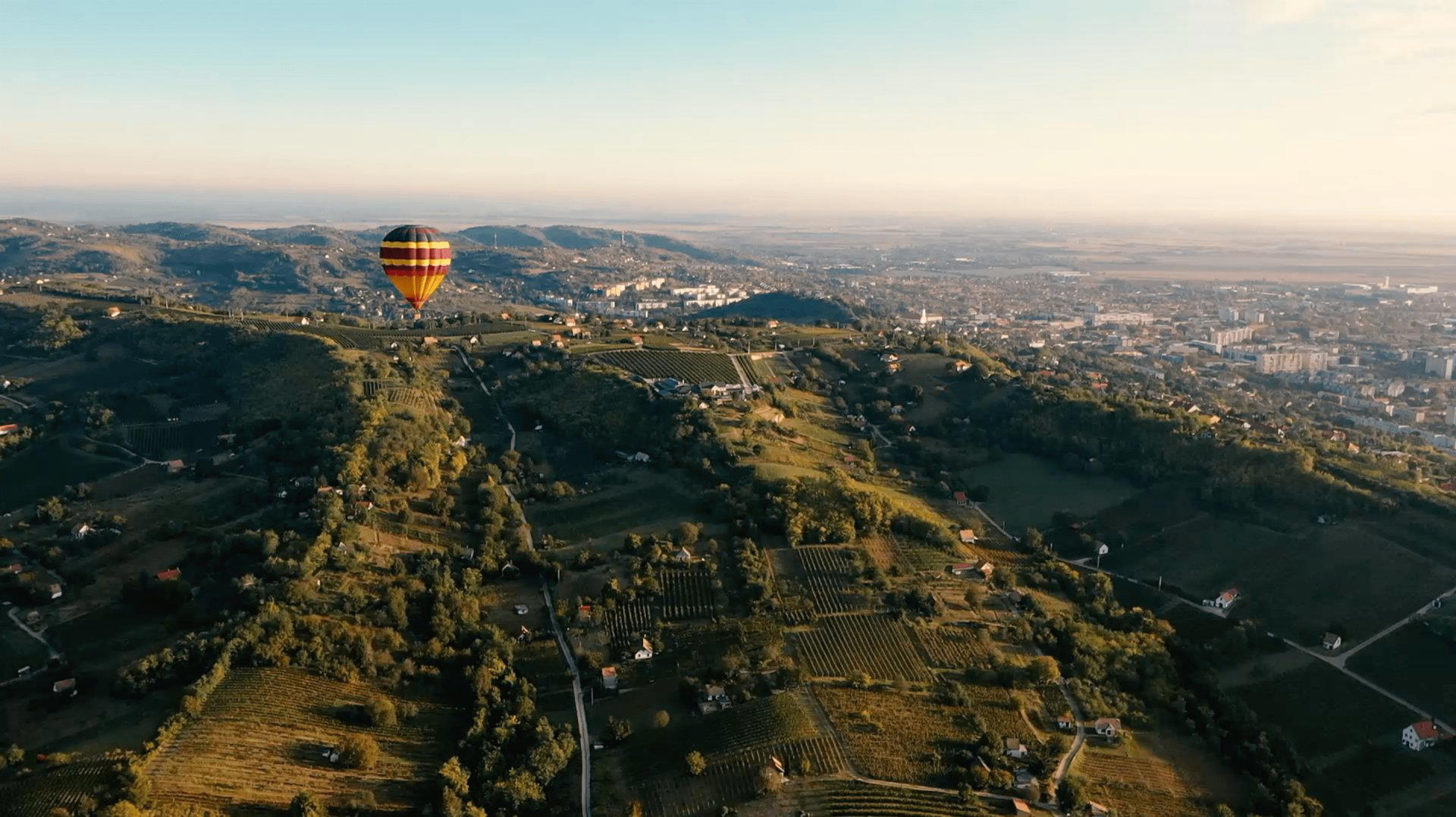
Restaurants in Szekszárd
Browse all →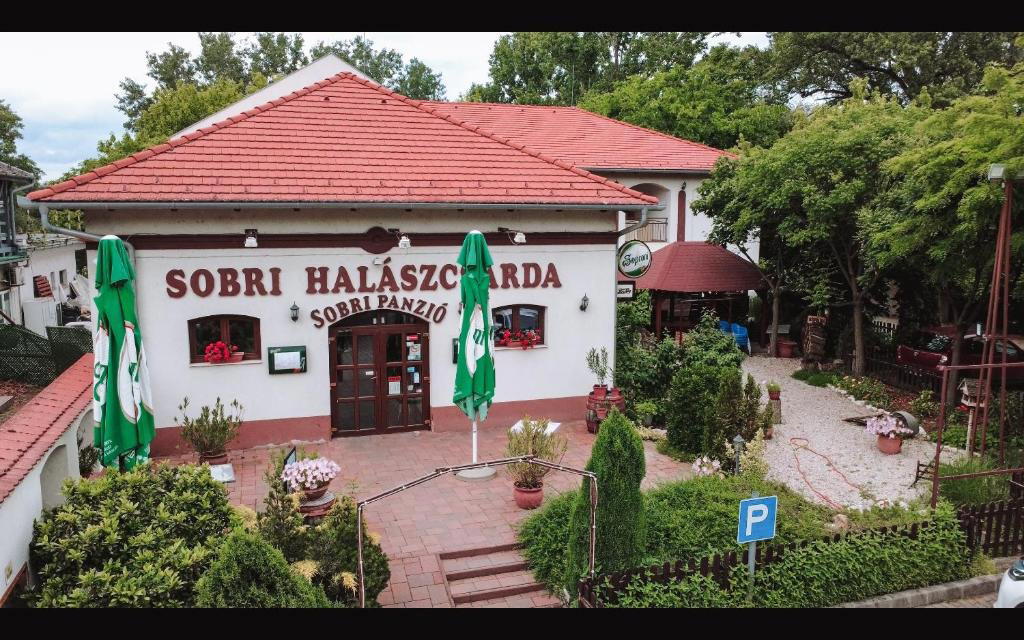
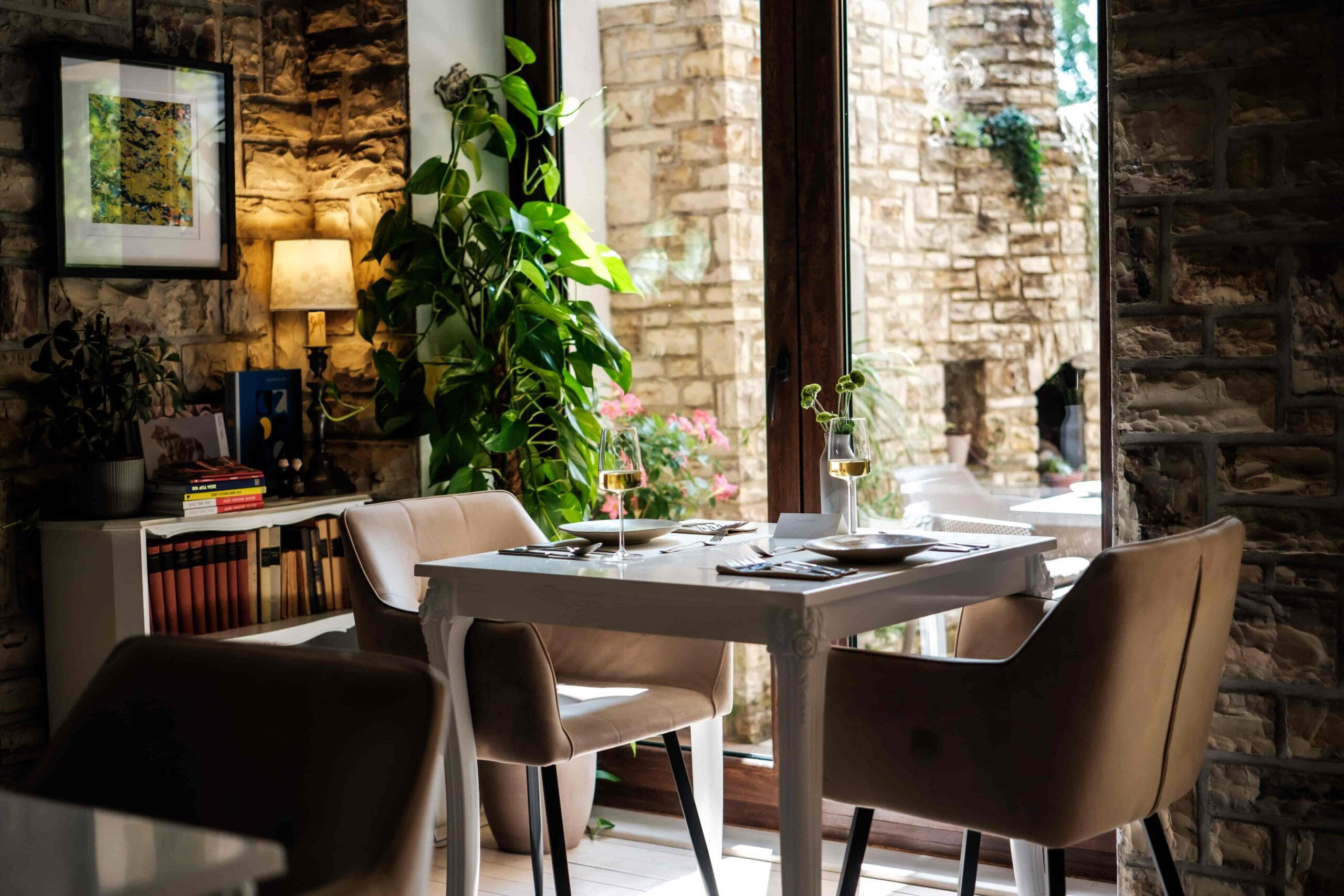
Hotels in Szekszárd
Browse all →
At a Glance
- Rustic
- Classic
- Scenic
- Wine Education
- Solo Exploration
- Vineyard Tour
- Estate Grounds
- Organic
- Vineyard
- Szekszárd
- Kadarka
- Kékfrankos
- Merlot
- Cabernet Sauvignon
- Cabernet Franc
- Still Red
- Varietal Tasting
- Blend Tasting
Current opening hours
- Monday
- 8 AM–4 PM
- Tuesday
- 8 AM–4 PM
- Wednesday
- 8 AM–4 PM
- Thursday
- 8 AM–4 PM
- Friday
- 8 AM–4 PM
- Saturday
- Closed
- Sunday
- Closed
Hours can change for holidays and private events. Last verified .
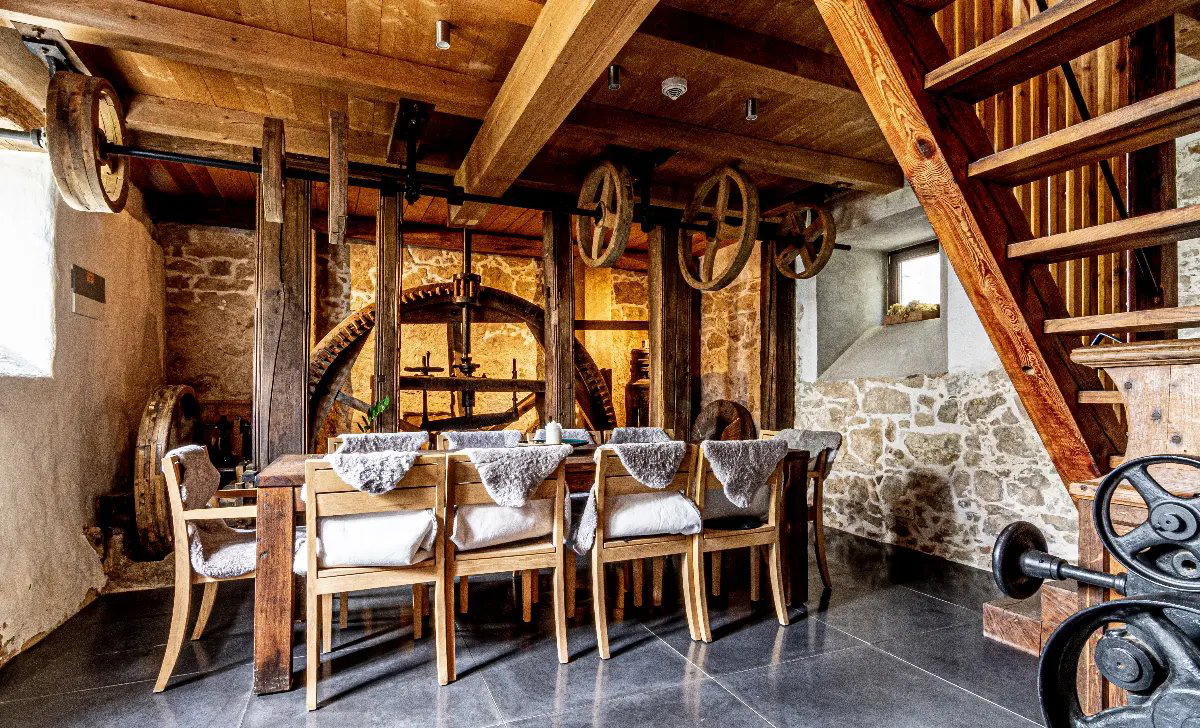
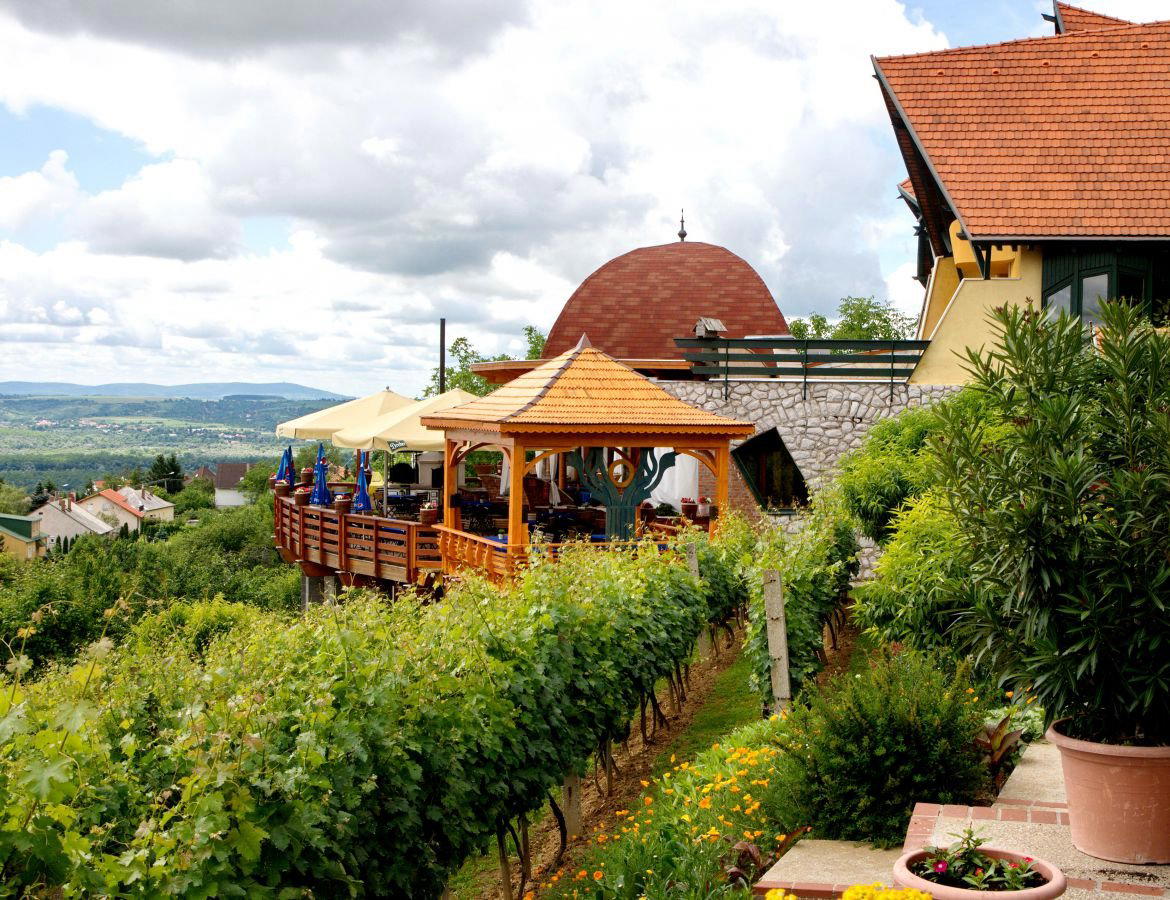
Rustic winery atmosphere amid loess and chalk vineyards with a focus on traditional Swabian-Hungarian heritage.