Mészáros Pál Winery sits on Kossuth Lajos utca in the heart of Szekszárd. The winery operates within one of Hungary's most compelling red wine appellations, where Kékfrankos and Kadarka have shaped the regional identity for centuries. For visitors focused on serious Hungarian wine from a recognised producer, this is a purposeful stop.
Pearl is the En Primeur Club membership app — saves, bookings, and concierge access live there. Same editors, same standards.
- Address
- Szekszárd, Kossuth Lajos u. 26, 7100
- Phone
- +36 74 318 749
- Website
- meszarosborhaz.hu
- Directions
- Get directions
 Saves & bookings on Pearl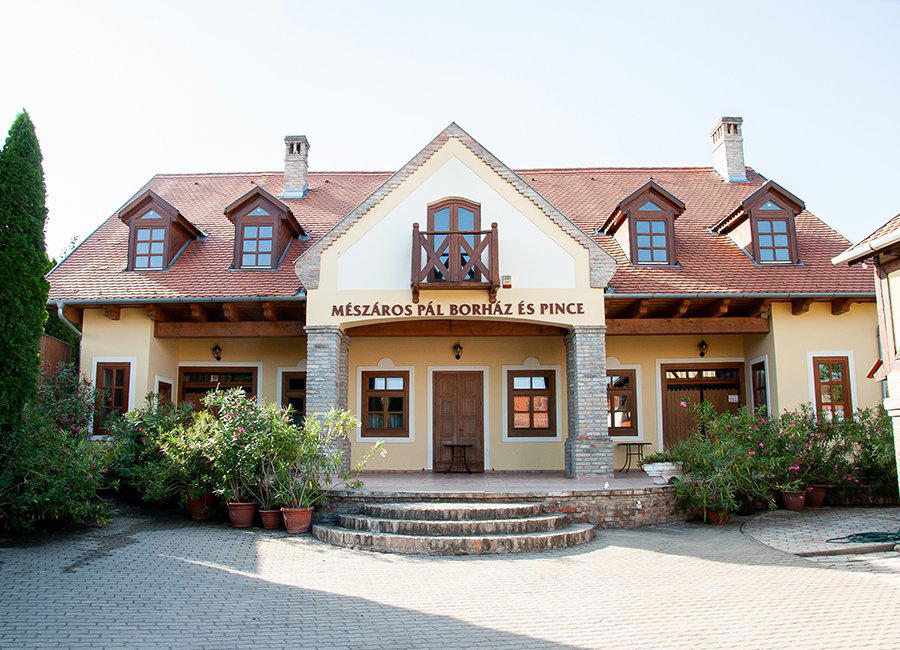
Szekszárd's Quiet Seriousness and Where Mészáros Pál Fits
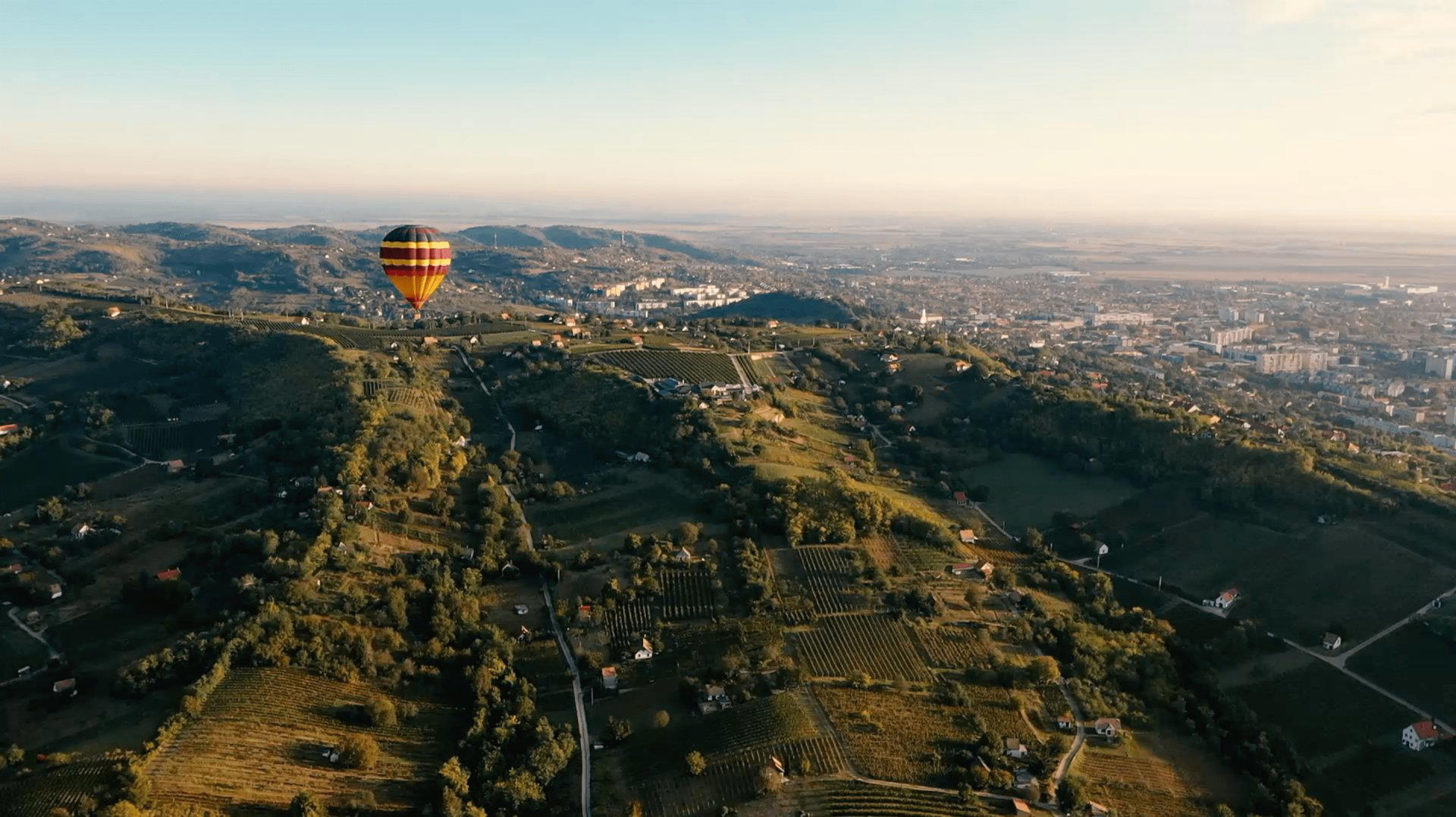
Approach Szekszárd from the south and the landscape announces itself before the town does: loess hills, south-facing slopes, and a warmth that distinguishes this appellation from Hungary's cooler northern wine corridors. This is not Tokaj's volcanic drama or Eger's baroque grandeur. Szekszárd is quieter, more agricultural, and increasingly confident in the argument that its Kékfrankos-led reds belong in any serious conversation about central European wine. Mészáros Pál Winery, located at Kossuth Lajos u.
The regional context matters because Szekszárd's quality ceiling is set by producers who have chosen discipline over volume. Across the appellation, particularly respected names, including Heimann Winery, Bodri Winery, and Eszterbauer Winery, work within a shared premise: that the loess and clay soils of the Tolna hills, combined with a continental climate that delivers long, warm autumns, create a natural argument for structured, age-worthy reds without heavy-handed intervention. Mészáros Pál occupies this same framework.
The Viticulture Question in Szekszárd
Across Hungary's premium appellations, one significant shift of the past two decades has been the move away from chemical-heavy conventional viticulture toward approaches that prioritise soil health and long-term site expression. In Szekszárd specifically, this matters for a practical reason: the loess soils that give the region's wines their characteristic silkiness and mid-palate texture are fragile. Repeated synthetic inputs degrade their structure, and producers who have prioritised organic or low-intervention regimes over time tend to show it in the complexity of their wines.
This is a pattern visible across Hungary's better appellations. In Tokaj, producers such as Tokaj Hétszőlő and Tokaj Oremus in Tolcsva have integrated more careful canopy and soil management into premium programs. In Eger, Disznókő in Mezőzombor applies meticulous site-specific work at scale. Szekszárd's smaller producers, including those in the same comparable set as Mészáros Pál, generally operate with lower volumes and more hands-on vineyard attention, partly by necessity, partly by conviction.
Kékfrankos, Kadarka, and the Regional Vocabulary
Any serious engagement with Szekszárd requires understanding the regional grape vocabulary. Kékfrankos (Blaufränkisch in Austrian parlance, Lemberger elsewhere) is the workhorse variety, capable of producing everything from light, approachable reds to structured, tannic wines that reward a decade of cellaring depending on site selection and winemaking choices. In Szekszárd, the leading expressions tend toward medium-plus body with bright acidity, red cherry and dried herb character, and a mineral quality that reflects the loess substrate.
Kadarka is the region's other calling card, and the one that distinguishes Szekszárd most clearly from other Hungarian appellations. Once widespread across the Pannonian Basin, Kadarka fell sharply from favour during the socialist-era collectivisation of vineyards, when yield-focused planting replaced heritage varieties. Its partial revival in Szekszárd over the past two decades is one of the more compelling viticultural stories in central Europe. The variety is temperamental, ripening late and unevenly, but in warm years on well-managed sites it produces wines of distinctive spice and perfume that age in directions Kékfrankos cannot replicate. Producers at Lajver Winery and Sebestyén Winery have made Kadarka a centrepiece of their identity. Mészáros Pál's presence at the 2 Star Prestige level places it alongside producers working at this quality register, whatever the specific varietal emphasis.
Position in the Szekszárd comparable set
Hungary's wine regions operate with a quality stratification that outside visitors sometimes underestimate. The appellation system alone does not reliably identify the leading producers; recognition from independent evaluators, including EP Club, fills that gap. This is a meaningful distinction in a region where the spread between producers is wide.
For context outside Hungary, the ambition level at this tier is comparable to what serious small producers pursue in more internationally visible regions. Royal Tokaji in Mád and Árvay Winery in Rátka illustrate the range of recognition that Hungarian producers can achieve; Béres Winery in Erdőbénye and Babarczi Winery in Gyor represent producers from other regions working at equivalent levels of seriousness. Even internationally, the discipline visible in Szekszárd's better producers invites comparison with the careful site-focused work at operations like Accendo Cellars in St. Helena or Aberlour in Aberlour, where provenance and precision define the product.
Planning a Visit: What to Know
Mészáros Pál Winery is located at Kossuth Lajos u. 26 in Szekszárd, a town reachable by train from Budapest in approximately two hours. The winery sits on a central street, making it accessible without a vehicle, though exploring the vineyard sites that supply the region's leading producers does benefit from a car. A useful approach for visit planning is to contact the winery directly or include it within a structured winery tour of the appellation. Szekszárd's compact geography means that a single day allows visits to multiple Pearl-level producers.
Autumn is the obvious timing for a visit, harvest season in Szekszárd typically runs through October, and the combination of activity in the cellars and the visual character of the loess hills at that time of year makes it one rewarding period to be in the region. Spring tastings, once the wines have settled after winter, offer a different perspective for those who prefer to encounter wines at an earlier stage of their development.
Recognition Snapshot
Comparable venues nearby, for context on price, style, and recognition.
| Venue | Cuisine | Price | Notes |
|---|---|---|---|
| Mészáros Pál WineryThis venue — the venue you are viewing | Kadarka, Cabernet Sauvignon | $$ | Not listed |
| Bodri Winery | Kékfrankos, Kadarka | $$ | Faluhely |
| Vesztergombi Winery | Cabernet Sauvignon, Cabernet Franc | $$ | Szekszárd |
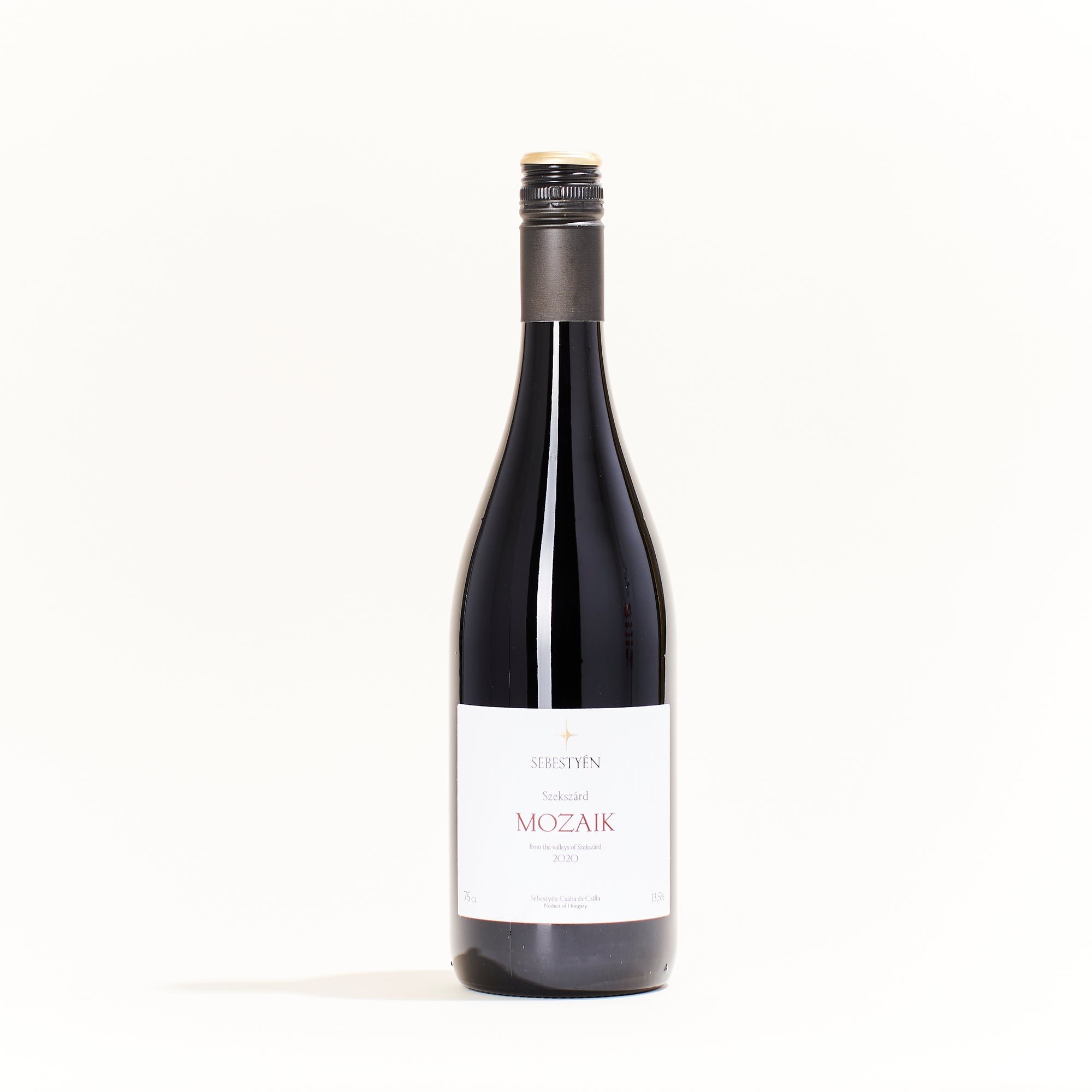
| Sebestyén Winery | Kékfrankos, Kadarka | $$ | Szekszárd |
| Takler Winery | Kékfrankos, Kadarka | $$ | Szekszárd |
| Vida Wines | Kadarka, Kékfrankos | $$$ | Szekszárd |
Continue exploring
More in Szekszárd
Wineries in Szekszárd
Browse all →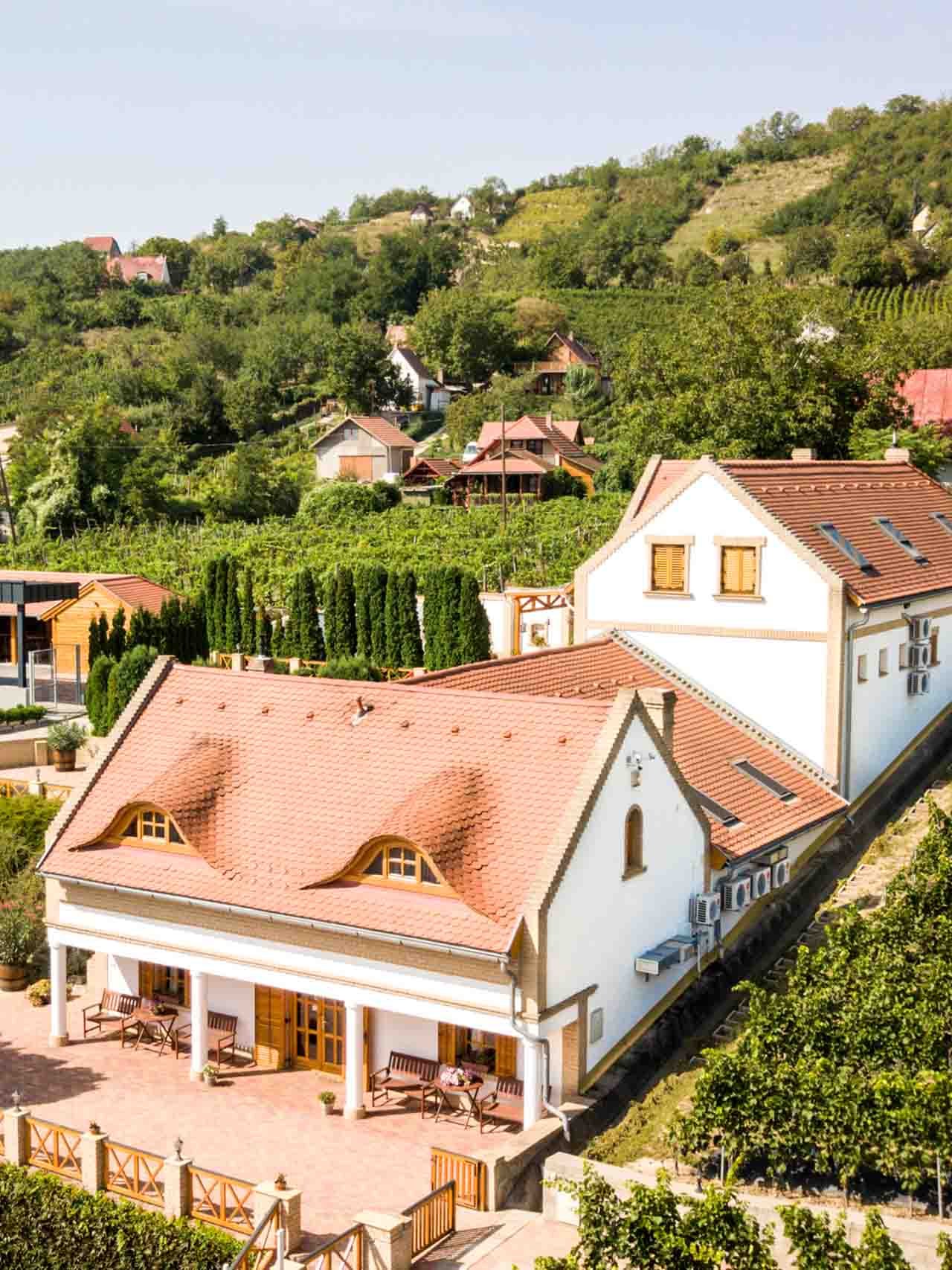
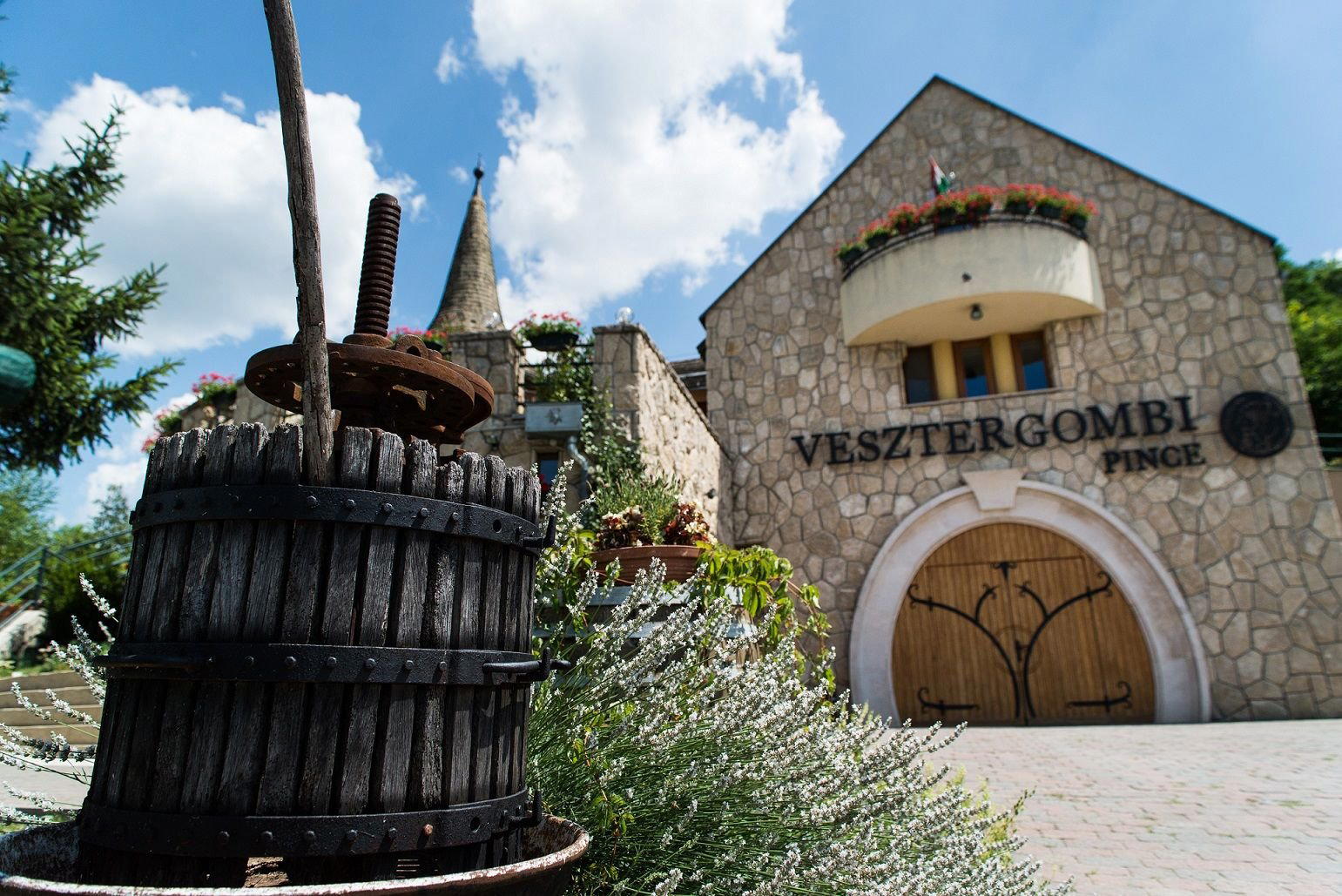
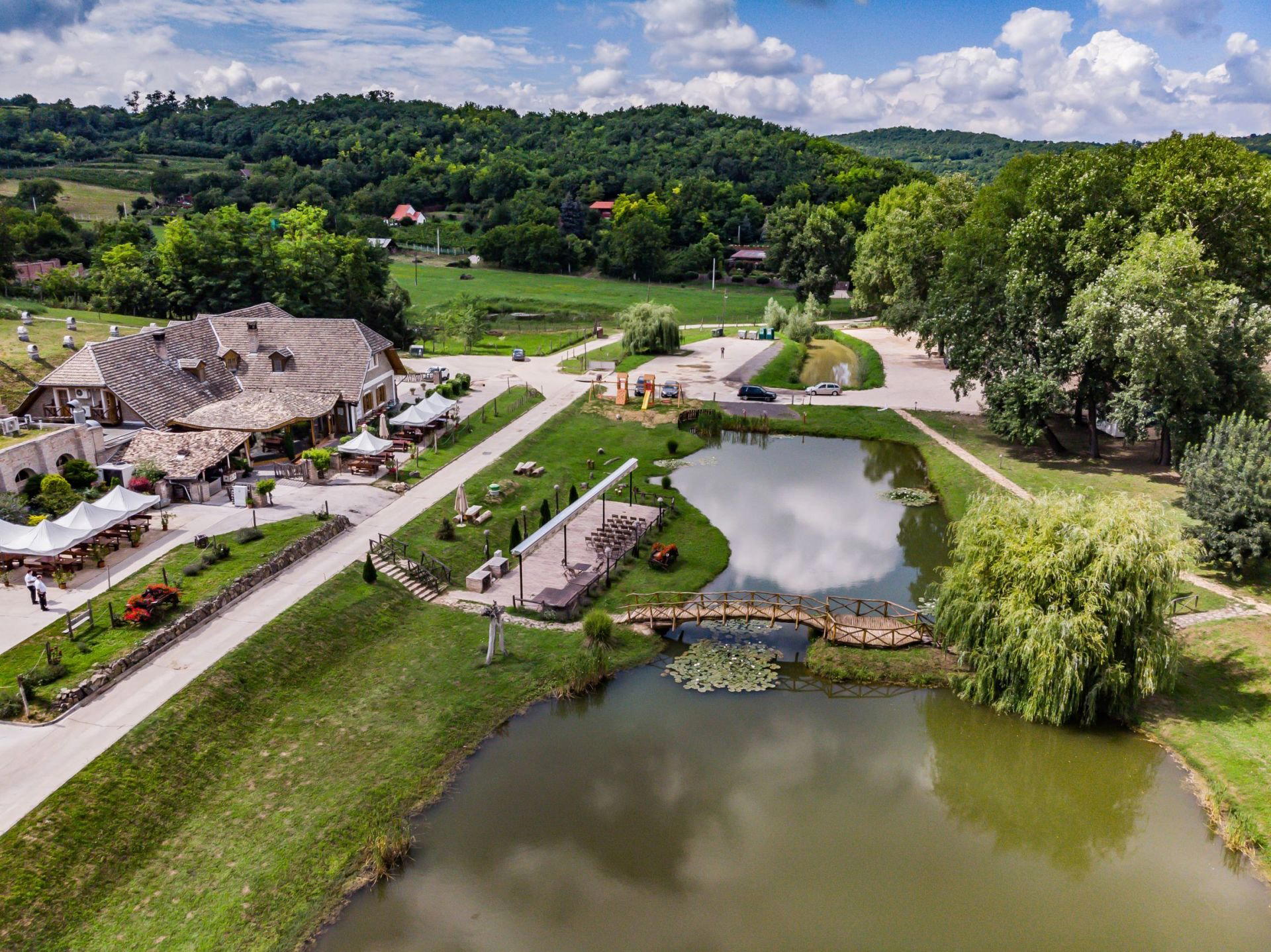
Restaurants in Szekszárd
Browse all →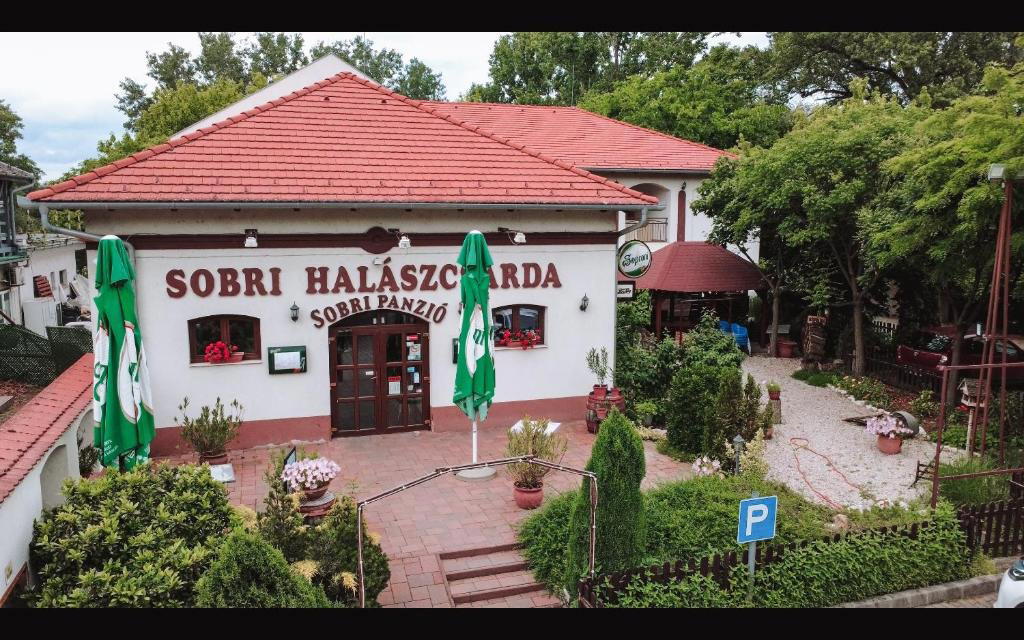
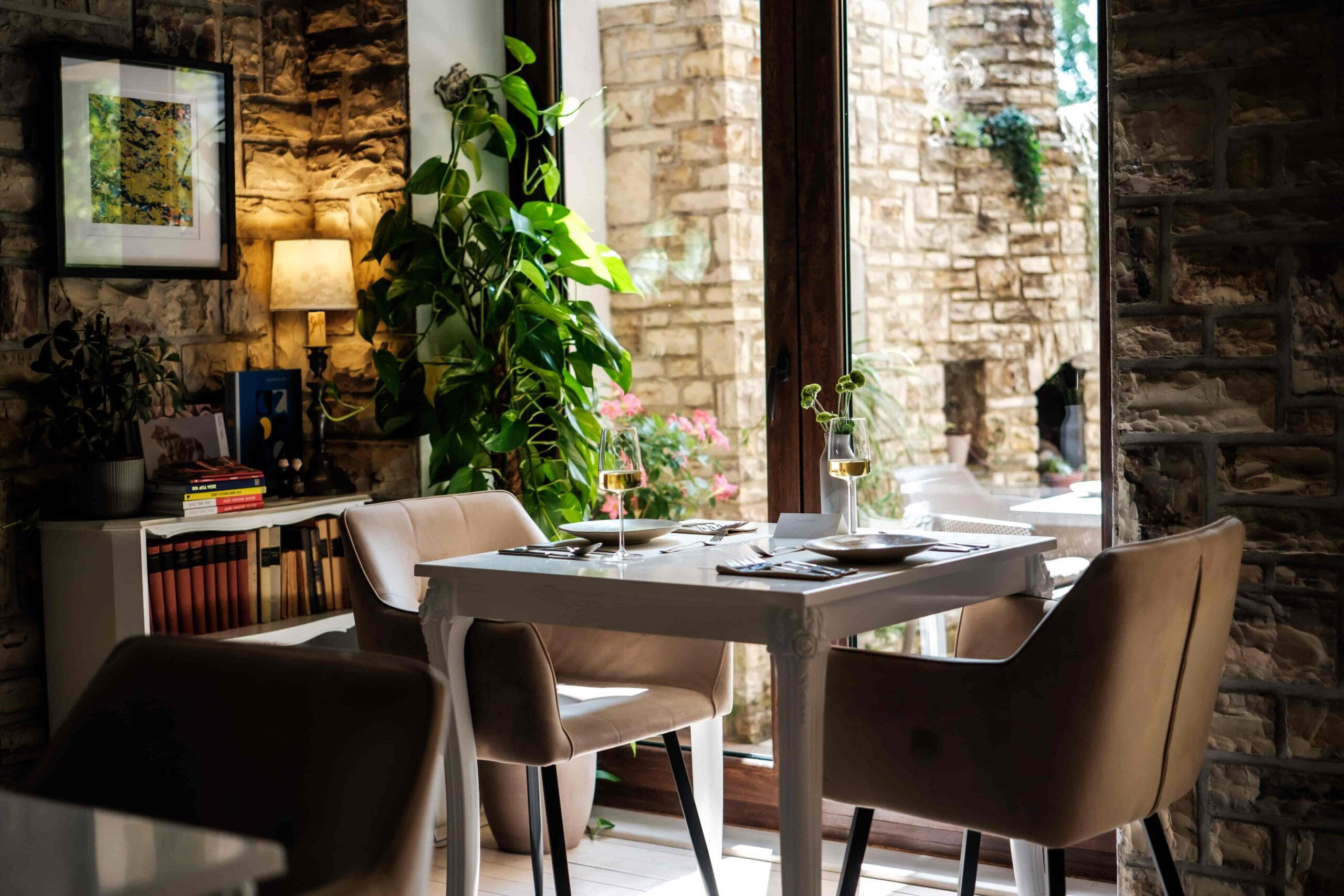
Hotels in Szekszárd
Browse all →
At a Glance
- Rustic
- Classic
- Wine Education
- Estate Grounds
- Vineyard
- Szekszárd
- Kadarka
- Cabernet Sauvignon
- Cabernet Franc
- Merlot
- Kékfrankos
- Shiraz
- Sauvignon Blanc
- Still Red
- Estate Tasting
Traditional winery atmosphere focused on fresh, fruity wines from the Szekszárd red wine region.