The winery operates within a competitive local comparable set that includes Bodri, Heimann, and Eszterbauer, placing it in the upper tier of the region's producer landscape. For visitors with an interest in Szekszárd's cellar-driven winemaking tradition, it represents a focused point of entry.
Pearl is the En Primeur Club membership app — saves, bookings, and concierge access live there. Same editors, same standards.
- Address
- Szekszárd, Borkút u. 3., 7100
- Phone
- +36 74 511 846
- Website
- vesztergombi.hu
- Directions
- Get directions
 Saves & bookings on Pearl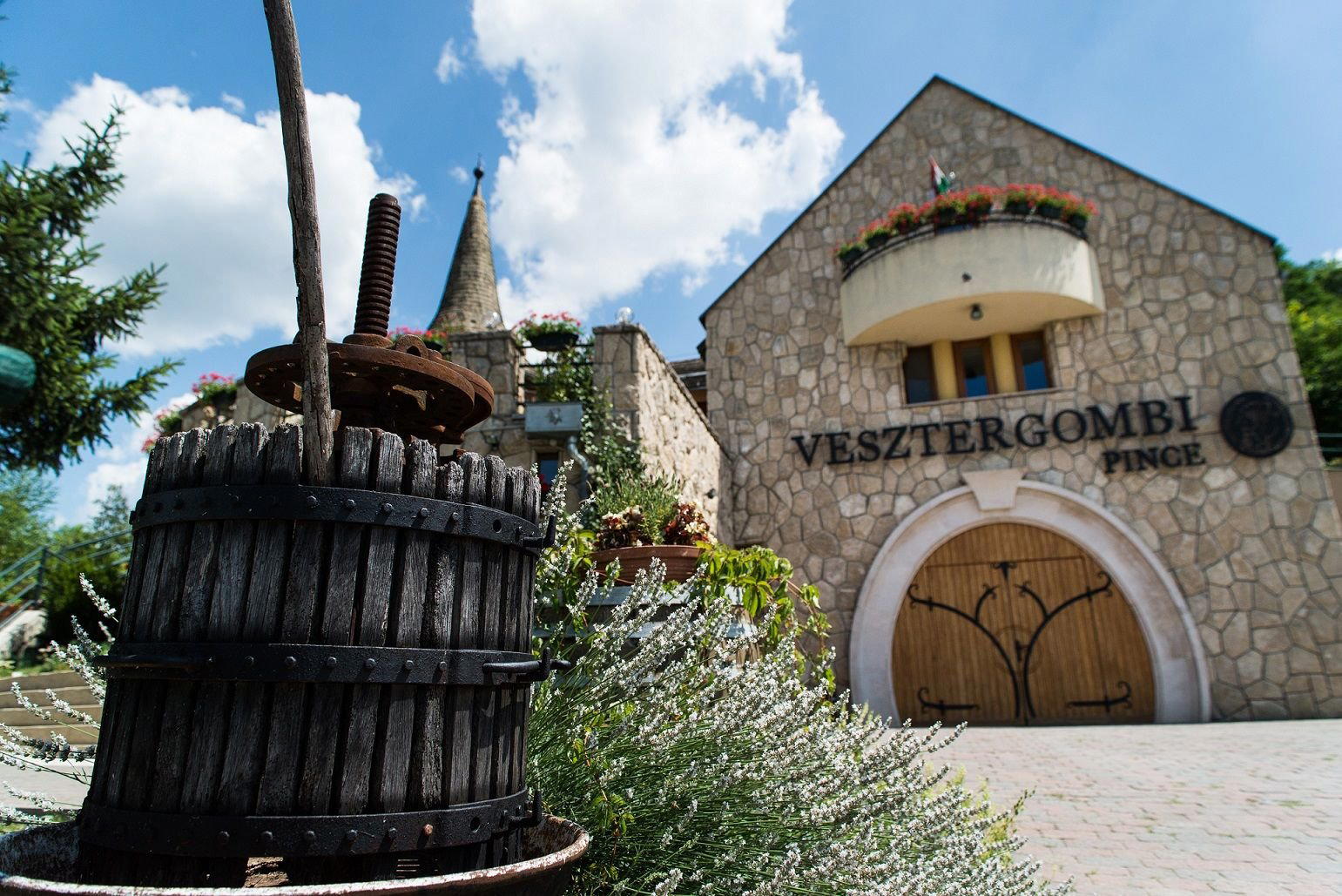
Szekszárd's Cellar Tradition and Where Vesztergombi Sits Within It
Approach Szekszárd from the south and the loess-covered hills announce themselves before the town does. The bluffs that shape this corner of southern Transdanubia are the reason winemaking took root here centuries ago, and they remain the reason serious Hungarian red wine still gets made here today. The soil holds warmth, drains efficiently, and gives Kadarka and Kékfrankos-based blends a structure that distinguishes them from the flatter, more immediate reds produced in Hungary's warmer plains. Vesztergombi Winery, at Borkút u.
Szekszárd is not a large appellation. Its boundaries are tight, its producer community close-knit, and its reputation built on a handful of grape varieties that rarely travel well in translation to other regions. That concentration is an advantage for the visitor: tasting through the town's serious producers gives a coherent picture of what the region can do, rather than the fragmented impressions that come from touring a sprawling denomination. Vesztergombi sits in that focused map, with peers that include Bodri Winery, Eszterbauer Winery, Heimann Winery, Lajver Winery, and Mészáros Pál Winery. Together, these producers define what a Szekszárd visit looks like at the upper end.
The Logic of the Cellar in Szekszárd Winemaking
The editorial angle that frames a visit to Vesztergombi is not the vineyard view or the tasting room décor. It is what happens between harvest and bottle. Szekszárd's better producers share a commitment to extended cellaring as the primary tool for resolving the tannin structure that the region's loess and clay soils build into their reds. A Szekszárd Bikavér, the district's bull's blood blend, composed of Kadarka, Kékfrankos, and supporting varieties, does not reveal its character in youth. The wines need barrel time to integrate, and then additional bottle time before the secondary complexity that defines a mature Szekszárd red becomes accessible.
They go to cellars where barrel selection, maturation length, and blending discipline are active editorial choices. That context matters when you are deciding whether to visit, and when you are deciding what to buy.
Autumn is the season that reveals most about a Szekszárd cellar. Harvest typically runs through October, and visiting in that window means the winery is in its most active state.
Aging Decisions and What They Signal About a Producer
The gap between a producer who ages wine and a producer who ages wine well is not measurable in calendar months. It is measurable in the choices made along the way: which barrels receive which lots, how long those barrels remain in rotation before they stop contributing positively to the wine, and when blending decisions are finalized relative to bottling. In Szekszárd, the loess-influenced fruit has sufficient natural acidity to survive extended oak contact without becoming oxidative, but the margin for error narrows with each additional month in wood. The producers at the summit of the recognition tier have learned, over multiple vintages, where those margins sit for their specific sites.
Which vintage is currently being released, and why? How does that timeline compare to what was released two or three years ago? These questions separate a casual winery visit from a genuinely instructive one.
Hungary's other awarded wine regions provide a useful reference frame for understanding where Szekszárd sits nationally. The Tokaj appellation draws more international attention, and producers like Disznókő in Mezőzombor, Royal Tokaji in Mád, Tokaj Hétszőlő in Tokaj, Tokaj Oremus in Tolcsva, and Árvay Winery in Rátka have established Hungary's export reputation on the back of Aszú and late-harvest whites. Szekszárd makes no comparable botrytized wine. Its argument is built entirely on red variety depth and cellar patience, which is a narrower proposition internationally but a more consistent one in terms of style identity.
Placing Vesztergombi in the Wider Hungarian Picture
Outside Szekszárd and Tokaj, Hungary's award-level producers are scattered across several less prominent appellations. Babarczi Winery in Győr and Béres Winery in Erdőbénye represent the diversity of the country's recognized producers, operating in regions with different soil profiles and varietal identities. The point is that Hungary's wine recognition system has expanded its geographic reach, and a 2 Star Prestige award in Szekszárd now carries comparative weight against recognized producers in other Hungarian appellations, not just local peers.
For the international wine traveler calibrating expectations against more familiar reference points, Szekszárd's better producers occupy a space similar to mid-sized, quality-focused appellations elsewhere in Central Europe. The pricing and accessibility tend to be more generous than comparable producers in established Western European appellations, which makes the region's recognized tier a practical proposition for visitors who want serious wine without the reservation logistics of, say, a Napa Valley cellar visit. Producers like Accendo Cellars in St. Helena operate in a market where demand consistently exceeds access. Szekszárd's 2 Star Prestige producers are meaningfully easier to visit, even if their global profile remains smaller.
Planning a Visit to Vesztergombi
Vesztergombi Winery is located at Borkút utca 3, Szekszárd, 7100. The address places it within the town itself, accessible without the rural navigation that some Hungarian cellar visits require.
Spring and late autumn visits, outside the harvest window, typically offer one considered tasting experience.
For comparison and context, a Szekszárd visit built around two or three producers from the recognized tier gives a more useful picture of the appellation than a single visit. Pairing a Vesztergombi tasting with visits to Heimann Winery or Eszterbauer Winery provides the comparison points that make the regional style legible. Szekszárd rewards itinerary planning more than spontaneity.
City Peers
Comparable venues nearby, for context on price, style, and recognition.
| Venue | Cuisine | Price | Notes |
|---|---|---|---|
| Vesztergombi WineryThis venue — the venue you are viewing | Cabernet Sauvignon, Cabernet Franc | $$ | Not listed |
| Heimann Winery | Kékfrankos, Kadarka | $$ | Szekszárd |
| Sebestyén Winery | Kékfrankos, Kadarka | $$ | Szekszárd |
| Vida Wines | Kadarka, Kékfrankos | $$$ | Szekszárd |
| Takler Winery | Kékfrankos, Kadarka | $$ | Szekszárd |
| Eszterbauer Winery | Kadarka, Kékfrankos | $$ | Szekszárd |
Continue exploring
More in Szekszárd
Wineries in Szekszárd
Browse all →
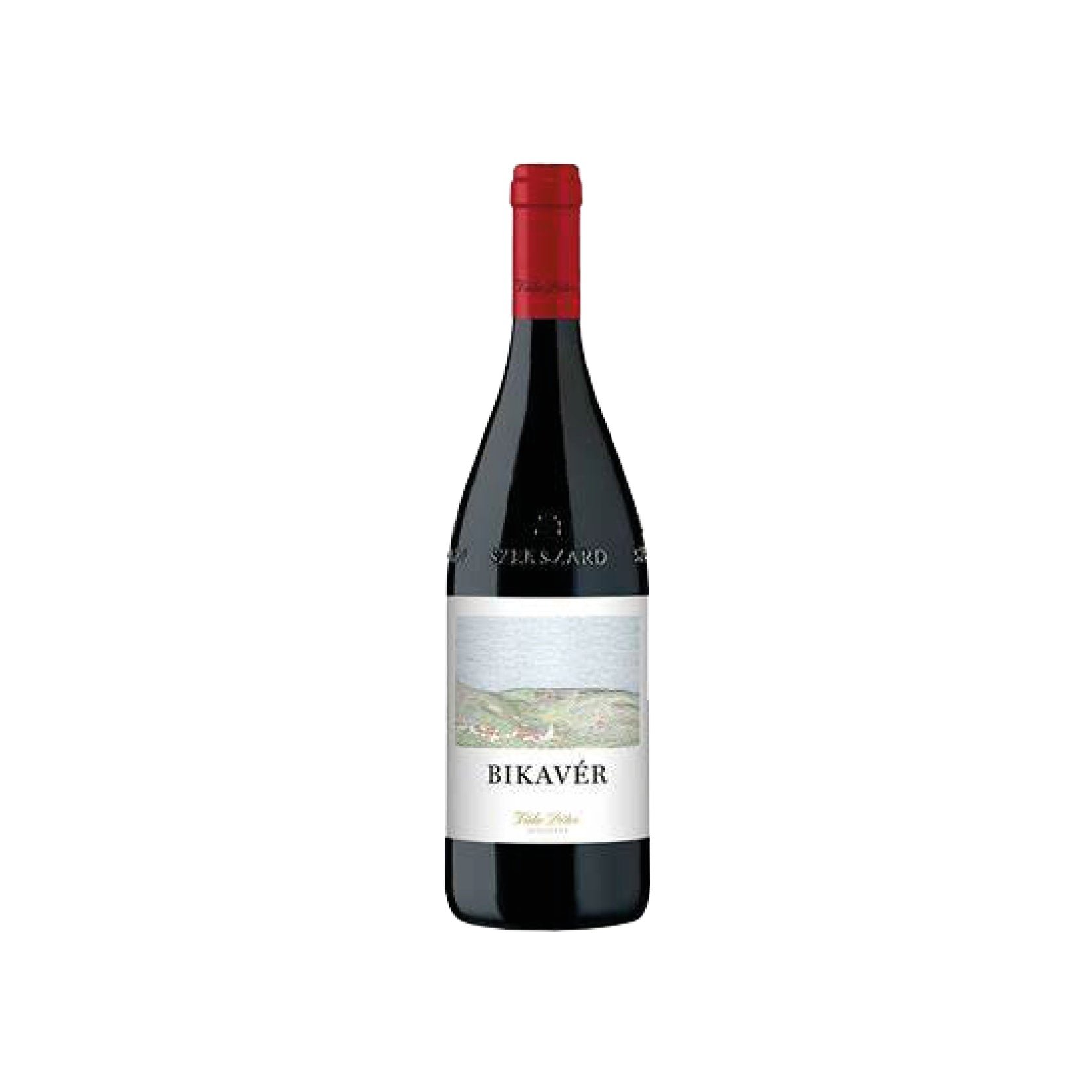
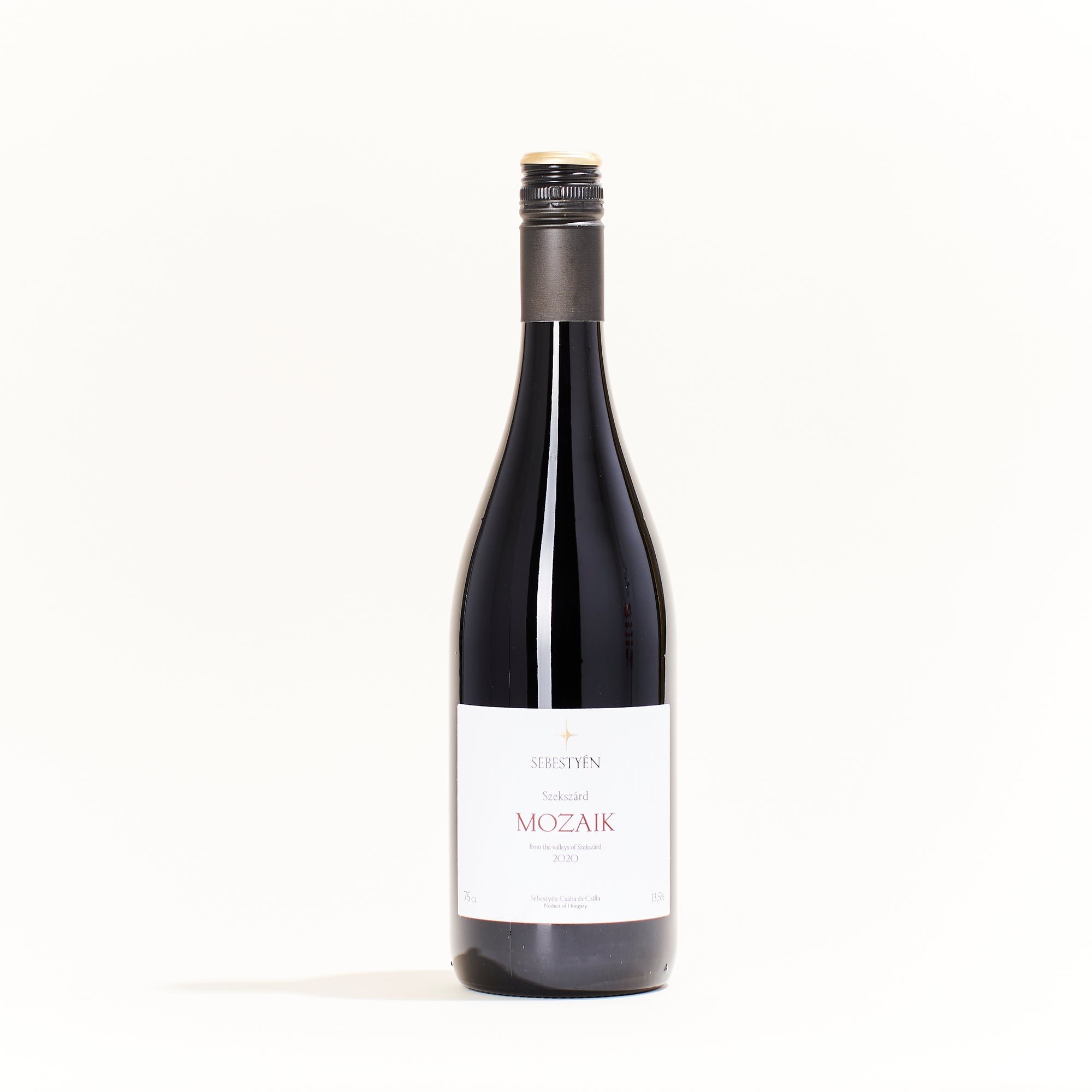
Restaurants in Szekszárd
Browse all →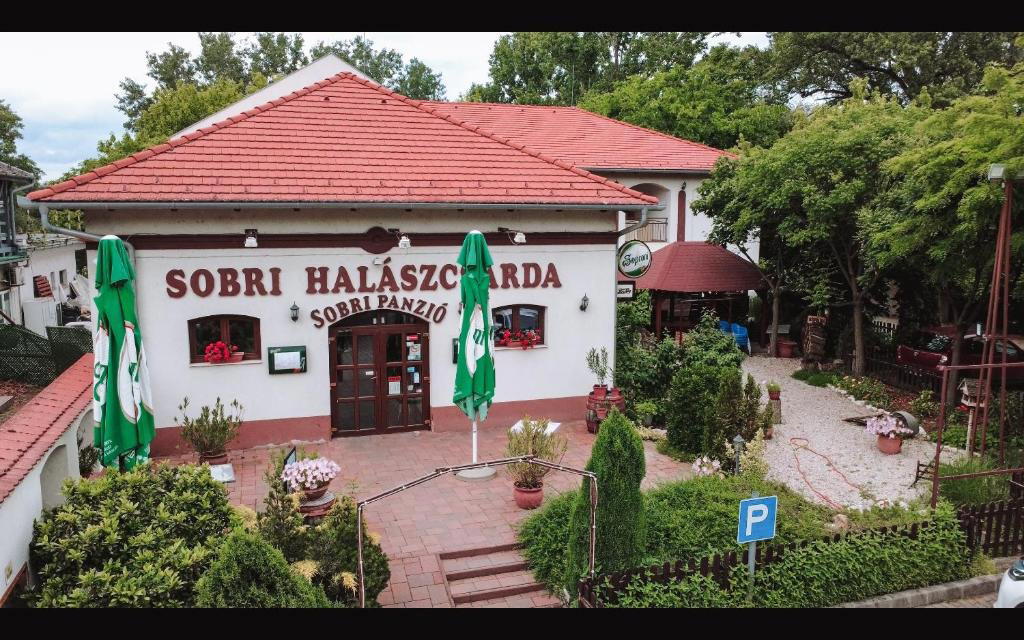
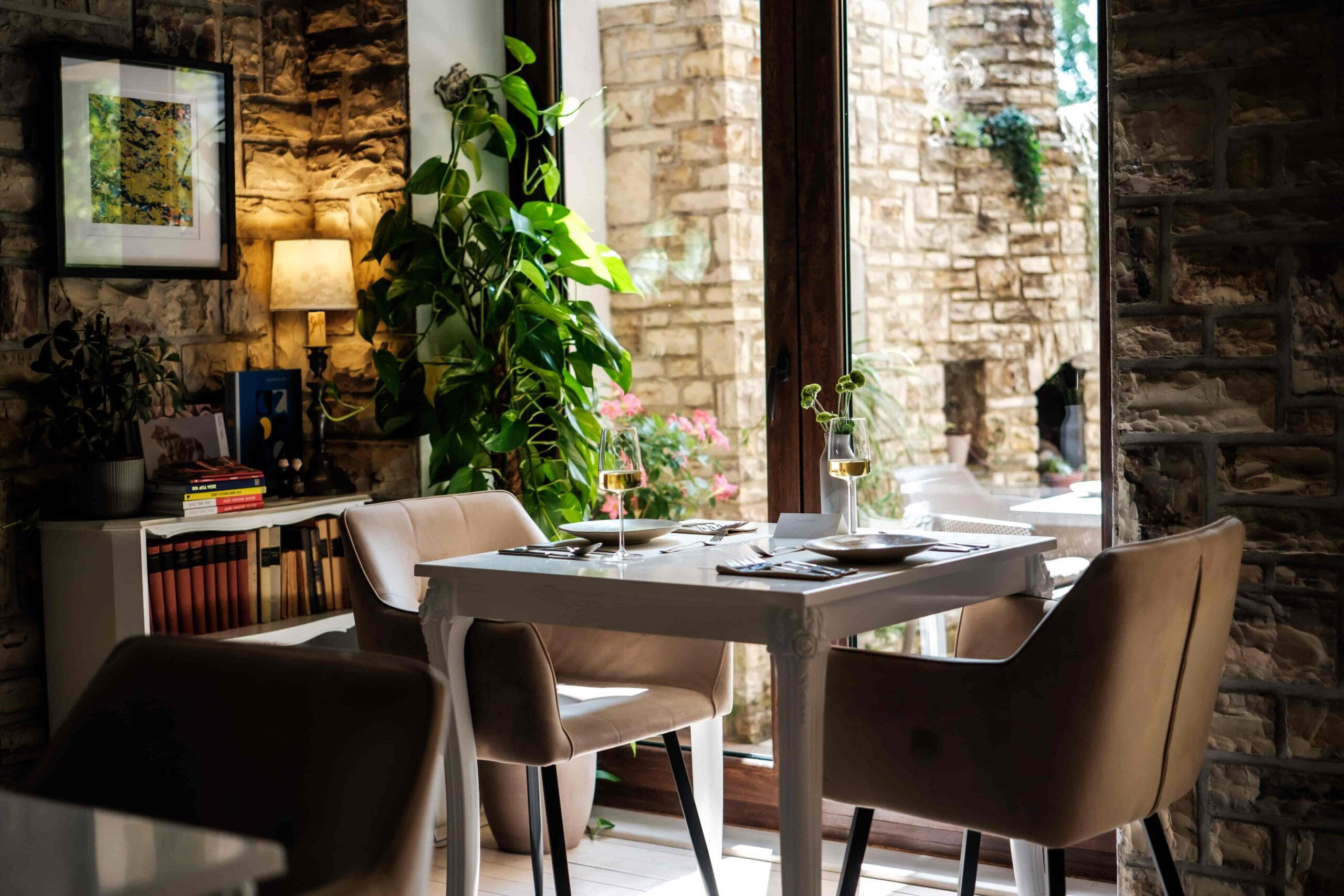
Hotels in Szekszárd
Browse all →
At a Glance
- Rustic
- Classic
- Intimate
- Wine Education
- Solo Exploration
- Vineyard Tour
- Estate Grounds
- Vineyard
- Szekszárd
- Cabernet Sauvignon
- Cabernet Franc
- Merlot
- Kadarka
- Kékfrankos
- Királyleányka
- Cserszegi Fűszeres
- Shiraz
- Still Red
- Cave Tasting
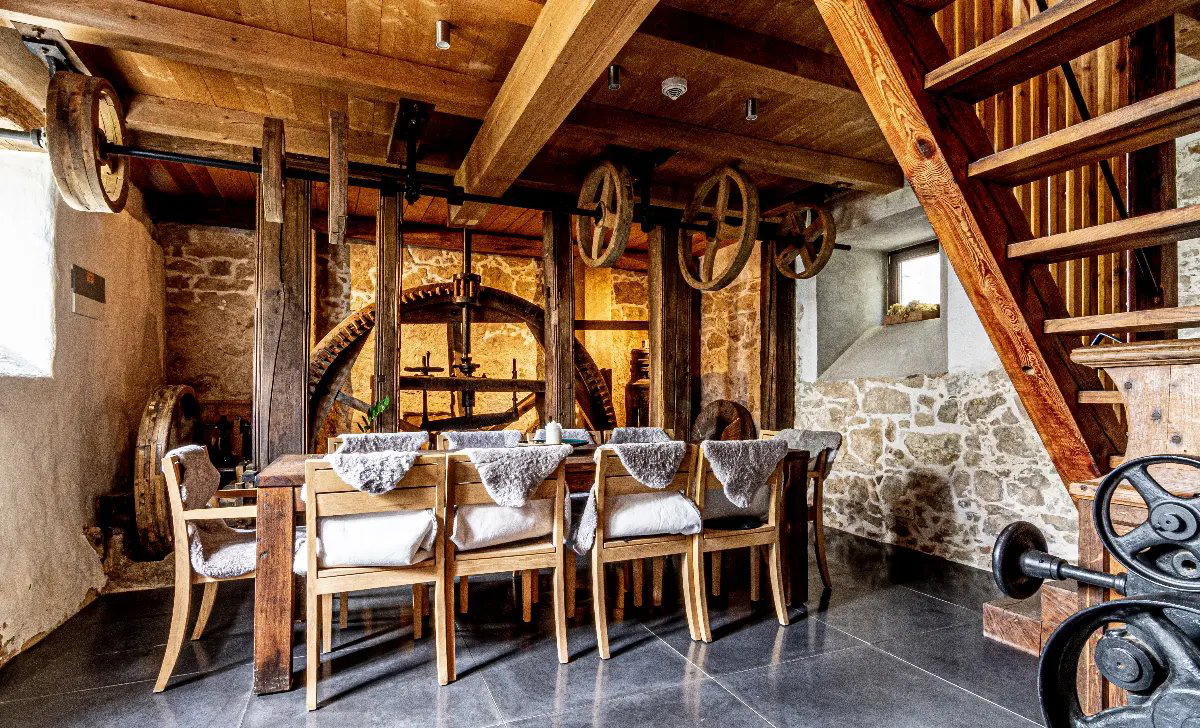
Cozy family cellar ambiance with rustic charm and traditional Hungarian winemaking heritage.