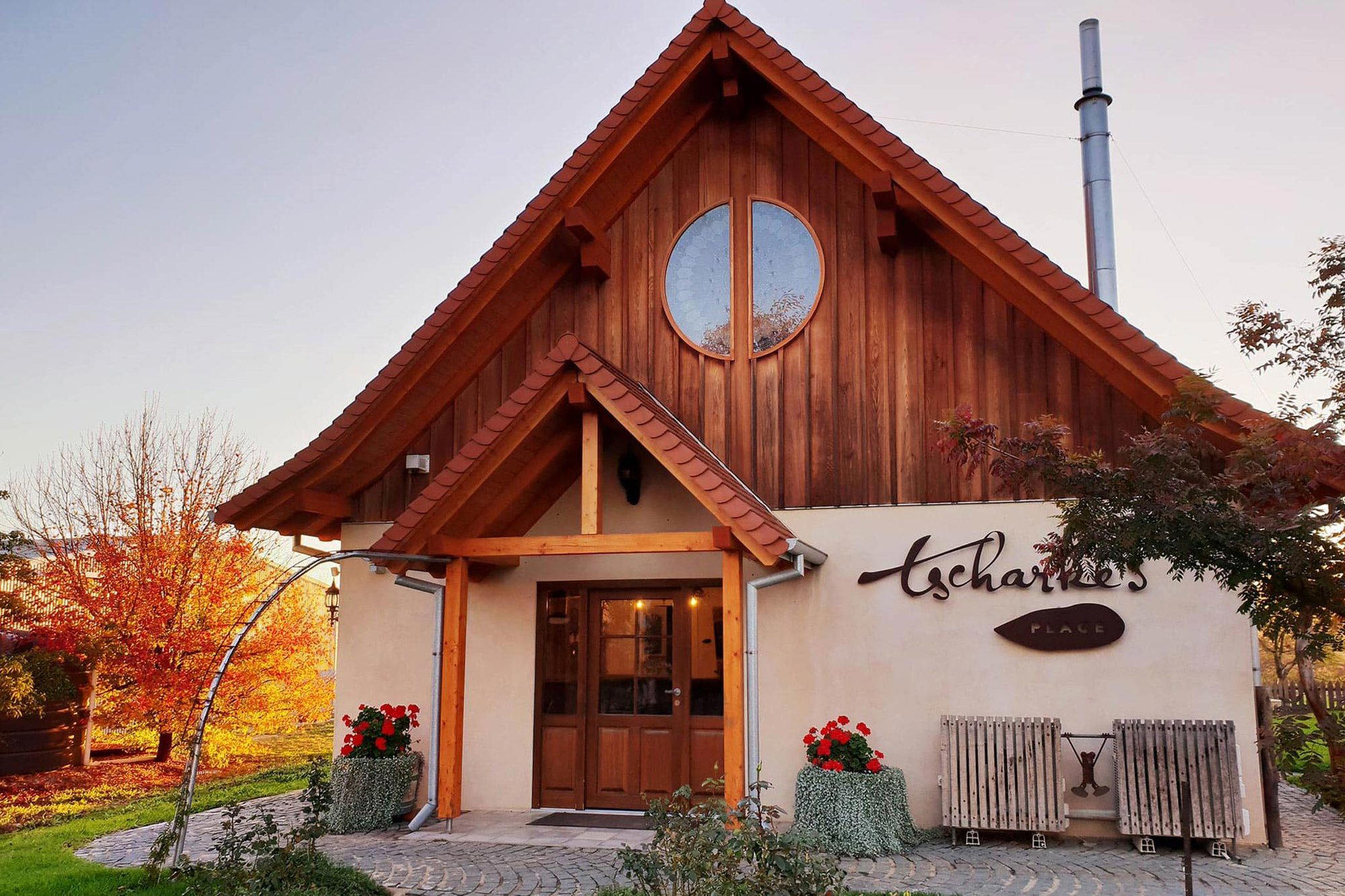
Tscharke Wines sits within the Barossa's compact premium winery tier, where terroir expression and small-batch production define the competitive set. The operation occupies a position shaped by the valley's warm-climate viticulture tradition, producing wines that read as place-specific rather than variety-generic. For visitors to Barossa's wine country, it represents an entry point into a style of winemaking that prioritises the land over formula.
 Request Booking on Pearl
Pearl is the En Primeur Club membership app — saves, bookings, and concierge access live there. Same editors, same standards.
Barossa's Warm-Climate Logic and Where Tscharke Fits
The Barossa Valley built its international reputation on Shiraz, and the reasons are geological as much as historical. The valley floor sits on ancient clay and sand soils, some of the oldest ungrafted Grenache and Shiraz vines in the world remain here, survivors of the phylloxera epidemic that reshaped European viticulture in the nineteenth century. That viticultural inheritance shapes every serious winery in the region, Tscharke Wines among them. To understand what Tscharke produces, you need to understand the ground it grows from: warm days, cool nights, and soils that stress the vine just enough to concentrate flavour without stripping freshness. Barossa has learned, over the last two decades, to stop apologising for its climate and start leaning into it. The wines that define the valley's current reputation are not the extracted, over-oaked iterations of the 1990s. They are wines that carry the warmth of the site without losing their structure. Tscharke operates within that corrected tradition.
Reading the Terroir Through the Glass
Warm-climate terroir expression is a more contested idea than it might appear. In Burgundy or the Mosel, the argument practically makes itself: the soils are narrow, the climate is marginal, and small differences in exposition produce wines that taste detectably different. In a broad, warm valley like the Barossa, the terroir argument requires more precision. The sub-regional distinctions matter here, Eden Valley to the east sits at higher elevation, producing wines with noticeably more acidity and tension than the valley floor; Marananga and Seppeltsfield sit in the warmer, richer heart of the valley, where Shiraz and old-vine Grenache tend toward depth and texture rather than lift. Tscharke's position within this geography is part of what defines its house character. The Barossa approach to terroir is increasingly granular, with producers identifying individual blocks, old vines, and soil types as the basis for their tier structure rather than variety alone. This is the winemaking conversation Tscharke is part of, one about specificity and provenance rather than brand volume. Visitors looking to trace similar terroir philosophies along Portugal's wine corridor will find comparable precision-led thinking at Herdade do Esporão in Reguengos de Monsaraz and at Quinta do Vallado in Peso da Régua, both of which anchor their ranges in place-specific viticultural logic.
The Barossa Winery Visit Format
The Barossa has developed a mature cellar-door culture. The valley is compact enough to cover four or five properties in a day if you plan the route, and the range of tasting formats, from walk-in bar pours to seated library flights, means visitors can calibrate their level of engagement. The premium end of the market has moved toward appointment-based tastings that include older vintages and vertical components, which offer a more useful read on how a producer's style holds across years and conditions. Tscharke sits within this broader shift toward depth-over-breadth tasting experiences. Rather than pouring through a wide commercial range at a busy bar, the more instructive visit format here involves focused engagement with the wines that leading illustrate the property's terroir argument.
Placing Tscharke in Its comparable set
The Barossa contains a wide spectrum of producers, from large-volume commercial houses to micro-batch operations with allocation lists and no walk-in availability. Tscharke occupies the smaller, more artisanal end of that spectrum, a position it shares with producers across Australia and elsewhere who have built their identity around single-vineyard focus and limited production rather than consistent retail volume. That comparable set competes on reputation, critical attention, and the quality signal that comes from scarcity. It is a different commercial logic from the branded-export model that built the Barossa's mass-market name, and it creates a different visitor experience: more intimate, more directly connected to the winemaking decisions, less packaged. Comparable producer logic, in different wine regions, can be seen at Quinta do Bomfim in Pinhão, where Douro identity is made through focused sub-regional work, and at Quinta do Seixo in Tabuaço, where the Sandeman operation uses site-specific viticulture to anchor its premium tier. For a broader European comparison, Abadía Retuerta in Sardón de Duero illustrates how a Spanish estate uses soil mapping to build a granular producer identity across a single property.
Planning a Visit
Barossa is roughly an hour's drive north of Adelaide, making it a natural day trip or an easy two-night stay for anyone already in South Australia. The valley rewards repeat visits across seasons: harvest in February and March brings the most activity and the chance to see production in progress, while the cooler months from June to August offer a quieter visit with better pricing on accommodation. Cellar doors in the Barossa vary significantly in their booking requirements, the smaller, artisanal producers like Tscharke are more likely to require or benefit from advance contact, while larger commercial houses maintain open walk-in hours through the week. Checking directly ahead of travel is the reliable approach for any property in the premium-small tier.
Useful Comparisons for the Wine-Focused Traveller
For those building a broader wine-travel itinerary, the Barossa sits alongside a global set of warm-climate, heritage-vine regions where the winemaking conversation has shifted meaningfully in the last decade. Bacalhôa Vinhos in Azeitão demonstrates how an older Portuguese estate adapted its production philosophy to reflect contemporary place-based thinking, a parallel that resonates with what Barossa's more considered producers are doing with century-old vine material. Churchill's in Vila Nova de Gaia and Adega Cartuxa in Évora each show how historic production traditions get reframed for a modern audience without losing their regional identity, a challenge the Barossa understands well. Even the contrast offered by Blandy's Wine Lodge in Funchal and Aberlour in Aberlour is instructive: fortified Madeira and Speyside single malt both trade on terroir and heritage in ways that rhyme with how the Barossa positions its oldest-vine Shiraz, as something the land produces that nowhere else can replicate.
Comparable Venues
Comparable venues nearby, for context on price, style, and recognition.
| Venue | Cuisine | Awards | Notes |
|---|---|---|---|
| Tscharke WinesThis venue — the venue you are viewing | Winery | , | |
| Sandeman | Vila Nova de Gaia, Touriga Nacional, Tinta Roriz | ||
| Luis Pato | Amoreira da Gândara, Baga, Touriga Nacional | ||
| Adega Regional de Colares | Winery | ||
| Adega Cartuxa (Fundação Eugénio de Almeida) | Quinta de Valbom, Trincadeira, Aragonez | ||
| Quinta do Carmo | Glória, Aragonez, Trincadeira |