



The first Kabuki outpost outside Spain occupies three floors of the Galerias Ritz at the Four Seasons Hotel Ritz Lisbon, holding a Michelin star since 2024. The kitchen works Japanese technique against Portuguese coastal ingredients, producing a menu that reflects a genuine historical connection between the two cultures. A wine list of 570 selections and a 2,000-bottle inventory complete the proposition.
Pearl is the En Primeur Club membership app — saves, bookings, and concierge access live there. Same editors, same standards.
- Address
- Galerias Ritz, R. Castilho 77B, 1070-050 Lisboa, Portugal
- Phone
- +351 21 249 1683
- Website
- kabukilisboa.pt
- Directions
- Get directions
 Saves & bookings on Pearl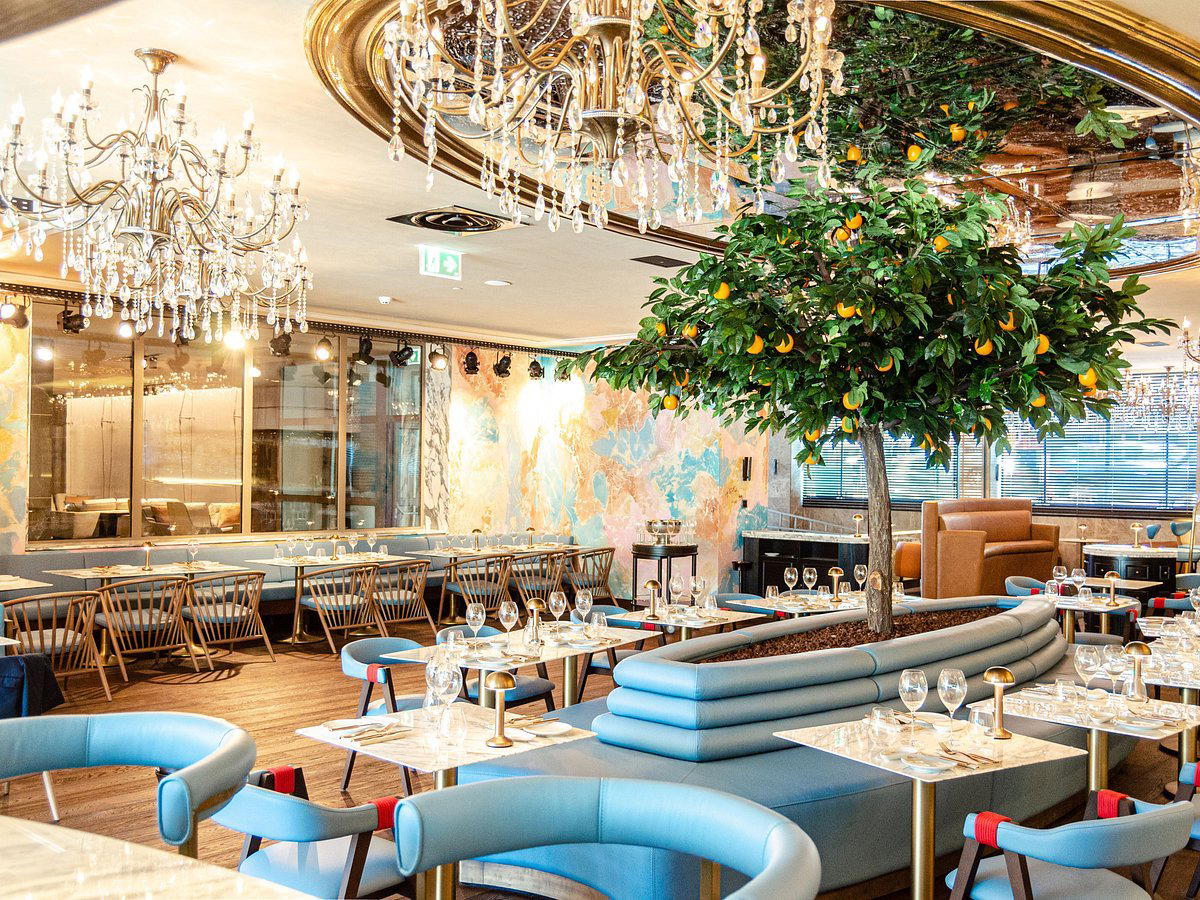
Where Lisbon's Atlantic Larder Meets Japanese Technique
Kabuki Lisboa is a 1-Michelin-star Japanese-Portuguese fusion restaurant in Lisbon. The approach to Kabuki Lisboa sets the register before you sit down. Galerias Ritz, part of the Four Seasons Hotel Ritz Lisbon on Rua Castilho, is a particular kind of address in this city: formal without being stiff, positioned where the Marquês de Pombal quarter meets the leafier avenues running toward Parque Eduardo VII. The building carries weight, and the restaurant inside it works with that rather than against it. Three floors, a ground-level cocktail and executive-menu space, a principal dining room anchored by a sushi bar and a floor-to-ceiling mural referencing the five tenets of Japanese philosophy (Earth, Water, Fire, Wind, Void), and a brightly lit leading floor given over at lunch to a rotating single-ingredient format. The architecture is doing editorial work here, not just decoration.
The Historical Logic Behind the Cuisine
The case for Japanese-Mediterranean cooking in Lisbon is stronger than it might appear elsewhere. Portugal and Japan share a documented point of first contact dating to the sixteenth century, when Portuguese traders and missionaries arrived in Kyushu — a meeting that left culinary traces in both directions, tempura among them. That history gives Kabuki Lisboa's central proposition a grounding that the same concept would lack in, say, Madrid or Milan. The kitchen under Chef Sebastião Coutinho works with Portuguese coastal produce as primary material, applying Japanese precision and preparation methods to ingredients the Atlantic has always provided in quantity. It is a fusion logic built on historical fact rather than trend-chasing, and Michelin's one-star recognition in 2024 suggests the execution matches the concept.
Within Lisbon's premium Japanese tier, Kabuki Lisboa occupies a specific position. Kanazawa, YŌSO, and Omakase RI each work within more orthodox Japanese frameworks. The restaurant's explicit Mediterranean overlay and its use of Portuguese ingredients as the raw material for Japanese technique sets it apart from that peer group — it is not trying to replicate what a Tokyo counter would produce, and the honest acknowledgment of that makes the menu more coherent, not less.
Sourcing as the Structural Argument
The editorial angle that the kitchen has committed to, Portuguese ingredients read through Japanese technique, is also a sourcing argument. Japanese culinary discipline at this level depends on ingredient quality as a first principle: there is nowhere to hide poor produce behind heavy saucing. The consequence is that restaurant's menu is anchored to what the Portuguese coast and interior actually produce well. The country's fishing tradition, the quality of its Atlantic catch, and the particular character of its vegetables and preserved goods become the raw material through which Japanese preparation, sashimi cuts, usuzukuri, nigiris, maki construction, is applied.
This is a more demanding sourcing model than a direct fine-dining import would require. The kitchen cannot default to standardised Japanese supply chains; it has to find Portuguese equivalents that hold up under Japanese scrutiny. The rotating single-ingredient lunch menu on the leading floor, which changes focus daily, is one explicit expression of that commitment: it is a format that foregrounds the ingredient rather than the technique, which means the sourcing decision is the menu decision. For diners paying at the €€€ price point, that level of supply-chain discipline is part of what the price is buying.
Where Kabuki Lisboa Sits in Lisbon's Wider Fine-Dining Map
Lisbon's Michelin-recognised tier has expanded significantly in recent years, and the list now covers a range of approaches at different price points. Belcanto holds two stars and operates as one firmly establishment proposition in the city. One-star holders including 2Monkeys and others in the creative register are working with different reference points. The restaurant is the only one in its competitive tier that uses the Portuguese-Japanese historical relationship as an organising principle rather than as a marketing frame.
Across Portugal more broadly, the Michelin-starred cohort includes addresses that have defined the country's fine-dining reputation over the longer term: Vila Joya in Albufeira, Antiqvvm in Porto, Casa de Chá da Boa Nova in Leça da Palmeira, Il Gallo d'Oro in Funchal, Ocean in Porches, and The Yeatman in Vila Nova de Gaia. Most of those work from a Portuguese or European culinary base. The restaurant is unusual in that company for importing a non-European culinary framework and using it to reframe local produce rather than to supplement a Portuguese foundation.
For diners interested in how Japanese restaurant culture travels internationally, the comparison with Tokyo is also worth noting. Counters like Myojaku and Azabu Kadowaki in Tokyo operate in a tradition where rigorous sourcing and seasonal ingredient focus are structural rather than optional. The discipline that restaurant applies to Portuguese produce is working from the same set of principles, even if the specific supply chain is Atlantic rather than Japanese.
The Wine Programme
Wine Director and General Manager Victor Jardim and Sommelier Miguel Ribeiro oversee a list of 570 selections drawn from a 2,000-bottle inventory, with primary strength in Portugal and France and secondary depth in Germany. The pricing sits at the premium tier, with a strong concentration of bottles above €100 and a corkage fee of €45 for those bringing their own. Portuguese wines dominate the anchor selections, which is coherent with a kitchen that is drawing on Portuguese produce as its central argument. The French presence provides the classical European context, and the German inclusion suggests a specific interest in high-acid, mineral-driven whites that work with Japanese-inflected preparations. A list of this depth, at this address, is not supplementary to the food programme; it is built to hold its own as a destination proposition.
Planning a Visit
The restaurant operates Tuesday through Friday from 12:30 PM with last orders at midnight, Saturday from 7 PM, and is closed Sunday and Monday. The Saturday dinner-only format is worth noting for planning purposes, particularly for visitors on shorter stays. The restaurant is located at Galerias Ritz, Rua Castilho 77B, within the Four Seasons Hotel Ritz Lisbon, which places it on a well-served axis in the city's hotel and embassy quarter, walkable from Marquês de Pombal metro station. The three-floor format means different spaces suit different visit purposes: the lower-floor executive menu is the faster proposition; the main dining room with the sushi bar is the full-expression choice; the top-floor rotating lunch is one ingredient-focused option and the one most directly connected to the sourcing argument that defines the restaurant's editorial identity.
What's the leading thing to order at Kabuki Lisboa?
The kitchen's central argument is Japanese technique applied to Portuguese coastal ingredients, so the sashimi, usuzukuri, and nigiri formats in the main dining room are the clearest expression of what the restaurant is doing. The rotating single-ingredient lunch menu on the leading floor is the other high-signal choice: it changes daily based on whatever the kitchen has identified as the ingredient worth building around that day.
The Essentials
Comparable venues nearby, for context on price, style, and recognition.
| Venue | Cuisine | Price | Notes |
|---|---|---|---|
| Kabuki LisboaThis venue — the venue you are viewing | Japanese | $$$ | Not listed |
| Kanazawa | Not listed | $$$$ | Pedrouços, Traditional Japanese Omakase and Kaiseki |
| YŌSO | Lapa, Dining | Not listed | Not listed |
| 2Monkeys | Not listed | $$$$ | Baixa, Modern European Contemporary with Portuguese Flavors |
| SÁLA de João Sá | Castelo, Modern Portuguese Fine Dining | $$$ | Not listed |
| EPUR | Chiado, Modern Portuguese Fine Dining | $$$$ | Not listed |
Recognition history
Dated appearances from independent guides and award organizations, with the underlying list record or original source where available.
Falstaff Restaurant - 94 Falstaff Points
Falstaff
Michelin 1 Star
Michelin
Star Wine List
Star Wine List
Wine Spectator Best of Award of Excellence
Wine Spectator
Michelin 1 Star
Michelin
Wine Spectator Best of Award of Excellence
Wine Spectator
Michelin 1 Star
Michelin
Continue exploring
More in Lisbon
Restaurants in Lisbon
Browse all →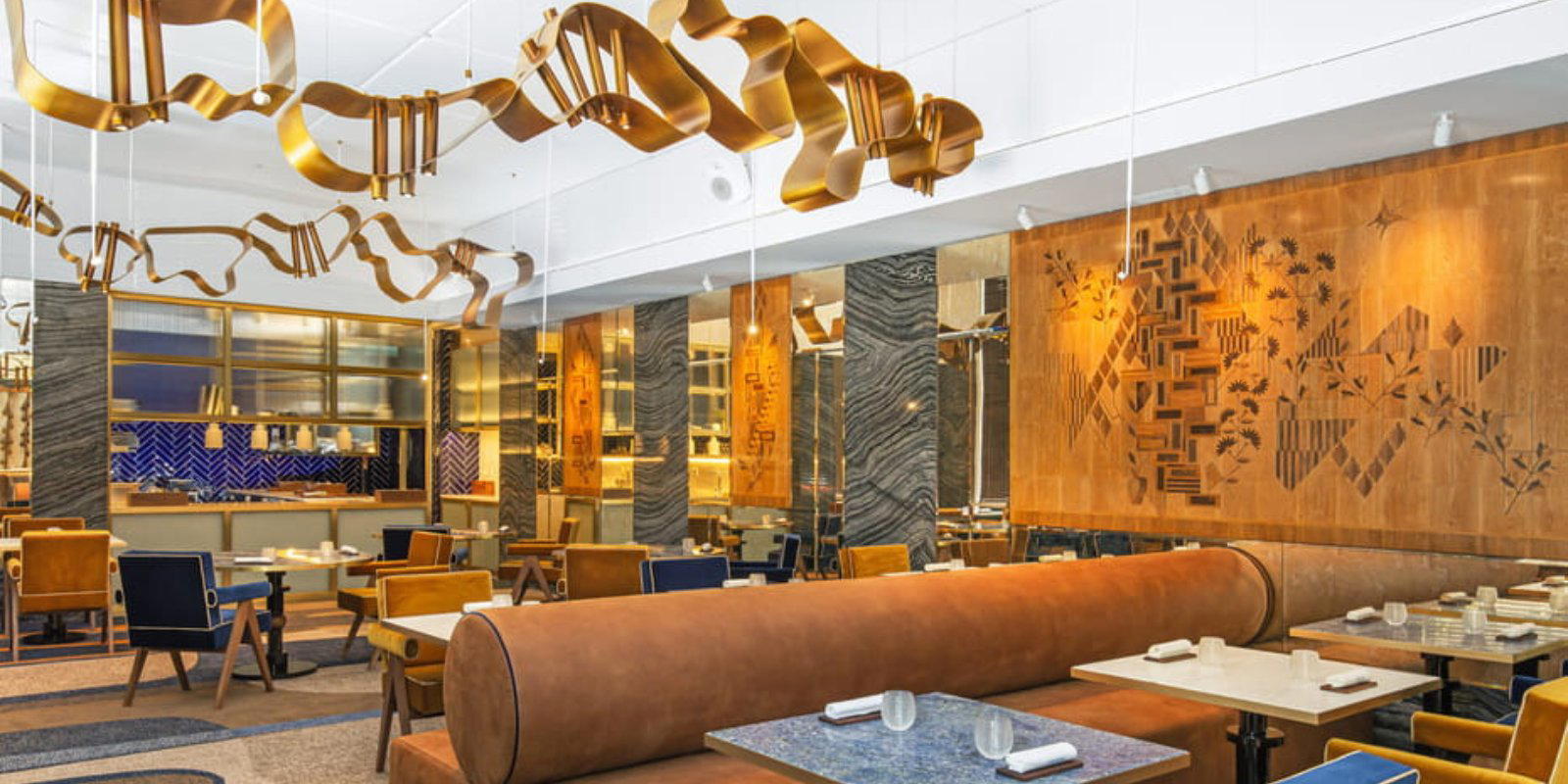
Bars in Lisbon
Browse all →
Hotels in Lisbon
Browse all →

At a Glance
- Elegant
- Sophisticated
- Modern
- Date Night
- Special Occasion
- Open Kitchen
- Extensive Wine List
- Sake Program
- Local Sourcing
Current opening hours
- Monday
- Closed
- Tuesday
- 12:30 PM–12 AM
- Wednesday
- 12:30 PM–12 AM
- Thursday
- 12:30 PM–12 AM
- Friday
- 12:30 PM–12 AM
- Saturday
- 7 PM–12 AM
- Sunday
- Closed
Hours can change for holidays and private events. Last verified .
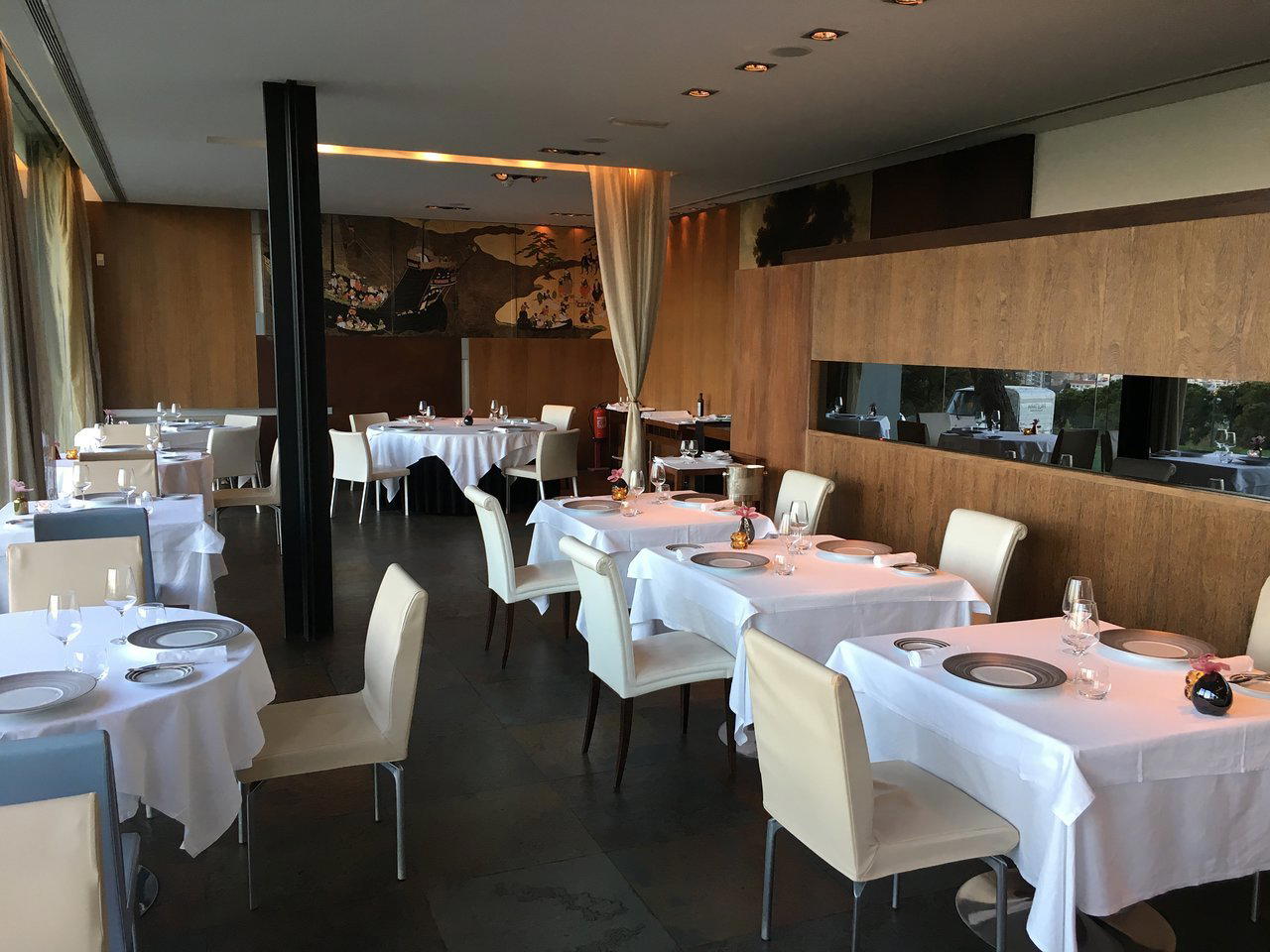
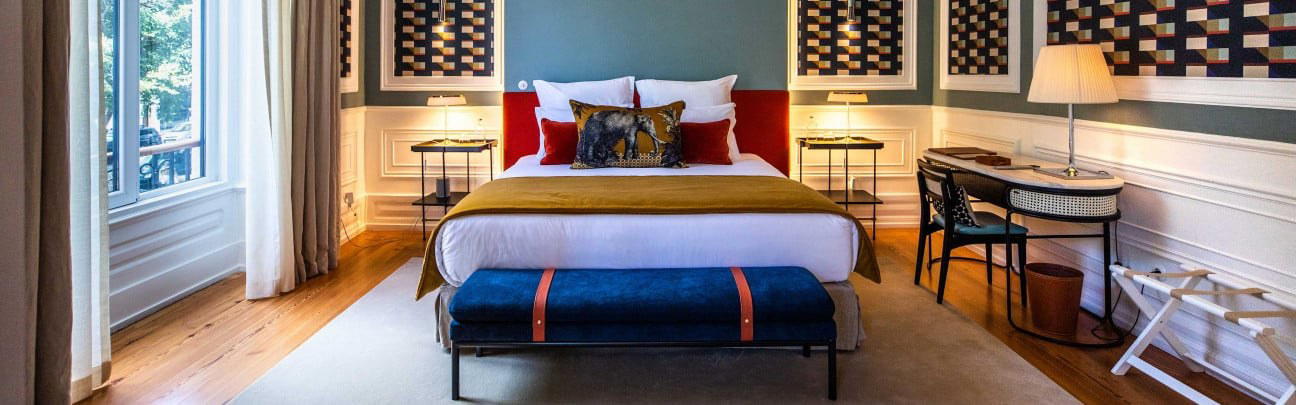
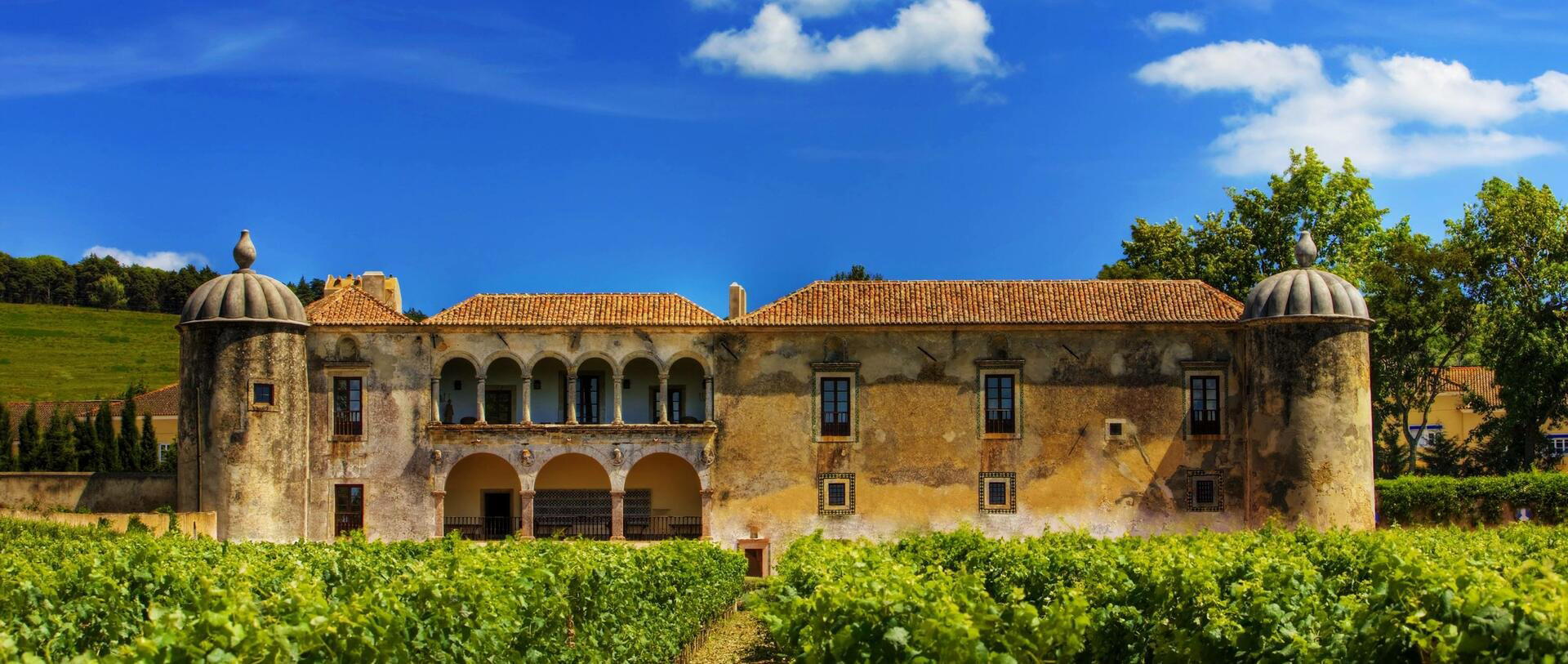
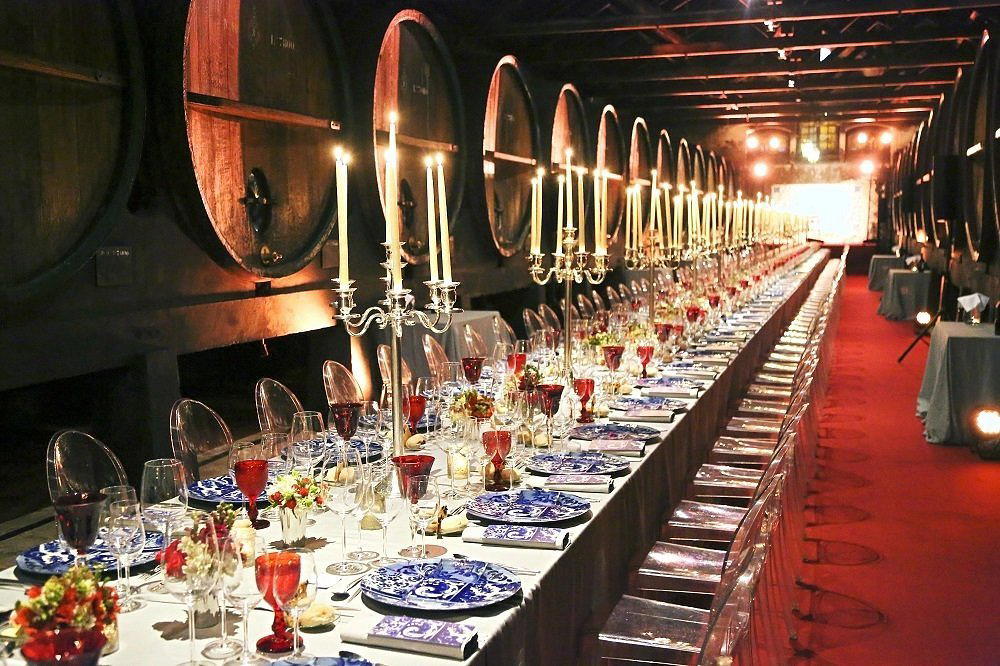
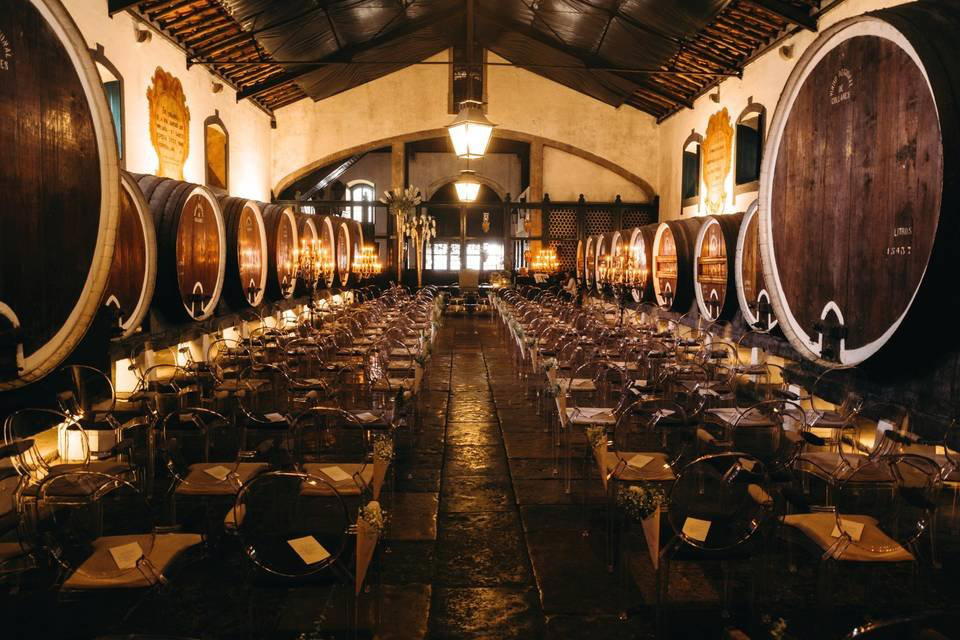
Sophisticated contemporary space across three floors with relaxing design, bright window light, and a serene yet elegant atmosphere.