Bolyki Winery operates from Eger, one of Hungary's most geologically complex wine regions, where volcanic soils and a continental climate produce Egri Bikavér and Cabernet-driven reds of considerable structure. For visitors touring northern Hungary's wine country, Bolyki represents a serious entry point into what Eger's terroir can deliver.

Pearl is the En Primeur Club membership app — saves, bookings, and concierge access live there. Same editors, same standards.
- Address
- Eger, 3300
- Phone
- +36706039474
- Website
- bolykipinceszet.hu
- Directions
- Get directions
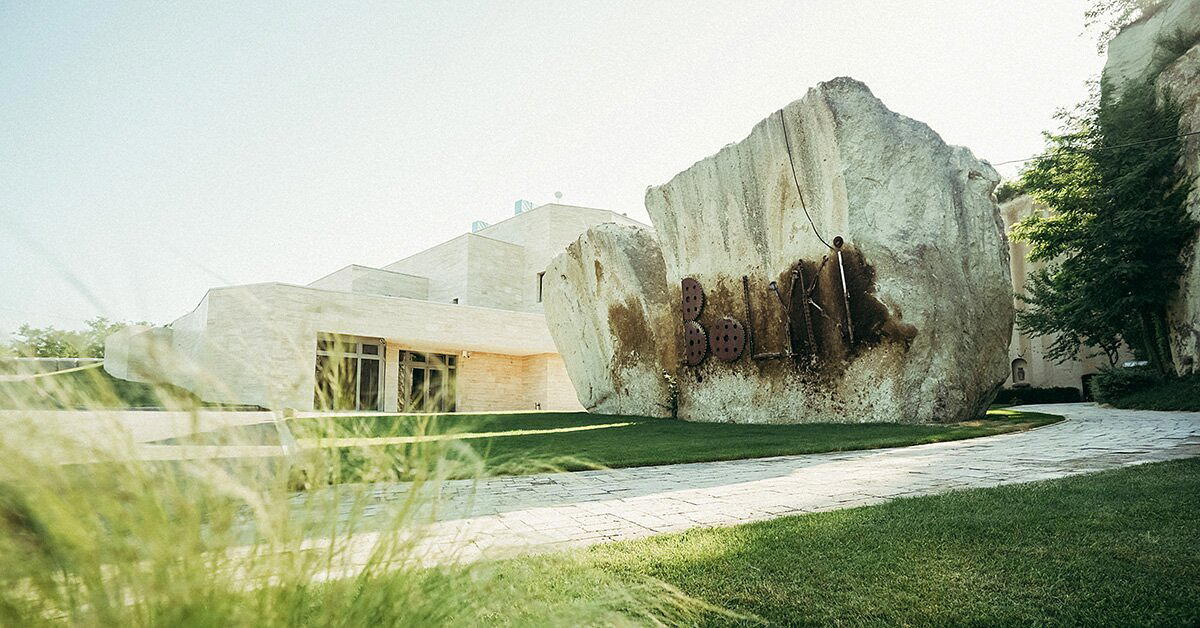
Eger's Volcanic Backbone and What Grows From It
The hills around Eger do not look immediately dramatic. The Bükk foothills rise gently to the north, the Mátra to the west, and the town itself sits in a valley where centuries of wine culture have left more physical evidence than most Central European regions can claim. But the geology tells a more complicated story. Eger's vineyards sit predominantly on rhyolite tuff — compressed volcanic ash from eruptions millions of years old — interspersed with loess and clay. That combination gives the region's reds a mineral tension and structural backbone that distinguishes them from Hungary's other major appellations, and it is the foundation on which producers like Bolyki Winery build their reputation.
That credential matters in Eger partly because the region is still in the process of international re-establishment after decades of state-farm mediocrity under communism, when Egri Bikavér, the flagship red blend, was reduced to a bulk export product. The serious producers working here now are explicitly positioning against that legacy, and formal recognition functions as both market signal and historical corrective.
What Eger's Terroir Actually Means for the Glass
Understanding what the volcanic tuff does to Eger's wine requires a short detour into how it differs from the calcareous limestone that defines Tokaj or the basalt-heavy soils of the Badacsony region on Lake Balaton. Rhyolite tuff has relatively low fertility, which restricts vine vigour and concentrates flavour in smaller berries. It also retains heat efficiently, which in Eger's continental climate, cold winters, warm summers, significant diurnal temperature variation, helps grapes reach phenolic maturity without losing acidity. The result, in skilled hands, is red wine with more freshness than the warm summer temperatures might suggest, and tannins that resolve into structure rather than grip.
Egri Bikavér, the blend most associated with the region, has its own protected designation and minimum variety requirements. It must include at least three approved grape varieties, and Kékfrankos (Blaufränkisch) has historically been its spine. How producers handle the proportions and the supporting cast, Cabernet Franc, Merlot, Cabernet Sauvignon, Kadarka, and others, determines whether the wine reads as genuinely complex or merely adequate. The better Eger producers, including those with formal recognition in 2025, are working with that framework to make something with actual geographic identity rather than international-variety substitution.
Bolyki in the Context of Eger's Producer Tier
Within Eger, Bolyki operates in a competitive environment that includes several other formally recognised estates. Gál Tibor Winery and Juhász Winery are among the better-known names internationally, and producers like Demeter Csaba Winery, Gróf Buttler Winery, and Bukolyi Winery round out the region's serious tier. What distinguishes this cohort collectively is a shared commitment to appellation-specific expression over generic international wine styles, a strategic positioning that took hold in the early 2000s and has gathered momentum as Eger's reputation rebuilt itself.
The distinction is meaningful for visitors: the two tiers offer fundamentally different experiences, and formal credentials are one of the more reliable indicators of which category a producer occupies.
For comparison beyond Eger, Hungary's other high-profile wine region is Tokaj to the east, where producers like Disznókő in Mezőzombor, Royal Tokaji in Mád, Tokaj Hétszőlő in Tokaj, Tokaj Oremus in Tolcsva, and Árvay Winery in Rátka concentrate on sweet and dry whites from Furmint. The contrast with Eger's red-wine identity is sharp, and travellers planning a Hungarian wine circuit often move between the two regions precisely because they represent such different expressions of what the country's geology can produce. Further afield, Babarczi Winery in Gyor and Béres Winery in Erdőbénye add further reference points for understanding Hungary's broader fine wine geography.
Planning a Visit to Eger's Wine Country
Eger is approximately 130 kilometres northeast of Budapest, making it accessible as a day trip by train (roughly two hours from Keleti station) or more comfortably as an overnight stay. The town itself warrants time beyond the wineries: its Baroque architecture, Ottoman-era thermal baths, and the castle associated with the 1552 Siege of Eger give the visit a cultural dimension that wine-only itineraries tend to undervalue. The leading period for winery visits in the region runs from late spring through autumn, with harvest season in September and October offering the most direct encounter with the production cycle, though the specific availability of visits and tastings at Bolyki should be confirmed directly given the absence of published booking details in current listings.
For a fuller picture of what Eger's dining and wine scene offers across different price points and styles, the EP Club Eger guide covers the region's broader food and drink context. For travellers who want to extend the wine focus internationally, Aberlour in Aberlour and Accendo Cellars in St. Helena represent entirely different production traditions worth understanding as contrast points.
Comparison Snapshot
Comparable venues nearby, for context on price, style, and recognition.
| Venue | Cuisine | Price | Notes |
|---|---|---|---|
| Bolyki WineryThis venue — the venue you are viewing | Kékfrankos, Cabernet Franc | $30–50 | Not listed |
| Gál Tibor Winery | Kékfrankos, Kadarka | Not listed | Eger |
| Bukolyi Winery | Kékfrankos, Syrah | Not listed | Eger |
| Gróf Buttler Winery | Kadarka, Syrah | Not listed | Eger |
| Juhász Winery | Kékfrankos, Cabernet Sauvignon | $10–20 | Eger |
| Demeter Csaba Winery | Kékfrankos, Kadarka | Not listed | Szépasszonyvölgy |
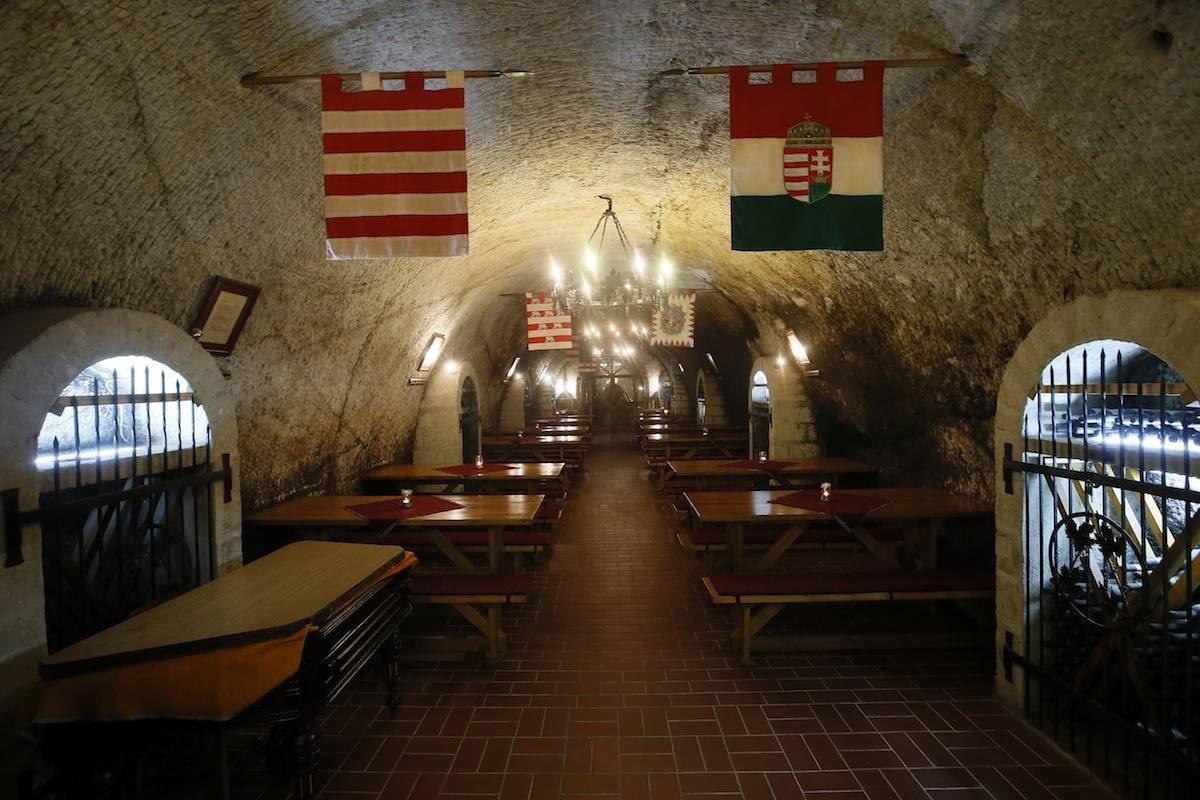
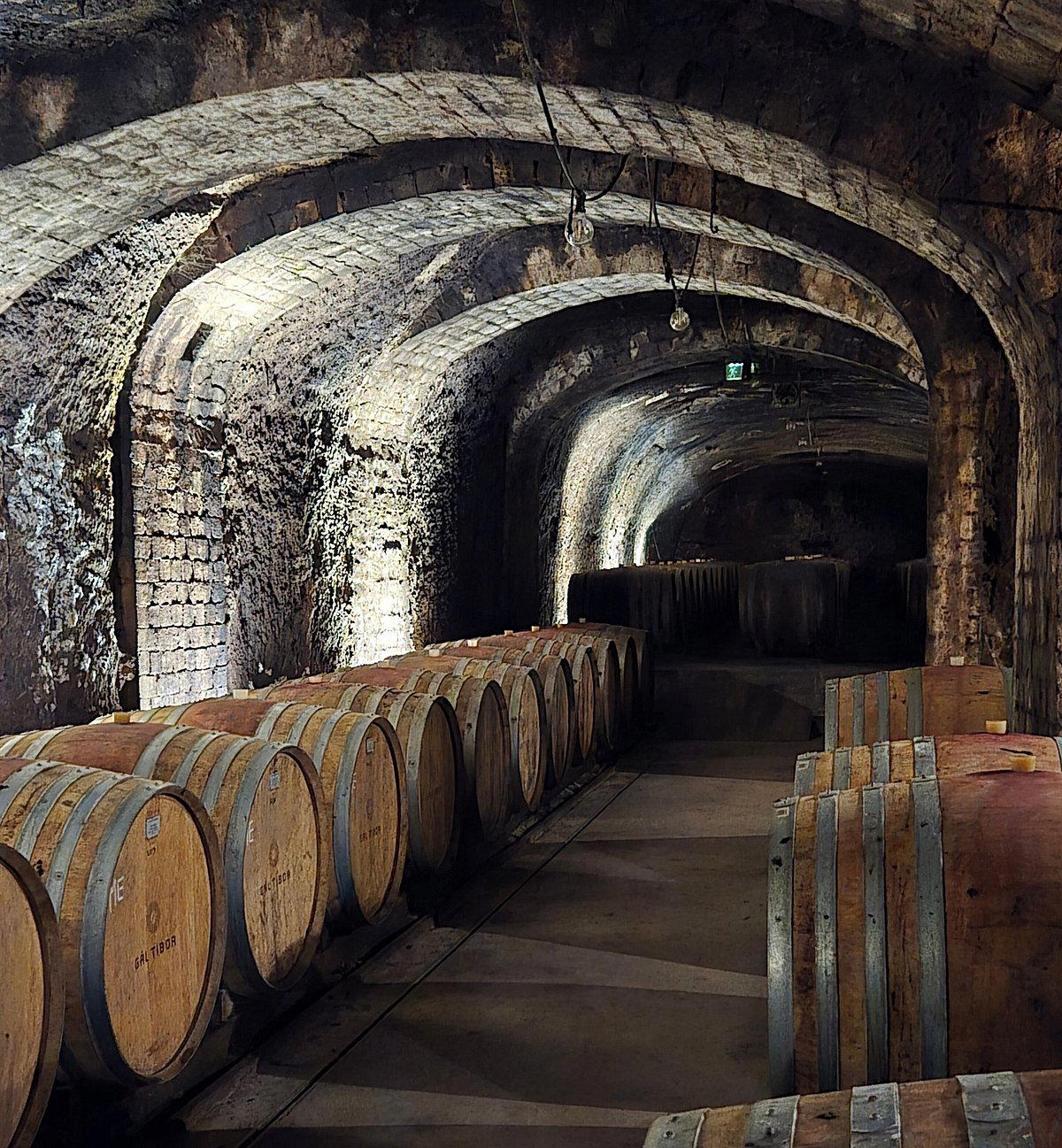
Details
- Scenic
- Rustic
- Energetic
- Whimsical
- Group Outing
- Wine Education
- Special Occasion
- Family
- Cave Tasting
- Vineyard Tour
- Estate Grounds
- Panoramic View
- Historic Building
- Terrace
- Sustainable
- Vineyard
- Mountain
- Kékfrankos
- Cabernet Franc
- Merlot
- Kadarka
- Blauburger
- Sauvignon Blanc
- Riesling
- Pinot Noir
- Cabernet Sauvignon
- Still Red
- Still White
- Still Rosé
- Guided Tasting
- Wine Tour
- Food Pairing
- English
- Hungarian
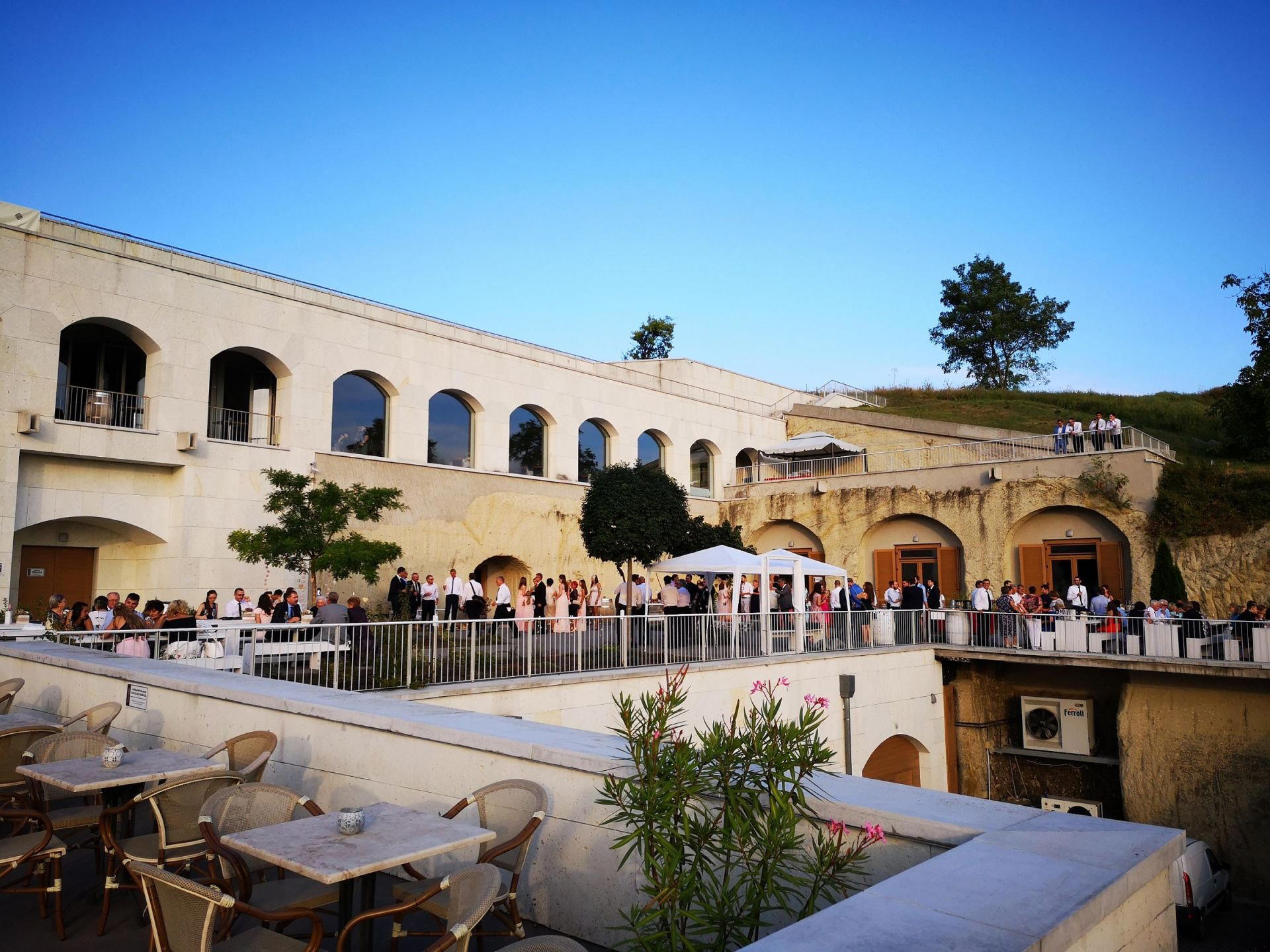
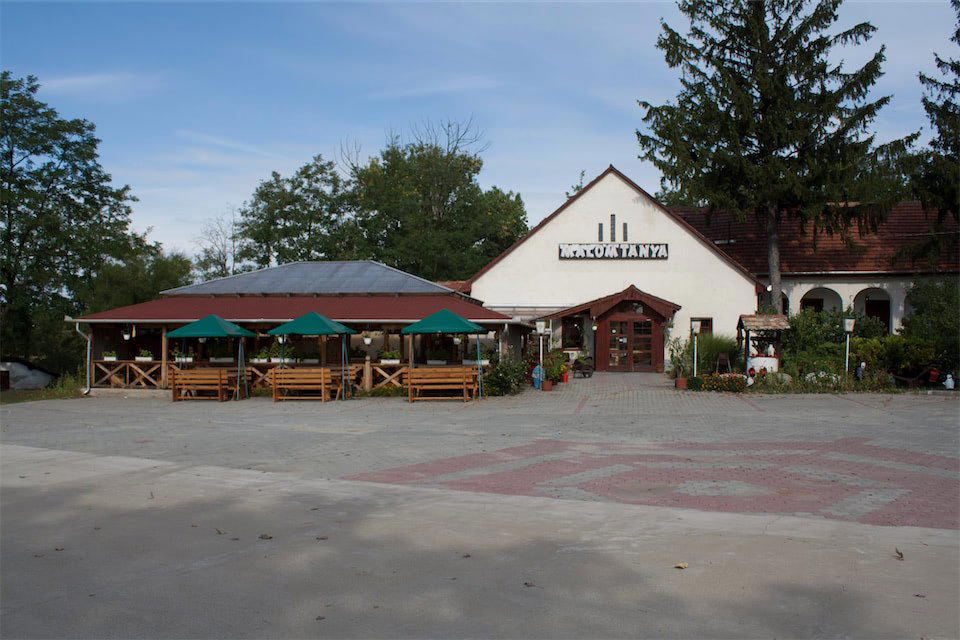
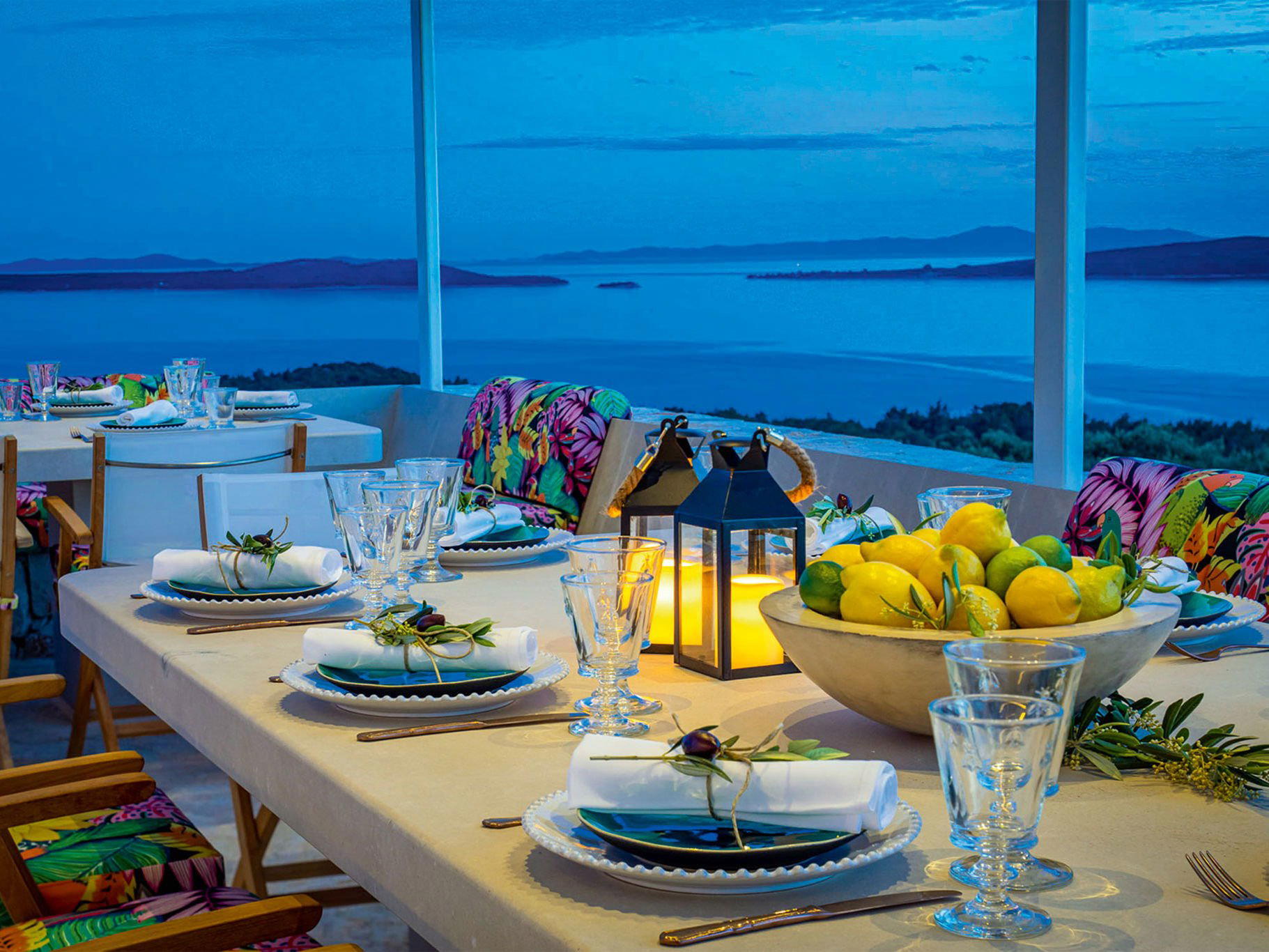
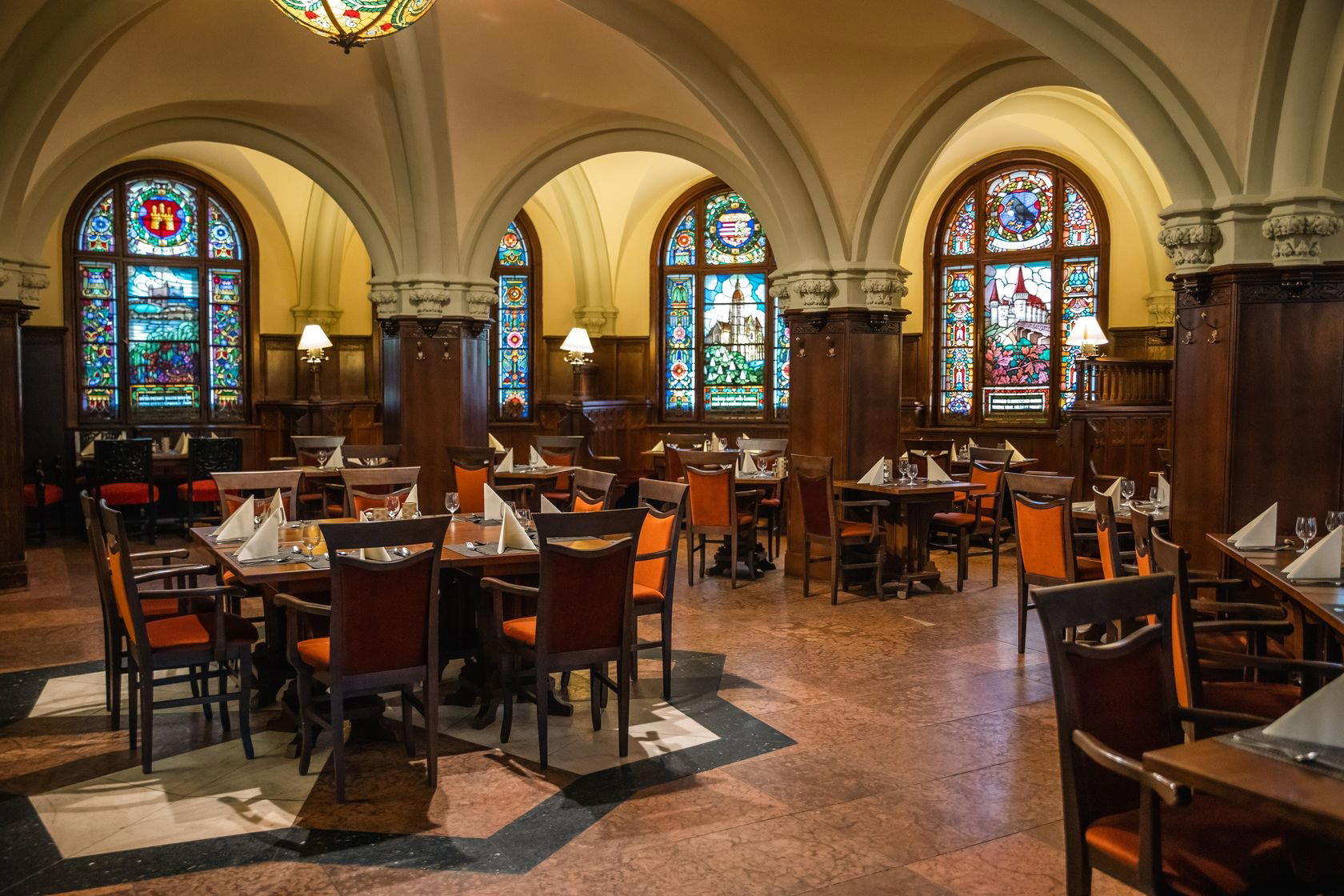
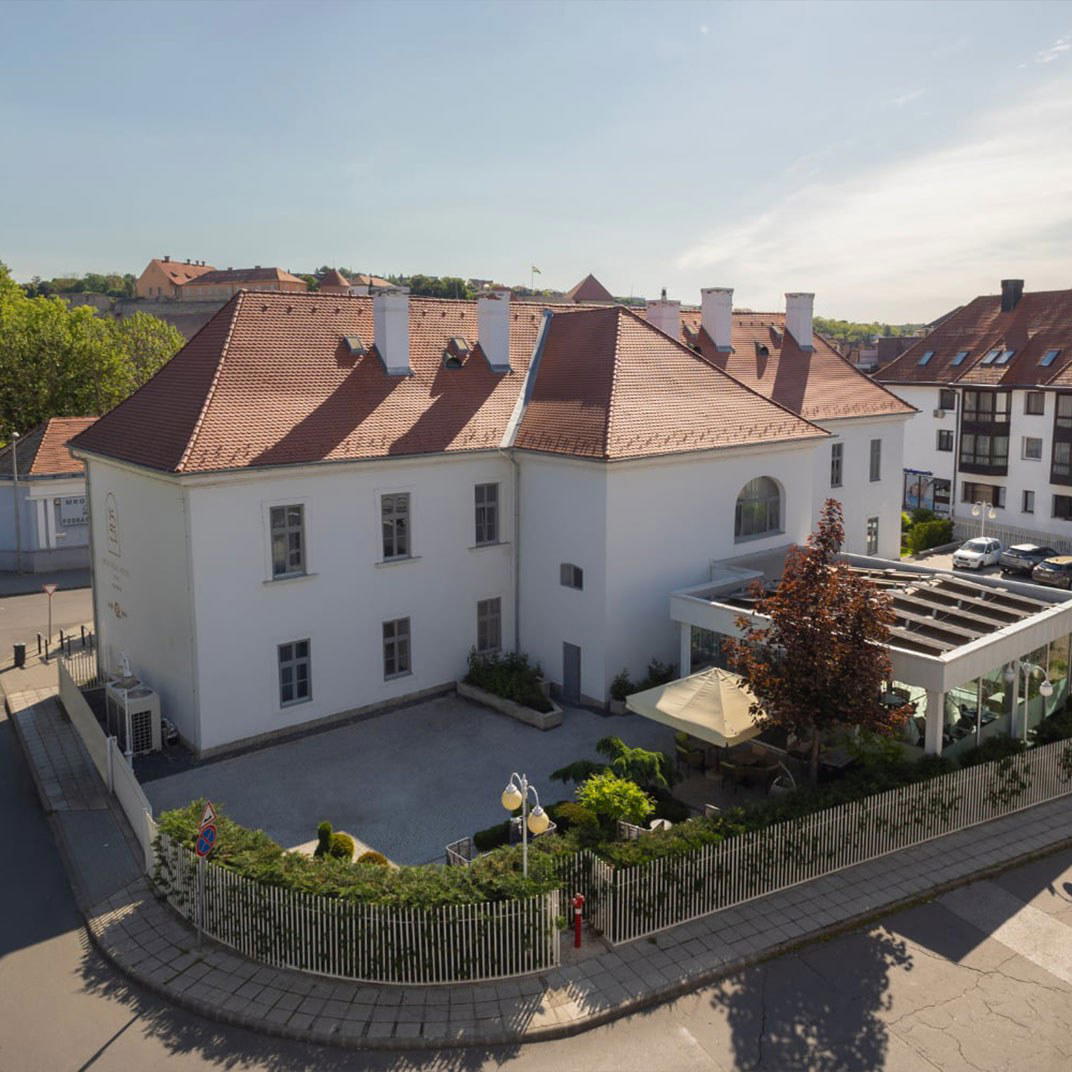
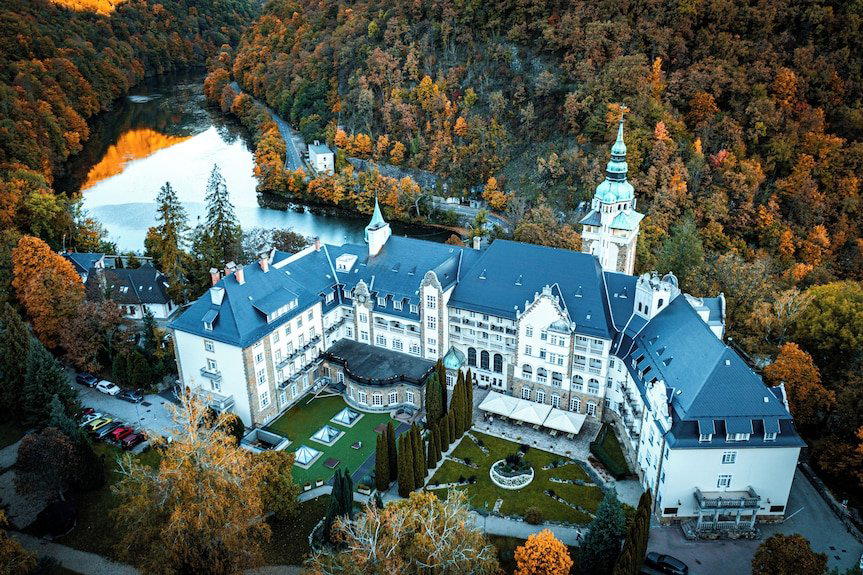
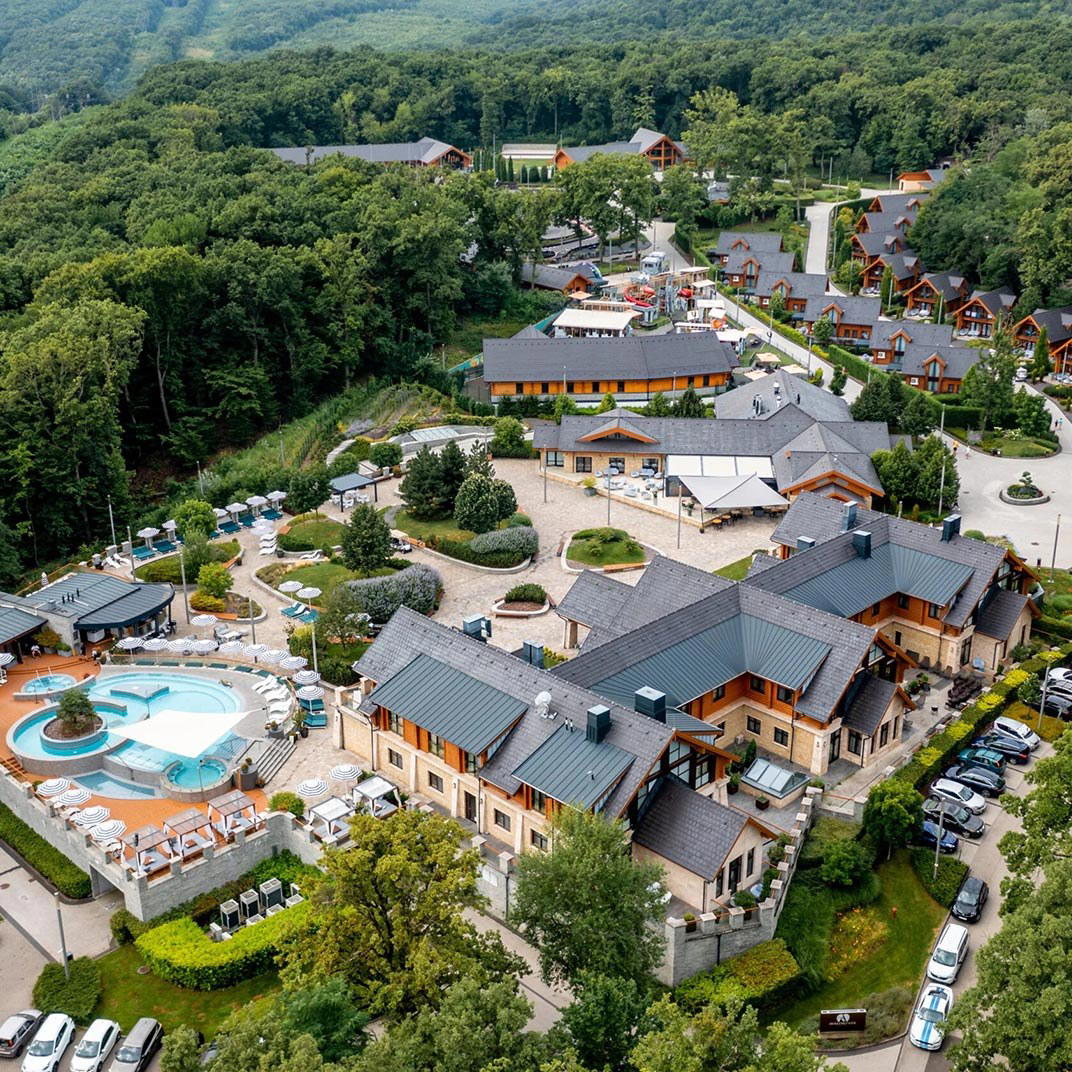
Cool, atmospheric cellar setting with natural stone architecture; serene and escape-like with panoramic views; cozy outdoor spaces for tastings and events.