Bussay Pince
Bussay Pince sits on Hegyi út in Csörnyeföld, a small winemaking settlement in southwestern Hungary's Zala County. For visitors willing to travel off the established circuit, it represents a serious address in an area that rewards attention.
Pearl is the En Primeur Club membership app — saves, bookings, and concierge access live there. Same editors, same standards.
- Address
- Csörnyeföld, Hegyi út 2, 8873
- Phone
- +36 70 386 9168
- Website
- bussaypince.hu
- Directions
- Get directions
 Saves & bookings on Pearl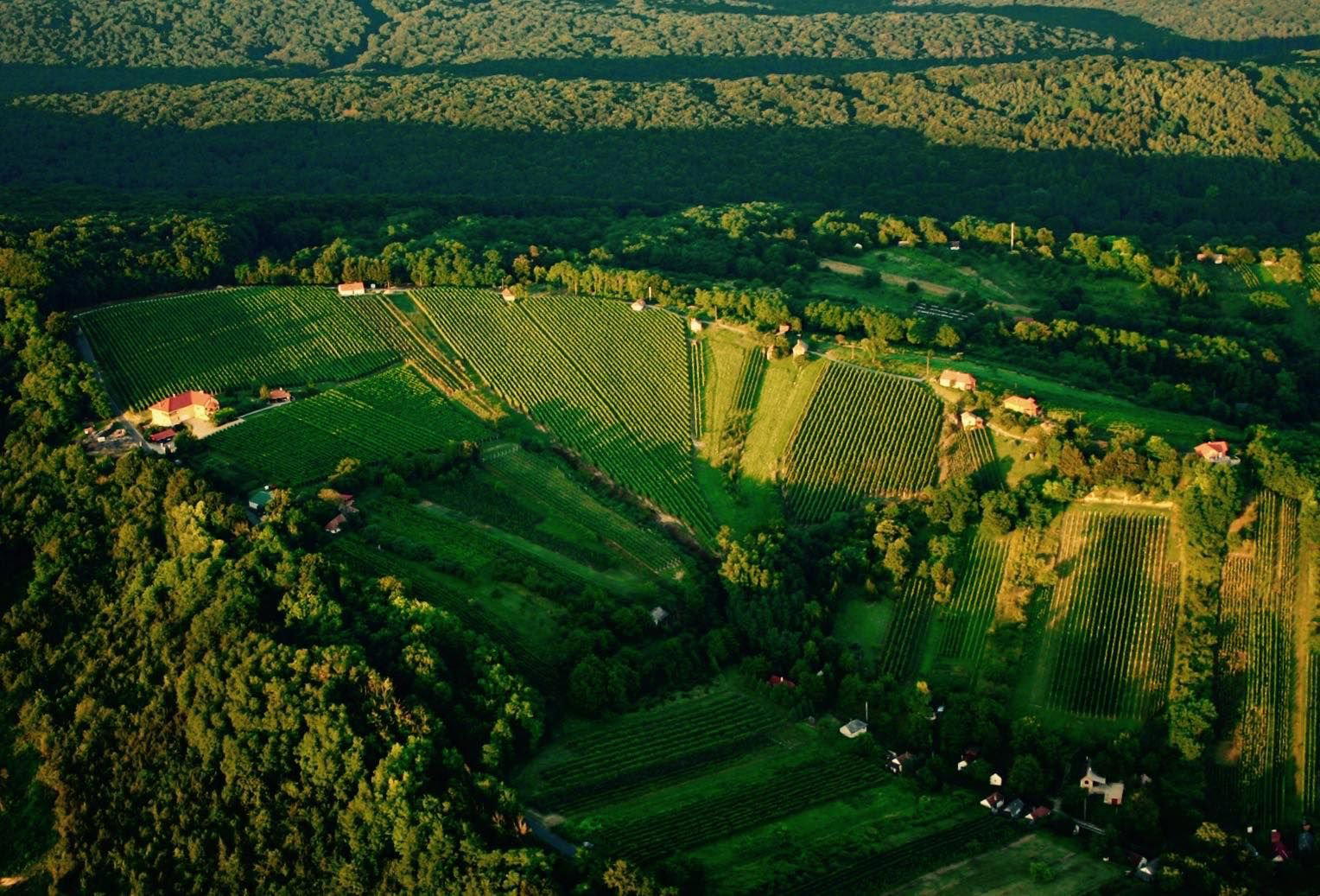
Zala County and the Case for Southwest Hungary
Hungary's wine conversation defaults quickly to Tokaj. The northeastern region's reputation for botrytised Furmint and centuries of royal patronage gives it a gravitational pull that most other Hungarian appellations struggle against. But the country's wine geography is considerably wider than that single narrative suggests. Western Transdanubia, and Zala County specifically, represents a different climatic and geological reality: lower elevations, influence from the Adriatic via the Dráva corridor, and soils that diverge sharply from the volcanic and loess profiles that define Tokaj or Eger.
Arriving at Csörnyeföld
Csörnyeföld is a small village in Zala County, roughly positioned in the triangle between Nagykanizsa, Letenye, and the Croatian border. The address on Hegyi út, which translates loosely as Hill Road, places the winery on refined ground above the village floor, a siting that is common to serious Hungarian wine estates where drainage and sun exposure on slopes give growers a material advantage over flatland alternatives. The surrounding landscape is agricultural and quiet. That absence is not a weakness in context: it reflects where Csörnyeföld sits in the development arc of Hungarian wine country, which is still consolidating its international profile outside Tokaj and Villány.
Terroir in the Southwest: What the Land Produces Here
The terroir argument for Zala County rests on a distinct climatic profile. The county sits at a convergence point where Pannonian continental patterns meet milder, more moisture-laden influences from the southwest. Growing seasons tend toward longer, cooler ripening windows compared to the heat-accumulating plains of Kunság or the continental extremes of the Northern Hungarian uplands. This translates, in practical winemaking terms, into grapes that retain acidity longer and develop aromatic complexity through gradual maturation rather than heat-driven concentration. Soils in this part of southwestern Hungary are predominantly clay-loam and sandy in lower zones, shifting to more mineral-bearing profiles on the slopes. The elevation and slope aspect of Hegyi út positions Bussay Pince to work with material that benefits from those upper-slope characteristics: better drainage, more direct sun hours, and reduced frost risk relative to valley floor vineyards in the same commune. Southwestern Zala sits at the edge of this map, and producers working there are, in effect, generating the evidence base for what the region's terroir can deliver at prestige level.
A Prestige Award in Context
Within Hungary's broader wine evaluation framework, prestige-level recognition across any regional scheme implies consistent cellar performance, vineyard management that reflects the site's potential, and wines that read as expressions of place rather than corrected commodity output. What distinguishes this recognition for an estate in Csörnyeföld is the relative scarcity of prestige-tier producers in this part of Hungary. Unlike Villány, where estates such as Bock Winery have accumulated international attention, or Szekszárd, where Bodri Winery has built a recognised profile, Zala County producers are working with a thinner layer of external validation. The award, in that context, carries additional signal weight: it identifies an estate performing at a level that the evaluation framework considers worth marking, in a region where such marks are not yet common. Other Hungarian estates with prestige-tier recognition across different appellations include Bolyki Winery in Eger, Carpinus Winery in Bodrogkisfalud, Château Dereszla in Bodrogkeresztúr, and Babarczi Winery in Gyor, as well as Béres Winery in Erdőbénye. Mapping Bussay against those estates underscores how geographically spread Hungary's prestige wine production has become, and how Csörnyeföld now appears on that map.
Planning a Visit
Practical realities of visiting Bussay Pince are shaped by Csörnyeföld's remoteness from major tourist infrastructure. Because the estate sits on a hillside road in a small rural commune, self-navigation via GPS to Hegyi út 2 is practical once you are in the Nagykanizsa area. Accommodation options in the immediate vicinity are limited; Nagykanizsa, approximately 20 kilometres north, offers the nearest urban base with hotel choices suited to a multi-day regional wine itinerary. Timing matters in southwestern Hungary as it does across all of Central Europe's wine country: harvest season, roughly September through October, typically offers a stronger chance of finding estates engaged and accessible. Spring, when vine growth begins in earnest, is a secondary window when producers are often willing to discuss the upcoming vintage. For travellers interested in the wider geography of serious winemaking in unexpected places, the comparison extends globally: estates like Aberlour in Aberlour and Accendo Cellars in St. Helena represent the range of prestige-level production across different regional traditions.
A Quick Peer Check
Comparable venues nearby, for context on price, style, and recognition.
| Venue | Cuisine | Price | Notes |
|---|---|---|---|
| Bussay PinceThis venue — the venue you are viewing | Olaszrizling, Tramini | $$ | Not listed |
| Pfneiszl Winery | Kékfrankos, Zweigelt | $$ | Kőszegi road, Sopron |
| Gilvesy Winery | Olaszrizling, Riesling | $$$ | Hegymagas |
| Bock Winery | Cabernet Franc, Cabernet Sauvignon | $$ | Villány |
| Szeremley Estate | Kéknyelű, Budai Zöld | $$ | Badacsonytomaj |
| Tornai Winery | juhfark, furmint | $$ | Somlójenő |
Continue exploring
More in Csörnyeföld
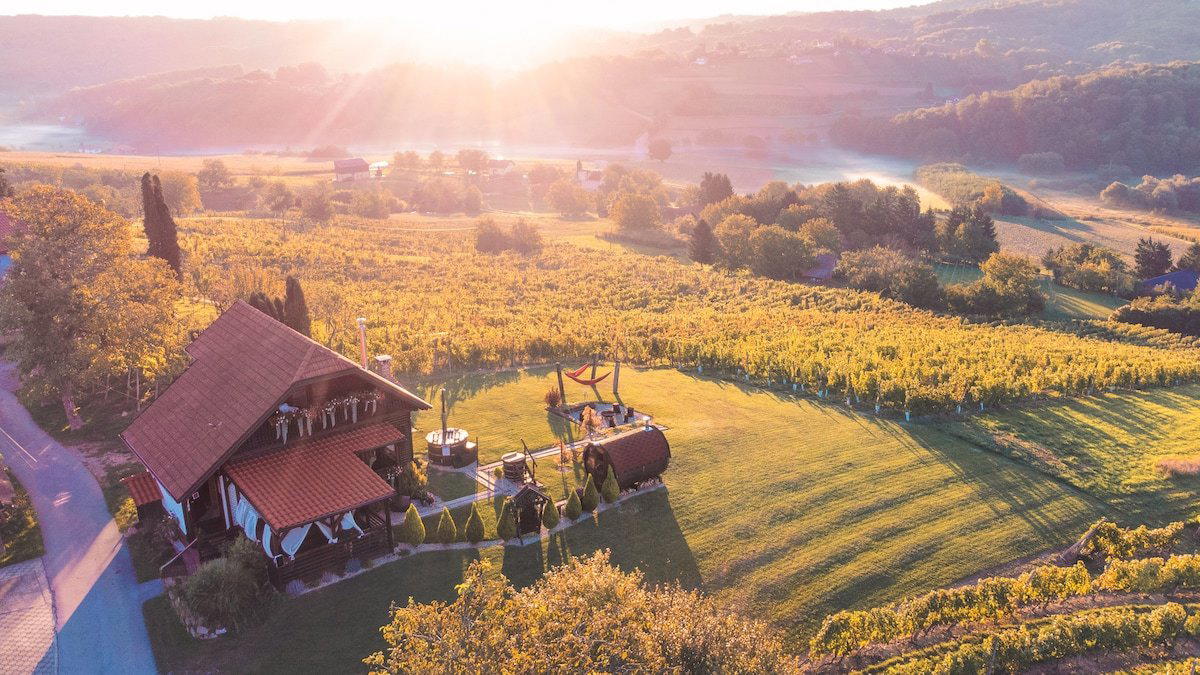
Wineries in Csörnyeföld
Browse all →
Restaurants in Csörnyeföld
Browse all →
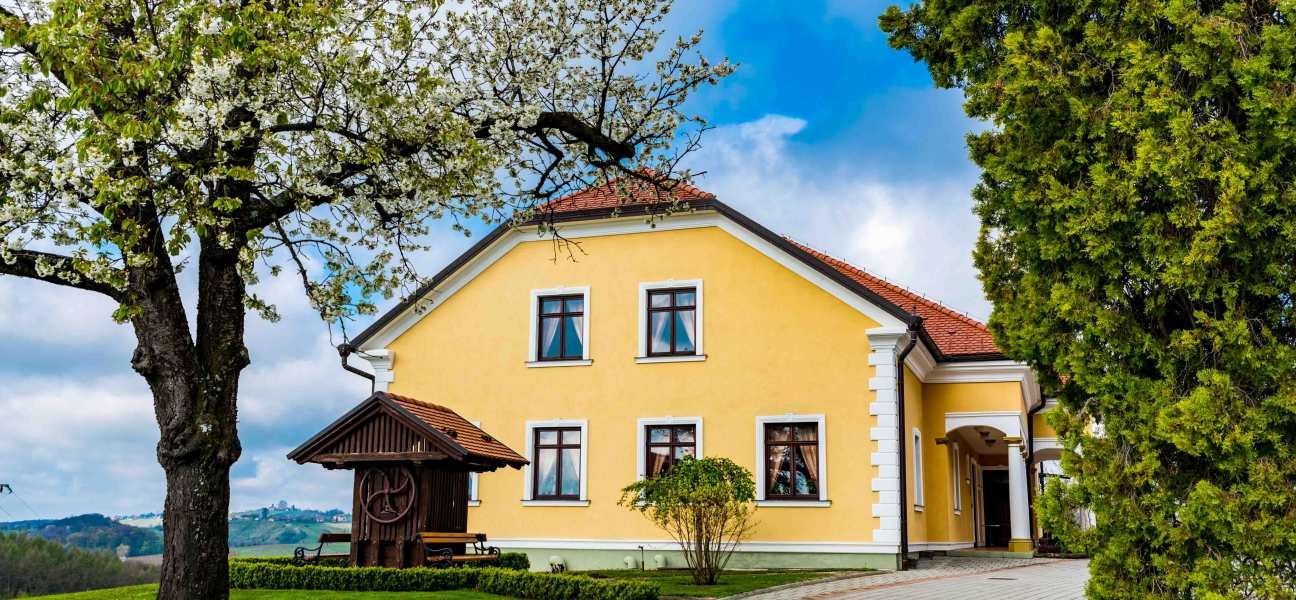
Hotels in Csörnyeföld
Browse all →
At a Glance
- Rustic
- Scenic
- Cozy
- Wine Education
- Solo Exploration
- Vineyard Tour
- Terrace
- Panoramic View
- Organic
- Vineyard
- Zala
- Olaszrizling
- Tramini
- Riesling
- Pinot Gris
- Csókaszőlő
- Skin Contact
- Still White
- Cave Tasting
Dramatic terrace views of vineyards and plains, friendly service in a rustic family setting.