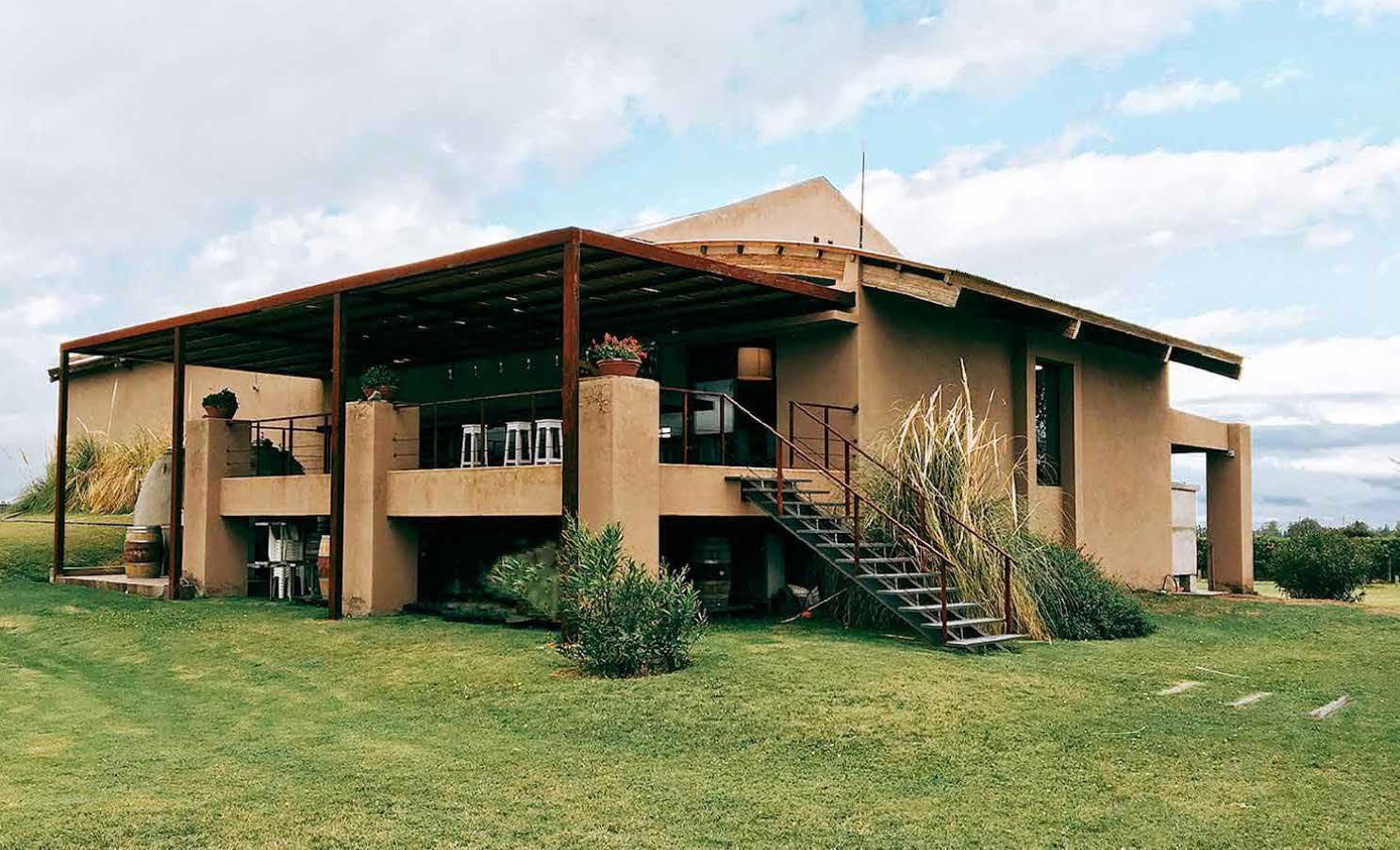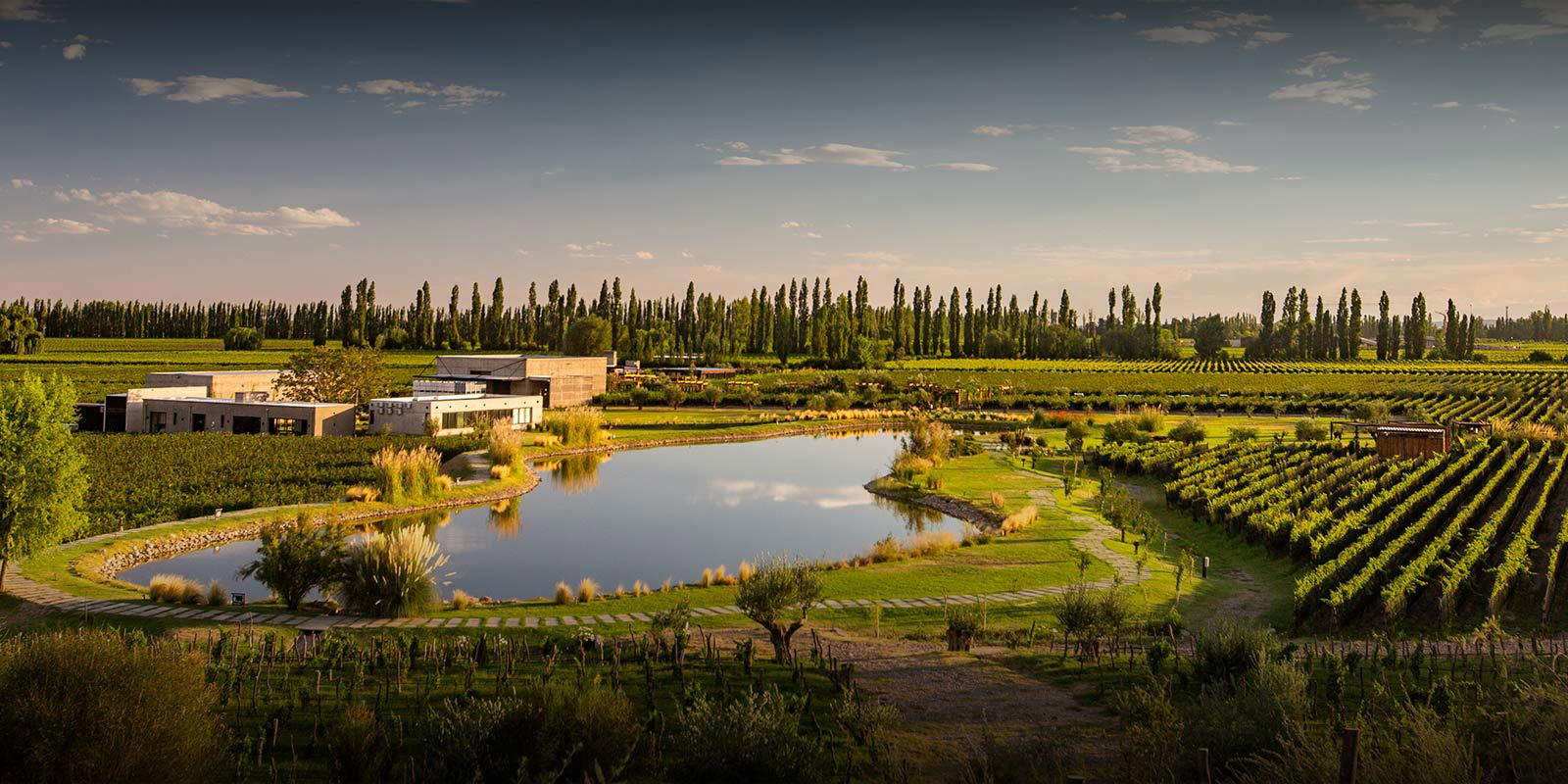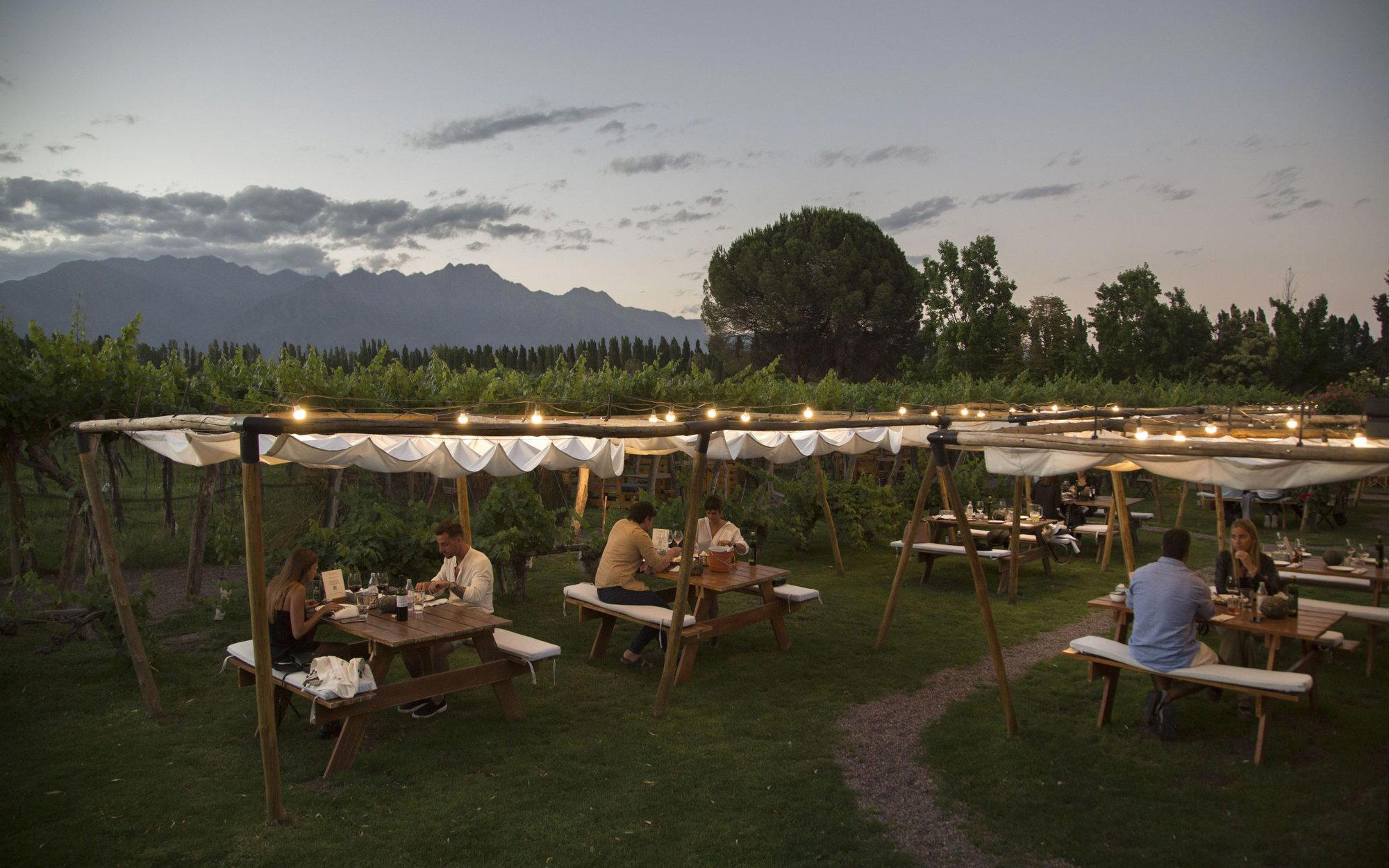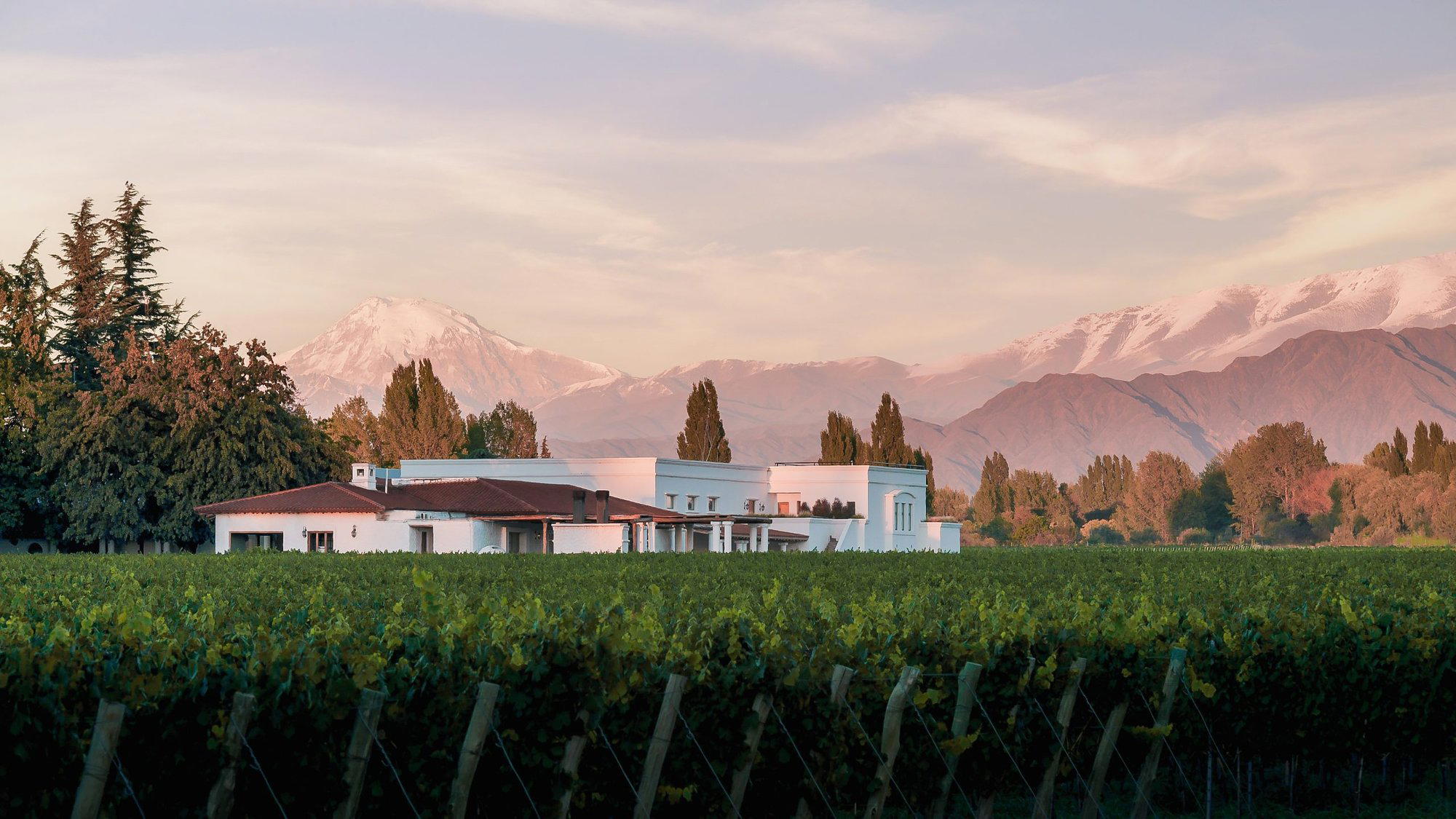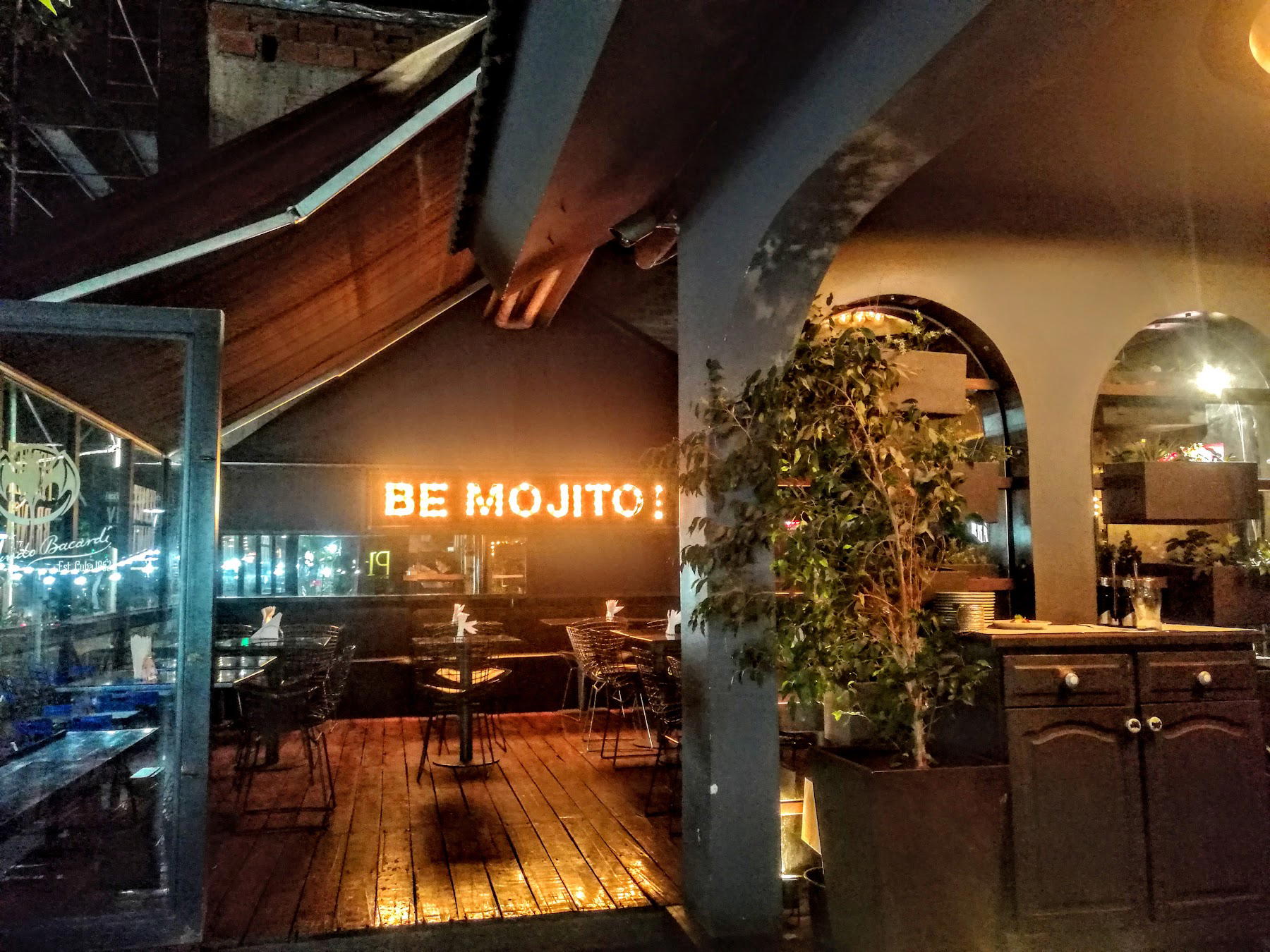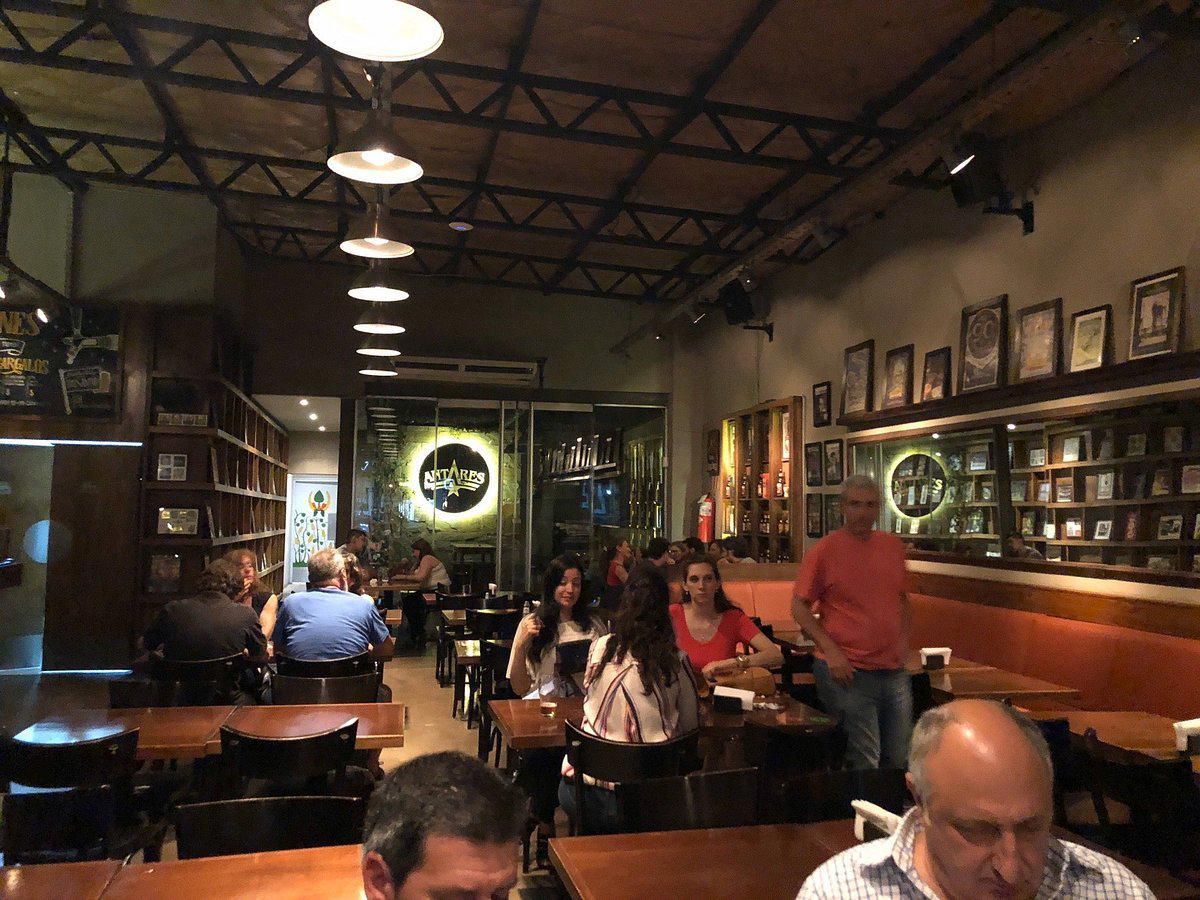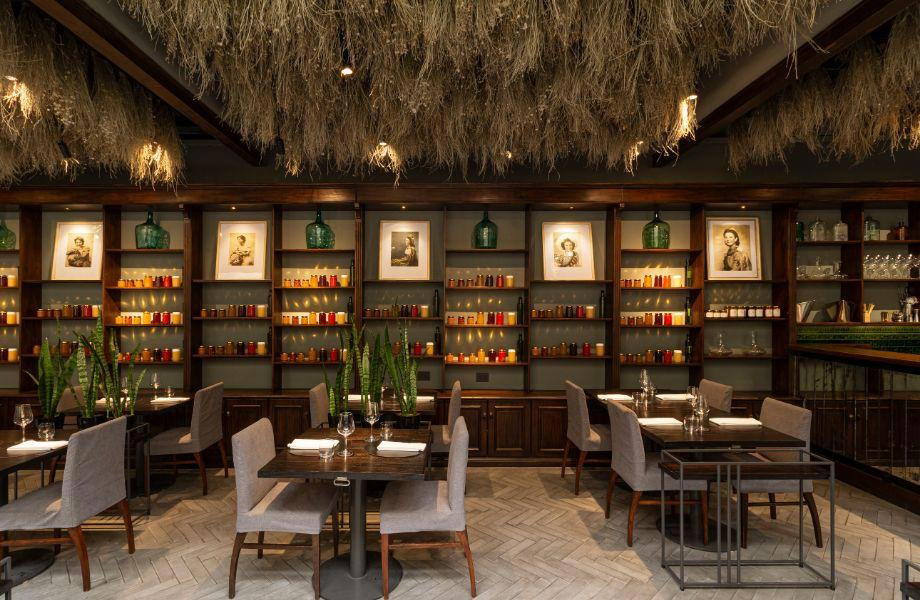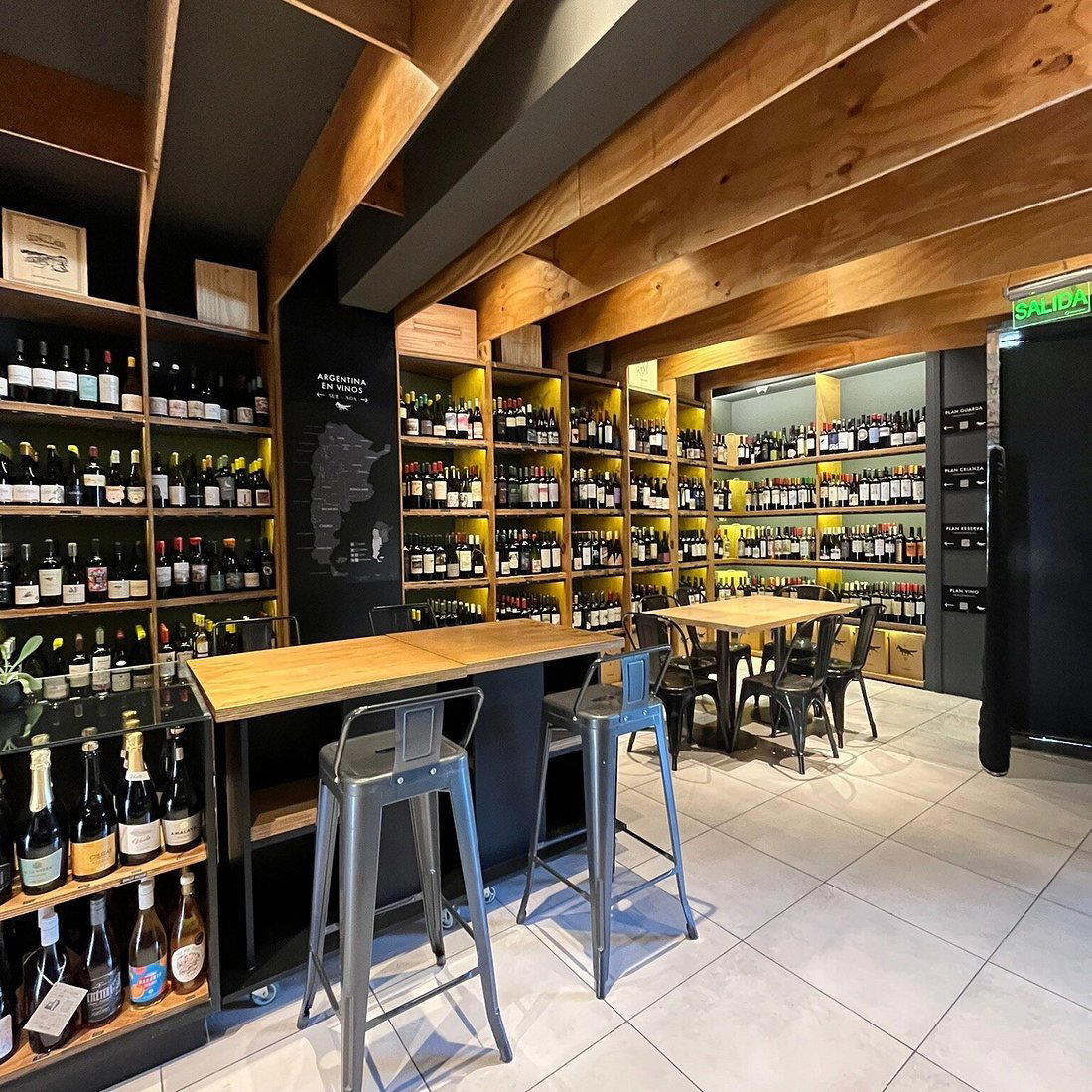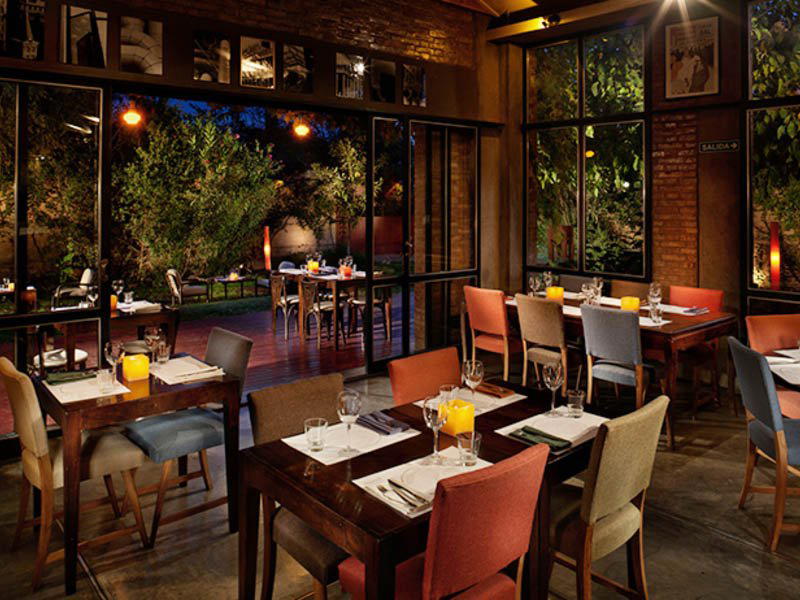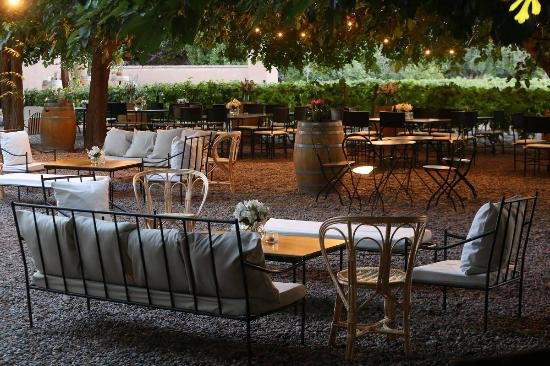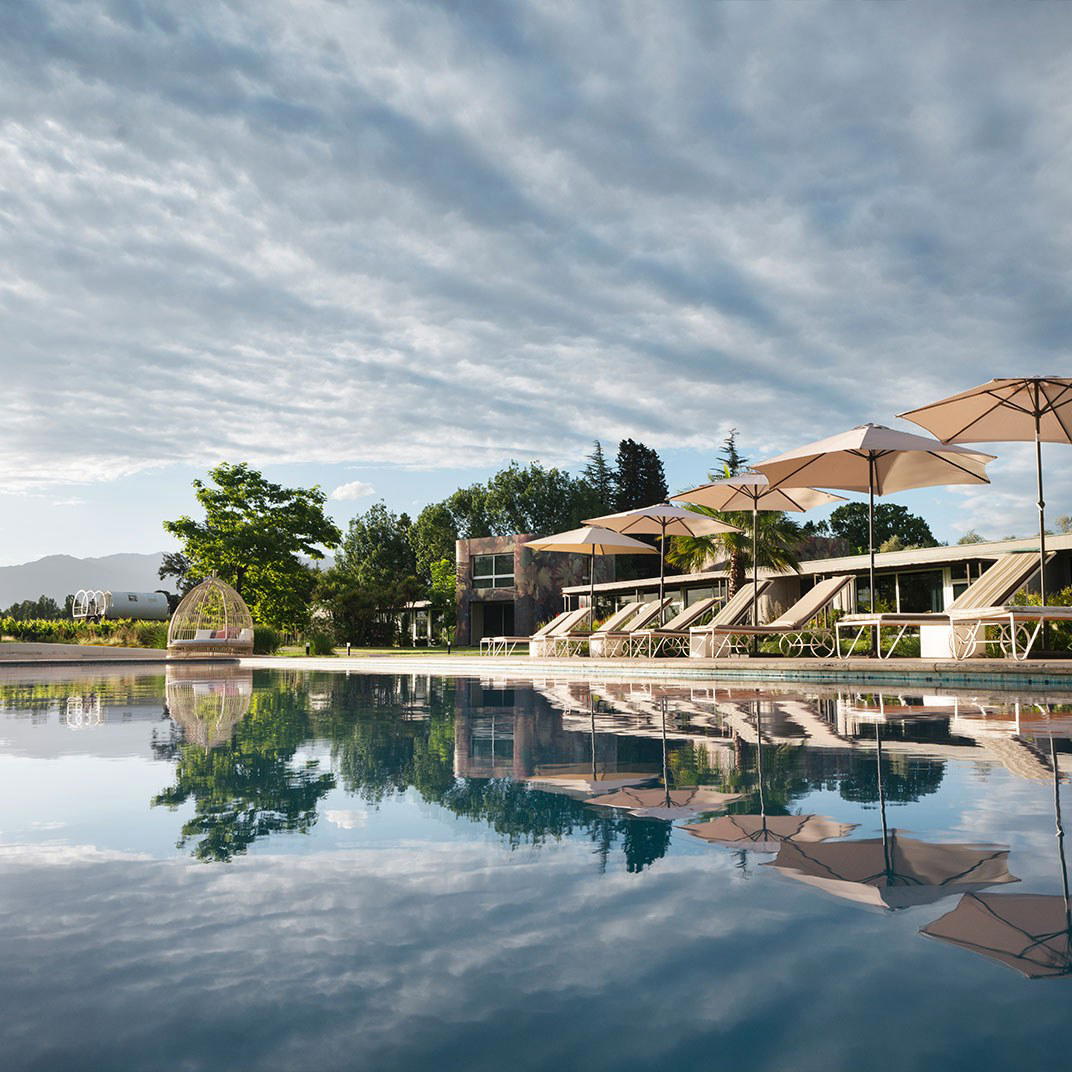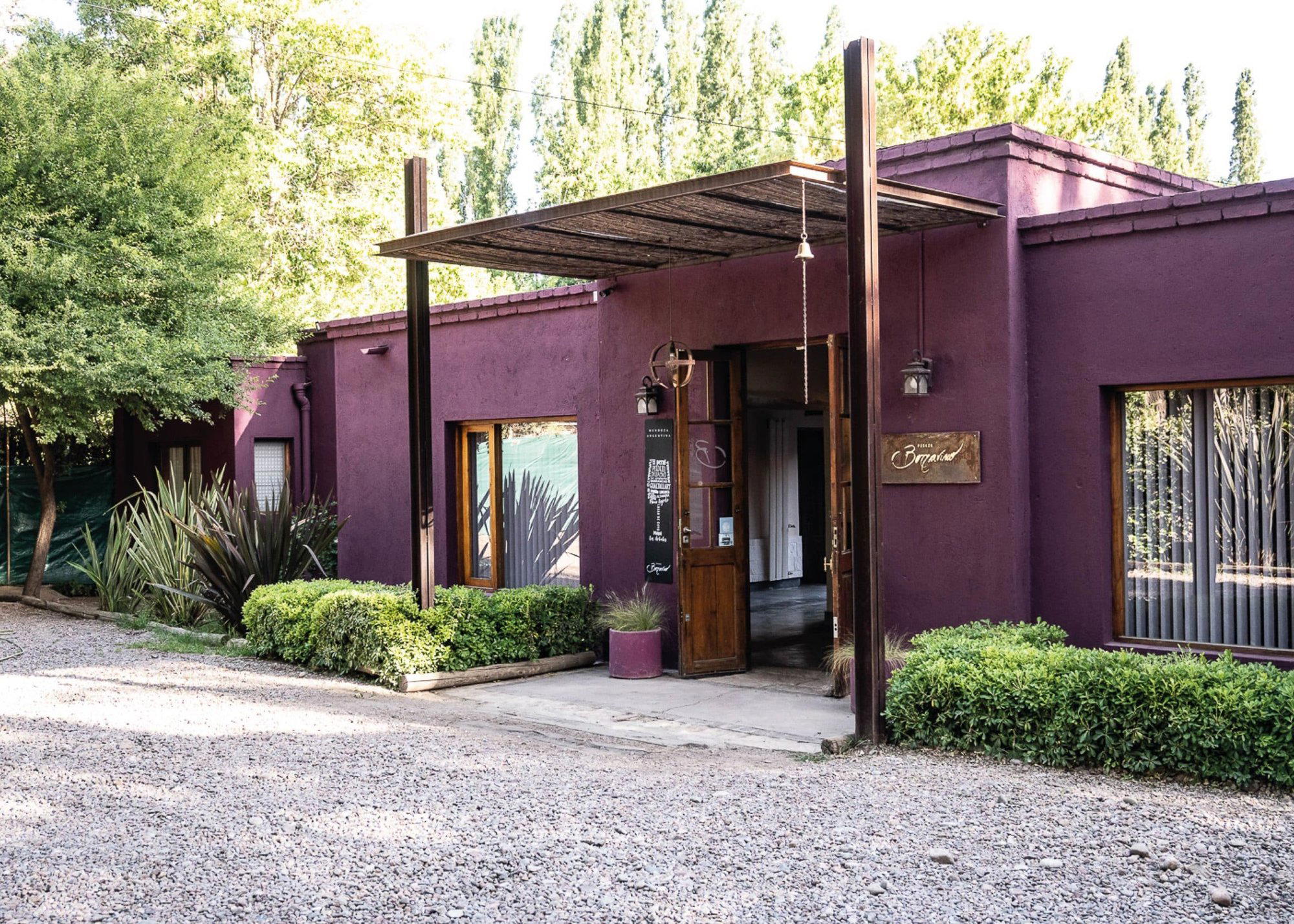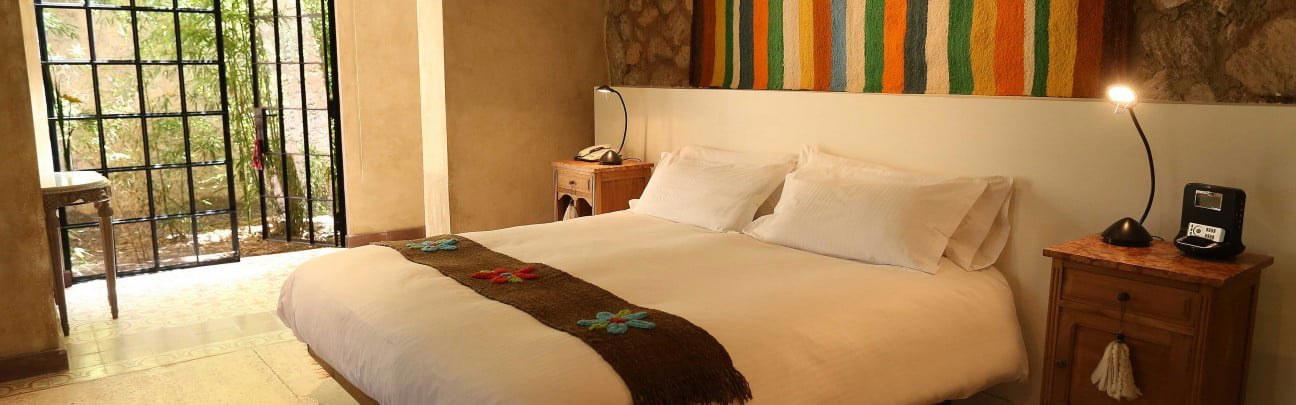
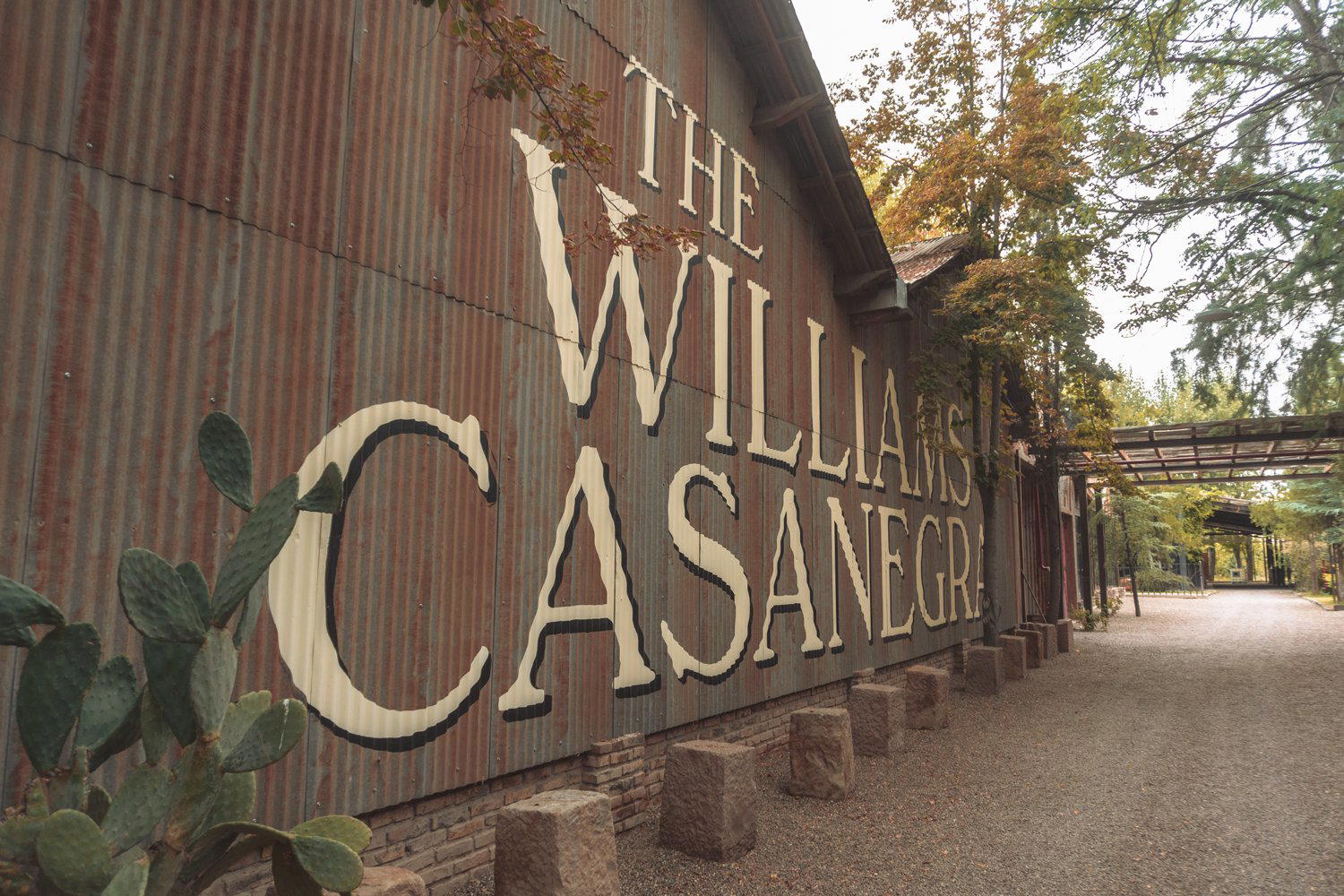
A 2025 Pearl 1 Star Prestige recipient, The Williams Casanegra Distillery operates from Las Compuertas, one of Mendoza's most closely watched sub-zones. It sits in a smaller, specialist tier of Argentine producers where craft distillation intersects with the province's deep viticulture tradition, a different competitive set from the large volume wineries that define the region's international profile.
 Discover on Pearl
Pearl is the En Primeur Club membership app — saves, bookings, and concierge access live there. Same editors, same standards.
- Address
- Roque Sáenz Peña 7890, M5549 Las Compuertas, Mendoza, Argentina
- Phone
- +54 9 261 651-5335
- Website
- williamscasanegra.com
Las Compuertas and the Case for Craft Distillation in Wine Country
The road into Las Compuertas runs along irrigation canals older than Argentina's independence, through poplar windbreaks and vine rows that have been reshaping this corner of Luján de Cuyo for over a century. Mendoza's reputation was built almost entirely on wine, Malbec above all, and for most of the twentieth century, distillation here meant surplus grape brandy produced at industrial scale as an agricultural afterthought. That has changed. A smaller cohort of producers has begun treating distillation as a primary discipline rather than a secondary use for excess fermentation, and The Williams Casanegra Distillery, addressed at Roque Sáenz Peña 7890 in Las Compuertas, belongs to that cohort. It received a 2025 award from EP Club.
Las Compuertas itself carries weight in this context. The sub-zone sits at the southern edge of Luján de Cuyo, where alluvial soils and elevation combine to produce agricultural raw material with measurable aromatic complexity. Producers across categories, wineries like Terrazas de los Andes and Bodegas CARO operate across Luján de Cuyo's broader appellation, have long argued that altitude and soil composition in this area produce structurally distinct results. A distillery operating here draws on the same terroir logic, applying it to a production process that concentrates and transforms raw agricultural character rather than simply preserving it.
Argentine Distillation in Cultural Frame
To understand where The Williams Casanegra Distillery sits, it helps to understand what Argentine distillation has historically been. For most of the twentieth century, the country's spirit production was dominated by caña, a raw sugarcane spirit, and by industrial grape brandy produced as a wine industry byproduct. The craft spirits movement arrived later in Argentina than in the United States or Europe, gaining real traction only in the 2010s as a younger generation of producers began applying the quality-focus principles that had already transformed Argentine wine into something with global standing.
That transformation in wine is now well-documented. The shift from bulk export to estate-bottled, terroir-led production, accelerated by producers across Mendoza's appellations, created a template that craft distillers have since borrowed: source locally, control process, communicate provenance. The same intellectual framework that refined Bodega Kaiken or Bodega Riccitelli within the wine tier is now being applied to spirits production in Mendoza, and it is producing a small but credible category of producers who warrant attention on their own terms.
The Williams Casanegra Distillery enters this story at a specific moment: when the category is credible enough to attract serious interest but not yet crowded enough to have calcified into a predictable set of styles. That timing, combined with its EP Club recognition, places it at a point where early attention from informed visitors carries real weight.
Reading the Award Signal
EP Club's Pearl 1 Star Prestige designation, awarded in 2025, is the relevant trust signal here. Within the EP Club rating framework, Pearl tier recognition at the Prestige level indicates a producer operating above the baseline quality threshold for its category, with characteristics that warrant inclusion in a curated itinerary rather than casual discovery. For a distillery in a wine-dominated province, that signal is worth parsing carefully.
Comparable producers in the broader Argentine spirits space, including Fratelli Branca Distillery in Buenos Aires, operate from very different commercial and historical contexts. Branca's Argentine presence is an extension of a European industrial legacy. Williams Casanegra occupies a different position: a Mendoza-based, Luján de Cuyo-addressed operation competing on craft and territorial identity rather than heritage brand equity. That is a harder case to make commercially, and the EP Club recognition suggests it is being made successfully.
For context across the broader Argentine wine and spirits geography, producers in distinct appellations, Bodega El Esteco in Cafayate, Bodega Colomé in Molinos, demonstrate how dramatically terroir and altitude shape production character across Argentina's northwest. Las Compuertas represents a different set of conditions: lower elevation than Salta's high-altitude zones, but with a longer established infrastructure and a more developed hospitality framework built around it.
Placing Casanegra in Mendoza's Visitor Map
Mendoza's hospitality ecosystem has matured considerably in the last decade. The city's established winery circuit, anchored by producers like Bodega Navarro Correas, Bodega Norton in Luján de Cuyo, and Escorihuela Gascón in Godoy Cruz, provides a well-worn template for cellar door visits, restaurant lunches, and guided tastings. The distillery visit format asks something slightly different of the visitor: an interest in production process, in how botanical or agricultural raw materials are selected and transformed, in the sensory logic of distillation rather than vinification.
Las Compuertas is accessible from Mendoza city without significant logistical complexity, though the sub-zone rewards visitors who build time into the itinerary rather than treating it as a quick detour. For those building a Mendoza itinerary that extends beyond the standard winery circuit, our full Mendoza restaurants and producers guide maps the broader range of options across appellations and categories.
Producers in neighboring appellations worth pairing with a Las Compuertas visit include Bodega DiamAndes in Tunuyán and Familia Schroeder in San Patricio del Chañar, both operating in appellations to the south and east respectively, and both representing the kind of smaller-format, terroir-focused production that contextualizes what Williams Casanegra is doing in spirits. Visitors with a comparative interest in how place expresses itself across categories, wine, spirits, viticulture methodology, will find the triangulation useful.
For practical planning: the venue's address at Roque Sáenz Peña 7890 places it clearly in Las Compuertas. Given the craft-scale nature of the operation, pre-arranged visits are advisable rather than arriving without prior contact. The EP Club Pearl Prestige designation suggests a level of visitor experience that rewards advance planning.
For international reference points on what craft distillery visits look like at a similar quality tier, Aberlour in Aberlour in Scotland and Accendo Cellars in St. Helena in Napa represent the kind of focused, single-producer experience where the specificity of place and process is the entire point of the visit. Williams Casanegra operates in that register, applying it to an Argentine context where the category itself is still being defined.
The Minimal Set
Comparable venues nearby, for context on price, style, and recognition.
| Venue | Cuisine | Price | Notes |
|---|---|---|---|
| The Williams Casanegra DistilleryThis venue — the venue you are viewing | Winery | , | |
| Destilería Flipá | Winery | , | |
| Destilería Moreira | Winery | , | |
| Bodega Navarro Correas | Agrelo, Malbec, Cabernet Sauvignon | $$$ | |
| Terrazas de los Andes | $$$ | Luján de Cuyo, Malbec, Cabernet Sauvignon | |
| Gran Dovadol Gin | Winery | , |
Continue exploring