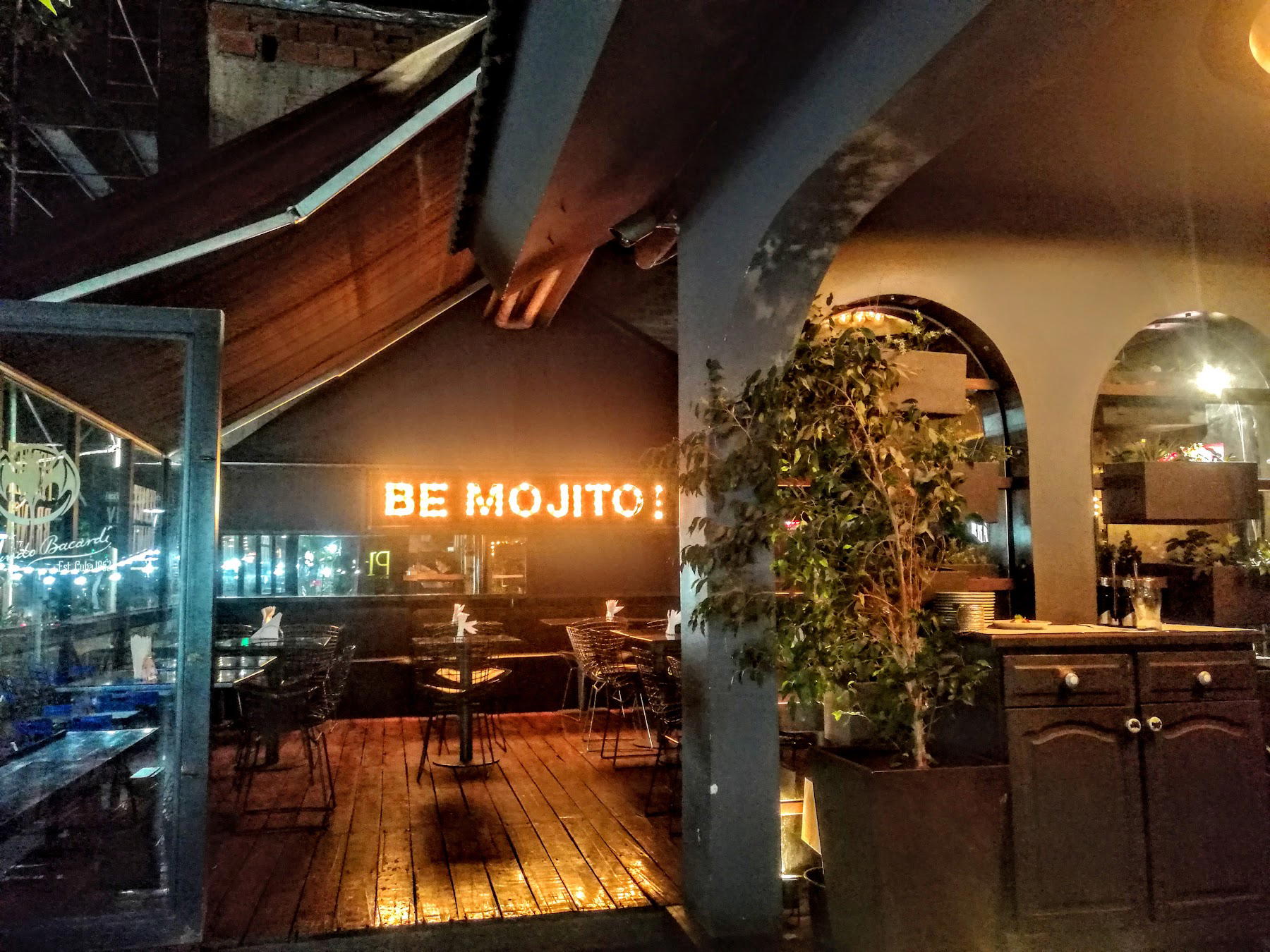
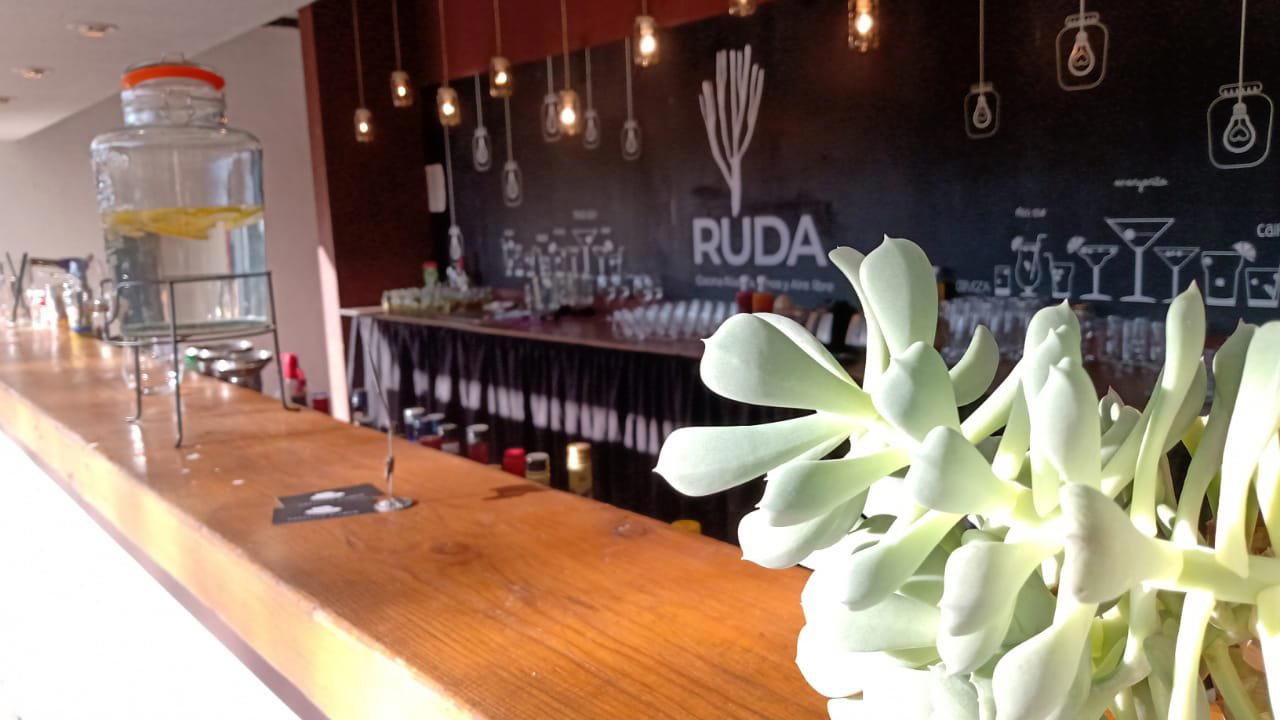
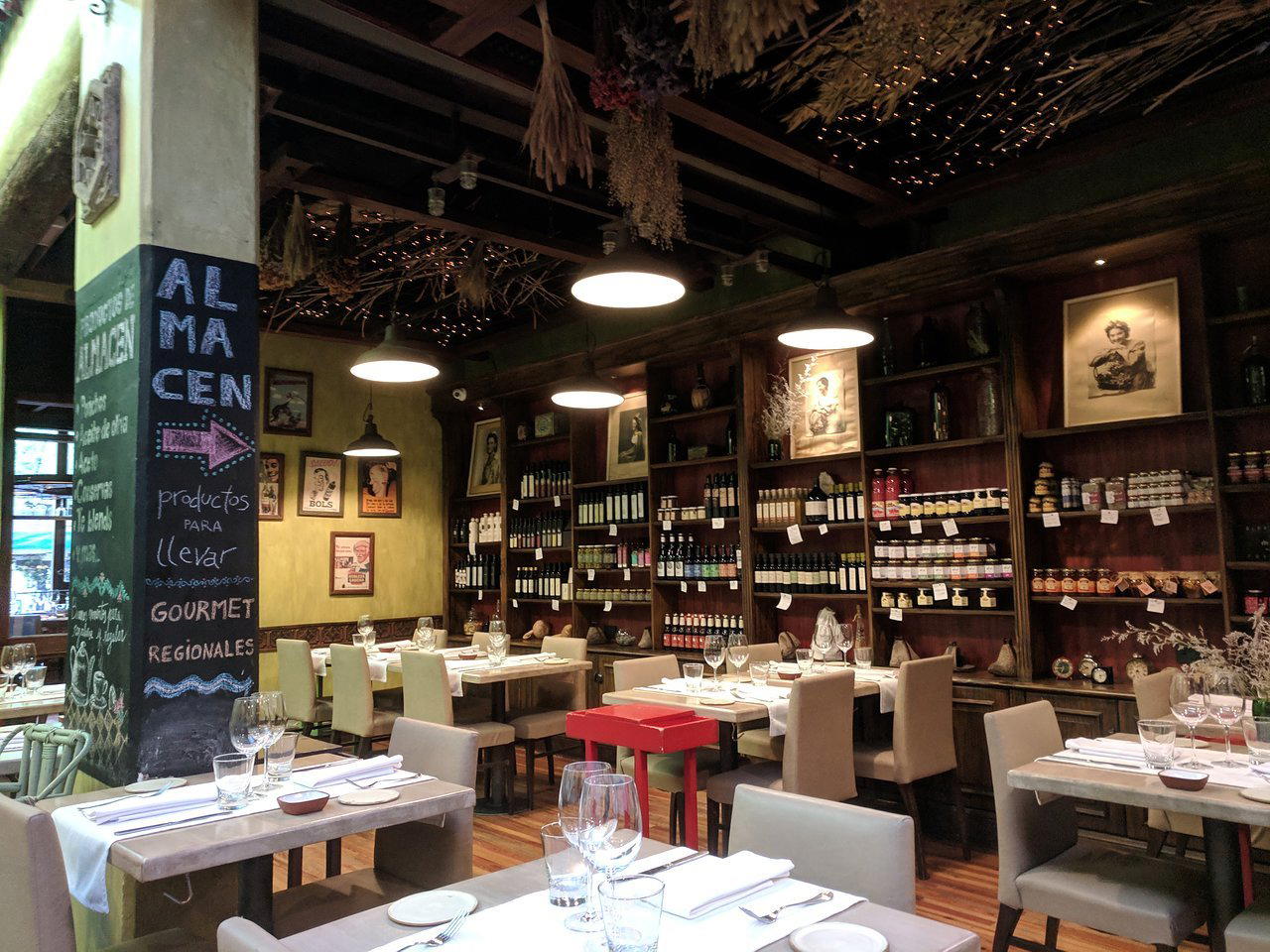
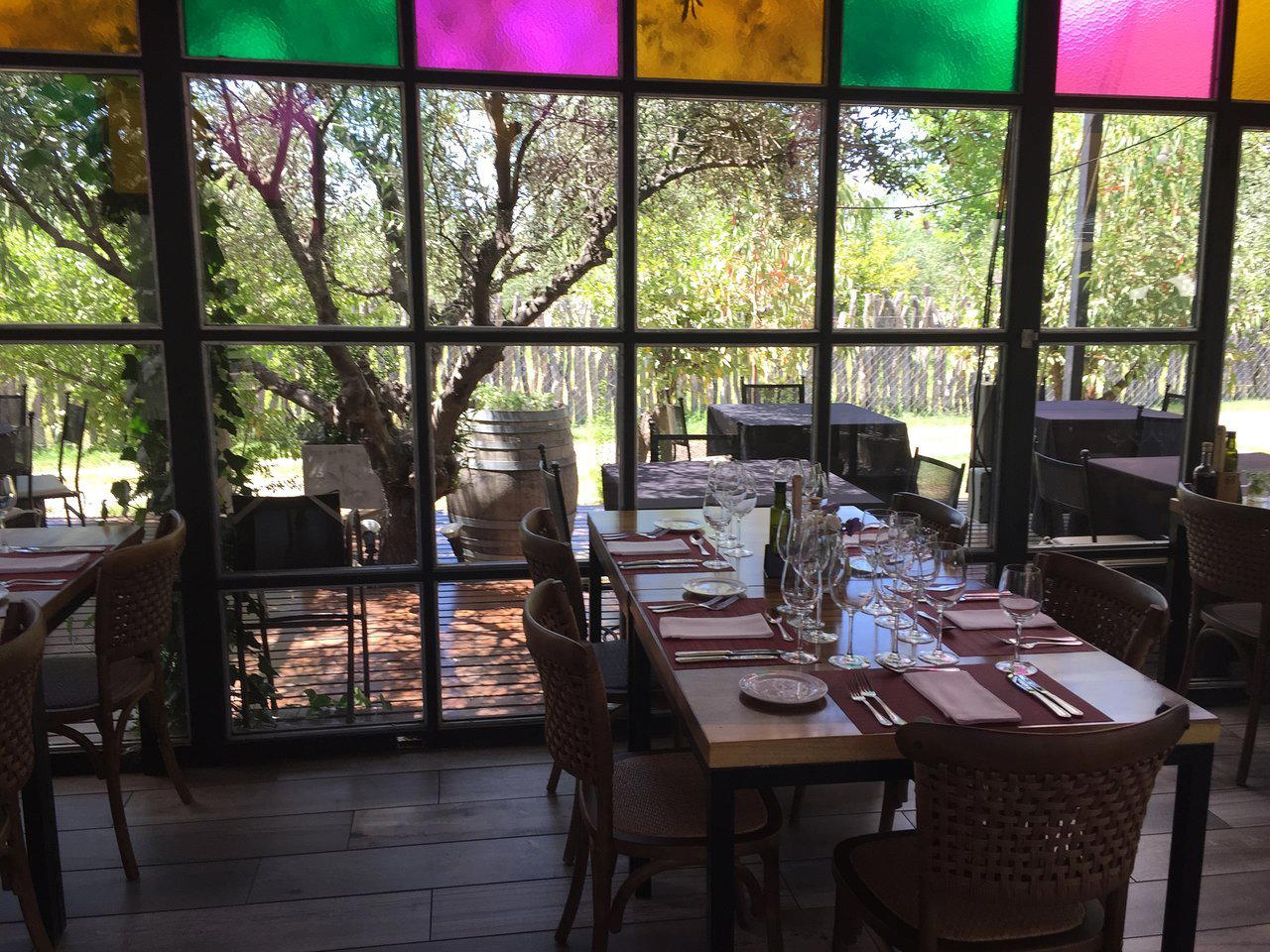
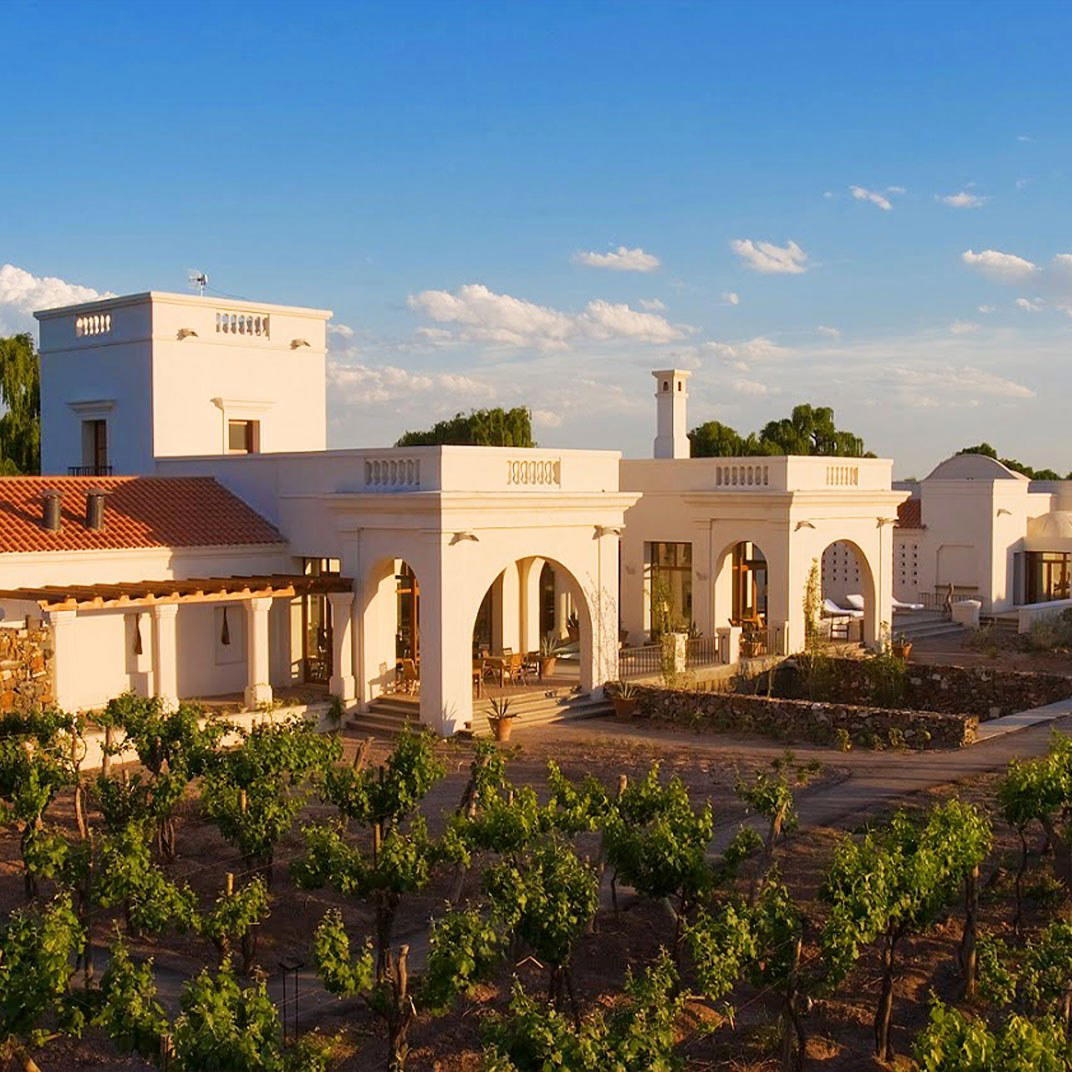
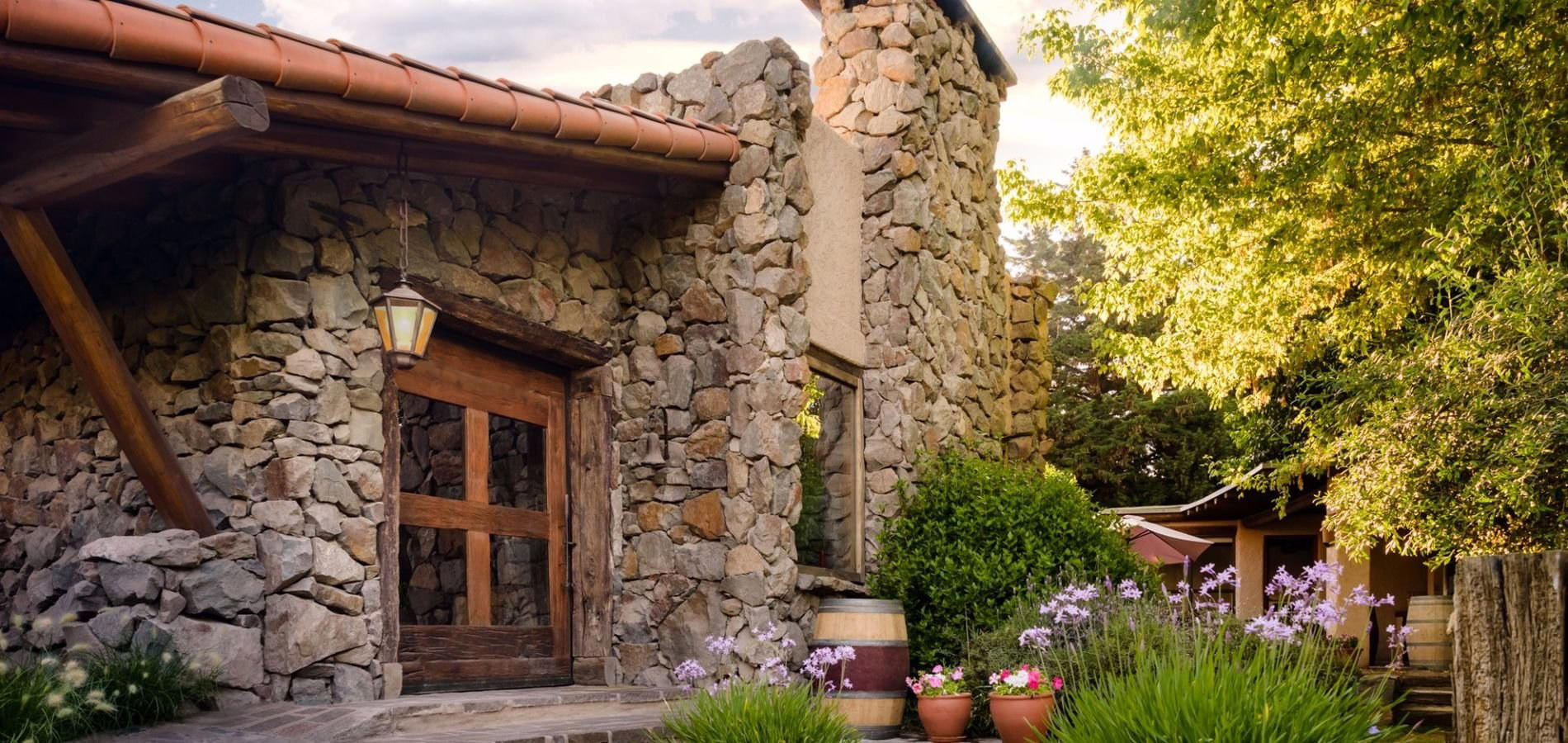
Destilería Flipá is Mendoza's spirits-focused counterpoint to the region's wine-dominant hospitality scene, earning a Pearl 1 Star Prestige in 2025. Where most Mendoza producers stay anchored to Malbec and Torrontés, this distillery carves a distinct position in a city better known for vineyards than copper stills. It represents a growing category of Argentine craft producers building prestige credentials outside the established wine circuit.
 Discover on Pearl
Pearl is the En Primeur Club membership app — saves, bookings, and concierge access live there. Same editors, same standards.
A Different Kind of Mendoza Stop
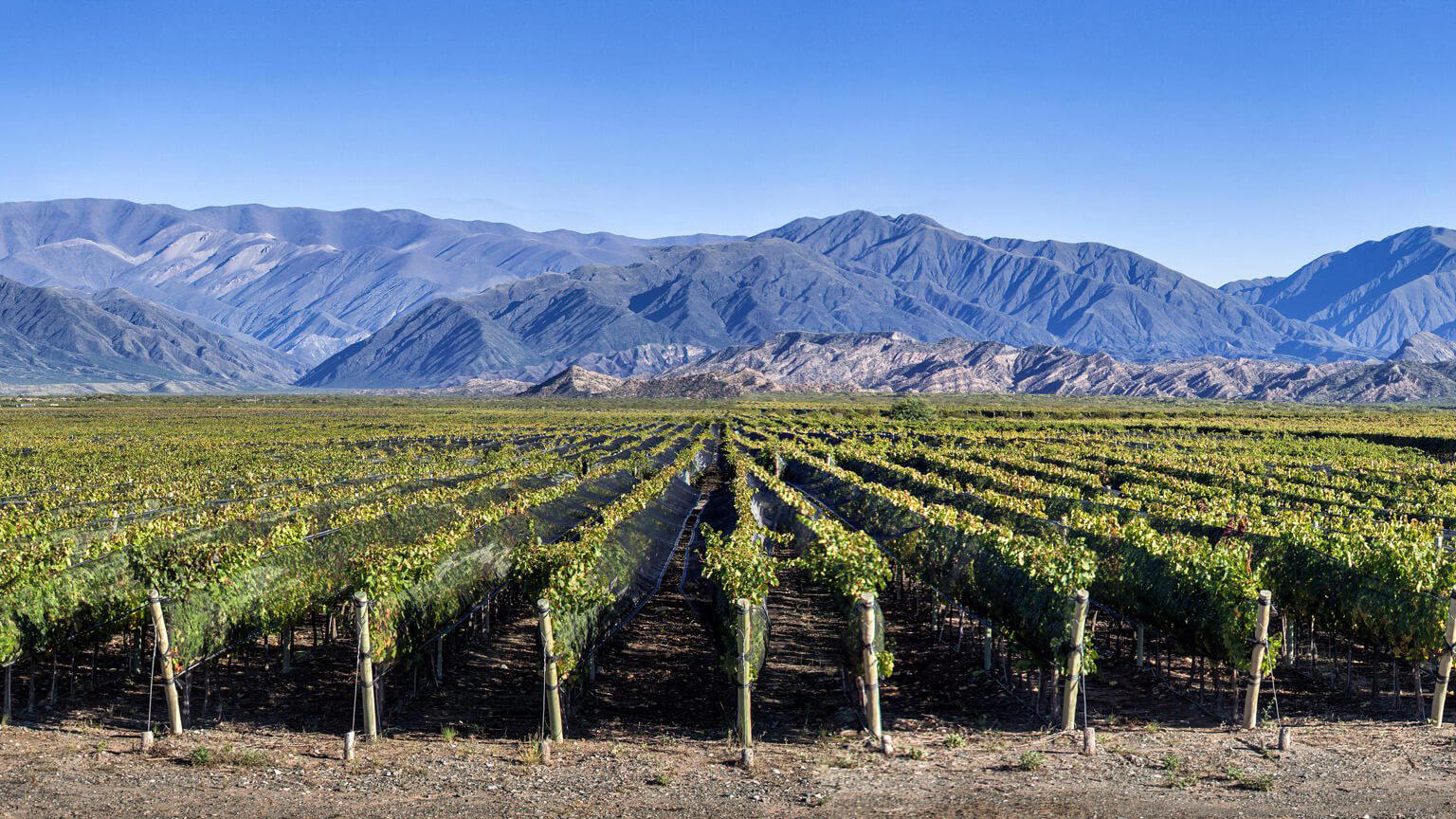
Mendoza's hospitality identity has been shaped, almost entirely, by wine. The road south from the city toward Luján de Cuyo passes bodega after bodega, each with its tasting room, its barrel cellar, its vine-framed terrace. Producers like Terrazas de los Andes, Bodega Kaiken, and Bodega Navarro Correas have defined what a prestige Mendoza experience looks like for decades. Against that backdrop, Destilería Flipá has received a 2025 Pearl 1 Star Prestige recognition. Destilería Flipá occupies a rare position inside a region that still measures itself largely in grape varietals and restaurant accolades.
That positioning matters more than it might first appear. Argentina's craft spirits sector has been expanding steadily, but the geographic concentration of recognized producers skews heavily toward Buenos Aires and Patagonia. A Mendoza-based distillery earning formal prestige recognition in 2025 signals something about how the city's premium hospitality offer is beginning to diversify, pulling visitors who have exhausted the standard bodega circuit toward formats that sit outside the traditional winery visit.
What the Tasting Experience Represents
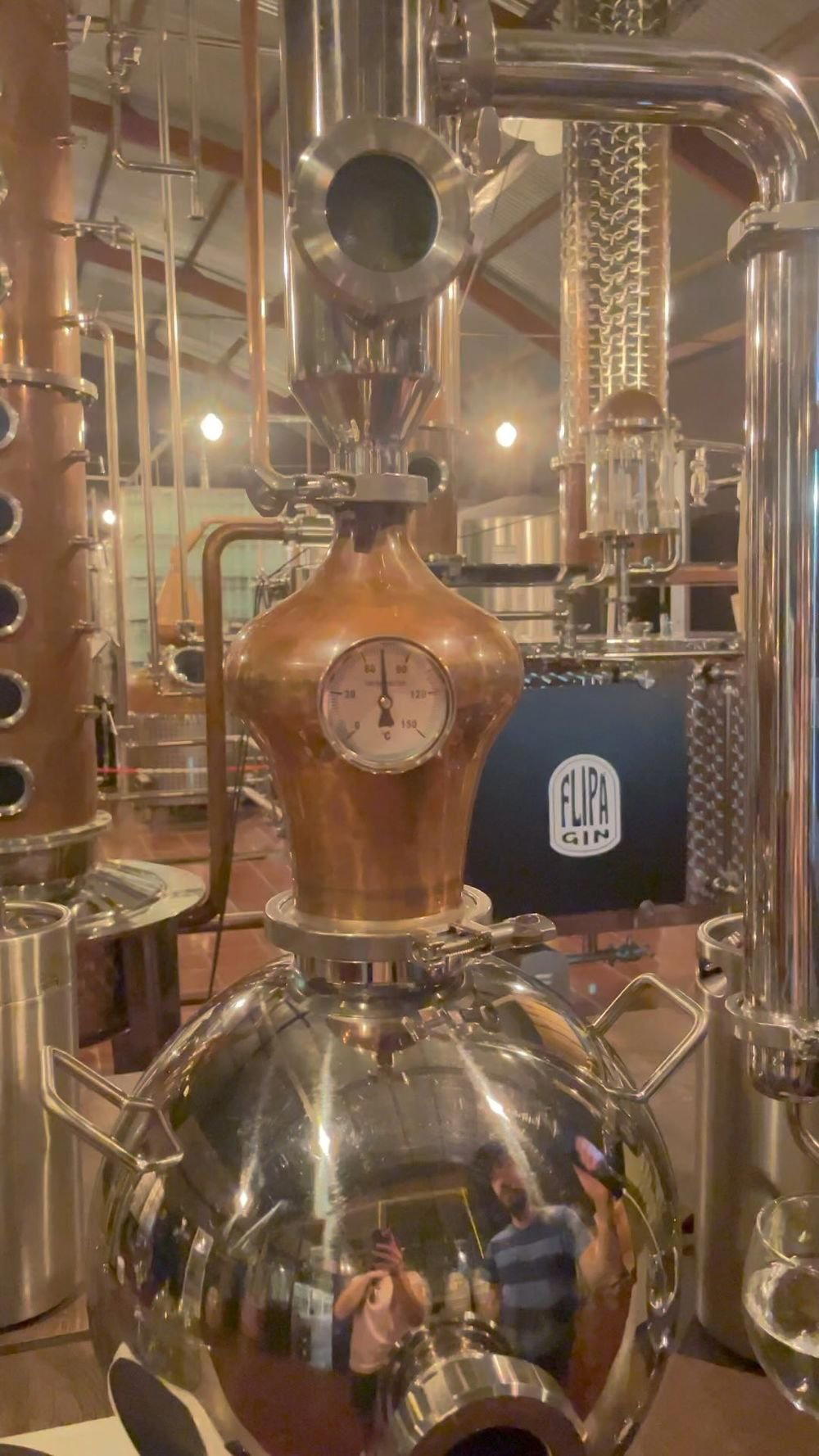
The format of a distillery visit differs structurally from the cellar-door wine tasting that most Mendoza visitors know. Where a bodega experience typically moves through fermentation tanks and oak programs before arriving at a flight of current vintages, a distillery experience is organized around the production process in a different register entirely: still design, distillation cuts, aging vessel choice, and botanical or grain sourcing. These are technical decisions with sensory consequences that reward explanation, and the leading distillery visits treat that explanation as the core of the offer rather than a preamble to a retail moment.
At the prestige tier of the craft spirits world, the tasting format tends to be smaller and more deliberate than the high-volume visitor programs that larger producers run. The difference is not just about capacity; it is about the depth of engagement each format assumes. Producers earning recognition in 2025's prestige rankings, as Destilería Flipá has, are typically operating experiences where the conversation between host and visitor carries as much weight as the liquid in the glass. That positioning places Flipá in a comparable set that includes specialist producers globally, rather than the standard Argentine tourist-circuit bodega.
For comparison, the Argentine spirits category has its own geography of ambition. Fratelli Branca Distillery in Buenos Aires occupies the heritage-industrial end of that spectrum. Regional producers from wine country attempting to build spirits credentials face the additional challenge of working against the gravity of the grape. Earning a Pearl 1 Star Prestige in that context is a marker that the experience, the product, or both have reached a level of consistency and intentionality that the category's evaluators found worth singling out.
Mendoza's Premium Tier Is Widening
The established prestige wine producers of Mendoza have set a high bar for what a considered, unhurried tasting experience should look like. Bodega Riccitelli and Bodegas CARO both operate in that register: small-batch, focused, with a curatorial approach to what they put in front of visitors. The broader Argentine wine country extends well beyond Mendoza itself, with producers like Bodega El Esteco in Cafayate, Bodega Colomé in Molinos, and Bodega DiamAndes in Tunuyán each holding their own prestige positions in the regional hierarchy. What Destilería Flipá adds is a category departure: a stop that requires a different kind of attention from the visitor, and that sits outside the comparative framework of oak regimes and elevation viticulture that structures most Mendoza tasting conversation.
That diversification reflects a broader pattern in premium travel. Visitors who spend several days in Mendoza seeking out wineries like Bodega Norton in Luján de Cuyo or Escorihuela Gascón in Godoy Cruz often find that a well-sequenced itinerary benefits from at least one experience that operates in a different register. A distillery visit, particularly at the prestige level, provides that counterpoint without requiring a departure from the city's broader character as a serious drinking destination.
The comparison extends internationally. Producers in wine-dominant regions who have built parallel prestige spirits reputations, from Cognac houses in France to Islay distilleries in Scotland, tend to attract visitors who are already comfortable with the grammar of high-end production: the importance of raw material sourcing, the craft of blending and maturation, the value of unhurried explanation. Aberlour in Aberlour is one international reference point for how a distillery in a production-focused region can build its own prestige hospitality layer. Flipá's 2025 recognition suggests it is building toward a comparable position within its local context.
Planning a Visit
Visitors planning a broader Argentine wine country itinerary might also consider Familia Schroeder in San Patricio del Chañar, which operates further north in Patagonia and represents the geographic spread of Argentina's prestige producer network. The point is that a well-constructed Argentine tasting trip now extends well beyond Malbec from a single subregion, and Mendoza is both the natural base and the place where the category's edges are being tested most actively.
Continue exploring