The Setting Wines
For visitors engaging with Napa's sustainability-forward producer set, it represents a reference point worth understanding before the broader region makes sense.
- Address
- Napa, United States
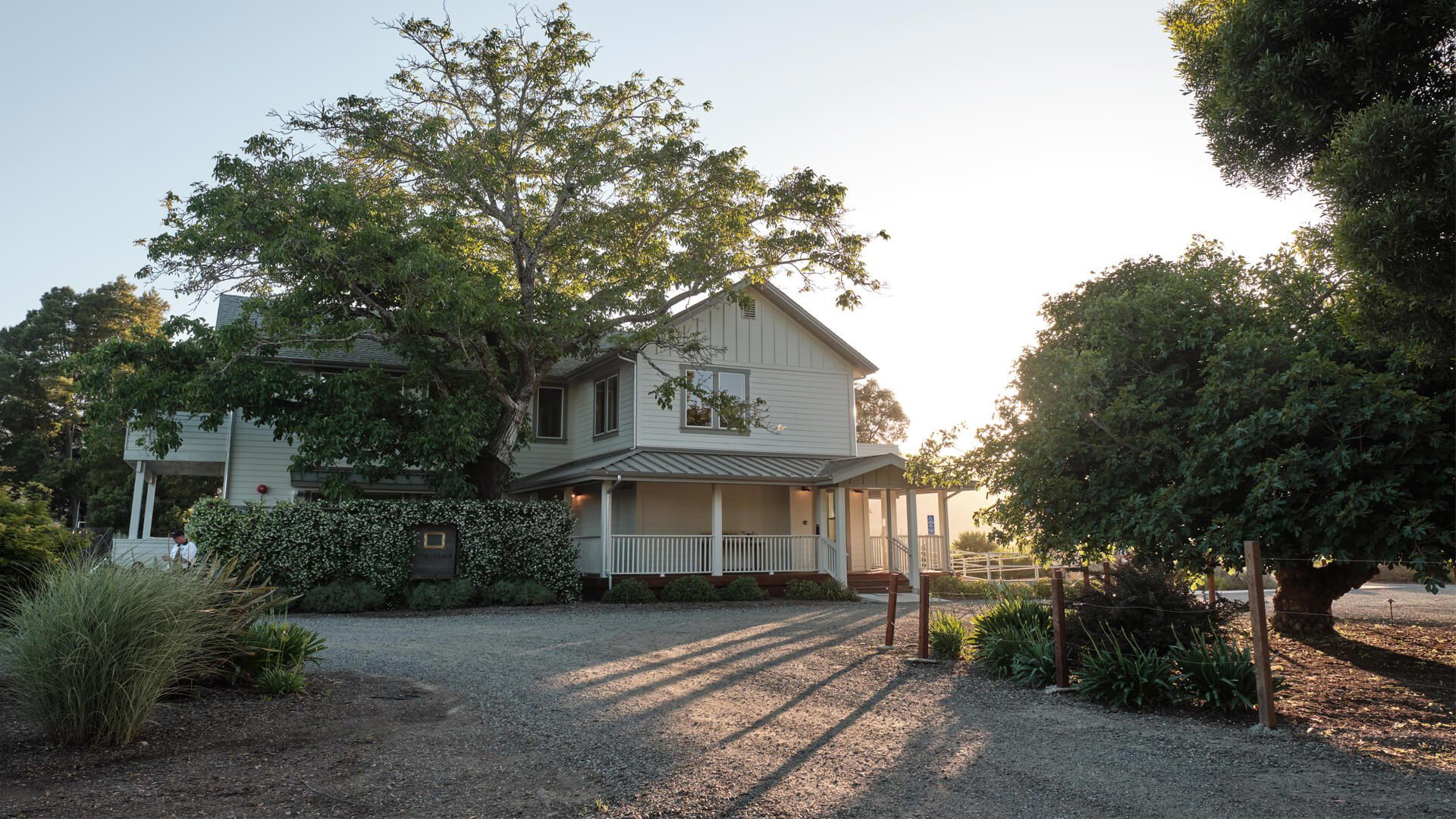
Where Napa's Quieter Tier Does Its Most Considered Work
There is a version of Napa that exists almost entirely without billboards or tasting room queues: producers whose presence on the valley floor is understated by design, whose wines circulate through allocation lists and word-of-mouth rather than walk-in traffic.
That award matters as context. Pearl's Prestige tier is not awarded to volume producers. It signals a level of attention to fruit quality, site specificity, and consistency that separates a winery from the broader Napa field. In a valley where Cabernet Sauvignon is the commercial anchor for dozens of producers at every quality level, a Prestige-tier designation functions as a sorting mechanism for readers who want to skip past the crowded middle.
The Viticulture Argument Behind Restraint-Driven Napa
The broader story of California's sustainability movement in viticulture is not a recent rebranding exercise. Organic and biodynamic farming practices have been building institutional credibility in California since at least the 1990s, and Napa's premium tier has increasingly used regenerative and low-intervention approaches as a quality signal rather than a marketing angle. The logic is direct from an agronomic standpoint: soil health, cover crop biodiversity, and reduced synthetic inputs tend to produce fruit with more site-specific character, and site-specific character is exactly what commands allocation pricing.
Wineries working in this direction in Napa operate against a backdrop of real constraints — water access, wildfire smoke exposure, and the economic pressure to maintain yields sufficient to service premium pricing. Producers who navigate these pressures through viticultural investment rather than cellar correction tend to occupy a different competitive register than those leaning on winemaking technology to compensate for inconsistent fruit. The Setting Wines' Prestige recognition places it in the former category, at least in terms of what that award typically reflects about sourcing and production philosophy.
For comparison, other producers in Napa's considered-viticulture tier include Blackbird Vineyards, whose estate work on the Oakville/Atlas Peak boundary has long prioritised site expression over intervention, and Darioush Winery, which has built a reputation on precision farming across its Napa Valley holdings. These producers share a commitment to letting vineyard character drive the wine's identity, a disposition that tends to produce more age-worthy bottles and, consequently, more engaged allocation audiences.
How The Setting Wines Sits in Napa's Competitive Map
Napa's premium producer tier has been consolidating for over a decade. Land costs, water rights, and the administrative complexity of small-production winemaking have pushed many boutique operators toward either estate consolidation or strategic alliances with larger distribution networks. Against that backdrop, producers holding Prestige-level credentials without the institutional backing of a major hospitality group occupy an increasingly specific niche.
Ashes and Diamonds Winery represents one approach to this niche, a design-forward, mid-century-inflected producer that positioned itself as a counterpoint to the valley's Bordeaux-variety orthodoxy. Artesa Vineyards and Winery, with its Carneros-anchored estate and Spanish parent company, shows a different model: international capital behind California fruit.
Further afield, the conversation about site-expressive, sustainability-framed production connects to producers like Accendo Cellars in St. Helena, whose small-lot Napa Cabernet program runs on similar principles, and Adelaida Vineyards in Paso Robles, which has pursued certified organic and biodynamic farming at meaningful scale for years. The comparison with Adelsheim Vineyard in Newberg is instructive on a different axis: Oregon's Willamette Valley has built an entire regional identity around low-intervention viticulture, and Napa producers working in that direction are, in effect, positioning themselves toward a similar audience. Even outside North America, estate-first producers like Abadía Retuerta in Sardón de Duero demonstrate that the premium-viticulture argument crosses appellations and varieties.
What the Pearl Prestige Rating Signals for the Visitor
It places The Setting Wines in a category where tasting appointments tend to be structured, quantities are limited, and the conversation at the table tends toward specifics, vineyard blocks, vintage conditions, aging decisions, rather than the generalities that characterise high-volume tasting room experiences.
Visitors who have already worked through the better-known estates in the valley's core, the properties that appear in every travel feature and dominate reservation platforms, often find that the Prestige-tier producers offer a more instructive visit. The ratio of information to marketing tends to shift. Clos Selene Winery and others in this bracket operate on appointment models that self-select for engaged visitors, and the resulting experience reflects that calibration.
Planning logistics for this tier of Napa producer requires lead time. Allocation wines at the Prestige level frequently sell through mailing lists before they reach any secondary channel, and tasting appointments at smaller producers can book out weeks in advance, particularly during harvest season (September through November) and the spring release period (March through May). Arriving without a reservation is rarely viable; arriving without an allocation relationship means engaging with the wines through the tasting appointment rather than retail purchase, which is often the more valuable experience anyway.
For the full picture of what Napa offers across categories, our full Napa restaurants guide, our full Napa hotels guide, our full Napa bars guide, and our full Napa experiences guide map the broader travel context. Wine tourism in the valley works well when it is organised around a coherent quality framework rather than assembled from disparate recommendations, and The Setting Wines' position in the Pearl Prestige tier gives it a clear anchor in that framework.
For those whose interest extends to producers with a longer documented history of estate farming, Aberlour in Aberlour offers a useful international reference point for what long-term site stewardship produces in terms of product character and institutional credibility, the principles translate even across the distilling/winemaking divide.
Planning Your Visit
Cuisine and Recognition
A quick peer check to anchor this venue’s price and recognition.
| Venue | Cuisine | Price | Awards |
|---|---|---|---|
| The Setting WinesThis venue — the venue you are viewing | This venue | Not listed | Not listed |
| Artesa Vineyards and Winery | Not listed | $30–50 | Not listed |
| Ashes and Diamonds Winery | Not listed | $50–100 | Falstaff Winery - Listed |
| Clos Selene Winery | Not listed | $50–100 | Falstaff Winery - Listed |
| Del Dotto Estate Winery and Caves | Not listed | $50–100 | Not listed |
| Duckhorn Vineyards | Not listed | Not listed | World's 50 Best #44 · Falstaff Winery - Listed |





Details
- Romantic
- Elegant
- Intimate
- Scenic
- Romantic Getaway
- Wine Education
- Special Occasion
- Private Tasting
- Estate Grounds
- Sustainable
- Vineyard
- Cabernet Sauvignon
- Still Red
- Private Tasting
- English
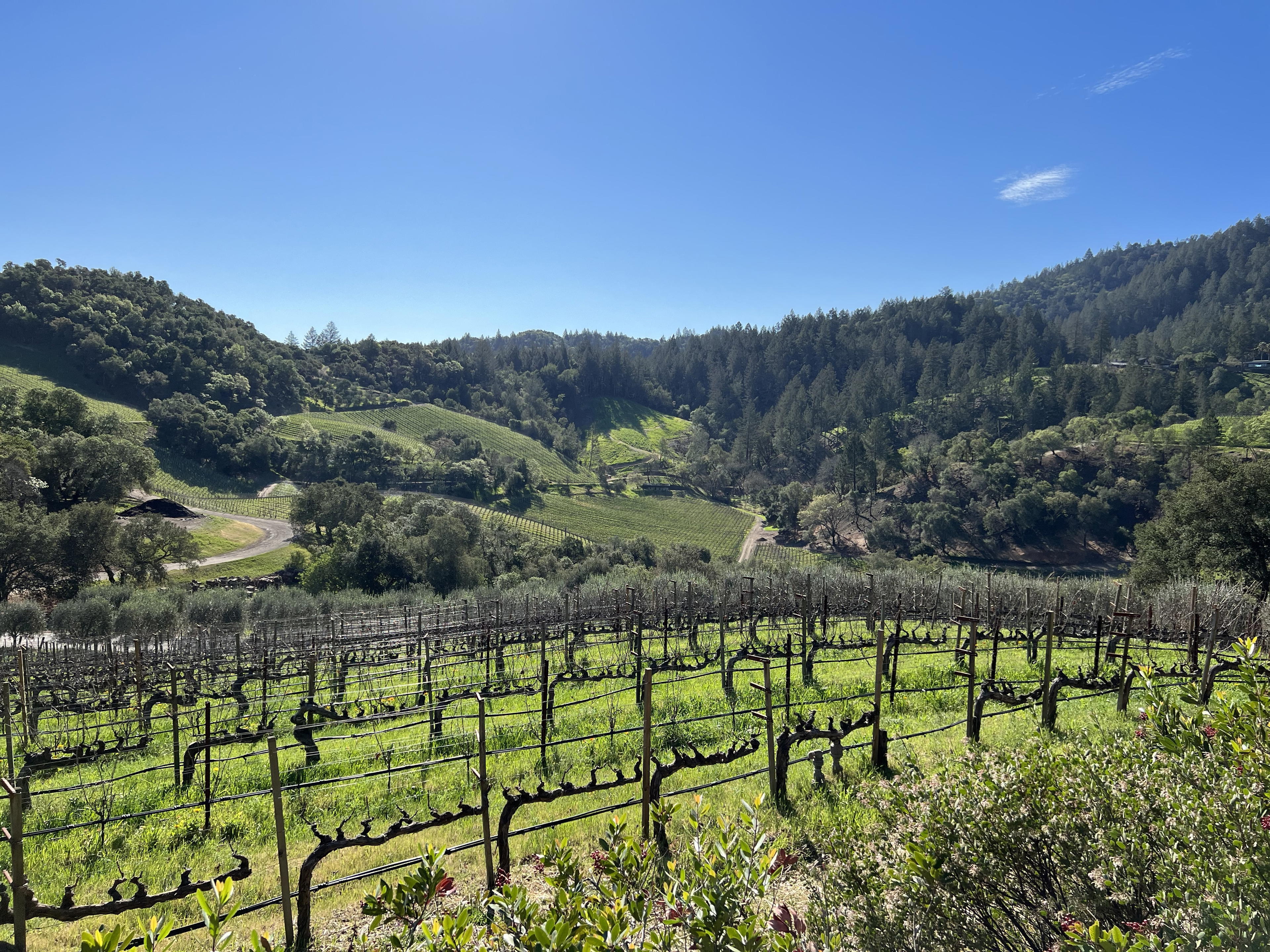
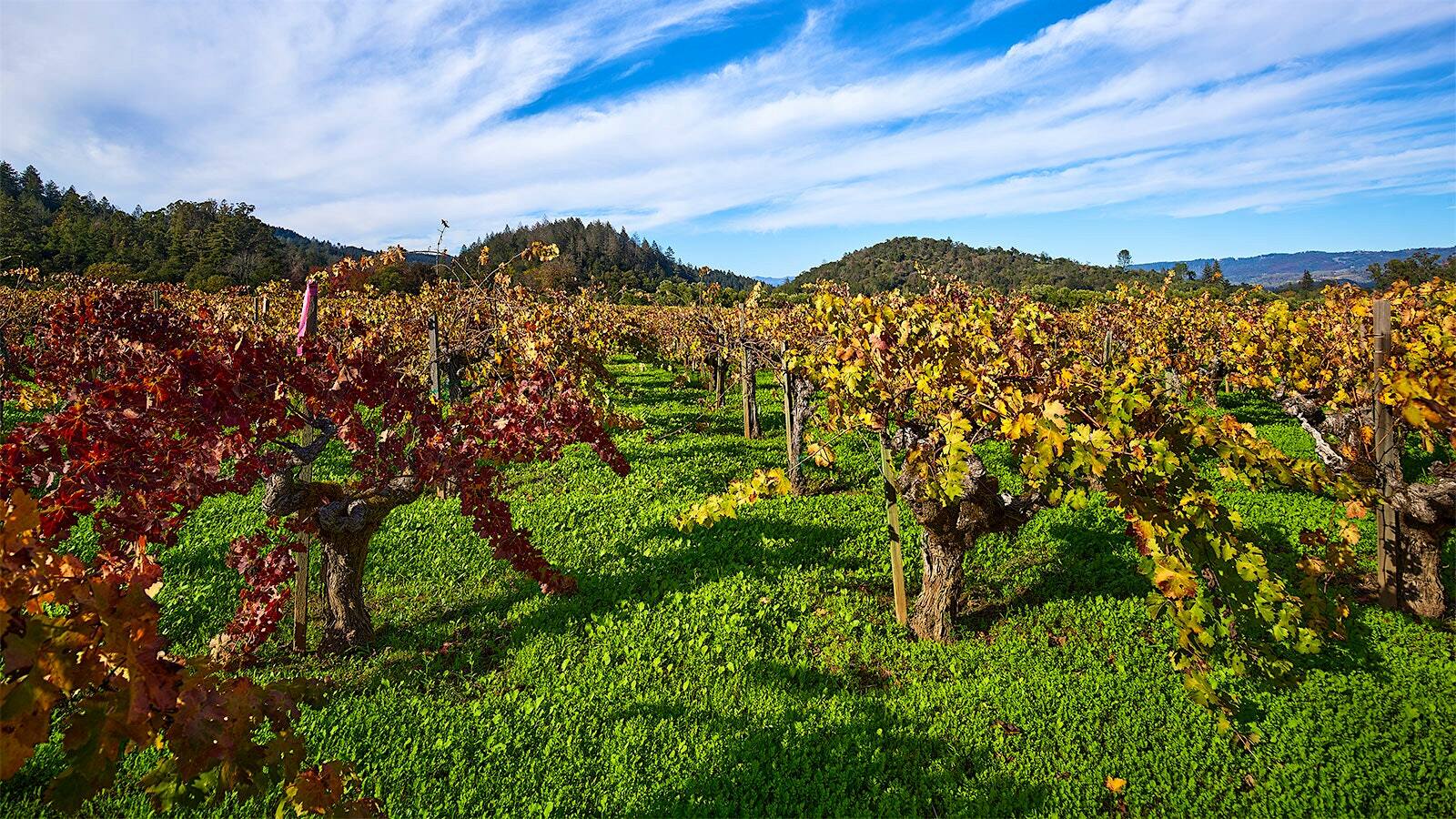
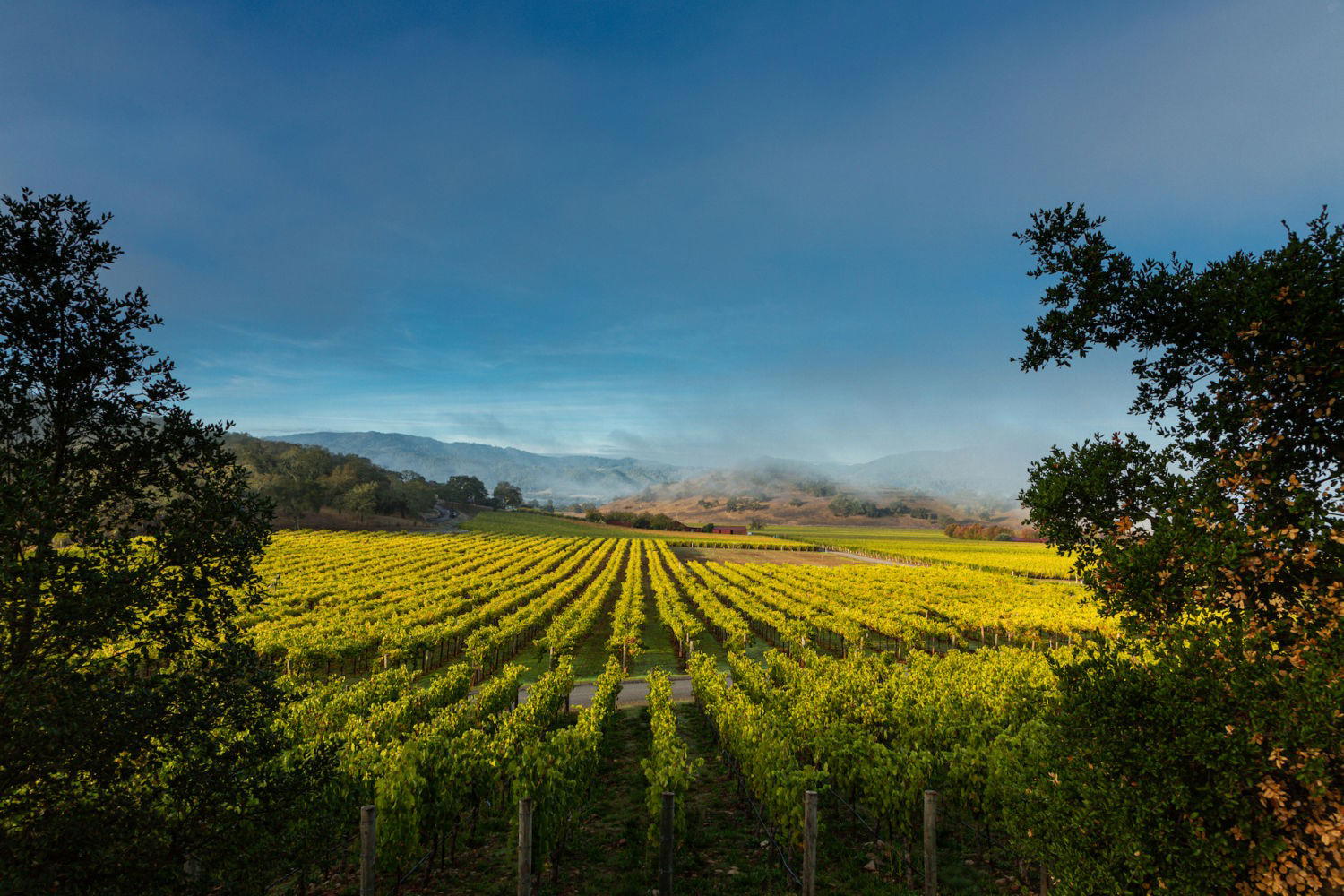
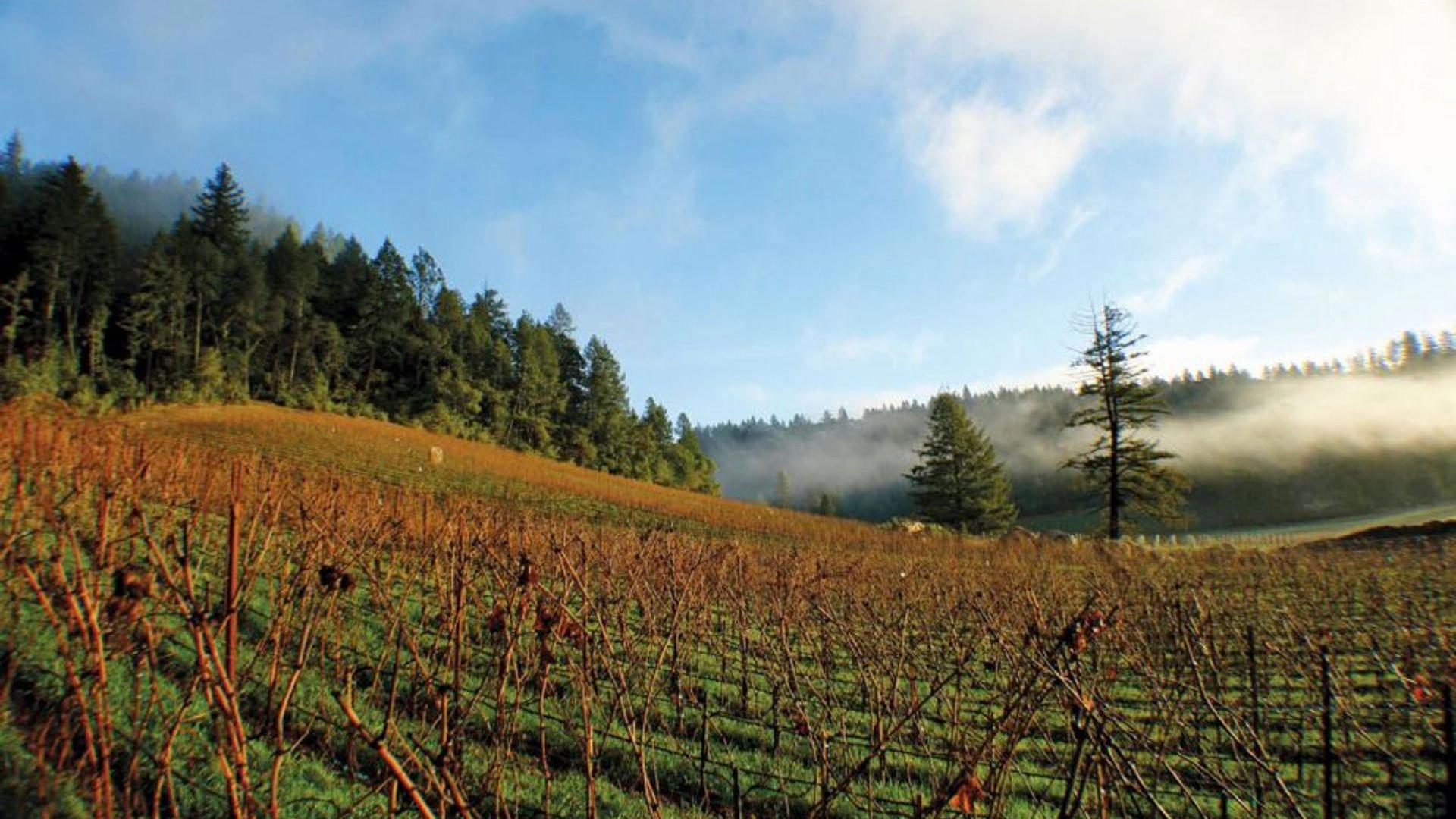
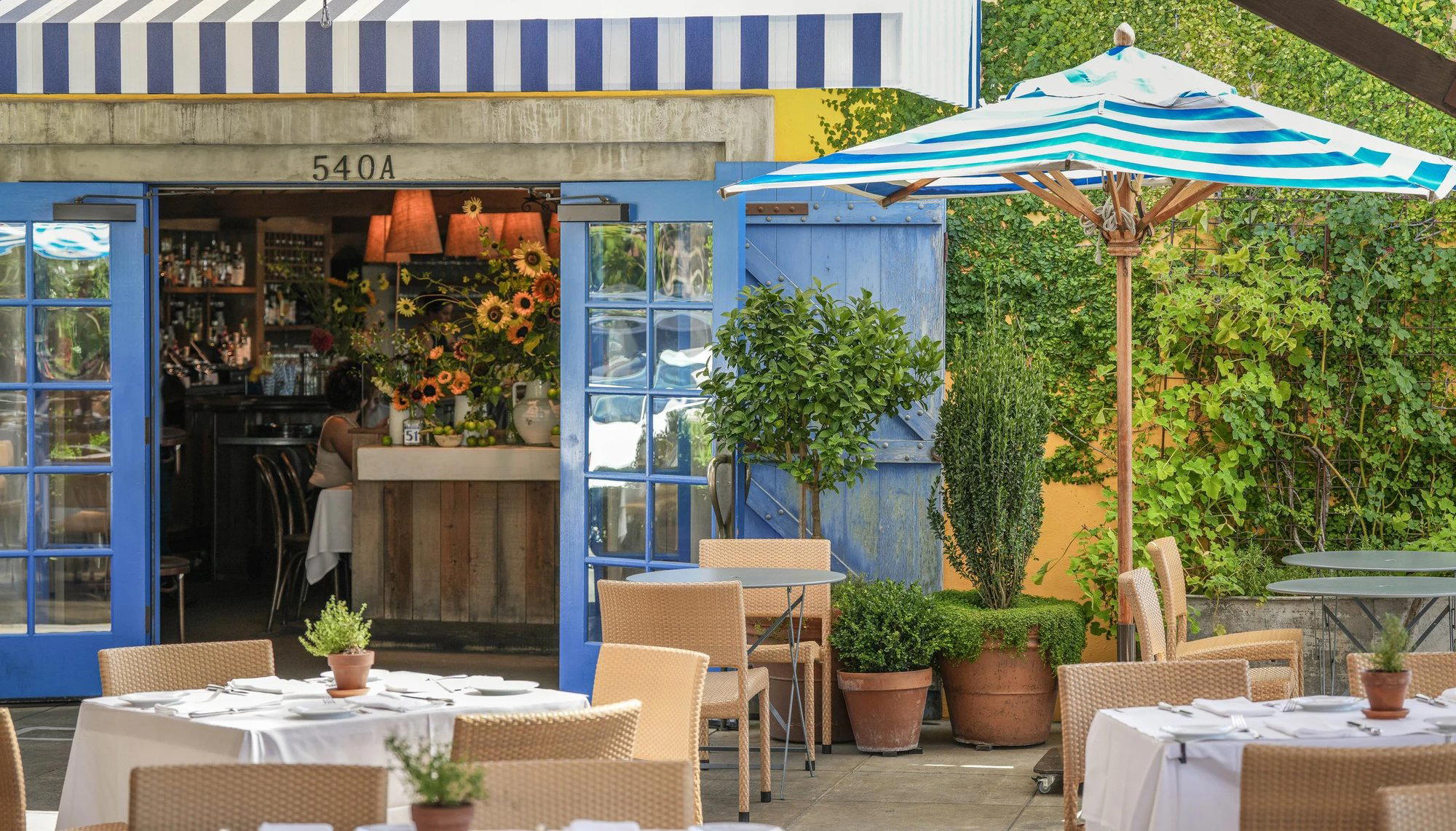
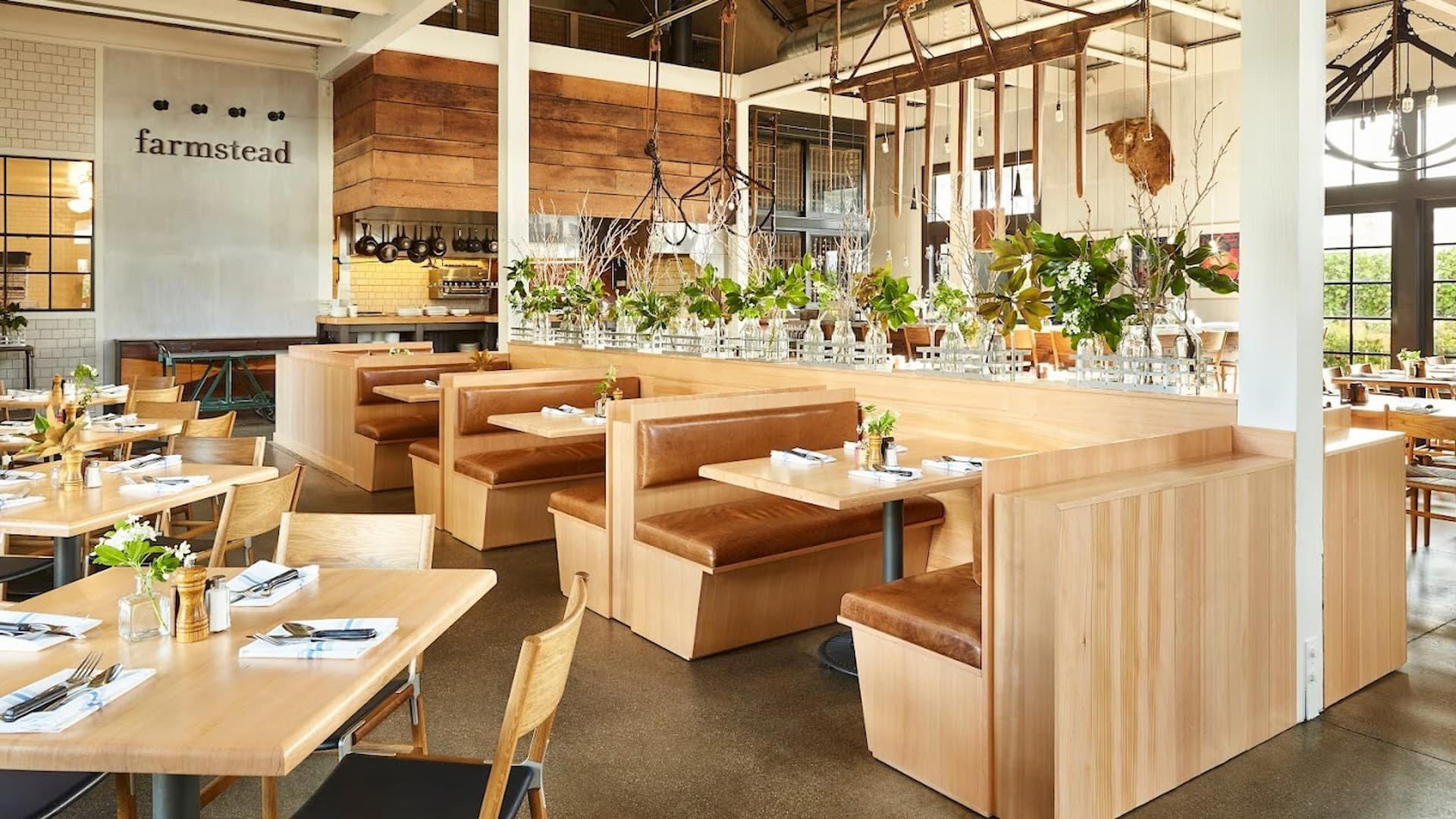
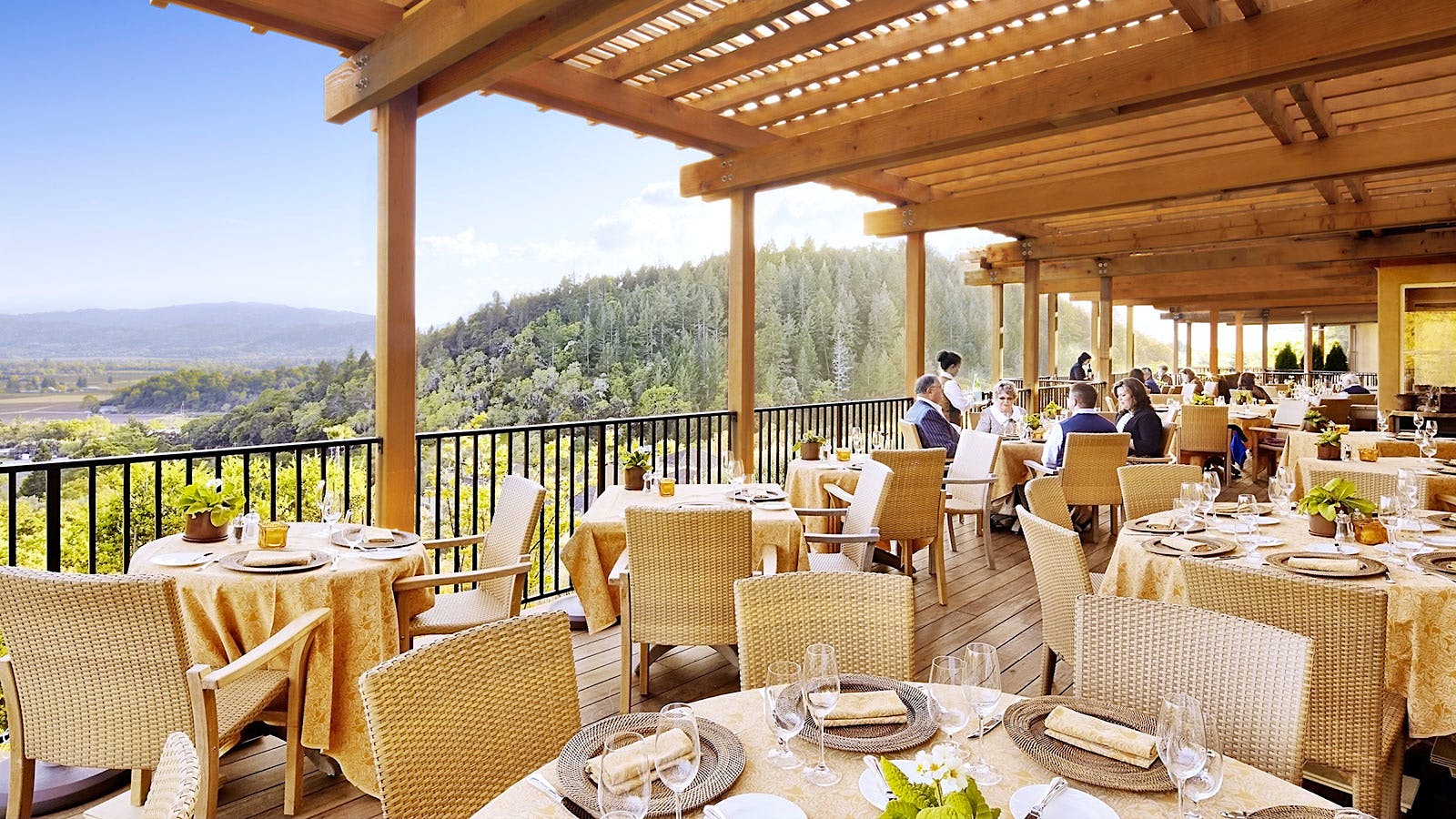
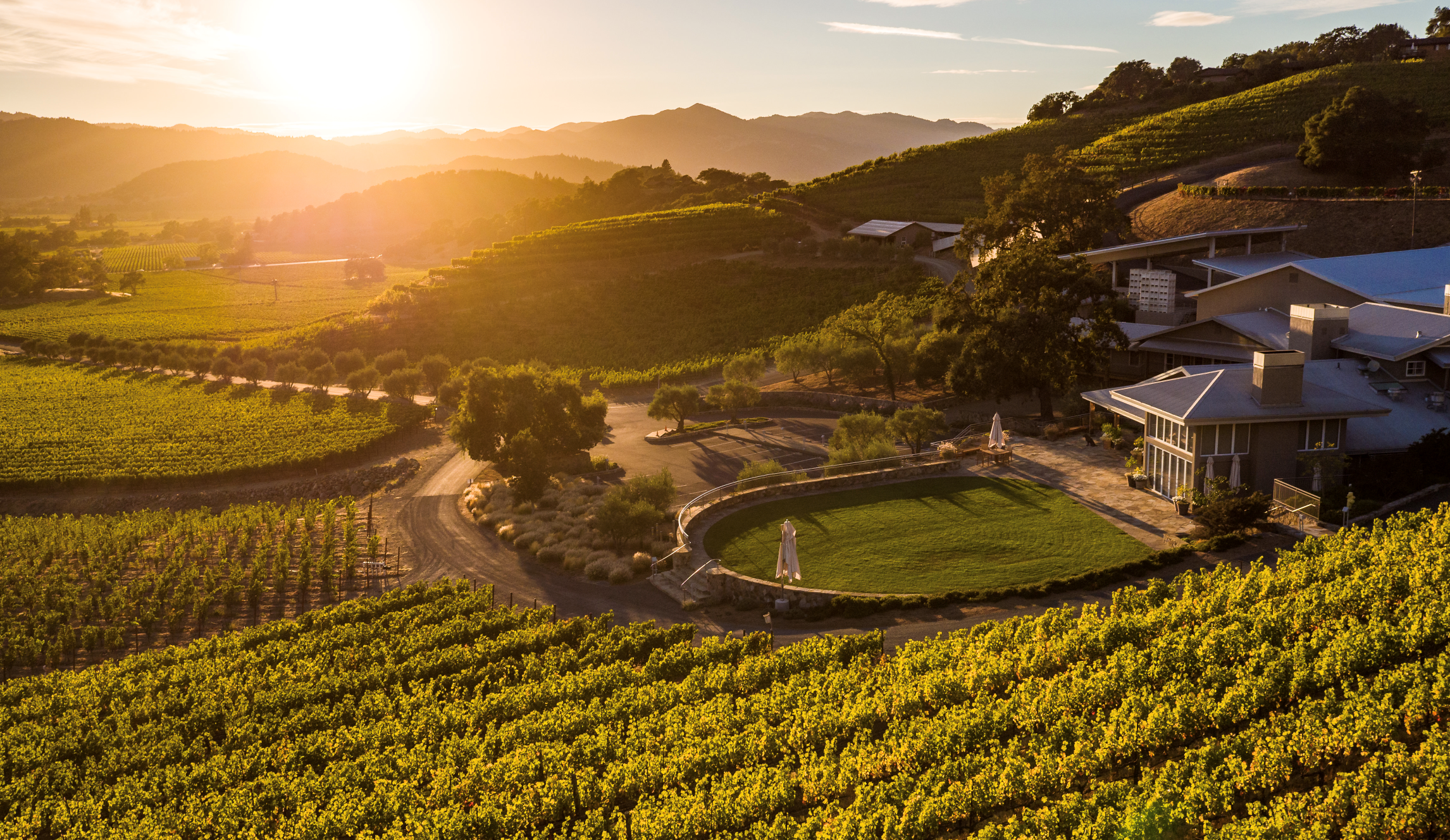
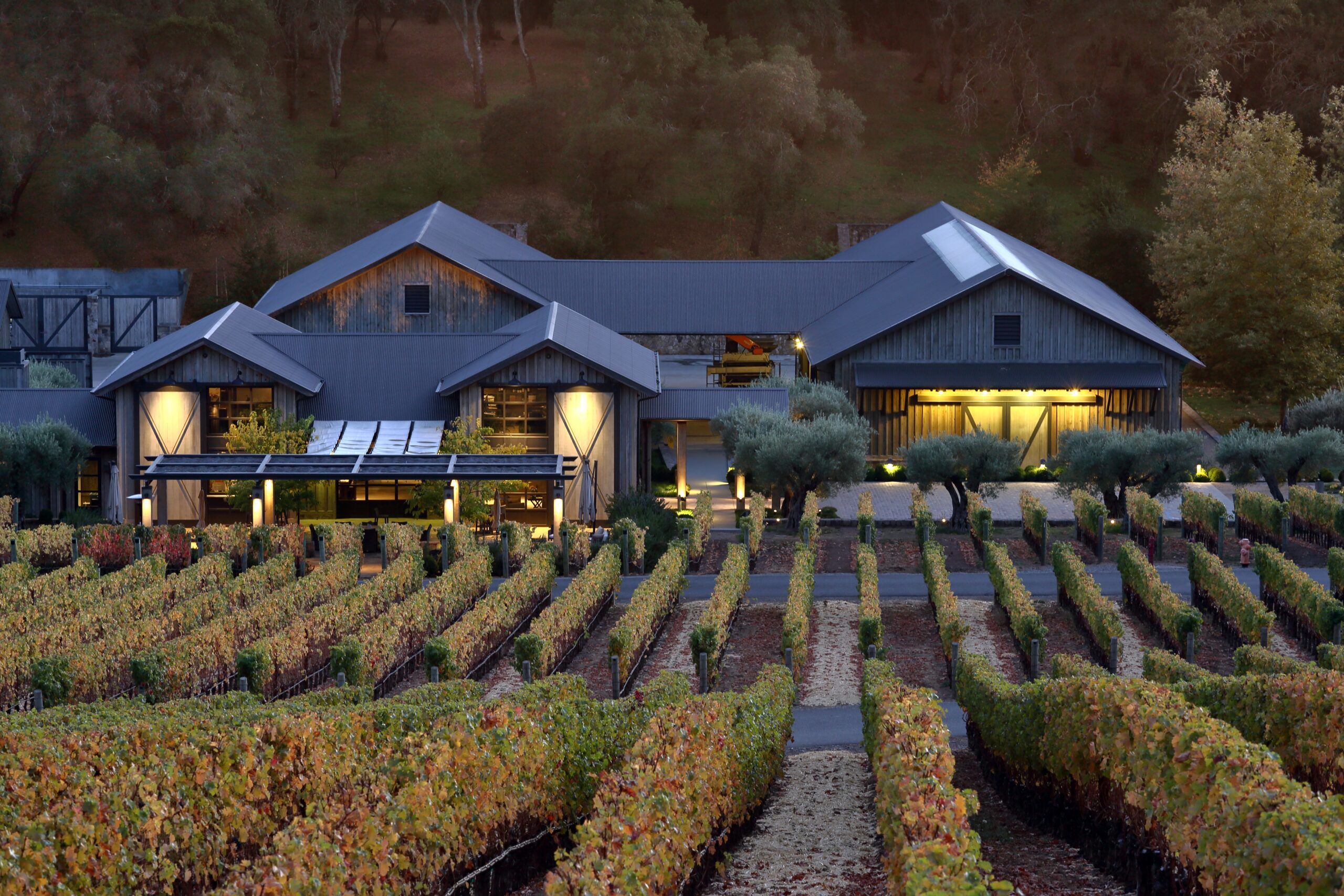
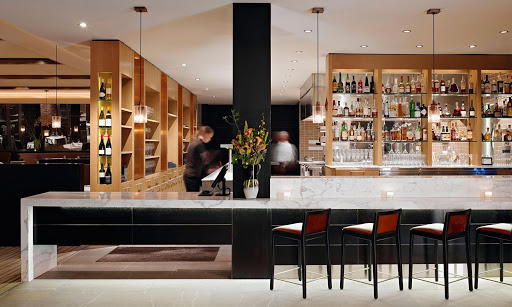
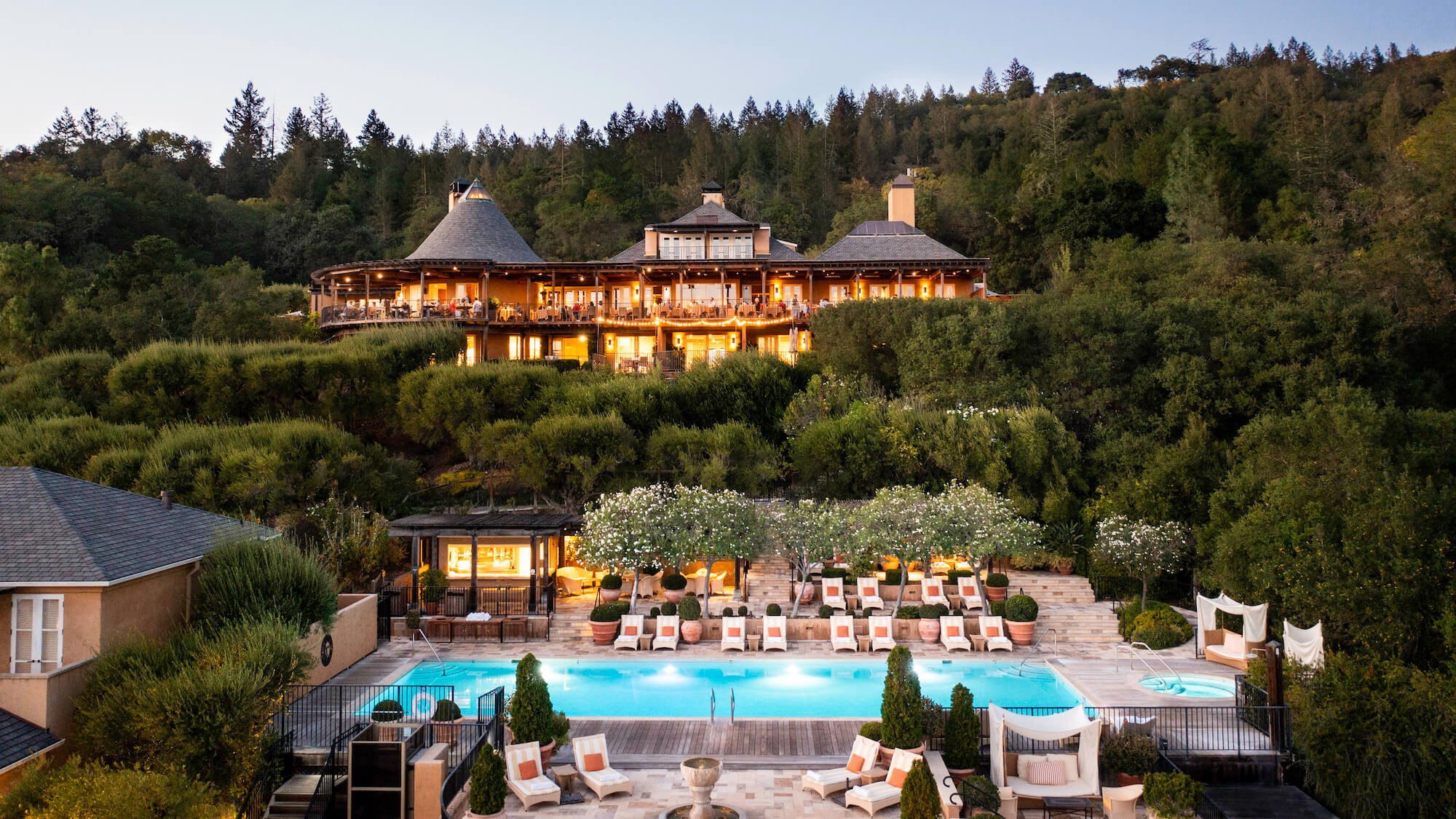
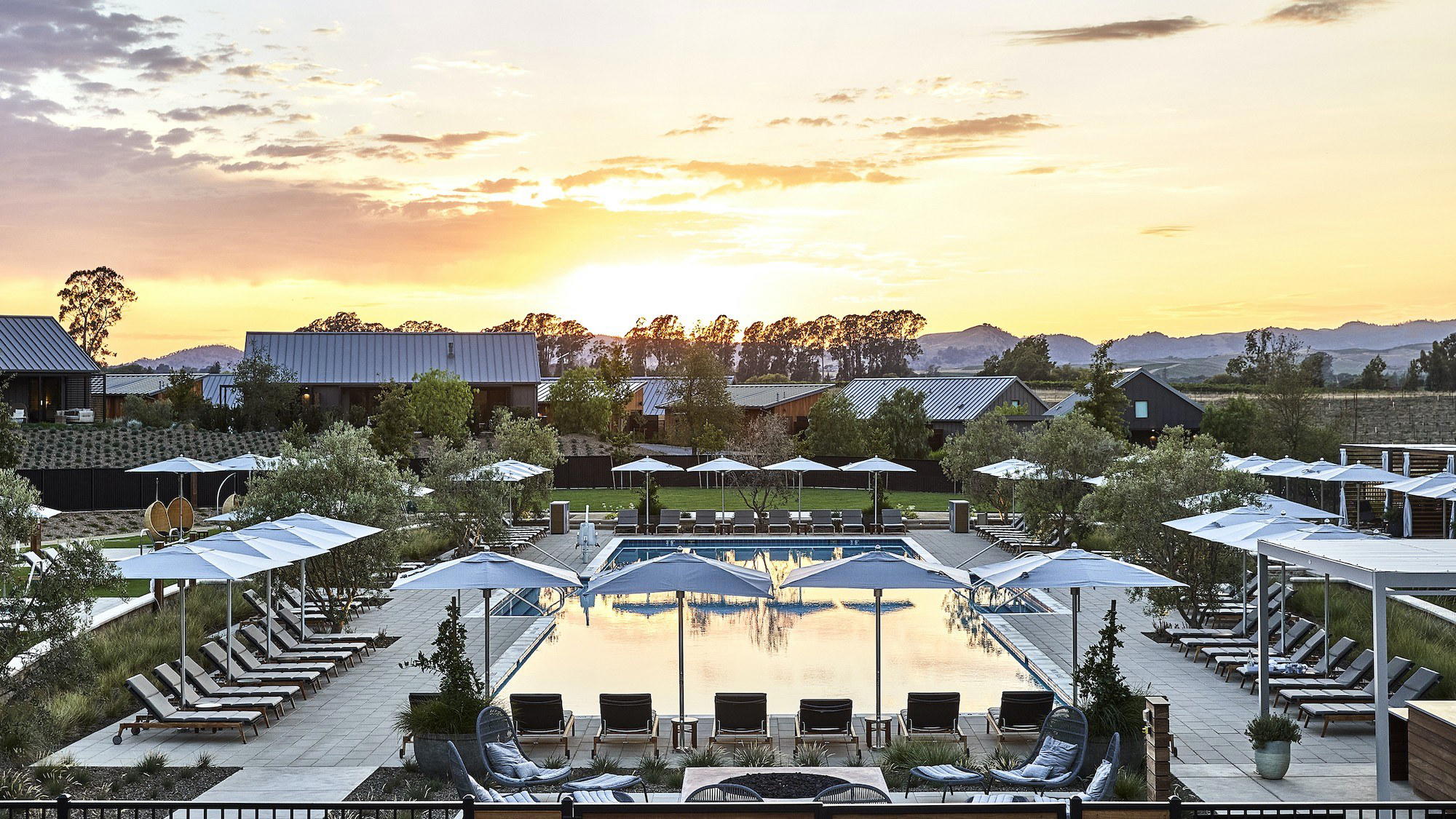
Intimate and refined setting with vineyard views, designed for exclusive wine experiences with personalized service and attention to detail.