BRION
BRION is a Napa Valley winery operating in the premium allocation tier. With a mailing-list-dependent access model and a position among Napa's small-production estates, it sits alongside properties where scarcity and provenance carry as much weight as the bottle itself.
Pearl is the En Primeur Club membership app — saves, bookings, and concierge access live there. Same editors, same standards.
- Address
- Post Office Box 471
- Directions
- Get directions
 Saves & bookings on Pearl
A Mailing Address as a Tasting Philosophy
The postal address tells you something about how BRION operates. In a valley where visitor centres and tasting pavilions have become a category of architecture in their own right, a winery that lists only a post office box as its public-facing address is making a statement about access, scale, and who the wine is actually for. This is a production model built around allocation lists and a small, pre-committed audience rather than walk-in traffic or event bookings. In that respect, BRION belongs to a cohort of Napa estates where the wine reaches its audience largely before it is poured.
That approach has precedent in Napa and in premium wine regions globally. Some of the valley's most closely tracked bottles have never had a tasting room at all, or have kept them deliberately minimal. The experience of engaging with these wineries is almost entirely pre-arrival: joining a list, waiting, receiving an allocation, and then deciding whether to open or hold. The credential validates the scarcity rather than advertising against it.
Where BRION Sits in the Napa Hierarchy
Napa's premium wine scene has separated into distinct tiers over the past two decades, and the boundaries between them have grown sharper. At one end, large estate operations with significant hospitality infrastructure produce wines at volume and price points that support broad retail distribution. At the other, small-production houses work within allocation-only frameworks, communicate directly with their buyer lists, and rarely appear on restaurant wine lists at accessible markups. BRION occupies that second position.
For context, properties in this bracket tend to compete less on retail visibility and more on the depth of their buyer relationships and the consistency of their critical recognition over time. Peers in the broader Napa allocation space include operations like Blackbird Vineyards and Ashes and Diamonds Winery, both of which operate with similarly considered production frameworks. Darioush Winery and Artesa Vineyards and Winery sit in a different sub-tier, where hospitality infrastructure is part of the offer alongside the wine.
Buyers who have spent time with Napa's allocation market know that recognition at the prestige level tends to be self-selecting: the properties that achieve it are rarely the ones pursuing broad market reach. They are the ones that have held a consistent production standard long enough for the critical community to take notice and for their buyer lists to develop a sense of ownership over the relationship.
The Geography Behind the Bottle
Napa Valley as a wine geography is not one thing. The appellation encompasses sub-regions with meaningfully different soil profiles, temperature gradients, and elevation ranges, from the cooler reaches of Carneros near the bay to the warmer benchland at the valley's northern end. The specific sub-regional position of a Napa estate shapes the character of its wine as much as any production decision made in the cellar.
BRION's mailing address alone does not resolve its precise location within the valley, but the address-only model it uses is more common among estates in the smaller sub-AVAs: places like the Stags Leap District, Oakville, or the hillside appellations, where land values are high enough that small acreage can support a credentialed production without needing visitor revenue to underwrite the operation. The Napa Valley's more visitor-oriented estates tend to be those with the scale to absorb hospitality costs against broader production. Smaller prestige operations, by contrast, often rely entirely on direct-to-consumer allocation sales, which is precisely the model a post-office-box address suggests.
This matters for the reader planning a Napa trip. Visiting BRION is not a matter of showing up and requesting a tasting. The engagement model is correspondence-first: contact through available channels, express interest in a list position, and understand that the relationship is built around future allocations rather than present-tense hospitality. For those accustomed to booking winery visits the way they book restaurant tables, this requires an adjustment in expectation and timeline.
How BRION Compares Across California's Premium Tier
Prestige-tier small production is not exclusive to Napa. California's broader fine wine geography includes comparable operations in other regions, and understanding where BRION sits relative to those helps calibrate expectations for a buyer considering their allocation strategy across multiple lists.
In the Santa Barbara County corridor, Andrew Murray Vineyards in Los Olivos and Alban Vineyards in Arroyo Grande operate in Rhone-focused niches with their own allocation dynamics. Further north on the Central Coast, Adelaida Vineyards in Paso Robles represents a different appellation character entirely. In Sonoma County, Alexander Valley Vineyards in Geyserville operates at a different scale and access level than Napa's allocation-only estates. Oregon's prestige tier, represented by properties like Adelsheim Vineyard in Newberg, follows a parallel but distinct model shaped by Pinot Noir's production constraints rather than Cabernet's.
What connects these properties is less a shared style than a shared relationship with scarcity and direct buyer communication. In each case, the winery's reputation is built and maintained through the quality of its allocation relationships as much as through retail or restaurant placements. BRION's 2025 prestige recognition places it squarely in that broader category of producers for whom critical acknowledgment functions as both a quality signal and a tool for managing demand.
Within Napa's own St. Helena corridor, Accendo Cellars offers a useful local reference point for the small-production, relationship-based model. Elsewhere in the valley, Clos Selene Winery and Alpha Omega Winery in Rutherford operate in different sub-tiers, each with different hospitality and distribution approaches that illustrate how varied the Napa production model has become. For a global reference point across categories, Aberlour in Aberlour and Achaia Clauss in Patras show how different regions handle the relationship between heritage, credential, and access in their own idioms.
Planning Contact and Timing
Because BRION does not publish phone, website, or tasting-room details in standard directories, one practical approach for prospective buyers is to treat this as an early-stage research exercise rather than an immediate booking task. Joining a list in the months immediately after a prestige award is often the window where new buyers have the leading probability of eventual allocation, since established buyers will have already renewed their positions and the producer may be opening communication to expand their direct buyer base.
For those newer to this access model, the key shift is from thinking about wine tourism as an itinerary item to thinking about it as an ongoing correspondence relationship. The wine arrives in the cellar rather than the tasting glass, and the relationship with the producer is built over seasons rather than afternoons.
Same-City Peers
Comparable venues nearby, for context on price, style, and recognition.
| Venue | Cuisine | Price | Notes |
|---|---|---|---|
| BRIONThis venue — the venue you are viewing | Cabernet Sauvignon, Cabernet Franc | $$$$ | Not listed |
| Amuse Bouche Winery | Merlot, Cabernet Franc | $$$$ | Downtown Napa |
| Kenzo Estate | Cabernet Sauvignon, Merlot | $$$$ | Monticello Road |
| BOND Winery | Cabernet Sauvignon | $$$$ | Oakville |
| Del Dotto Estate Winery and Caves | Cabernet Sauvignon, Chardonnay | $$$$ | Napa Valley |
| Realm Cellars | Cabernet Sauvignon, Merlot | $$$$ | Stags Leap District |
Continue exploring
More in Napa
Wineries in Napa
Browse all →
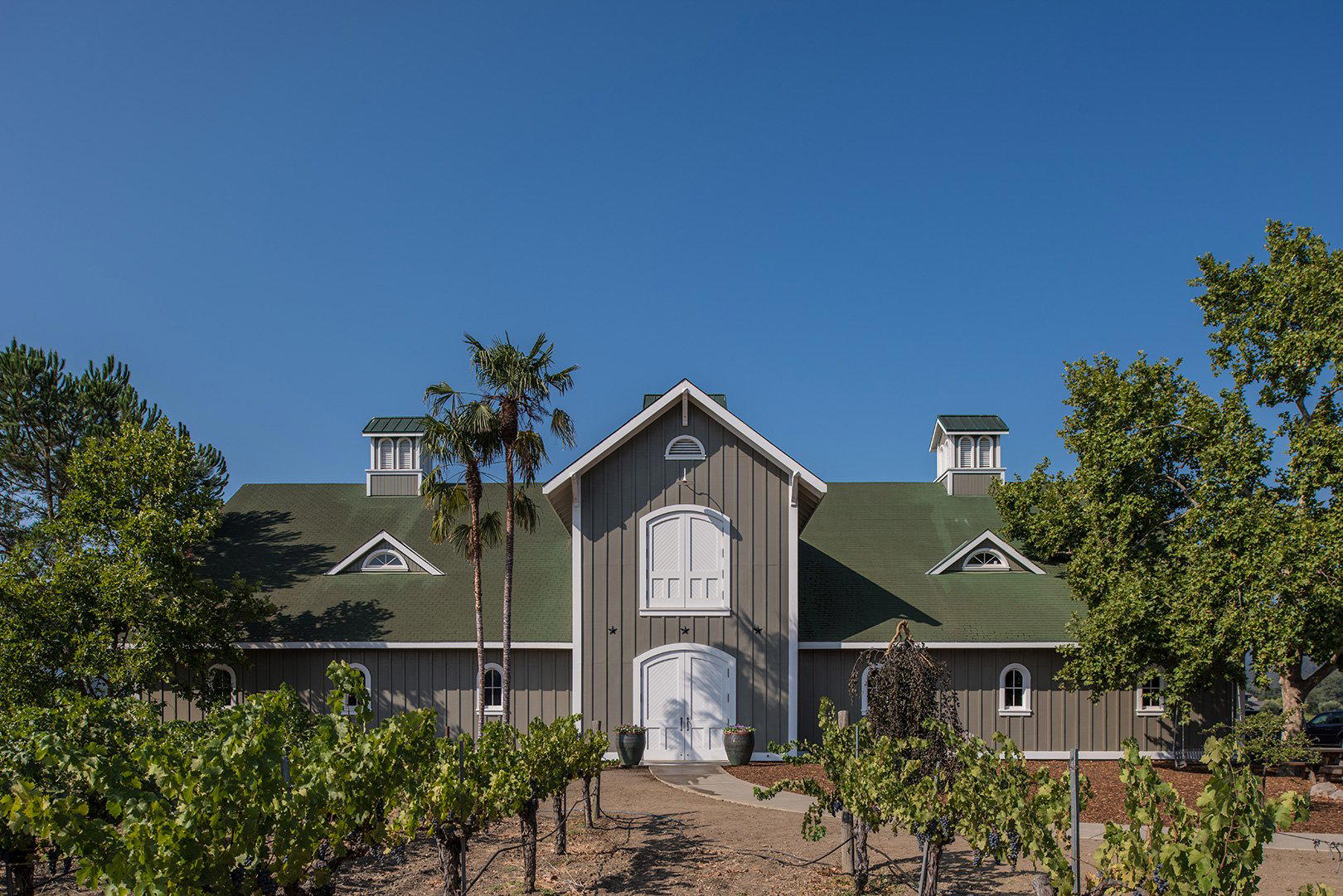
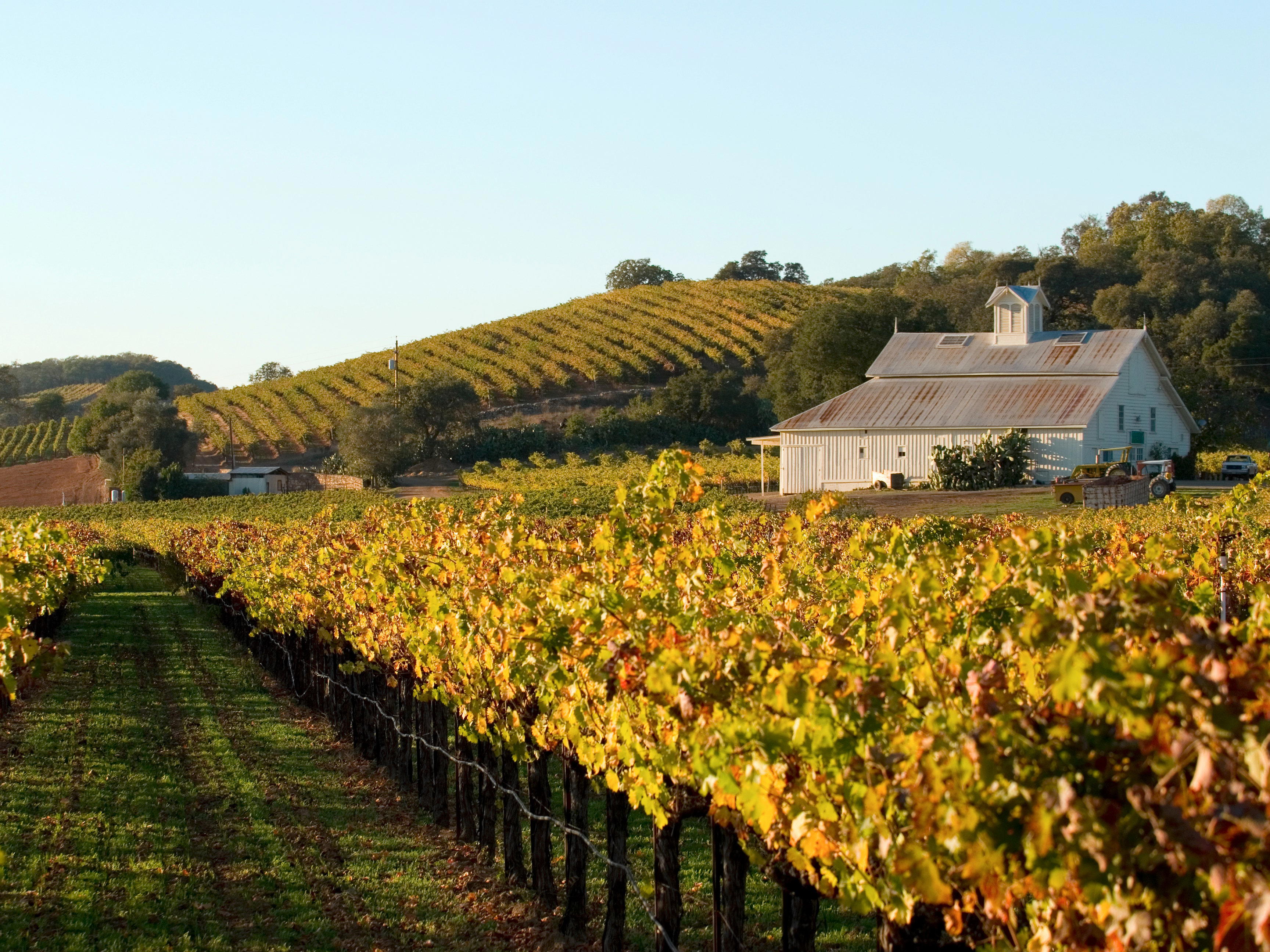
Bars in Napa
Browse all →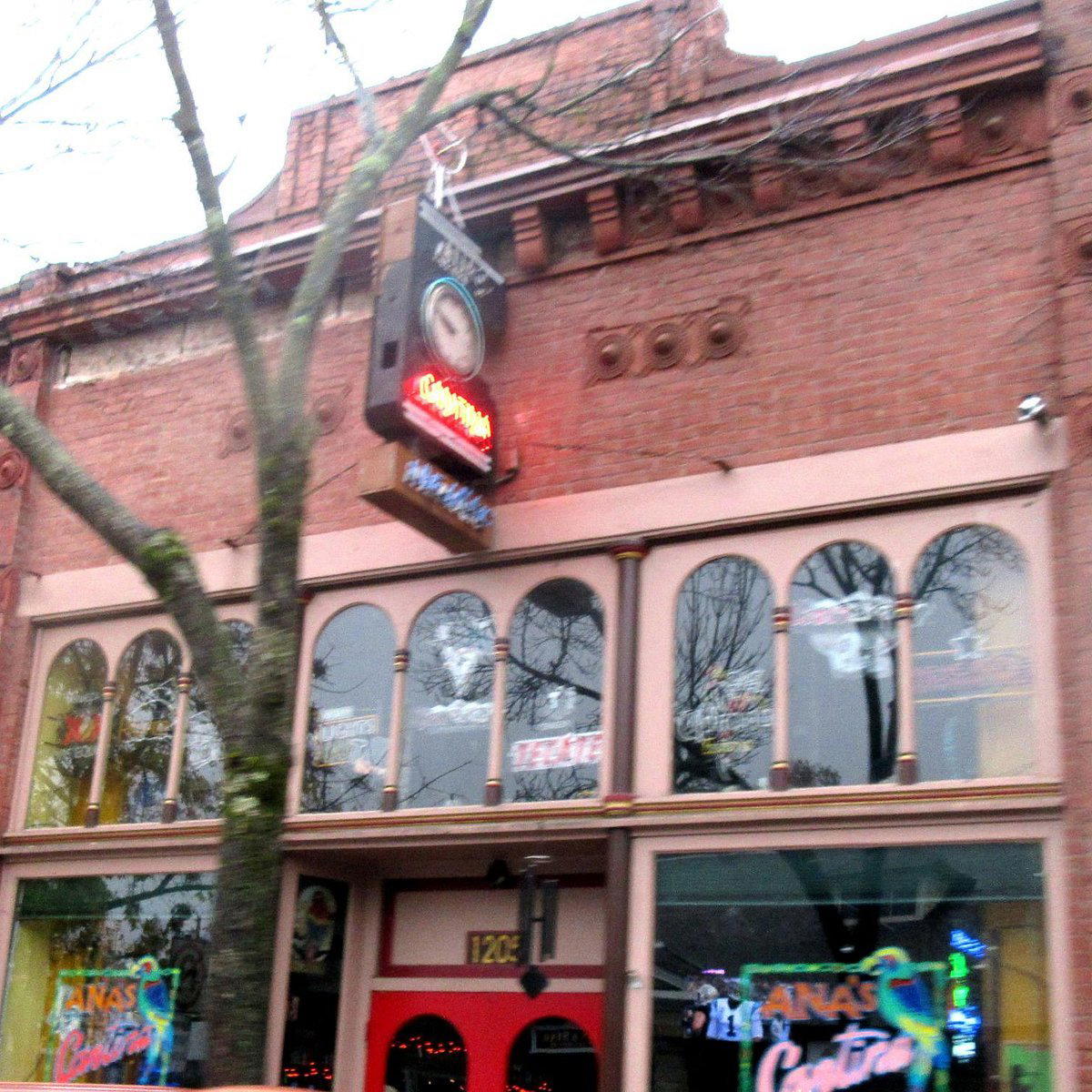
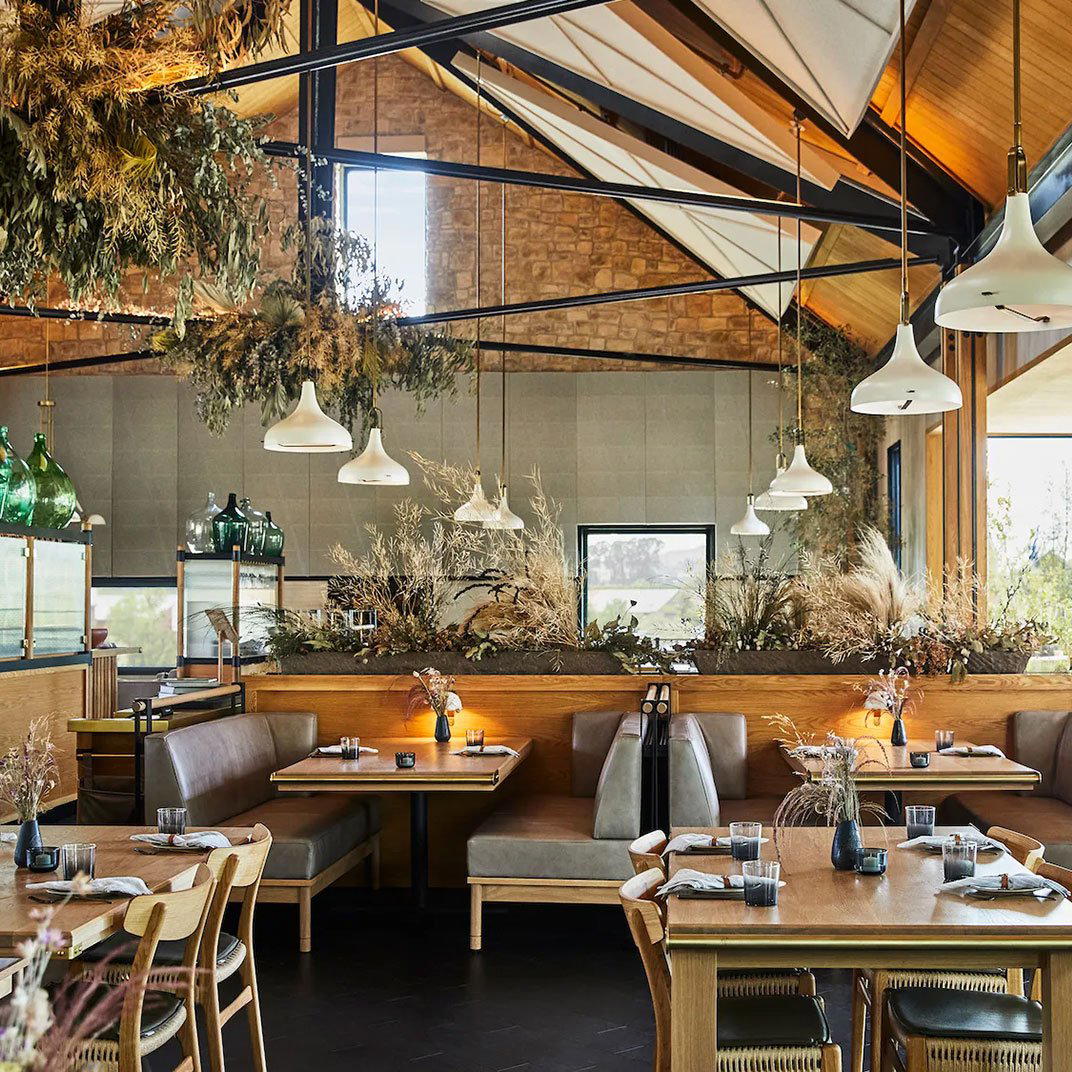
Restaurants in Napa
Browse all →
At a Glance
- Elegant
- Rustic
- Scenic
- Intimate
- Sophisticated
- Special Occasion
- Wine Education
- Vineyard Tour
- Estate Grounds
- Terrace
- Mountain
- Vineyard
- Napa Valley AVA
- Cabernet Sauvignon
- Cabernet Franc
- Petit Verdot
- Still Red
- Private Tasting
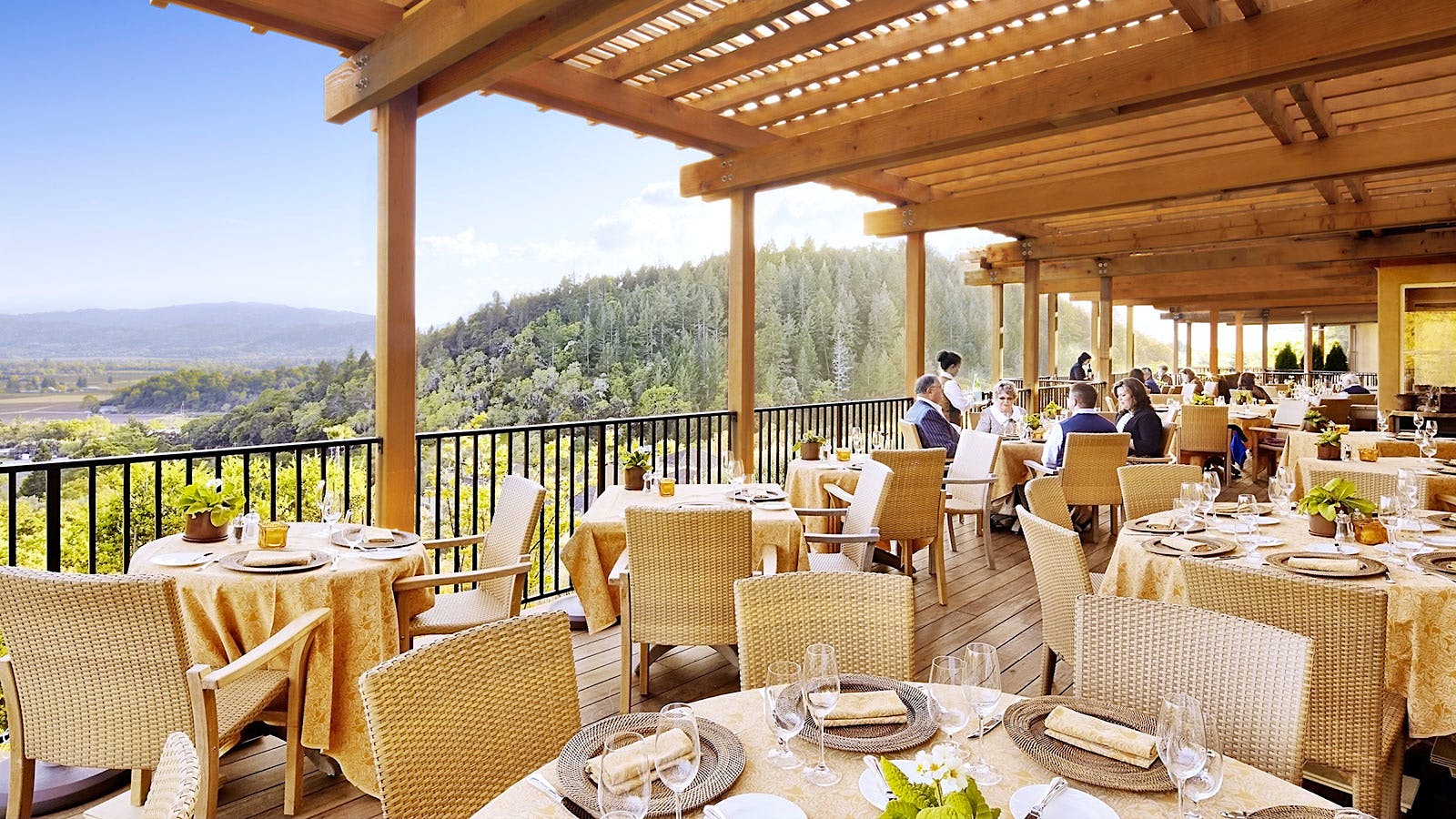
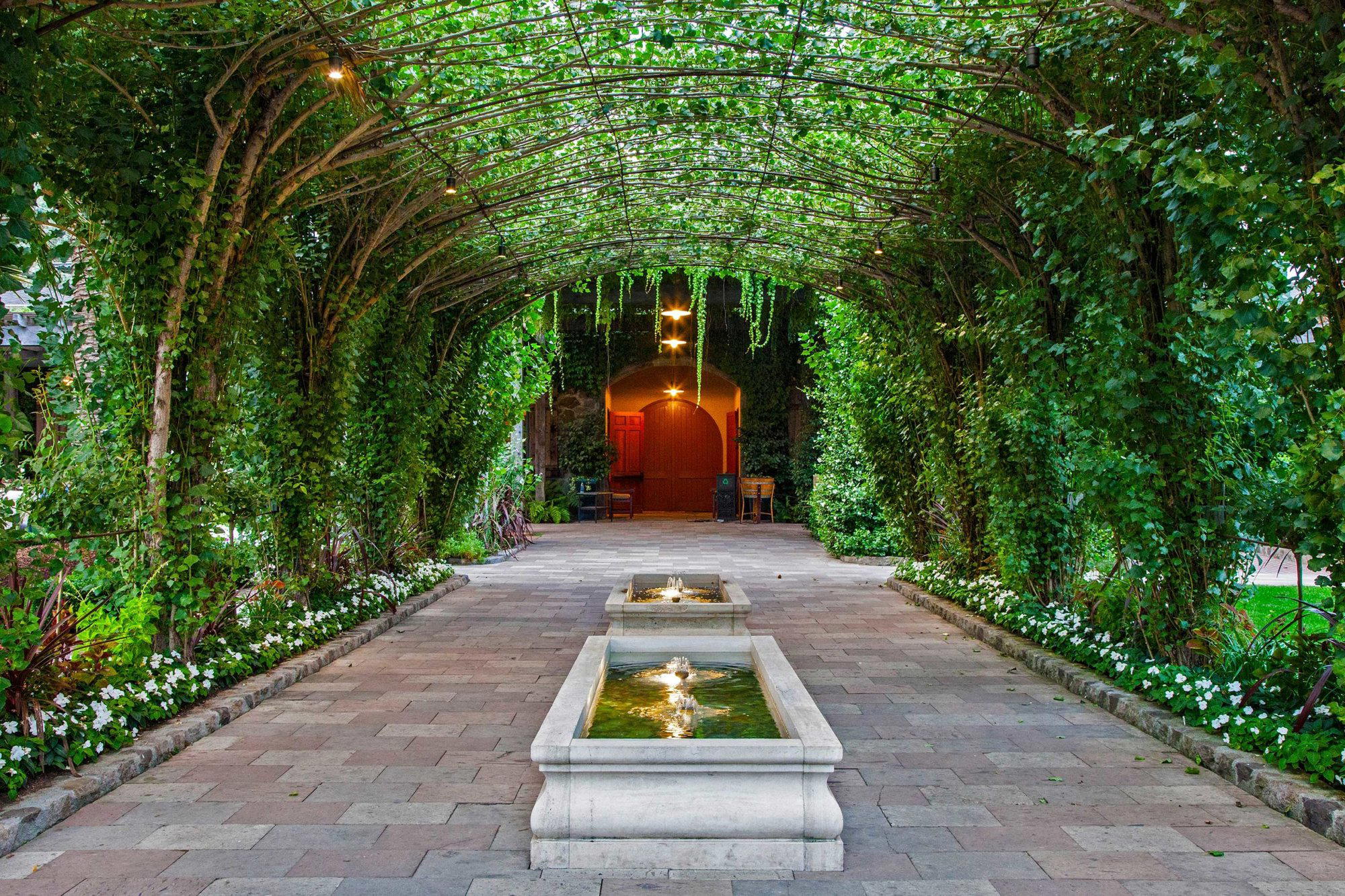
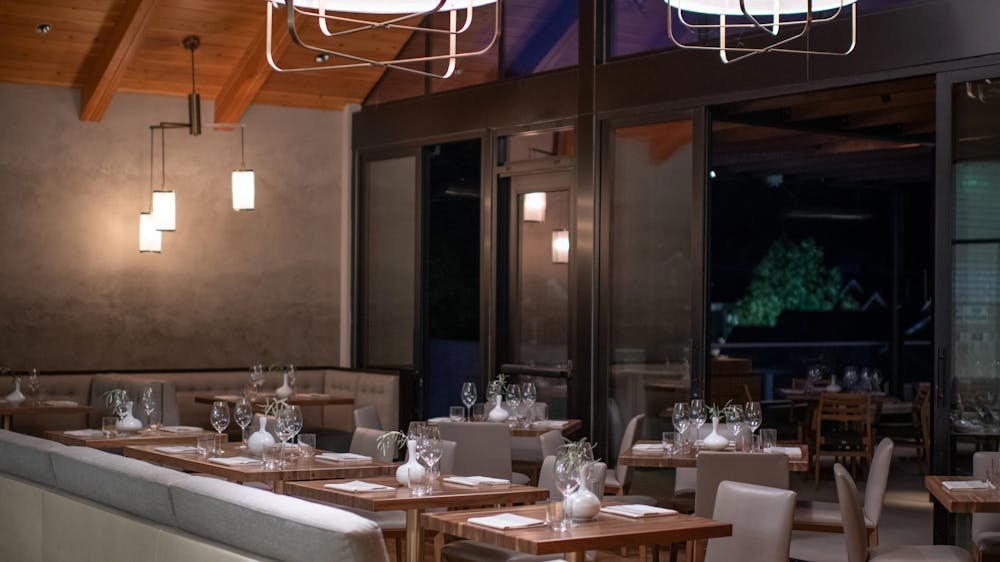
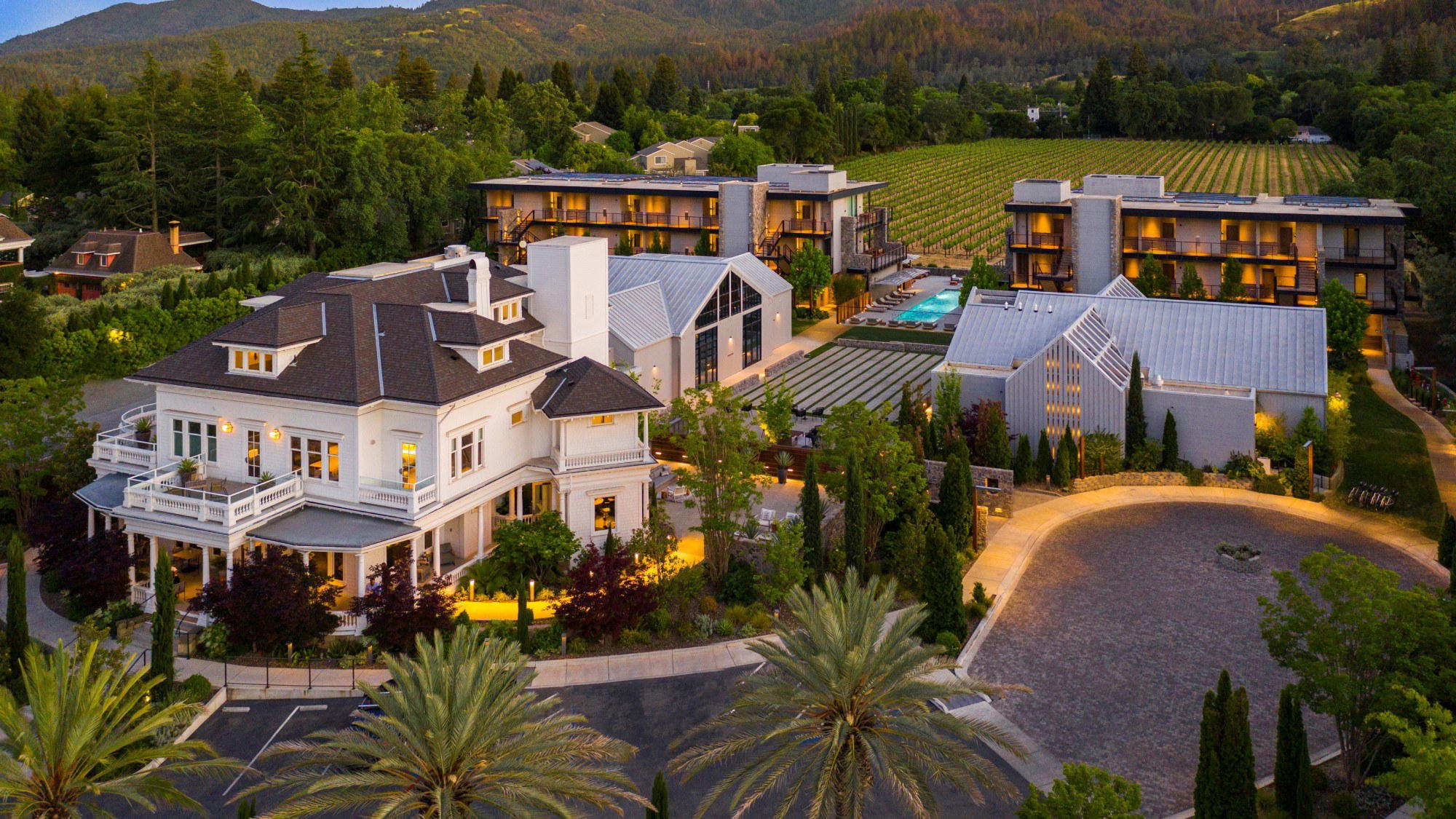
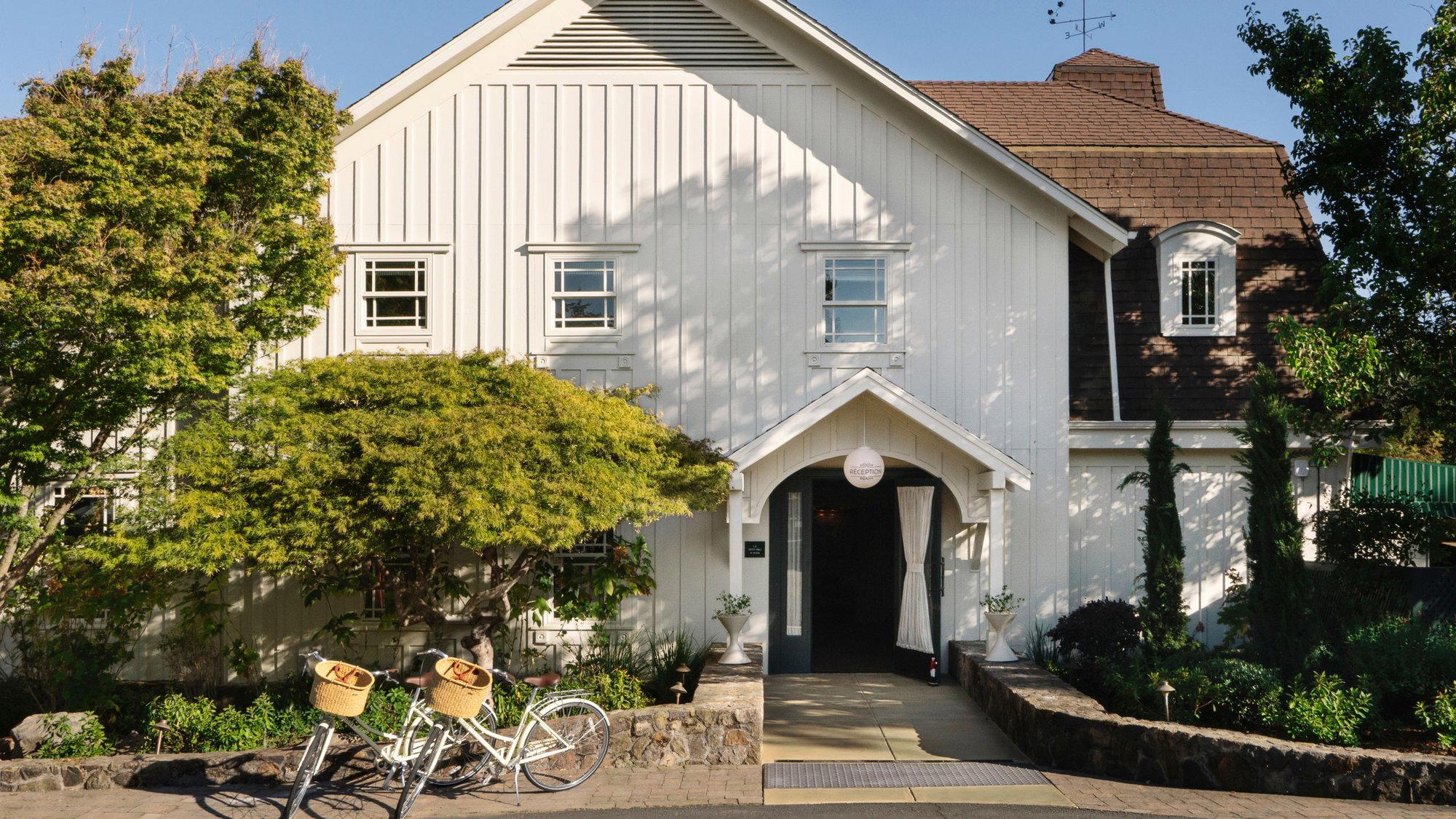
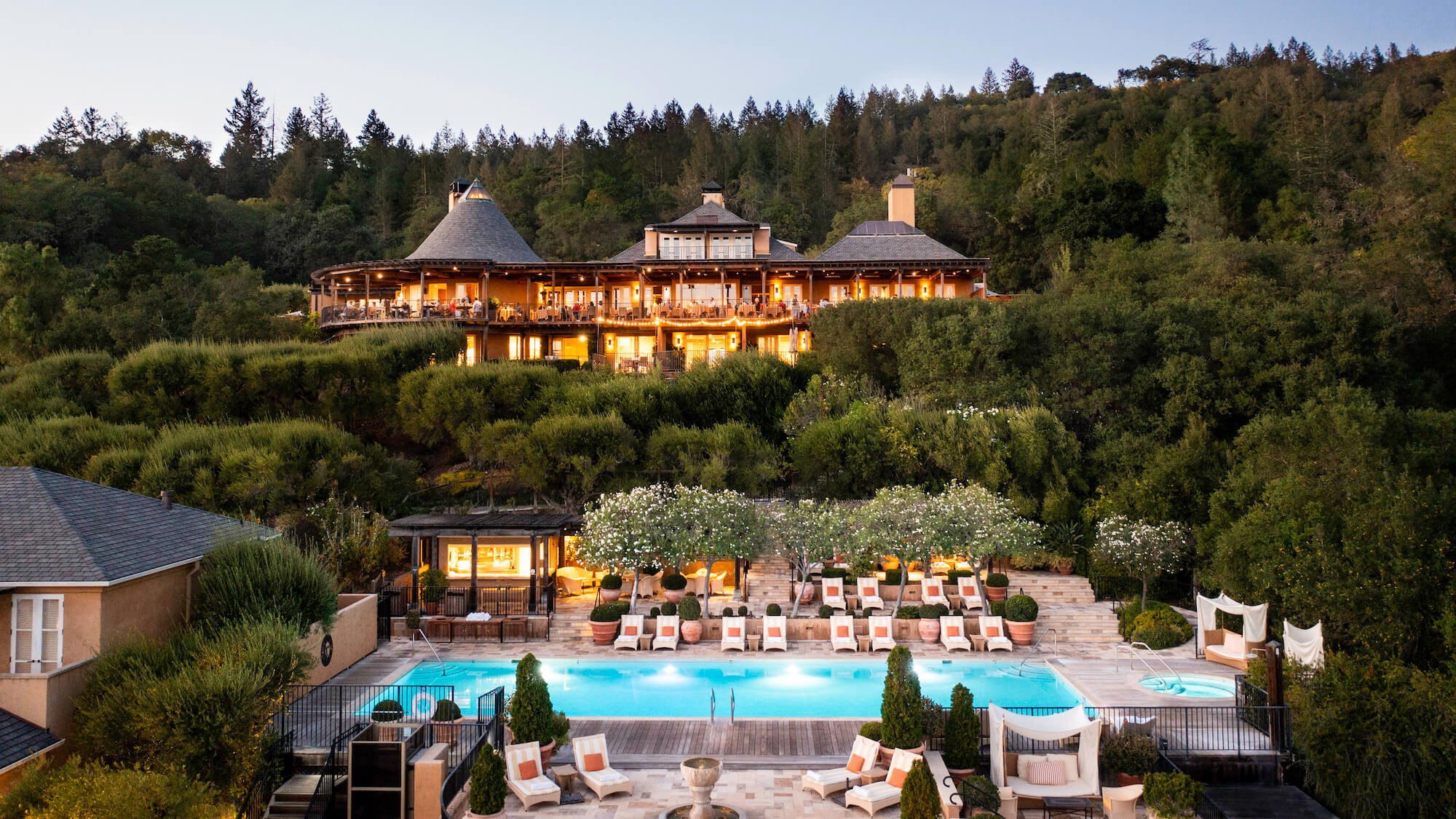
Chic interior design in a rustic historic bank barn with serene hillside views and seating inside and outside under ancient olive trees.