The Donum estate
The Donum Estate occupies a particular tier in Carneros wine country where art installation, land stewardship, and serious Pinot Noir production converge. It draws a returning clientele less interested in tasting-room theatre than in the slow accumulation of knowledge about a single, well-defined site. For visitors prepared to engage on those terms, the estate delivers a depth of experience that justifies repeated visits across vintages.
 Discover on Pearl
Pearl is the En Primeur Club membership app — saves, bookings, and concierge access live there. Same editors, same standards.
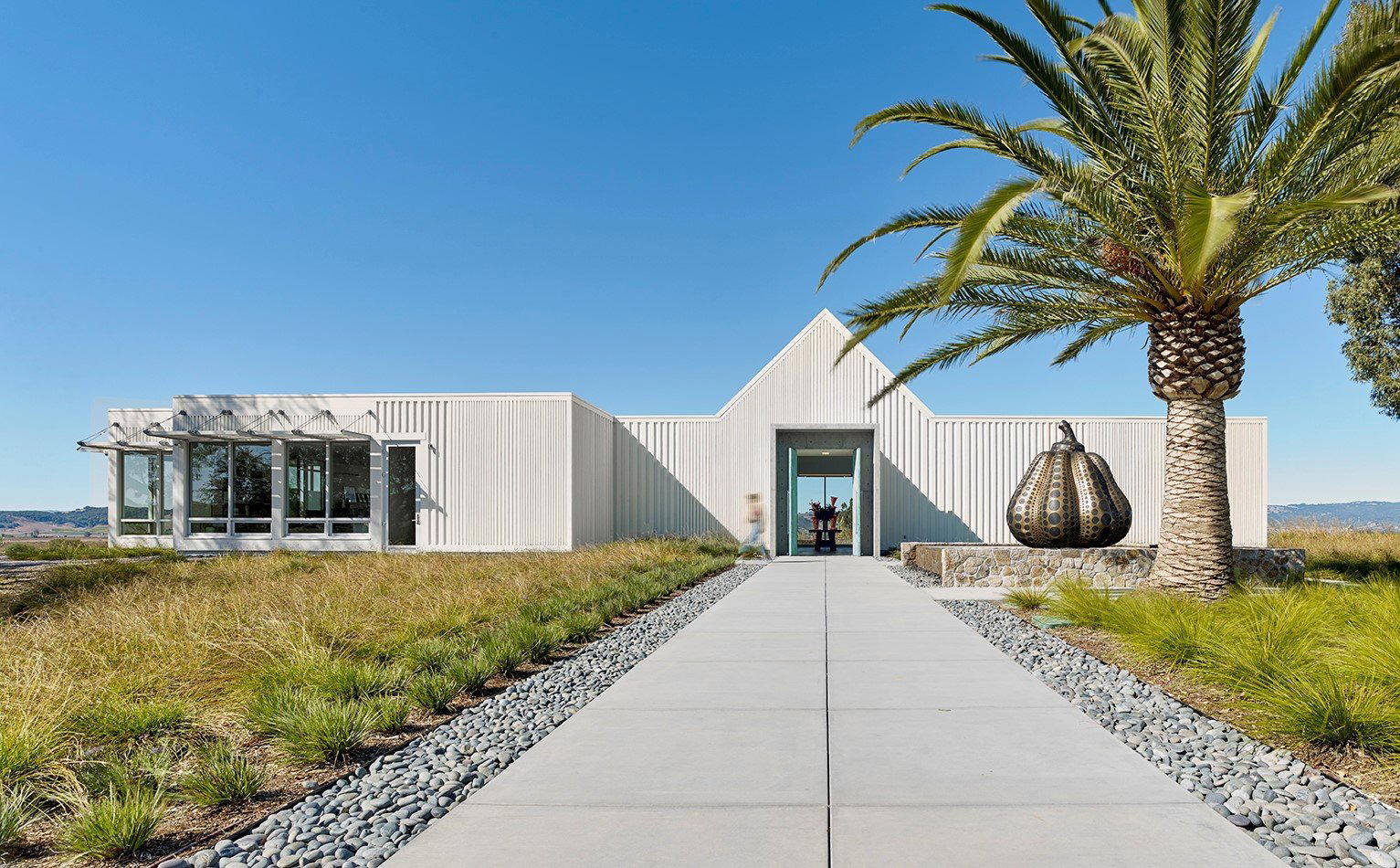
What Carneros Teaches You on a Return Visit
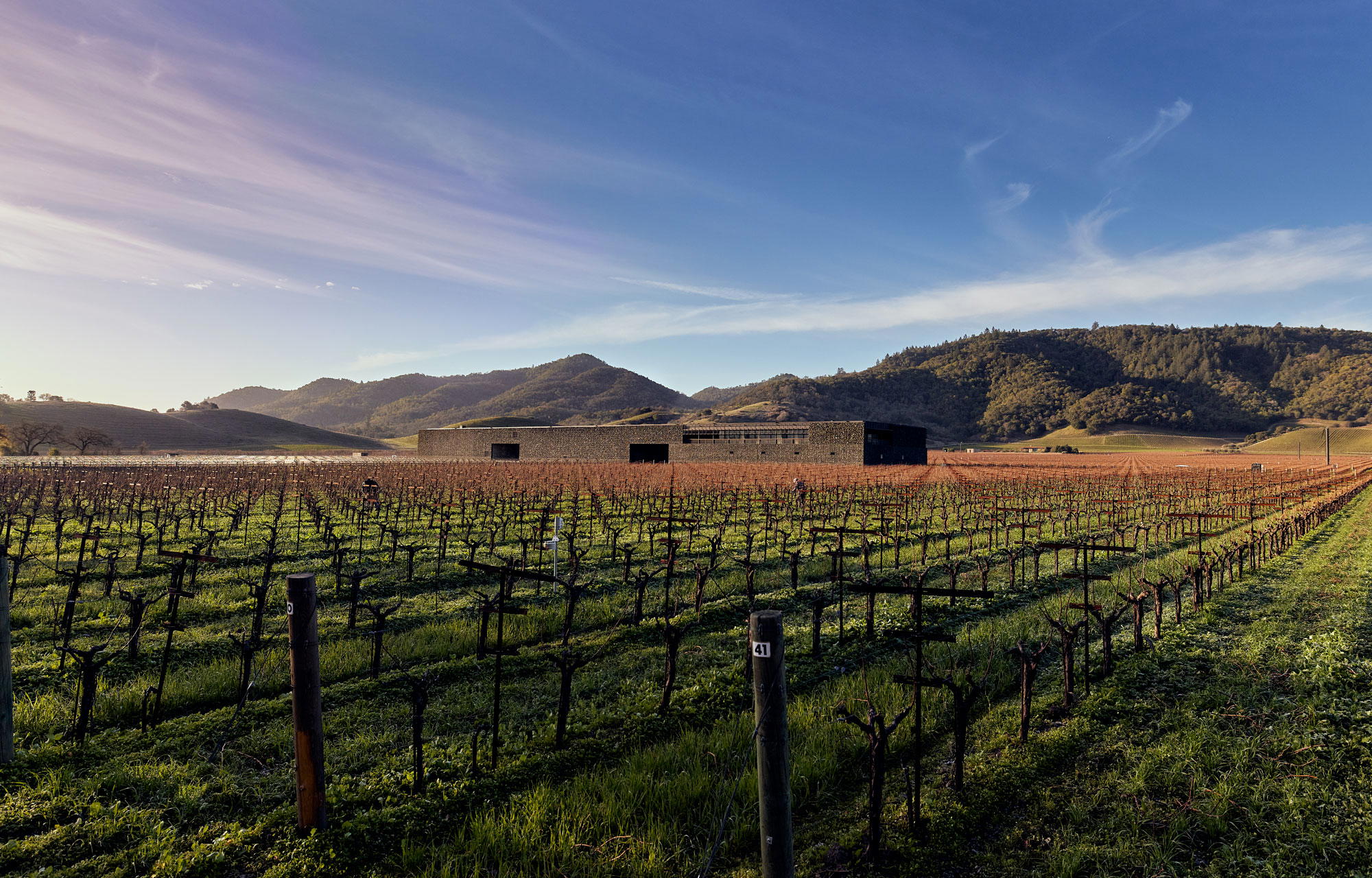
Some wine properties reward a single visit with a clear impression and leave it at that. Carneros, the coolest, windiest appellation straddling Napa and Sonoma, tends to produce places that reward going back. The growing season here runs longer than in Rutherford or Oakville, the marine influence from San Pablo Bay keeps alcohol in check, and the clay-heavy soils push Pinot Noir toward a more structured, age-worthy profile than the plush, fruit-forward style that defines the valley floor. The Donum Estate sits squarely inside that regional logic, and regulars who return across multiple vintages treat the estate less as a destination and more as an ongoing reference point for what Carneros Pinot can become.
That returning-visitor dynamic is worth taking seriously. Single-visit wine tourism tends to collapse everything into a snapshot: the view, the pour, the label. Repeat visitors to a site like Donum are doing something more specific, they are tracking how a vineyard behaves across seasons, how a house style holds or shifts, how the land reads in a cooler year versus a warmer one. Carneros, with its maritime temperament, makes those year-to-year comparisons particularly instructive. It is not an easy appellation to read from a single glass.
The Estate as a Physical Space
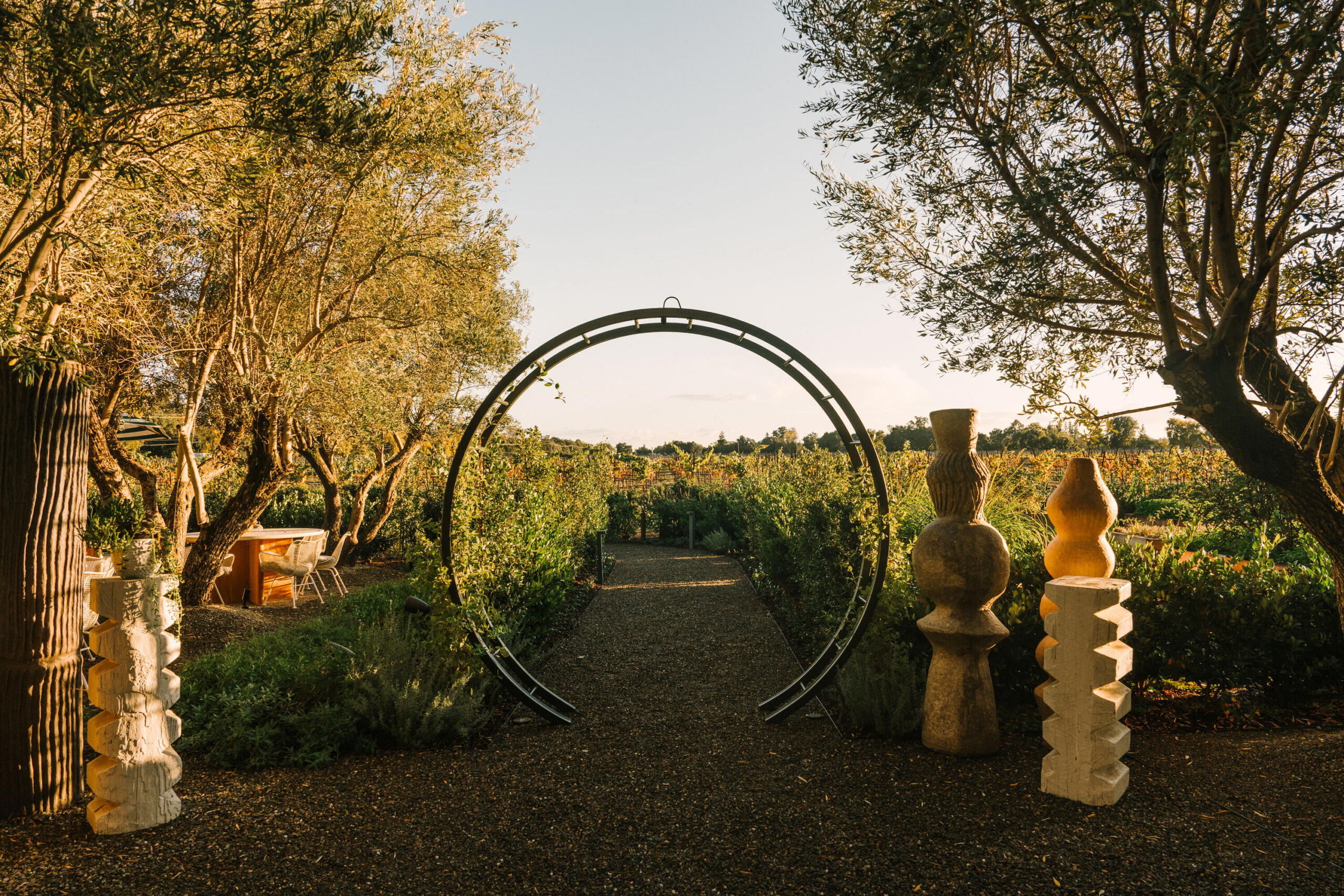
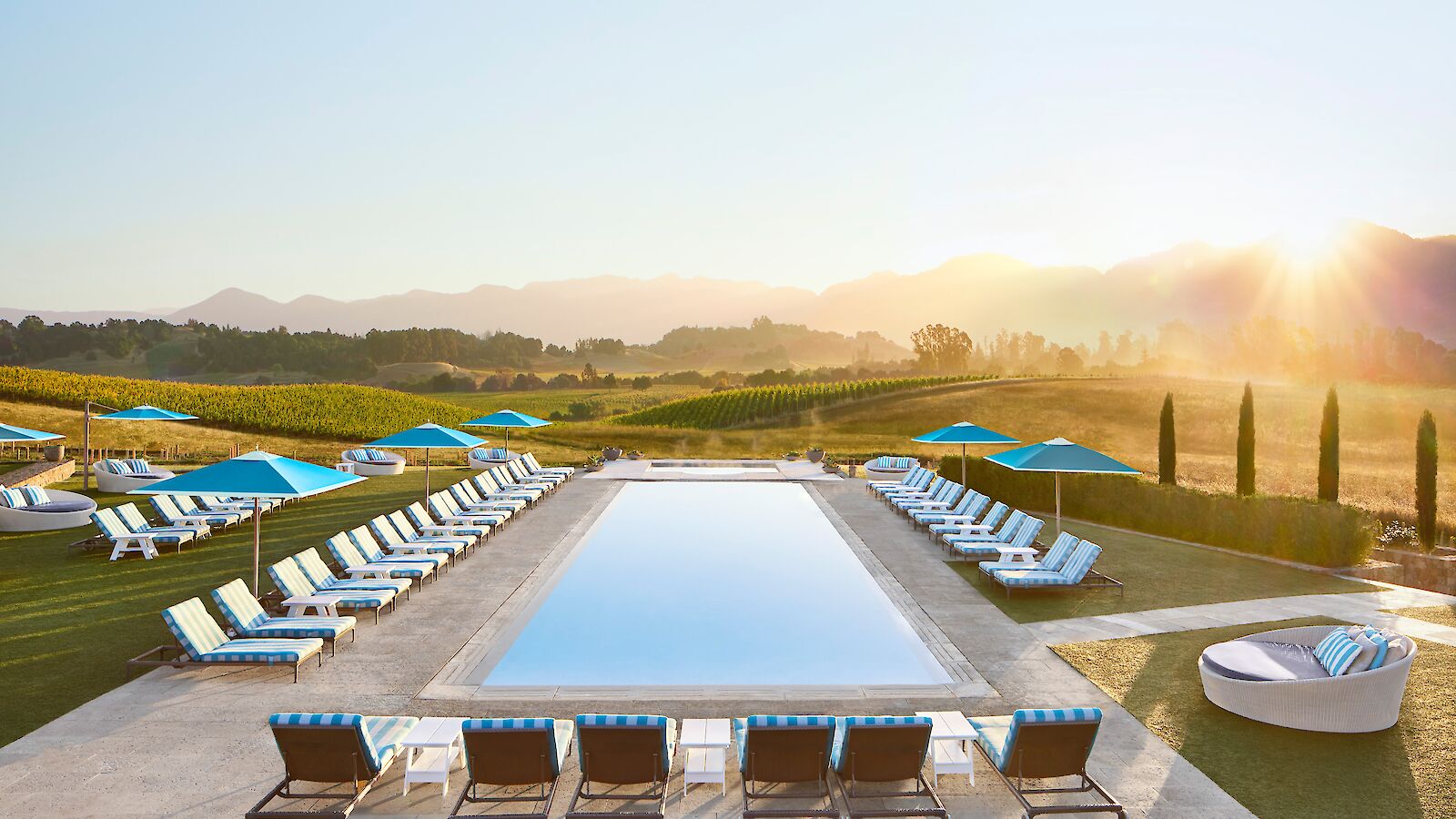
Arriving at Donum, the first thing that registers is scale, not architectural grandeur, but open land. The estate's sculpture collection is distributed across the property in a way that makes the vineyard walk itself part of the experience. Works by artists including Ai Weiwei and Keith Haring are positioned in the landscape rather than displayed in a gallery context, which changes how a visitor moves through the property. You are not touring a collection; you are walking a working vineyard that happens to contain significant art. For regulars, this spatial familiarity becomes part of the visit's rhythm, the same path reads differently depending on season, light, and what is happening in the vines.
This approach places Donum in a distinct tier within Napa and Sonoma wine tourism, one that has less in common with the grand-château hospitality model (think the hillside estates of Howell Mountain or the formal cave experiences at properties like Darioush Winery) and more in common with land-focused estates where the viticulture and the visit are structurally inseparable. Compared to urban-adjacent tasting rooms such as Ashes and Diamonds Winery, which emphasize a designed interior atmosphere, Donum keeps the outdoors as the primary frame.
The Wine Program and What Keeps People Returning
Donum's production focuses on Pinot Noir and Chardonnay from estate and farmed sites across Carneros, the Russian River Valley, and Anderson Valley. Each site contributes differently: Carneros clay reads in the wine's structure and tension, while the Russian River sites tend toward a more aromatic, silkier expression. For regulars, the ability to compare single-vineyard bottlings across appellations within a single visit is part of what sustains engagement. This is not a property where the house blend is the main event; the single-vineyard program is where the intellectual case for the estate is made.
The Chardonnay program deserves equal attention. California Chardonnay at this tier has moved decisively away from the over-oaked, high-alcohol style that dominated the 1990s and early 2000s. Donum's Carneros-grown Chardonnay participates in that shift, operating closer to the restraint-led approach you find at Burgundy-influenced producers than to the valley-floor mainstream. For context on where this fits regionally, the Chardonnay program at Artesa Vineyards and Winery, also in Carneros, provides a useful peer comparison, both estates are working with similar raw material and climate, but with different production philosophies.
Visitors who come back across vintages tend to focus on specific vineyard blocks they have tracked over time. The estate's allocation list and mailing list structure means that the most sought-after single-vineyard bottlings are largely pre-sold before they reach the tasting room, a pattern common to production-limited Pinot houses across California, from Accendo Cellars in St. Helena to Adelsheim Vineyard in Newberg. For first-time visitors, this means that building a relationship with the estate over time is the route to accessing the deeper inventory.
How Donum Fits the Wider Napa and Carneros Circuit
Napa's premium identity is still Cabernet-heavy; the valley floor appellations of Rutherford, Oakville, and St. Helena remain the dominant commercial and critical reference points. Carneros operates as a cooler-climate counterpoint, producing wines that appeal to a different palate, one oriented toward freshness, structural precision, and food compatibility rather than sheer concentration. Donum's position within that counterpoint is at the more serious, allocation-driven end, alongside estates that treat each vineyard block as a separate argument rather than a component in a blended house style.
For visitors building a multi-property Carneros or Napa itinerary, Donum pairs well with estates that also foreground land and viticulture over hospitality spectacle. Blackbird Vineyards, with its Bordeaux-varietal focus on the Napa side, and Clos Selene Winery offer different appellation contexts but a comparable level of production seriousness. Further afield, the land-focused ethos that Donum embodies has parallels at Alban Vineyards in Arroyo Grande and Adelaida Vineyards in Paso Robles, where site specificity is also the primary editorial argument.
Planning the Visit
Donum operates on an appointment-only basis. The estate is located in Carneros, south of Sonoma. The sculpture walk requires comfortable footwear. Pricing sits at the highest tier. For context on what the wider California premium Pinot circuit looks like, Alpha Omega Winery in Rutherford and Alexander Valley Vineyards in Geyserville represent adjacent points on the regional map, though their varietal and stylistic focus differs from Donum's Pinot-led program.
Comparable Spots, Quickly
Comparable venues nearby, for context on price, style, and recognition.
| Venue | Cuisine | Price | Awards | Notes |
|---|---|---|---|---|
| The Donum estateThis venue — the venue you are viewing | Pinot Noir, Chardonnay | $$$$ | , | |
| Macdonald | Cabernet Sauvignon, Cabernet Franc | $$$$ | 1 recognition | Oakville |
| Darioush Winery | Cabernet Sauvignon, Chardonnay | $$$$ | 1 recognition | Napa |
| Donum Estate | Pinot Noir, Chardonnay | $$$$ | , | Carneros |
| Lail Vineyards | Cabernet Sauvignon, Sauvignon Blanc | $$$$ | 1 recognition | Yountville |
| The Mascot | Cabernet Sauvignon, Merlot | $$$$ | 1 recognition | Napa Valley |
Continue exploring
More in Napa
Wineries in Napa
Browse all →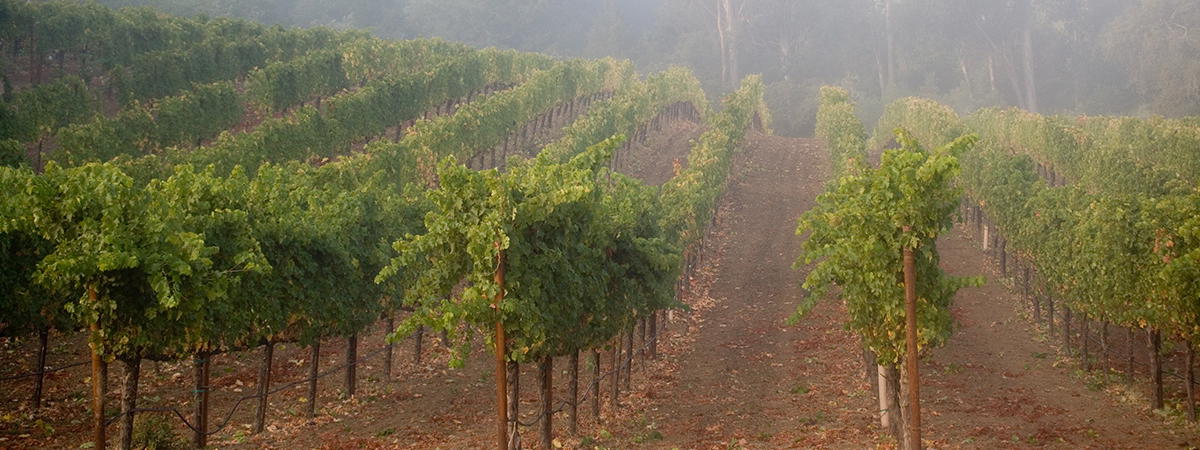
Bars in Napa
Browse all →
Restaurants in Napa
Browse all →
At a Glance
- Elegant
- Scenic
- Sophisticated
- Rustic
- Romantic Getaway
- Special Occasion
- Wine Education
- Vineyard Tour
- Estate Grounds
- Panoramic View
- Private Tasting
- Organic
- Vineyard
- Mountain
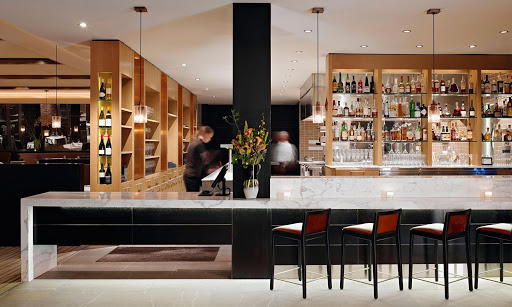
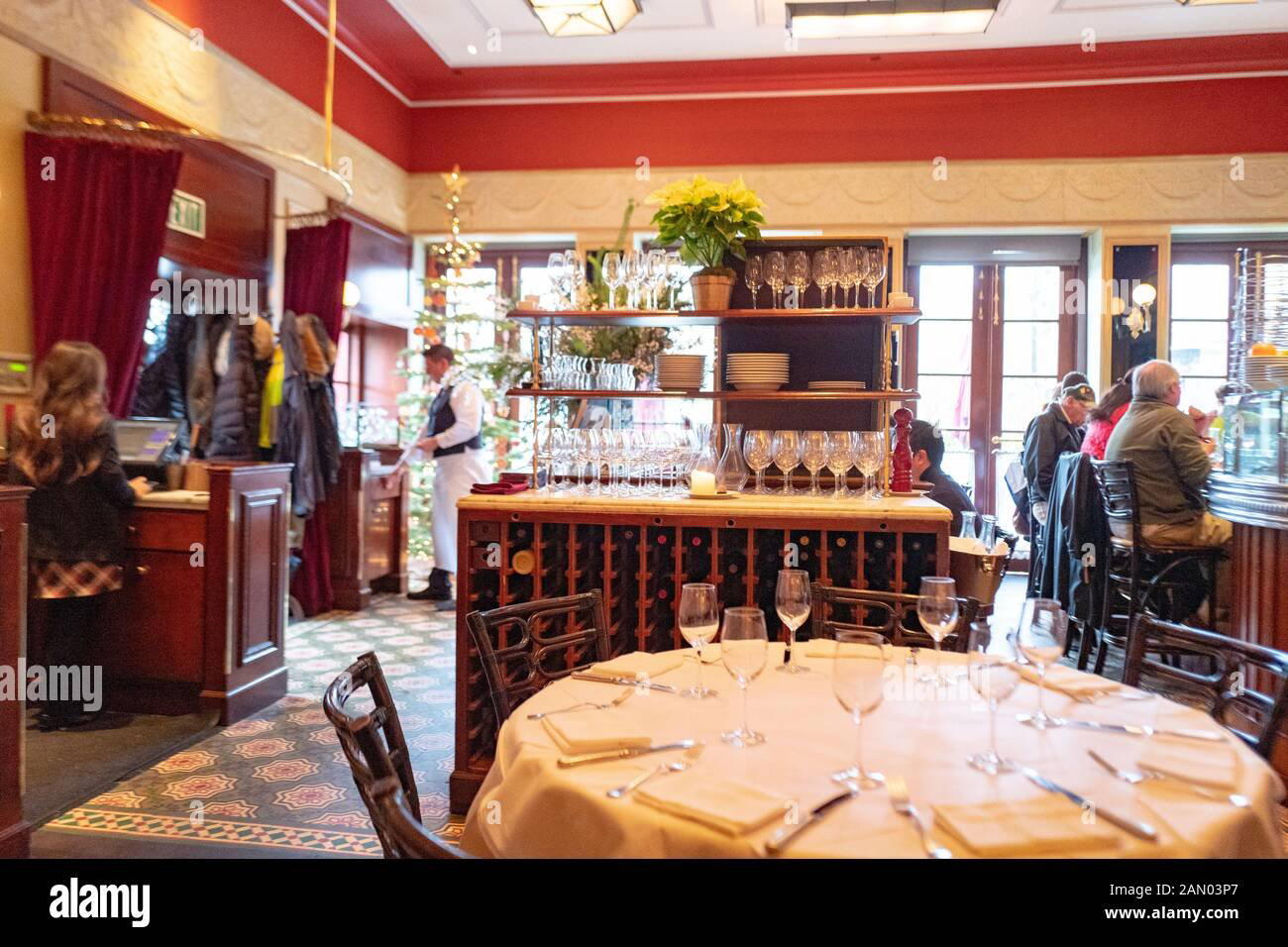
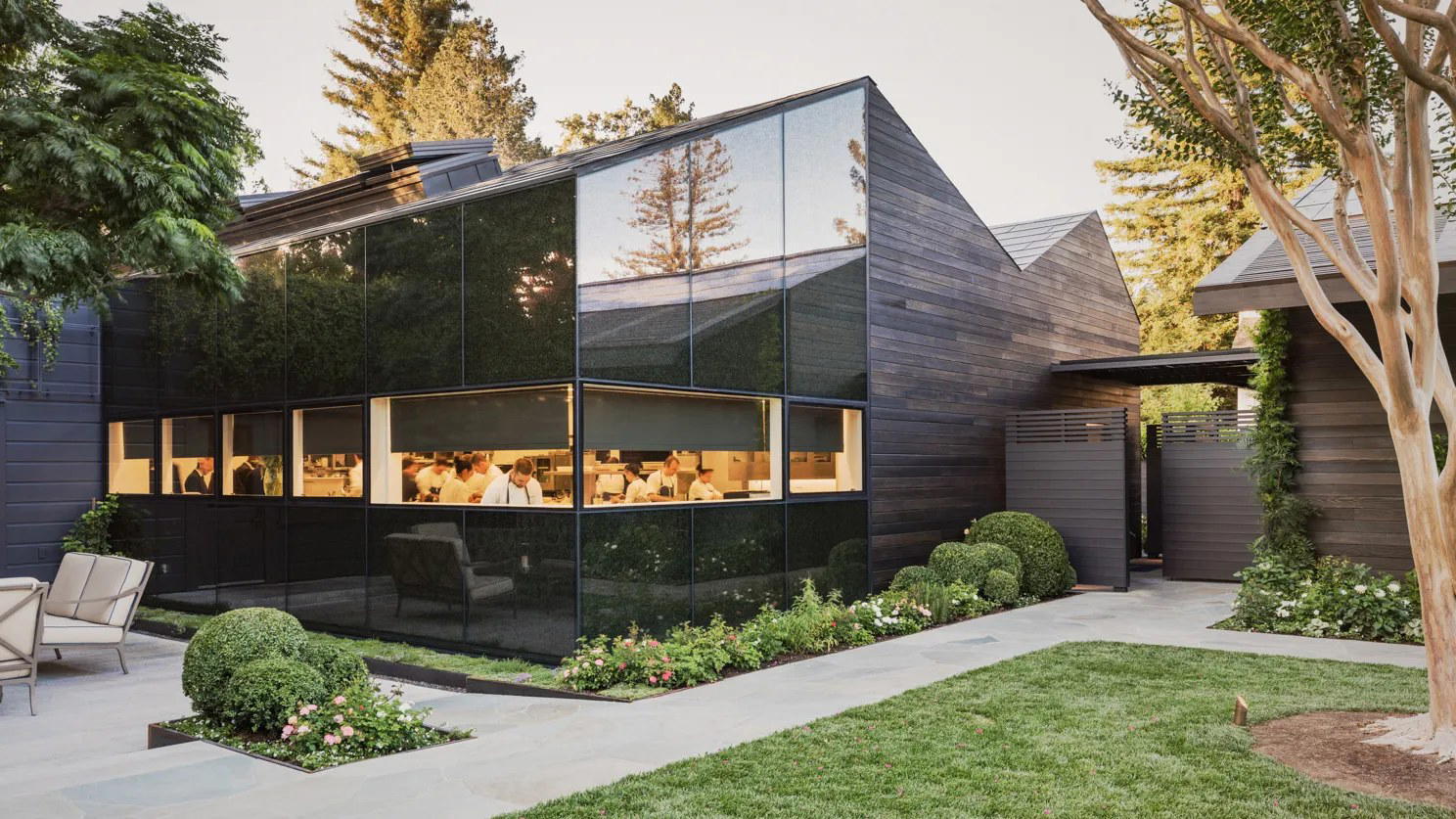
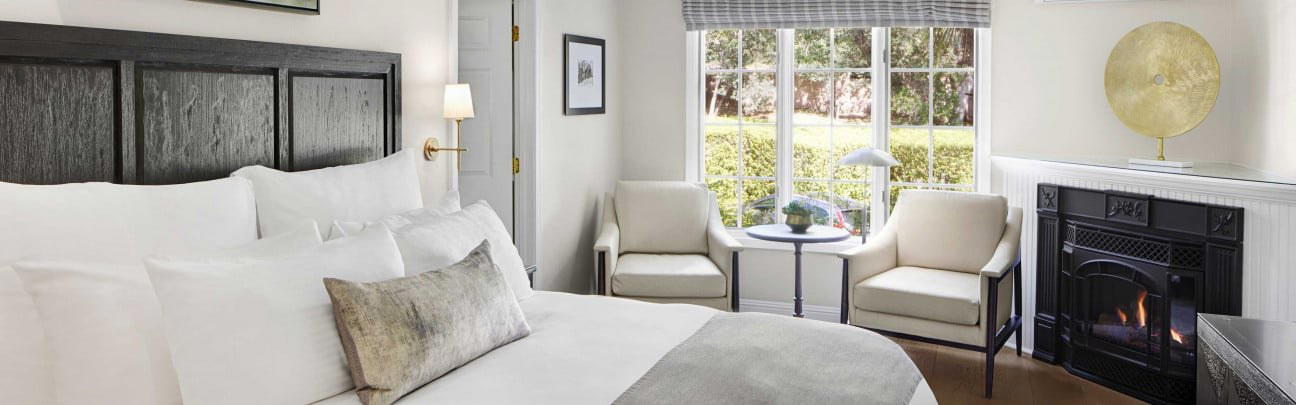
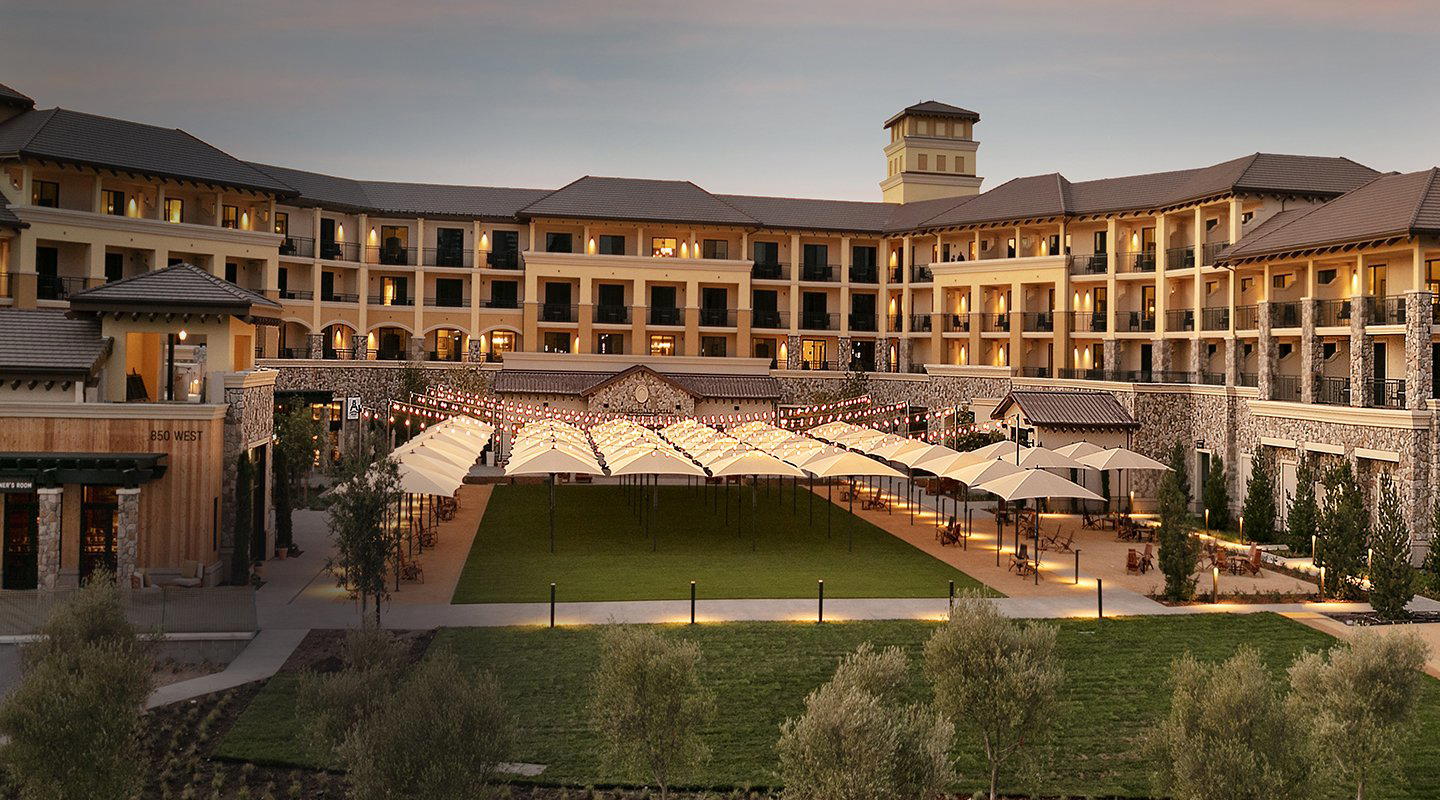
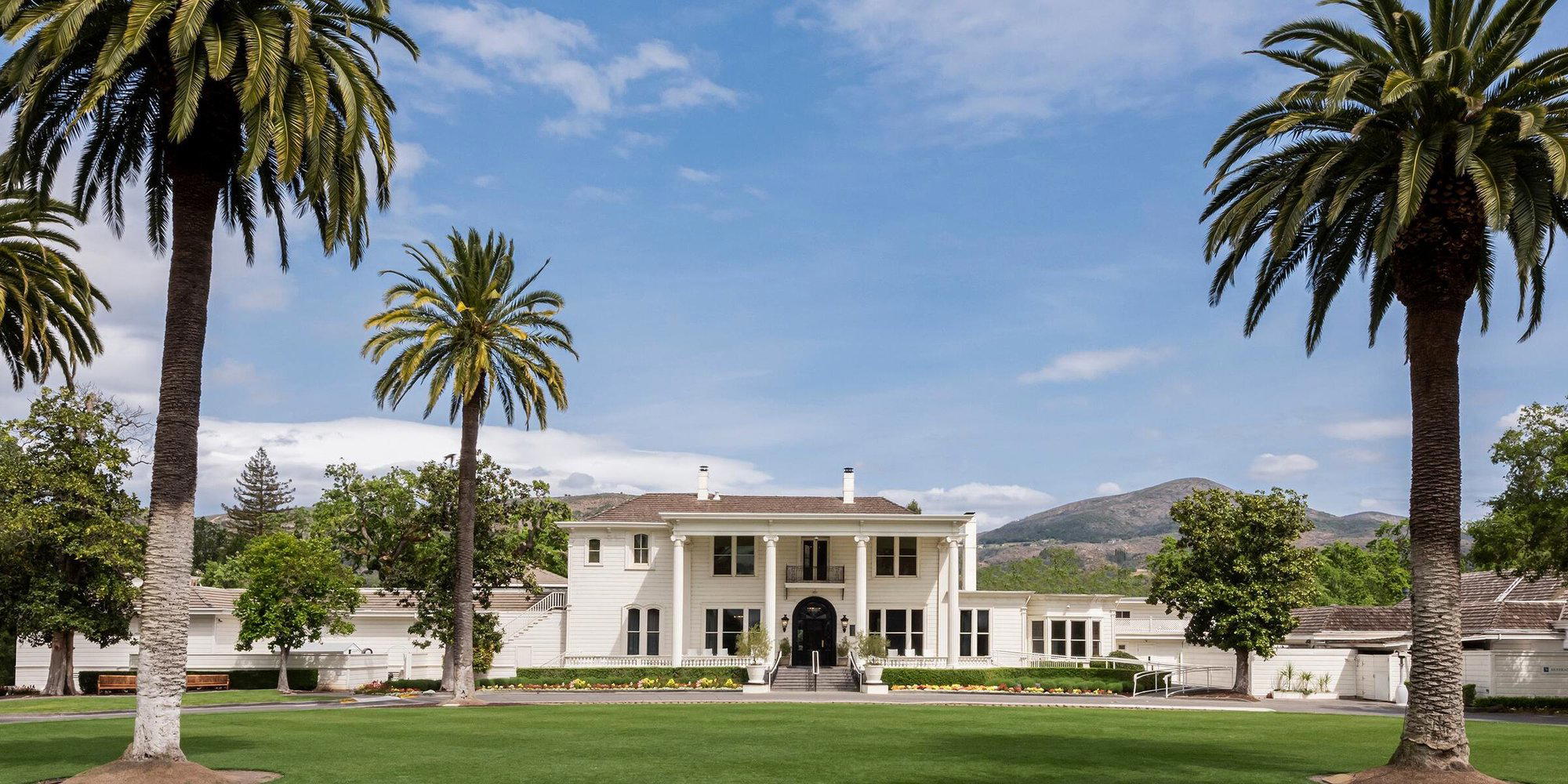
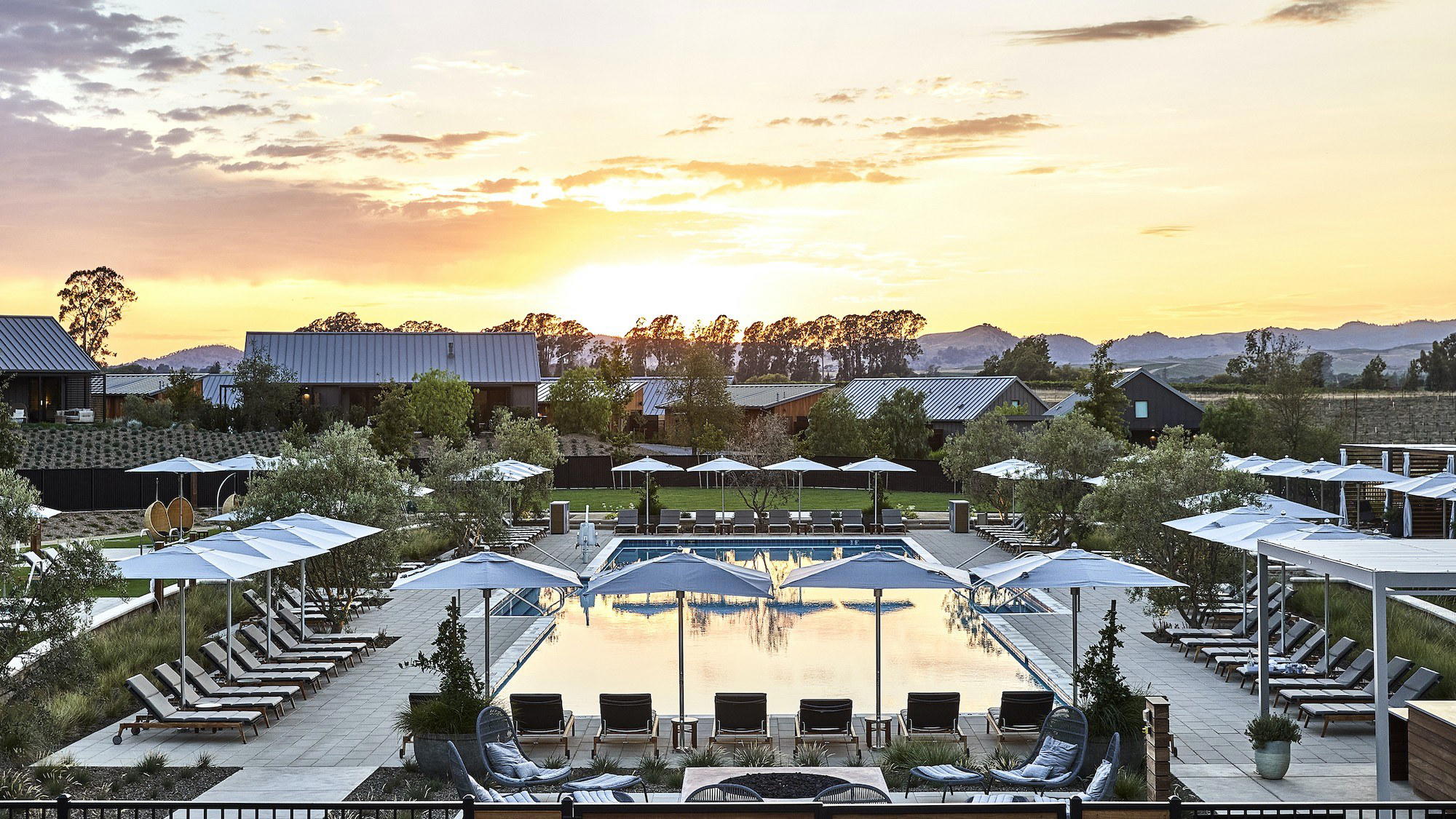
Refined yet relaxed atmosphere in architecturally designed tasting rooms overlooking rolling hills and San Pablo Bay, enhanced by natural light and contemporary art.