Argentaia

Falstaff Winery - Listed
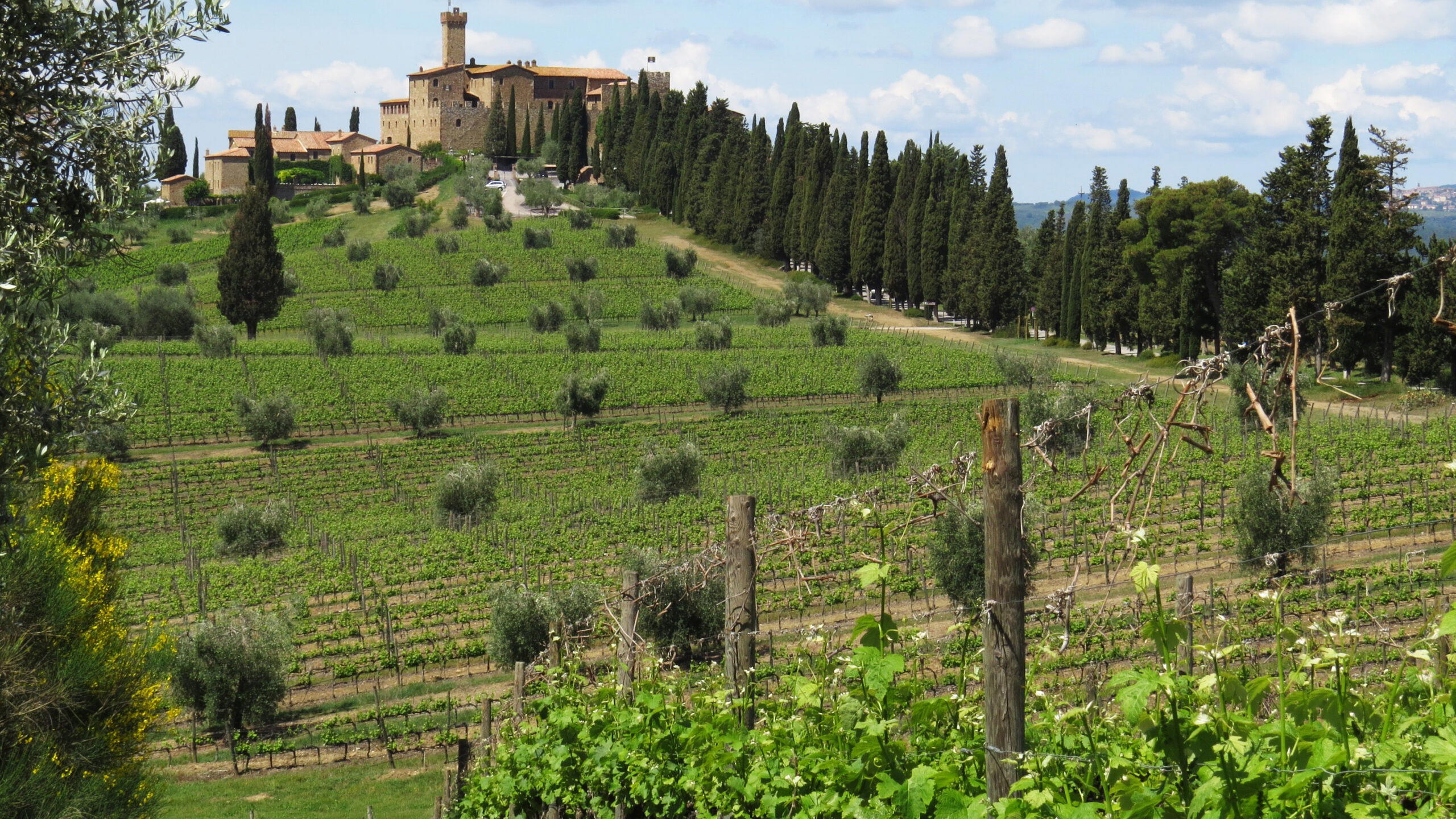
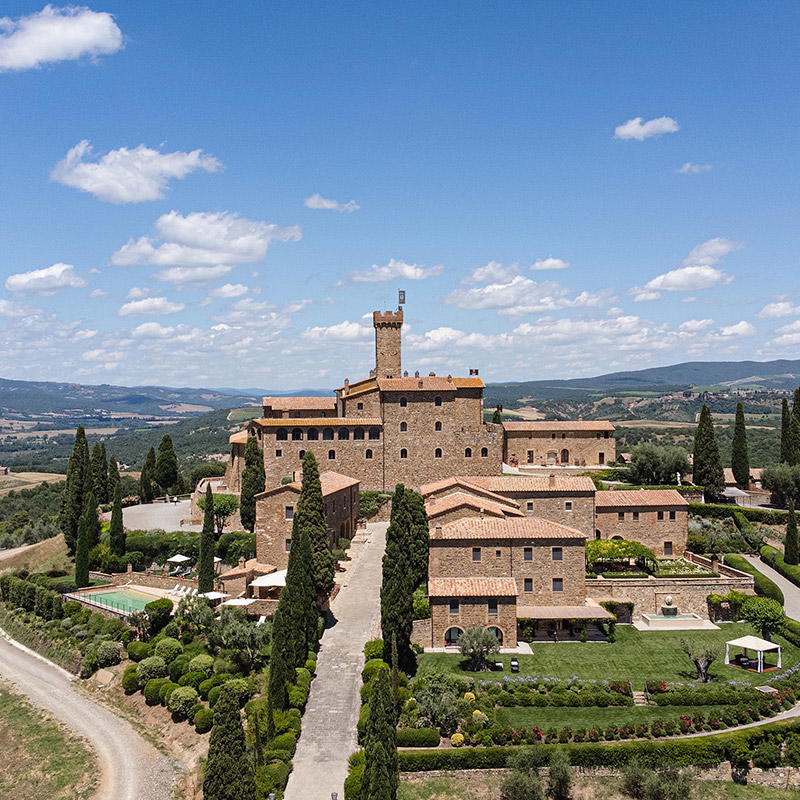
Argentaia brings Maremma’s wine-country turn toward private, design-led estates into sharp focus: a former 12th-century monastic site recast as a hilltop castle property with vineyards, olive groves, art, and sea-facing countryside views. The draw is not volume tourism but a quiet, terroir-led format built around estate reds, sustainable farming, and the slow architecture of southern Tuscany.

Pearl is the En Primeur Club membership app — saves, bookings, and concierge access live there. Same editors, same standards.
- Address
- Magliano in Toscana, Tuscany, Italien
- Directions
- Get directions
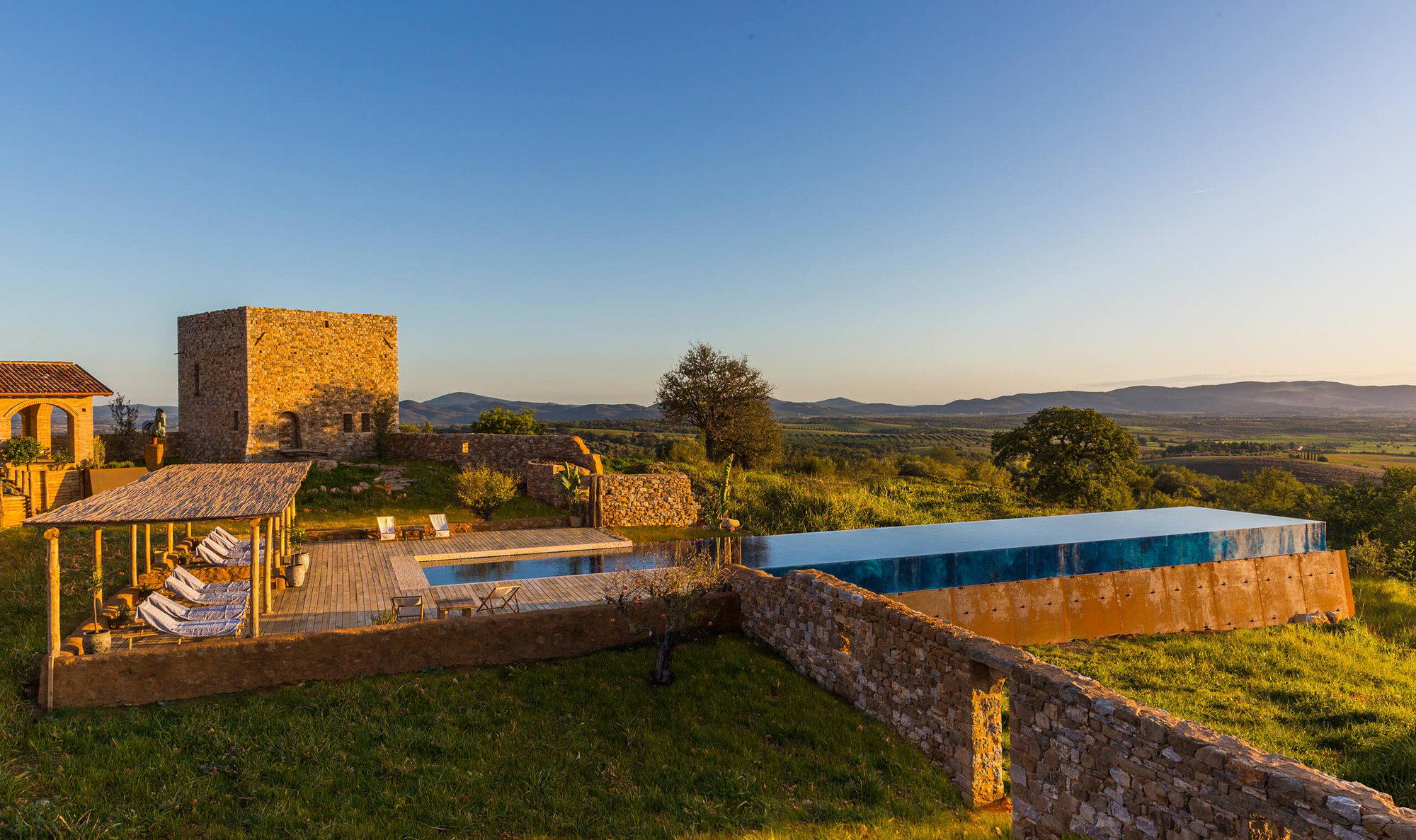
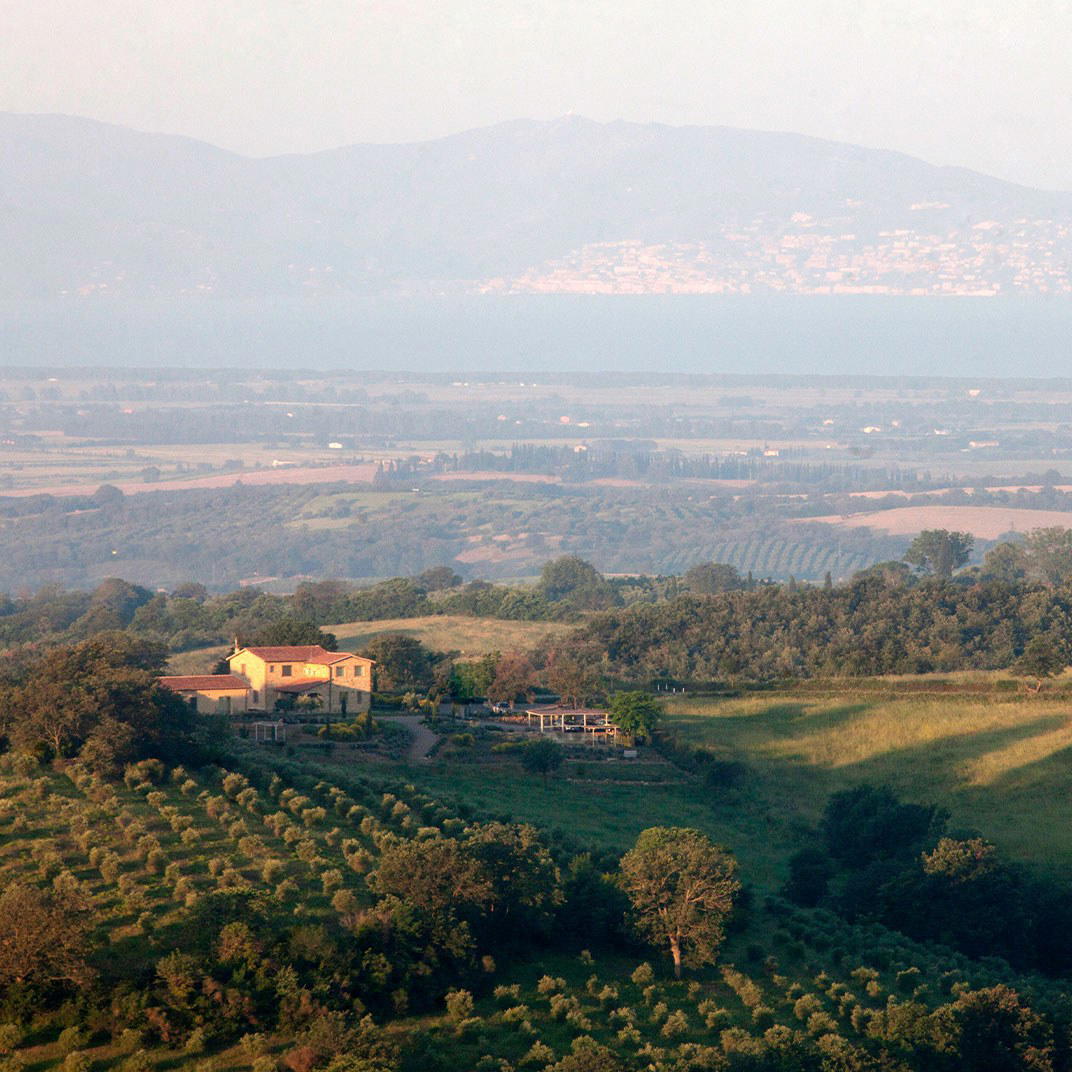
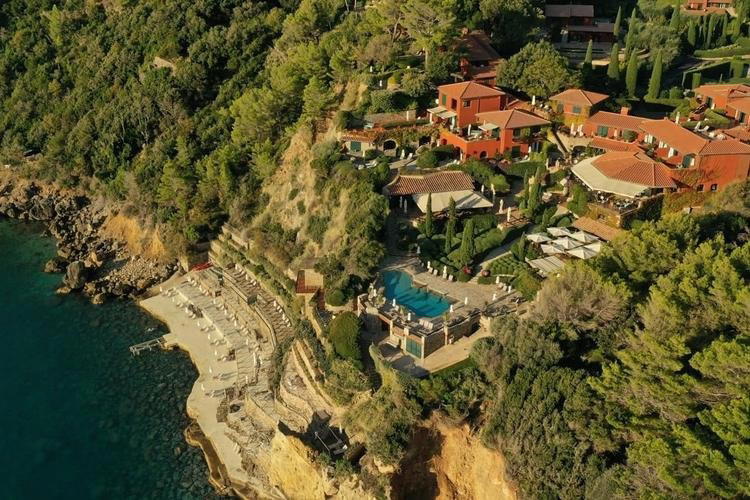
The approach to Maremma wine country is less polished than central Tuscany’s postcard circuit, which is part of its force. Hills run toward the Argentario coast, olive groves break the vineyards, and medieval stone villages rise above land shaped by grazing, forest, and vine rows. Argentaia belongs to this lower, wilder register of Tuscan wine travel: a hilltop estate in Magliano in Toscana, built on the remains of a 12th-century monastery and framed by wide views over vineyards, countryside, and sea.
That setting matters because Maremma does not sell itself through one grape or visual cliché. Its modern wine identity sits between coastal brightness, inland heat, clay and stone soils, and a long agricultural culture of olives, woodland, and pasture. Here, the estate format is the argument. Eighty hectares of vineyards, olive groves, forest, and grazing land give the visit a broader agricultural frame than a cellar door built only for tastings.
A monastic hilltop estate in a region defined by land, not spectacle
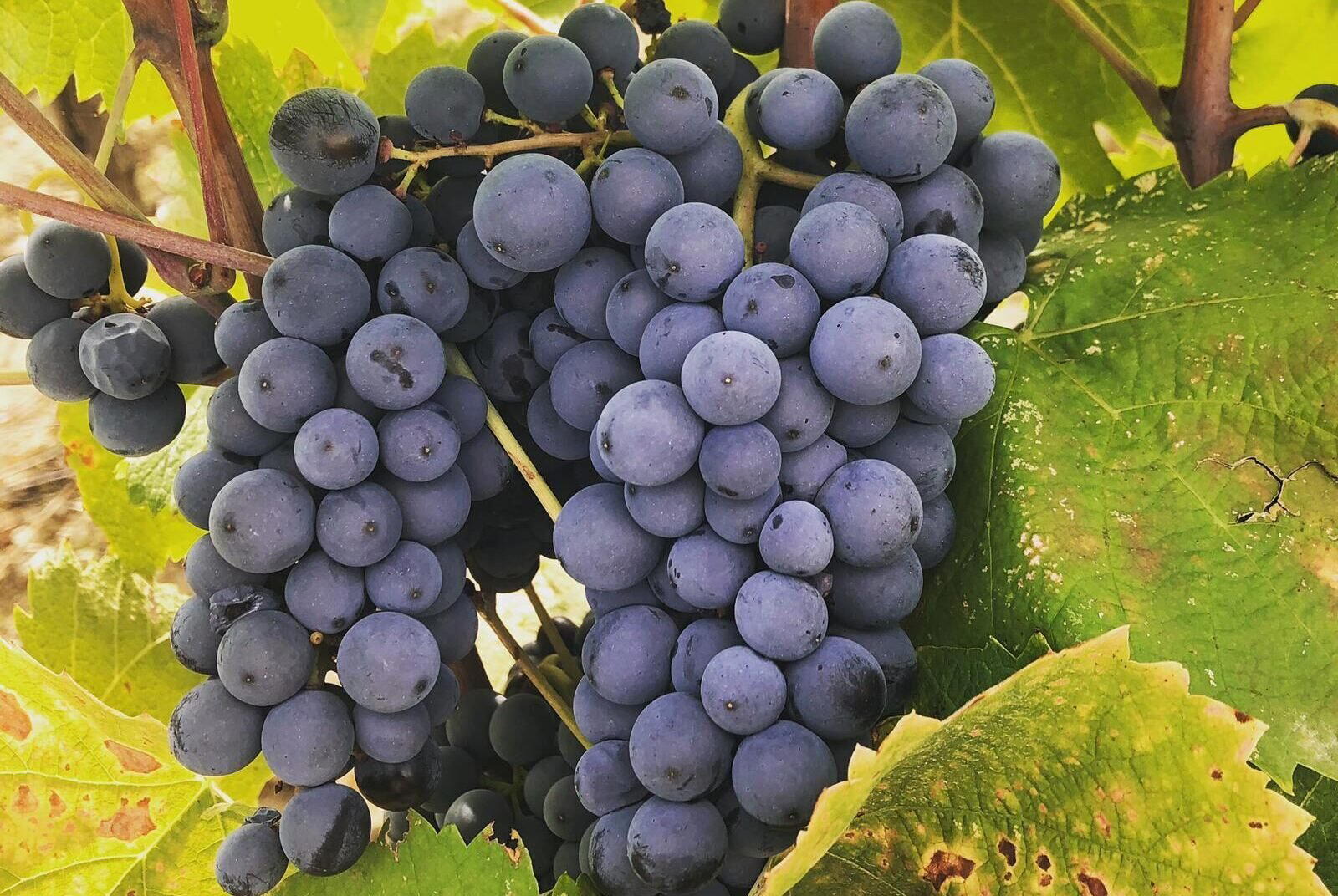
Maremma Toscana DOC has become one of Tuscany’s more flexible premium appellation zones, with producers working across native and Bordeaux varieties rather than tying prestige to one formula. Argentaia’s planted language follows that mixed grammar: Cabernet Sauvignon, Cabernet Franc, Merlot, and Sangiovese sit inside the estate’s wine focus, placing it in the part of Maremma that treats red wine as a conversation between Tuscan structure and coastal ripeness.
The stronger editorial point is the land around the glass. Many Tuscan wine visits compress place into a tasting room; this format keeps the agricultural estate visible. Vineyards, olive groves, woods, and grazing land are not decorative backdrops but the context for why Maremma feels different from Chianti Classico or Bolgheri. The sea is close enough to shape the imagination, while the hilltop position ties the estate to older inland settlement patterns.
The restoration also changes the register. A former monastery carries different emotional weight from a newly built hospitality room, especially where religious, agricultural, and feudal architecture share ridgelines. Contemporary Italian design and large-scale artworks by Matteo Pugliese, Matteo Lucca, Pixel Pancho, and Gustavo Aceves bring a modern collector’s eye into the old stone setting. That combination can become theatrical; here, the convincing reading is quieter. The building gives scale, the art gives interruption, and the vineyards keep the experience from drifting into pure design tourism.
For travellers mapping the local wine scene, the surrounding Magliano in Toscana circuit is best treated as a cluster rather than a single stop. Nearby reference points include Azienda Agricola Col di Bacche, Bragaglia, Fattoria di Magliano, Mantellassi, and Poggio al Lupo. The useful contrast is not ranking, but the range of ways Maremma estates interpret the same sun, coast, and inland hills.
Red wine, olive oil, and the boutique estate model
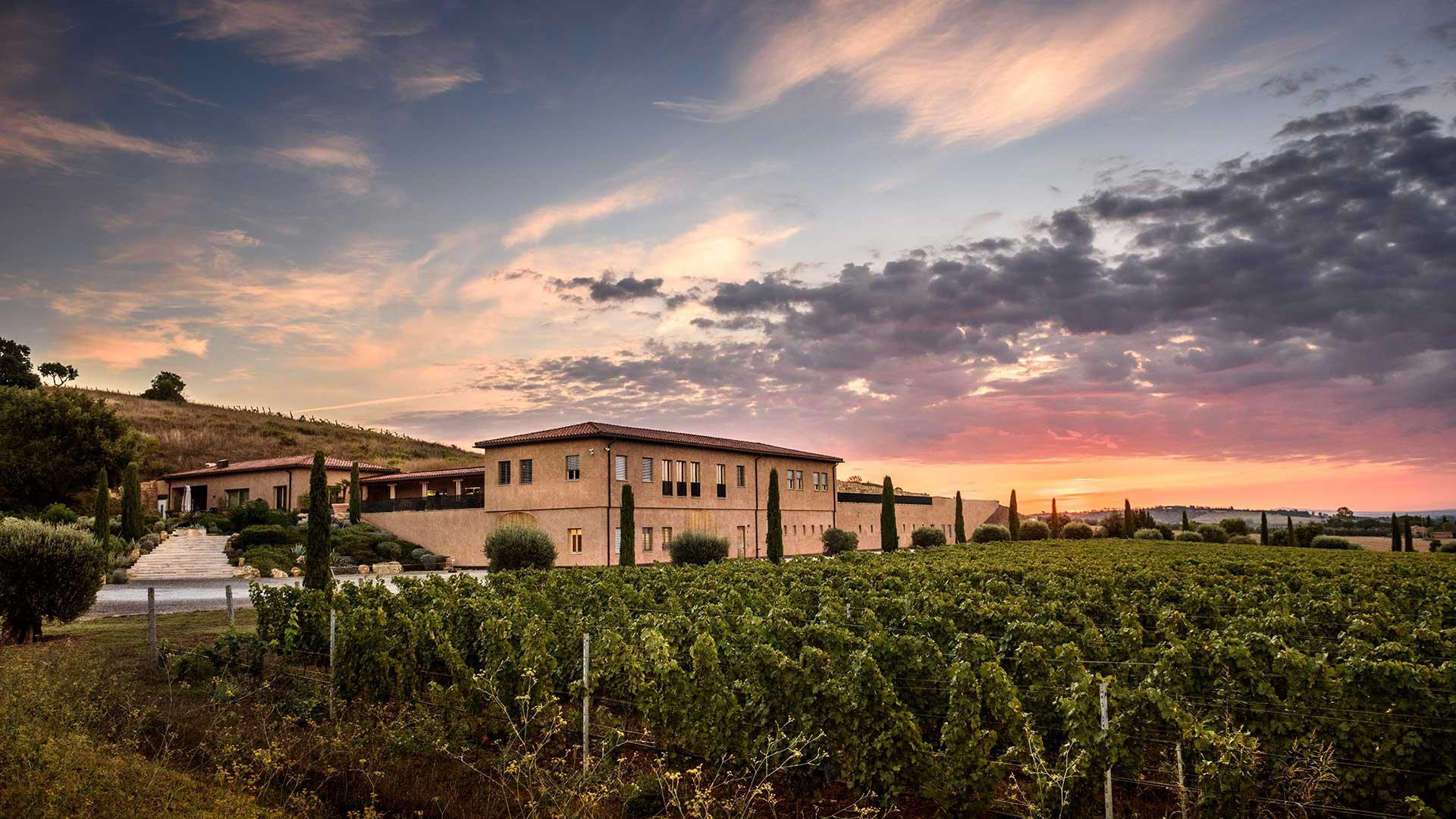
The estate’s scale is boutique and land-based, with wine and olive oil tied to the same agricultural footprint. That matters in Maremma because olive oil is not a side note to the wine story; it is part of the region’s older farming logic. A visit that includes vineyards, cellar spaces, and olive groves gives a clearer reading of local terroir than a tasting flight detached from the surrounding land.
Sustainability is part of the estate’s stated production philosophy, and in this region that claim has practical meaning when tied to soil preservation and mixed land use. Maremma’s appeal has often rested on openness: fewer stone-walled hierarchies than older Tuscan wine zones, more room for experimentation, and a landscape where forest and agriculture remain visibly interlaced. Cabernet Sauvignon and Merlot can gain generosity here, Cabernet Franc can bring herbal line and tension, and Sangiovese anchors the blend language back to Tuscany. The point is not to force a single house style from varieties, but to understand why the zone has become a laboratory for coastal Tuscan reds.
The tasting formats are private seated tastings, estate tours, and cellar tastings, placing the experience at the low-capacity end of wine tourism. That suits the property. A vaulted cellar in a restored medieval estate asks for slower pacing than a high-traffic tasting bar, and the quiet setting reinforces the region’s less urban, less performative side. This is the kind of Maremma visit where architecture, agricultural scale, and bottle are read together.
Travellers building a broader itinerary can use the full Magliano In Toscana wineries guide for the local wine map, then branch into the Magliano In Toscana restaurants guide, the hotels guide, the bars guide, and the experiences guide. The city is small enough that wine remains the organizing principle, but stronger trips pair cellar time with village meals, slow lodging, and countryside hours rather than treating the region as a quick detour.
Who this estate suits
Argentaia is built for travellers who want the estate itself to be part of the wine argument. The atmosphere is quiet, scenic, and formal enough for special occasions, yet grounded by rustic materials, working land, and Maremma’s agricultural scale. Groups and families are part of the occasion mix, but the strongest use case is a private, slow-paced wine-country stop where views, cellar, olive groves, and historic architecture carry equal weight.
It is less suited to travellers chasing a fast tasting counter or a dense day of multiple appointments. The better approach is to give the hilltop setting time to register, then read the wines through the estate’s position between inland Tuscany and the Argentario coast. In a region often overshadowed by better-known Tuscan names, Maremma rewards that slower attention.
For readers comparing estate-led wine experiences beyond Tuscany, the wider EP Club winery archive also includes producers such as 3GP SRL in Treviso, 47 Anno Domini in Trebaseleghe, A Mano Wine in Noci, »der Steiner« Hans Steiner in Podersdorf am See, and & Handwein in Mannheim. Those links are useful for scale and format comparisons, but the Maremma case remains specific: coastal Tuscan reds, olive groves, medieval stone, and a hilltop estate where terroir is experienced as a full landscape rather than a tasting note.
Recognition history
Dated appearances from independent guides and award organizations, with the underlying list record or original source where available.
Falstaff Winery - Listed
Falstaff
Continue exploring
More in Magliano In Toscana
Wineries in Magliano In Toscana
Browse all →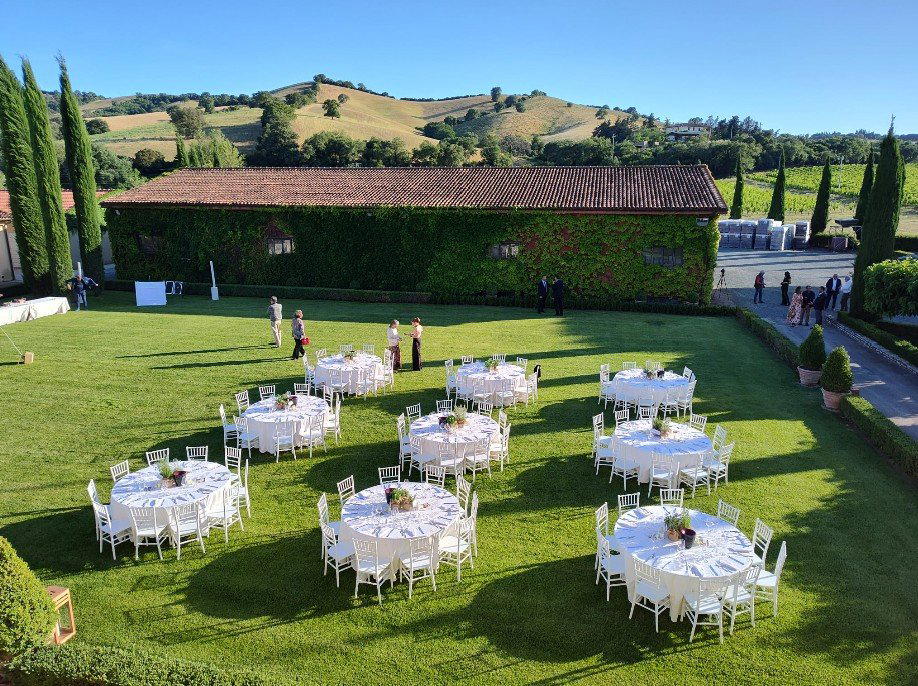
Bars in Magliano In Toscana
Browse all →
Restaurants in Magliano In Toscana
Browse all →
Details
- Romantic
- Scenic
- Elegant
- Rustic
- Sophisticated
- Ornate
- Romantic Getaway
- Special Occasion
- Group Outing
- Family
- Corporate Event
- Celebration
- Estate Grounds
- Panoramic View
- Historic Building
- Design Destination
- Private Tasting
- Terrace
- Sustainable
- Vineyard
- Garden
- Mountain
- Waterfront
- Cabernet Sauvignon
- Cabernet Franc
- Merlot
- Sangiovese
- Still Red
- Still White
- Still Rosé
- Private Seated Tasting
- Estate Tour
- Cellar Tasting
- Italian
- English
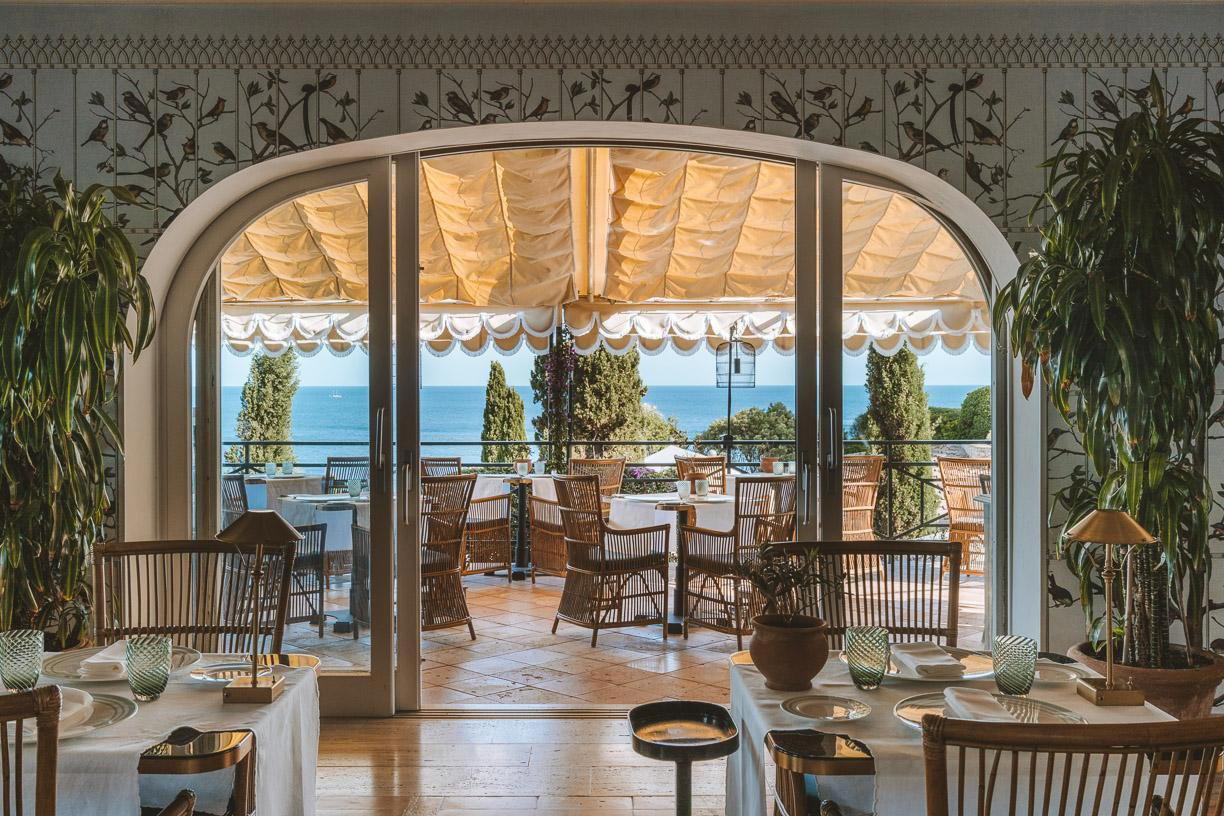
Ultra-luxury yet tranquil castle-like estate where a restored medieval monastery, contemporary Italian design, major contemporary artworks, and expansive views over vineyards and hills create a serene, contemplative and ornate atmosphere.