

Michelin Plate · World's Best Steaks Europe's 50 Best #2
Our verdict
Family-run on Piazza Vittorio Veneto in Saturnia since 1976, I Due Cippi dal 1976 is a meats-and-grills dining room where aged meat is cooked at the fireplace, Chianina takes center stage, and the menu also includes wagyu and game. Chef Lorenzo Aniello works the grill; Alessandro guides pairings from a list of more than a thousand Italian and international wines. Outdoor seating is available in the warmer months, and the price tier is €€€€.

Pearl is the En Primeur Club membership app — saves, bookings, and concierge access live there. Same editors, same standards.
- Address
- Piazza Vittorio Veneto, 26A, 58014 Saturnia GR, Italy
- Phone
- +39 0564 601074
- Hours
- Mon–Sat 7:30–10:30 PMSun Closed
- Website
- iduecippi.com
- Directions
- Get directions
The menu
What to order
- Chianina steak tartare with barbecued cuttlefish and caviar
- Chianina grilled steak
- Pigeon starter
- Hot apple pie with vanilla ice cream
- Pappardelle
Fire, stone, and a Maremma grill
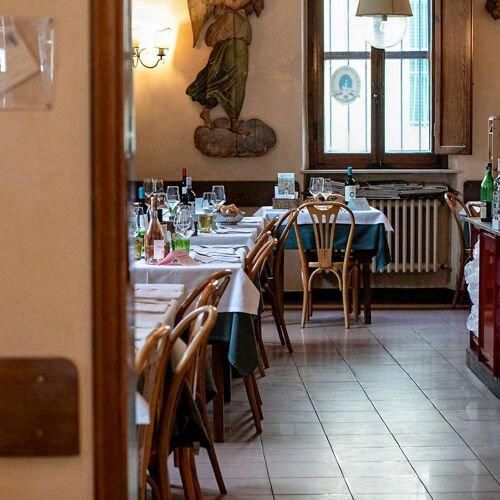
I Due Cippi dal 1976 sits on Piazza Vittorio Veneto in Saturnia, a family dining room that has been a Maremma reference point since the 1970s. The rooms are wide and elegant, warmed by the fireplaces that dominate the space, with exposed beams and a restored brick vault. A brazier and chef in view set the pace: Lorenzo Aniello treats the grill as a ritual, from choosing cuts to tending the fire.
Chianina, wagyu, and game
Aged meat is cooked beside a crackling fireplace. Chianina takes center stage, with wagyu from leading regions and sustainable farms and a menu that also extends to game. The kitchen joins typical Maremma and Tuscan dishes with more contemporary plates, following the seasons and putting local produce first rather than a fixed list of named signatures.
The room and the wine
Alessandro meets guests each evening and guides pairings from more than a thousand Italian and international labels, growing out of the family’s small enoteca. Service is family-run, attentive, and unobtrusive. In the warmer months there is outdoor seating and a terrace on the piazza. Pets are allowed throughout, and tables are booked directly with the restaurant.
The price tier is €€€€. For more on the town, see our full Saturnia experiences guide. Related EP Club pages include Enoteca Pinchiorri, Osteria Francescana, Le Calandre in Rubano, Damini Macelleria & Affini in Arzignano, Carcasse in Sint-Idesbald, Atelier Moessmer Norbert Niederkofler in Brunico, Dal Pescatore in Runate, Enrico Bartolini in Milan, Piazza Duomo in Alba, Quattro Passi in Marina del Cantone, Reale in Castel di Sangro, Uliassi in Senigallia, and Casa Perbellini 12 Apostoli in Verona.
Frequently asked questions
How do I book a table at I Due Cippi dal 1976?
Book directly with the restaurant; it manages its own reservations.
What's the vibe at I Due Cippi dal 1976?
Firelit dining rooms, restored beams and brick vault, and family hospitality that stays close without crowding the table. Alessandro handles the wine, and in warmer months the terrace on Piazza Vittorio Veneto opens the room to the square.
What should I order at I Due Cippi dal 1976?
Start with the grill: Chianina is the center of the meat program, with wagyu and game also on the menu. Let Alessandro steer the pairing from the large Italian and international list, and follow the seasonal Maremma cooking rather than chasing a fixed signature plate.
What type of food is I Due Cippi dal 1976 known for?
I Due Cippi dal 1976 is a meats-and-grills restaurant: aged meat is cooked at the fireplace, Chianina takes center stage, and the kitchen joins typical Maremma and Tuscan dishes with more contemporary plates.
What's the price range at I Due Cippi dal 1976?
Pricing is €€€€.
In Context: Similar Options
Comparable venues for quick context.
| Venue | Cuisine | Price | Awards | Notes |
|---|---|---|---|---|
| I Due Cippi dal 1976This venue — the venue you are viewing | Tuscan Grilled Meats & Fine Dining | $150–200 | Michelin Plate · World's Best Steaks Europe's 50 Best #2 | Not listed |
| Atelier Moessmer Norbert Niederkofler | Not listed | Not listed | Michelin 3 Star | Related EP Club listing |
| Dal Pescatore | Not listed | Not listed | Michelin 3 Star | Related EP Club listing |
| Enoteca Pinchiorri | Contemporary Italian Fine Dining | $200–300 | 3 Michelin Stars · World's 50 Best #32 | Related EP Club listing |
| Enrico Bartolini | Not listed | Not listed | Michelin 3 Star | Related EP Club listing |
| Osteria Francescana | Avant-Garde Italian Contemporary | $300–500 | 3 Michelin Stars · World's 50 Best #1 | Related EP Club listing |
Recognition history
Dated appearances from independent guides and award organizations, with the underlying list record or original source where available.
Michelin Plate
Michelin
World's Best Steaks Europe's 50 Best Steak Restaurants #2 · No. 2
World's Best Steaks · Europe's 50 Best Steak Restaurants 2026
Full recognition history (6 entries)
World's Best Steaks 101 Best Steak Restaurants #4
World's Best Steaks
Michelin Plate
Michelin
World's Best Steaks 101 Best Steak Restaurants #4
World's Best Steaks
Michelin Plate
Michelin
Continue exploring
More in Saturnia
Restaurants in Saturnia
Browse all →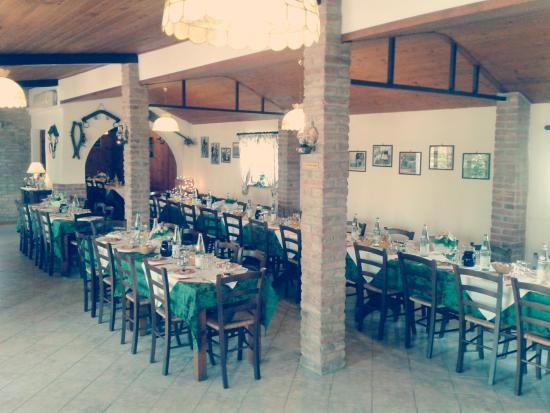
Bars in Saturnia
Browse all →
Hotels in Saturnia
Browse all →
Details
- Elegant
- Romantic
- Sophisticated
- Rustic
- Date Night
- Special Occasion
- Celebration
- Group Dining
- Open Kitchen
- Wine Cellar
- Private Dining
- Historic Building
- Standalone
- Extensive Wine List
- Sommelier Led
- Local Sourcing
- A La Carte
- Prix Fixe
- Wine
Current opening hours
- Monday
- 7:30–10:30 PM
- Tuesday
- 7:30–10:30 PM
- Wednesday
- 7:30–10:30 PM
- Thursday
- 7:30–10:30 PM
- Friday
- 7:30–10:30 PM
- Saturday
- 7:30–10:30 PM
- Sunday
- Closed
Hours can change for holidays and private events. Last verified .
Warm, intimate atmosphere with rustic-chic elegance featuring visible wine cellars, meat refrigeration displays, and an open brazier creating a theatrical dining experience.