Bar il Falconiere
Bar il Falconiere sits at Località Terme, 1 in San Casciano dei Bagni, a Tuscan spa town where evening drinking is shaped less by big-city spectacle than by thermal-water rituals, hotel bars, and slow countryside pacing. With no published awards, chef details, price range, or drinks list in the record, it is better read as a setting-led bar choice than a trophy cocktail counter.
Pearl is the En Primeur Club membership app — saves, bookings, and concierge access live there. Same editors, same standards.
- Address
- Località Terme, 1, 53040 San Casciano dei Bagni SI, Italy
- Phone
- +39 0578 57241
- Website
- fonteverdespa.com
- Directions
- Get directions
 Saves & bookings on Pearl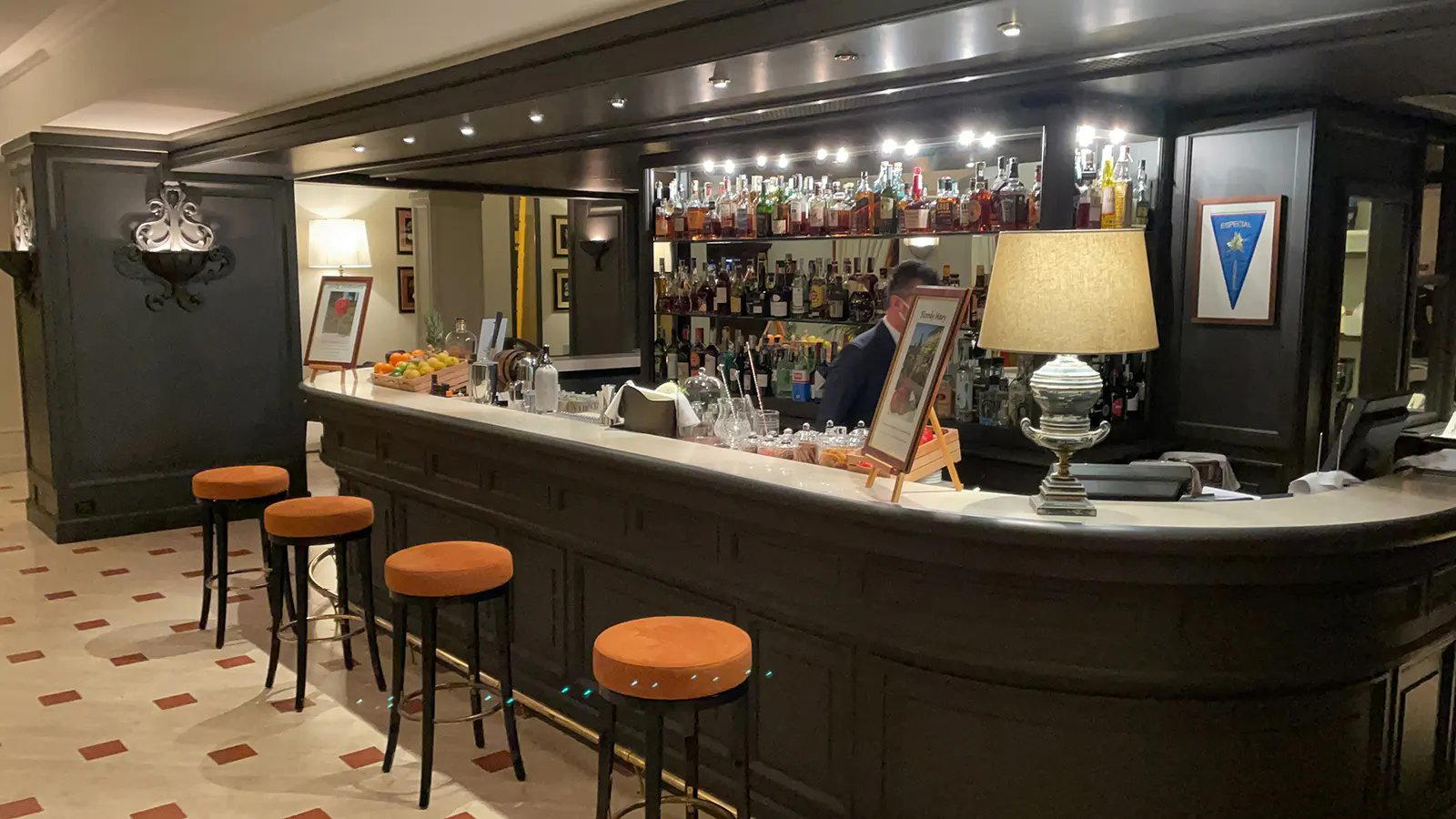
Thermal-town drinking, not metropolitan theatre
Approaching a bar in San Casciano dei Bagni is different from approaching one in Rome, Milan, or Naples. The town sits in southern Tuscany, close to a long tradition of thermal bathing, rural hospitality, and slow evening movement rather than late-night urban bar-hopping. Bar il Falconiere is listed at Località Terme, 1, an address that places it inside that spa-town rhythm: arrivals are likely to be shaped by the day’s baths, hotel schedules, countryside drives, and dinner plans rather than by a queue outside a street-facing cocktail door.
That context matters because Italian cocktail culture is not one scene. In the large cities, the conversation often turns on technical menus, international rankings, guest shifts, and the theatre of the counter. In smaller Tuscan spa towns, the bar has another job: it extends the day, gives structure to the hour before dinner, and lets visitors move from thermal water to aperitivo without changing tempo. Bar il Falconiere belongs to this quieter category. The available record does not list awards, price range, bartender, cuisine type, opening hours, phone number, or website, so the responsible reading is contextual rather than claim-heavy: this is a bar to understand through place, not through a published trophy cabinet.
For a broader view of how the town’s drinking options fit around restaurants, hotels, wineries, and cultural stops, compare it with Our full San Casciano dei Bagni bars guide, then widen the lens through Our full San Casciano dei Bagni restaurants guide, Our full San Casciano dei Bagni hotels guide, Our full San Casciano dei Bagni wineries guide, and Our full San Casciano dei Bagni experiences guide. In a small destination, the useful question is rarely which venue dominates a category. It is how the bar, table, room, and range of the town work together across a single evening.
The cocktail programme, seen through what is known
That absence should not be disguised with invented Martinis, spritz variations, herbal infusions, or barrel-aged claims. In Italian bar culture, the aperitivo hour often does much of the work before dinner, and in Tuscany it frequently sits beside wine rather than competing with it. A bar in San Casciano dei Bagni therefore occupies a hybrid space: part pre-dinner pause, part hotel-adjacent lounge, part rural meeting point for guests whose days are built around thermal bathing, country roads, and reservations at nearby dining rooms.
There is a useful distinction between a cocktail destination and a cocktail convenience. The first asks the guest to travel for the programme itself, often supported by named bartenders, awards, published menus, and critical recognition. The second becomes valuable because of timing, address, and atmosphere: it solves the pre-dinner hour, offers a civilized place to sit, and keeps the evening local. On the current record, Bar il Falconiere falls into the second reading. That is not a downgrade. In a town of this scale, a bar’s relevance can come from its position in the day rather than from a long list of international credentials.
The comparison is clearest against city bars with strong public identities. Salotto 42 in Rome belongs to a capital-city aperitivo culture shaped by piazza life, fashion traffic, and late dining. Moebius Milano in Milan speaks to a more design-conscious, food-and-drink hybrid model. Gucci Giardino` in Florence sits in a city where luxury retail, museum traffic, and cocktail service overlap. Bar il Falconiere is working in another register: rural Tuscany, thermal-town pacing, and a guest who may be choosing between another glass before dinner and an early night rather than between three cocktail laboratories.
Why San Casciano dei Bagni changes the bar brief
San Casciano dei Bagni is not a city that rewards the same drinking strategy as Milan or Rome. The pleasure of the place depends on timing. Days tend to stretch around bathing, walking, driving, and long meals; evenings are softer and more contained. That changes what a bar needs to be. Speed, spectacle, and an encyclopedic backbar matter less than the ability to hold the hour between late afternoon and dinner without breaking the mood of the town.
Bar il Falconiere’s address at Località Terme, 1 is the one concrete logistical point in the record, and it is meaningful. “Terme” signals proximity to the town’s thermal identity, and that places the venue in a hospitality ecosystem where wellness travel and dining travel intersect. This is a different market from a nightlife district. Guests are not necessarily seeking a high-volume drinking room; they are often seeking continuity after a day structured by water, rest, and rural movement.
The lack of published price range should also shape expectations. Without database pricing, it would be careless to call it expensive, accessible, or mid-range. The safer approach is to treat the visit as part of a premium countryside itinerary where final spend depends on what is ordered and how the venue structures service. Likewise, without listed hours, guests should avoid assuming late-night availability. In small Tuscan towns, especially outside peak summer travel patterns, operating times can be more variable than in major city cocktail bars. The practical move is to confirm directly through current local channels before building an evening around it.
How it compares with Italy's louder cocktail addresses
Italian cocktail culture has become increasingly visible through awards lists, hotel-bar investment, and a generation of bartenders who treat classics as technical frameworks rather than fixed recipes. Naples, Venice, Florence, Milan, and Rome each express that shift differently. L'Antiquario in Naples operates in a city where American bar formats and Neapolitan social life meet. B Bar in Venice belongs to a lagoon city where hotel bars and aperitivo rituals carry unusual weight because movement is shaped by water and walking. These venues exist in cities with dense visitor flows and a deeper pool of late-night choices.
San Casciano dei Bagni is smaller, and that scale produces a different editorial judgment. A bar here should not be measured only against high-recognition urban counters. It should be judged by how convincingly it supports the town’s evening pattern. That absence places it outside the evidence-backed award conversation. Its case is instead geographic and atmospheric: a bar at Località Terme, 1 in a Tuscan spa town has a defined role for travelers who want the evening to remain local.
International comparisons make the point sharper. Lost & Found in Nicosia is useful as a contrast because Nicosia’s bar identity is tied to a capital-city audience and a more explicit cocktail circuit. Café La Trova in Miami sits in a Cuban-American drinks culture where music, service style, and classic cocktails operate on a different scale. Bar il Falconiere should not be forced into that frame. Its value lies in whether the room, timing, and address make sense for San Casciano dei Bagni.
What to expect from the experience
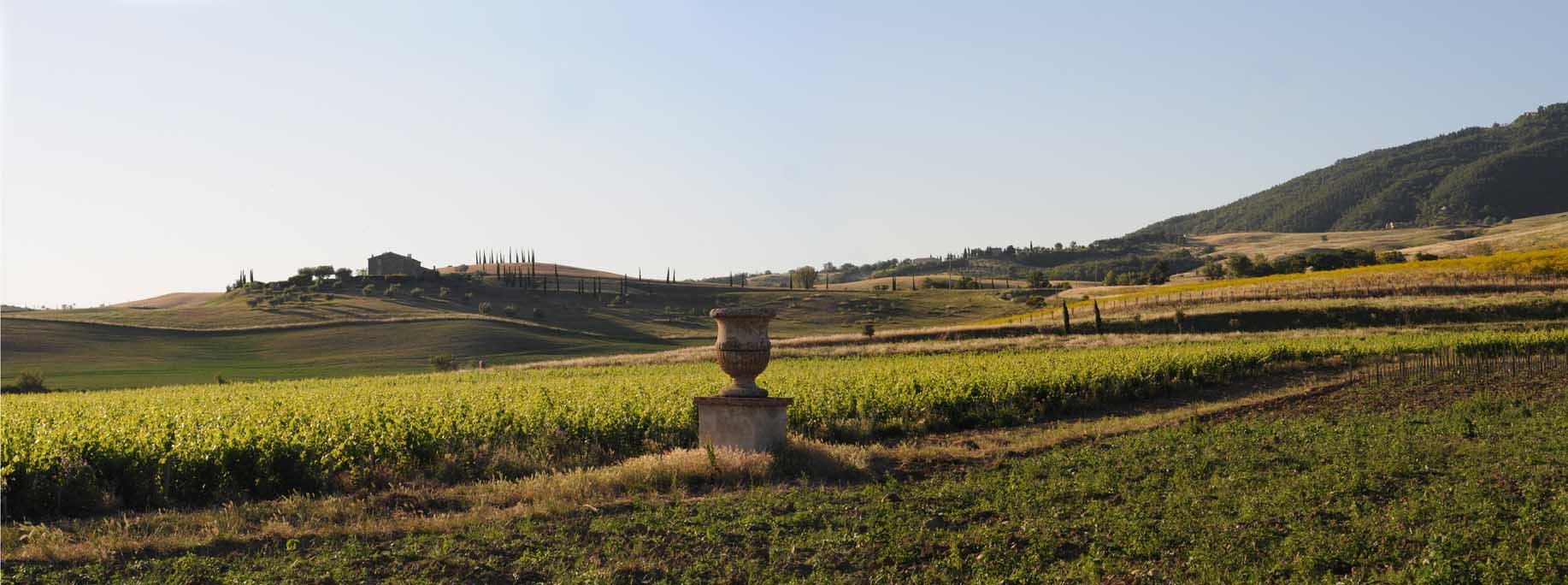
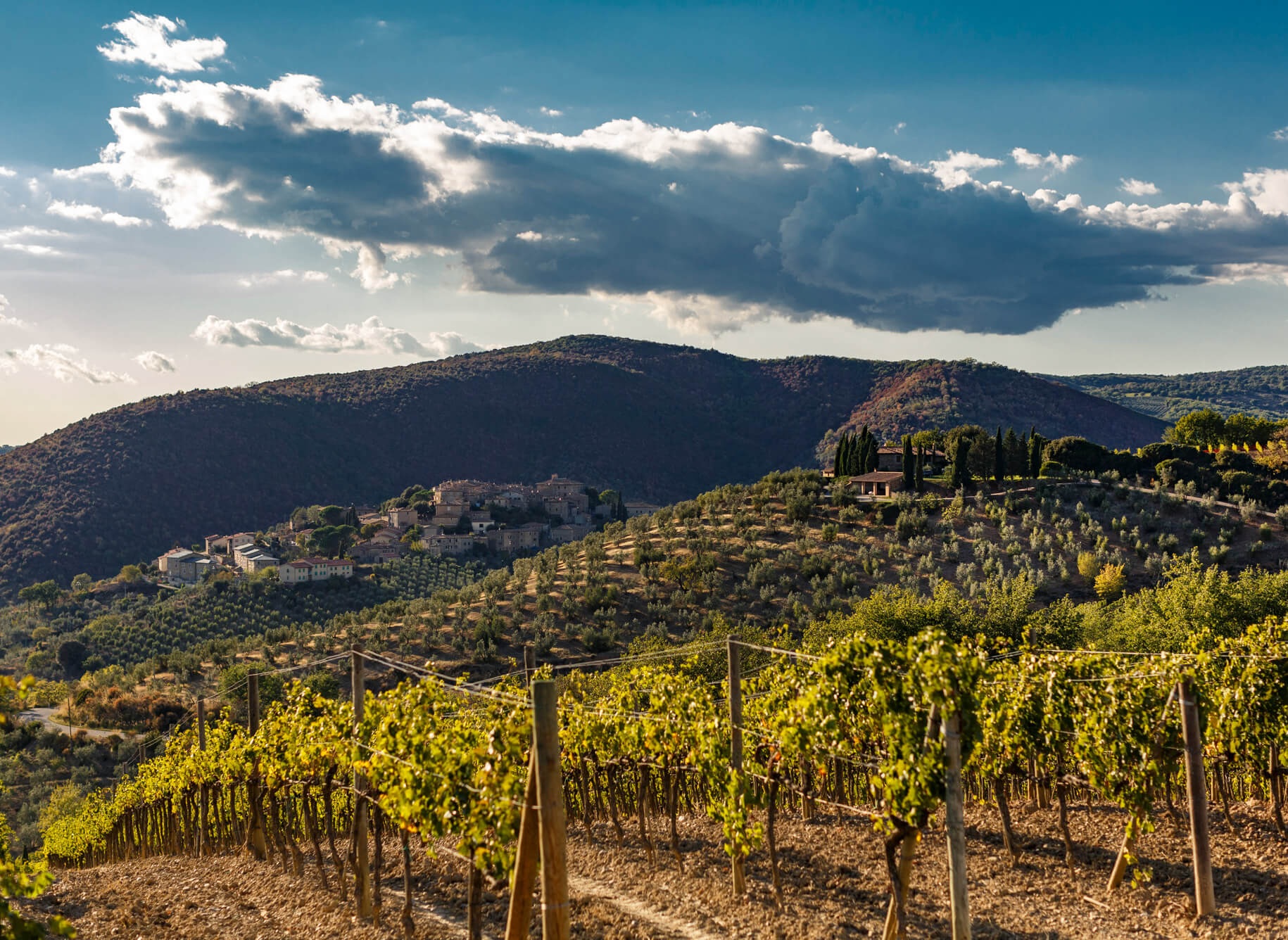
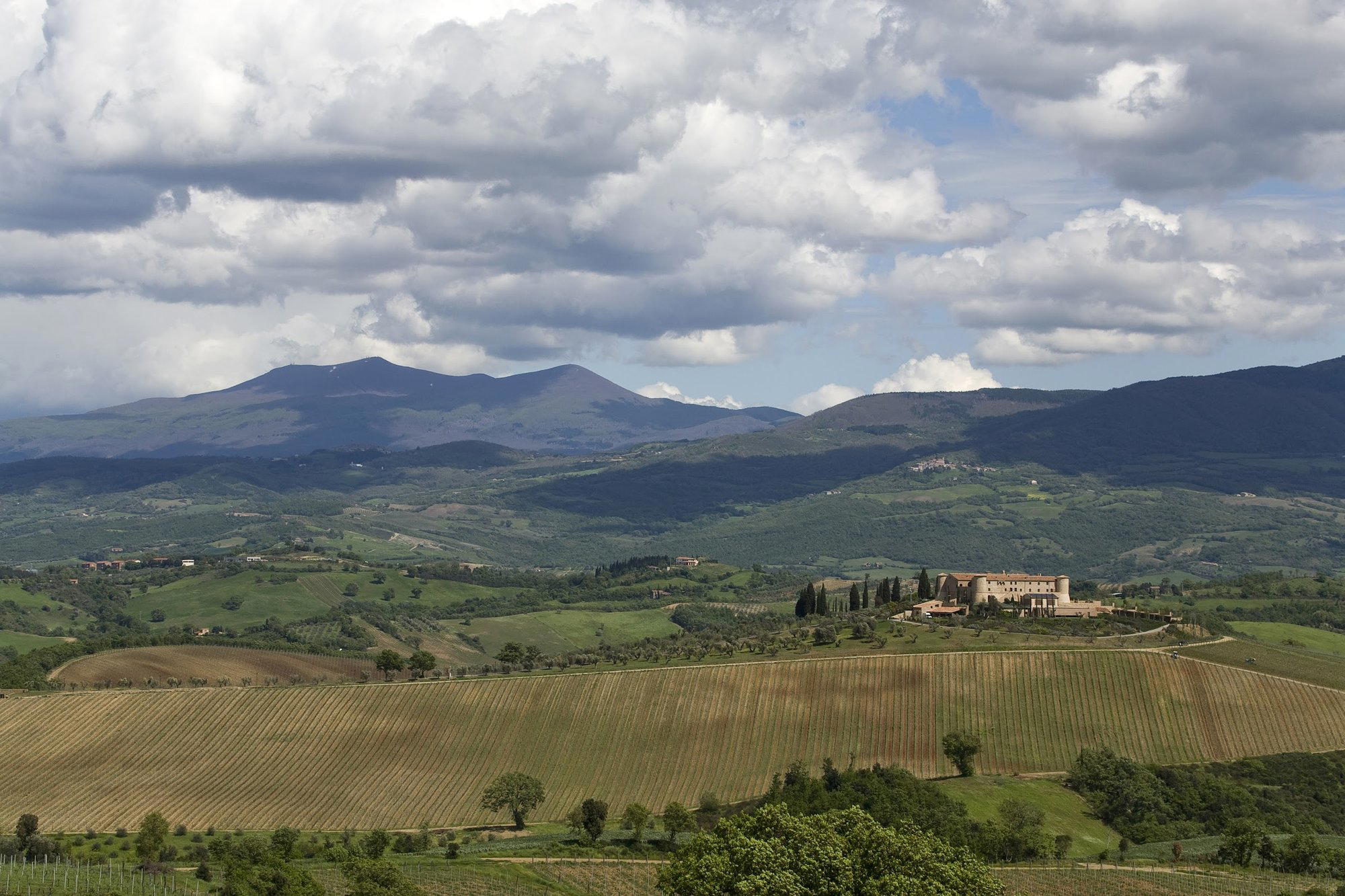
The atmosphere should be read through the town before the menu. San Casciano dei Bagni carries a slower, spa-led tempo, and a bar connected to that geography is likely to function as a transition point rather than a destination for high-velocity nightlife. What can be said with confidence is that the setting points toward a quieter form of drinking than the urban cocktail circuits of Italy’s larger cities.
That distinction is useful for planning. If the purpose is to keep the evening in San Casciano dei Bagni, avoid a longer transfer, and fit a drink around dinner or a hotel stay, the address makes sense. The venue name should not carry more weight than the town itself. Here, the scene is the story: thermal hospitality, rural Tuscany, and the long Italian habit of using a bar as the hinge between afternoon and dinner.
Readers building a full itinerary should treat the bar as one piece of a compact local circuit rather than the anchor of an entire trip. In a destination like this, the strongest evenings often come from sequencing: thermal time, a drink, dinner, and a short return rather than a complicated multi-stop crawl. That is where a bar at Località Terme, 1 becomes useful. It reduces friction. It lets the night stay close to the town’s natural pace.
Planning notes: address, booking, timing, and fit
Bar il Falconiere is recorded at Località Terme, 1, 53040 San Casciano dei Bagni SI, Italy. Those gaps are not minor administrative details; they directly affect how a traveler should plan. Do not assume walk-in availability at a specific hour, and do not assume that a small-town bar keeps the same schedule year-round. Confirm current opening times through a reliable current source before committing dinner logistics around it.
Advance planning is sensible, especially if the drink is tied to a hotel stay, a restaurant reservation, or a thermal-spa day. In the absence of a published booking method in the record, the practical route is to confirm through the venue’s current official channel if one is available locally, or through the associated property or concierge if the visit is part of a stay.
Price should also be handled carefully. With no listed range, there is no basis for calling it low-cost, premium-priced, or moderate. San Casciano dei Bagni draws a travel audience accustomed to countryside hotels, wellness stays, and destination dining, so the surrounding context can be upscale, but that is not the same as a confirmed bar tariff. Guests should check the current menu or ask before ordering if budget matters. The smarter expectation is qualitative rather than numerical: use it when a bar within the town’s thermal-hospitality orbit is more valuable than a longer drive to a larger cocktail scene.
Editorial verdict
Its relevance comes from San Casciano dei Bagni itself. The town asks for a slower kind of evening, and a bar at Località Terme, 1 fits the practical and atmospheric needs of travelers who want the day’s rhythm to continue into aperitivo rather than reset into city nightlife.
The right reader is someone already staying in or near San Casciano dei Bagni, planning a spa-town evening, or pairing a drink with dinner close by. The wrong expectation is a trophy-bar pilgrimage built around confirmed signature serves or public accolades; the record does not support that. Treat Bar il Falconiere as a setting-led stop within a refined Tuscan itinerary, and its role becomes clearer: not a headline act, but a well-placed part of the town’s hospitality sequence.
Continue exploring
More in San Casciano dei Bagni
Bars in San Casciano dei Bagni
Browse all →
Restaurants in San Casciano dei Bagni
Browse all →
Hotels in San Casciano dei Bagni
Browse all →
At a Glance
- Elegant
- Scenic
- Sophisticated
- Romantic
- Date Night
- After Work
- Casual Hangout
- Special Occasion
- Private Event
- Live Music
- Terrace
- Panoramic View
- Design Destination
- Hotel Bar
- Seated Bar
- Lounge Seating
- Outdoor Terrace
- Classic Cocktails
- Zero Proof
- Mountain
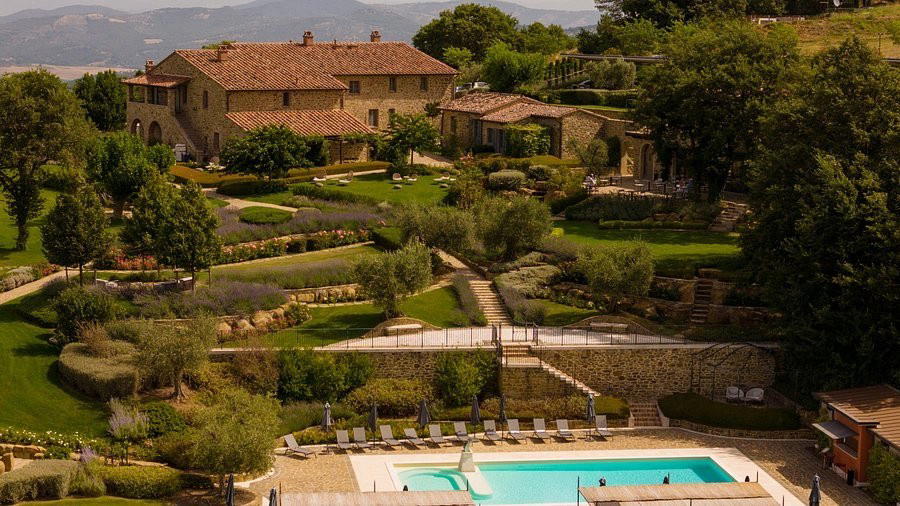
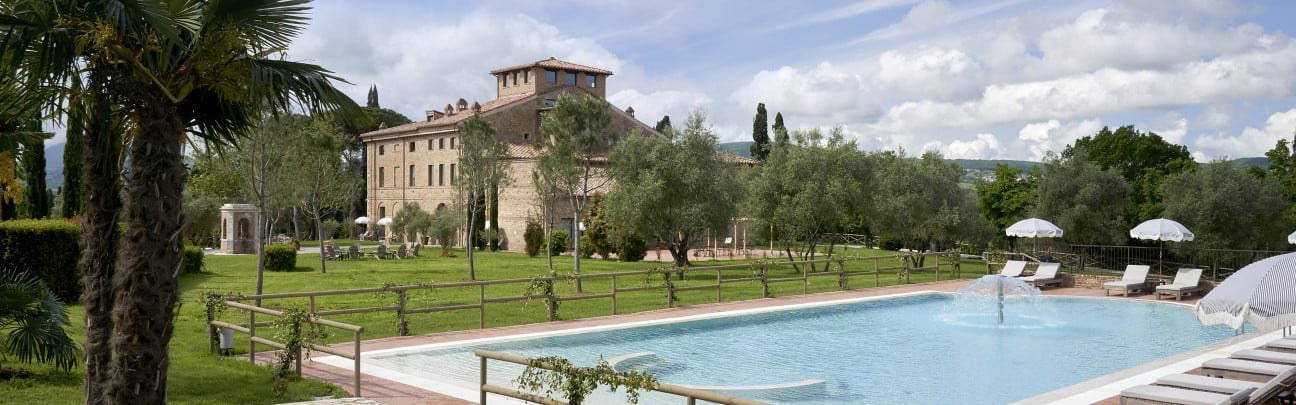
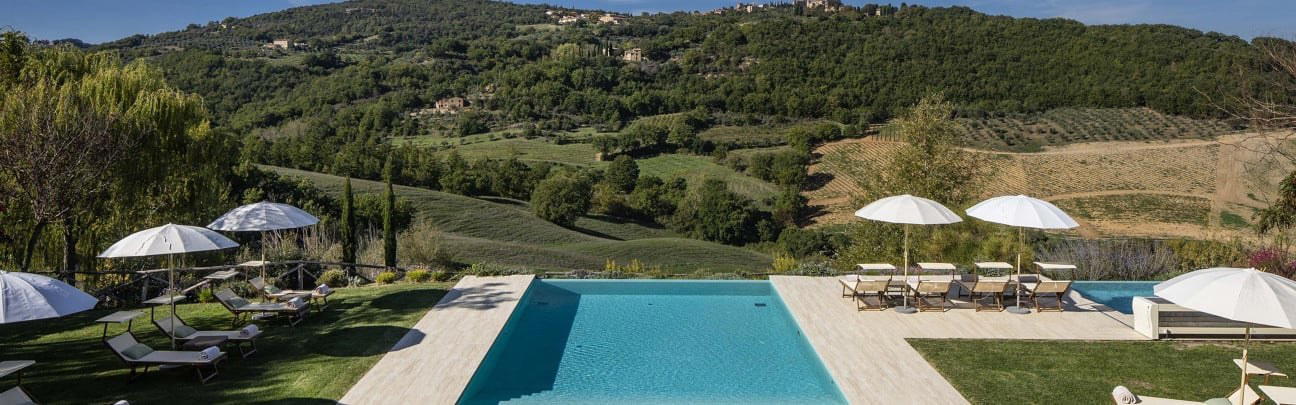
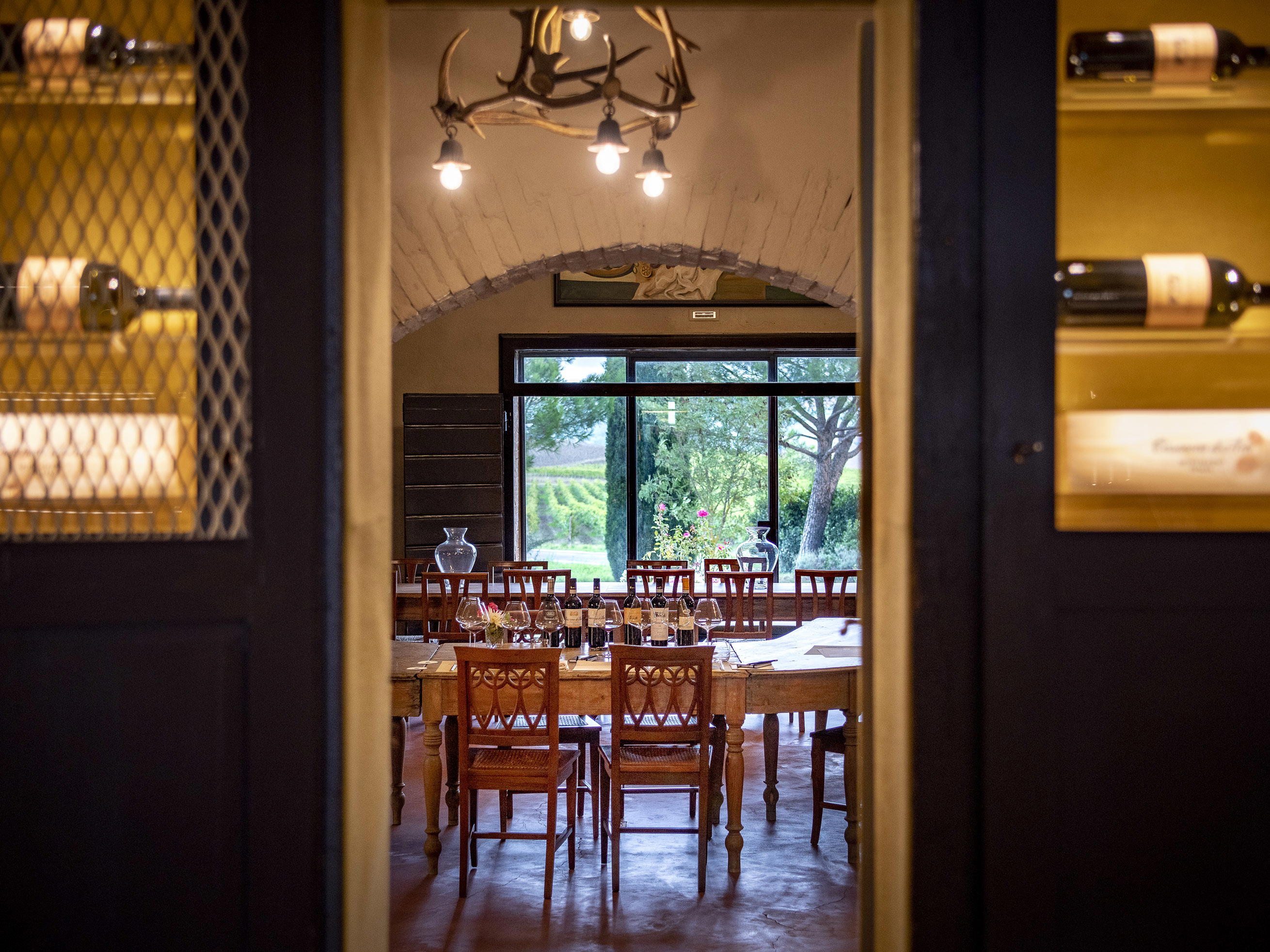
Refined and quietly lively hotel bar with warm travertine and terracotta tones, black lacquered bar and grand piano, lounge-style seating by large windows opening to a panoramic terrace, and live music that complements a relaxed, upscale spa atmosphere.
Know Before You Go
- Getting there
- Località Terme, 1, 53040 San Casciano dei Bagni SI, Italy