Fonteverde Lifestyle & Thermal Retreat



Michelin Selected · Virtuoso Luxury Hotel Partner · Leading Hotels of World Member
A 17th-century Medicean Villa in the Siena Hills, Fonteverde sits above San Casciano dei Bagni's natural hot springs and operates as one of Tuscany's most architecturally coherent thermal retreats. With 63 rooms refurbished in 2020 and membership in the Leading Hotels of the World, it positions itself in Italy's upper tier of spa-led rural hospitality.

Pearl is the En Primeur Club membership app — saves, bookings, and concierge access live there. Same editors, same standards.
- Address
- Località Terme, 1, 53040 San Casciano dei Bagni SI
- Phone
- +39 0578 57241
- Website
- fonteverdespa.com
- Directions
- Get directions
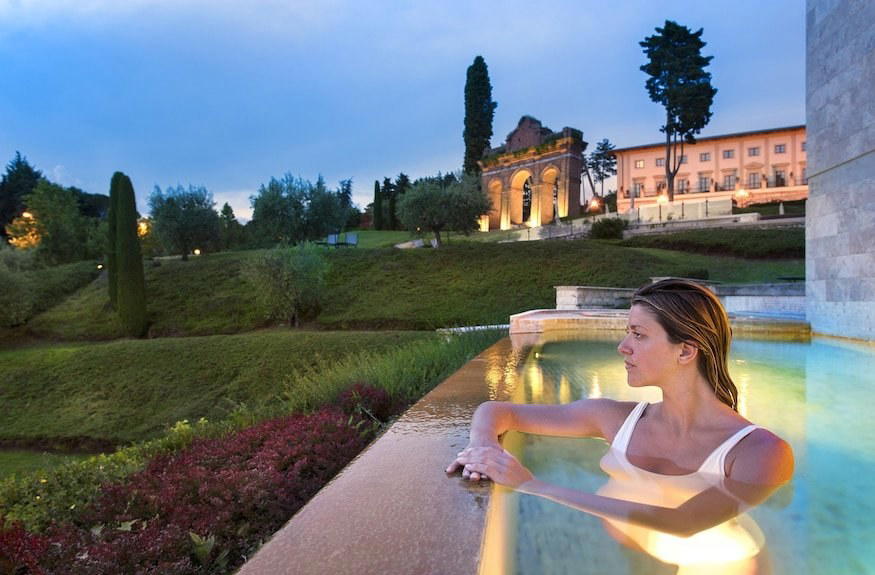
Where Medicean Architecture Meets Thermal Landscape
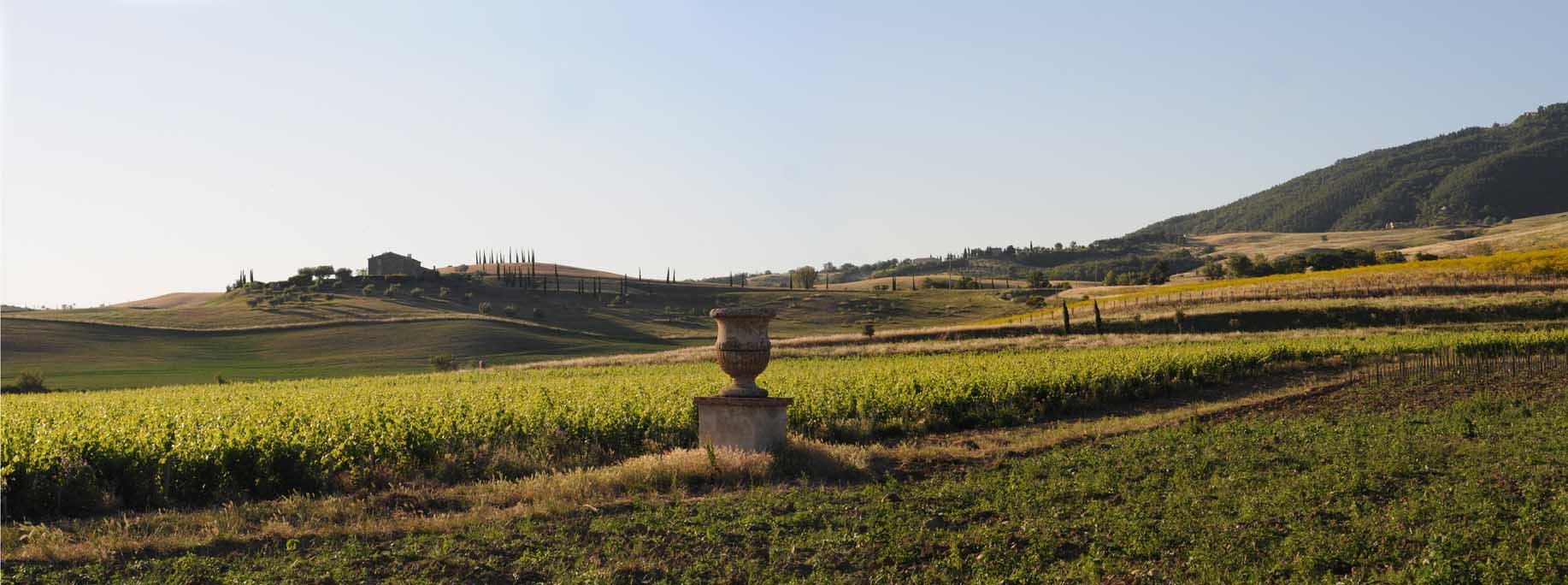
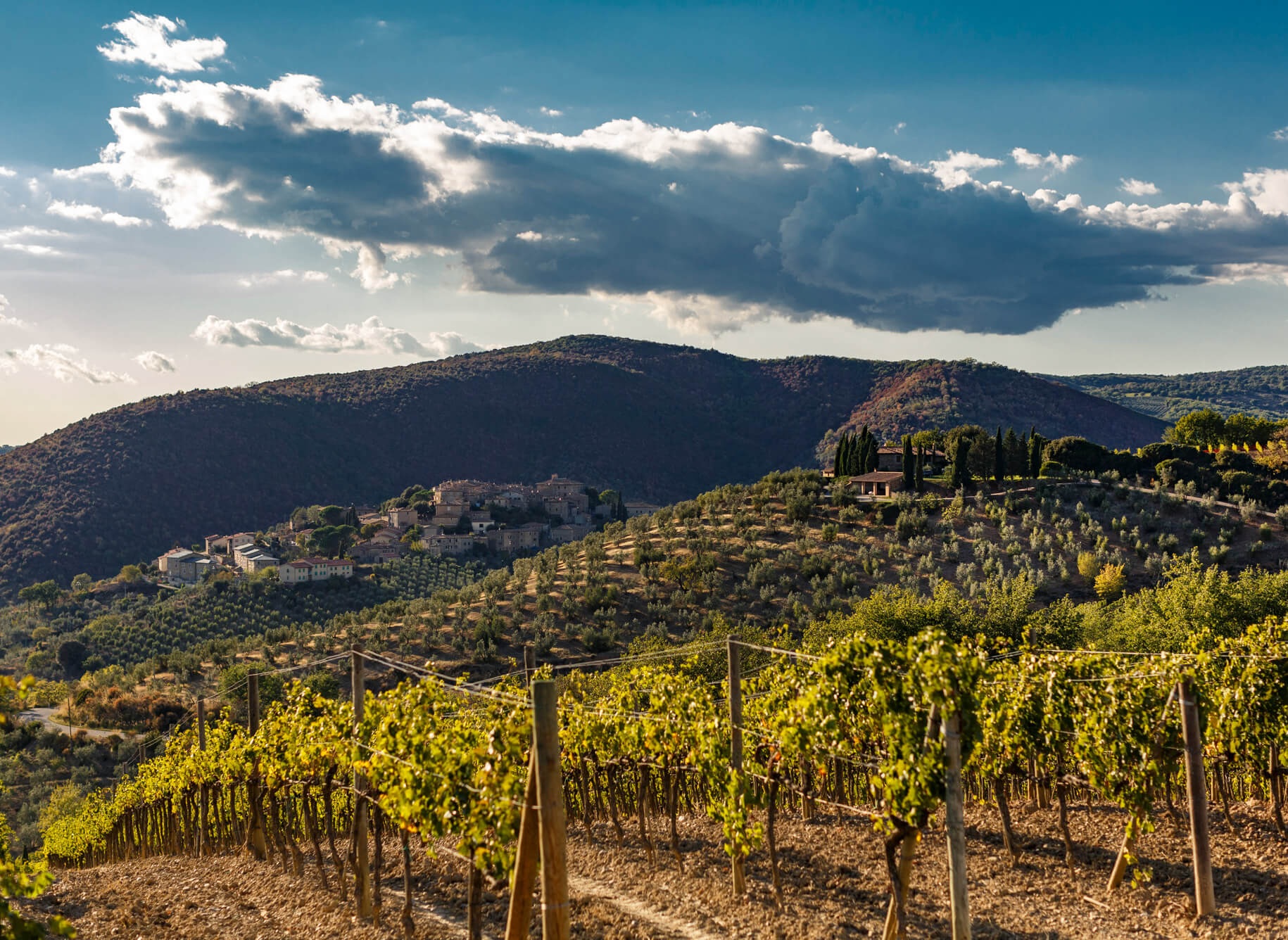
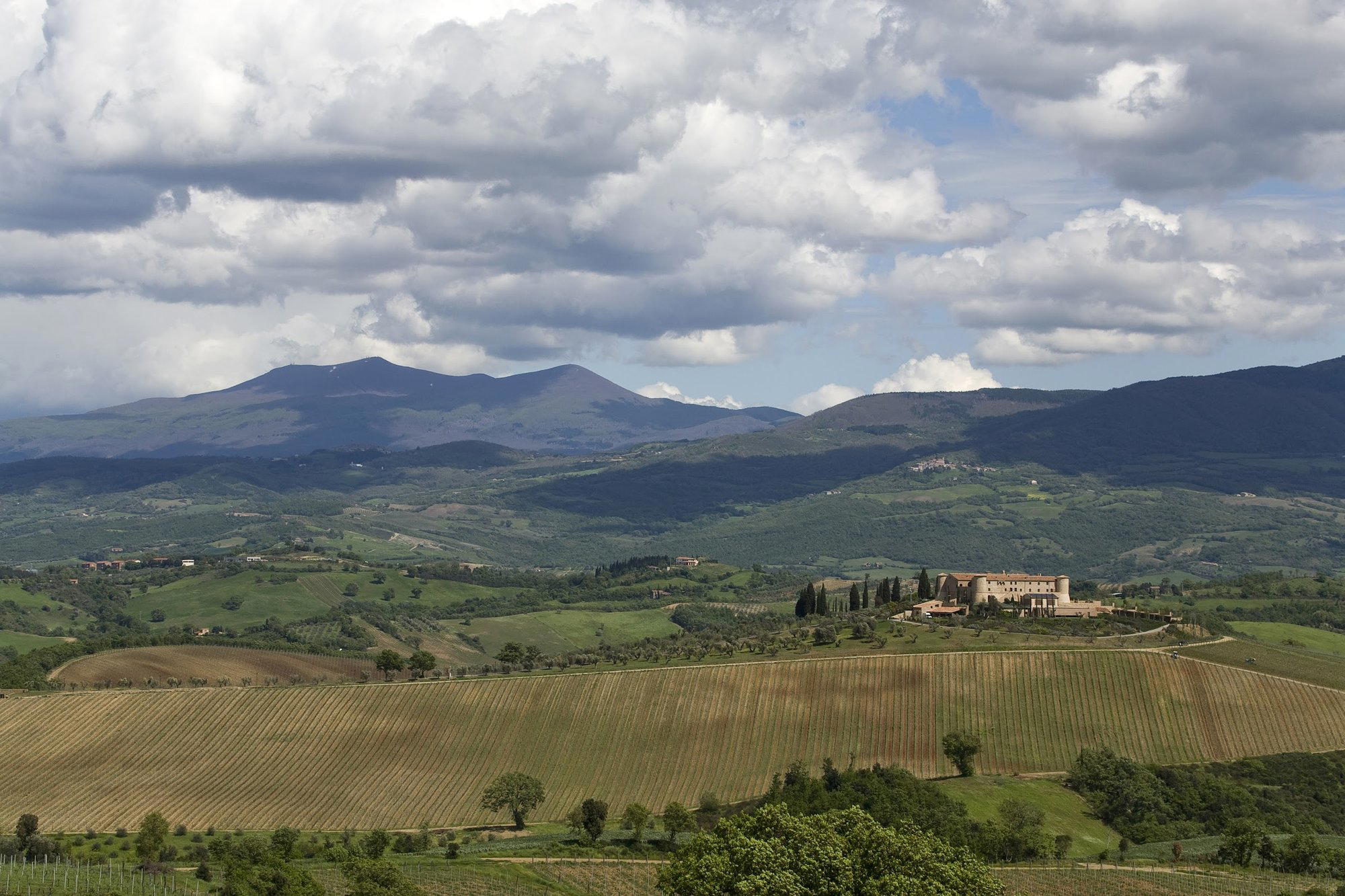
The approach to San Casciano dei Bagni sets expectations before the villa comes into view: olive groves give way to terraced vineyards, and the faint sulphurous trace in the air signals the hydrothermal activity beneath the Siena Hills. Fonteverde Lifestyle & Thermal Retreat sits at the convergence of these forces, occupying a 17th-century Medicean Villa that was shaped, from its first stones, by proximity to the springs below it. The architecture was never incidental to the site. It was a response to it.
That relationship between building and landscape is what separates Fonteverde from the broader category of converted Tuscan estates. Italy has dozens of aristocratic rural properties that pivot to hospitality by virtue of their age and acreage. What gives Fonteverde a different footing is that the original Medicean commission was itself a statement about the curative value of the land. The thermal springs at San Casciano dei Bagni were known to the Romans, documented across centuries, and the Medici chose this location with full awareness of what the ground offered. The villa was, from inception, an architecture of wellness before that word carried its current commercial weight. For a deeper sense of how Tuscany's premium rural hospitality has evolved, see our full San Casciano dei Bagni restaurants guide.
The 2020 Refurbishment: Aesthetic Logic in the Rooms
The property's 63 rooms — comprising standard rooms, 11 junior suites, and 4 master suites — were comprehensively refurbished in 2020. The design language chosen for the interiors draws from a specific and documentable Tuscan visual tradition: the black and white striped banding that defines the exteriors of Florentine and Sienese Gothic churches, including the Duomo in Siena and Santa Maria Novella in Florence. Applied to interior details as accent patterning, it signals a coherent decision to root the aesthetic in regional architectural history rather than reaching for a generic pan-Mediterranean luxury palette.
This is a meaningful distinction. The refurbishment generation of Tuscan luxury properties, those that upgraded between roughly 2017 and 2022, split between two approaches. Some adopted internationalist design vocabularies, with materials and silhouettes that could plausibly land in Singapore or São Paulo. Others made the deliberate choice to anchor their interiors in place-specific visual codes. Fonteverde belongs to the second group. The Tuscan palace ornamental references are not decorative nostalgia; they function as the organizing logic of the room design. For those comparing this approach to other Italian properties that navigated the same design question, Rosewood Castiglion Del Bosco in Montalcino and Borgo San Felice Resort in Castelnuovo Berardenga offer instructive comparisons in how Tuscan estate conversions calibrate heritage against modernity.
The Thermal Infrastructure and Spa Program
The thermal waters at San Casciano dei Bagni carry measurable concentrations of fluorine, magnesium, and sulphur. These are not decorative details: each mineral component corresponds to documented therapeutic applications, from sulphur's long-established role in dermatological and respiratory treatments to magnesium's muscular and nervous system effects. Fonteverde's spa program positions itself at the intersection of these traditional hydrotherapy principles and a broader integrative wellness model that incorporates oriental disciplines alongside conventional European thermal treatments.
That layering, combining a historically documented thermal water tradition with a contemporary multi-modal wellness framework, reflects a wider shift in how premium European spa retreats have repositioned themselves over the past decade. The market has moved decisively away from single-modality thermal experiences toward comprehensive therapeutic programming, and properties that hold the most credible position in that space are those with genuine hydrological assets beneath them, not constructed wellness narratives imposed on generic hotel infrastructure. Fonteverde's claim rests on a verifiable geological foundation.
The property also features a holistic centre operating alongside the main spa facilities, creating a structure where guests can move between thermal water immersion, hands-on treatment, and restorative practice-based sessions without significant travel between zones. This physical integration is architecturally and operationally deliberate, and it distinguishes Fonteverde from spa hotels where the wellness facilities sit at a distance from the accommodation as an amenity add-on.
Position Within Italian Luxury Hospitality
Fonteverde holds membership in Leading Hotels of the World (2025), placing it within a curated portfolio of independent and privately held properties that hold themselves to a defined service and quality standard outside of major chain affiliation. In the Italian context, this membership signals a particular positioning: not the urban palazzo luxury of a Bulgari Hotel Roma in Rome or the destination-city grandeur of Four Seasons Hotel Firenze in Florence, but rather the concentrated, retreat-format model where the property is the destination and the surrounding region functions as extension rather than setting.
That retreat-first model has a distinct Italian lineage. It differs from the coastal luxury of properties like Il Pellicano in Porto Ercole or Borgo Santandrea on the Amalfi Coast, and from the agriturismo-scaled intimacy of something like Casa Maria Luigia in Modena. Fonteverde occupies the specific tier of the large-footprint, architecturally significant rural estate with genuine therapeutic infrastructure, a narrower category that nonetheless has clear peer properties across Tuscany and Umbria. Castello di Reschio in Lisciano Niccone and Castelfalfi in Montaione operate in adjacent territory, though without the same hydrological asset.
For those building a multi-property Italian itinerary, the property's location in the Siena Hills also places it within reasonable reach of the Orcia Valley and the Maremma, making it a plausible anchor for a Tuscan circuit rather than a standalone terminus. Further north, properties like Passalacqua in Moltrasio and Grand Hotel Tremezzo in Tremezzo hold equivalent positions in the northern lakes market, offering a point of comparison for how Italian architectural heritage translates into different hospitality registers by region.
The Chapel, Events, and the Full Property Footprint
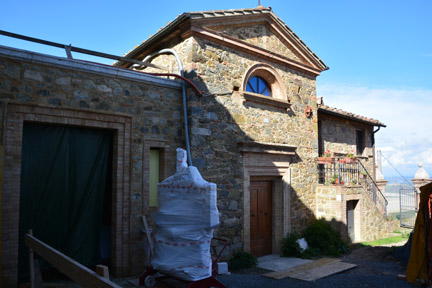
Fonteverde also contains a private chapel with origins in the 11th century, predating the Medicean villa by several hundred years. Its presence complicates the usual narrative of these properties as singular-era constructions. The site carries multiple historical layers, Romanesque religious architecture beneath Baroque residential architecture, and the chapel functions as both a historic fabric element and a practical venue for weddings and private events. Meeting facilities with a professional specification round out an offer that spans, unusually, from thermal retreat to working conference venue.
Planning Your Stay
Fonteverde sits at Località Terme, 1, in San Casciano dei Bagni, a small hill town in the province of Siena. Access from Florence or Rome typically involves a combination of rail and road. Given the property's scale at 63 rooms, availability in peak summer and shoulder seasons warrants advance planning, the retreat format and Leading Hotels membership draw a repeat visitor segment that fills specific room categories early. The master suites in particular, given the 2020 refurbishment depth, book ahead of the broader inventory. For comparison across international retreat-format luxury where thermal or nature-driven programming takes precedence over urban context, Amangiri in Canyon Point and Forestis Dolomites in Plose operate in analogous conceptual territory on different continents.
Comparison Snapshot
| Venue | Price | Awards |
|---|---|---|
| Fonteverde Lifestyle & Thermal RetreatThis venue — the venue you are viewing | Not listed | Michelin Selected · Virtuoso Luxury Hotel Partner |
| Aman Venice | $1,000–1,500 | 3 Michelin Keys · World's 50 Best #79 |
| Cipriani, A Belmond Hotel, Venice | $750–1,000 | 3 Michelin Keys · World's 50 Best #72 |
| Four Seasons Hotel Firenze | $750–1,000 | 3 Michelin Keys · World's 50 Best #12 |
| Rosewood Castiglion Del Bosco | $1,000–1,500 | 3 Michelin Keys · World's 50 Best #62 |
| Bulgari Hotel Roma | Not listed | 3 Michelin Keys · World's 50 Best #32 |
Recognition history
Dated appearances from independent guides and award organizations, with the underlying list record or original source where available.
Michelin Selected
Michelin
Virtuoso Luxury Hotel Partner
Virtuoso
Leading Hotels of World Member
Leading Hotels of World
Continue exploring
More in San Casciano dei Bagni
Hotels in San Casciano dei Bagni
Browse all →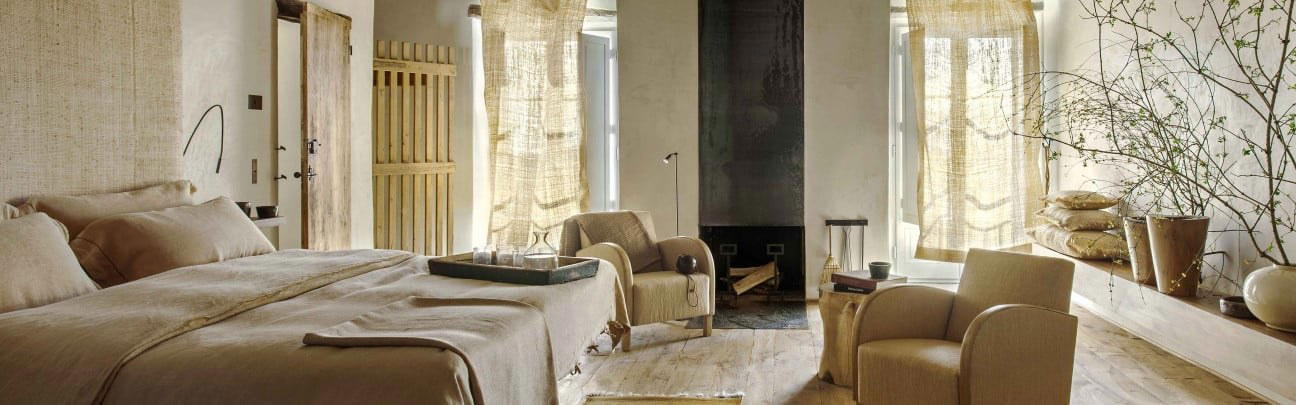
Bars in San Casciano dei Bagni
Browse all →
Restaurants in San Casciano dei Bagni
Browse all →
Details
- Elegant
- Sophisticated
- Quiet
- Scenic
- Classic
- Romantic
- Wellness Retreat
- Romantic Getaway
- Weekend Escape
- Destination Wedding
- Anniversary
- Destination Spa
- Historic Building
- Panoramic View
- Terrace
- Spa
- Pool
- Fitness Center
- Restaurant
- Bar
- Wi Fi
- Pet Friendly
- Mountain
- Garden
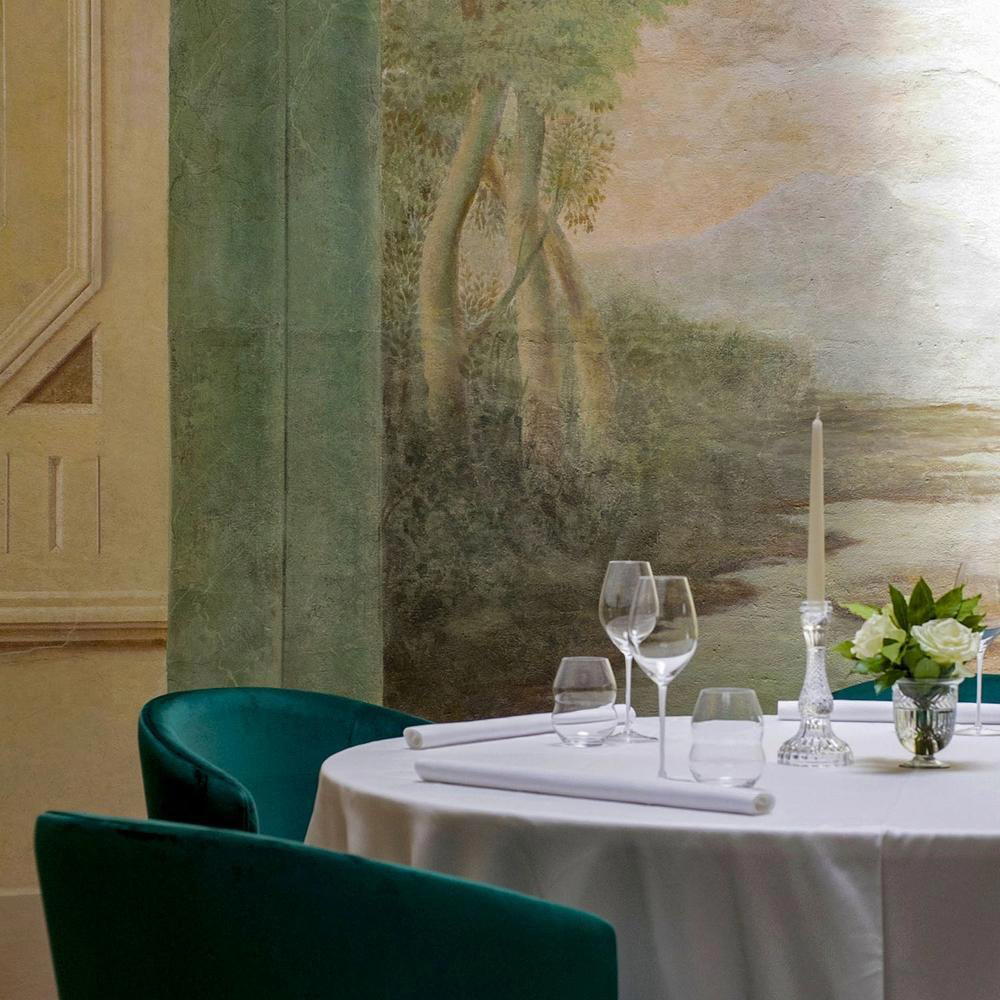
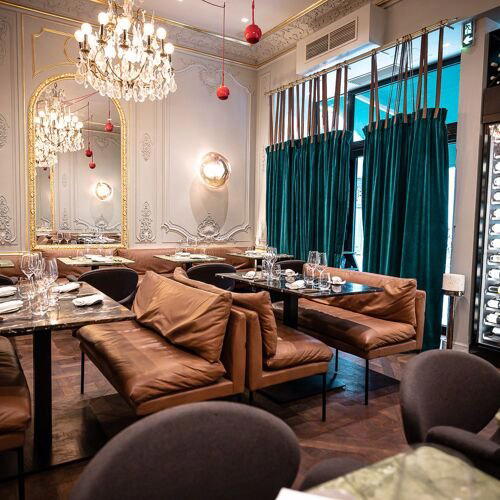
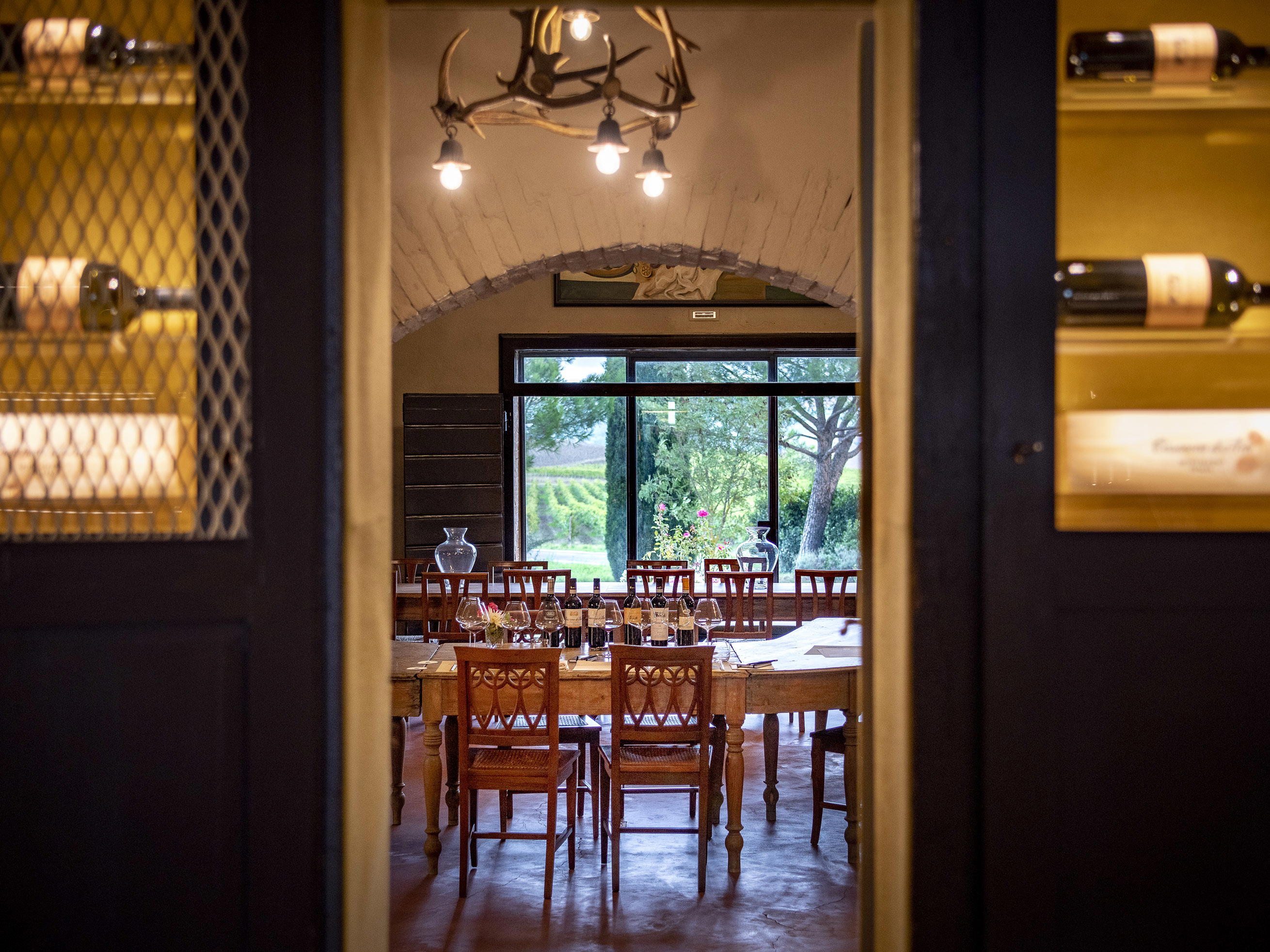
Elegant, historic, and serene, with a refined classic atmosphere shaped by a Renaissance palace setting, thermal pools, and Val d’Orcia views.