Malomtanya Vendéglö
Our verdict
Malomtanya Vendéglő sits on Malom út in Bükkábrány, a small settlement at the edge of the Bükk hills where Hungary's provincial dining tradition plays out at a quieter register than anything you'll find in Budapest. The mill-road address hints at a connection to the agrarian fabric of the region, and the kitchen draws on the cooking patterns of northeastern Hungary, where ingredients tend to travel short distances from field to plate.

Pearl is the En Primeur Club membership app — saves, bookings, and concierge access live there. Same editors, same standards.
- Address
- Bükkábrány, Malom út 1, 3422 Hungary
- Phone
- +3649335565
- Hours
- Daily Open 24 hours
- Directions
- Get directions
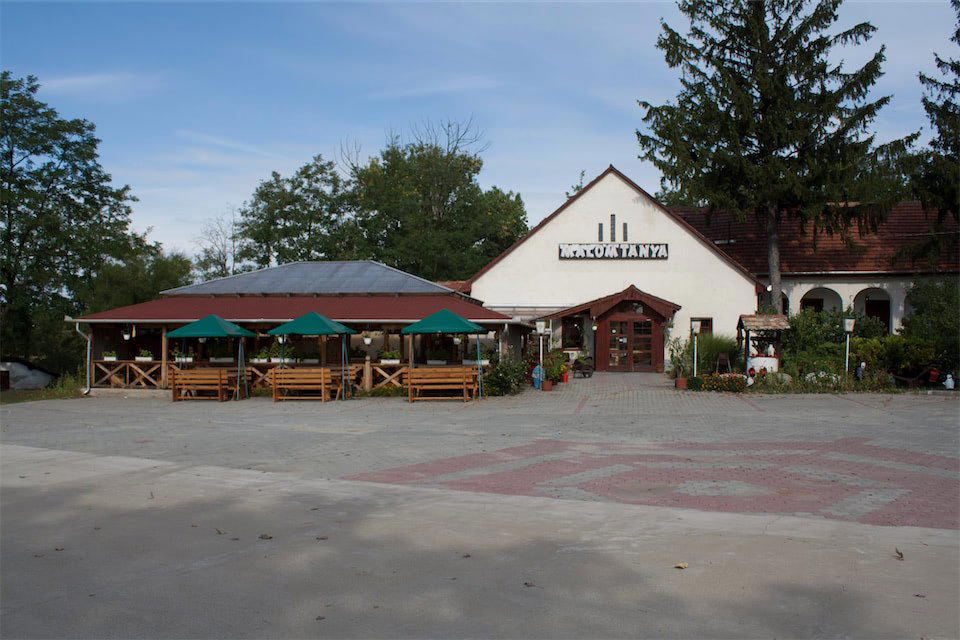
Where the Bükk Hills Meet the Table
Bükkábrány sits on the southeastern fringe of the Bükk National Park, a stretch of forested limestone plateau that separates the Great Hungarian Plain from the northern highlands. The village itself is small enough that a single street address — Malom út 1, the mill road — carries real locational weight. Arriving at Malomtanya Vendéglő, you feel the logic of provincial Hungarian dining before you've ordered anything: the setting is agricultural in character, the pace is unhurried, and the orientation is toward the surrounding countryside rather than toward any imported reference point. This is the kind of restaurant that earns its meaning from where it is, not from what it claims to be.
The northeastern Hungarian interior has never competed with Budapest for culinary attention, but that gap in coverage has preserved something. While the capital's premium dining scene has migrated toward tasting menus and international technique, venues like Stand in Budapest represent the modern Magyar fine-dining benchmark, the countryside around the Bükk has held to a different set of priorities: heavier flavours, shorter supply chains, and a cooking vocabulary rooted in the Carpathian Basin's pastoral economy. Malomtanya Vendéglő operates within that tradition, and the mill-road address is not incidental to the food.
Ingredient Sourcing and the Logic of Place
Hungarian provincial cooking, at its most coherent, is a direct expression of what the surrounding land produces. The Bükk region specifically sits at the intersection of two productive zones: the forests and pastures of the highland plateau to the north, and the agricultural lowlands to the south and east. That geography has historically made northeastern Hungary a source of freshwater fish from the rivers and streams draining the hills, game from the forest margins, and pork from the villages that have kept pig-rearing traditions alive long after they faded elsewhere.
The vendéglő format, a word that sits between tavern and restaurant in Hungarian, implying a more rooted, neighbourhood-facing operation than a formal étterem, is the natural container for this kind of sourcing logic. Vendéglők tend not to import ambition from outside their region; the leading examples take their cue from what arrives at the kitchen door. In this respect, the Bükkábrány address places Malomtanya Vendéglő in a direct line with a strand of Hungarian hospitality that is older and more honest than anything you'd find at the premium end of the Budapest market. For comparison, places like Pajta in Őriszentpéter and Almalomb in Hosszúhetény occupy a similar position in their respective rural regions, restaurants where the sourcing geography is the editorial premise.
Hungary's wider provincial dining circuit shows how much this model varies by region. Wine-country kitchens like Halasi Pince Panzió in Villány tie their food to the vineyard economy of southern Transdanubia. BoriMami in Gyöngyös, at the foot of the Mátra hills, occupies a northern highlands register closer to Bükkábrány's own geography. Each of these places is making a different argument about where Hungarian food comes from, and the Bükk version, rooted in forest, pasture, and river, is among the least-documented in English-language coverage.
The Dining Room and What It Signals
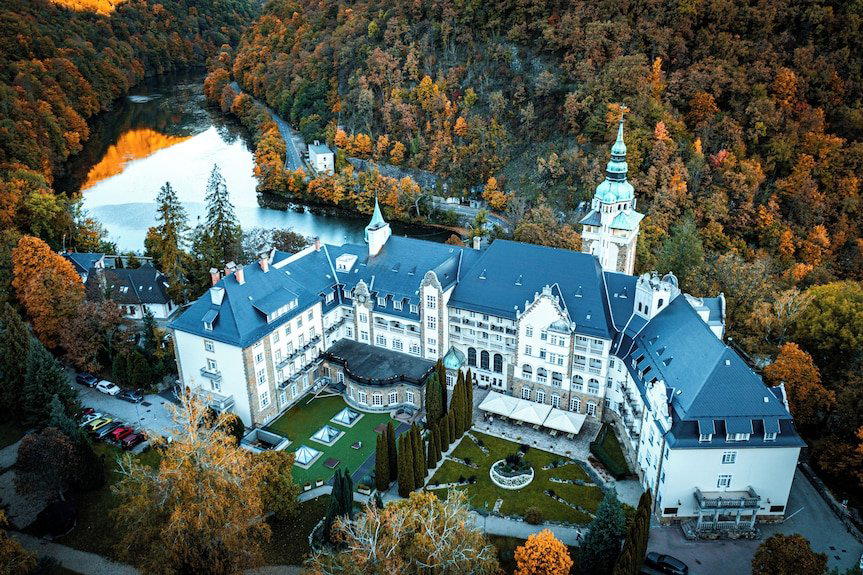
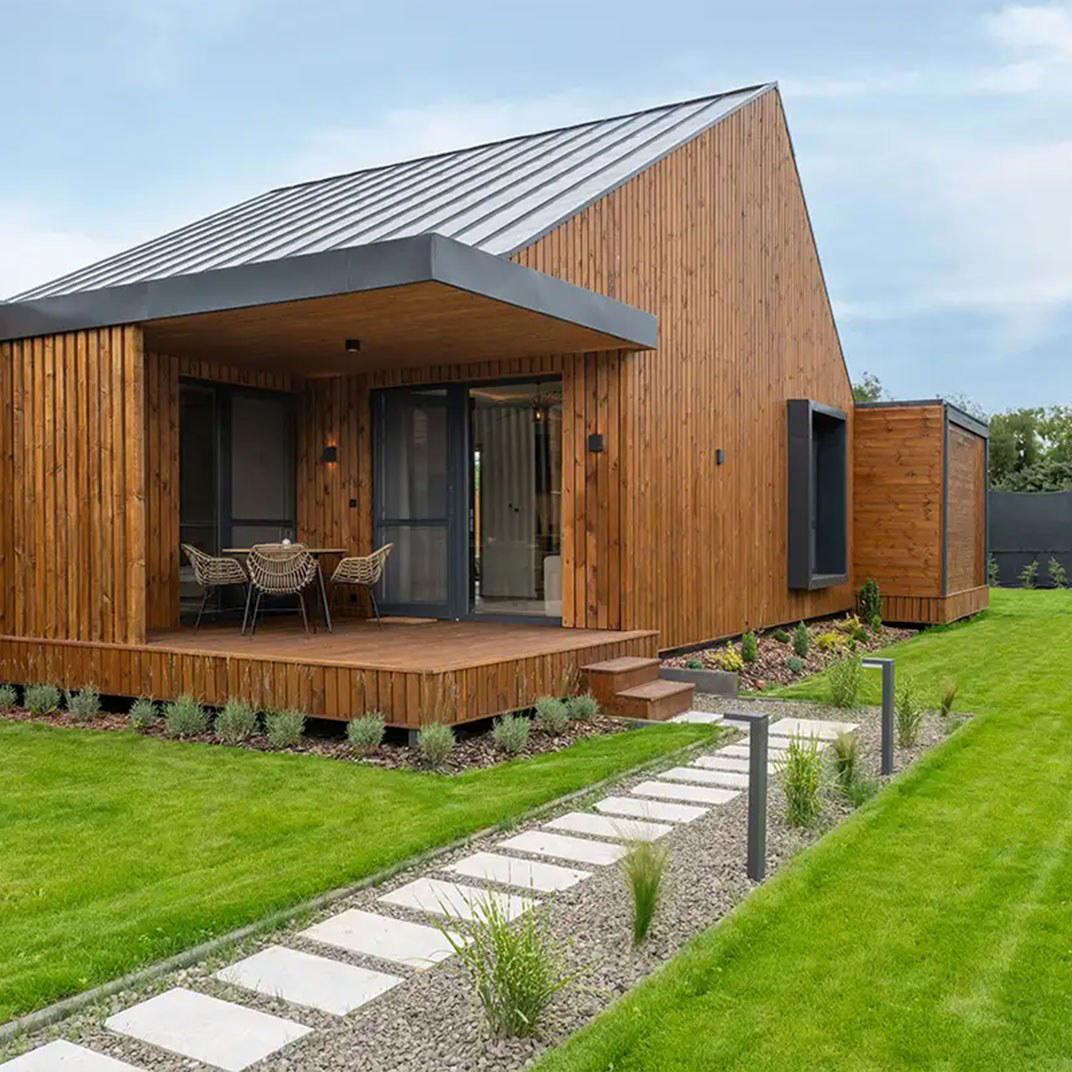
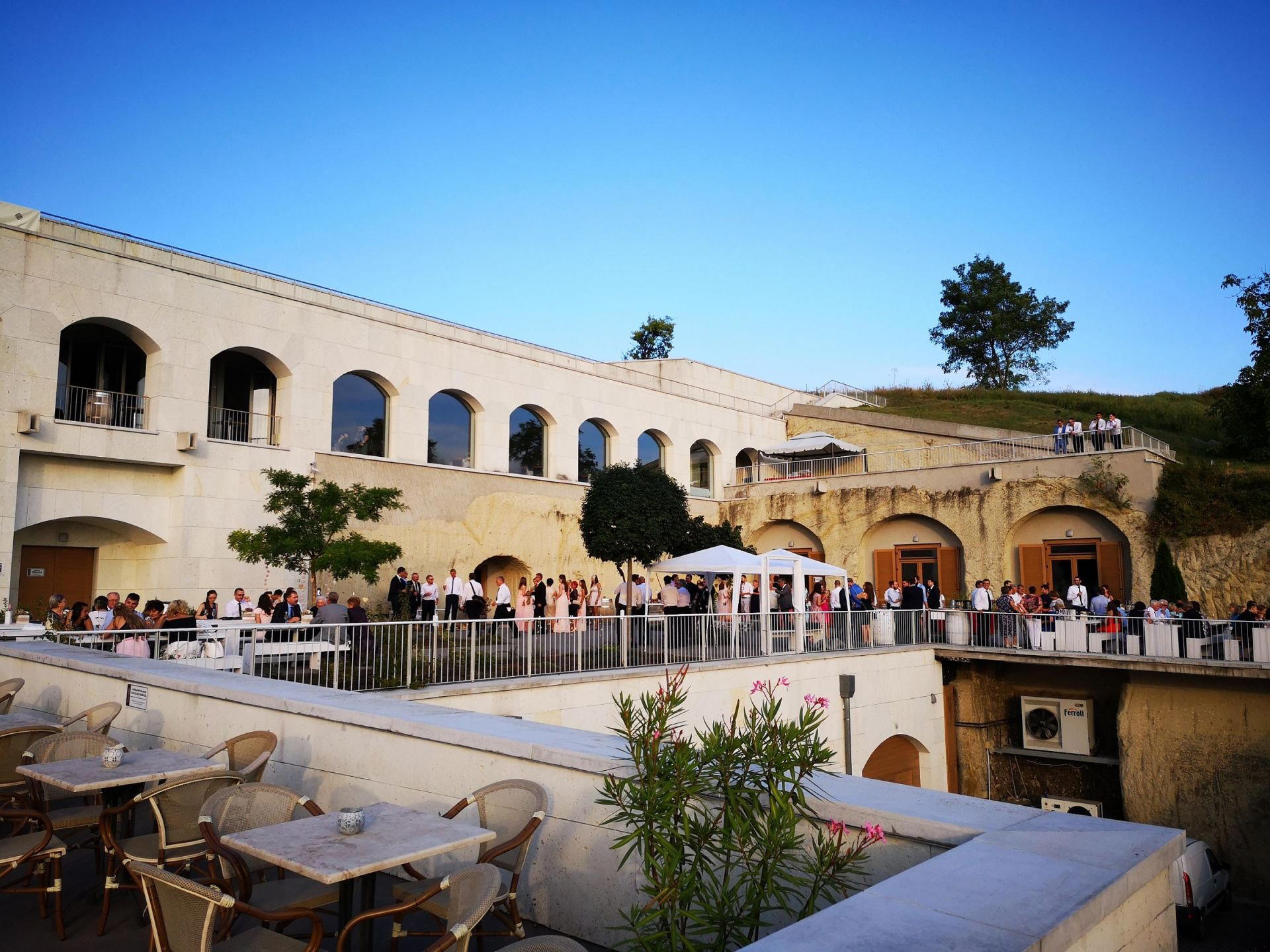
The physical environment of a vendéglő carries information that a menu alone cannot. The mill-road location in Bükkábrány suggests a building with agricultural origins, timber, thick walls, proximity to water, the kind of structure that was built to serve a working community rather than to attract visitors. This is a different proposition from the design-led rural restaurants that have proliferated in Hungary's wine regions since the mid-2010s, where architectural investment signals a particular tier of aspiration. At Malomtanya Vendéglő, the architecture is more likely to be the setting than the statement.
Rural Hungarian dining rooms of this type tend to operate with a directness that reflects their community function. Tables are often occupied by local regulars as much as by travellers, the menu changes according to season and supply rather than a fixed kitchen philosophy, and the pace of service follows the kitchen's rhythm rather than a managed front-of-house script. Whether Malomtanya Vendéglő operates precisely on these terms is something the venue's limited public profile makes difficult to verify in detail, but the format and location together point firmly in that direction. For a useful regional comparison, Forst-Ház Étterem és Kávézó in Eger, Eger being the nearest significant city to Bükkábrány, offers a window into how northern Hungarian provincial kitchens translate local produce into a more formalised dining context.
Bükkábrány in the Wider Hungarian Dining Map
Understanding Malomtanya Vendéglő requires understanding how far removed Bükkábrány is from Hungary's published dining circuit. The village does not appear in the Michelin Hungary selection, which concentrates almost entirely on Budapest with a small number of entries in the Balaton and Eger wine regions. The Gault&Millau Hungary guide similarly skews toward the capital and the established wine-tourism corridors. This means that restaurants in the Bükk interior operate entirely outside the award-validation system that structures the upper tier of Hungarian dining.
That absence is not inherently a criticism. The Hungarian restaurants that international critics tend to focus on, the modern-cuisine operations in Budapest like Platán Gourmet in Tata or the creative end of the Budapest spectrum, are solving a different problem from what a Bükkábrány vendéglő is doing. The former are trying to locate Hungarian cooking within a European fine-dining conversation; the latter is serving its immediate community and the occasional traveller who has come this far for reasons unrelated to restaurant tourism. Both are legitimate. They are simply not competing.
For readers planning a broader sweep of provincial Hungary, the surrounding region has enough to anchor a multi-stop itinerary. Aranysárkány Vendéglő in Szentendre and Kővirág in Köveskál each represent different registers of Hungarian country cooking, and together they sketch the range of what this format can achieve outside the capital. See our full Bükkábrány restaurants guide for additional context on the local dining options.
Planning a Visit
Bükkábrány is not served by a main rail line; reaching it from Eger (the regional hub, roughly 25 kilometres to the northwest) requires a car or local bus connection, and from Budapest the drive runs to approximately two hours via the M3 motorway toward Miskolc. The village is small enough that Malom út 1 is easy to locate without detailed navigation. Vendéglők in settlements of this size often operate on reduced hours outside the summer season and may close for private functions or local events without advance notice published online. Arriving without a confirmed booking, particularly at weekends or during summer, carries more risk than it would in a city.
Frequently asked questions
Is Malomtanya Vendéglő suitable for children?
A vendéglő by classification, Malomtanya operates within a tradition of Hungarian family dining where multi-generational tables are the norm rather than the exception. The mill-road address in Bükkábrány, well outside any urban centre, suggests the kind of setting where children are absorbed into the room rather than tolerated at its edges. Confirm details directly before visiting, as hours and specific arrangements are not publicly listed.
Where is Malomtanya Vendéglö located?
Malomtanya Vendéglö is located at Bükkábrány, Malom út 1, 3422 Hungary, Bukkabrany.
How hard is it to get a table at Malomtanya Vendéglö?
Reservations are recommended for Malomtanya Vendéglö in Bukkabrany. Confirm current policy via the venue's official channels.
How would you describe the vibe at Malomtanya Vendéglő?
The vendéglő format places this firmly in the register of a working provincial dining room: practical, local, and grounded in the rhythms of the surrounding Bükk region rather than any curated hospitality aesthetic. The Malom út address in Bükkábrány carries agricultural associations typical of mill-road siting, which tends to mean sturdy interiors built for function over atmosphere. Expect a room that communicates routine rather than occasion.
Comparable Spots, Quickly
Comparable venues nearby, for context on price, style, and recognition.
| Venue | Cuisine | Price | Notes |
|---|---|---|---|
| Malomtanya VendéglöThis venue — the venue you are viewing | Hungarian | Not listed | Not listed |
| Kisvendéglő a Hargitához | Transylvanian Hungarian | $10–20 | Békéscsaba |
| Lilafüred Mátyás Étterem | Hungarian & International | $20–30 | Lillafüred |
| Kéhli Vendéglő | Traditional Hungarian | $20–30 | Obuda |
| Retek Bisztro | Traditional Hungarian Bistro | $20–30 | Varhegy |
| Hotsy Totsy | Cocktail Bar | Not listed | Belvaros |
Continue exploring
More in Bukkabrany
Restaurants in Bukkabrany
Browse all →
Hotels in Bukkabrany
Browse all →
Details
- Rustic
- Classic
- Family
- Casual Hangout
- A La Carte
Current opening hours
- Monday
- Open 24 hours
- Tuesday
- Open 24 hours
- Wednesday
- Open 24 hours
- Thursday
- Open 24 hours
- Friday
- Open 24 hours
- Saturday
- Open 24 hours
- Sunday
- Open 24 hours
Hours can change for holidays and private events. Last verified .
Classic Hungarian tavern atmosphere.