
A Michelin Plate-recognised estate in the Hortobágy region, Graefl Major Kétútköz operates from a restored art nouveau mansion surrounded by 25 acres of working grounds. The kitchen draws almost entirely on what is grown, raised, and cured on the property, seasonal vegetables, game, house-cured meats, estate-milled wheat, and artisan beer, making it among the more self-contained farm-to-table operations in provincial Hungary.
Pearl is the En Primeur Club membership app — saves, bookings, and concierge access live there. Same editors, same standards.
- Address
- Kétútközi utca, Poroszló, 3388, Hungary
- Phone
- +36 70 947 5476
- Website
- graefl.hu
- Directions
- Get directions
 Saves & bookings on Pearl
Where the Estate Is the Kitchen
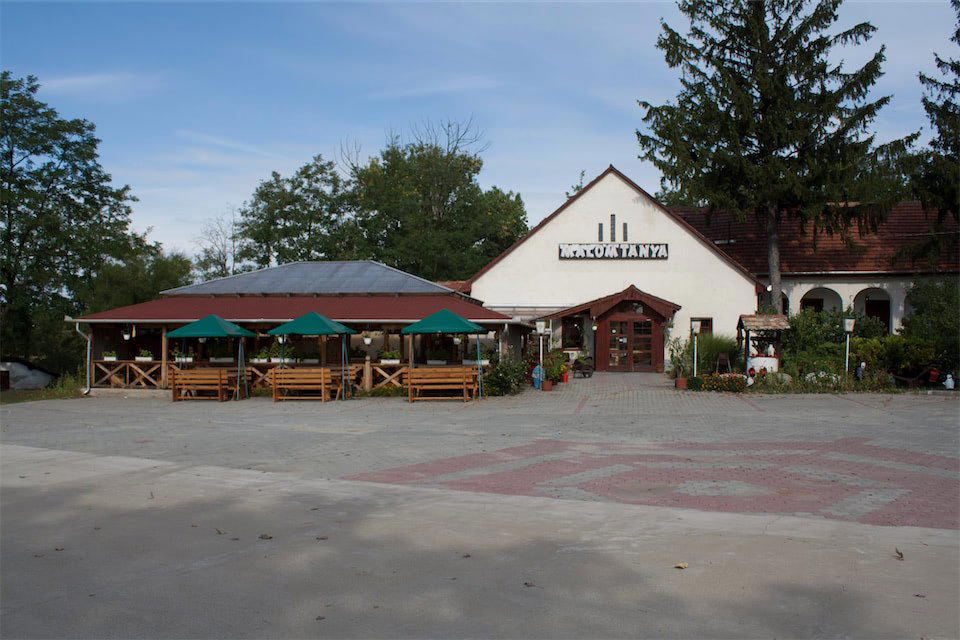
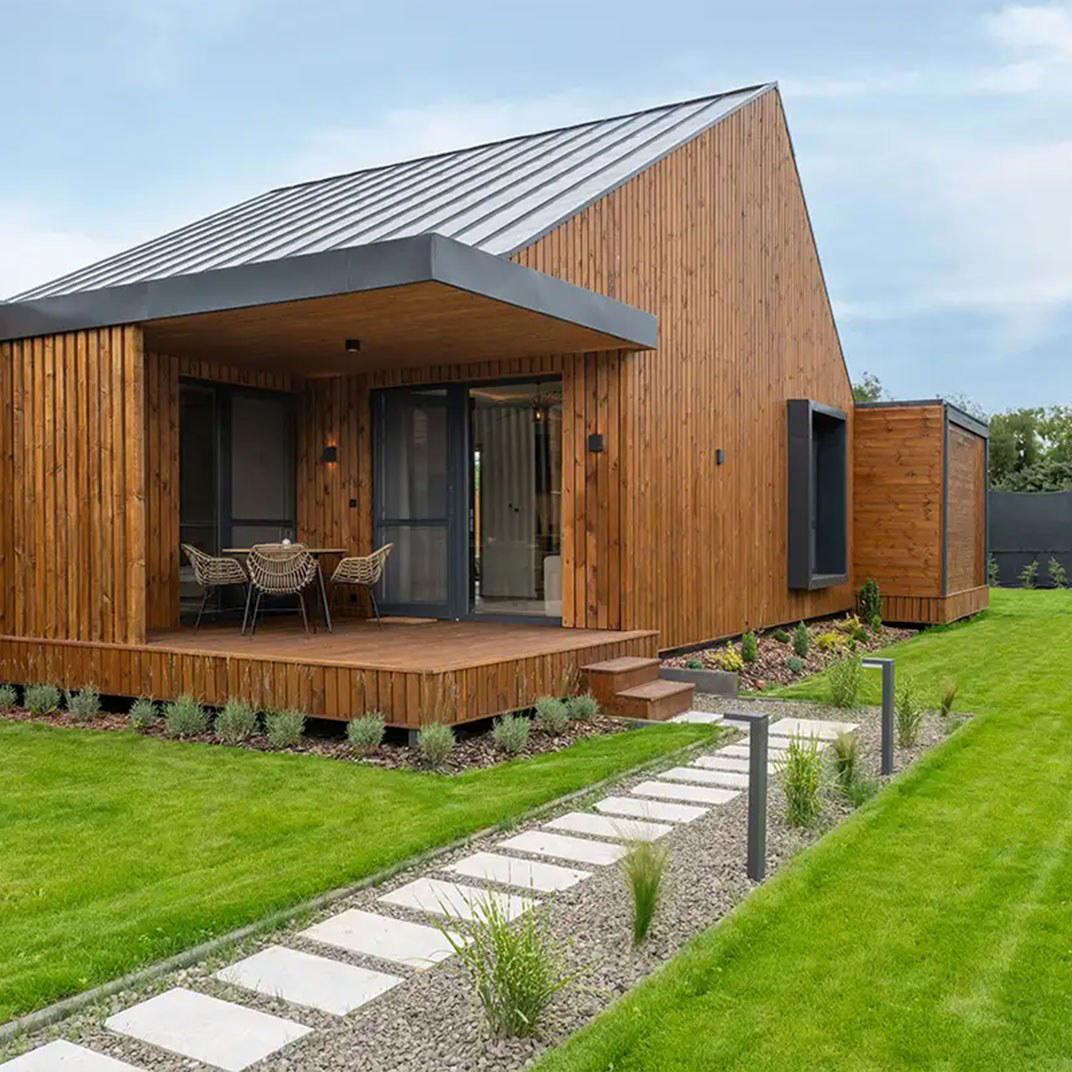
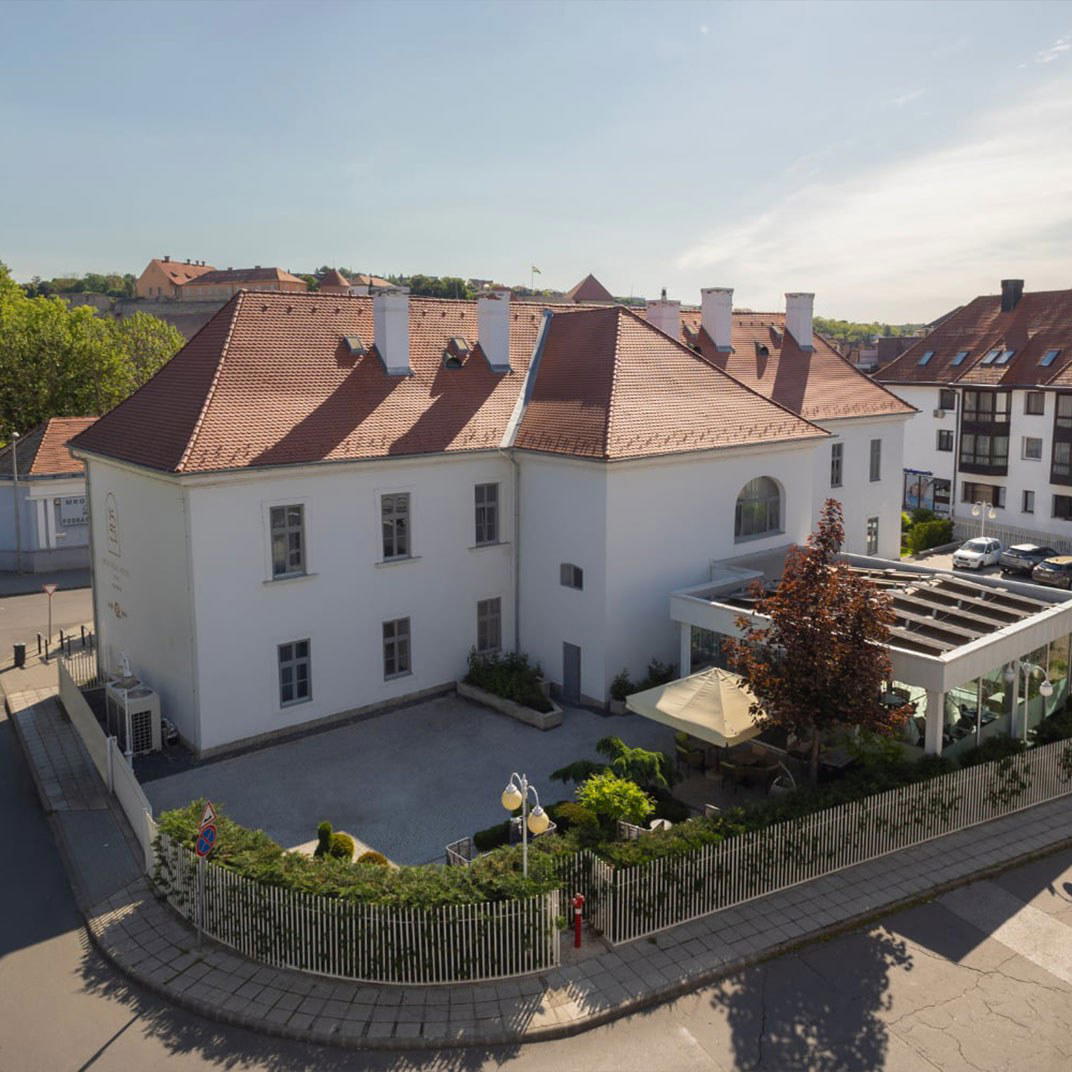
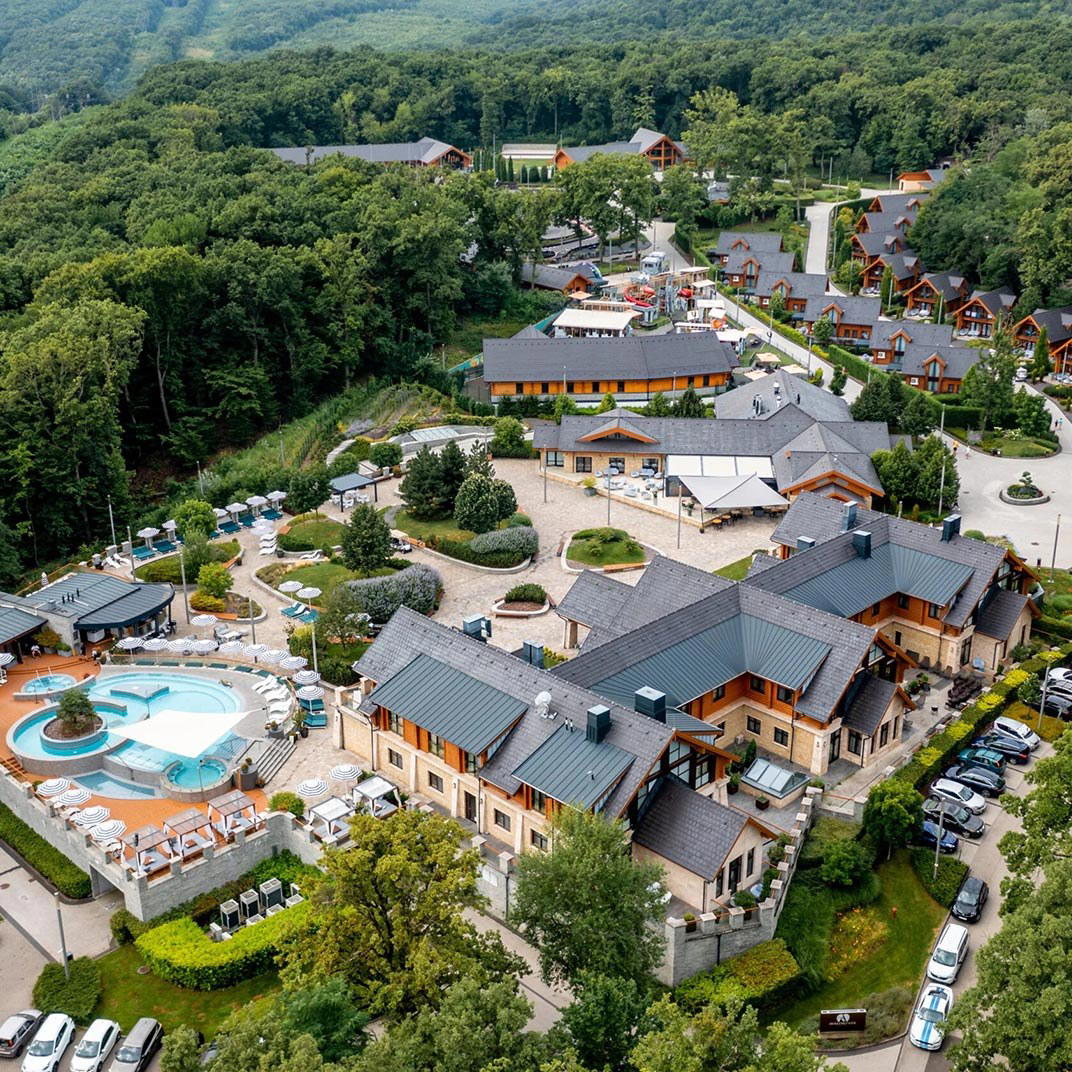
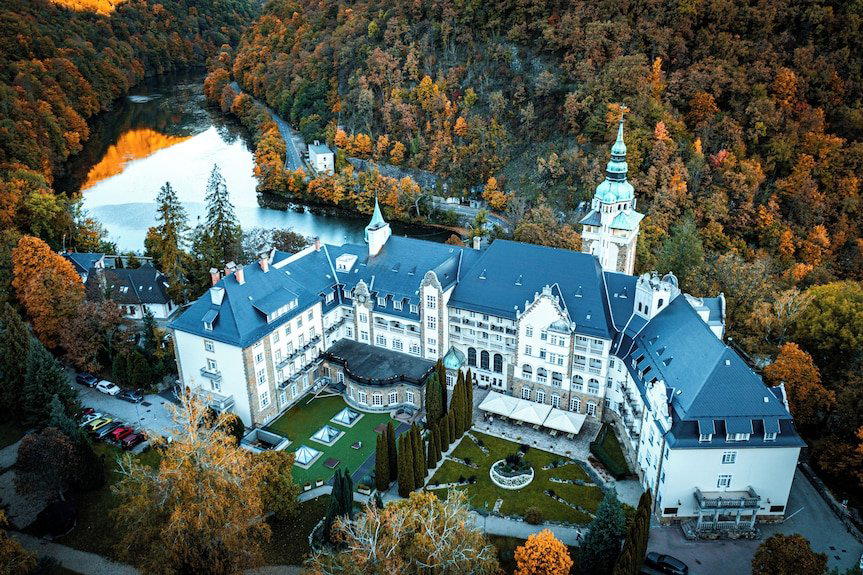
Approach Graefl Major Kétútköz along the flat agricultural roads that cross Hungary's Great Plain east of the Tisza, and the art nouveau mansion appears as a considerable surprise against the open horizon. The restored manor sits at the centre of 25 acres of working gardens and grounds, and that relationship between the land and the dining room is not incidental, it is the entire point. This is not a restaurant that sources locally in the fashionable sense of logging a few regional suppliers on the menu. The grounds function as a production system: fruit and vegetables grown to order, game hunted from the surrounding land, wheat milled on the estate for the bread, meats cured in-house, and beer brewed to an artisan recipe. What reaches the table has, in most cases, travelled no further than the distance between a kitchen garden and a pass.
Michelin awarded the property a Plate in 2024, a recognition that places Graefl Major in a specific tier of Hungarian dining: not the starred urban kitchens of Budapest (where venues like Stand and Borkonyha operate in a different register entirely), but the growing cohort of estate-rooted, regionally grounded restaurants beyond the capital. The Plate signals cooking worth a detour, and in this case the detour is the experience. You do not pass through Poroszló on the way to somewhere else.
The Logic of a Closed-Loop Kitchen
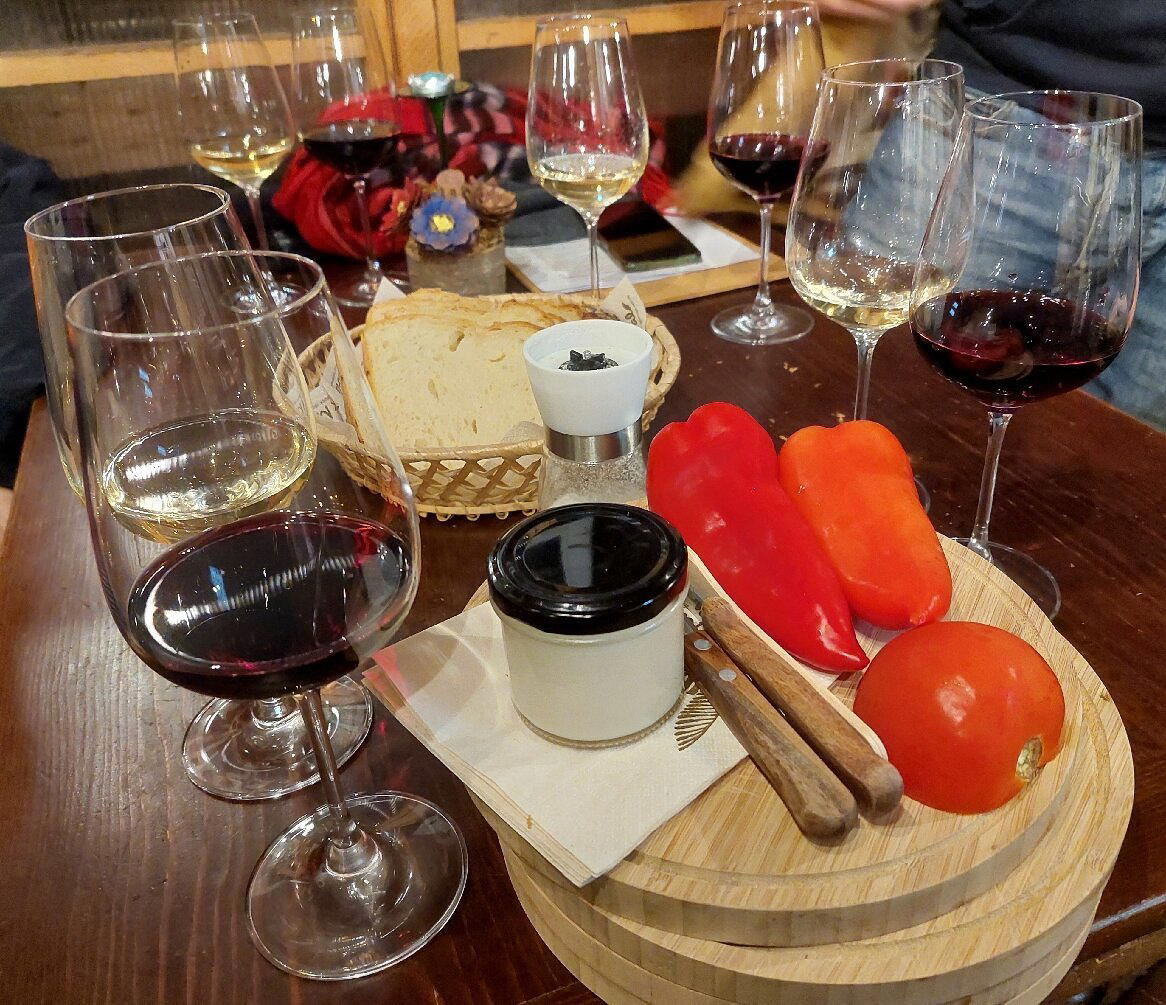
Self-sufficient restaurant estates are rare in Central Europe, and the ones that achieve it at any meaningful scale tend to do so over decades of committed land management. The 25 acres at Graefl Major represent the kind of agricultural infrastructure that cannot be assembled quickly. The kitchen's use of its own wheat for bread is particularly telling: most restaurants that describe themselves as farm-to-table still buy flour from commercial mills. Milling your own grain is a structural commitment, not a seasonal flourish.
The same logic applies to the cured meats. Charcuterie produced on-site means the kitchen controls salt ratios, hanging times, and the breed and diet of the animal, variables that commercial supply chains flatten into consistency. In Hungarian traditional cuisine, pork preparation carries significant cultural weight, and a kitchen with direct oversight of that process is working in a different register from one buying from a distributor, however good that distributor might be.
Game follows the seasons of the surrounding land rather than a purchasing calendar. When it is in season, it appears on the menu; when it is not, it does not. This is a more disciplined position than most restaurants maintain, and it means the menu shifts with genuine rather than performed seasonality. Visitors in autumn will encounter different dishes from those arriving in late spring, and neither version is a compromise.
Among Hungarian restaurants operating at this price point (the €€ tier, comparable in local context to venues like Stand25 Bisztró in Budapest), the combination of Michelin recognition and this degree of vertical integration is unusual. Properties like Pajta in Őriszentpéter share some of the estate-kitchen spirit, and Botanica in Dánszentmiklós pursues a comparable rootedness in its sourcing, but the full closed-loop model at Graefl Major, including grain milling and artisan brewing, represents a more complete version of that approach than most.
The Setting and What It Adds
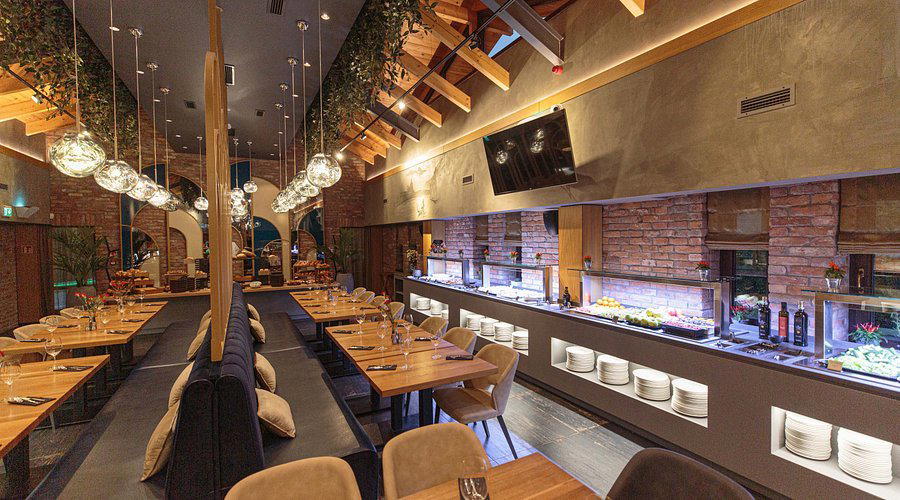
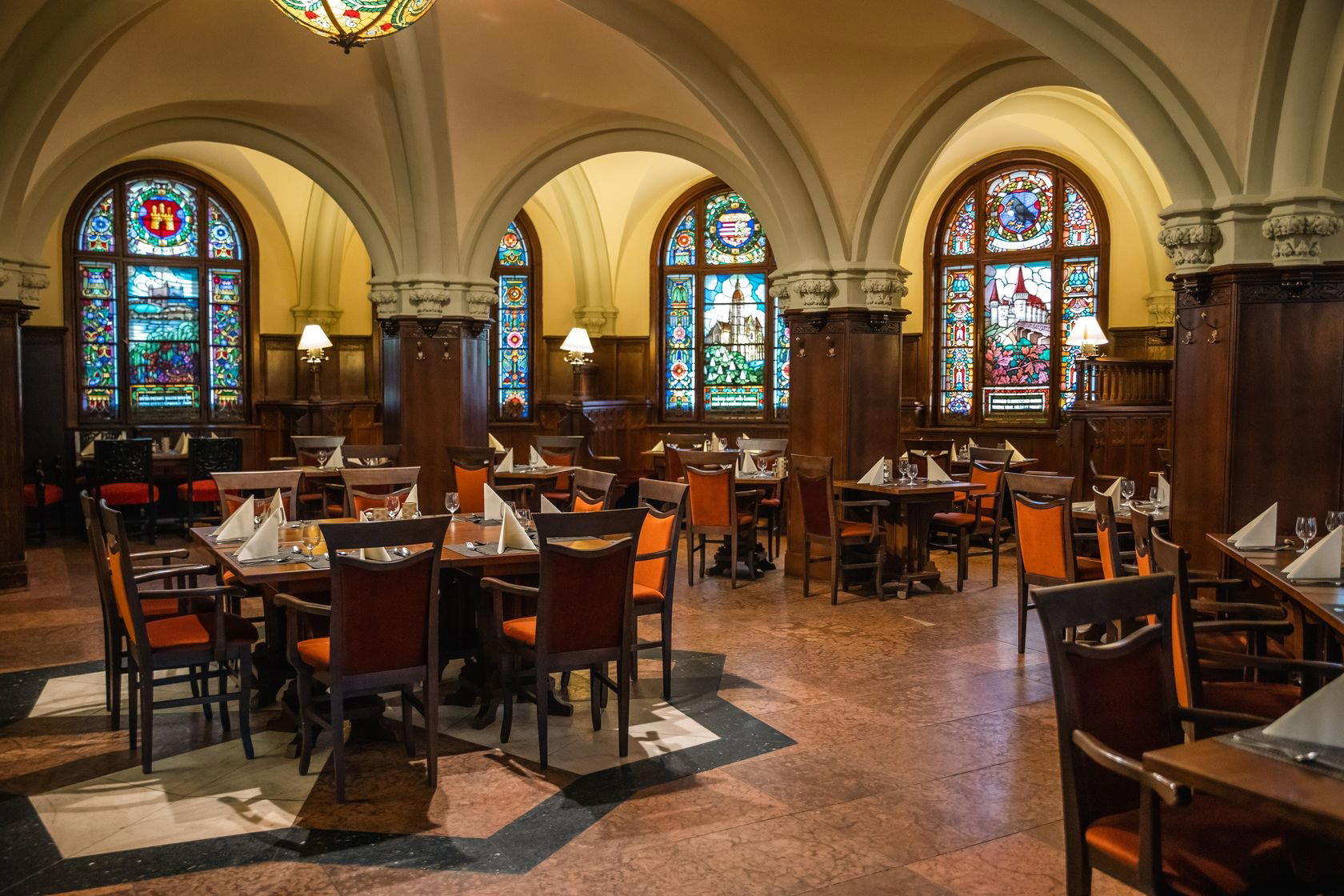
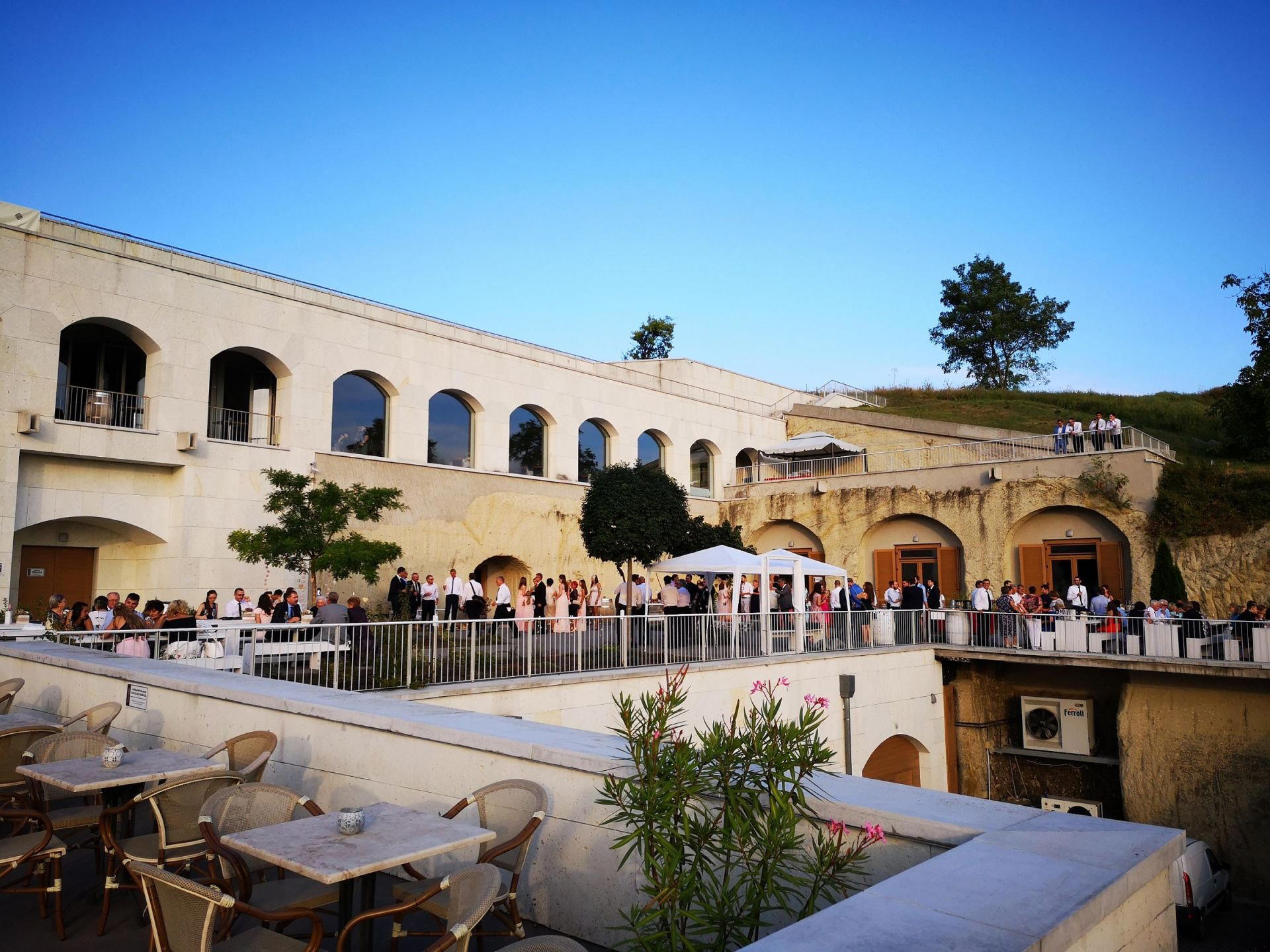
The art nouveau architecture does specific work here. Restored manor houses in rural Hungary often carry a weight of Habsburg-era formality that can read as stiff or museified. At Graefl Major, the building functions as a backdrop for something living and productive rather than preserved. The gardens are working ground, not ornamental. The result is an atmosphere that reads as inhabited rather than staged, the particular quality that estate dining rooms achieve when the property has a clear agricultural purpose beyond the restaurant itself.
The Great Plain at this latitude has a particular quality of light in the early morning and at dusk that rewards slower movement through it.
For those exploring the wider region, Andrassy Restaurant in Tarcal and Anyukám Mondta in Encs represent other points on the map of provincial Hungarian dining worth building an itinerary around. The northeast of Hungary is underrepresented in most travel coverage relative to the quality of what is happening there. Avalon Ristorante in Miskolc adds an Italian-inflected counterpoint if you are routing through the Bükk region.
Planning a Visit
Poroszló sits on the western edge of the Hortobágy National Park, roughly two hours by road from Budapest and accessible from Eger in under an hour. The estate address on Kétútközi utca places it at the edge of the village. Given the rural location and the reservation policy, booking ahead is the sensible approach.
Poroszló's position near the Tisza-tó reservoir also makes it a plausible anchor for a longer stay in the region.
How It Stacks Up
Comparable venues nearby, for context on price, style, and recognition.
| Venue | Cuisine | Price | Awards | Notes |
|---|---|---|---|---|
| Graefl Major Kétútköz | Traditional Hungarian Farm-to-Table | $$$ | Michelin Plate | Poroszló |
| St. Andrea | Modern Hungarian Fine Dining | $$$ | Michelin Plate | Terézváros |
| Füge | Modern Hungarian Bistro | $$$ | Michelin Plate | Biatorbágy |
| Zincenco Kitchen | Modern Hungarian with International Influences | $$$$ | Michelin Plate | Terézváros |
| Tati | Modern Hungarian Farm-to-Table | $$$ | Michelin Plate | Pest |
| IKON | Modern Hungarian | $$$ | Michelin Plate | City Center |
Recognition history
Dated appearances from independent guides and award organizations, with the underlying list record or original source where available.
Michelin Plate
Michelin
Michelin Plate
Michelin
At a Glance
- Classic
- Rustic
- Elegant
- Scenic
- Cozy
- Special Occasion
- Celebration
- Garden
- Historic Building
- Extensive Wine List
- Farm To Table
- Local Sourcing
- Garden
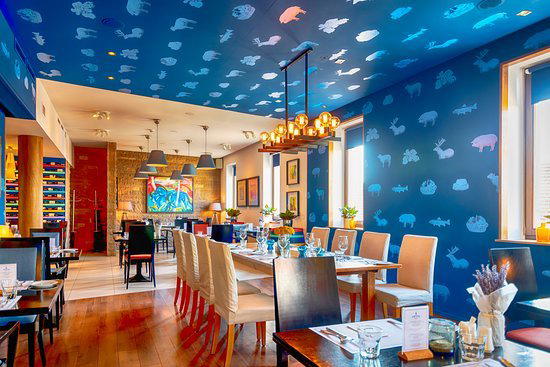
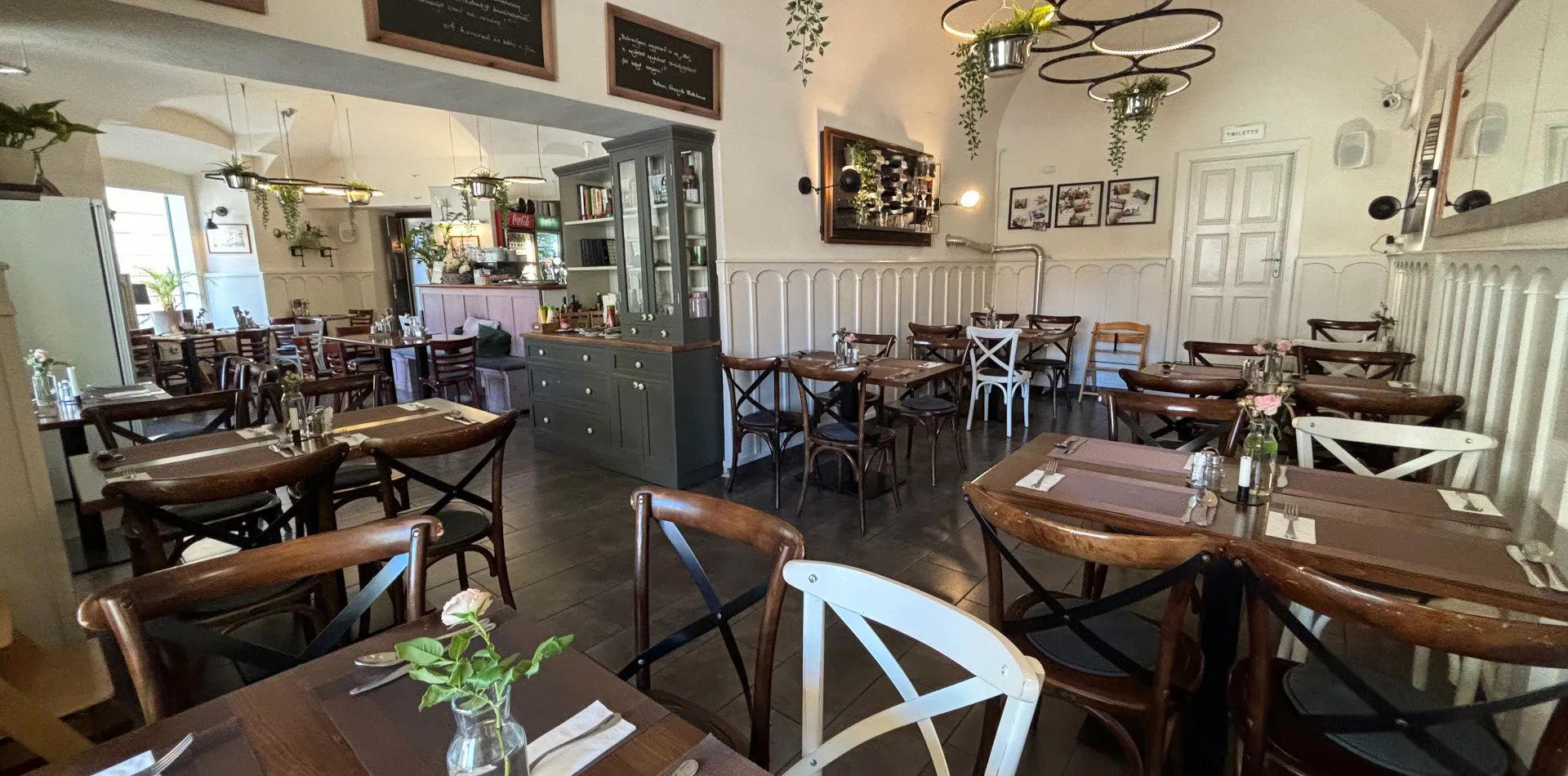
Historical milieu evoking Hungarian nobility with peaceful, nature-surrounded atmosphere.