Juhász Winery sits at Szépasszonyvölgy 40 in Eger's famous Valley of Beautiful Women, where Hungary's Bull's Blood tradition meets a newer generation of precision viticulture. For anyone mapping Eger's wine scene beyond the tourist-facing cellar rows, Juhász is a reference point worth understanding.

Pearl is the En Primeur Club membership app — saves, bookings, and concierge access live there. Same editors, same standards.
- Address
- Eger, Szépasszonyvölgy 40, 3300
- Phone
- +36 20 230 4003
- Website
- juhaszbor.hu
- Directions
- Get directions
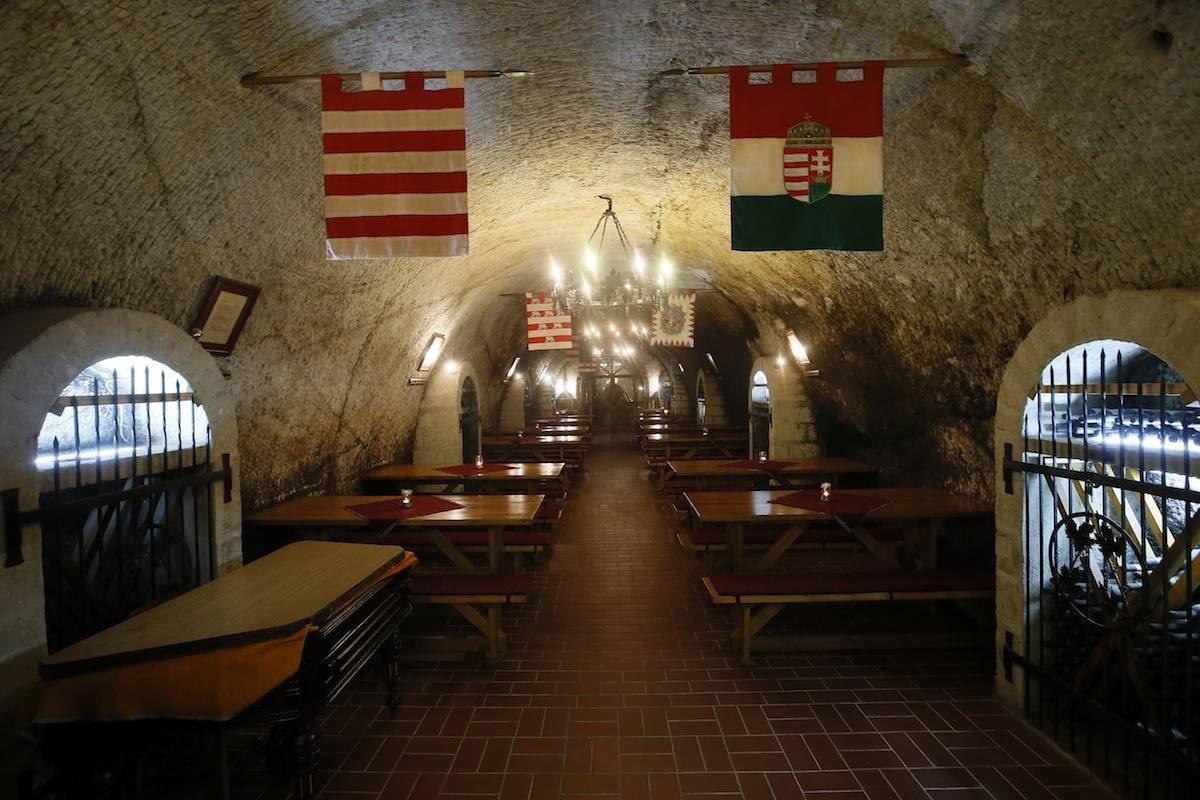
Where Eger's Wine History Meets Contemporary Practice
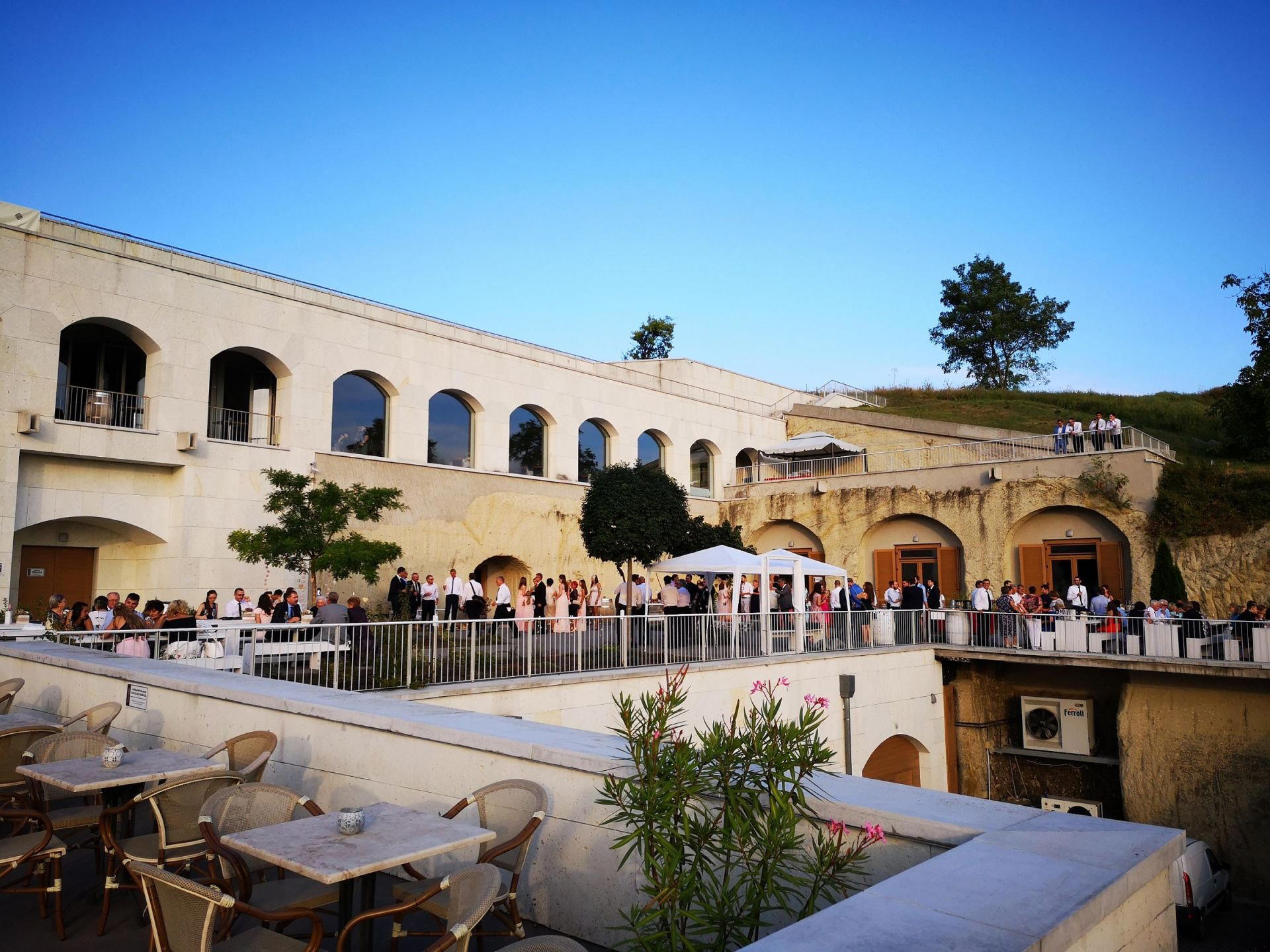
Szépasszonyvölgy — the Valley of Beautiful Women — is one of those wine addresses that carries the weight of centuries. The hillside quarter on Eger's southwestern edge holds dozens of cellar doors carved into volcanic tuff, and on summer evenings the lane fills with visitors working their way from door to door, tasting Egri Bikavér and Leányka from plastic cups. It is, by any honest measure, a tourist destination first and a serious wine district second. That tension is what makes Juhász Winery, located at number 40 on that same road, worth examining more carefully.
Eger's wine identity has been in active reconstruction since the early 1990s, when the collapse of the state cooperative system left producers rebuilding from almost nothing. The region's two flagship categories, Egri Bikavér (Bull's Blood) and the white Egri Csillag blend, are now protected designations with tiered quality hierarchies, and a generation of producers has invested in site selection, lower yields, and cellar discipline to push both styles toward international credibility. Juhász operates within that effort, and the Prestige recognition in 2025 confirms its position at the quality end of the local spectrum.
The Viticulture Context: Eger's Volcanic Soils and What They Demand
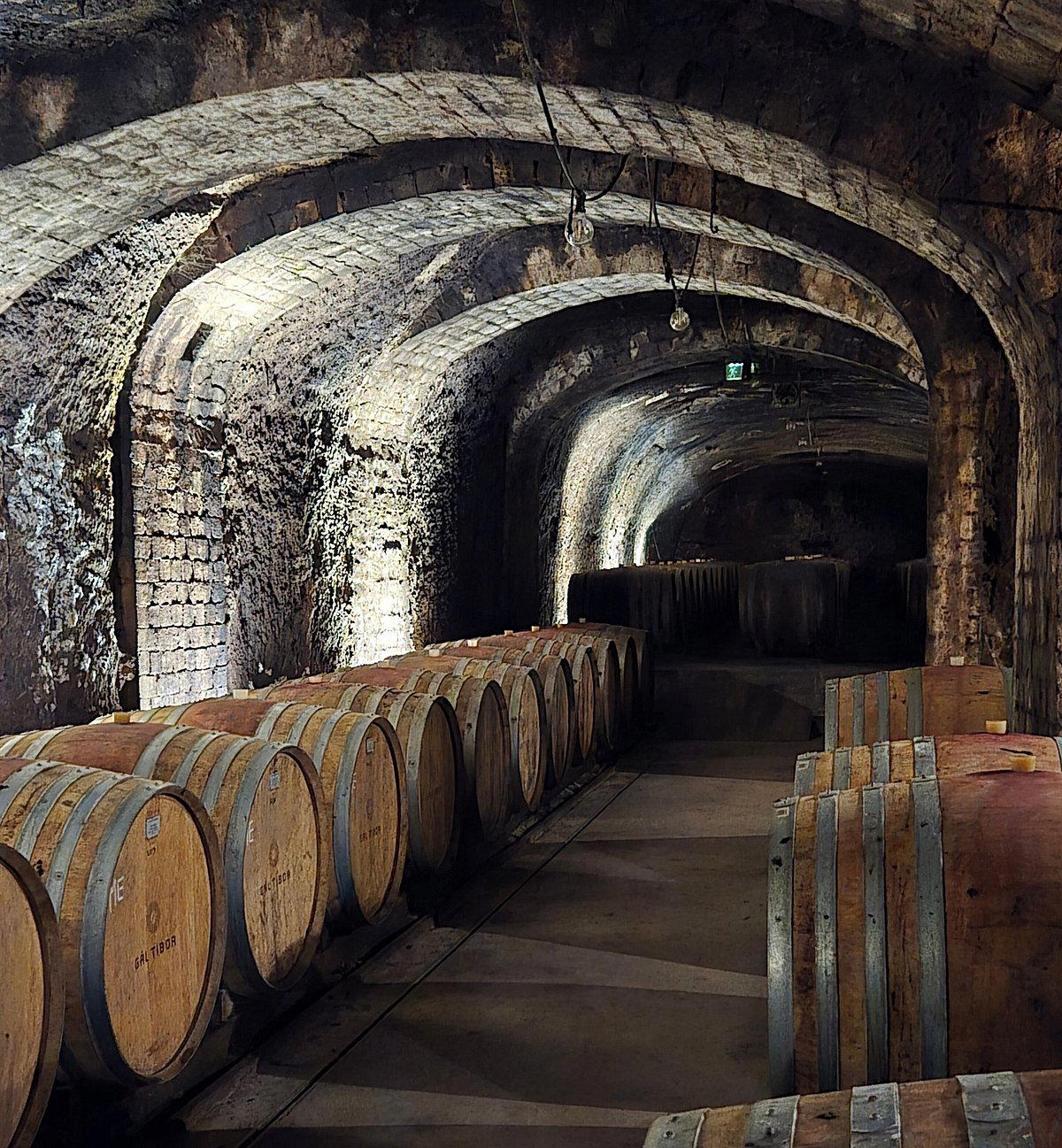
The terroir argument for Eger rests on geology. The region sits on a base of rhyolite tuff, the same compressed volcanic material that was hollowed out to create those famous cellar tunnels, topped with a mix of clay, limestone, and brown forest soils across different slope aspects. The combination suits both the Kadarka and Kékfrankos (Blaufränkisch) grapes that anchor Bikavér blends, and the Furmint, Leányka, and Chardonnay varieties that drive the region's white wine ambitions. Elevation and exposure matter here in ways that don't always show up on a basic map of the appellation.
Across Hungary's wine regions, the producers gaining recognition in the 2020s have generally moved toward lower intervention in the vineyard and more restrained cellar work. This mirrors a pattern visible at a regional level: estates such as Bolyki Winery and Gál Tibor Winery in Eger have each built reputations around specific vineyard parcels and defined house styles, while Bukolyi Winery and Demeter Csaba Winery represent the smaller artisan tier where volumes are low and winemaking decisions are made with corresponding precision.
The editorial angle of sustainability and viticulture is increasingly relevant to Eger's quality story. Producers at the recognised tier of the market are generally those who have committed to practices that preserve long-term soil health, reduced chemical inputs, cover cropping, and attention to the microbial balance that healthy volcanic soils support. These commitments are not marketing positions in the Eger context; they are practical responses to a growing season that can be difficult, with spring frosts, summer drought pressure, and autumn humidity all posing real risks to quality. The producers who manage these risks through vineyard-level decisions, rather than correcting problems in the cellar, consistently outperform peers at blind tastings.
Szépasszonyvölgy as a Wine Address
The Valley of Beautiful Women address at number 40 carries both advantages and complications. The advantage is context: visitors arriving in Eger to understand the region's wine culture will come here, and the cellar environment, carved into the hillside, maintaining a natural cool temperature year-round, is one of the most efficient natural storage systems in Hungarian viticulture. The complication is that the valley's reputation for casual, tourist-oriented tasting can obscure producers operating at a higher level of seriousness. Juhász's Prestige-tier recognition functions as a signal to the informed visitor that this address rewards closer attention.
For comparison with Eger's broader regional peers, the Tokaj wine region to the northeast has long set the international benchmark for Hungarian fine wine. Producers such as Disznókő in Mezőzombor, Royal Tokaji in Mád, Tokaj Hétszőlő in Tokaj, Tokaj Oremus in Tolcsva, and Árvay Winery in Rátka have benefited from decades of international investment and critical attention. Eger's red-led identity has had a longer road back, and the gap in global recognition between the two regions remains real. The Prestige tier at Juhász signals a producer that has closed much of the quality gap even if the marketing gap takes longer to bridge.
Among producers earning similar recognition in other Hungarian wine regions, Babarczi Winery in Gyor and Béres Winery in Erdőbénye illustrate how the designation tracks across different regional styles, while internationally, the approach to volcanic-soil viticulture has parallels at producers as different as Aberlour in Aberlour and Accendo Cellars in St. Helena in the way terroir-driven decision-making shapes house character across appellations.
Also Worth Exploring in Eger
The region's quality tier is concentrated enough that a serious visit to Eger's wine scene benefits from mapping several producers in a single trip. Gróf Buttler Winery operates at the historic estate end of the spectrum, and the contrast between its approach and the more contemporary positioning of Juhász is instructive for understanding how Eger's producers have each chosen different paths back to quality relevance. For a full picture of where to eat, drink, and stay in the region, the EP Club Eger guide covers the city's restaurants and wine addresses at neighbourhood level.
Planning a Visit
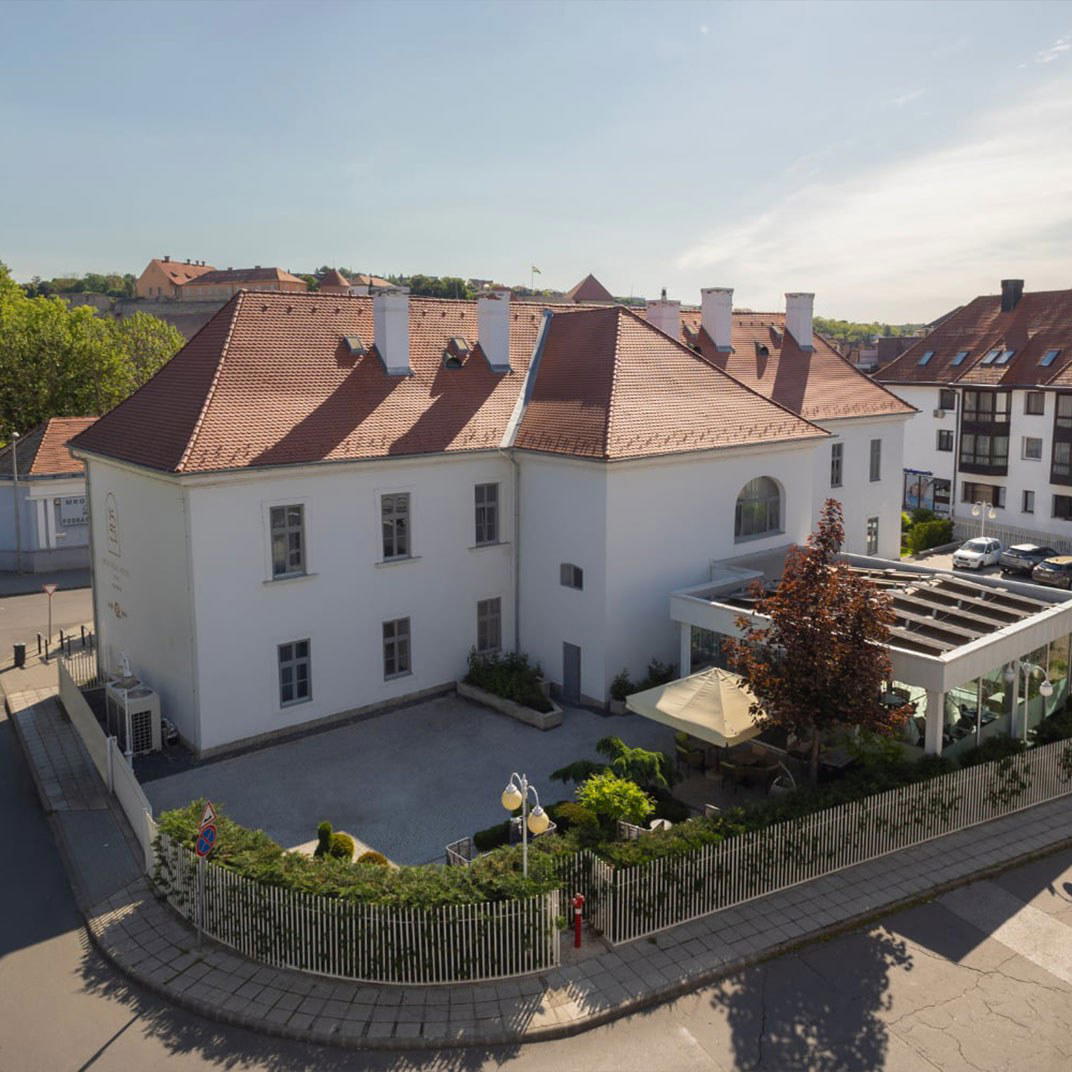
Juhász Winery's address at Szépasszonyvölgy 40 in Eger is walkable from the city centre, which sits roughly fifteen minutes on foot to the northeast, making it a practical stop within a broader Eger day rather than a destination requiring separate logistics. The valley is busiest on summer weekends, when the cellar row attracts large numbers of casual visitors; arriving on a weekday or outside the July-August peak gives a quieter, more considered experience.
A Credentials Check
| Venue | Price | Awards |
|---|---|---|
| Juhász WineryThis venue — the venue you are viewing | $10–20 | Not listed |
| Bolyki Winery | $30–50 | Not listed |
| Kovács Nimród Winery | Not listed | Falstaff Winery - Listed |

Details
- Rustic
- Classic
- Cozy
- Intimate
- Group Outing
- Special Occasion
- Wine Education
- Celebration
- Historic Building
- Private Tasting
- Design Destination
- Sustainable
- Vineyard
- Kékfrankos
- Cabernet Franc
- Merlot
- Egri Bikavér
- Olaszrizling
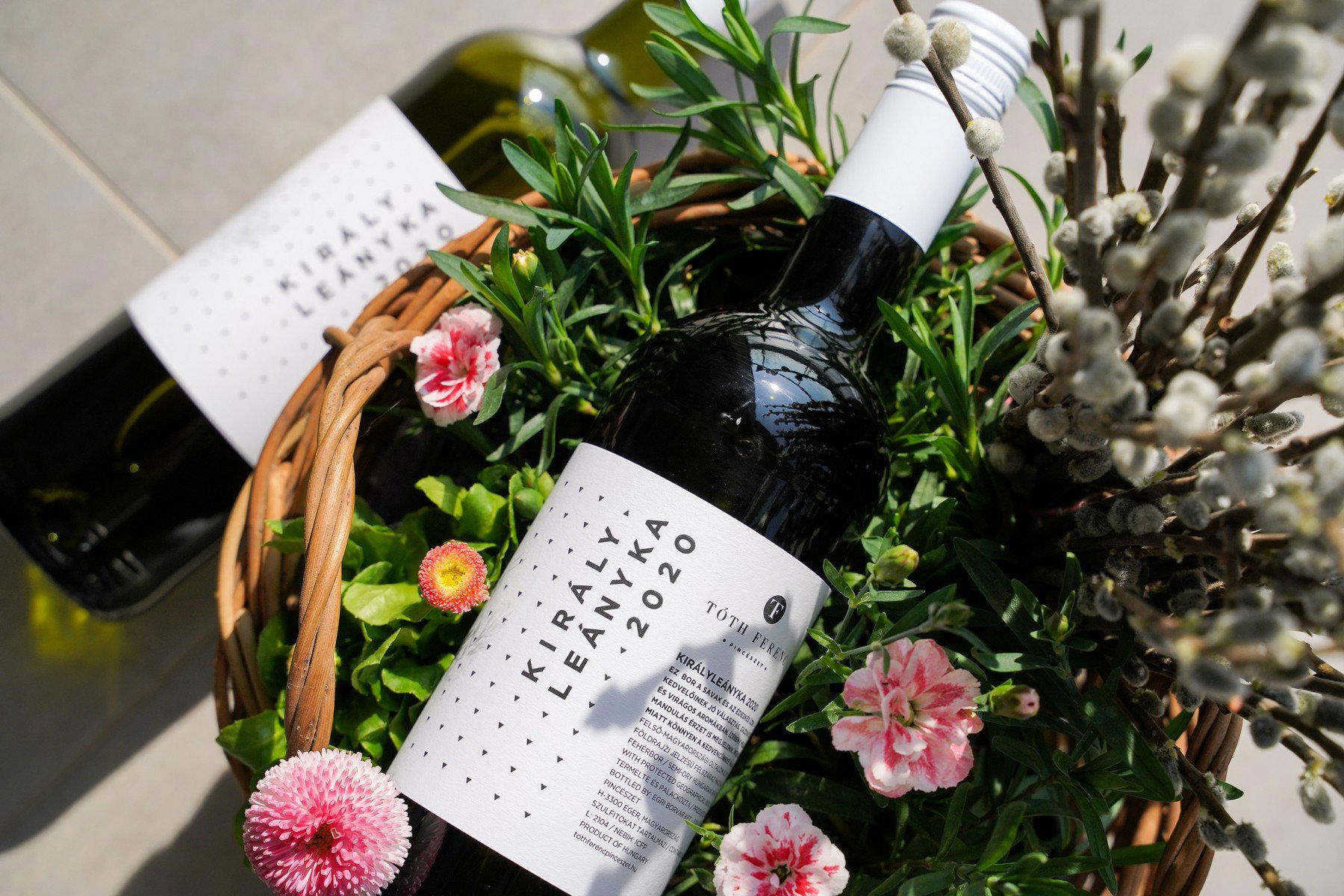
- Leányka
- Still Red
- Still White
- Still Rosé
- Sparkling
- Walk In Tasting
- Group Tasting
- Guided Cellar Tasting
- English
- Hungarian
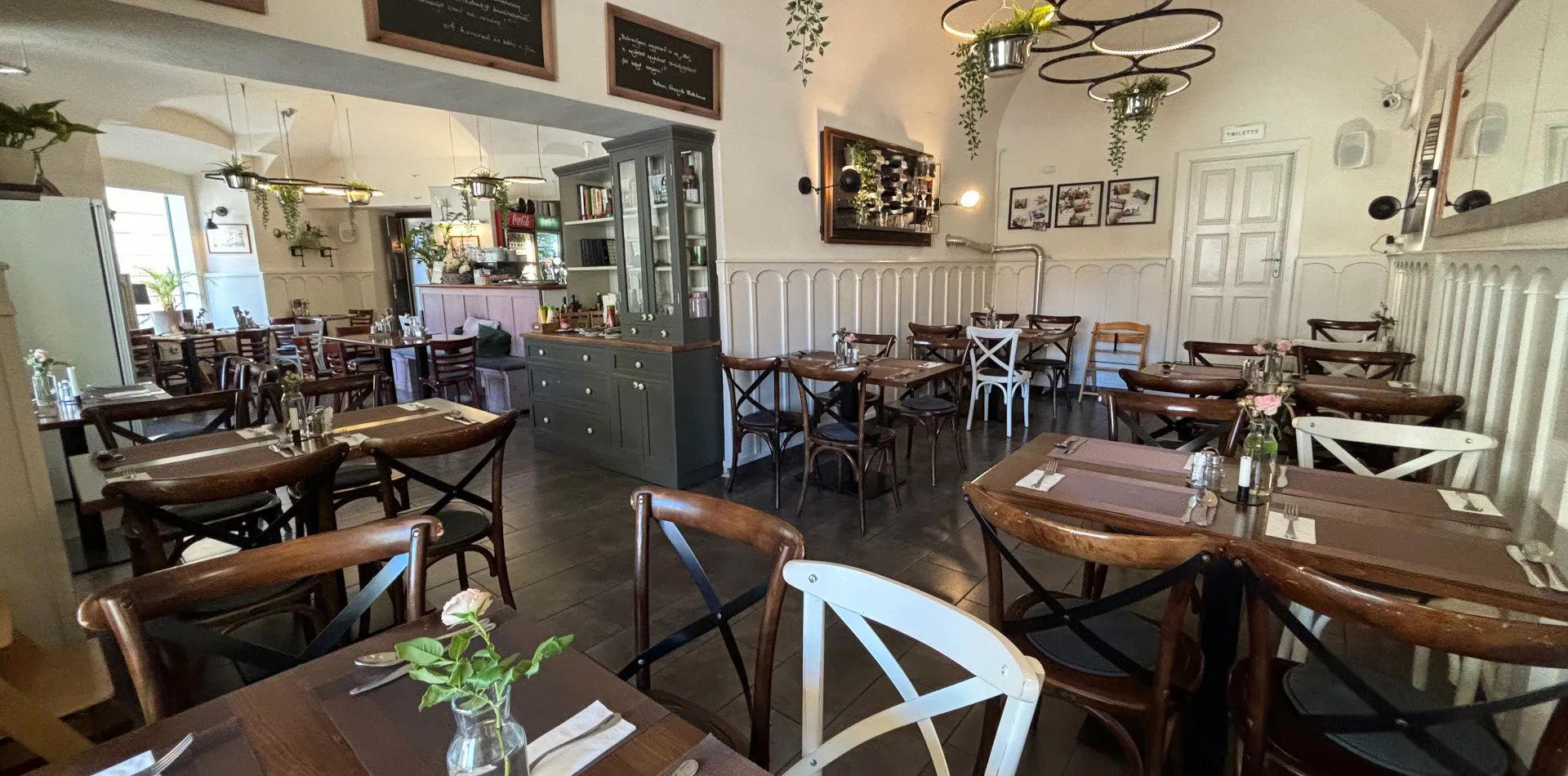
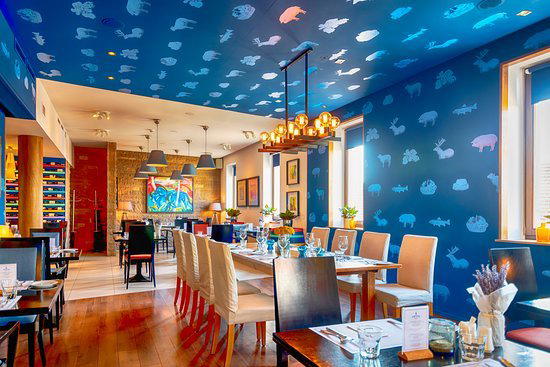
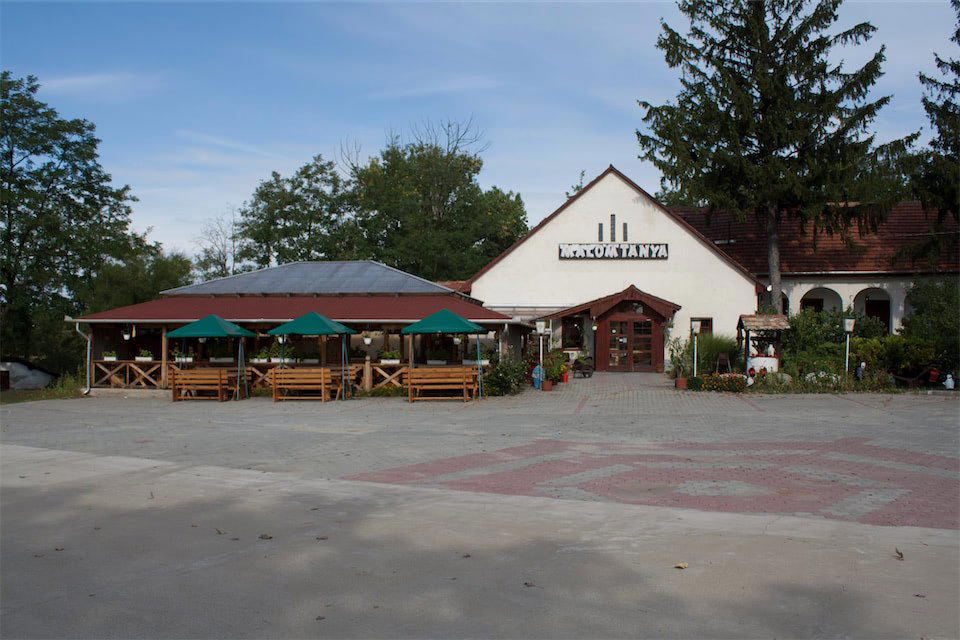
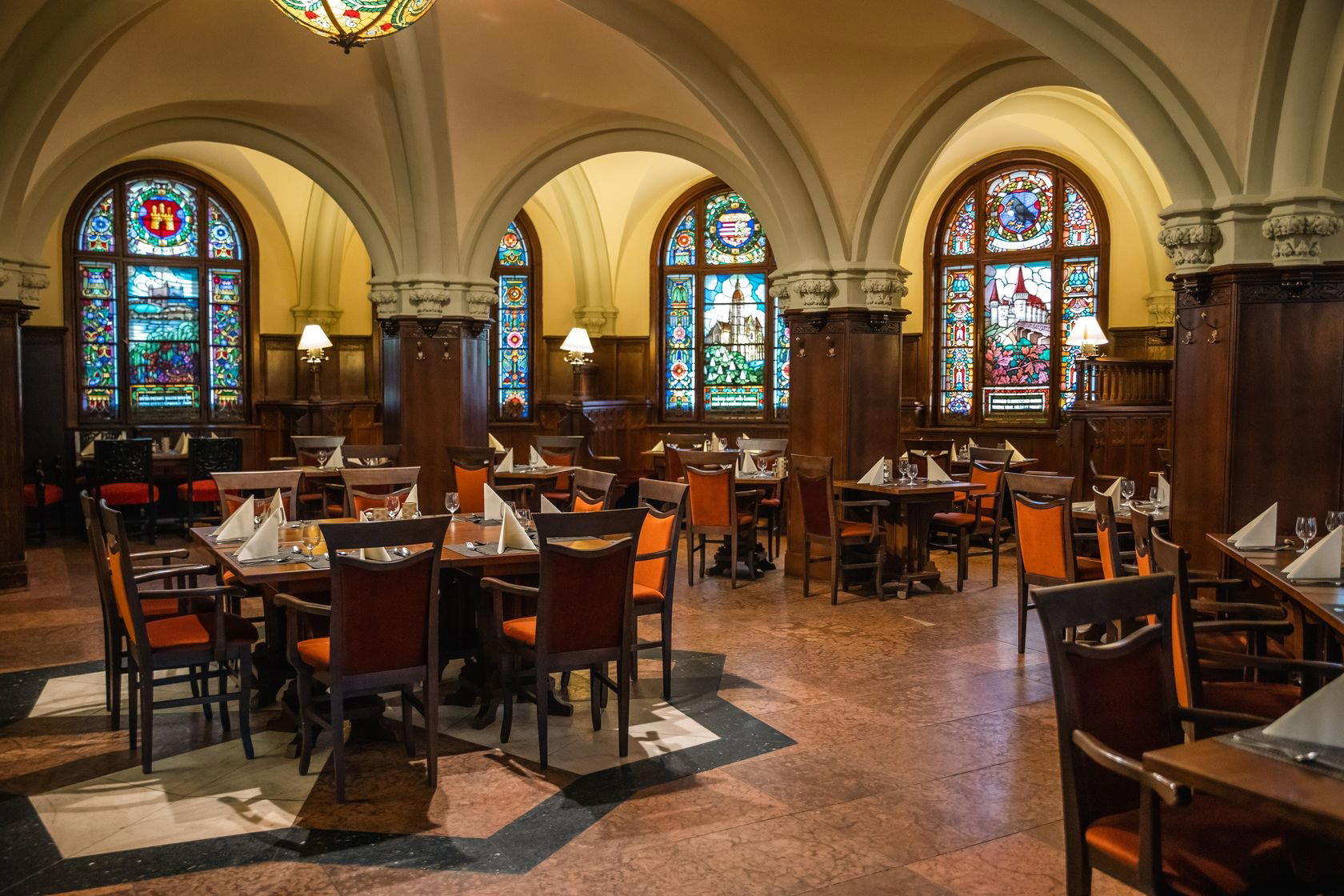
Rustic, carefully designed cellar atmosphere with a traditional rhyolite tuff setting and an intimate wine-bar feel.