The winery sits on Kőlyuktető út, a address associated with serious vine cultivation above the city. For visitors to Hungary's northern wine country, it represents a structured entry point into the Eger appellation's upper tier.

Pearl is the En Primeur Club membership app — saves, bookings, and concierge access live there. Same editors, same standards.
- Address
- Kőlyuktető út 28-30, 3300 Eger, Hungary
- Phone
- +36205851126
- Website
- demeterboraszat.hu
- Directions
- Get directions
Eger's Upper Tier and Where Demeter Csaba Sits Within It
Eger has spent the better part of two decades rebuilding its reputation after the mass-production era that left Egri Bikavér — Bull's Blood — as a supermarket shorthand rather than a serious appellation signal. That rebuild is now measurable. A cluster of producers working the volcanic soils above the city have accumulated formal recognition, and the peer group around addresses like Kőlyuktető út now competes on quality criteria that would have seemed aspirational fifteen years ago.
That positioning matters for how you approach a visit. Eger's wine district rewards preparation. The producers who have earned structured recognition tend to operate with a different rhythm from cellar-door walk-ins: appointment expectations, smaller tasting allocations, and a format that assumes the visitor has some framework for what they are tasting. Arriving with context, knowing where Eger's Kadarka, Kékfrankos, and Egri Bikavér blends fit within Hungarian wine's broader geography, is the difference between a productive afternoon and a pleasant but forgettable one.
The Hill Address and What It Signals
Kőlyuktető, the ridge area above Eger, carries geological significance in this appellation. The volcanic tuff and andesite soils at elevation contribute to the mineral tension that distinguishes Eger's more serious reds from the flatter, fruit-forward wines made from valley-floor fruit. Producers who hold addresses on or near this ridge are, in effect, making a claim about their raw material before a bottle is opened. Demeter Csaba's location on this stretch aligns the winery with the appellation's quality geography rather than its volume production zones.
For context on how Eger's hillside producers sit relative to each other, the 2025 recognition landscape is informative. Bolyki Winery, Bukolyi Winery, Gál Tibor Winery, Gróf Buttler Winery, and Juhász Winery all operate within the same appellation, and collectively they define what a serious Eger tasting itinerary looks like.
Food Pairing and the Hospitality Tradition in Hungarian Wine Country
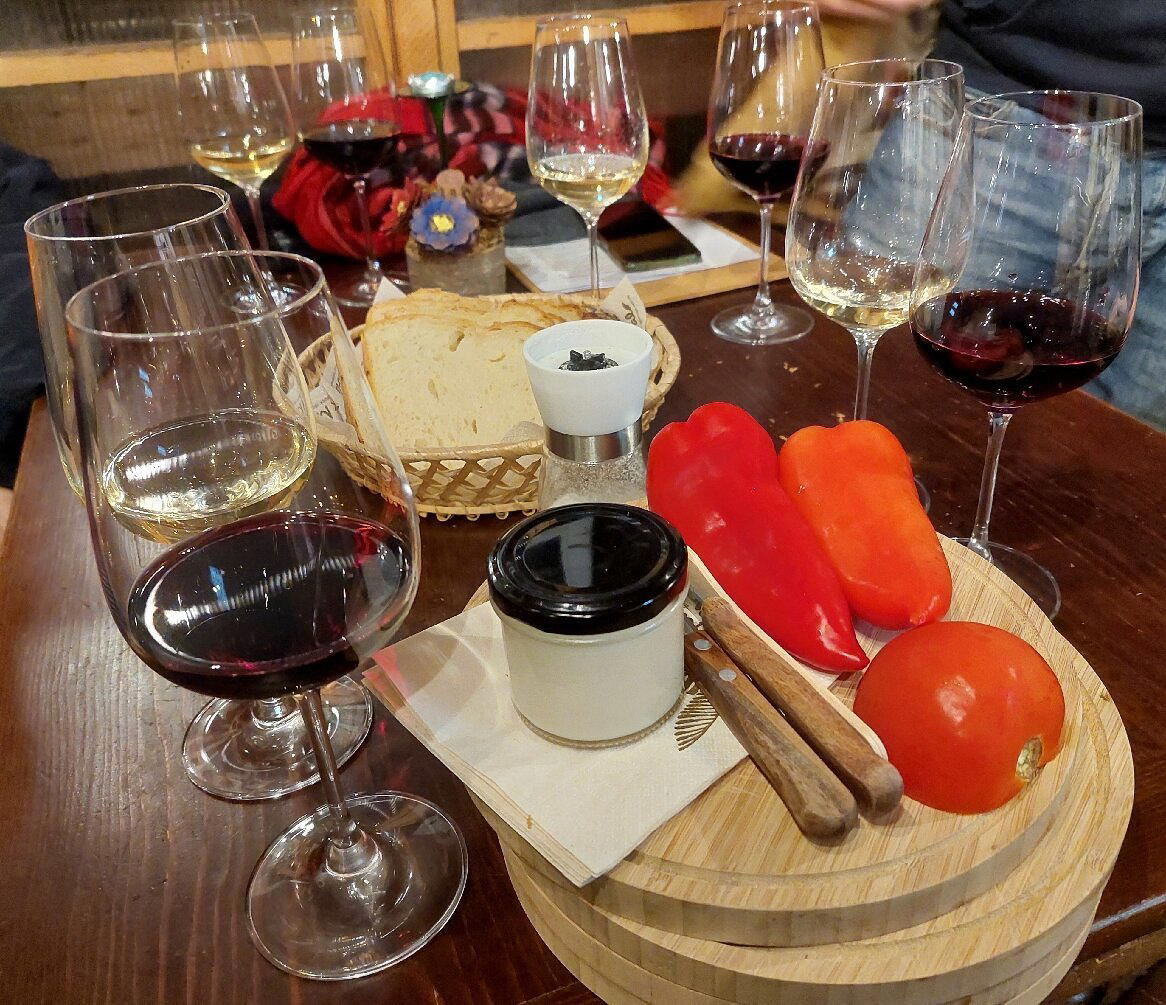
Hungarian wine hospitality has its own architecture, distinct from Burgundy's cave visits or Napa's resort-scale tasting rooms. At its finest, it centres on the table: a working lunch or late afternoon spread of local charcuterie, pickled vegetables, and bread that gives the wines a structural reference point rather than treating tasting as an abstract exercise. This is not incidental. The indigenous varieties that define Eger, Kékfrankos especially, with its high acidity and iron-rich tannic grip, are built for food. Tasted without it, they can read as austere. Tasted alongside cured meats or a dish built around paprika and slow-cooked proteins, the same wines become more legible.
Demeter Csaba's Kőlyuktető út address puts it within the orbit of this tradition. Whether that means a formal pairing programme or the more typical Hungarian approach of an informal table spread is information visitors should confirm directly before arrival, but the recognition tier implies a visit format with some intentionality behind it.
For those planning a longer tasting itinerary in northern Hungary, the region's food and wine logic extends north into Tokaj, where producers like Disznókő in Mezőzombor, Royal Tokaji in Mád, Tokaj Hétszőlő in Tokaj, Tokaj Oremus in Tolcsva, and Árvay Winery in Rátka operate in a register defined by Furmint and Aszú rather than Bikavér. The contrast between Eger's volcanic reds and Tokaj's botrytised whites makes for a coherent two-day circuit from Budapest, with the pairing logic shifting entirely at the regional border.
Planning a Visit: What the Prestige Tier Requires
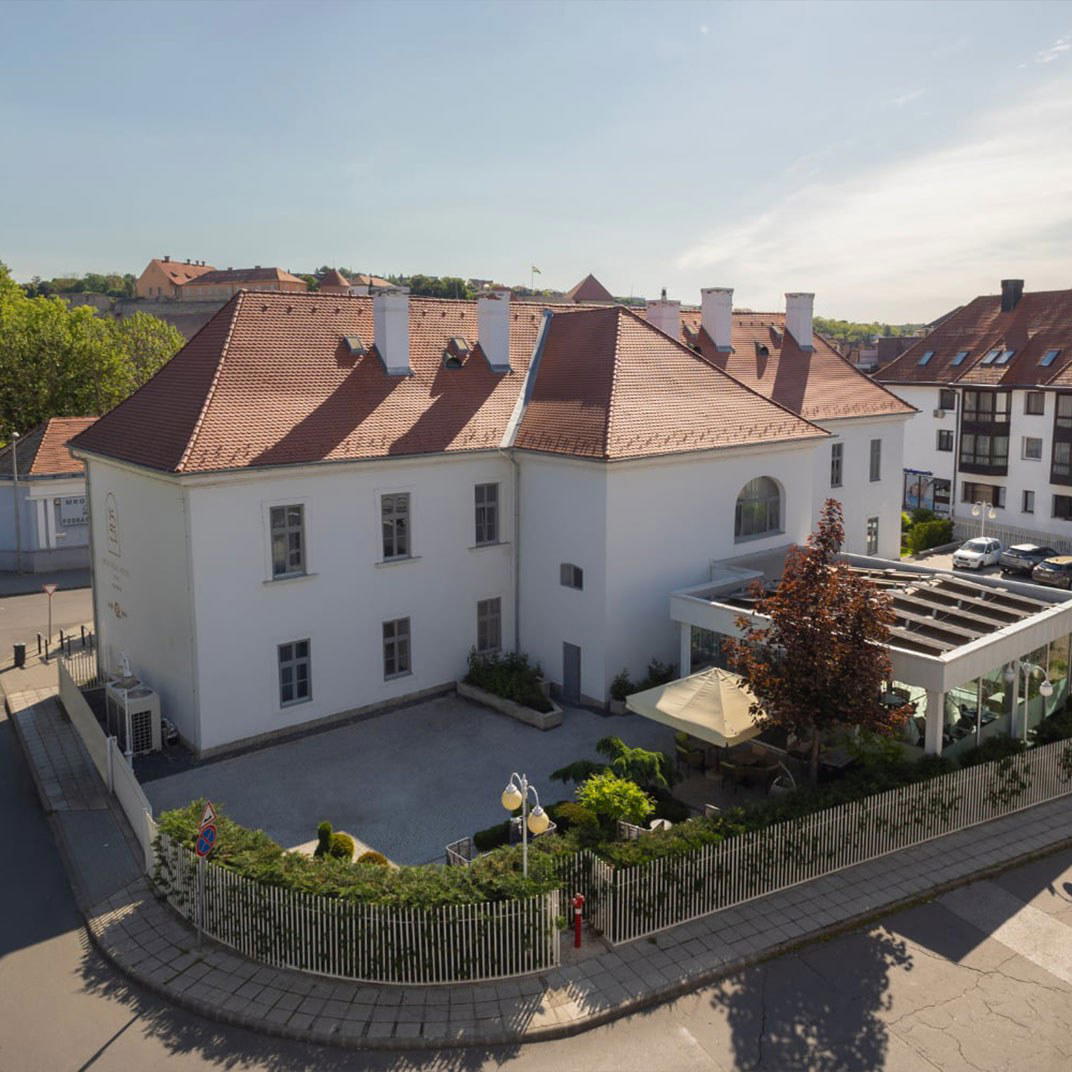
Eger is reachable from Budapest in roughly two hours by train, with regular departures from Keleti station. The city's historic centre and wine district are compact enough to cover on foot once you have arrived, though the hillside wineries above the castle require either a car or a short taxi. Kőlyuktető út 28-30 is in that refined zone, which means a visit to Demeter Csaba fits logically into a morning or afternoon block alongside other ridge-address producers.
Contact details for the winery are not currently listed in public directories, which is not unusual for smaller prestige producers in Eger who operate primarily through direct relationships, local agents, or wine tourism programmes organised through the regional wine route. The most reliable approach is through the Eger wine association or a Budapest-based wine tourism operator who maintains current booking relationships.
For a broader read on what Eger offers beyond individual winery visits, our full Eger restaurants guide covers the city's dining character and maps the neighbourhood context around the wine district. Beyond Eger and Tokaj, producers at a comparable recognition tier operate elsewhere in Hungary and internationally, Babarczi Winery in Gyor and Béres Winery in Erdőbénye are worth cross-referencing for visitors building a Hungarian wine itinerary. Further afield, the contrast with single-malt terroir at Aberlour in Aberlour or Napa's Cabernet focus at Accendo Cellars in St. Helena gives useful scale to what Eger's volcanic-soil reds are doing within the global context of place-driven production.
In Context: Similar Options
Comparable venues nearby, for context on price, style, and recognition.
| Venue | Cuisine | Price | Awards | Notes |
|---|---|---|---|---|
| Demeter Csaba WineryThis venue — the venue you are viewing | Kékfrankos, Kadarka | Not listed | Not listed | Not listed |
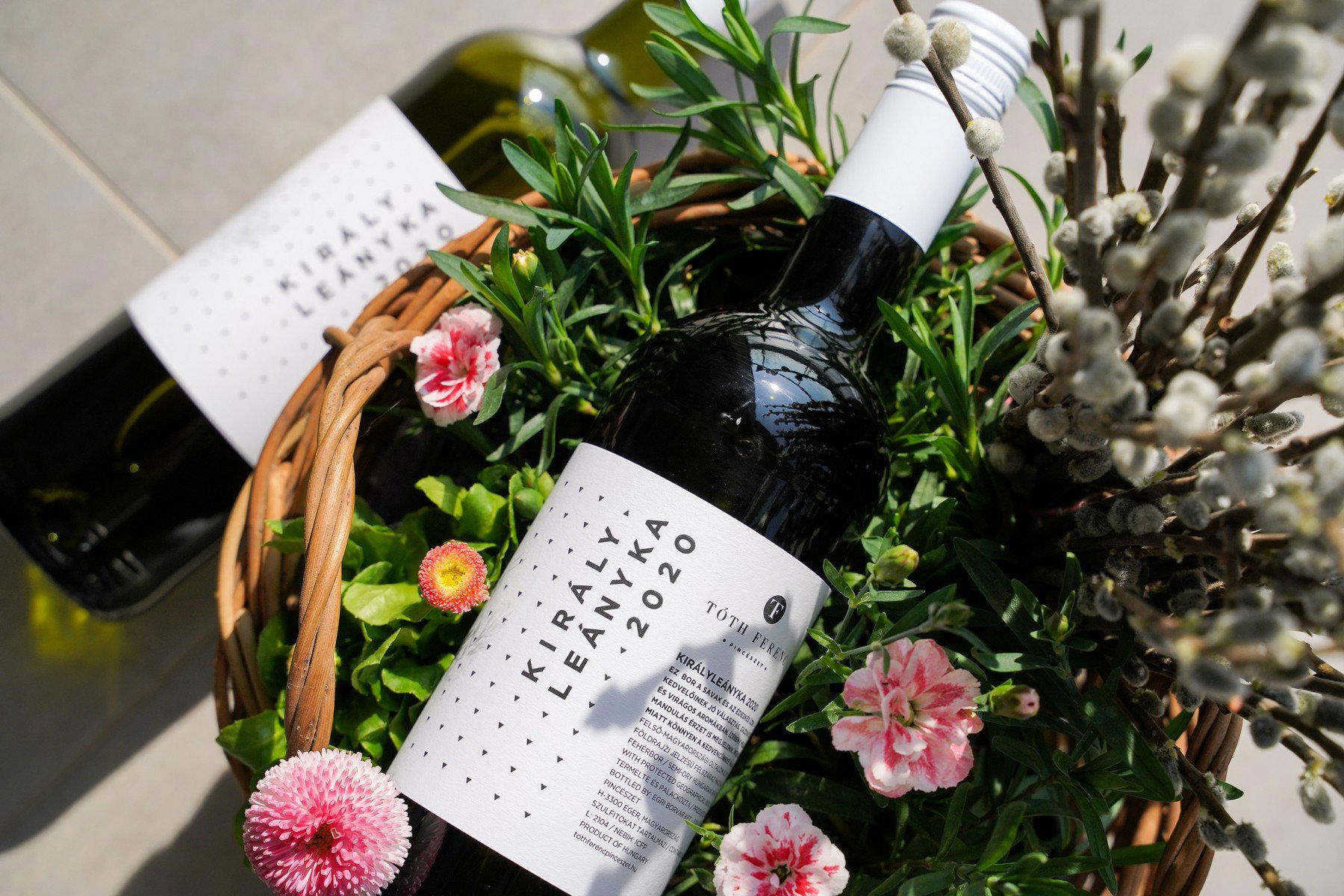
| Tóth Ferenc Pincészet | Leányka, Kadarka | $10–20 | Not listed | Eger |
| Juhász Winery | Kékfrankos, Cabernet Sauvignon | $10–20 | Not listed | Eger |
| Bukolyi Winery | Kékfrankos, Syrah | Not listed | Not listed | Eger |
| Gróf Buttler Winery | Kadarka, Syrah | Not listed | Not listed | Eger |
| Kovács Nimród Winery | Kékfrankos, Pinot Noir | Not listed | Falstaff Winery - Listed | Verőszala Street |
Details
- Cozy
- Rustic
- Intimate
- Wine Education
- Solo Exploration
- Cave Tasting
- Terrace
- Kékfrankos
- Kadarka
- Cabernet Sauvignon
- Cabernet Franc
- Merlot
- Still Red
- Still White
- Wine Tasting
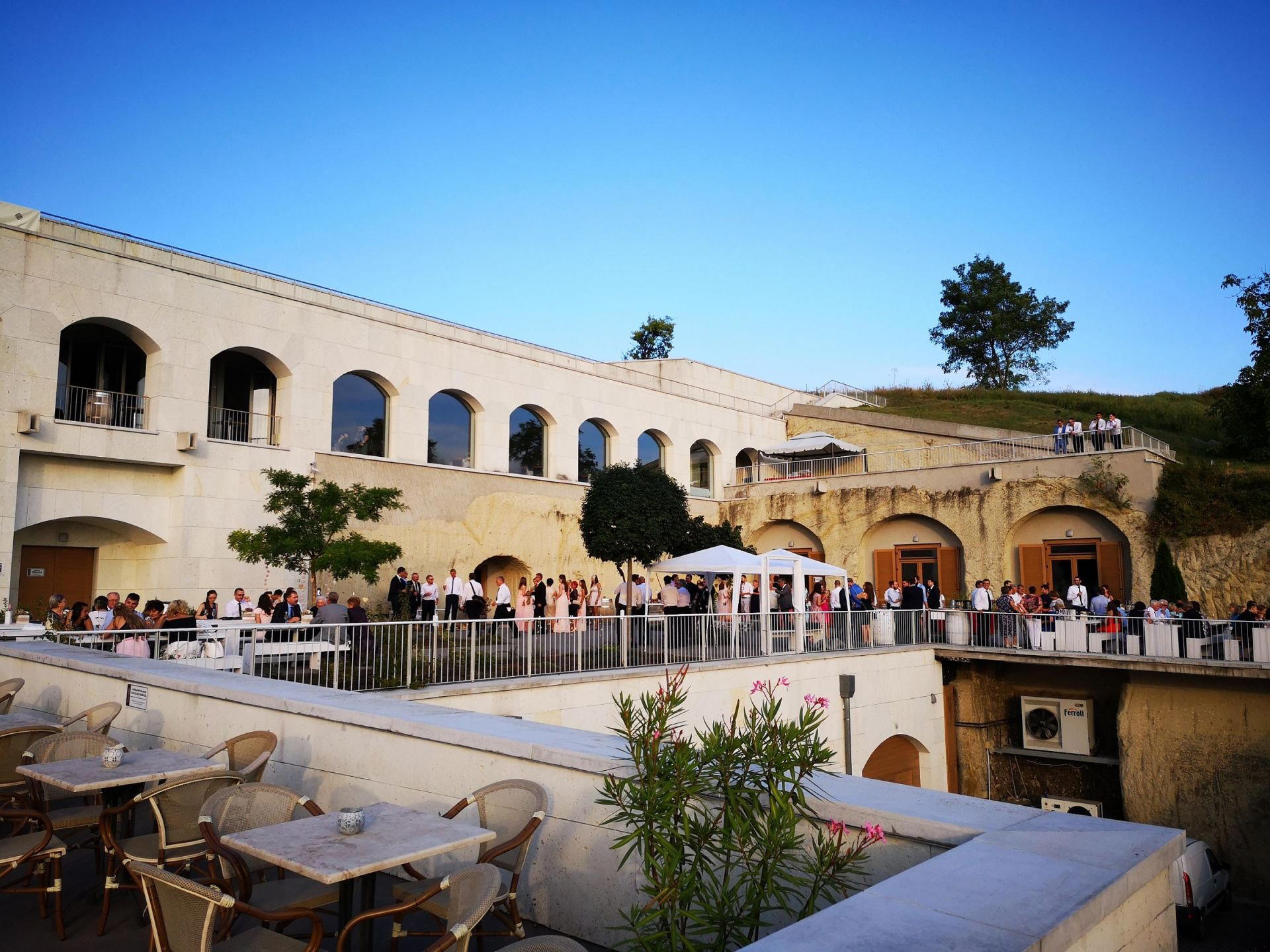
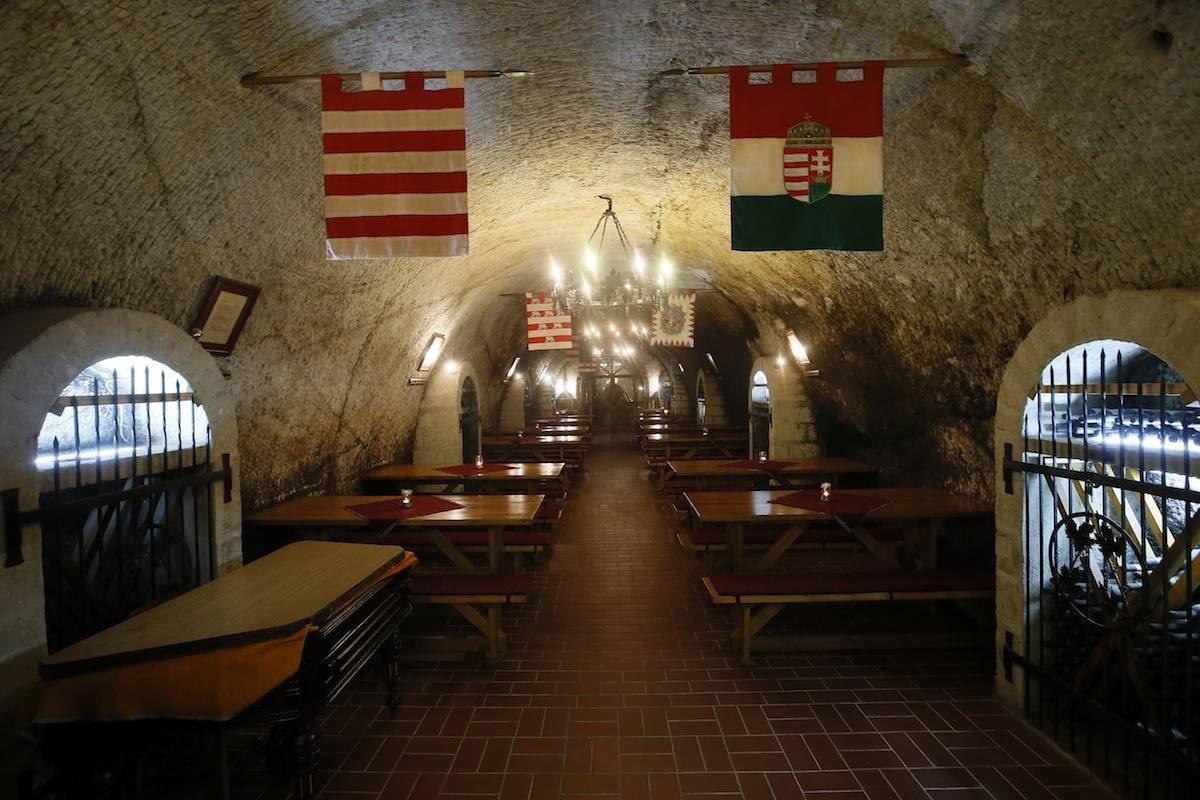
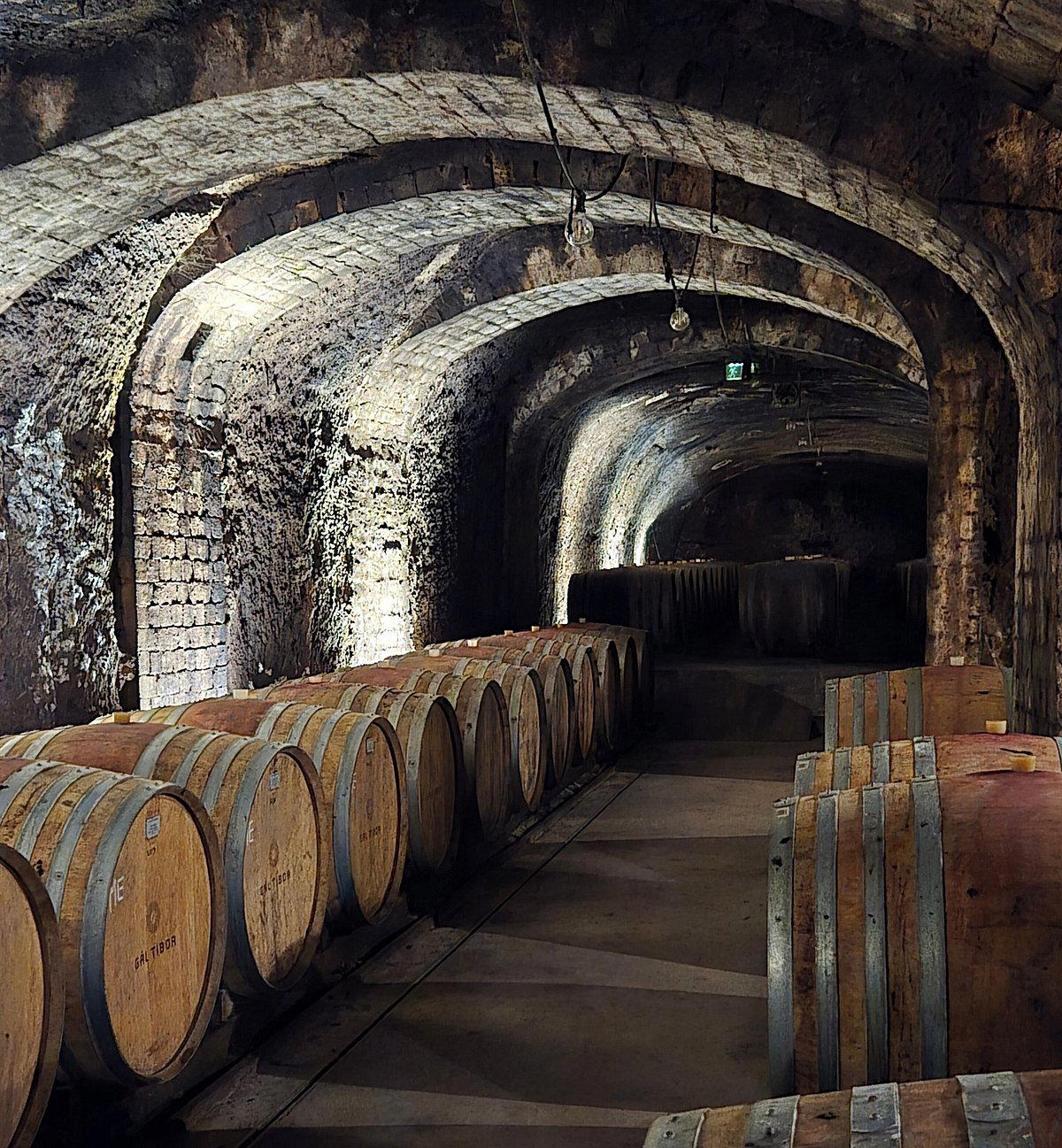
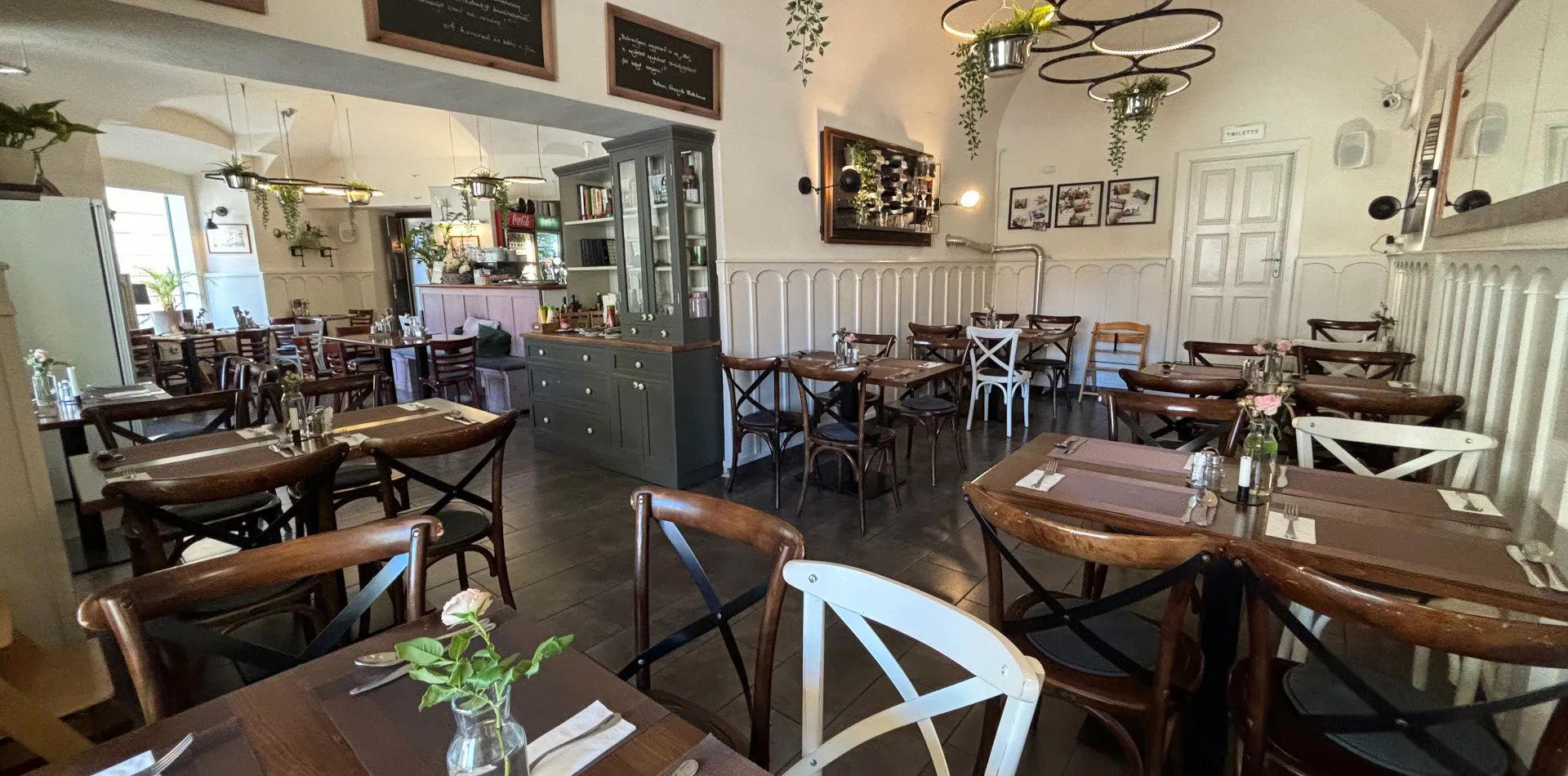
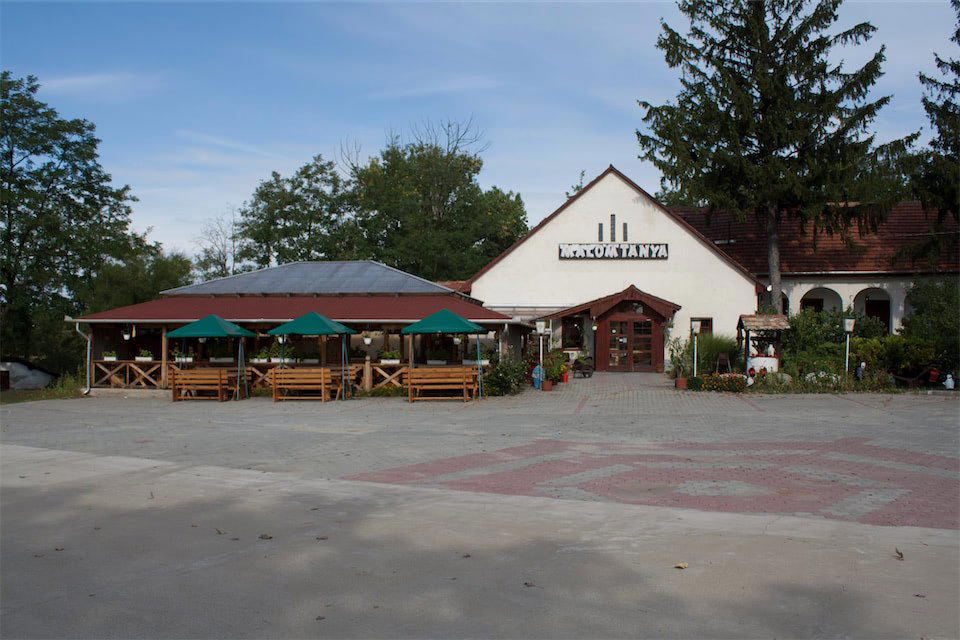
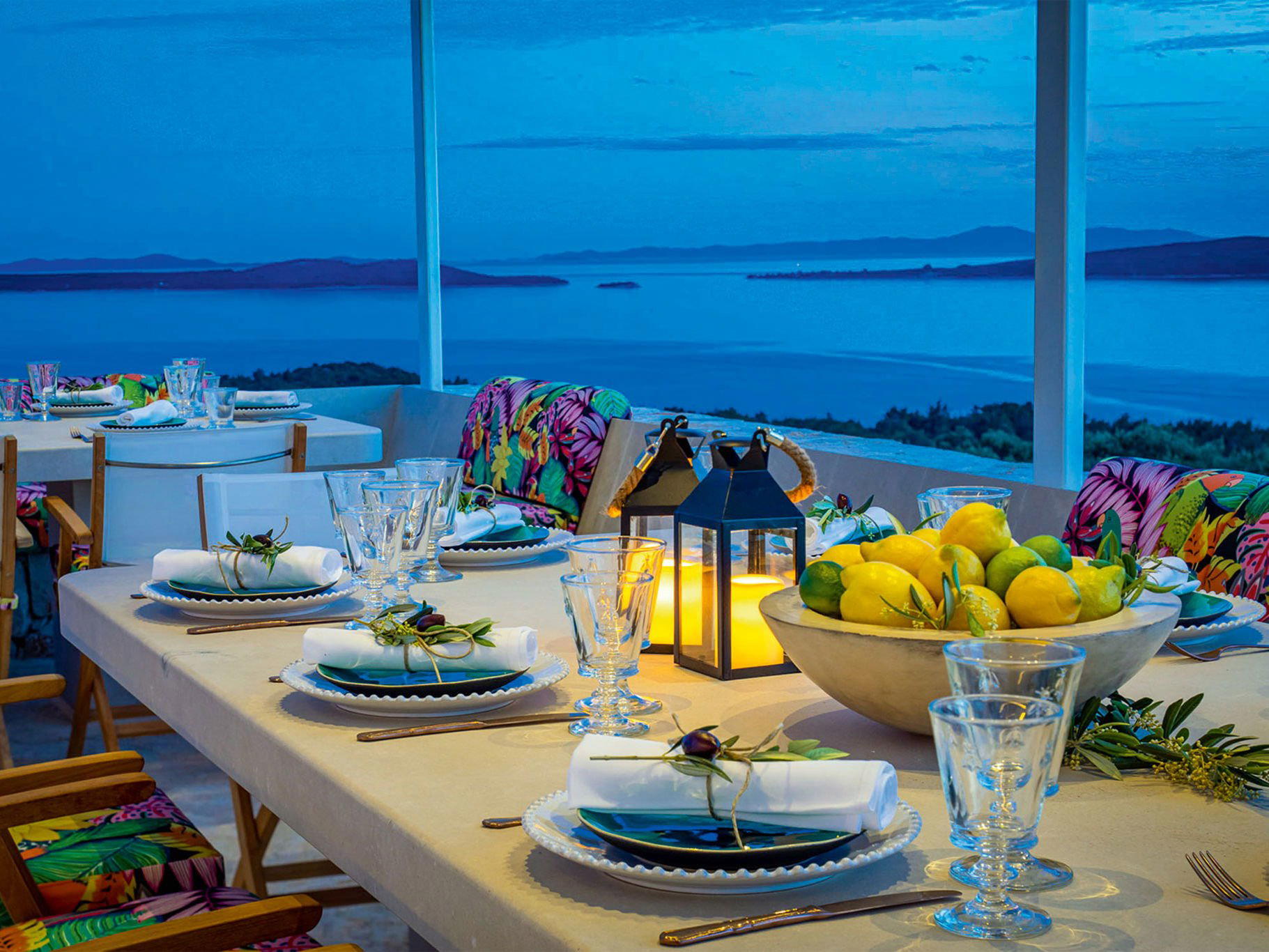
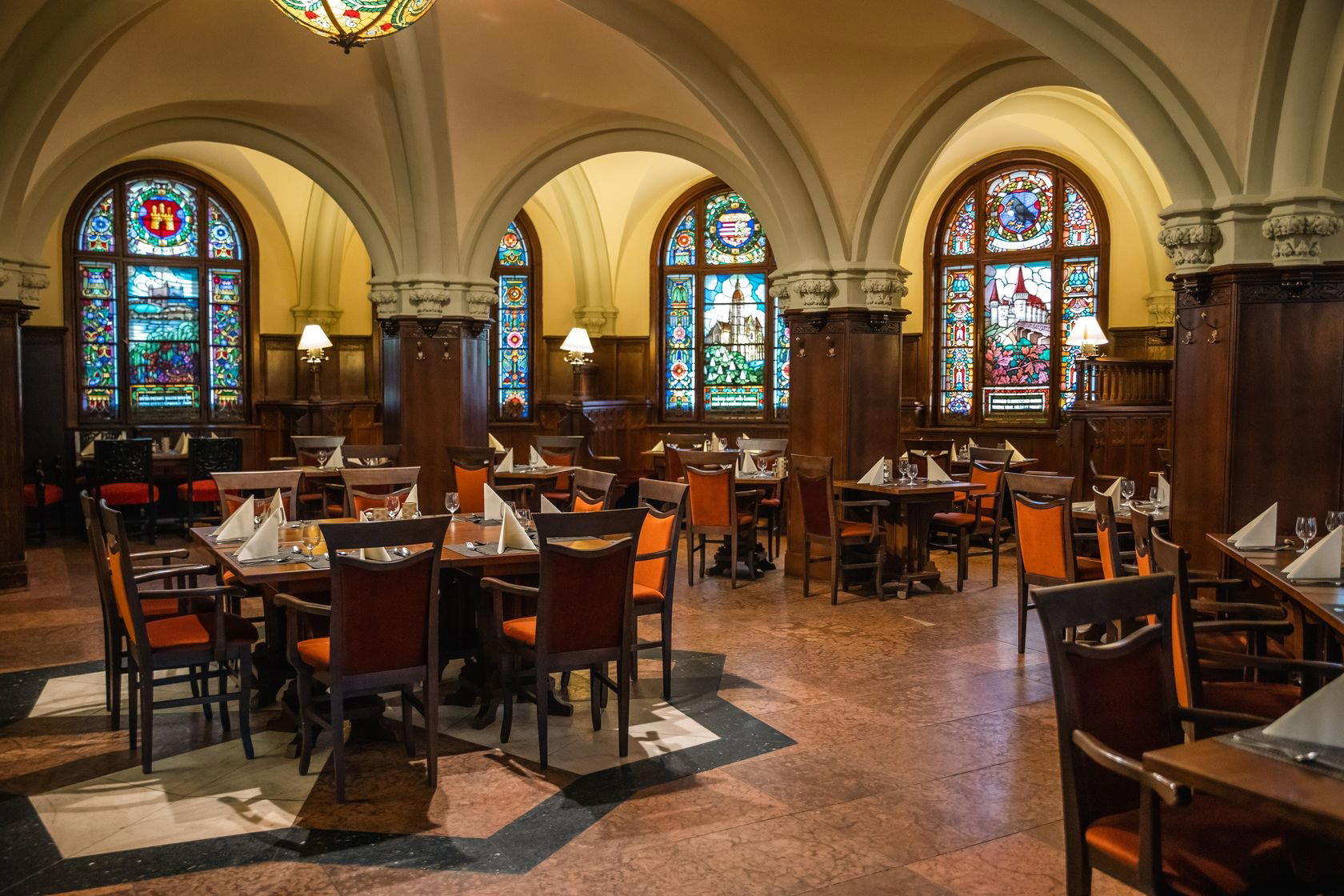
Cozy atmosphere with warm hospitality, terrace seating, and occasional live music.