Snowden Vineyards
The address signals a working winery rather than a visitor-facing showcase, with the focus remaining on what ends up in the bottle rather than who comes through the door.
Pearl is the En Primeur Club membership app — saves, bookings, and concierge access live there. Same editors, same standards.
- Address
- 1478 Railroad Ave #5, St Helena, CA 94574
- Phone
- +1 707-963-4292
- Website
- snowdenvineyards.com
- Directions
- Get directions
 Saves & bookings on Pearl
A Railroad Avenue Address in the Heart of St. Helena Wine Country
St. Helena's Railroad Avenue has quietly become a reference point for visitors who want to move past the highway-facing tasting pavilions and reach producers operating on their own terms. The address itself, 1478 Railroad Ave #5, places Snowden Vineyards in a corridor where warehouse space and working cellars sit closer together than anywhere else in the Napa appellation, reflecting a production-first orientation that shapes how the wine gets made and how the winery presents itself to the outside world.
That physical setting matters because it signals something about the tier of producer you are dealing with. Small-production Napa estates that anchor to working addresses rather than visitor-experience architecture tend to direct their capital differently: toward vineyard management, cellar time, and sourcing rather than landscaping and hospitality infrastructure.
For context on what that peer tier looks like in practice, producers such as Accendo Cellars and Brand Napa Valley operate on similar small-allocation principles, where access to the wine requires advance planning and often a direct relationship with the winery.
Napa's Small-Production Tier and Where Sustainability Fits
Across California's premium wine regions, a growing number of small-production estates have aligned their farming and cellar practices with sustainability frameworks that go beyond marketing language. Napa Valley specifically has seen its Sustainable Napa program, Certified California Sustainable Winegrowing credentials, and organic or biodynamic farming commitments become meaningful differentiators at the production tier rather than simple table-stakes branding. The shift reflects pressure from two directions: wholesale buyers and sommeliers who ask increasingly specific questions about land stewardship, and a generation of consumers who read producer notes carefully.
Within this context, small-footprint operations like Snowden occupy an interesting position. Producers working without large visitor-center overheads have structural reasons to keep their environmental impact low. Smaller barrel programs, tighter fruit sourcing, and less traffic through the property all translate, at least in principle, to a lighter operational load on the land. This does not mean every boutique Napa producer farms with rigor, but the correlation between limited-production philosophy and sustainability-conscious practice is strong enough across the region to serve as a useful heuristic when evaluating where a winery sits on that spectrum.
Comparable producers operating in this St. Helena and broader Napa frame include Dana Estates and Chappellet Winery, both of which have built long records in Napa through estate-focused, land-committed practices. Charles Krug, operating since the mid-nineteenth century, represents the longer arc of Napa stewardship and serves as a useful historical reference point when thinking about which producers have demonstrated continuity of land care rather than recent pivot.
It reflects production quality and credibility within the producer's regional and stylistic comparable set. For a winery operating out of a working Railroad Avenue address in St. Helena, this rating does specific work: it tells a prospective visitor or buyer that the wines have been evaluated against a defined framework and placed in a prestige tier that sits above the broad mid-range but below the small number of Napa producers commanding the highest allocation premiums.
That positioning matters practically. St. Helena and the broader St. Helena appellation contain a dense concentration of producers, from large Cabernet houses with international distribution to single-vineyard micro-estates available only through mailing lists. Readers who have engaged with Alpha Omega Winery in Rutherford or Artesa Vineyards and Winery in Napa will recognise the category of producer: serious, appointment-oriented, and not reliant on foot traffic to move its wine.
California Comparison: How Snowden Fits the Broader State Narrative
Napa is the reference point for California's premium wine identity, but it sits within a wider state context that is worth mapping when planning a serious wine trip. Paso Robles, the Central Coast, and the Santa Ynez Valley all produce estate-quality work with a different stylistic register, and producers like Adelaida Vineyards in Paso Robles, Alban Vineyards in Arroyo Grande, and Andrew Murray Vineyards in Los Olivos offer a useful counterpoint for visitors building a multi-region California itinerary. Oregon enters the conversation at a different price tier: Adelsheim Vineyard in Newberg has a long track record in Willamette Pinot Noir and provides a clear alternative for the reader who wants restraint over extraction. Further afield, Alexander Valley Vineyards in Geyserville shows how Sonoma's style differs from Napa even across a relatively short geographic distance.
International reference points matter too for readers calibrating expectations. Aberlour in Aberlour and Achaia Clauss in Patras operate in entirely different categories but serve as reminders that premium production identity is constructed through accumulated reputation over time, which is precisely what makes a St.
Planning a Visit to Snowden Vineyards
St. Helena is approximately 75 miles north of San Francisco via Highway 29, the main artery running through Napa Valley's core. Railroad Avenue sits within the town's walkable downtown perimeter, making Snowden accessible in combination with other appointments in the area. Given that the winery operates at a small-production scale with no publicly listed walk-in hours or general tasting-room format, visitors should approach this as an appointment-only engagement and plan at least several weeks in advance. For a broader orientation to what the area offers in terms of dining and other wine experiences, the full St. Helena restaurants guide provides neighbourhood-level context that helps structure a full day or multi-day visit.
The town of St. Helena itself rewards slower pacing. The concentration of small-production producers along and near Railroad Avenue means that a half-day in this part of the valley can include two or three meaningful appointments without requiring significant driving. Spring and early autumn tend to draw the heaviest visitor traffic to Napa, so if timing is flexible, winter and early spring visits offer shorter lead times for appointments and a more direct engagement with working winery teams.
Cuisine Context
Comparable venues nearby, for context on price, style, and recognition.
| Venue | Cuisine | Price | Notes |
|---|---|---|---|
| Snowden VineyardsThis venue — the venue you are viewing | Cabernet Sauvignon, Cabernet Franc | $$$ | Not listed |
| Saint Helena Winery | Cabernet Sauvignon, Cabernet Franc | $$$ | St. Helena |
| The Prisoner Wine Company | Zinfandel, Cabernet Sauvignon | $$$ | St. Helena |
| Pride Mountain Vineyards | Cabernet Sauvignon, Chardonnay | $$$ | Spring Mountain District |
| Vine Cliff Winery | Cabernet Sauvignon, Chardonnay | $$$ | Oakville |
| Smith-Madrone Vineyards & Winery | Cabernet Sauvignon, Chardonnay | $$$ | Spring Mountain District |
Continue exploring
More in St. Helena
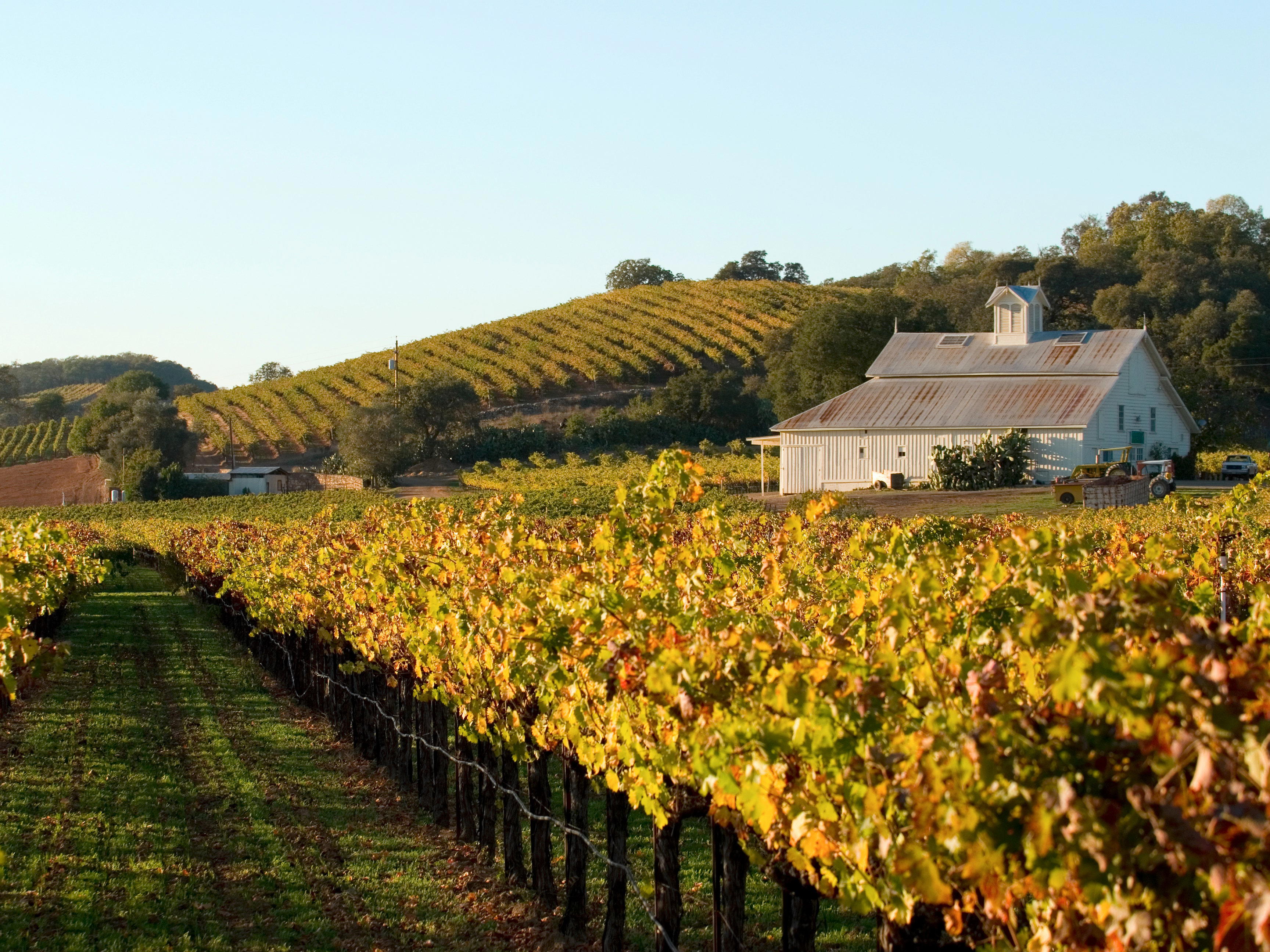
Wineries in St. Helena
Browse all →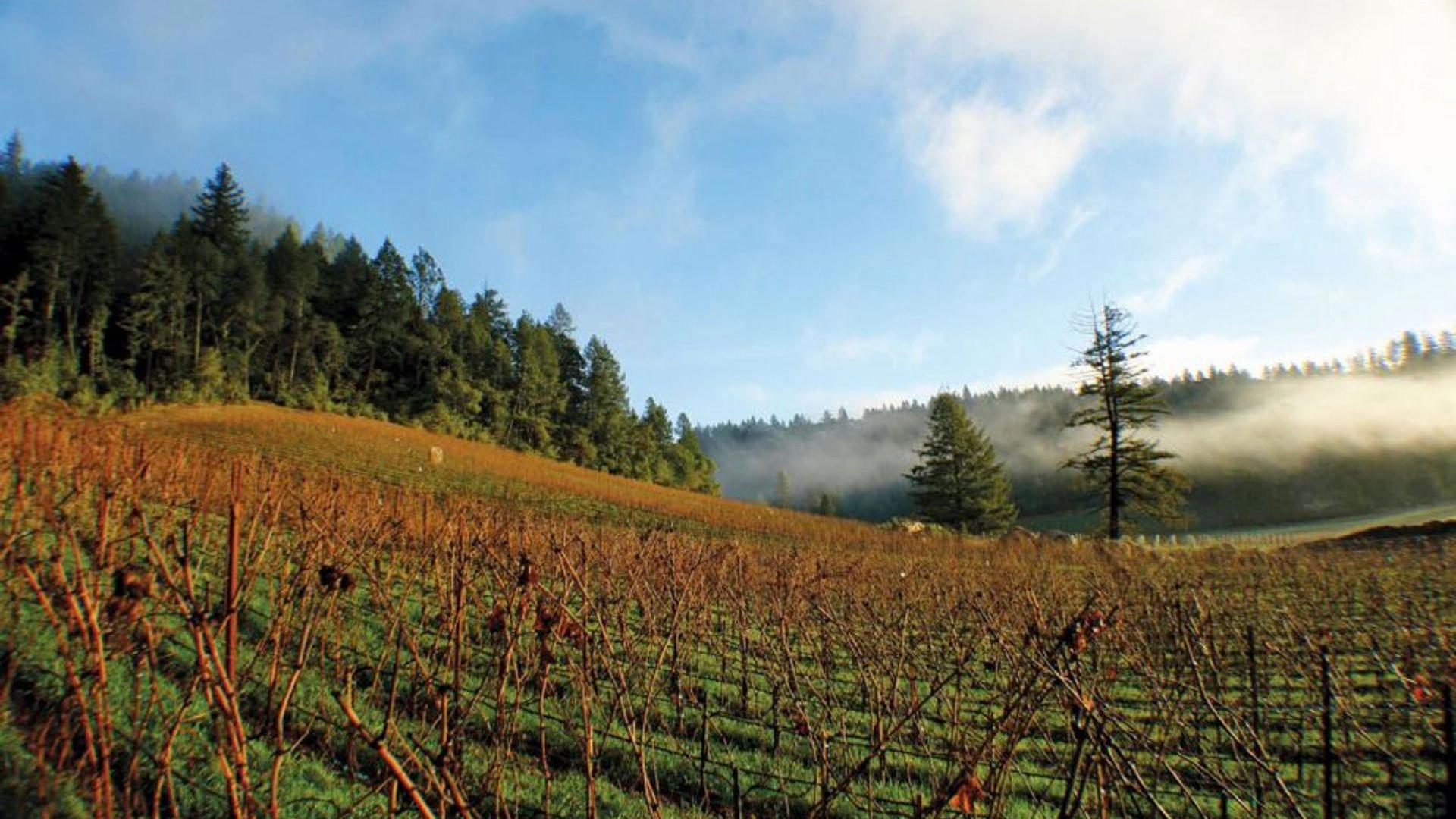
Bars in St. Helena
Browse all →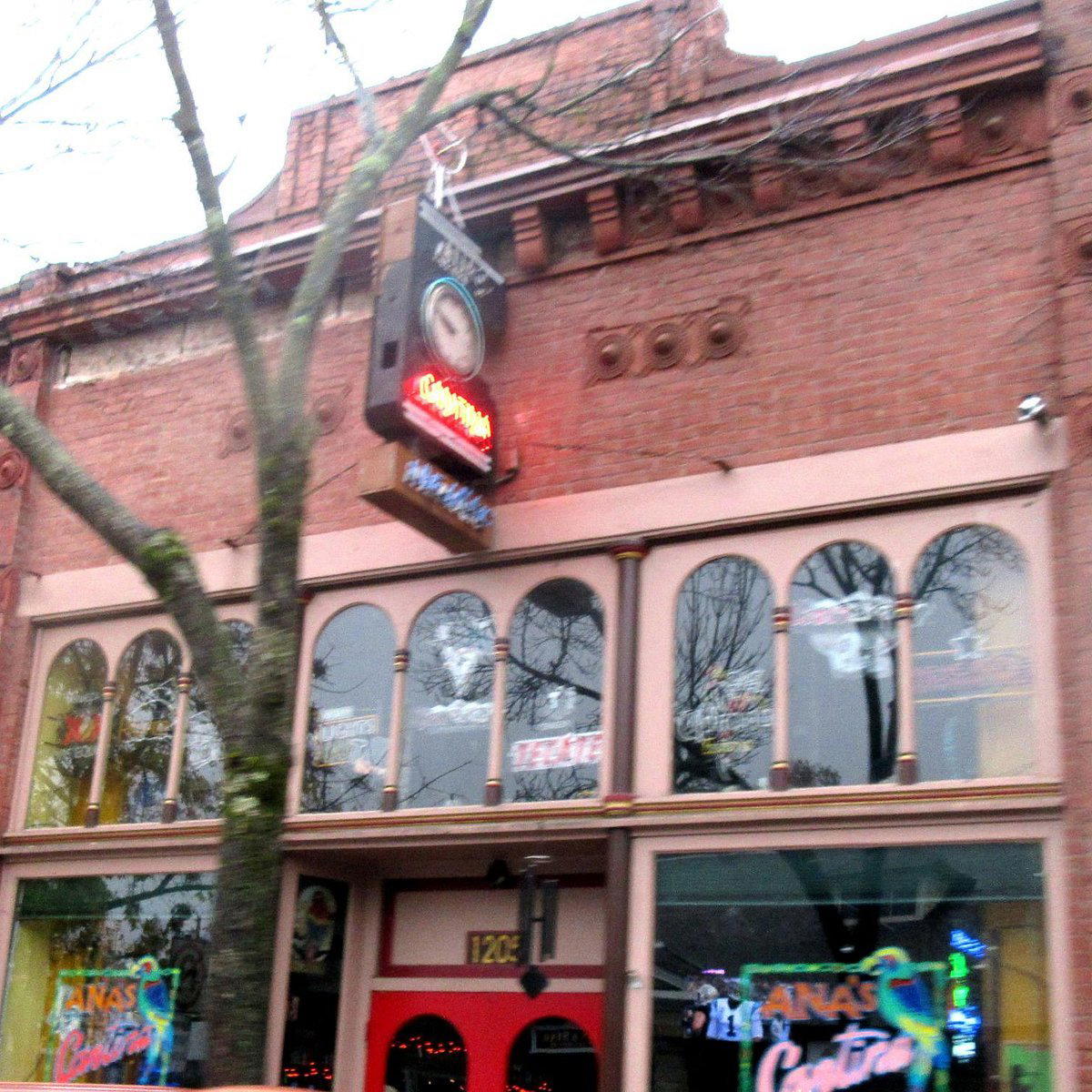
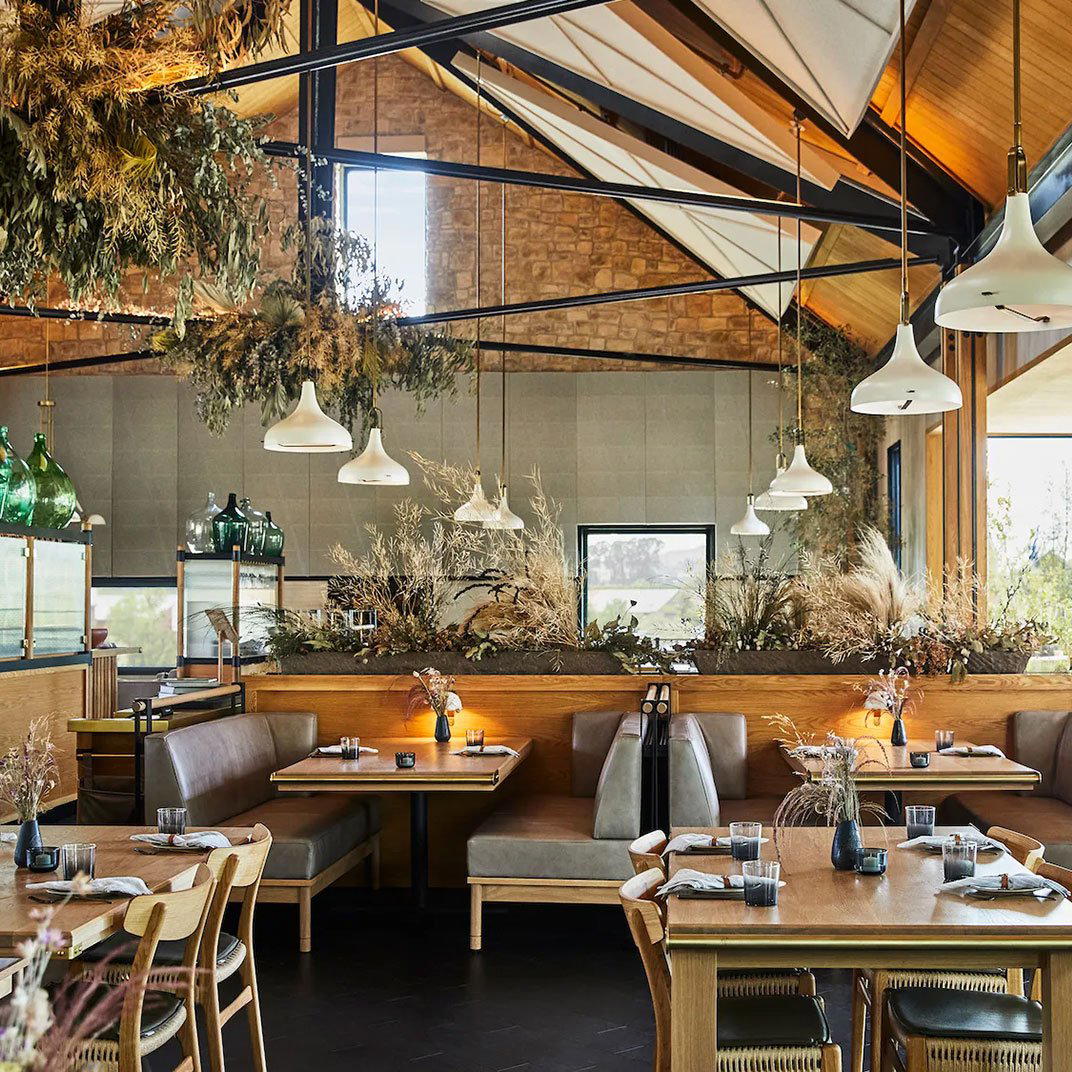
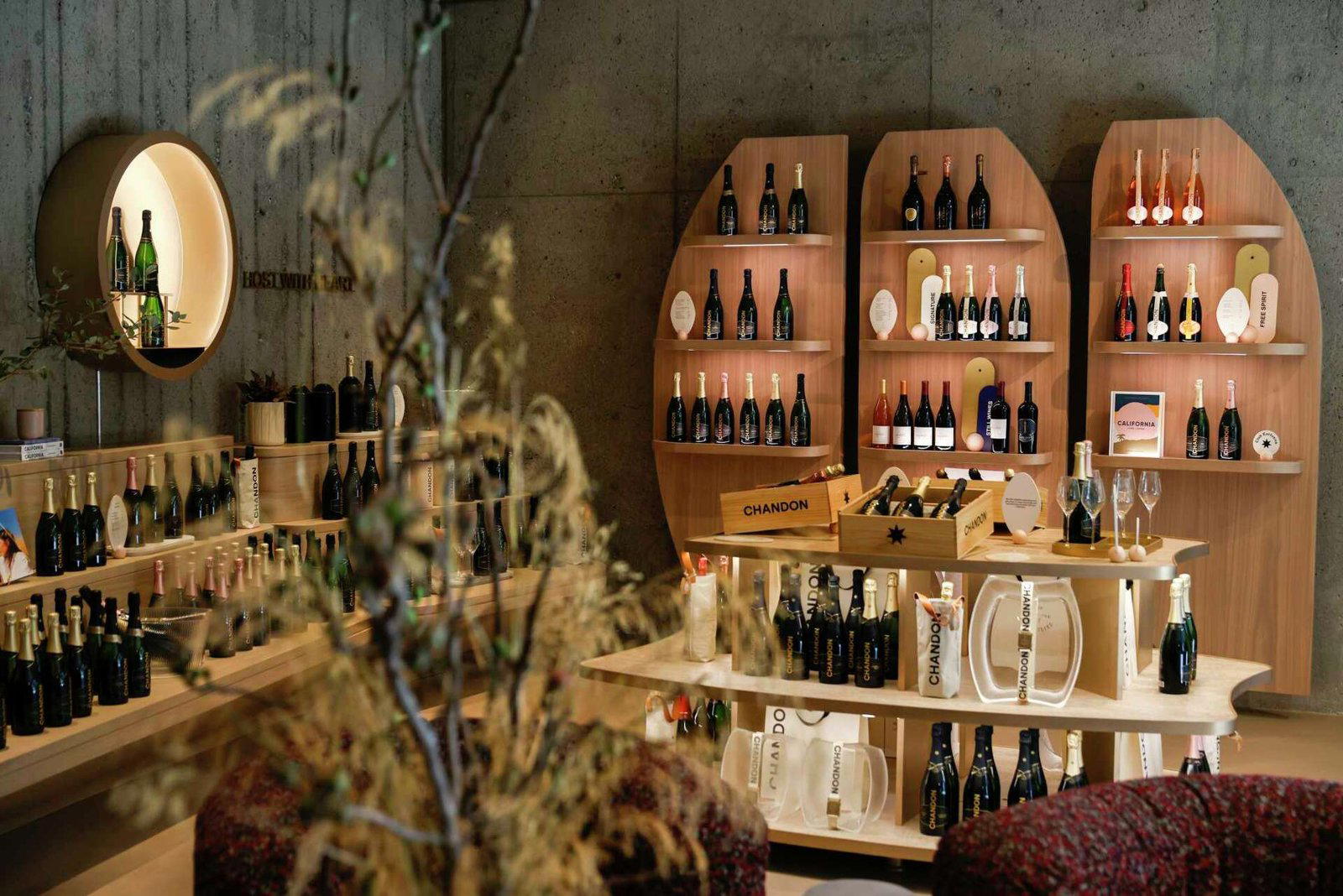
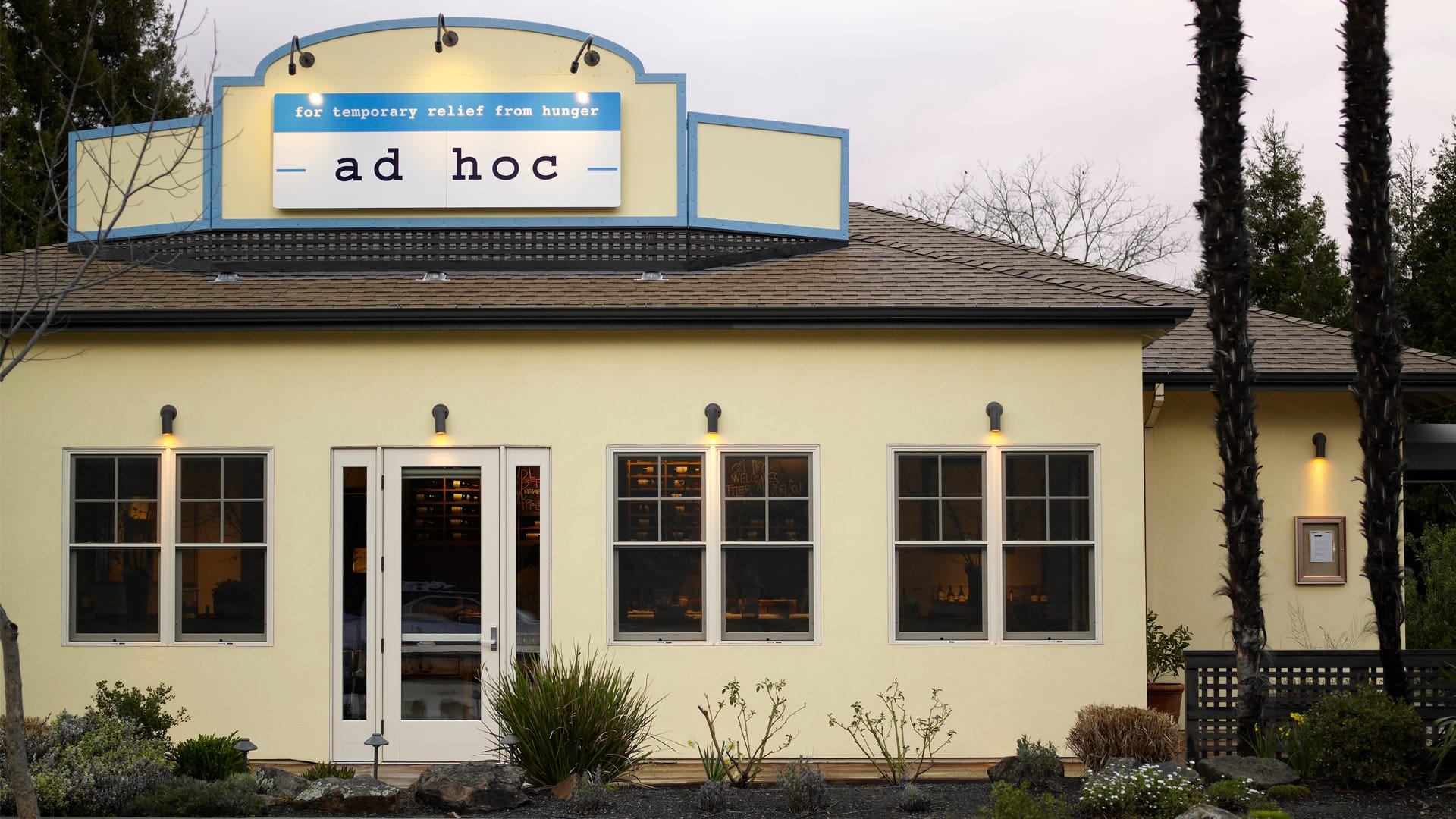
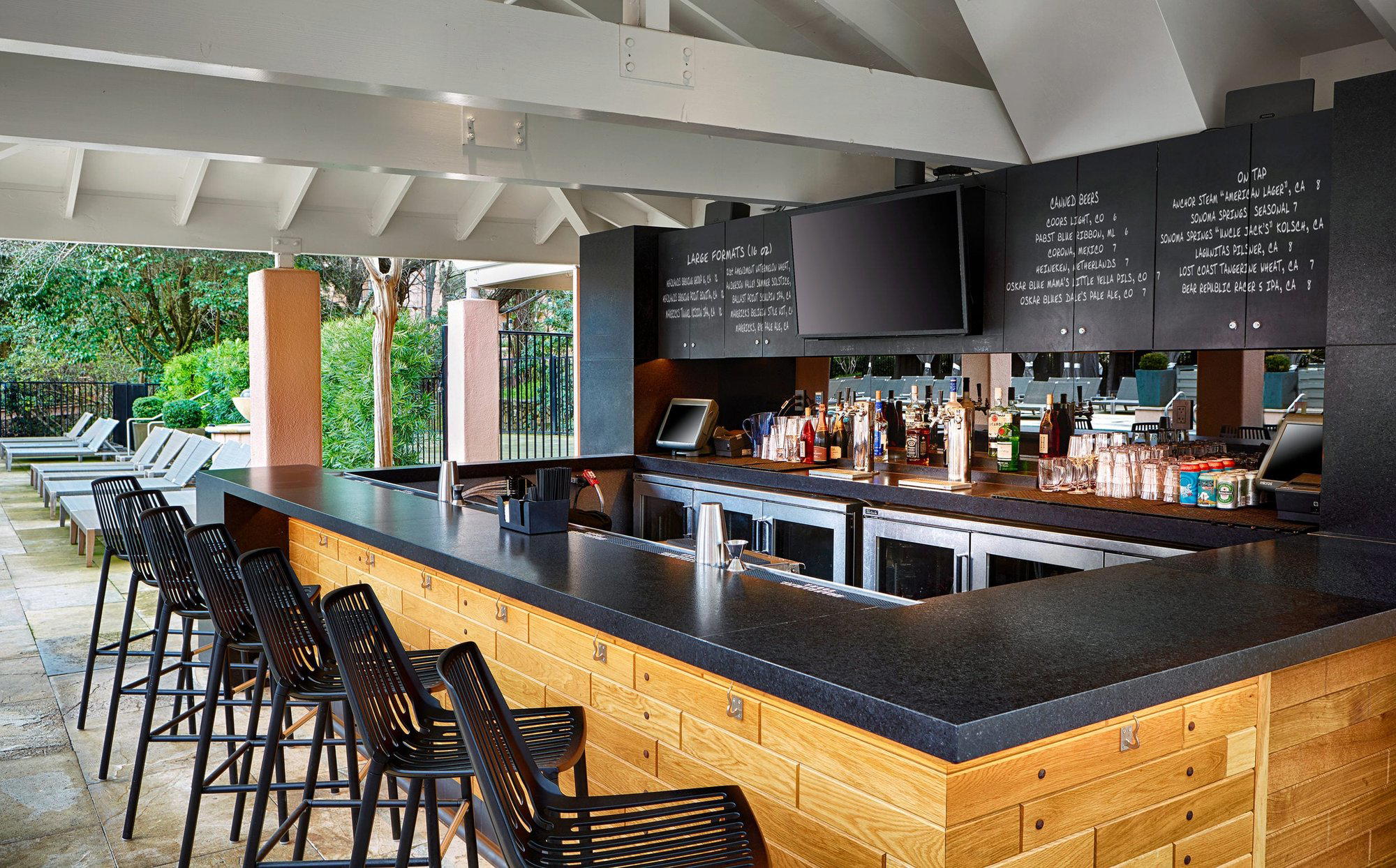
Restaurants in St. Helena
Browse all →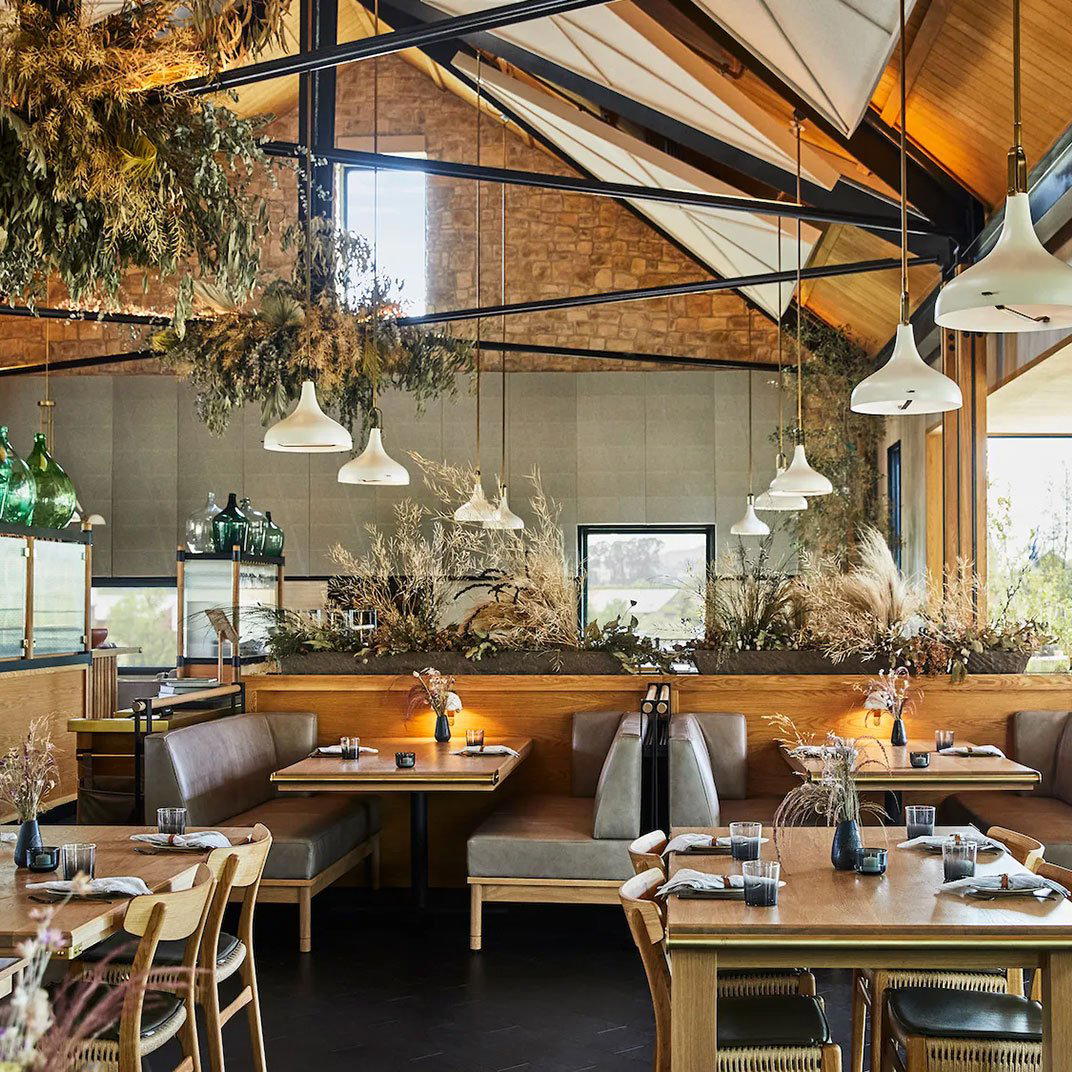
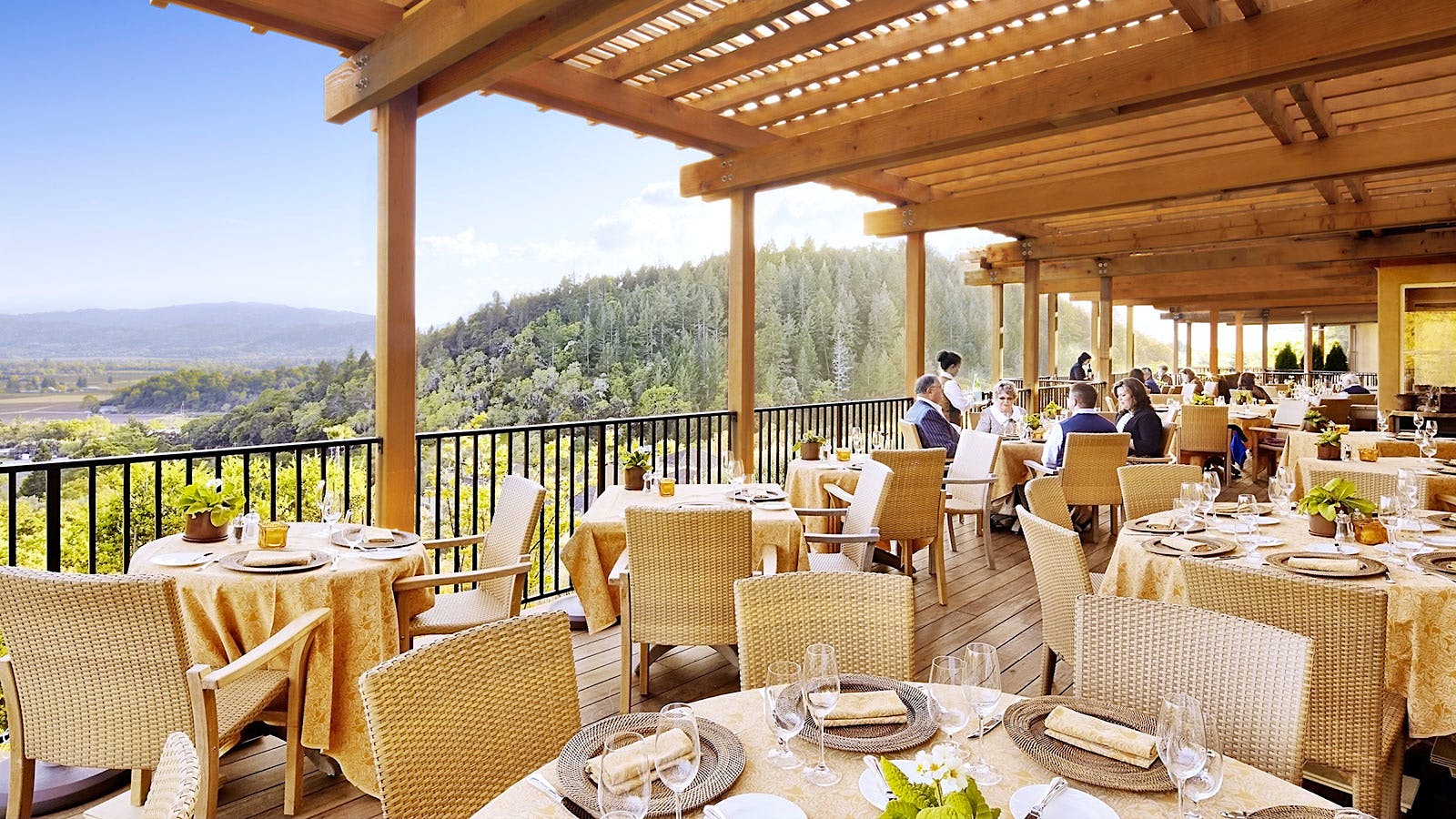
At a Glance
- Rustic
- Scenic
- Elegant
- Intimate
- Wine Education
- Special Occasion
- Vineyard Tour
- Estate Grounds
- Panoramic View
- Sustainable
- Mountain
- Vineyard
- Napa Valley AVA
- Cabernet Sauvignon
- Cabernet Franc
- Petit Verdot
- Merlot
- Sauvignon Blanc
- Still Red
- Private Tasting
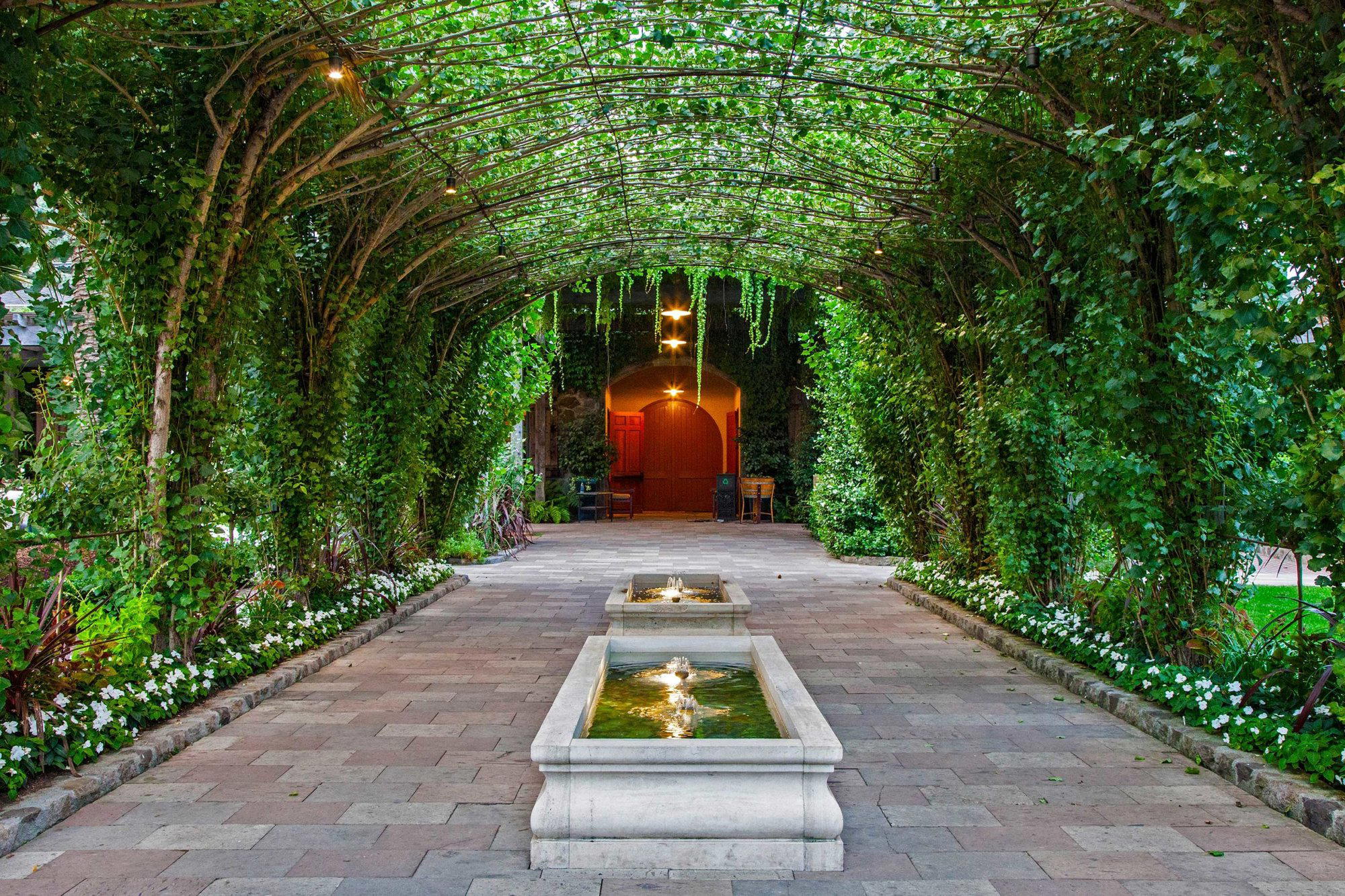
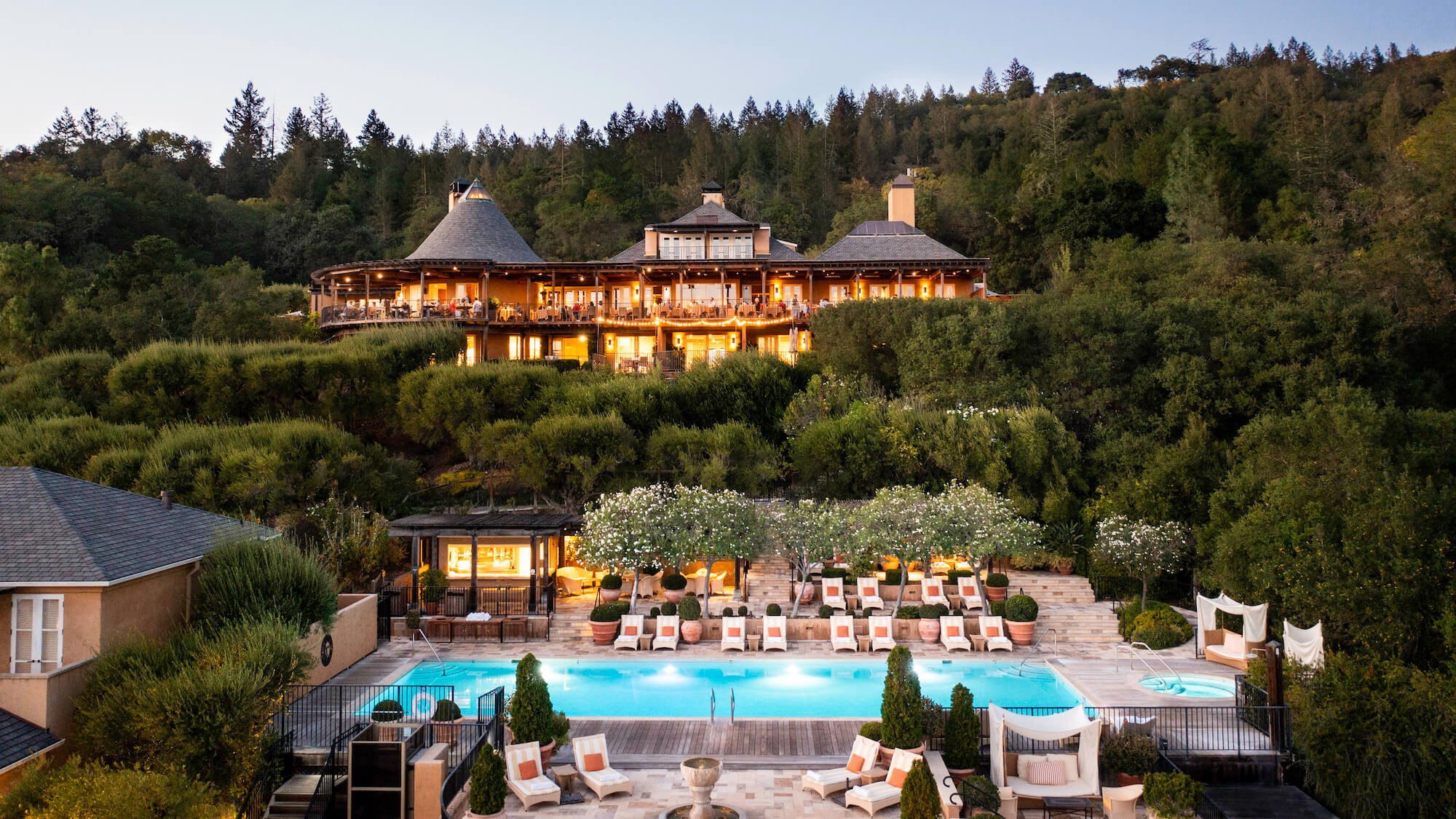
Intimate and elegant with dramatic panoramic views of St. Helena, Rutherford, and San Francisco Bay from the ridge-top property.