Charles Krug

Falstaff Winery - Listed
The oldest continuously operating winery in Napa Valley, Charles Krug has been producing wine from its St. Helena estate since 1861. The property sits at the heart of the valley's founding narrative, offering a tasting experience grounded in more than 160 years of unbroken production history.

Pearl is the En Primeur Club membership app, where members save venues, book tables and use the concierge.

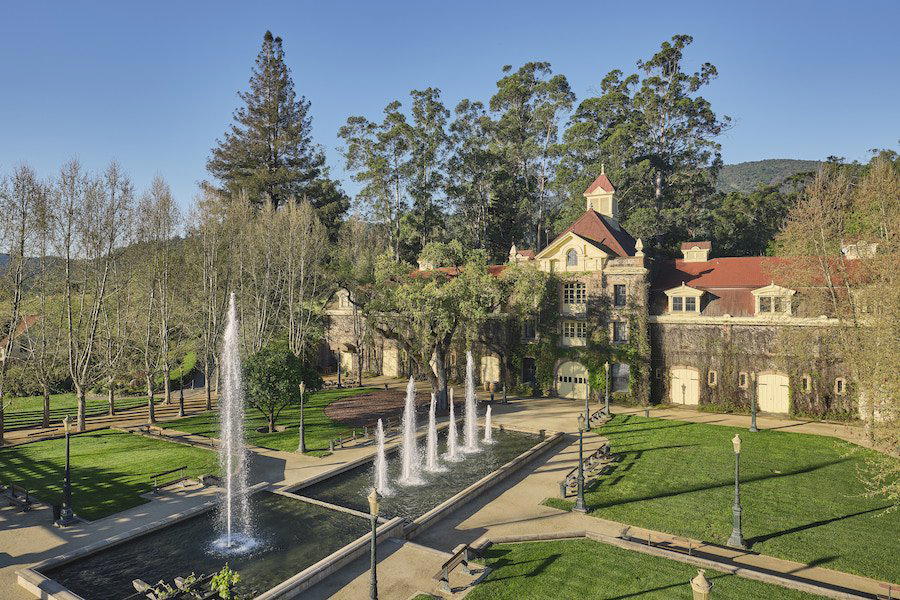
Driving north on Main Street through St. Helena, the Charles Krug property announces itself through scale and stillness: a broad, tree-lined approach, stone buildings that predate California statehood by only a few years, and grounds that carry the particular gravity of a site where wine has been made without interruption since 1861. Most of Napa's prestige addresses were built in the 1970s or later. This one was not. That temporal gap matters enormously when considering what Charles Krug represents within the valley's current tasting-room circuit.
Where 1861 Meets a Working Estate
Napa Valley's origin story runs through St. Helena more than any other town on the valley floor. The AVA's founding wineries concentrated here, and Charles Krug, founded by the Prussian-born winemaker whose name it carries, predates the modern California wine industry by over a century. When the Mondavi family acquired the estate in 1943, they effectively preserved the oldest commercial winery in the valley as a going concern rather than a heritage site. That distinction shapes the entire tasting experience: this is an active, producing winery drawing from the same land its original owner farmed, not a reconstruction or a brand built backward from marketing materials.
That tier is competitive. Neighbours on and around Main Street include Dana Estates and Markham Vineyards, while the wider St. Helena corridor holds estates like Chappellet Winery.
How the Portfolio Is Structured
The editorial angle here is architectural. Charles Krug's wine portfolio is built in tiers that reflect the property's dual identity as both a founding-era estate and a technically current producer. At the entry level, wines are drawn from across Napa and aim for accessibility and volume. Moving up the tier structure, the program narrows geographically toward estate and single-vineyard expressions from the St. Helena home ranch and surrounding parcels. This top tier is where the winemaking team's intentions become legible: these are Cabernet Sauvignon-anchored wines that speak to the specific gravel and alluvial benchland soils characteristic of the valley floor around St. Helena.
Structure mirrors a pattern found across Napa's longer-established houses: a broad base that funds the operation, a focused summit that carries the critical reputation. Buyers who approach the portfolio only through its approachable tier miss what the estate program is actually arguing about place. The winemaking pair of Migotto and Mondavi Jr. have maintained continuity with the estate's Cabernet focus while positioning the top-tier releases alongside Napa's current prestige Cabernet conversation, a set that now extends well beyond the valley to include comparison points like Accendo Cellars and Brand Napa Valley.
California's broader winemaking geography provides useful context for where Charles Krug sits within the state's long-form producers. Estates like Adelaida Vineyards in Paso Robles and Alban Vineyards in Arroyo Grande have built reputations around Rhône varieties and cooler-climate positioning. Charles Krug's program runs in the opposite direction: warm valley floor, Cabernet as the primary argument, and a belief that St. Helena's specific terroir can be distinguished from Oakville or Rutherford at the upper end of production. For comparison across the California spectrum, estates anchored to place-specific ambition like Andrew Murray Vineyards in Los Olivos or Alexander Valley Vineyards in Geyserville illustrate how differently California's established families have defined their regional identities.
The Tasting Experience in Context
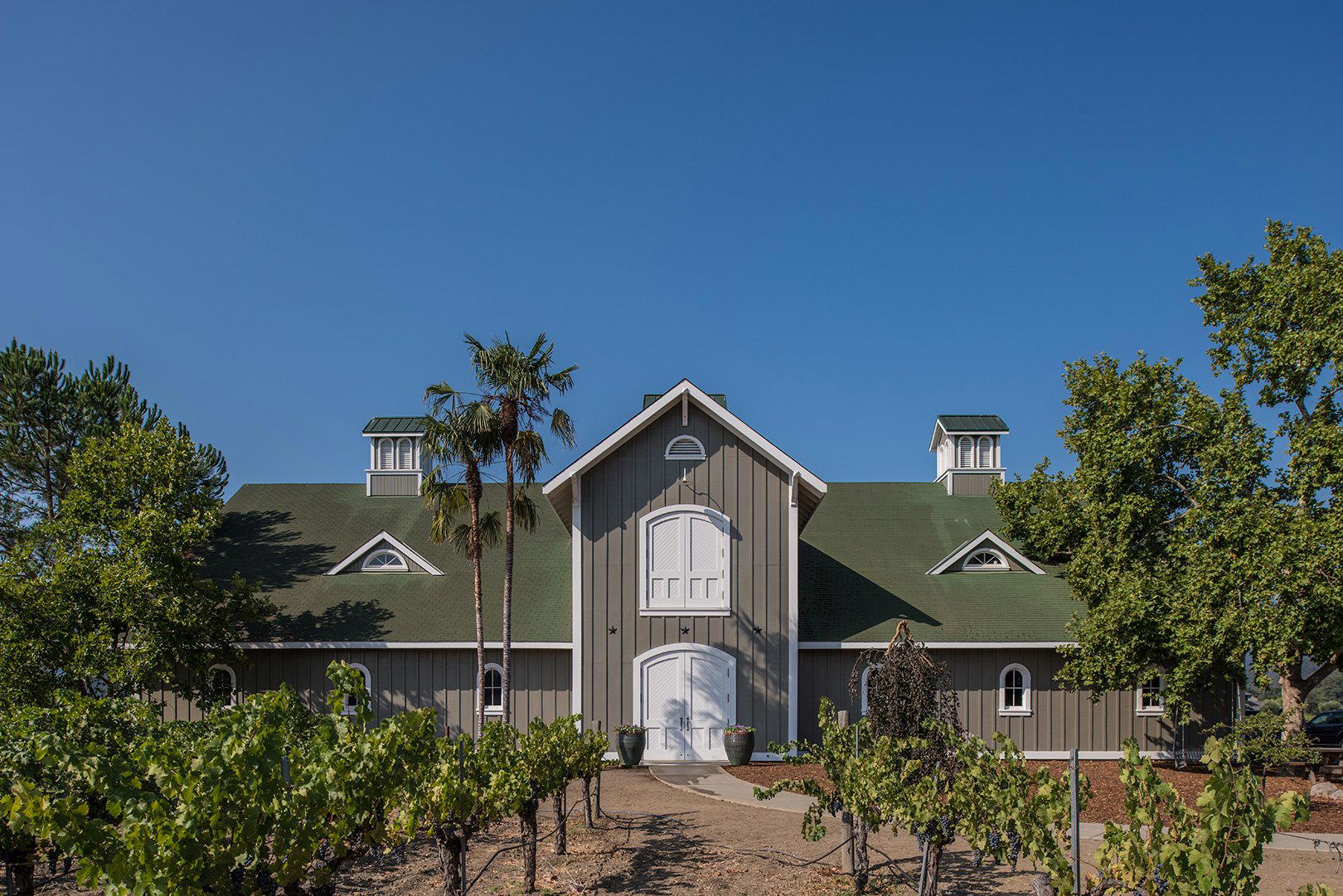
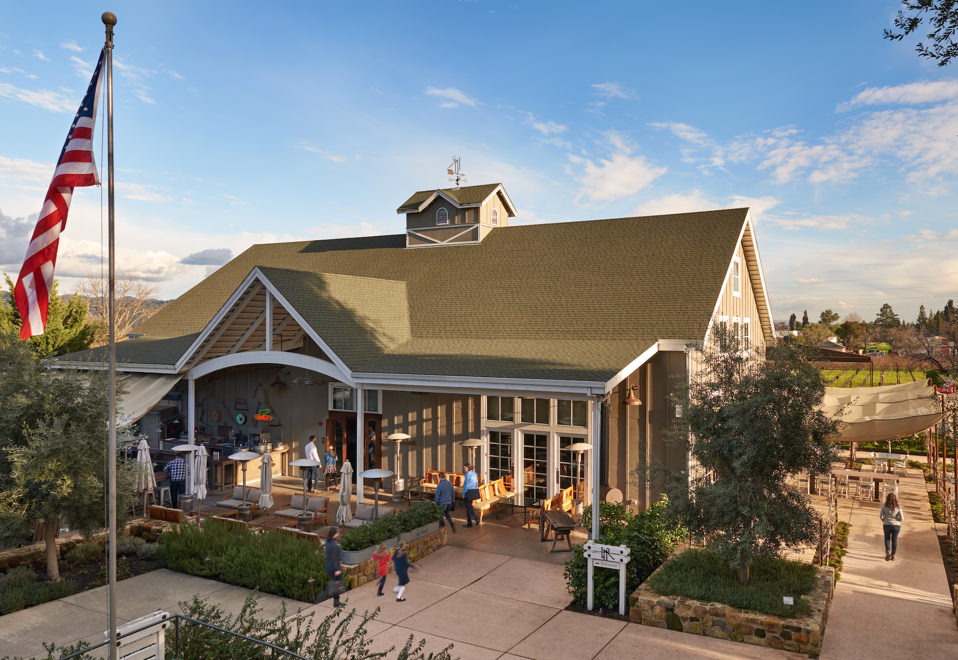
The Charles Krug tasting room sits within the historic Carriage House, a structure that frames the experience without turning it into a period drama. The architecture sets the scene, but the program itself functions as a contemporary tasting encounter: structured flights through the portfolio tiers, with the estate wines receiving the most considered treatment in terms of service and discussion. This approach tracks with how St. Helena's more established producers have responded to Napa's intensifying tasting-room competition: instead of theatrical upgrades, they emphasize depth and vertical access.
Visitors planning their time should note that St. Helena's tasting-room density is high. The town anchors one of the most concentrated stretches of premium producers in the American wine industry. Arriving in the morning or booking in advance for weekend visits aligns with how most of the valley's serious producers now manage capacity. The Main Street address is accessible from the Silverado Trail corridor and from Highway 29, with the property's own grounds offering parking. For a fuller picture of what the St. Helena corridor offers across price points and styles, see our full St. Helena restaurants guide.
The international comparison set for an estate of this age and ambition is worth considering. Among the world's wine producers that have operated continuously since the mid-nineteenth century, Charles Krug belongs to a short list. Estates in older wine regions like the historic house Achaia Clauss in Patras, founded in 1861, and long-established Scotch producers such as Aberlour in Aberlour illustrate how differently producers across categories have carried institutional age into modern commercial contexts. Charles Krug's particular achievement is that its longevity does not function as the primary marketing argument: the wines, under the current winemaking leadership, are expected to hold their position on technical merit.
Who This Estate Is For
Within Napa's current tasting-room market, a split has developed between high-design, appointment-only estates that charge $150 or more per person and larger historic properties where access remains broader. Charles Krug occupies a mid-ground in terms of format: it operates with institutional seriousness while remaining approachable in structure. Visitors interested primarily in Napa's prestige upper tier should also consider smaller-production houses like Artesa Vineyards and Winery in Napa and Alpha Omega Winery in Rutherford to map the category clearly. Against that comparison set, Charles Krug's historical depth is a differentiating factor that no amount of architectural investment or winemaker pedigree can replicate at newer addresses.
Oregon's Willamette Valley estates offer a different model of what longevity looks like in American fine wine: Adelsheim Vineyard in Newberg, for instance, carries its own founding-era status within that region's narrative. The comparison clarifies what makes Charles Krug's position structurally different: it predates not just its Napa peers but the American premium wine industry itself. The first vintage was 1861.
Planning Your Visit
Charles Krug is located at 2800 Main St, St. Helena, CA 94574, at the northern end of the valley floor, a position that places it within easy reach of the town's broader hospitality offer. Tasting appointments should be arranged directly through the estate's website. Given the property's scale, it handles groups and trade visits alongside individual tastings, making advance contact the reliable approach for any party larger than two.
In Context: Similar Options
Comparable venues nearby, for context on price, style, and recognition.
| Venue | Cuisine | Price | Awards | Notes |
|---|---|---|---|---|
| Charles KrugThis venue (the venue you are viewing) | Cabernet Sauvignon, Sauvignon Blanc | $30–50 | Falstaff Winery - Listed | Not listed |
| Chase Cellars | Zinfandel, Cabernet Sauvignon | Not listed | Falstaff Winery - Listed | St. Helena |
| Priest Ranch | Cabernet Sauvignon, Grenache Blanc | Not listed | Not listed | St. Helena |
| VGS Chateau Potelle | Cabernet Sauvignon, Zinfandel | $50–100 | Not listed | St. Helena |
| Merryvale Vineyards | Cabernet Sauvignon, Chardonnay | $50–100 | Falstaff Winery - Listed | St. Helena |
| Raymond Vineyards | Cabernet Sauvignon, Riesling | $50–100 | Falstaff Winery - Listed | Rutherford |
Recognition history
Dated appearances from independent guides and award organizations, with the underlying list record or original source where available.
Falstaff Winery - Listed
Falstaff
Continue exploring
More in St. Helena
Wineries in St. Helena
All wineries in St. Helena →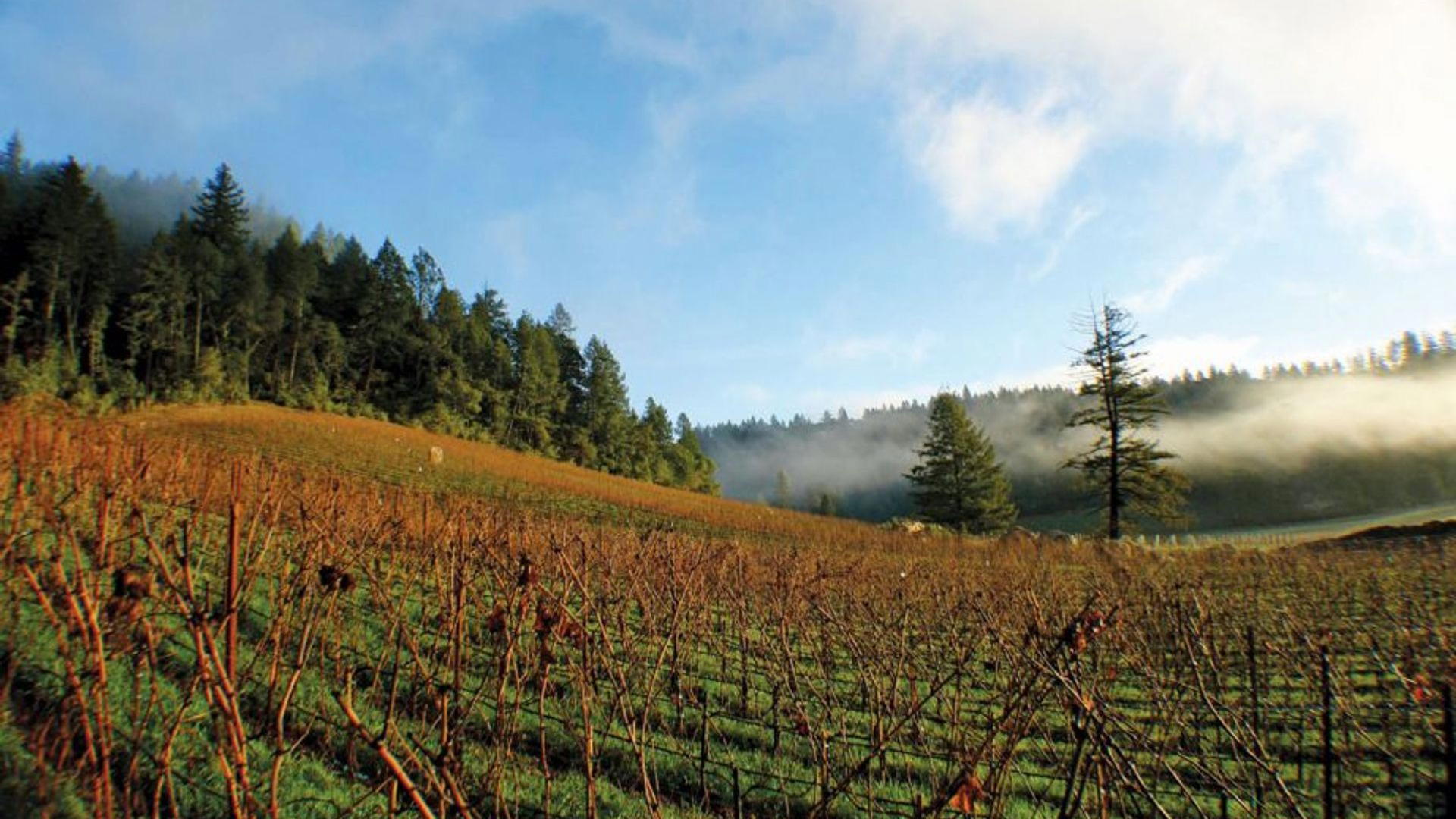
Bars in St. Helena
All bars in St. Helena →
Restaurants in St. Helena
All restaurants in St. Helena →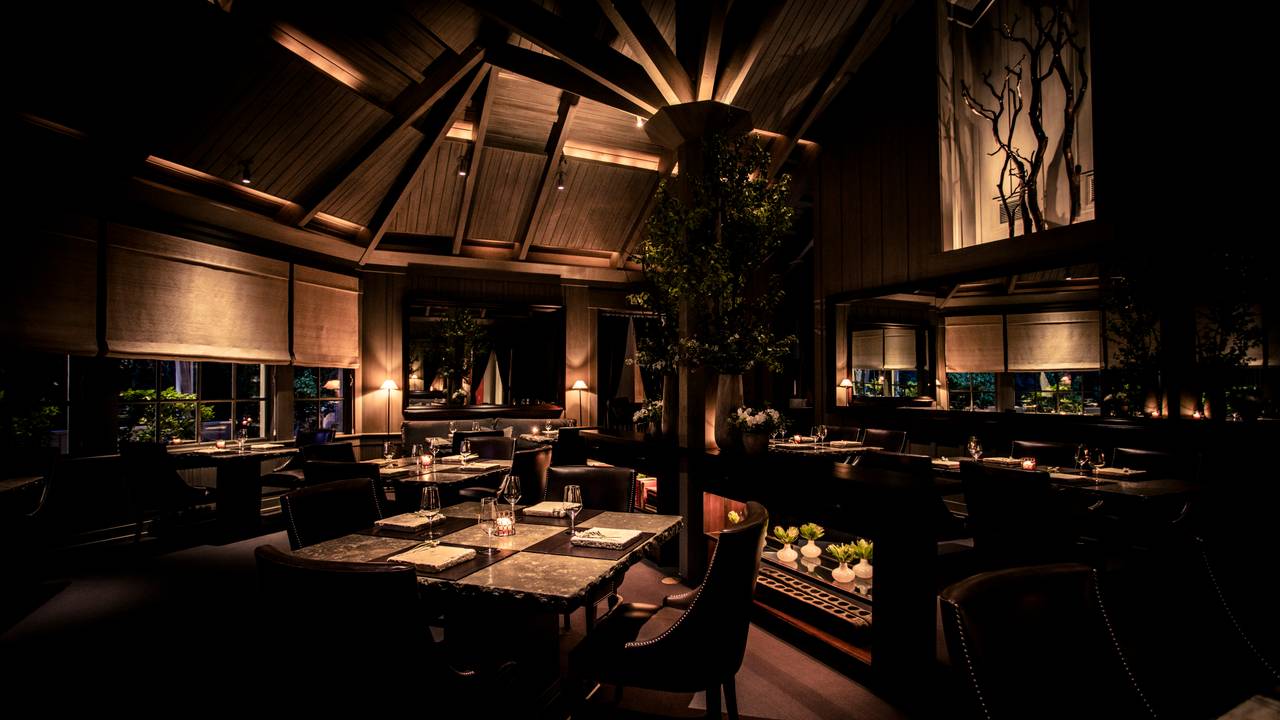
Details
- Classic
- Well Known
- Elegant
- Scenic
- Rustic
- Romantic Getaway
- Group Outing
- Wine Education
- Special Occasion
- Family
- Barrel Room
- Vineyard Tour
- Estate Grounds
- Historic Building
- Private Tasting
- Sustainable
- Vineyard
- Garden
- Cabernet Sauvignon
- Sauvignon Blanc
- Zinfandel
- Pinot Noir
- Still Red
- Still White
- Sparkling
- Dessert
- Estate Tasting
- Limited Edition Tasting
- Wine And Food Pairing
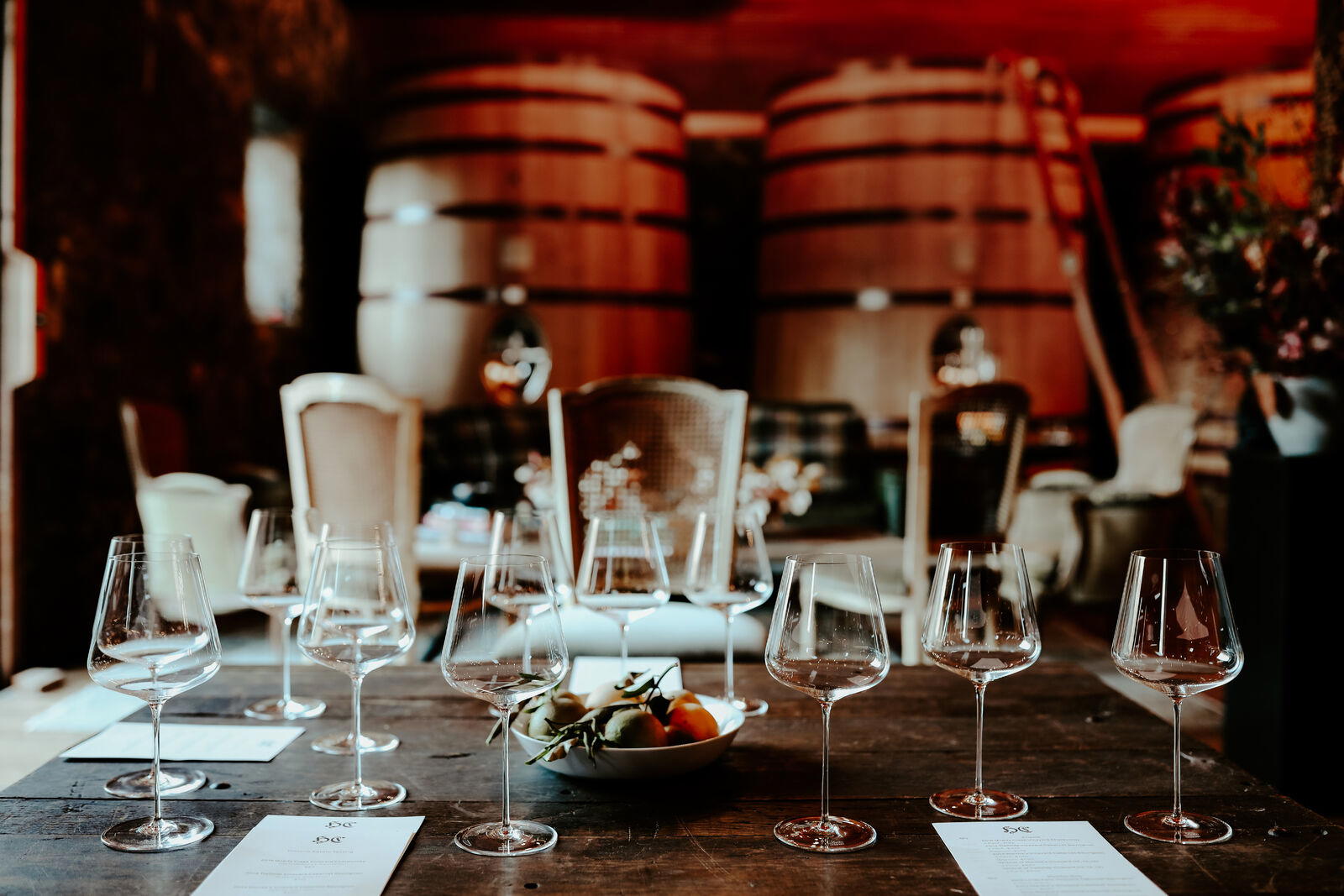
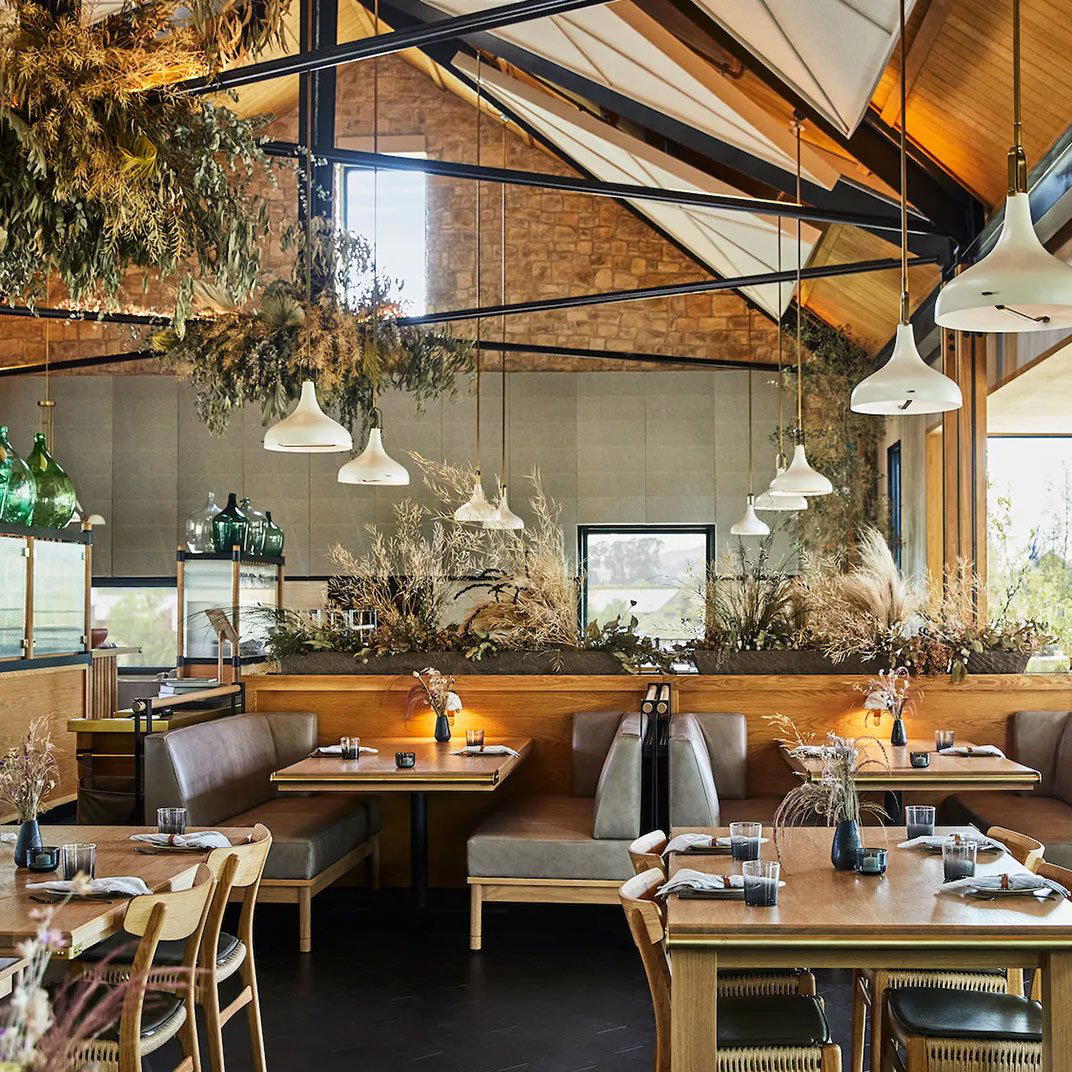
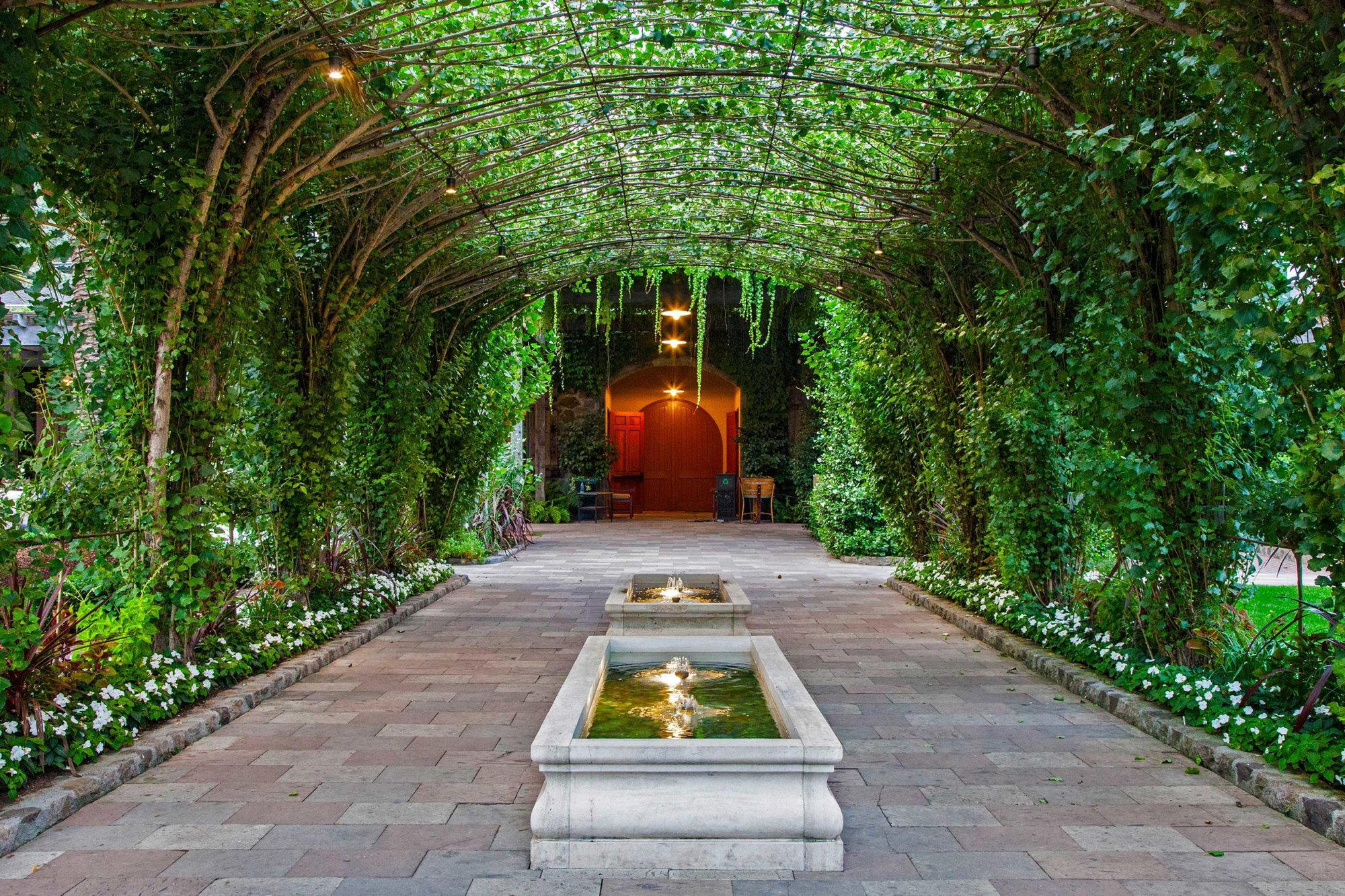
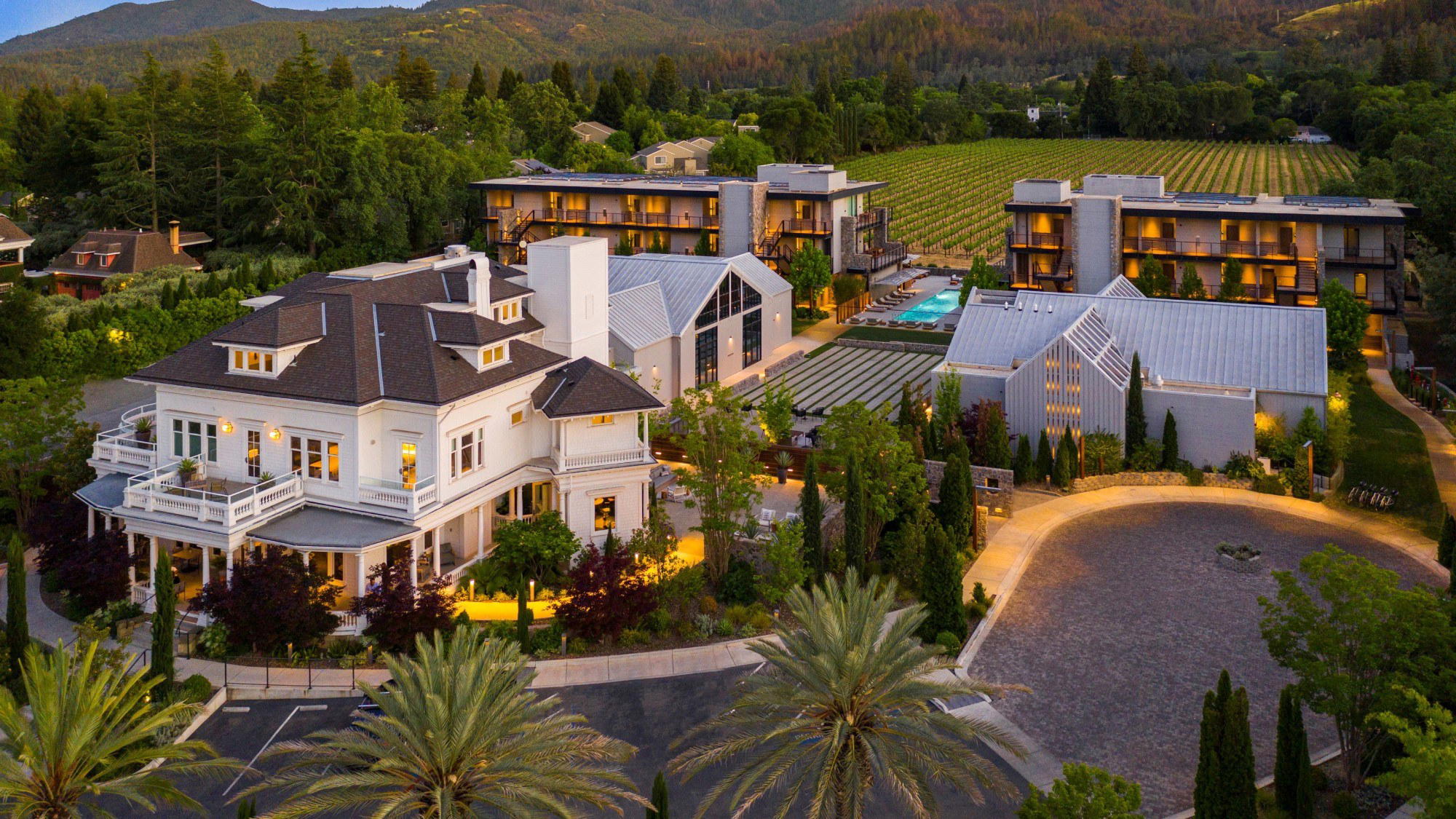
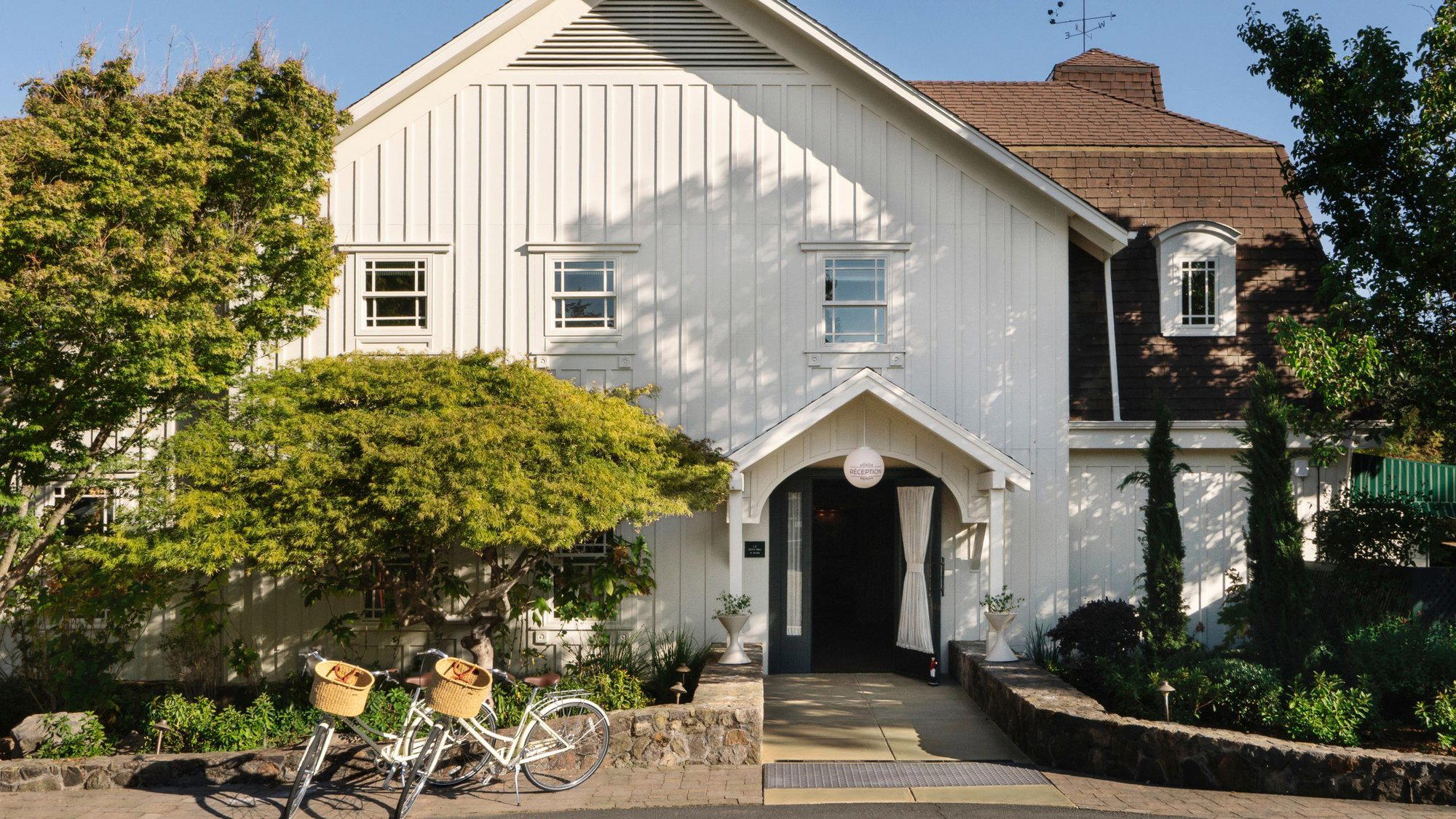
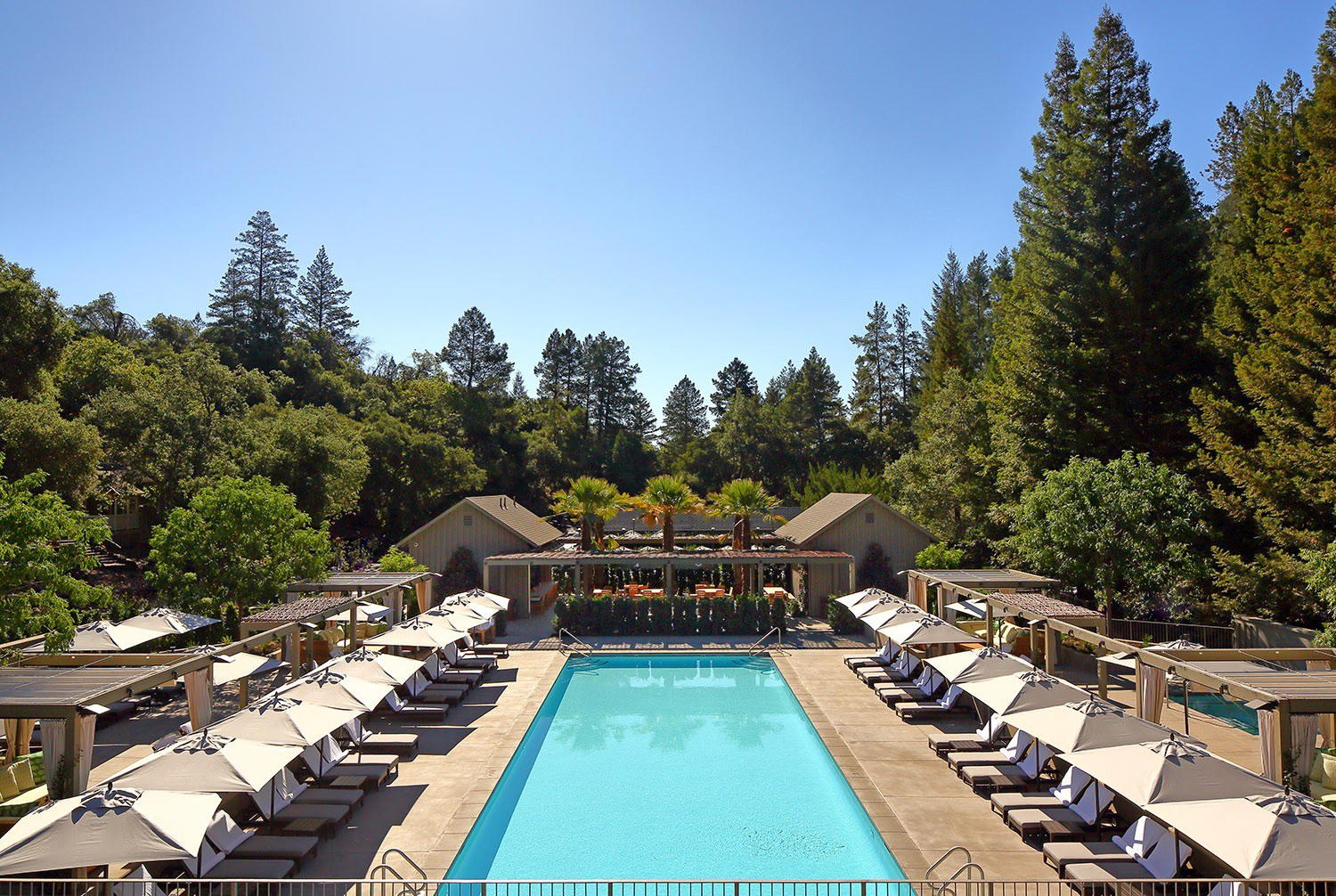
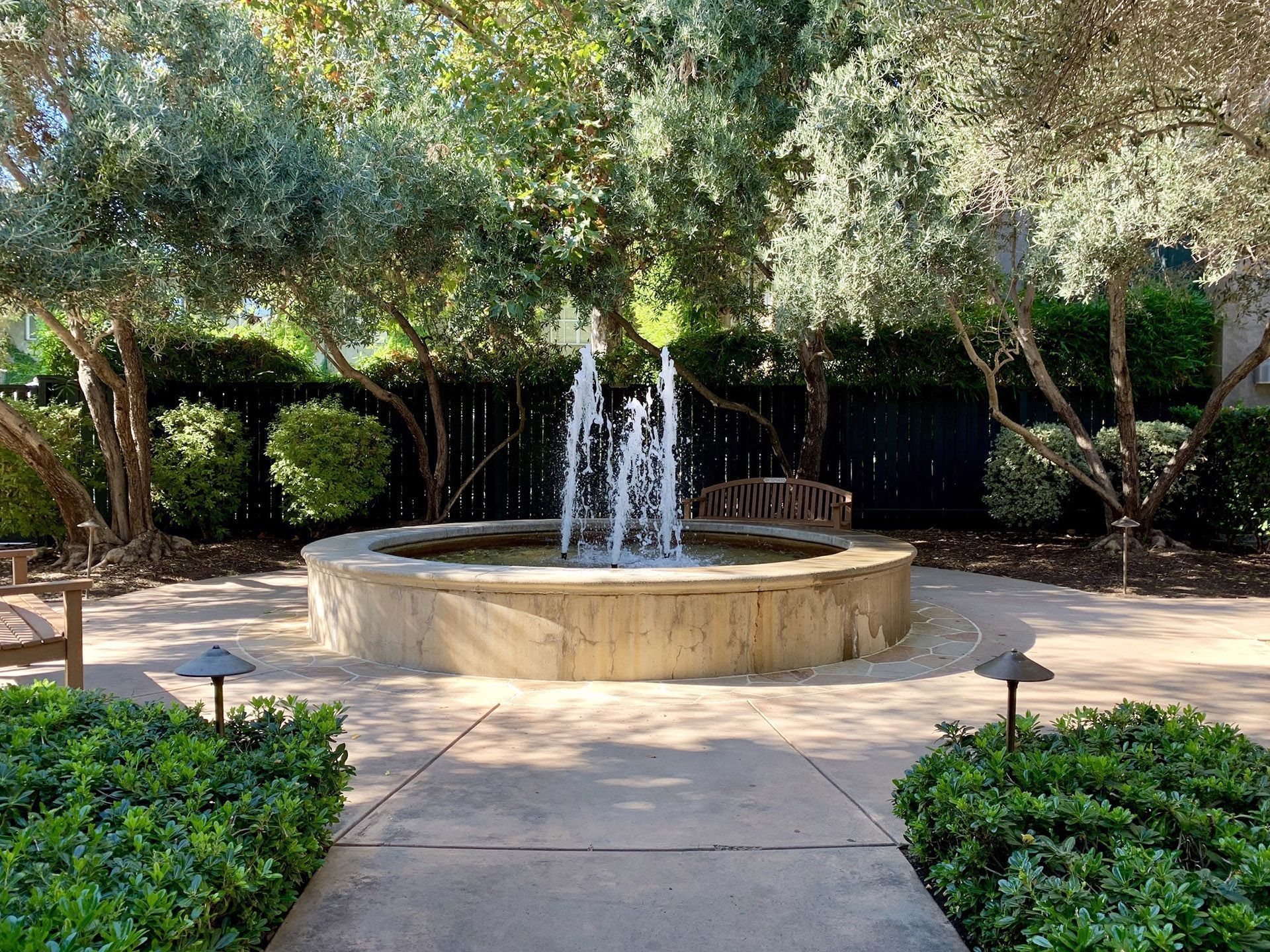
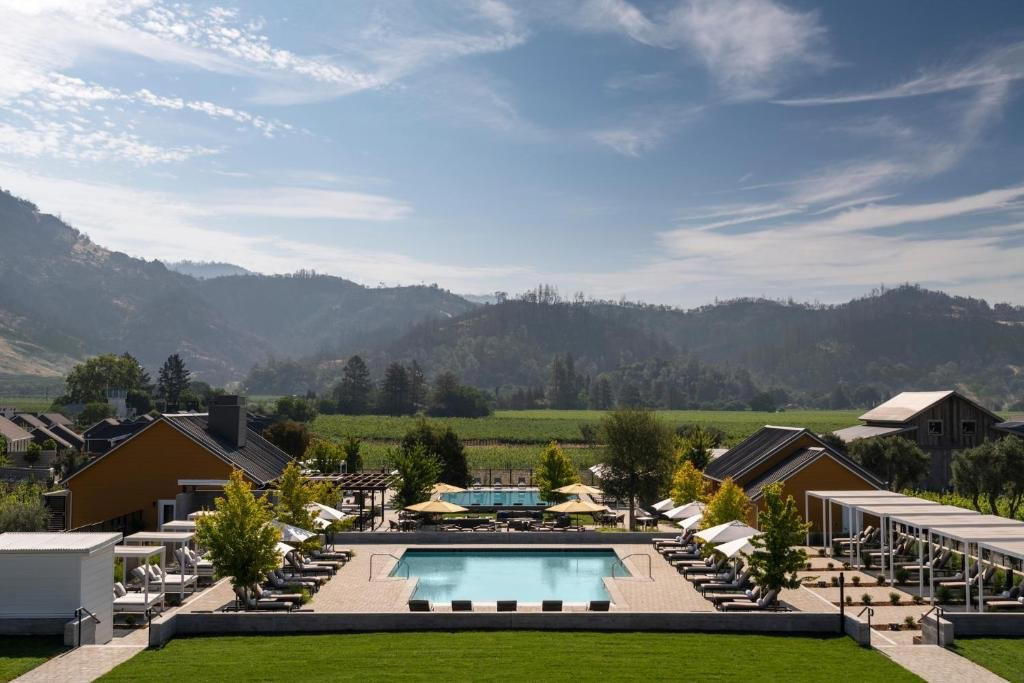
Old world charm with historic stone buildings, dark beams, muted lighting, and beautifully maintained grounds; spacious and spotless tasting rooms with comfortable seating.