Saintsbury
Saintsbury has been one of Carneros' reference-point addresses for cool-climate Pinot Noir and Chardonnay since the early 1980s, operating from a working farm in the southernmost reaches of Napa that prioritises vineyard practice over cellar intervention.
Pearl is the En Primeur Club membership app — saves, bookings, and concierge access live there. Same editors, same standards.
- Address
- 1500 Los Carneros Ave #9742, Napa, CA 94559
- Phone
- +1 707-252-0592
- Website
- saintsbury.com
- Directions
- Get directions
 Saves & bookings on Pearl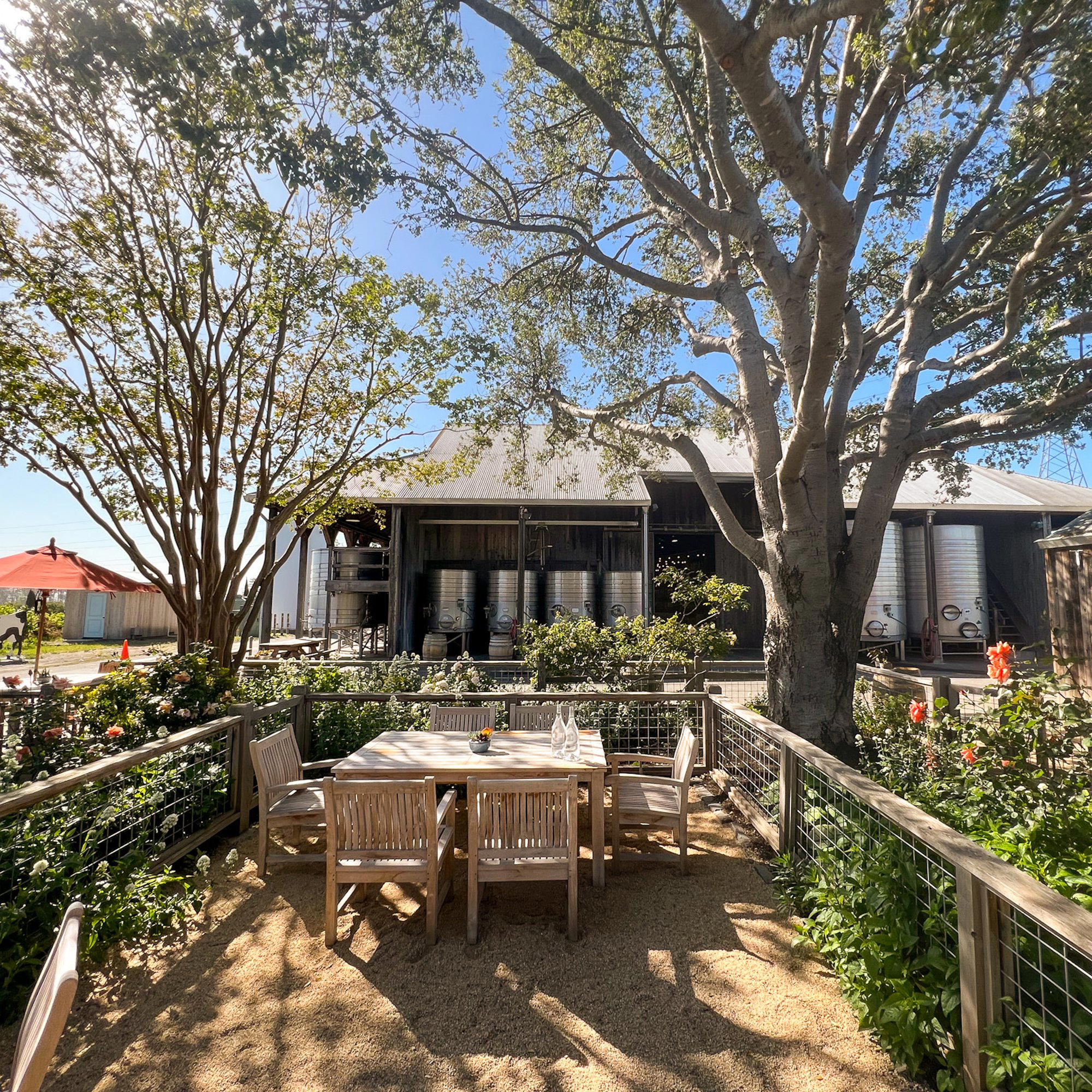
Where Carneros Begins
Drive south from downtown Napa on Old Sonoma Road and the valley floor starts to flatten, the oak-studded hillsides receding as the land opens toward San Pablo Bay. The air changes too, carrying the cool, marine-influenced drag that has defined the Los Carneros appellation since it was drawn. This is where Burgundy-trained thinking first took serious root in California, and where Saintsbury has been operating here for decades. Approaching the winery on Los Carneros Avenue, you are already inside the argument the wines make: that California's most compelling Pinot Noir and Chardonnay come not from the valley's warmer, celebrated north, but from this windswept southern fringe, where the growing season is long and cool enough to preserve the kind of acidity that holds a wine together across a decade.
Carneros and the Cool-Climate Question
The Los Carneros AVA straddles Napa and Sonoma counties, and its dual identity has always made it slightly awkward to categorise inside Napa's dominant Cabernet narrative. That awkwardness has proven commercially useful for the handful of producers committed to cool-climate varieties. While the valley's mid-section built its reputation on structured, age-worthy Cabernet Sauvignon, properties like Darioush Winery and Blackbird Vineyards represent that tradition well, Carneros producers have always operated against a different benchmark, one shaped by Burgundy rather than Bordeaux.
That distinction matters when you start reading labels. Producers at the southern end of Napa are making wines where vintage variation is more legible, where fruit weight is restrained relative to the valley norm, and where farming decisions in the vineyard have an outsized influence on what ends up in the bottle.
A Farming Address, Not a Showcase Estate
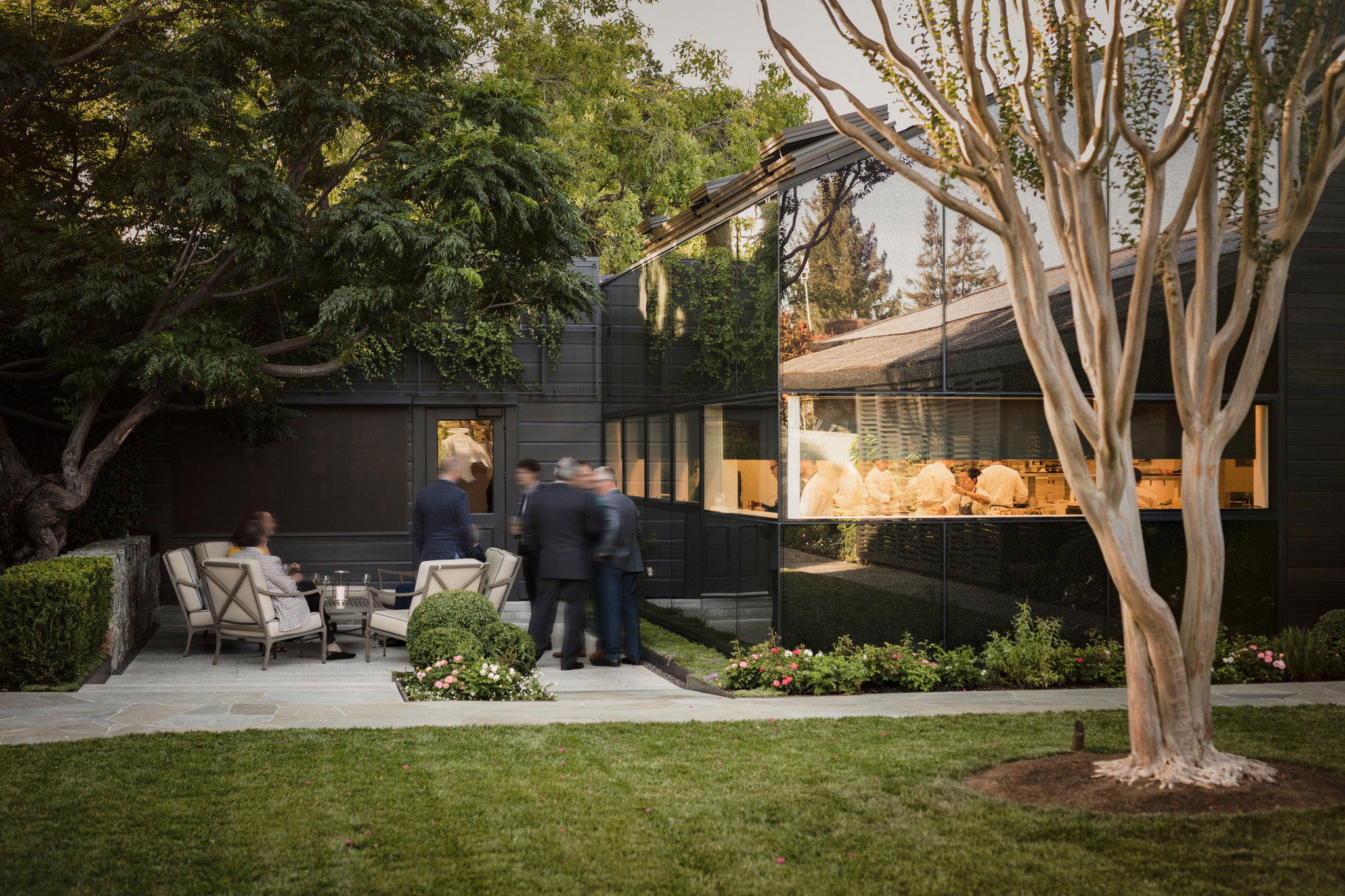
The physical character of Saintsbury's operation on Los Carneros Avenue reflects a working farm rather than a designed visitor destination. That distinction is not incidental. In a period when several Napa producers have invested heavily in architectural tasting rooms and curated hospitality programmes, Artesa Vineyards and Winery with its hillside installation or Ashes and Diamonds Winery with its mid-century modernist aesthetic, the decision to maintain a production-first identity signals something about priorities. The emphasis here is on what happens in the vineyard, not in the reception hall.
That emphasis connects directly to the broader conversation in California viticulture about farming practice. Carneros, with its relatively thin soils, marine fog, and wind exposure, is an appellation where vine stress is naturally managed by climate rather than by aggressive intervention. The cool conditions slow ripening sufficiently that growers can achieve phenolic maturity at moderate sugar levels, which translates to wines with structural tension rather than sheer ripeness. For producers committed to minimal intervention, the appellation provides a useful starting point: the climate does work that warmer zones require the winemaker to compensate for artificially.
The Sustainability Conversation in Carneros
California's wine industry has moved steadily toward codified sustainability practice over the past two decades, with Carneros producers often positioned at the leading edge of that shift. The appellation's cooler conditions, which reduce the pressure to irrigate heavily or manage extreme heat events, make certain organic and reduced-input farming approaches more tractable than they would be in hotter zones. The California Sustainable Winegrowing Alliance and the CCOF organic certification programme have seen growing uptake across the region, and the narrative around soil health, cover cropping, and reduced synthetic inputs has become central to how serious Carneros producers present their work.
For wineries operating in this context, viticulture and cellar philosophy tend to be presented as continuous rather than separate concerns. The argument is that wine made from carefully farmed, lower-yield fruit in a cool appellation requires less correction in the cellar, which in turn means shorter elevage in new oak, lower sulphur additions, and a finished wine that reads as a product of place rather than of winemaking technique. This is the framework within which Saintsbury's reputation has developed, and it connects the winery to a wider comparable set of California producers making the same case from different appellations, including Adelsheim Vineyard in Newberg and Adelaida Vineyards in Paso Robles, both of which have built their identities around appellation-specific farming commitments.
Positioning Within Napa's Broader Producer Map
Understanding Saintsbury's place in the California wine hierarchy requires separating it from the dominant Napa Cabernet conversation. The prestige tier of Napa Valley wine is built almost entirely on Bordeaux varieties, and the allocation system, collector demand, and critical attention that surrounds producers like Accendo Cellars in St. Helena or Alpha Omega Winery in Rutherford reflects that. Saintsbury competes in a smaller, differently structured market where the comparable set is drawn from cool-climate Pinot and Chardonnay producers across California and, implicitly, from Burgundy itself.
That positioning has both advantages and constraints. The advantages include a more price-accessible tier relative to upper-end Napa Cabernet, a clearer appellation story to tell, and a growing audience of wine drinkers who have shifted preference toward freshness and structure over extraction and concentration. The constraints include a smaller collector base, less secondary market activity, and a critical infrastructure that still tends to weight Napa Cabernet more heavily when it comes to the highest scores and most sustained attention.
Producers making comparable cases from different California appellations, Alban Vineyards in Arroyo Grande working with Rhône varieties, Andrew Murray Vineyards in Los Olivos operating in a warm-to-cool band, demonstrate that the interest in appellation-specific, farming-led production is a California-wide development rather than a Carneros peculiarity. The winery also sits within a broader international context: Alexander Valley Vineyards in Geyserville makes a similar case for Sonoma's Alexander Valley as a distinct identity within California's premium tier.
Visiting and Planning
Saintsbury's address at 1500 Los Carneros Avenue places it in the quieter, agricultural southern reaches of Napa, closer to the bay than to the valley's main visitor corridor. For travellers building a Napa itinerary around both the established Cabernet houses and the cooler-climate producers, this end of the valley rewards a deliberate half-day rather than a drive-by.
For visitors with a specific interest in the cool-climate Napa and Sonoma conversation, the winery offers a useful reference point before moving north to the valley floor or west across the Carneros line into Sonoma. Producers like Clos Selene Winery offer adjacent reference points within the Napa side of the appellation, while the visual and tonal contrast between the working-farm aesthetic here and the polished hospitality operations further north reinforces how differently producers have chosen to present their work within the same appellation boundary.
What It’s Closest To
Comparable venues nearby, for context on price, style, and recognition.
| Venue | Cuisine | Price | Notes |
|---|---|---|---|
| SaintsburyThis venue — the venue you are viewing | Pinot Noir, Chardonnay | $$$ | Not listed |
| Cuvaison Estate Wines | Chardonnay, Pinot Noir | $$$ | Napa |
| Hudson Napa Valley | Chardonnay, Syrah | $$$ | Carneros |
| Matthiasson Winery | Ribolla Gialla, Sauvignon Blanc | $$$ | Oak Knoll District |
| Jean Edwards Cellars | cabernet sauvignon, cabernet franc | $$$ | Atlas Peak |
| VinRoc | Cabernet Sauvignon, Syrah | $$$ | Atlas Peak |
Continue exploring
More in Napa
Wineries in Napa
Browse all →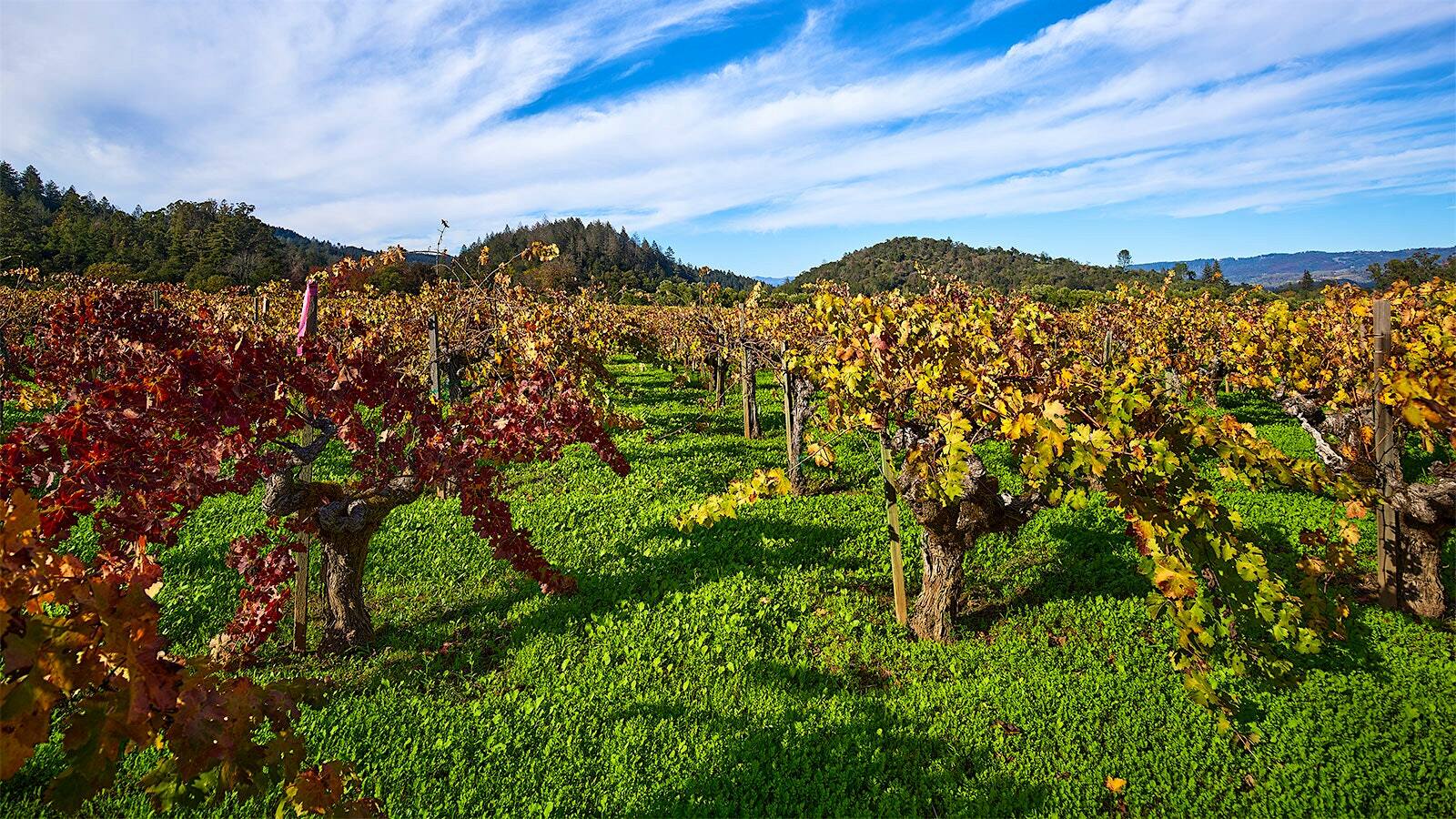
Bars in Napa
Browse all →
Restaurants in Napa
Browse all →
At a Glance
- Quiet
- Rustic
- Intimate
- Scenic
- Wine Education
- Solo Exploration
- Estate Grounds
- Terrace
- Organic
- Sustainable
- Vineyard
- Garden
- Carneros AVA
- Pinot Noir
- Chardonnay
- Pinot Noir (vin Gris)
- Chenin Blanc
- Still Red
- Still White
- Still Rosé
- Pet Nat
- Seated Tasting
- Outdoor Tasting
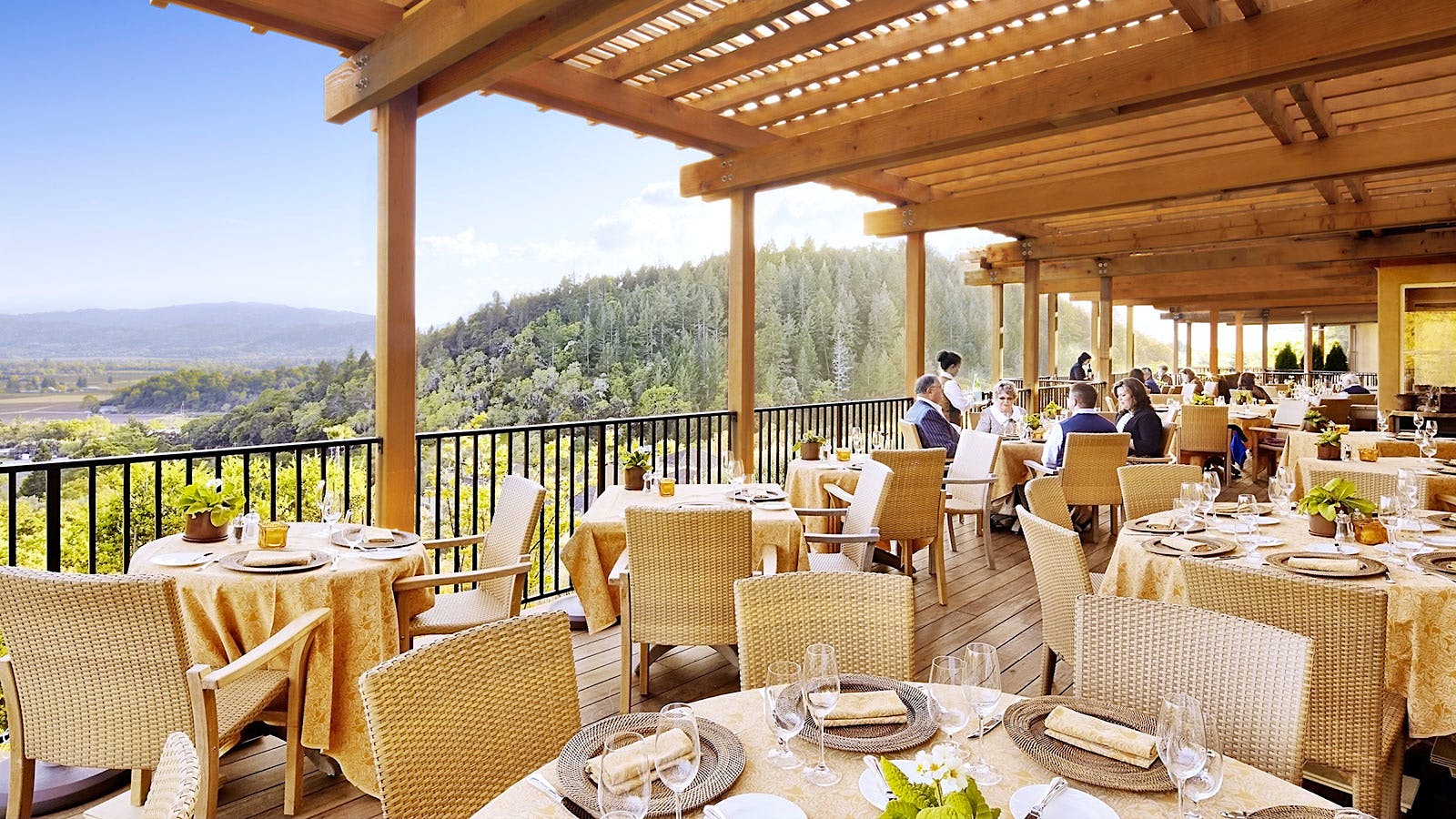
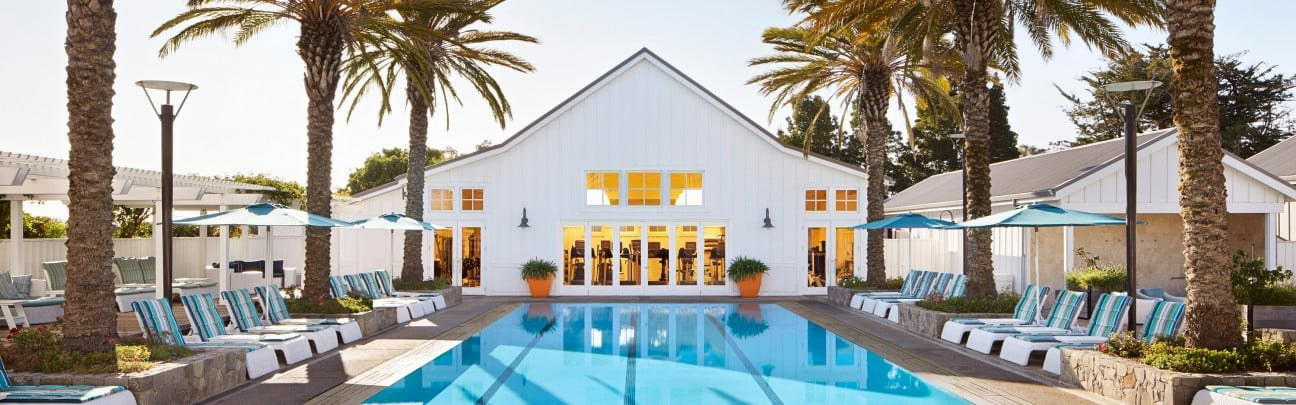
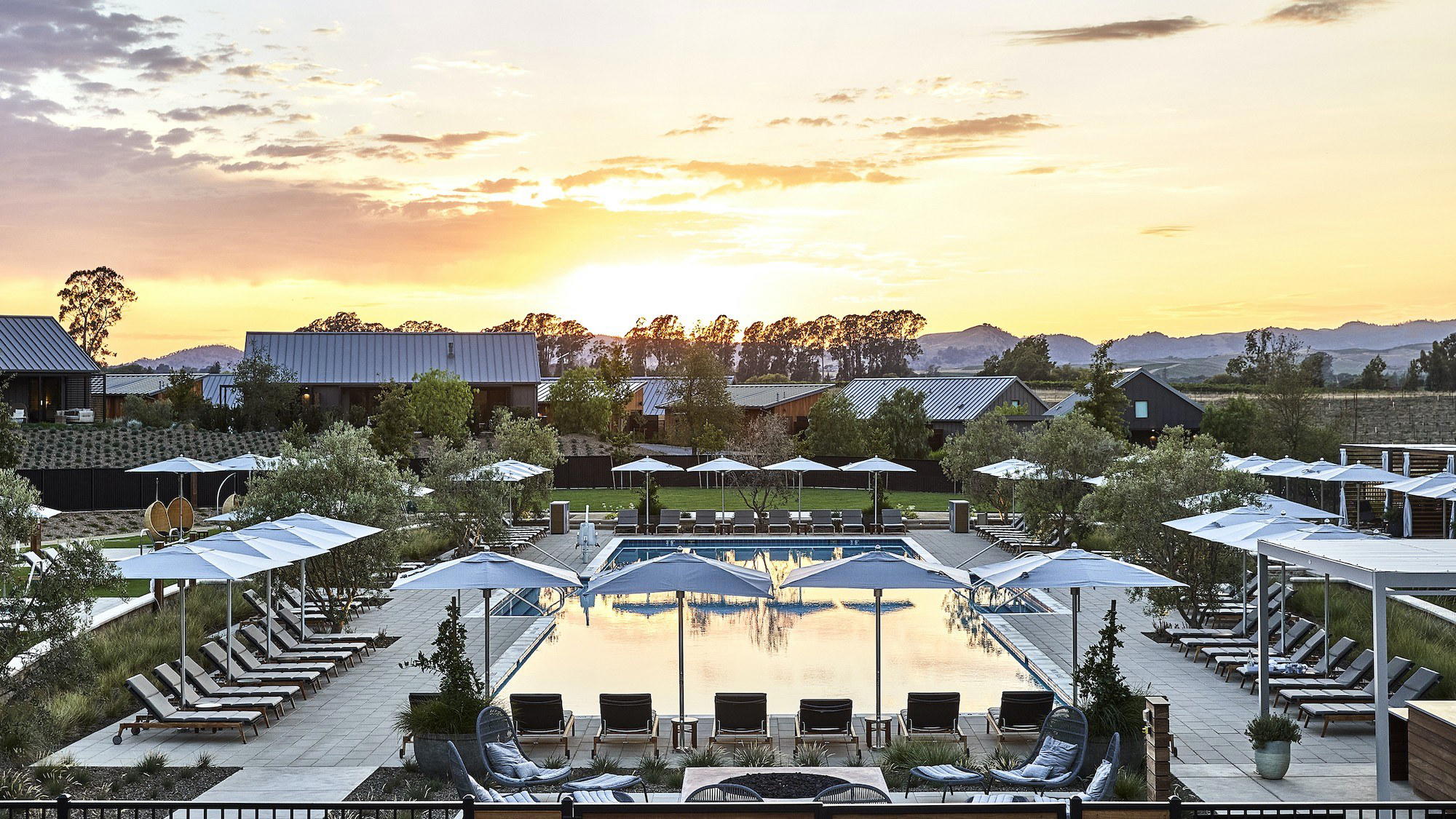
Tranquil and relaxed with a bucolic Napa vibe, featuring tastings in English-style gardens overlooking vineyards or beside giant wine barrels.