SassodiSole

Falstaff Winery - 2 Stars
SassodiSole is a family-run Montalcino winery shaped around Sangiovese Grosso, Brunello di Montalcino DOCG, and guided cellar tastings in the Val d’Orcia. The estate’s appeal is its disciplined, place-led format: vineyard context, Slavonian oak tradition, local food pairings, and a quiet tasting-room rhythm rather than a hospitality program built around spectacle.

Pearl is the En Primeur Club membership app, where members save venues, book tables and use the concierge.

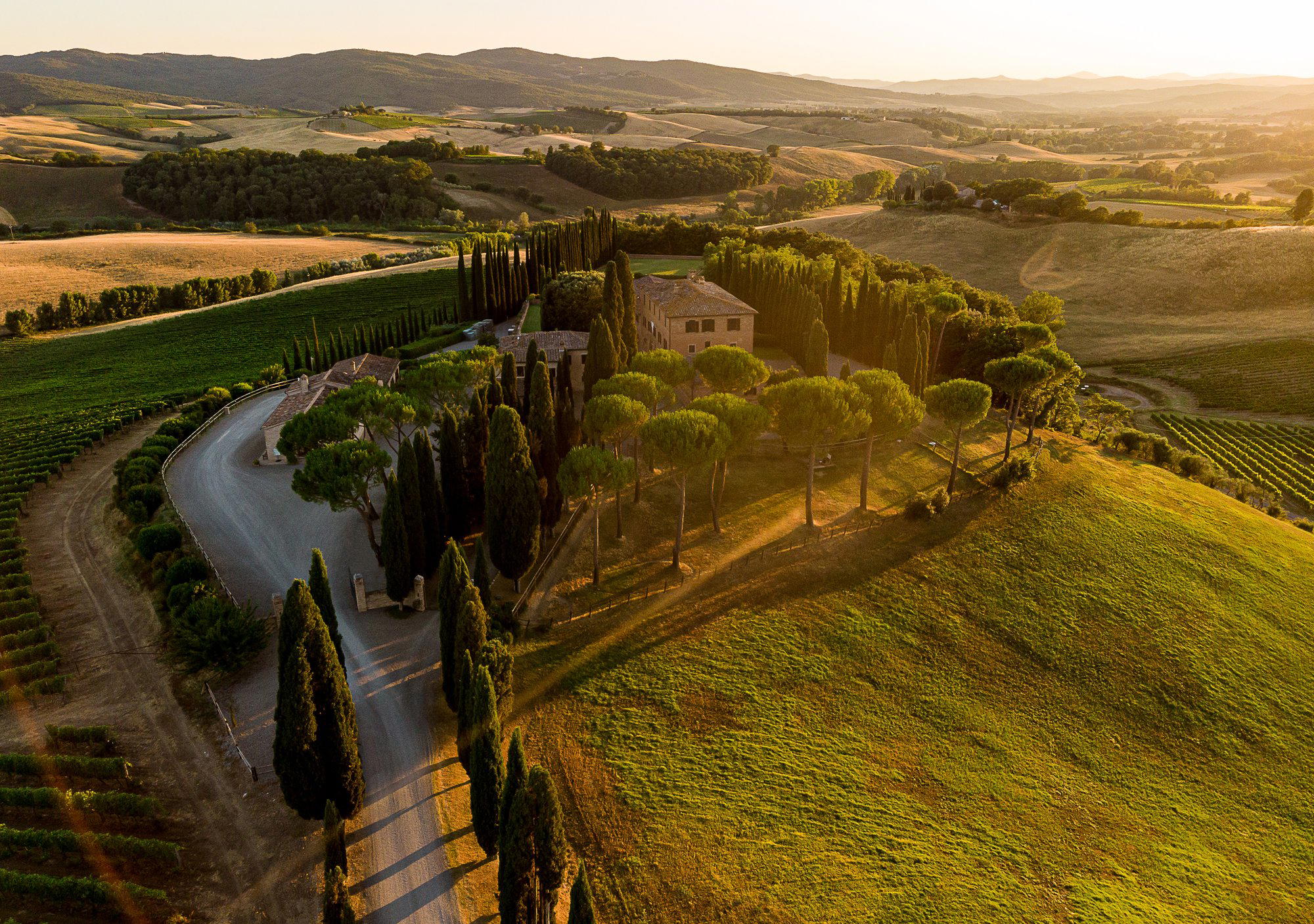
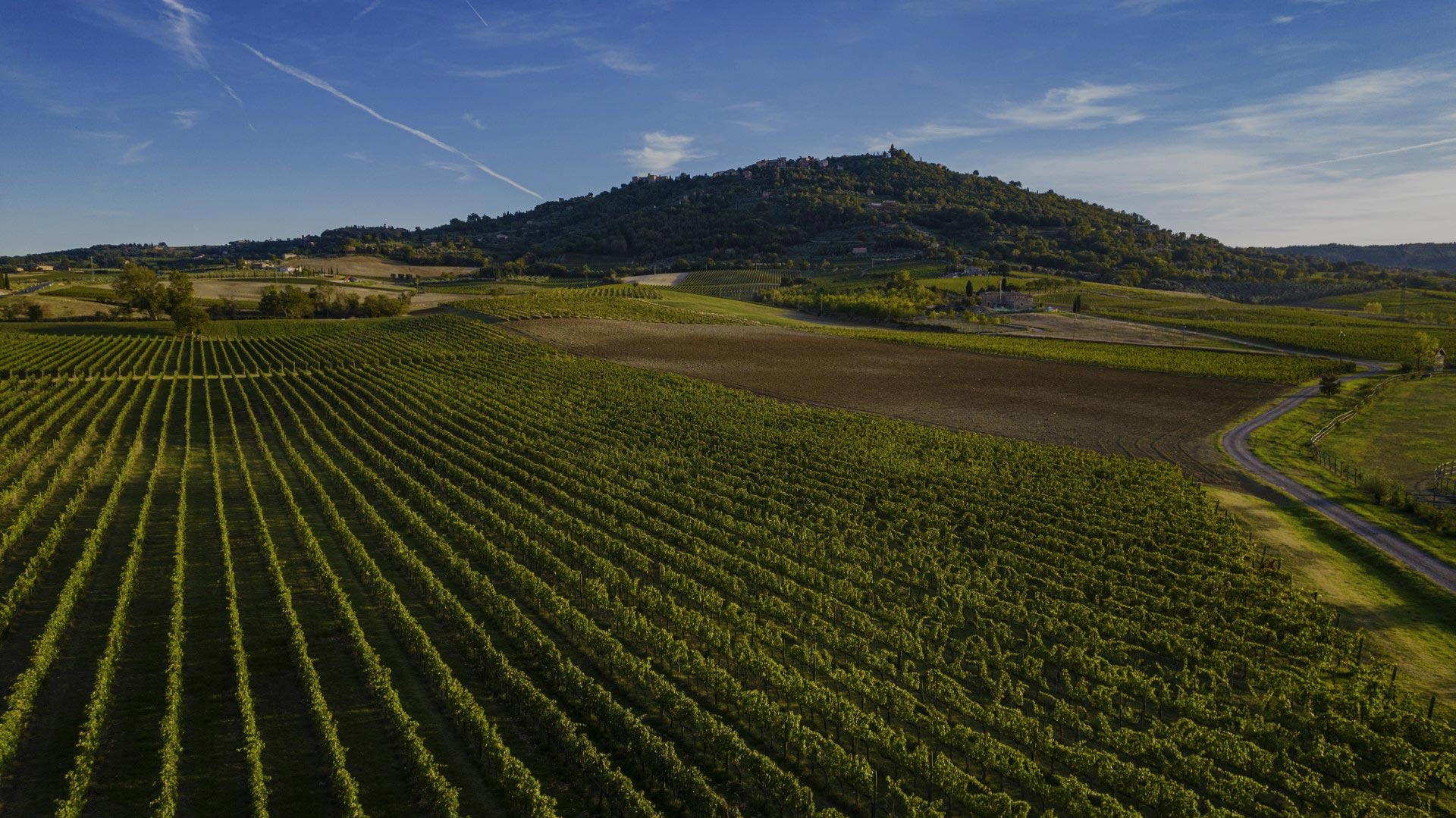
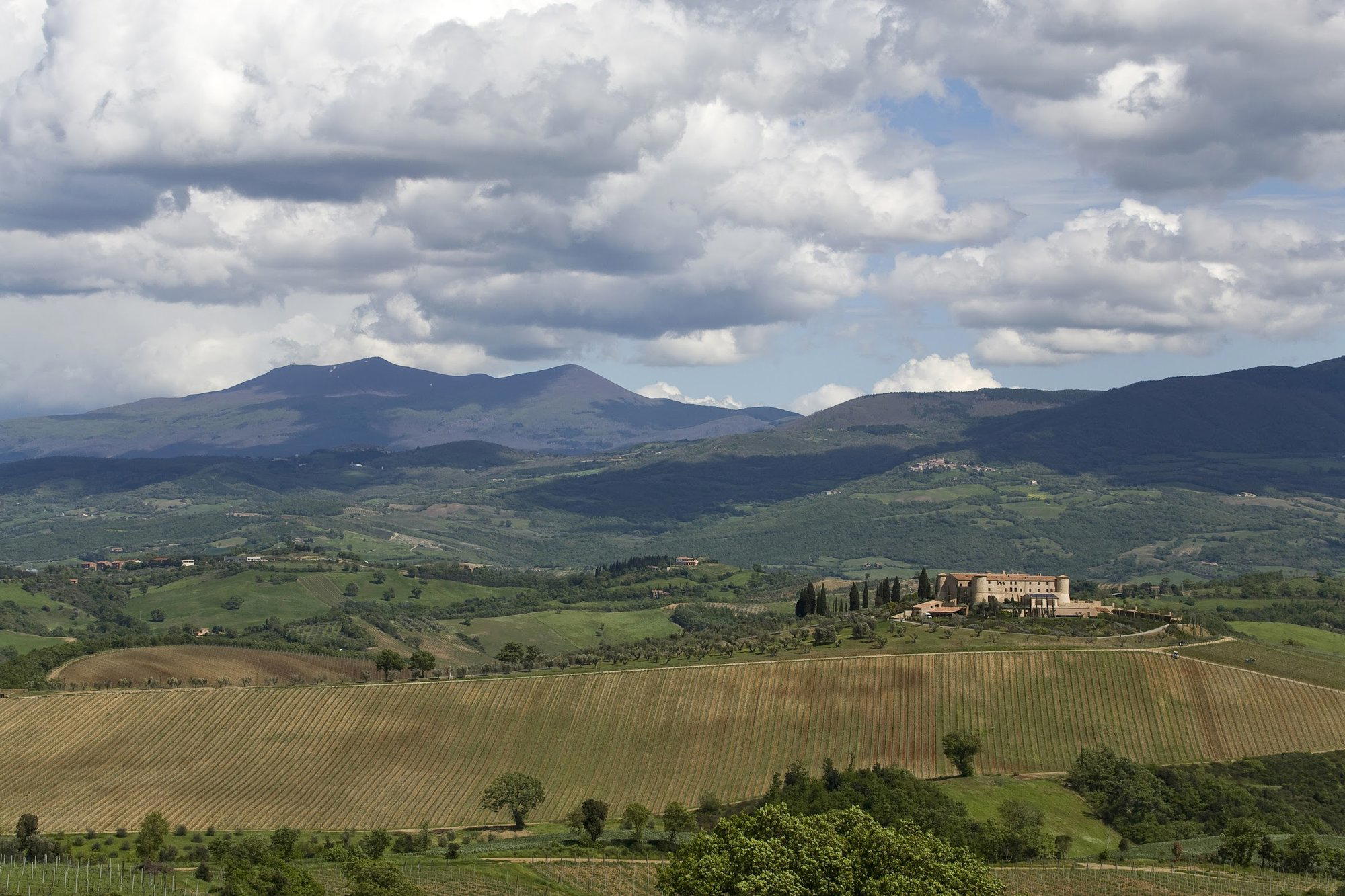
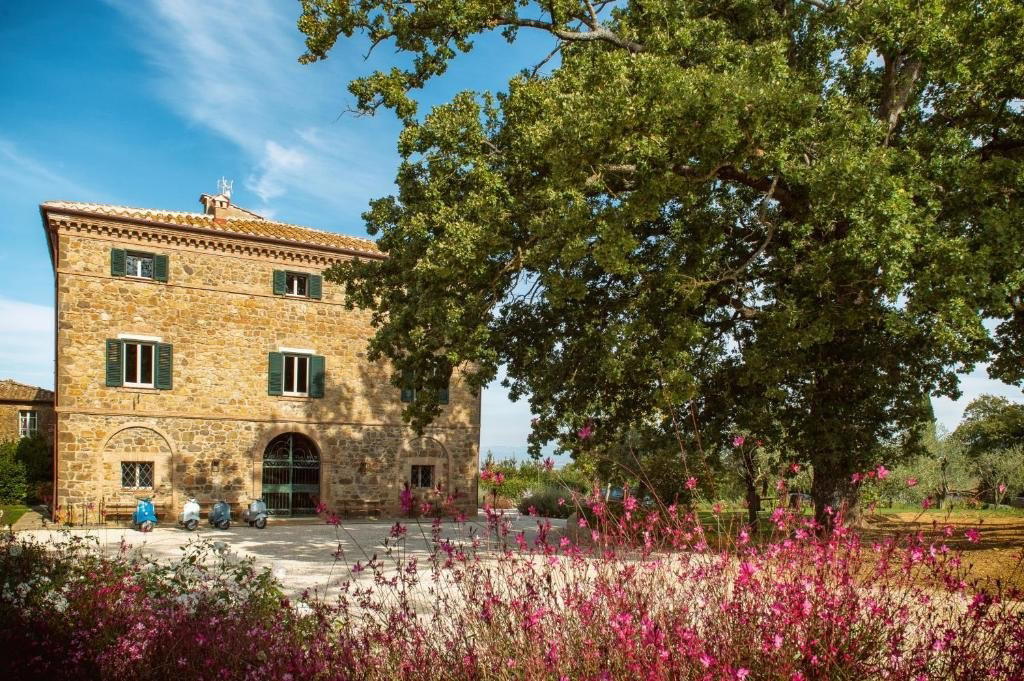
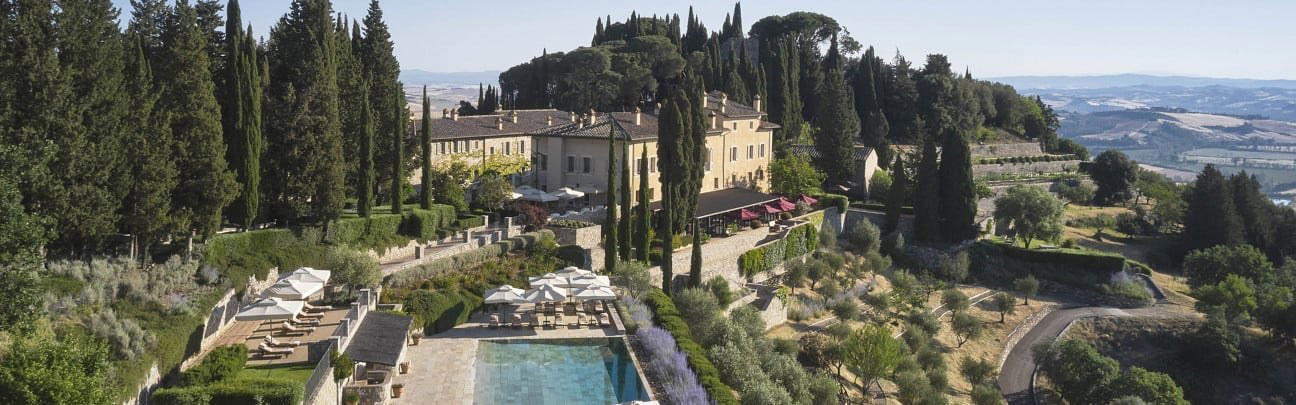
Approaching a Montalcino cellar in the Val d’Orcia is rarely just about the glass. The setting does some of the work before the tasting begins: hillside vines, a rural quietness, and the sense that Brunello’s reputation is tied as much to agricultural discipline as to prestige. SassodiSole fits that register. The experience is family-run, cellar-led, and rooted in the northeastern side of Montalcino, where the UNESCO-protected landscape gives the visit a stronger sense of place than a standard tasting counter could manage.
Montalcino wine tourism often splits between polished destination estates and smaller producers where the cellar visit remains close to the working farm. The latter format suits Sangiovese, a grape that rewards context: slope, exposure, aging vessel, and appellation hierarchy all matter. Here, the emphasis falls on Sangiovese Grosso, Brunello di Montalcino DOCG, Rosso di Montalcino DOC, and Orcia Sangiovese DOC rather than on a broad international portfolio. That focus gives the visit a clear through-line, especially for travelers who want to understand how the same local grape moves through different levels of structure and ambition.
Brunello hospitality without resort choreography
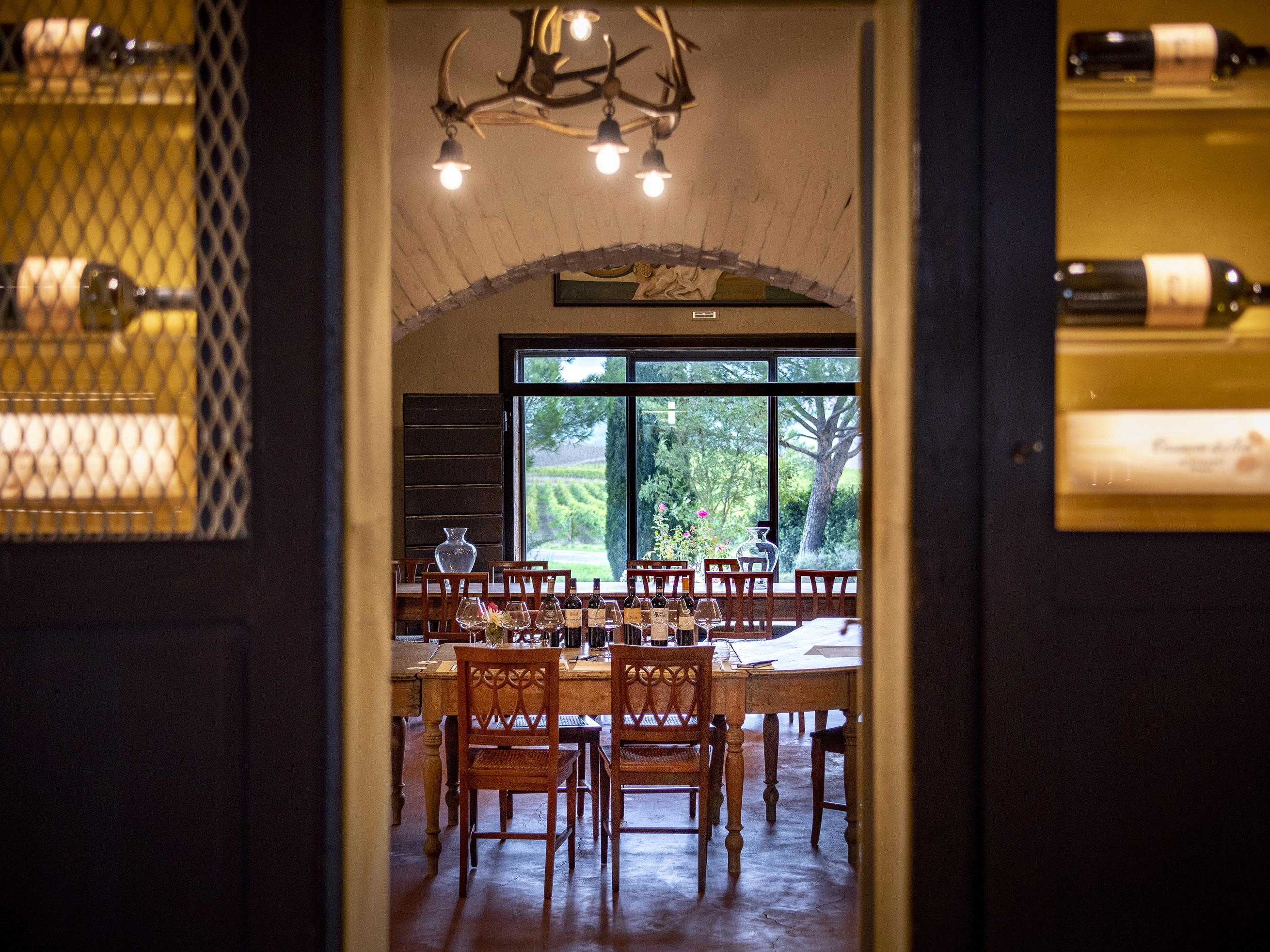
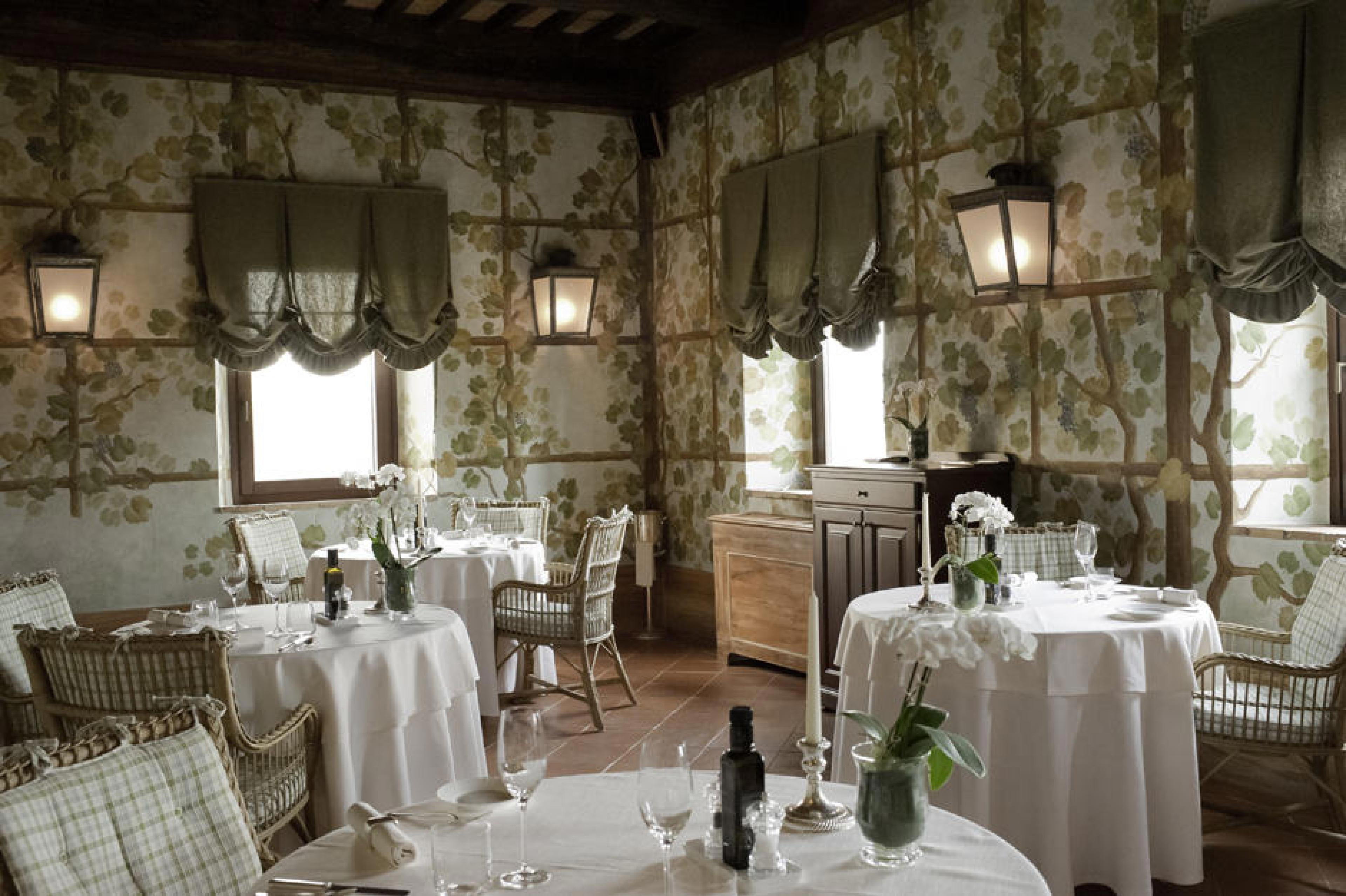
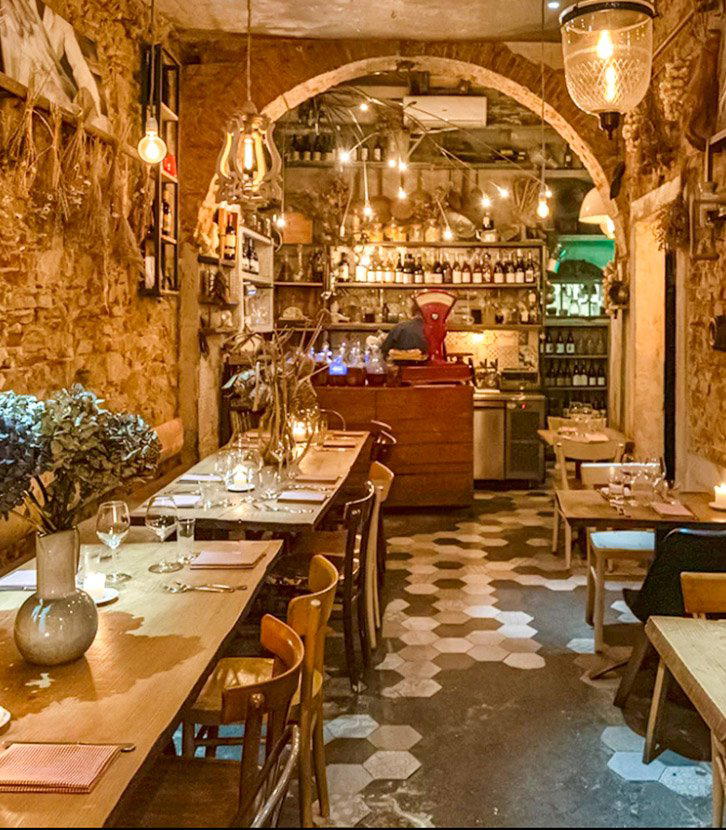
The tasting format is built around guided sessions, winery tours, cellar tastings, and vertical tastings, with vineyard access part of the appeal. That matters in Montalcino because Brunello can be too easily reduced to labels and release categories. A cellar visit that connects vine, barrel, and appellation gives the wine a more useful frame. The reported rhythm is welcoming and informative rather than theatrical, with a quiet room, family-estate atmosphere, and local Tuscan food pairings available alongside the wines.
The portfolio is compact but telling. Orcia Sangiovese DOC and Rosso di Montalcino DOC sit below the Brunello tier, while Brunello di Montalcino DOCG, Brunello Riserva, and the named BRUNO Brunello di Montalcino DOCG 2015 mark the estate’s more serious end. Sparkling Rosé Brut and the Sasso Di Luna labels broaden the range, but the center of gravity remains Sangiovese. In a region where breadth can blur identity, that narrowness is an advantage: the tasting is about reading variations inside a local tradition, not sampling a miscellaneous Tuscan shelf.
Estate’s visitor reputation is unusually strong for the hospitality side, with a 4.9 rating across 52 Winedering reviews. That is not the same thing as a critic score or a wine award, but it is useful evidence for travelers choosing among cellar visits. The recurring signals are consistency of welcome, cleanliness of the premises, knowledgeable guidance, and the appeal of the surrounding views. For a winery visit, those details count; wine tourism fails quickly when the room feels detached from the work behind the bottles.
Roberto Terzuoli and a traditionalist Sangiovese frame
More interesting story here is not a personal myth of the winemaker, but the way a family estate uses continuity as a production argument. The Terzuoli family’s agricultural history is traced back to the 17th century, while the modern winery dates to the 1970s under Bruno and Graziella Terzuoli. Roberto Terzuoli is associated with the current winemaking direction, bringing agricultural knowledge and Brunello experience into a program that remains focused on Montalcino’s native red grape.
Stated philosophy is direct: good wine begins with respect for the land. In practical terms, the clearest production signals are estate Sangiovese Grosso, hand selection of grapes, and aging in Slavonian oak barrels. Slavonian oak is important in this context because it aligns with a more traditional Brunello vocabulary, where structure and aging capacity are not meant to be overwhelmed by overt new-oak flavor. The estate’s vineyards are described at roughly 280 to 320 meters above sea level with south and south-west exposure, a combination that supports ripening while keeping the hillside identity legible.
There is also a useful tension in the cellar language: innovation is present, but it is framed inside respect for Montalcino tradition. That distinction matters. In Brunello, novelty for its own sake can feel misplaced; the appellation’s authority comes from controlled variation, not reinvention. SassodiSole’s production scale is small, its allocation status is open, and its wine focus remains still reds with a sparkling outlier. The result is a winery whose argument is made through proportion: Sangiovese first, Brunello as the apex, hospitality as interpretation rather than distraction.
How to place it in a Montalcino itinerary
This is a strong fit for travelers who want a cellar visit with educational value, a rural setting, and a family-estate cadence. It is also suitable for groups, families, and visitors who prefer a quieter winery rather than a high-production tasting room. Accessibility details are favorable, with wheelchair access, accessible parking, and a step-free entrance listed; dogs and children are also accommodated. The dress code is casual, which matches the tone of the place: this is agricultural Montalcino, not a dining room performance.
For a broader Montalcino plan, pair winery time with the city’s other editorial maps rather than treating a tasting as the whole day. EP Club’s wider local coverage includes Our full Montalcino wineries guide, Our full Montalcino restaurants guide, Our full Montalcino hotels guide, Our full Montalcino bars guide, and Our full Montalcino experiences guide. Nearby winery research can also extend through Aglieta Roberto, Agostina Pieri, Agricola Poggio Rubino, Aisna, and Altesino. For readers building a wider European wine route, the archive also covers 3GP SRL in Treviso, 47 Anno Domini in Trebaseleghe, A Mano Wine in Noci, »der Steiner« Hans Steiner in Podersdorf am See, and & Handwein in Mannheim.
Recognition history
Dated appearances from independent guides and award organizations, with the underlying list record or original source where available.
Falstaff Winery - 2 Stars
Falstaff
Continue exploring
More in Montalcino
Wineries in Montalcino
All wineries in Montalcino →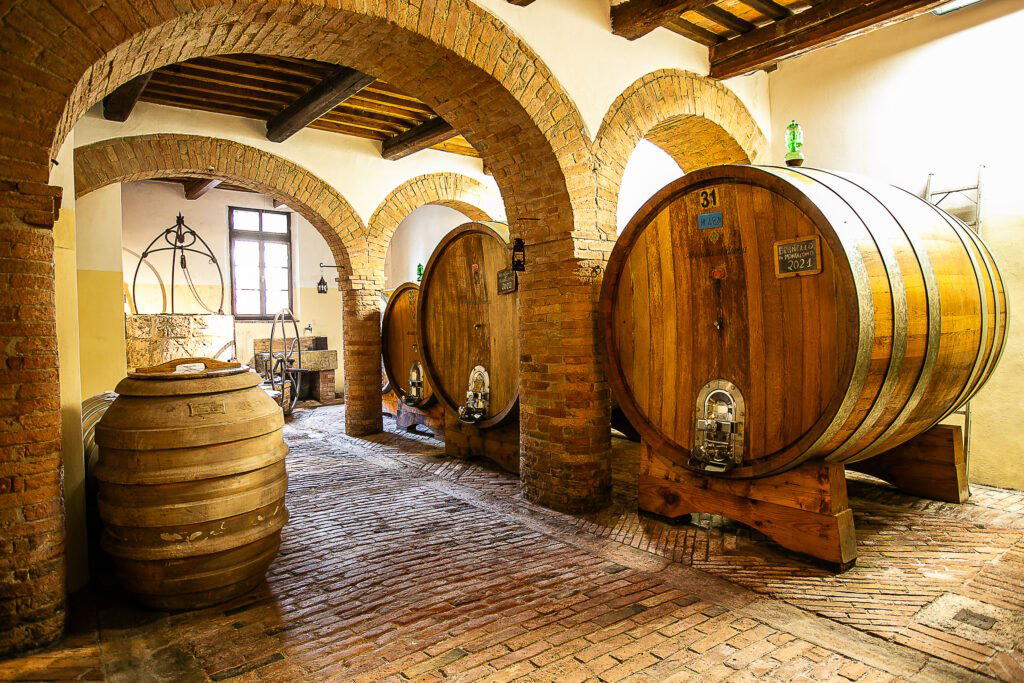
Bars in Montalcino
All bars in Montalcino →
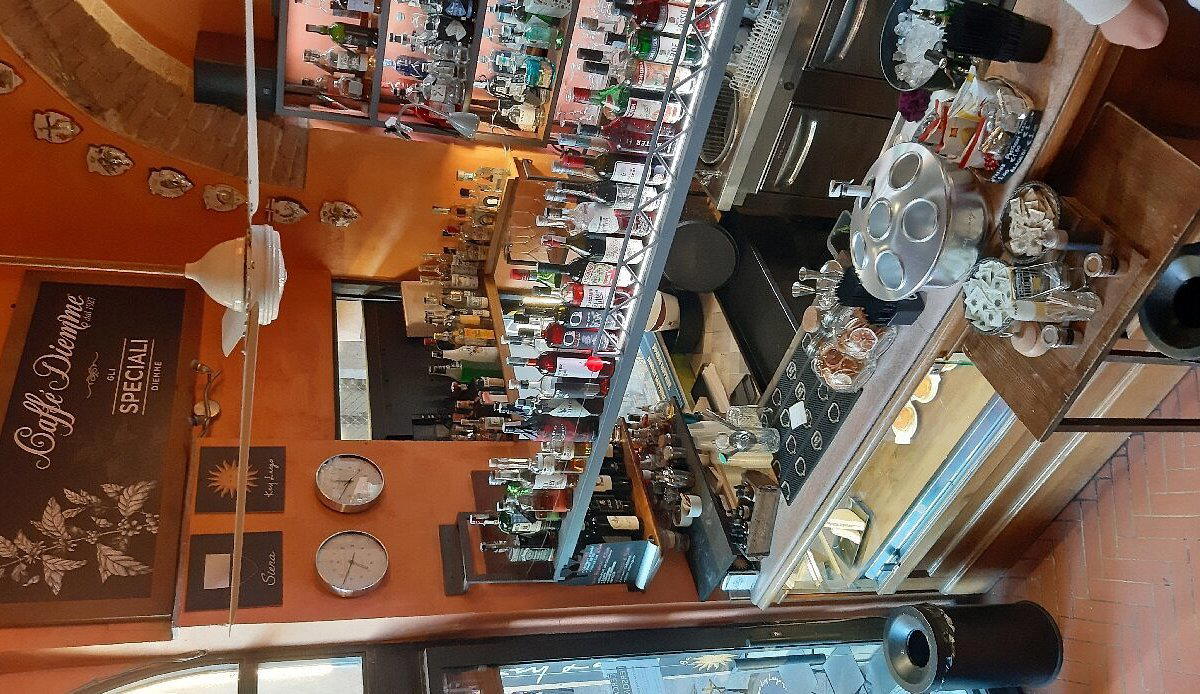

Restaurants in Montalcino
All restaurants in Montalcino →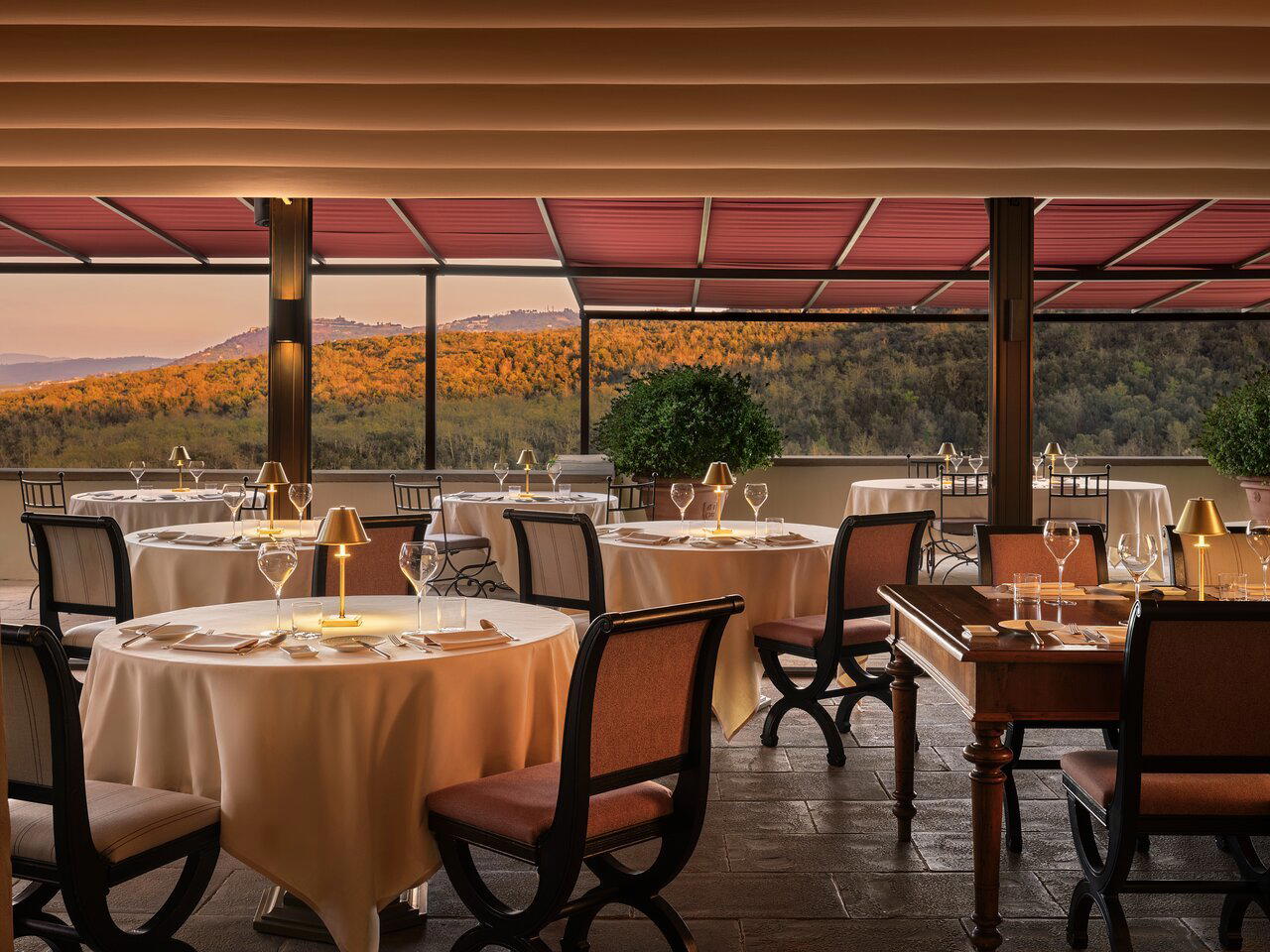
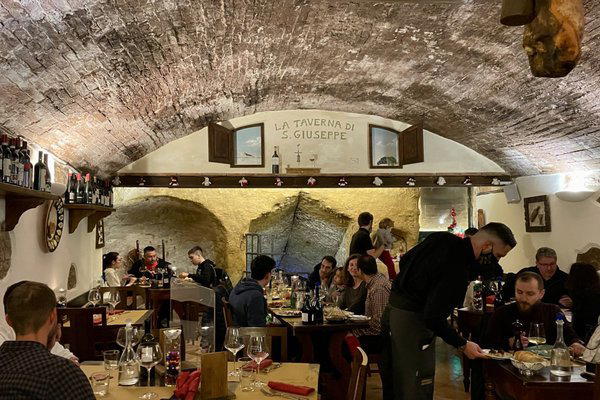
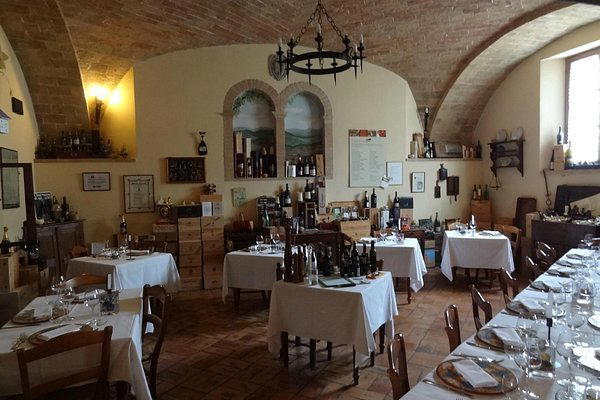
Details
- Scenic
- Rustic
- Quiet
- Cozy
- Wine Education
- Group Outing
- Special Occasion
- Family
- Vineyard Tour
- Cave Tasting
- Historic Building
- Design Destination
- Panoramic View
- Vineyard
- Mountain
- Sangiovese Grosso
- Still Red
- Sparkling
- Guided Tasting
- Winery Tour And Tasting
- Vertical Tasting
- English
- Italian
Family-run winery atmosphere with a welcoming, informative tasting-room experience in a scenic UNESCO-listed hillside setting; reviews describe the premises as beautiful, spotless, and welcoming.