
Sartirano Figli Cantine e Vigneti gives Novello a modern, technically minded reading of Barolo country: a partly underground winery near Ghercina lake, rooted in a family story that dates to 1871. The interest is the split personality of the operation, with scale, laboratory control, certified biological production, and an estate thread through Costa di Bussia’s 11-hectare block.
Pearl is the En Primeur Club membership app — saves, bookings, and concierge access live there. Same editors, same standards.
- Address
- Novello, Piedmont, Italien
- Directions
- Get directions
 Saves & bookings on Pearl
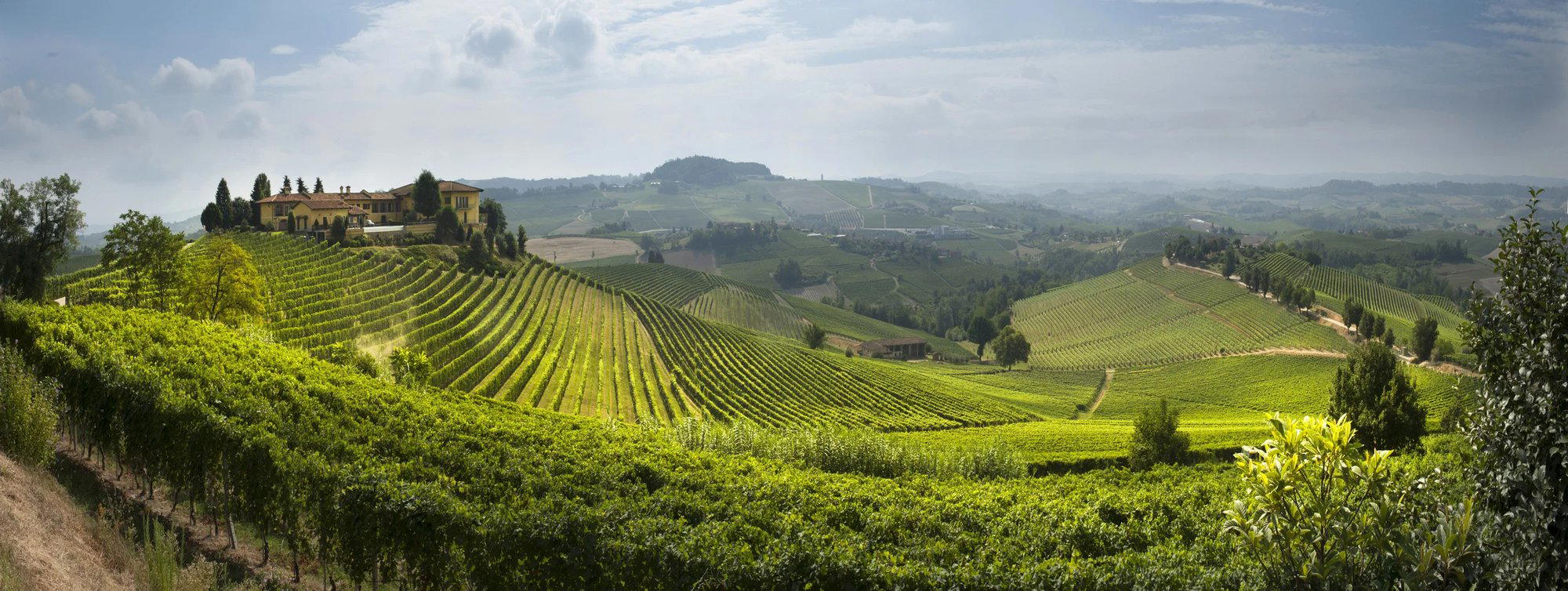
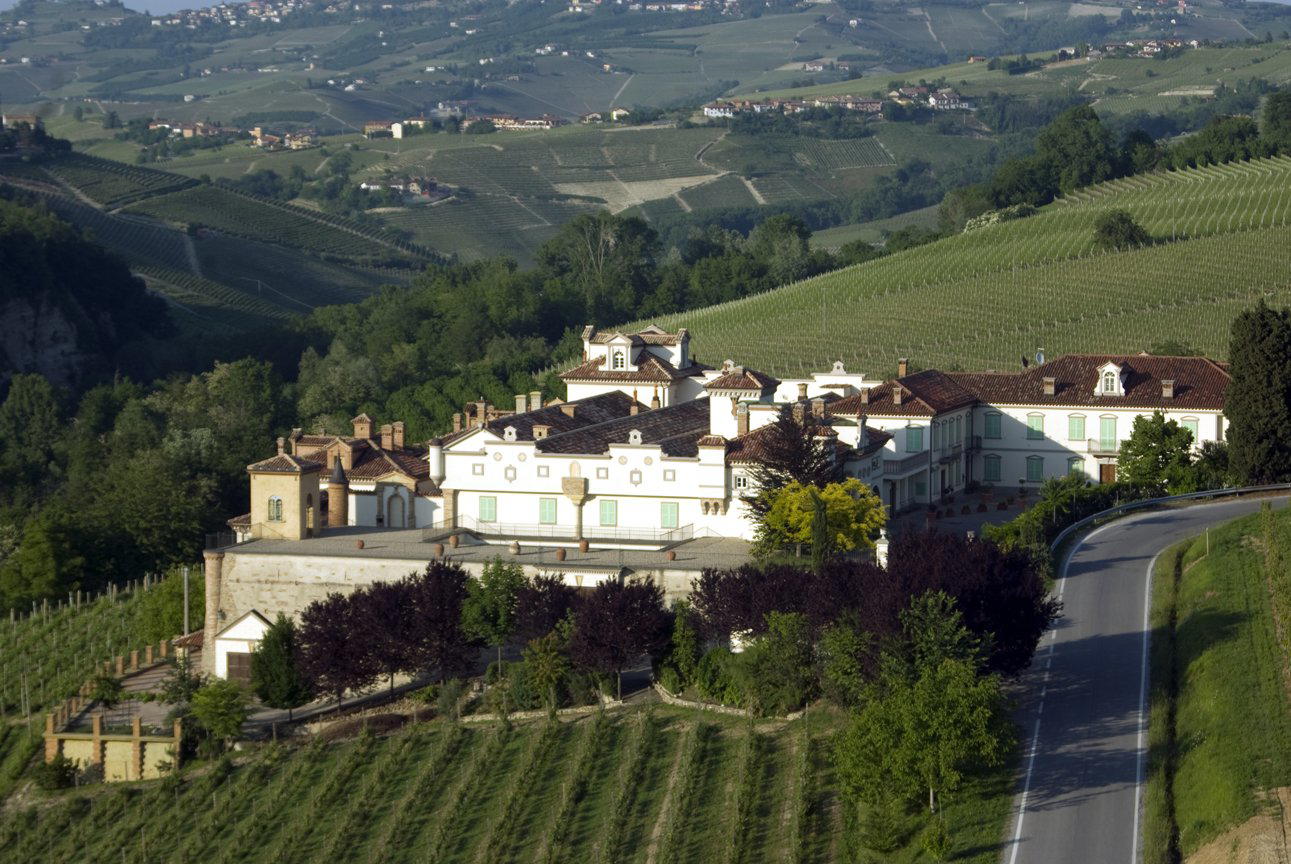
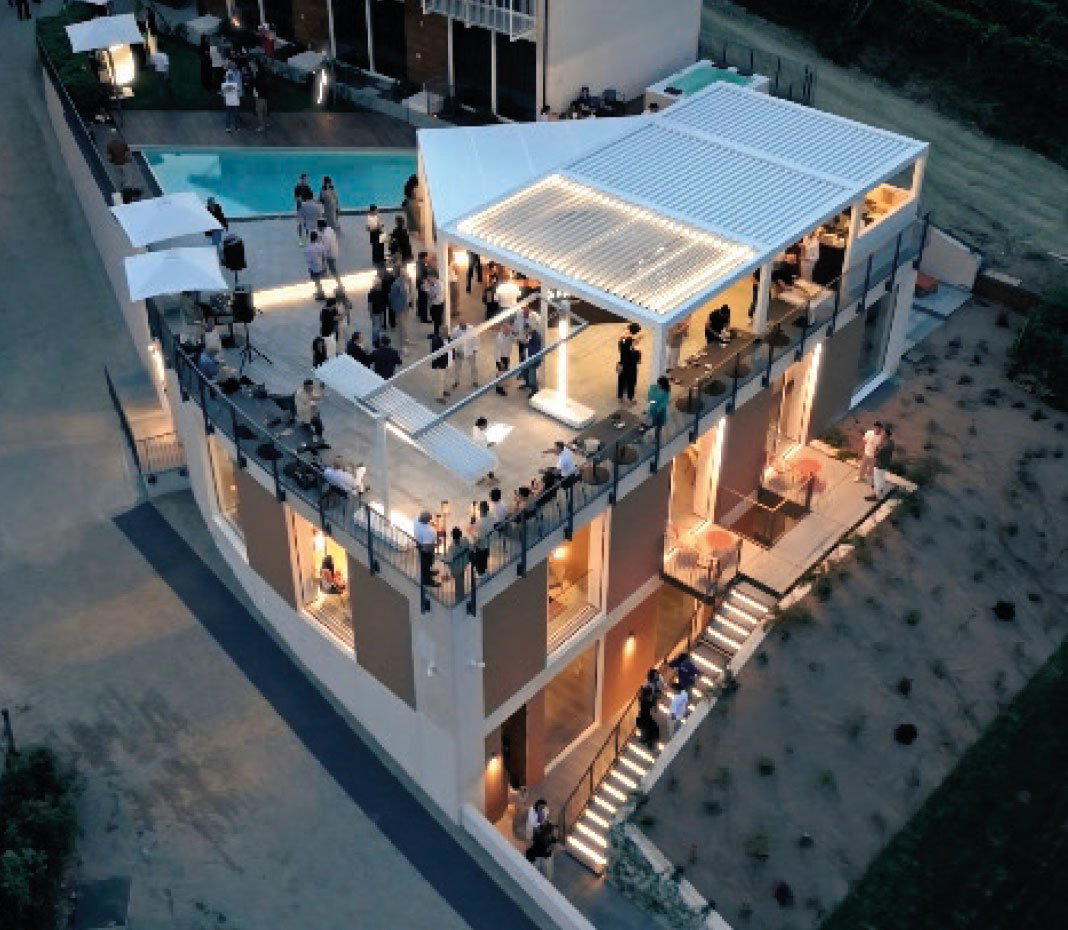
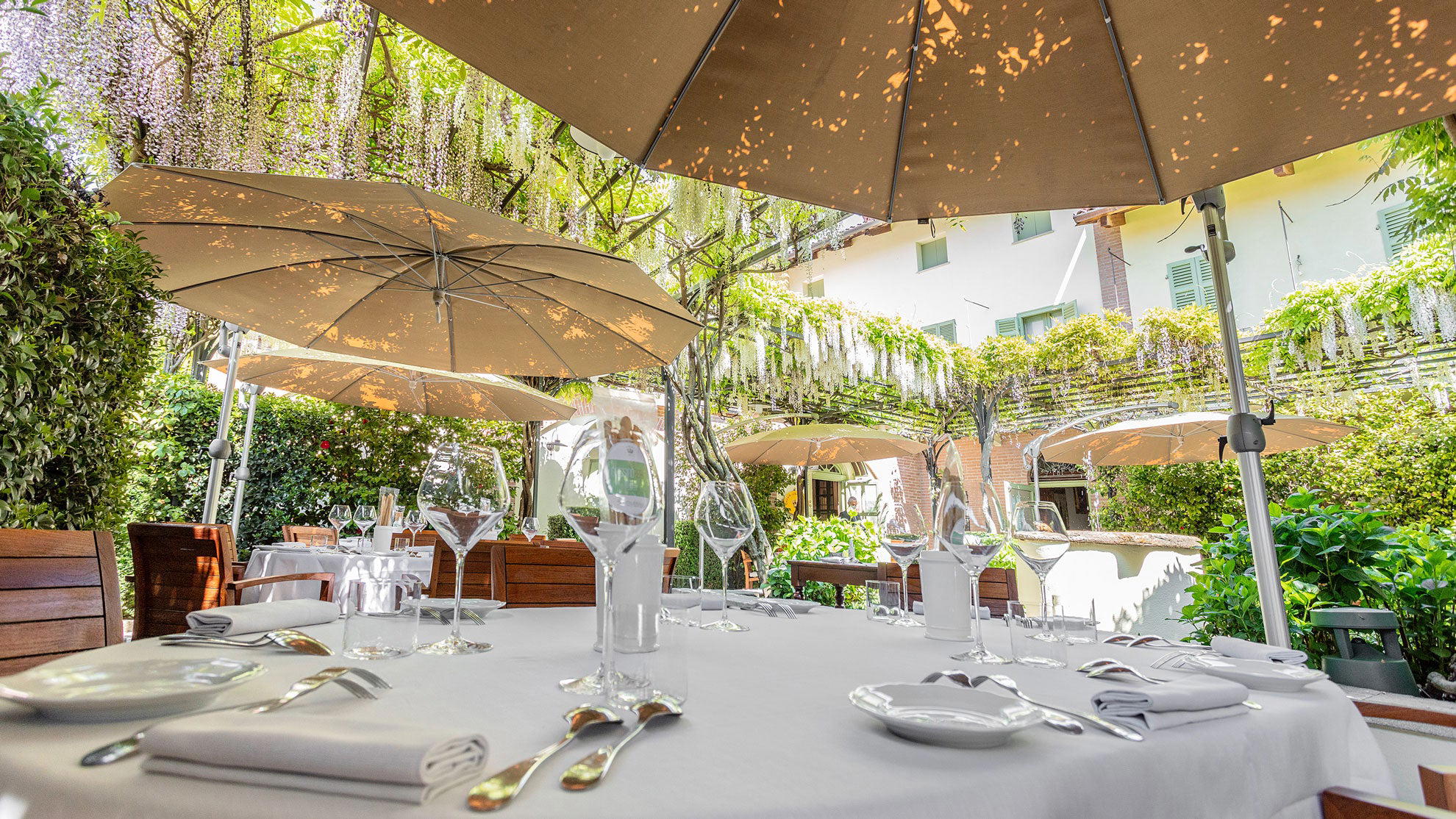
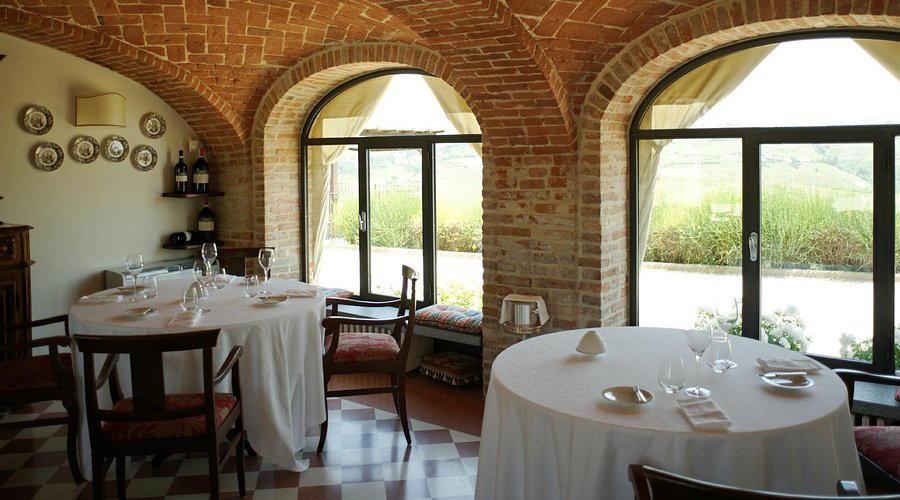
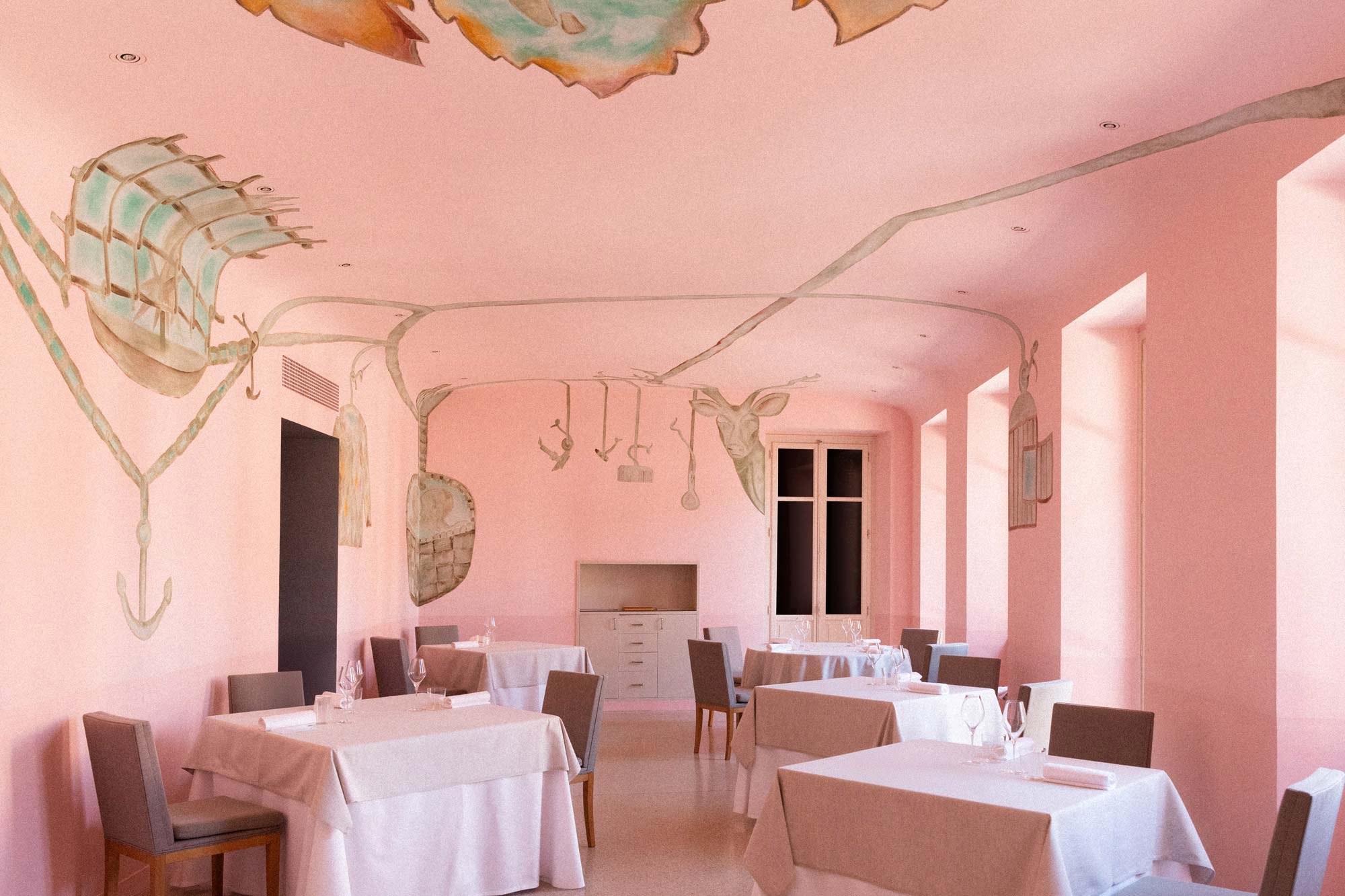
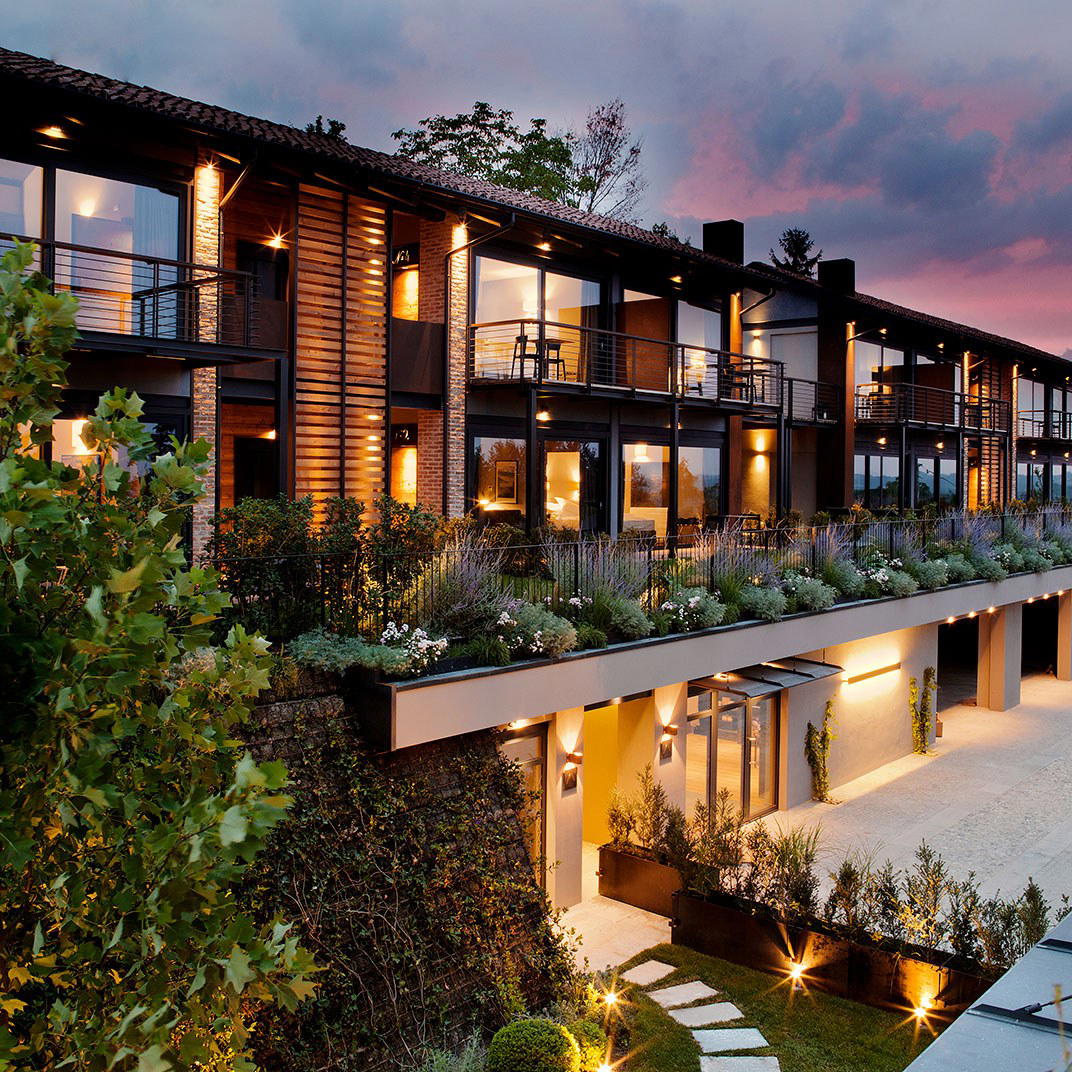
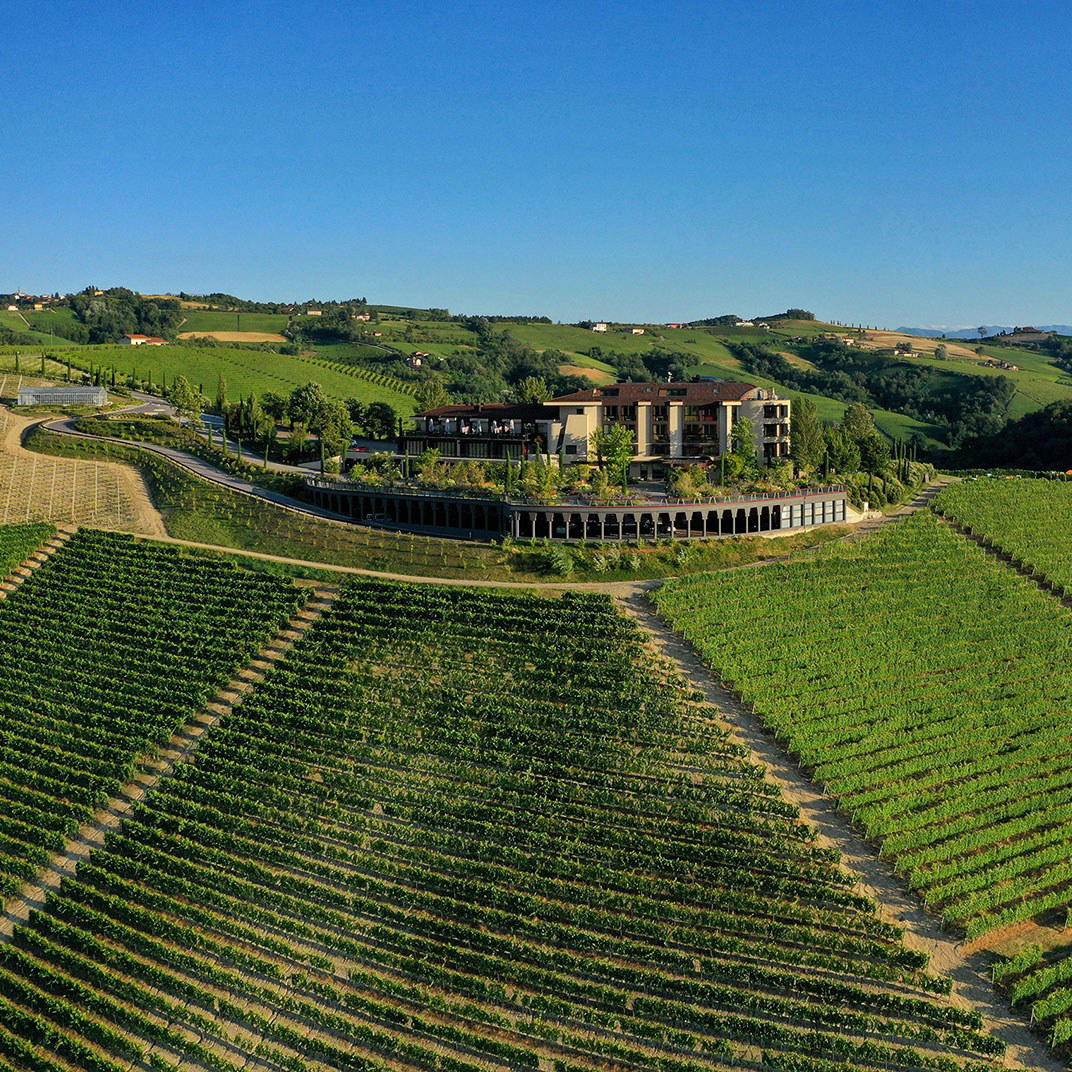
Approaching wine in Novello means reading landscape before label: ridgelines, cellar doors, and the disciplined quiet of Barolo country all set expectations before a glass is poured. Sartirano Figli Cantine e Vigneti belongs to the more modern side of that conversation. Its Novello facility is partly underground and positioned near the small Ghercina lake, so the first impression is not rustic nostalgia but controlled architecture, cellar infrastructure, and a polished tasting-room setting built for serious production.
That matters in Piedmont because Barolo has long traded on place, patience, and cellar memory, yet the contemporary visitor increasingly sees two models side by side. One is the small estate narrative, where vineyard continuity and origin language dominate. The other is the technically equipped producer able to manage volume, storage, quality control, and hospitality without losing its regional anchor. Sartirano Figli Cantine e Vigneti sits in the second camp while keeping a credible connection to the first through its family lineage and its Costa di Bussia estate.
Barolo place language, filtered through a modern cellar
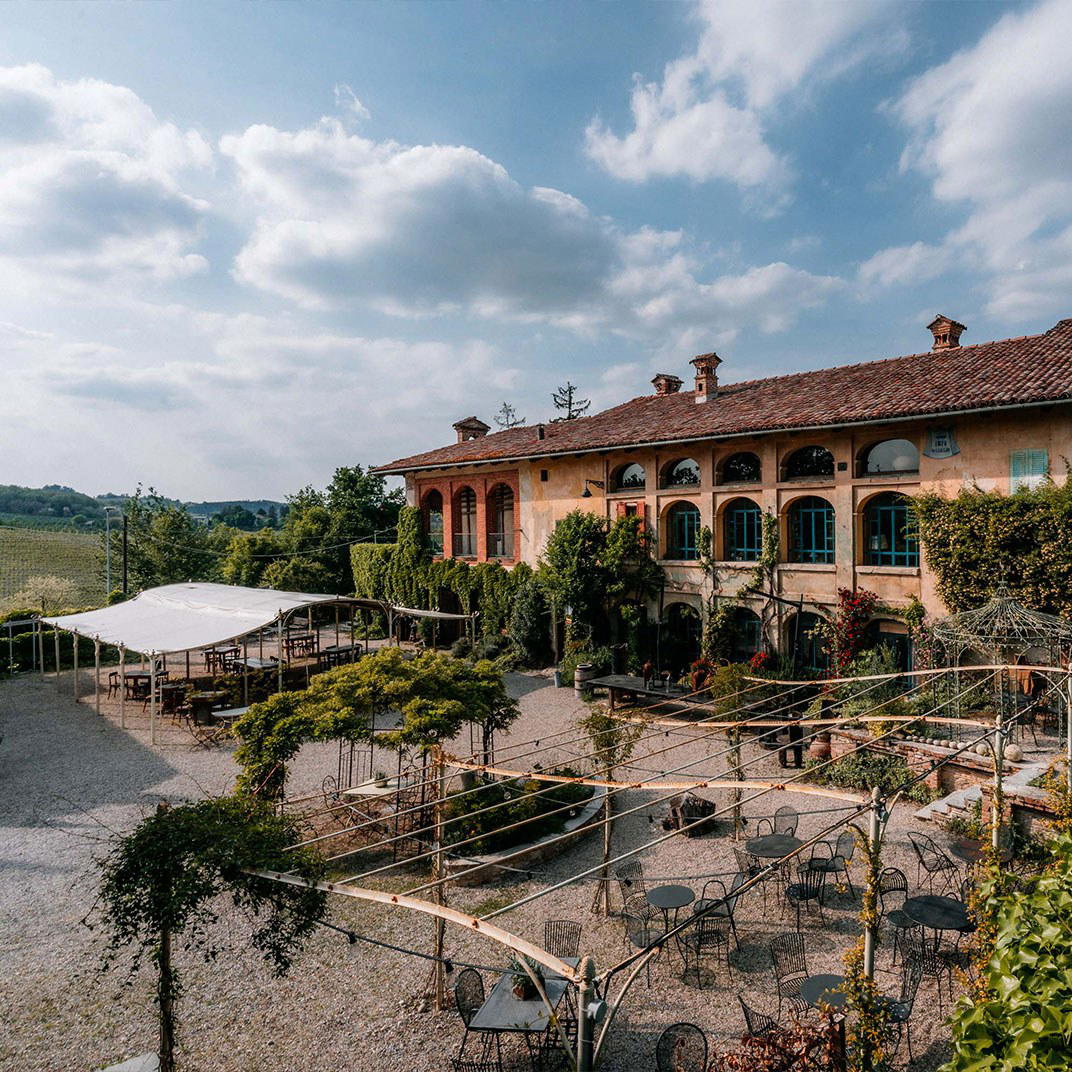
The house story begins in 1871, when San Silvestro began as the Sartirano family winery. That date is more than a heritage flourish in a region where age can be overused as shorthand for quality; here it frames a producer that has moved from family cellar identity into a broader, two-winery structure. San Silvestro in Novello and Costa di Bussia in Monforte d’Alba give the group two different ways to speak about Barolo country: one through scale and controlled production, the other through estate continuity.
The Novello side is the technical core. The facility covers 5,000 square meters and includes an internal quality-control laboratory, wooden-refining room, bottle-storage room, bottling machinery, warehouse, tasting room, and meeting room. A bottling line capable of 4,000 bottles per hour and storage for 1,200 pallets place it well beyond the image of a tiny family cellar. In a region often romanticized through handwork alone, those numbers are useful: they show a producer using precision, temperature and humidity control, and logistics as part of its quality argument.
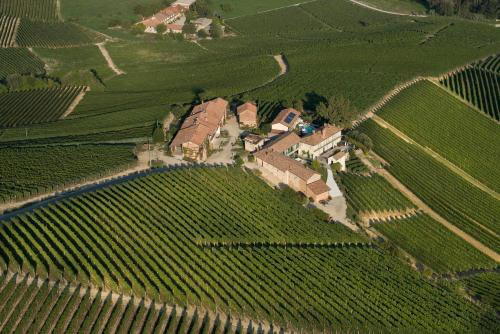
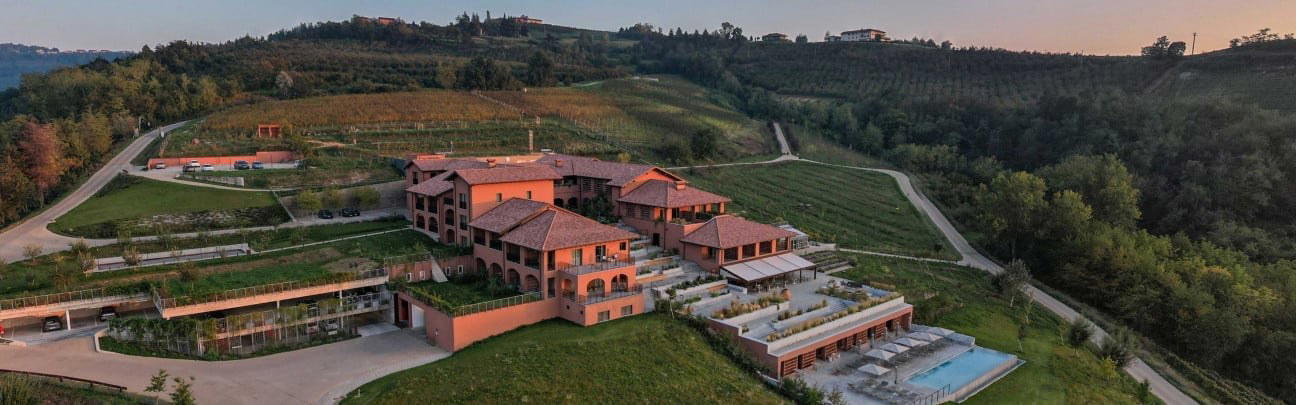
Terroir point becomes clearer when set against Costa di Bussia. That estate, founded in 1874 and added to the Sartirano group in 1988, is built around 11 hectares of vineyards in one piece on Bussia hill in Monforte d’Alba. Estate-grown grapes are vinified, refined in wooden barrels, bottled, and packed on site. In practical wine terms, that closed chain gives the producer a second register: not just Barolo-district scale, but a site-bound estate model where vineyard coherence and cellar handling remain tightly linked.
What the glass is meant to express here
Portfolio should be understood at category level rather than through named bottlings. The producer works in the Barolo district, with varietals listed as Nebbiolo and Barolo, and the wine focus extends across still red, still white, and sparkling styles. The important editorial point is not a single cuvée but the way the operation balances appellation gravity with broader cellar capability. This is a winery for visitors interested in how a Piedmont producer can carry Barolo associations while also operating with a larger production footprint.
Certified biological wine production adds another layer to that reading. The term signals an organic direction, while the AA BRC standard points to food-safety and process management rather than vineyard romance. Together with the internal lab and controlled storage systems, these details define the winery’s modern identity: stewardship is expressed through certification, traceability, and process discipline as much as through landscape language.
There is also a historical thread worth taking seriously. Luigi Arnulfo, connected to Costa di Bussia’s early story, created a Barolo label for the 1883 vintage that referenced production area, and Barolo was being shipped to the United States, Great Britain, and other European countries in 1890. In a region where cru language and origin claims are central to value, that early use of place naming gives the estate side of the group a deeper resonance than scale alone could provide.
How to place it in a Novello wine itinerary
For a Novello visit, Sartirano Figli Cantine e Vigneti makes strongest sense as a study in infrastructure and terroir messaging rather than a purely intimate grower stop. The tasting-room and meeting-room setup, quiet atmosphere, scenic setting, and group suitability point toward a polished format for wine education, corporate hosting, or a structured private tasting. The mood is smart casual rather than formal ceremony, with the substance coming from the contrast between modern production and Barolo-area heritage.
Readers building time in town can use it as one anchor in a broader Novello wine circuit, alongside Azienda Agricola Le Strette, Cantine San Silvestro, Elvio Cogno, and Merenda Sinoira. For planning around the town rather than a single cellar, EP Club also keeps broader Novello edits for wineries, restaurants, hotels, bars, and experiences.
The wider Italian and European winery map gives useful perspective on how different regions frame production, hospitality, and place. Compare the northern industrial and design-led register of 3GP SRL in Treviso or 47 Anno Domini in Trebaseleghe with the southern Italian profiles of A Mano Wine in Noci and a6mani in Fragagnano. Beyond Italy, »der Steiner« Hans Steiner in Podersdorf am See and & Handwein in Mannheim show how hospitality and wine identity shift once Barolo’s origin codes are no longer the organizing force.
Recognition history
Dated appearances from independent guides and award organizations, with the underlying list record or original source where available.
Falstaff Winery - Listed
Falstaff
Continue exploring
More in Novello
Wineries in Novello
Browse all →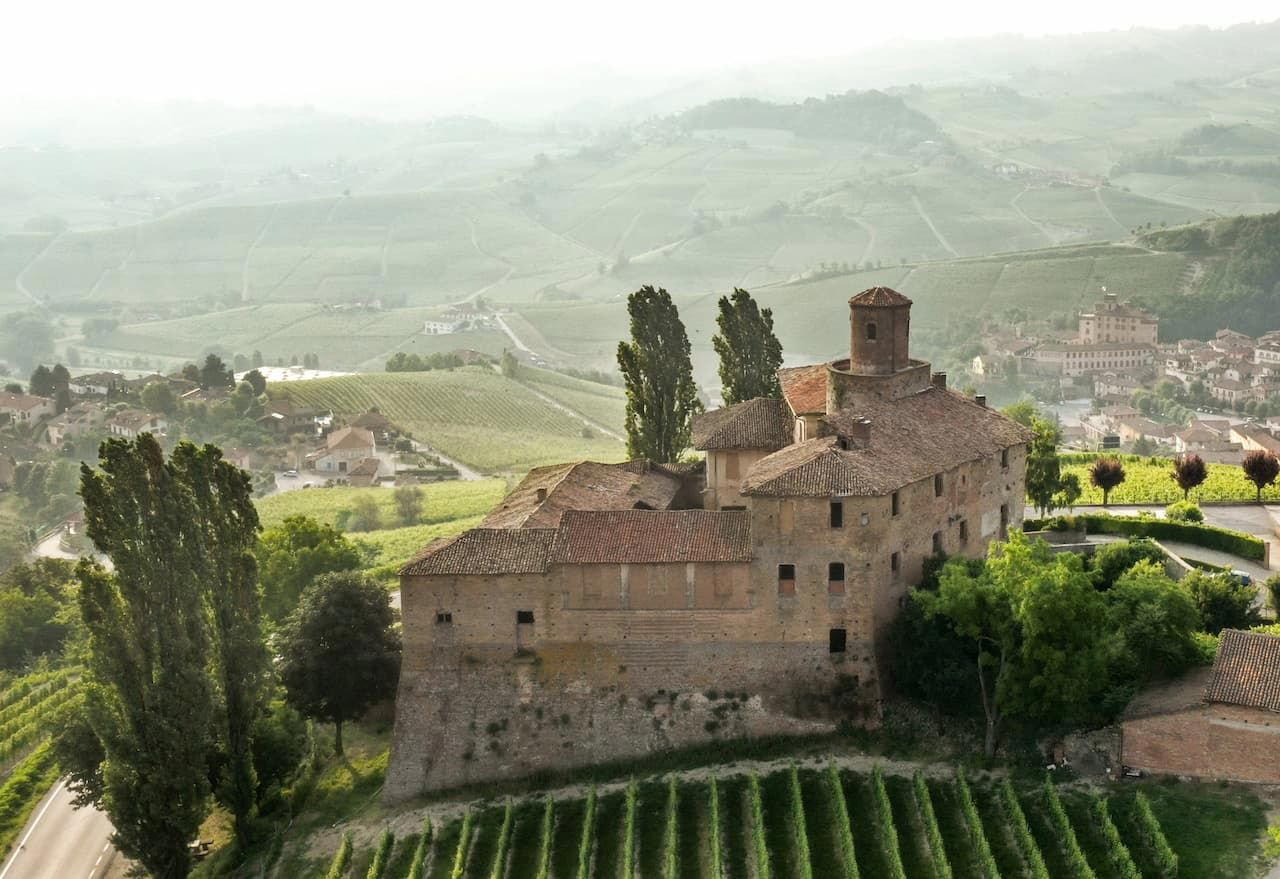
Bars in Novello
Browse all →
Restaurants in Novello
Browse all →
At a Glance
- Modern
- Sophisticated
- Quiet
- Scenic
- Wine Education
- Corporate Event
- Special Occasion
- Group Outing
- Historic Building
- Design Destination
- Private Tasting
- Vineyard
- Waterfront
- Barolo District
- Nebbiolo
- Barolo
- Still Red
- Still White
- Sparkling
- Private Tasting
Modern, high-standard winery setting with a partially underground facility, tasting room, meeting room, and views in the heart of Barolo country near Lake Ghercina.