Ranger Creek Brewing & Distilling
Ranger Creek Brewing & Distilling operates at the crossroads of craft beer and Texas whiskey on San Antonio's northeast side. The facility produces both spirits and beer under one roof, positioning it within a small tier of Texas producers who take the dual-format approach seriously. Find it at 4834 Whirlwind Dr, San Antonio, TX 78217.
Pearl is the En Primeur Club membership app — saves, bookings, and concierge access live there. Same editors, same standards.
- Address
- 4834 Whirlwind Dr, San Antonio, TX 78217
- Phone
- +1 210-339-2282
- Website
- drinkrangercreek.com
- Directions
- Get directions
 Saves & bookings on Pearl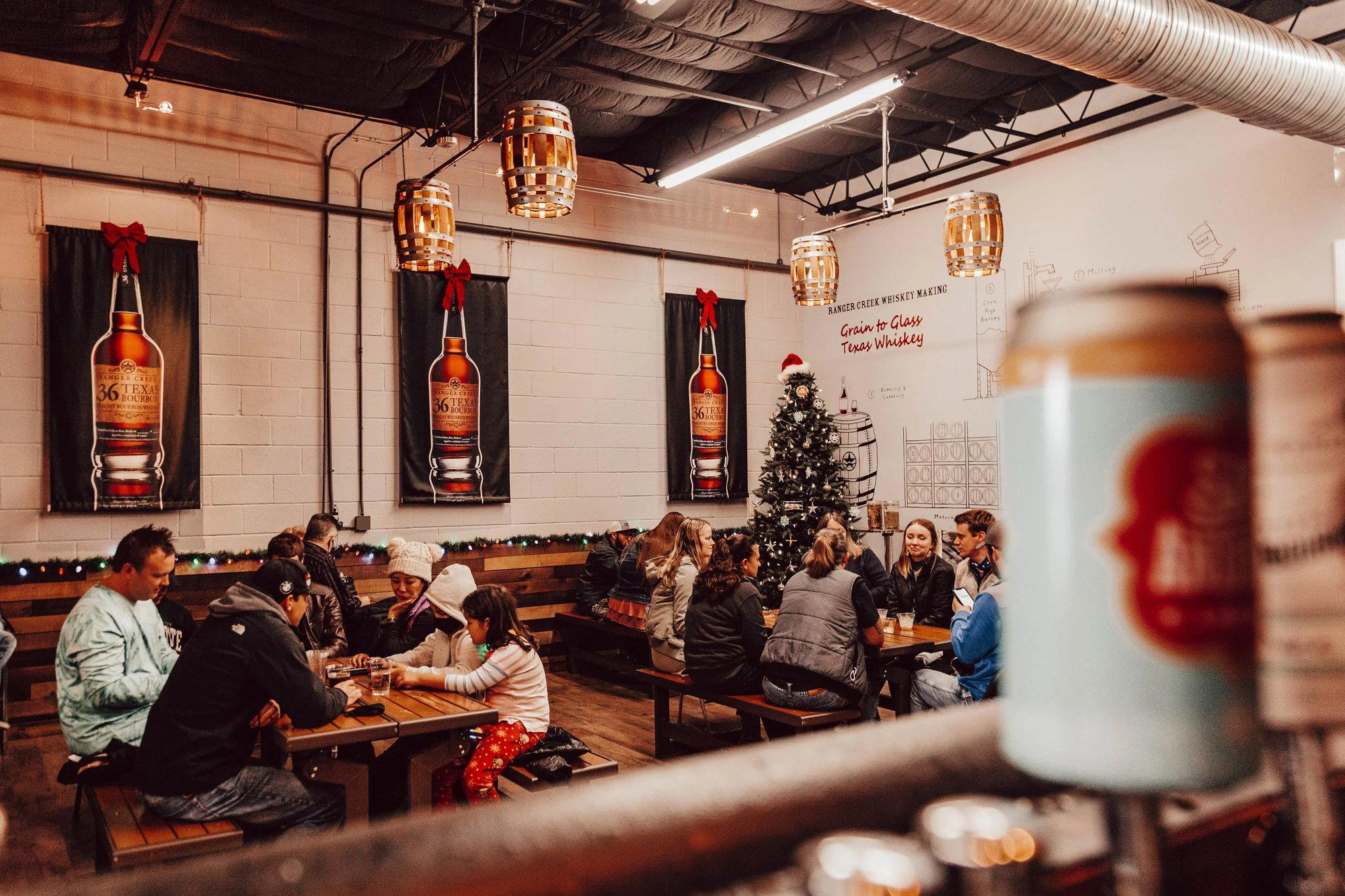
Where Craft Beer and Texas Whiskey Share the Same Floor
San Antonio's craft spirits scene has grown considerably over the past decade, splitting between distilleries focused on heritage Texas whiskey and newer hybrid operations that treat fermentation as a throughline connecting beer and spirits production. Ranger Creek Brewing & Distilling, located at 4834 Whirlwind Dr in the city's northeast corridor, belongs to the latter camp. Walking into a facility where mash tuns and barrel racks occupy the same building reframes the usual tasting room experience: you are not choosing between a brewery visit and a distillery visit, you are watching two disciplines that share the same raw ingredients and microbial logic run in parallel.
That dual-format model is less common than it sounds. Most Texas producers specialize, and the few who attempt both tend to treat one discipline as secondary. For visitors planning a day around San Antonio's spirits and beer scene, that credential matters as a calibration point.
The Tasting Room Format and What to Expect on Arrival
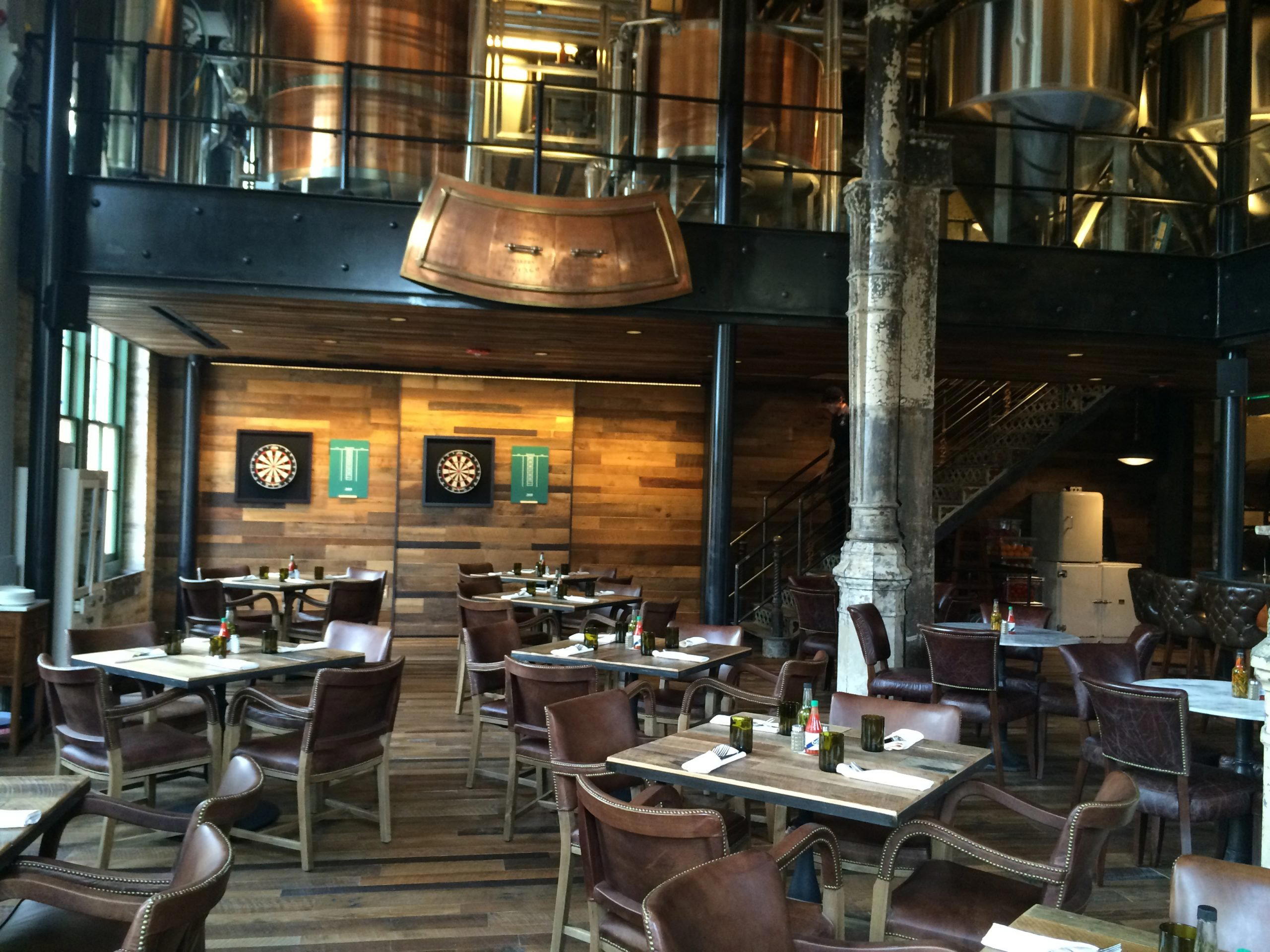
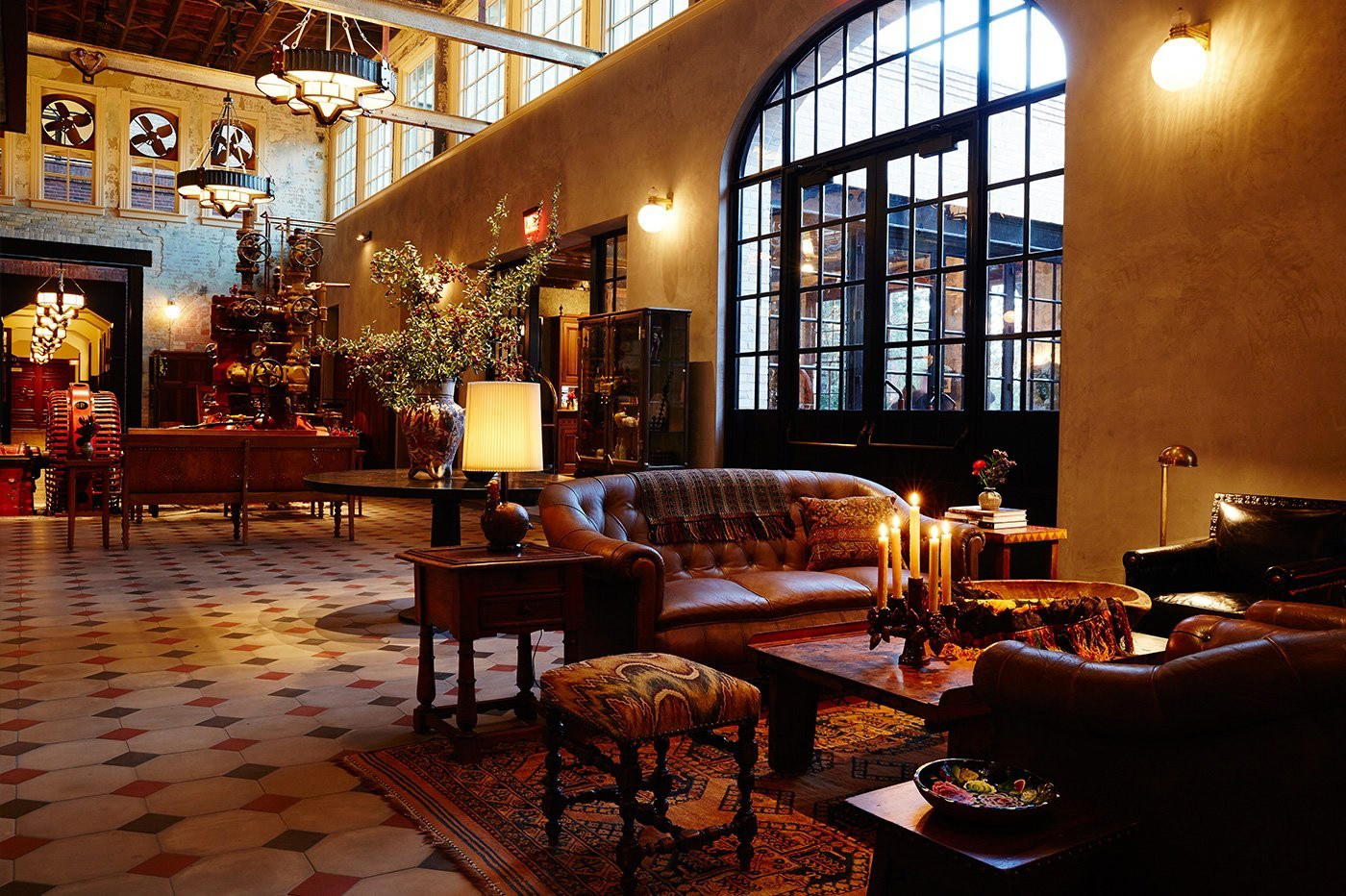
Hybrid brewing-distilling operations tend to create tasting rooms with more visual texture than either a standalone bar or a traditional winery tasting room. At Ranger Creek, the production floor is part of the environment: the smell of grain, the sight of copper, and the ambient sound of an active facility set a register that is industrial in the leading sense, meaning the process is legible and present rather than hidden behind a polished retail facade.
Tasting formats at operations like this typically move between beer flights and spirits pours, often with staff who can speak to both programs. That cross-disciplinary fluency is one of the more useful things about visiting a hybrid producer: a knowledgeable pour on the whiskey side can explain how the grain bill in a given bourbon relates to what you just tasted in a malt-forward ale, which is a level of context you rarely get at a venue that does only one thing. Visitors arriving without a reservation should check current hours and tasting availability directly with the venue, as production schedules at small-batch operations can affect floor access and staffing on any given day.
The address on Whirlwind Dr places Ranger Creek outside San Antonio's more tourist-dense corridors, which shapes the experience. The crowd tends toward locals who have made a deliberate trip rather than walk-in visitors from the River Walk, and that self-selection affects the atmosphere at the bar. Conversations about production are more likely here than at venues positioned primarily for tourism volume.
Texas Whiskey in Context: Where Ranger Creek Sits
The Texas whiskey category has matured enough to have internal tiers. At the lower end, sourced spirits are bottled under Texas labels. In the middle, producers distill from grain but lean on conventional bourbon and rye formats. At the higher end, a smaller group experiments with local grain sourcing, climate-accelerated aging, and hybrid production models that draw on brewing expertise.
San Antonio's distilling scene includes several other producers worth mapping against Ranger Creek for a full picture of what the city offers. Devils River Distillery represents a different approach to Texas whiskey, while Maverick Whiskey and Rebecca Creek Distillery complete a trio of established local spirits operations that collectively define the range of styles available to a visitor building a serious itinerary in the city. Each occupies a distinct position in terms of scale, format, and output style, which means visiting all four gives a genuinely useful comparative picture of where San Antonio sits in the national craft spirits conversation.
Beer and Whiskey as a Single Argument
The intellectual case for brewing and distilling under one roof is stronger than it might appear. Both disciplines begin with grain, water, and yeast. The divergence happens after fermentation: beer is carbonated and served relatively young, while whiskey is distilled from a similar wash and then aged in wood. A producer who does both develops a practical understanding of fermentation that specialists in either category rarely match. That knowledge tends to show in the products, particularly in the beer, where fermentation control at distillery standards often produces cleaner, more consistent results than at breweries where the process receives less technical attention.
Texas's climate adds a variable that matters particularly on the spirits side. The state's temperature swings accelerate the interaction between new-make spirit and barrel wood, compressing timelines that would take twice as long in Kentucky or Scotland. Producers who understand this from a grain-science perspective, as a dual operation must, are better positioned to manage that accelerated extraction and avoid the over-oaked profiles that plague some Texas whiskeys released too young.
Planning Your Visit
Ranger Creek Brewing & Distilling sits at 4834 Whirlwind Dr, San Antonio, TX 78217, in the city's northeast quadrant. The location is best reached by car. Given the facility's production focus and the variability of tasting room access at operations of this type, confirming hours before arrival is advisable.
For visitors building a wider spirits itinerary beyond Texas, the American craft spirits scene intersects with international wine and spirits production in some useful comparative ways. Producers like Accendo Cellars in St. Helena, Adelaida Vineyards in Paso Robles, and Adelsheim Vineyard in Newberg represent the premium tasting-room format in wine country, a useful counterpoint to what a craft brewery-distillery visit offers. The format differences are instructive: wine country tasting rooms tend toward appointment-only precision, while hybrid brewing-distilling operations like Ranger Creek reward a more exploratory, walk-in sensibility. Neither is superior; they are different arguments about what a production-site visit should be.
Visitors interested in how grain-based spirits production differs from wine-region terroir models might also find value in looking at Alban Vineyards in Arroyo Grande, Alexander Valley Vineyards in Geyserville, or Alpha Omega Winery in Rutherford as calibration points for what a highly site-specific production philosophy looks like in practice. The comparison clarifies what makes Texas whiskey production, with its climate variables and hybrid production logic, a genuinely distinct category rather than a regional variation on a Kentucky template.
For Rhône-influenced production comparisons, Andrew Murray Vineyards in Los Olivos offers a useful parallel in terms of a producer working with non-consensus varieties in a market that defaults to more familiar styles. The analogy holds for Ranger Creek in the sense that a hybrid brewing-distilling operation in Texas operates slightly outside the mainstream of both craft beer and craft spirits, and that marginal positioning tends to attract producers with something specific to prove. The Aberlour distillery in Scotland and Achaia Clauss in Patras represent the longer end of production heritage, a reminder that grain-based spirits production has deep roots globally, and that Texas operations like Ranger Creek are writing an early chapter in what will eventually be a longer story. Chilean producers Viña Leyda and Viña Garcés Silva (Amayna), both based in a San Antonio that shares its name with the Chilean coastal valley rather than Texas, offer an interesting geographic footnote: two cities with the same name producing in completely different categories, shaped entirely by climate and tradition.
Cuisine and Credentials
Comparable venues nearby, for context on price, style, and recognition.
| Venue | Cuisine | Price | Notes |
|---|---|---|---|
| Ranger Creek Brewing & DistillingThis venue — the venue you are viewing | Texas | $$ | Not listed |
| Rebecca Creek Distillery | Texas | $$ | Bulverde Road area |
| Devils River Distillery | Texas | $$ | Downtown |
| Viña Leyda | Pinot Noir, Sauvignon Blanc | $$ | San Antonio |
| Maverick Whiskey | Winery | $$$ | Downtown |
| Viña Garcés Silva (Amayna) | Winery | Not listed | San Antonio |
Continue exploring
More in San Antonio
Wineries in San Antonio
Browse all →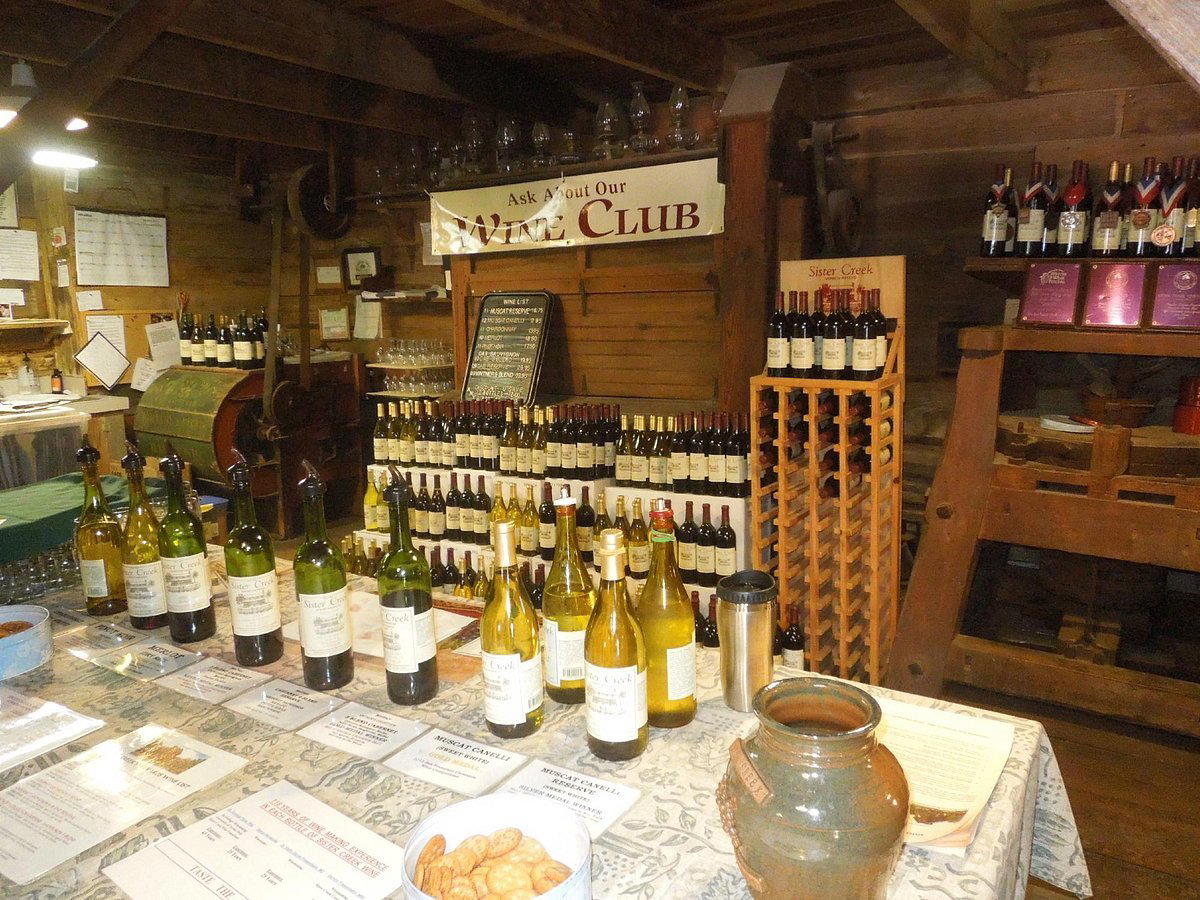
Bars in San Antonio
Browse all →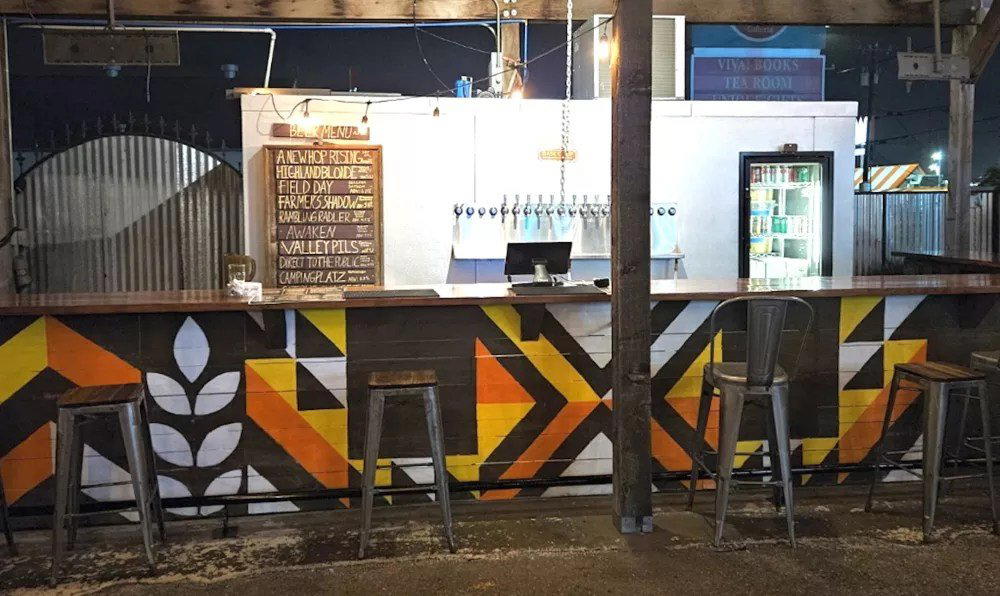

Restaurants in San Antonio
Browse all →

At a Glance
- Industrial
- Rustic
- Lively
- Group Outing
- Celebration
- Barrel Room
- Sustainable
- Texas
- Flight
- Tour Tasting
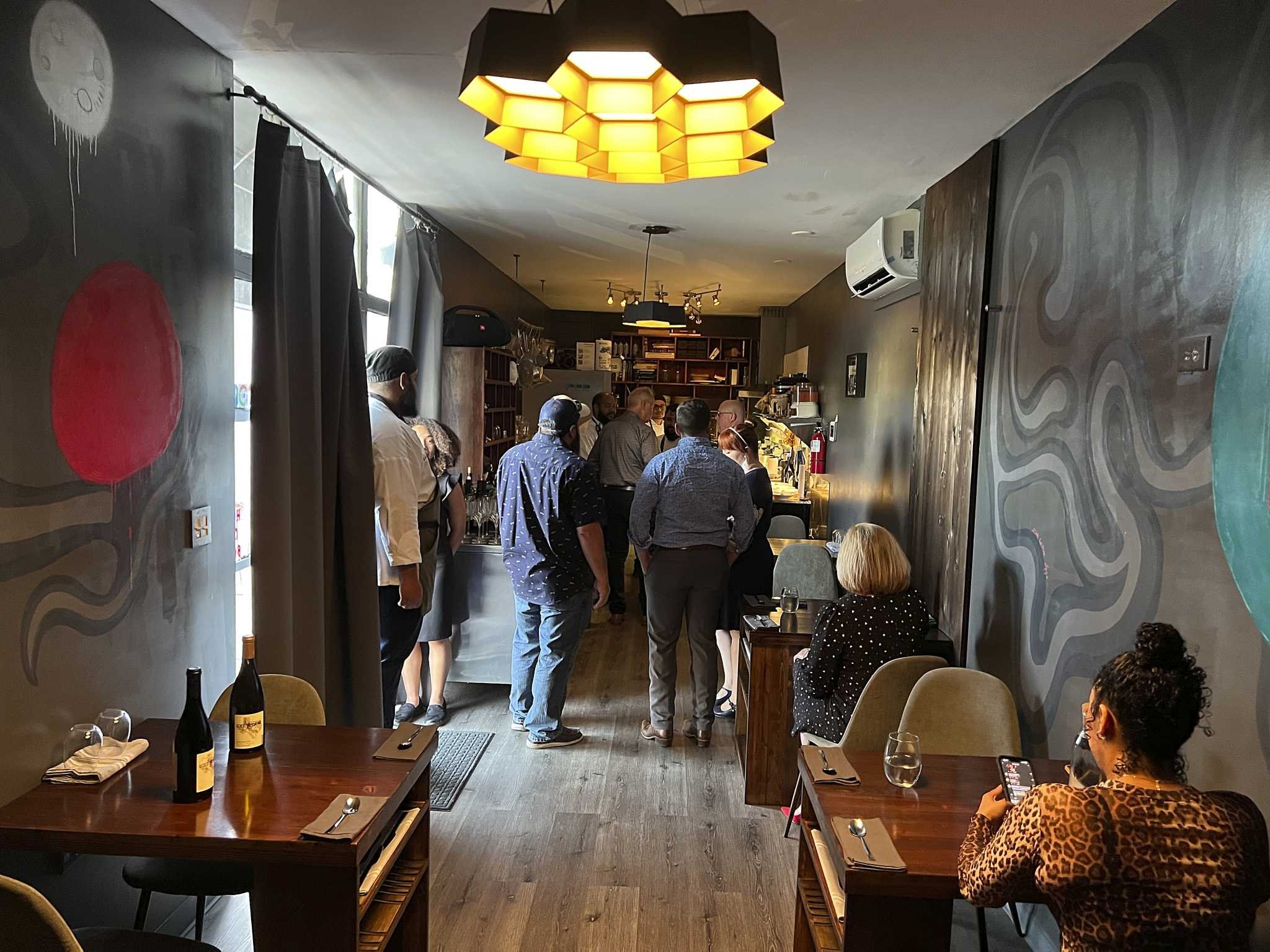
Simple, utilitarian industrial interior with friendly, passionate staff creating an welcoming atmosphere.