Hotel Havana

Michelin Selected
Hotel Havana occupies a century-old building at 1015 Navarro St, threading a line between San Antonio's Spanish Colonial past and a design sensibility that draws as much from Havana as from Texas. The property sits within walking distance of the River Walk, placing it at the centre of the city's most concentrated stretch of dining, culture, and nightlife. It is one of the few downtown addresses that reads as a genuine neighbourhood character rather than a transit hotel.

Pearl is the En Primeur Club membership app, where members save venues, book tables and use the concierge.

Where Navarro Street Meets the River Walk
San Antonio's downtown hotel corridor has bifurcated sharply over the past decade. On one side sit the large-format convention-adjacent properties, built for volume and proximity to the Convention Center. On the other, a smaller cohort of design-led independents has taken root in historic buildings, trading scale for character and positioning themselves closer to the city's cultural fabric than to its conference calendar. Hotel Havana, at 1015 Navarro St, belongs to that second cohort, occupying a 1914 Italianate building whose bones have been shaped into something that reads more like a private residence than a transit stop.
The address puts guests within a short walk of the River Walk, San Antonio's most navigated stretch of bars, restaurants, and cultural institutions. That proximity matters in practical terms: the city's dining scene, which has grown considerably more sophisticated in the years since Pearl Brewery's redevelopment anchored a northern extension of serious hospitality, remains concentrated along the river and its surrounding blocks. For a full picture of where Hotel Havana sits within that wider ecosystem, the our full San Antonio restaurants guide maps the city's key dining corridors and the properties anchoring them.
A Building With Opinions
Not all historic hotels treat their architecture as the primary design statement. Many absorb period detail into a contemporary shell that could belong to any city in any country. Hotel Havana takes a different approach: the Latin-inflected aesthetic runs from the street facade through to the interiors, drawing on Cuban and Spanish Colonial reference points that, in this particular city, carry genuine geographic logic. San Antonio's cultural geography has always been more complex than the Alamo-and-Tex-Mex shorthand suggests, and a hotel that reaches toward Havana rather than defaulting to Western ranch imagery is making a considered argument about what this city is.
The River Walk properties that dominate the competitive conversation tend to prioritise riverfront access over architectural distinction. Omni La Mansión del Rio has the heritage credentials and the water views; Mokara Hotel & Spa pitches toward the spa-and-wellness segment. Hotel Havana operates in a narrower niche: smaller-scale, design-forward, with a personality that does not dilute itself to accommodate every traveller type. That specificity is either exactly what you want or a reason to look elsewhere, and the property makes no particular effort to be everything to everyone.
The Ocho Bar and the Question of Hotel Food and Drink
Hotel food and drink has a credibility problem in most American cities. The default model, a lobby restaurant serving a generic menu to guests who cannot face going back outside, has trained travellers to treat hotel dining as a last resort. The more interesting properties have broken from that model by treating their bars and restaurants as neighbourhood anchors, drawing local regulars who have no interest in the rooms upstairs.
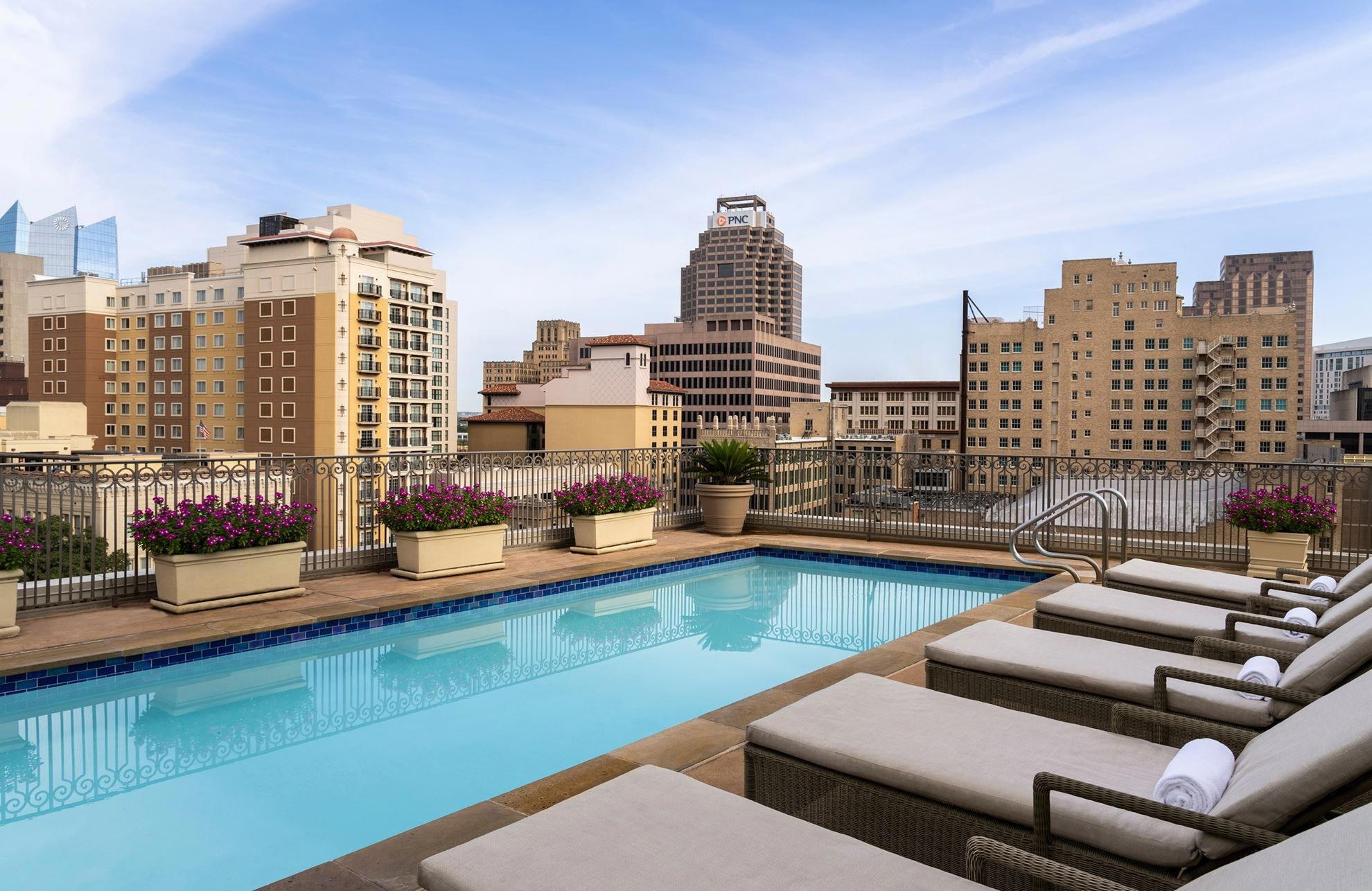
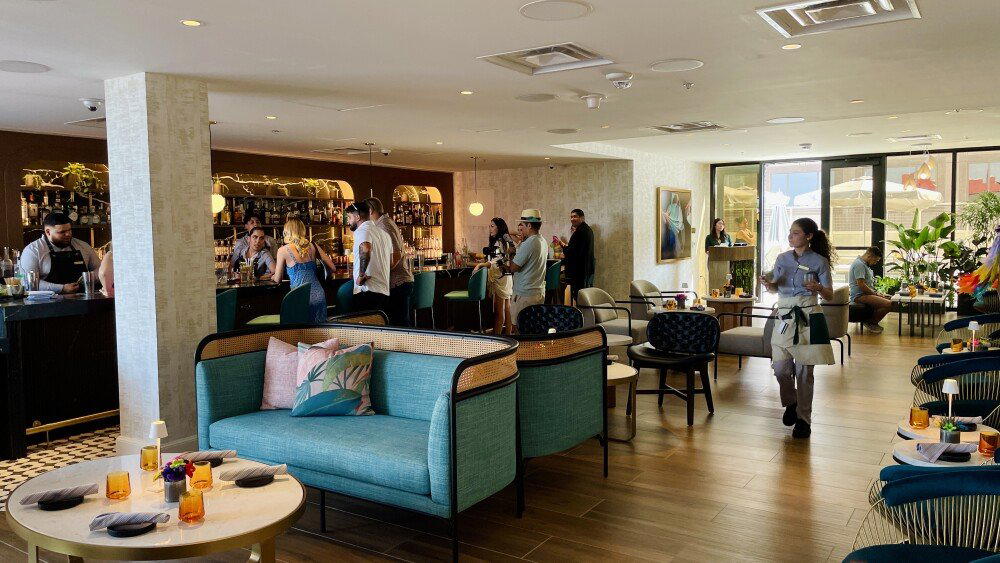
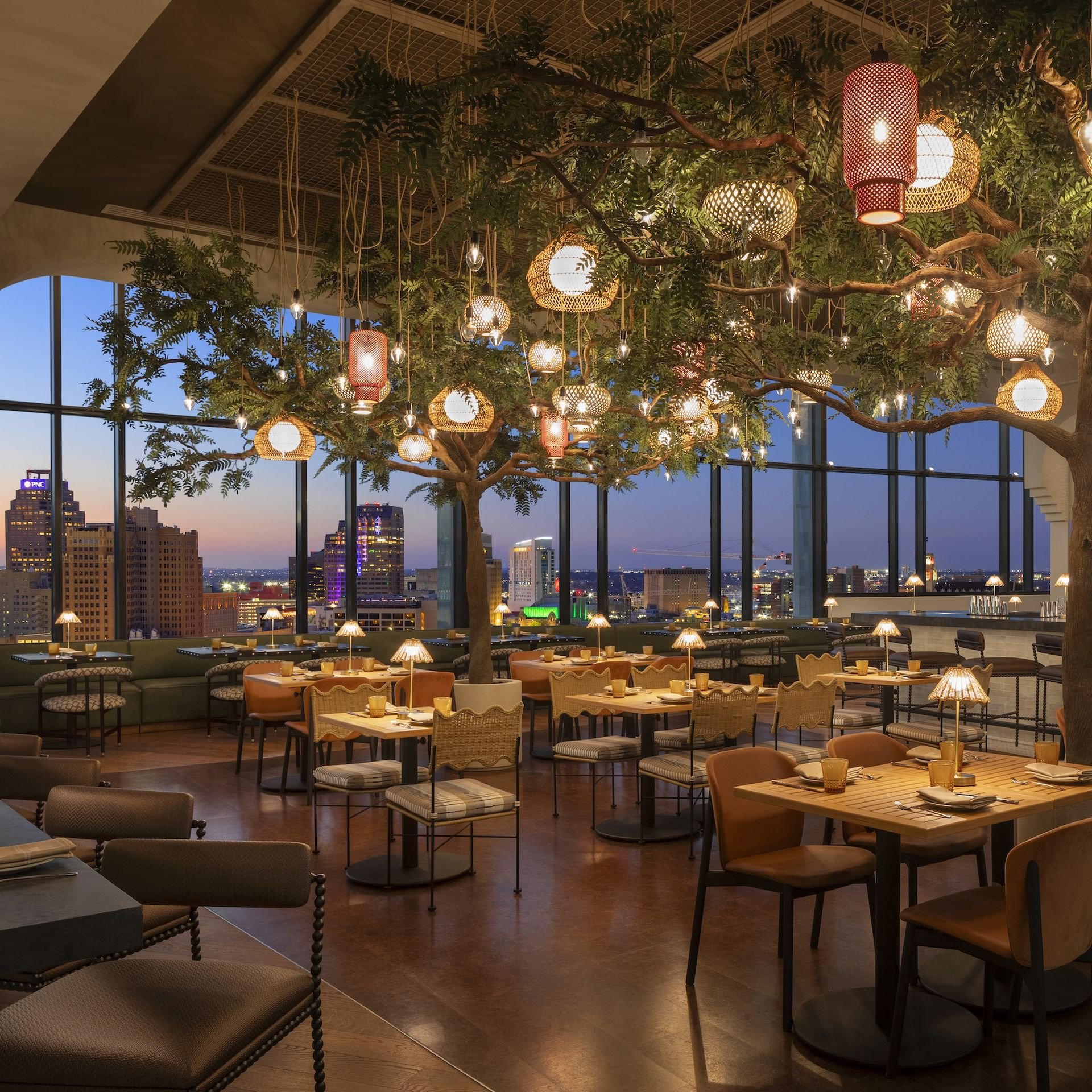
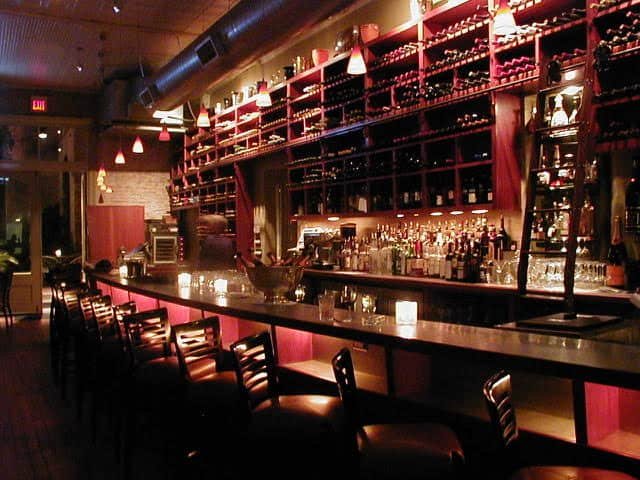
Hotel Havana's bar programme, operating under the Ocho name, has built a reputation that extends past the guest roster. The format is intimate, consistent with the building's scale, and pitched toward cocktails and light eating rather than full-service dining. In a city where the bar scene has matured considerably, partly through the influence of the Pearl district's hospitality cluster and partly through the general professionalisation of American cocktail culture over the past fifteen years, a hotel bar that operates as a destination rather than a convenience is a meaningful distinction. The rooftop extension, which overlooks the river, shifts the register from interior intimacy to open-air sociability, giving the property two distinct moods within the same program.
For comparison, the approach here differs from the more full-service culinary positioning at Hotel Emma, which built its dining programme around the Pearl Brewery's identity and operates at a different price and culinary ambition level. Thompson San Antonio - Riverwalk skews toward a younger, more nightlife-oriented demographic. The Monarch San Antonio sits in the lifestyle-brand tier. Hotel Havana's food and drink programme occupies a quieter register than all three, which is not a weakness so much as a positioning choice: the bar is a room you want to sit in, not a concept you need to perform for.
Where It Sits in the San Antonio Design-Hotel Conversation
The small-luxury independent sector in American cities has produced a recognisable typology: a historic building, a locally-sourced design narrative, a bar that doubles as a neighbourhood institution, and a room count low enough to preserve the sense that you are somewhere specific rather than somewhere generic. Hotel Havana fits that pattern without being a cynical exercise in it. The Cuban-Spanish reference points are earned by the city's own history rather than grafted on for atmosphere.
Travellers weighing the independent design-hotel approach against the larger branded properties in the same city will find the tradeoffs legible. The St. Anthony, a Luxury Collection Hotel, San Antonio offers the Starwood infrastructure and a grand ballroom register that Hotel Havana does not attempt to match. Signia by Hilton La Cantera Resort & Spa operates in the resort tier, away from downtown entirely. For travellers whose priority is a downtown address with architectural character and a bar programme that functions as a genuine room rather than a lobby afterthought, Hotel Havana is the more persuasive argument.
Internationally, the model Hotel Havana resembles sits closer to properties like Troutbeck in Amenia or Post Ranch Inn in Big Sur than to the large luxury-brand addresses: design-committed, specific in character, and defined more by what they choose not to do than by amenity lists. On a broader American luxury spectrum, it occupies a different register from Amangiri in Canyon Point or Four Seasons at The Surf Club in Surfside, but the underlying logic of architectural commitment over amenity maximalism runs through all of them.
Planning a Stay
Hotel Havana's Navarro Street address places it at the edge of downtown, close enough to the River Walk to reach on foot but removed from the most tourist-dense sections. San Antonio's peak periods, particularly the weeks around Fiesta in April and the holiday season in late November and December, drive significant demand across the downtown inventory. The property's limited room count means availability tightens earlier than at the larger convention-block hotels, and guests planning around major city events should expect to book well in advance. The Ocho bar operates as a neighbourhood destination and can be accessed independently of a room booking, making it a reasonable first introduction to the property for travellers who want to assess the atmosphere before committing.
Pricing, Compared
| Venue | Price | Awards |
|---|---|---|
| Hotel HavanaThis venue (the venue you are viewing) | $100–200 | Michelin Selected |
| Hotel Emma | $300–500 | 2 Michelin Keys · La Liste Top Hotels |
| Mokara Hotel & Spa | Not listed | Michelin Selected · Forbes 4-Star |
| The Monarch San Antonio | $300–500 | Not listed |
| Thompson San Antonio - Riverwalk | Not listed | Michelin Selected · Virtuoso Luxury Hotel Partner |
Recognition history
Dated appearances from independent guides and award organizations, with the underlying list record or original source where available.
Michelin Selected
Michelin
Continue exploring
More in San Antonio
Hotels in San Antonio
All hotels in San Antonio →
Bars in San Antonio
All bars in San Antonio →
Details
- Cozy
- Elegant
- Historic
- Intimate
- Bohemian
- Romantic Getaway
- Anniversary
- Weekend Escape
- Historic Building
- Terrace
- Wi Fi
- Concierge
- Room Service
- Elevator
- Garden
- Street Scene
- Elevator
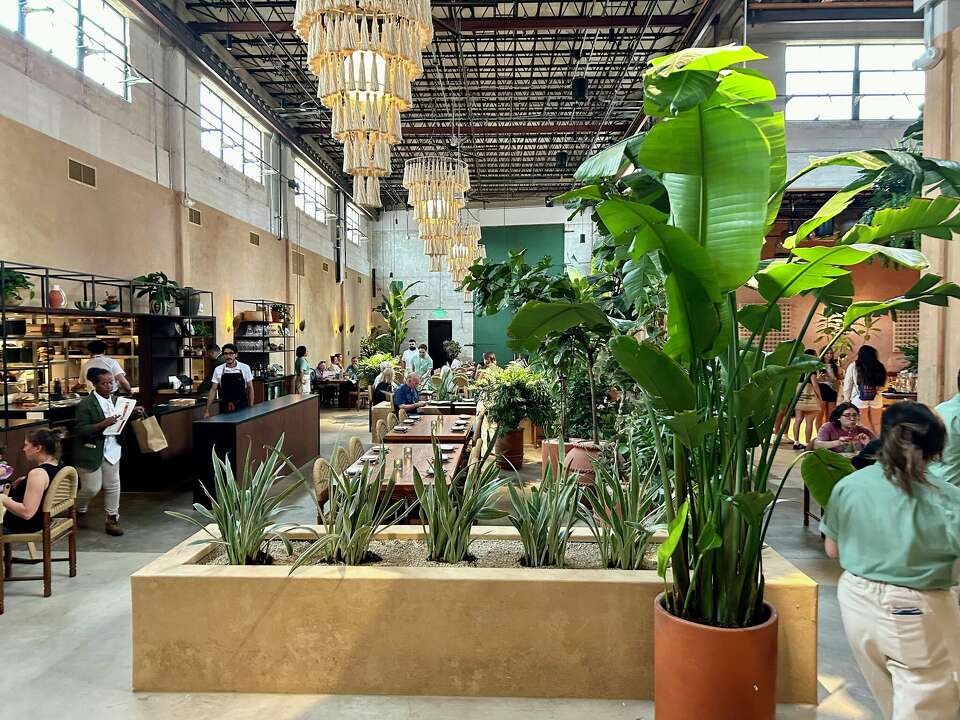
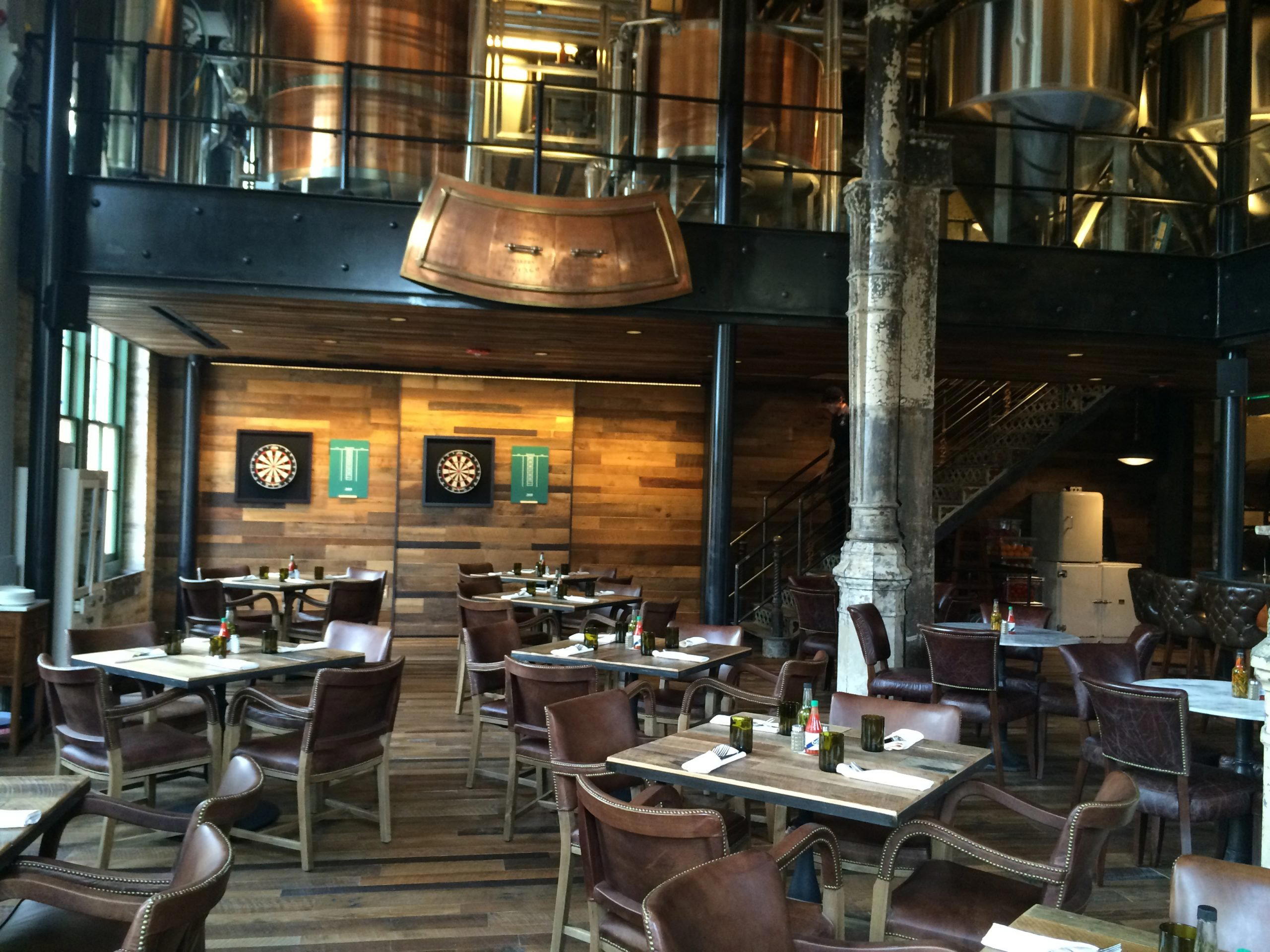
Intimate and restful with dark wood, velvet furnishings, antique pieces, and uncluttered elegant spaces evoking old-world charm.