Godai Sushi Bar & Japanese Restaurant
Godai Sushi Bar & Japanese Restaurant on West Avenue serves San Antonio's northwest side with a Japanese menu that holds its own in a city whose sushi scene has grown considerably over the past decade. The address places it in a practical, accessible corridor rather than a downtown dining cluster, which suits the regulars who treat it as a neighbourhood anchor rather than a destination occasion.
Pearl is the En Primeur Club membership app — saves, bookings, and concierge access live there. Same editors, same standards.
- Address
- 11203 West Ave, San Antonio, TX 78213
- Phone
- +1 210 251 4356
- Website
- godaisushi.com
- Directions
- Get directions
 Saves & bookings on Pearl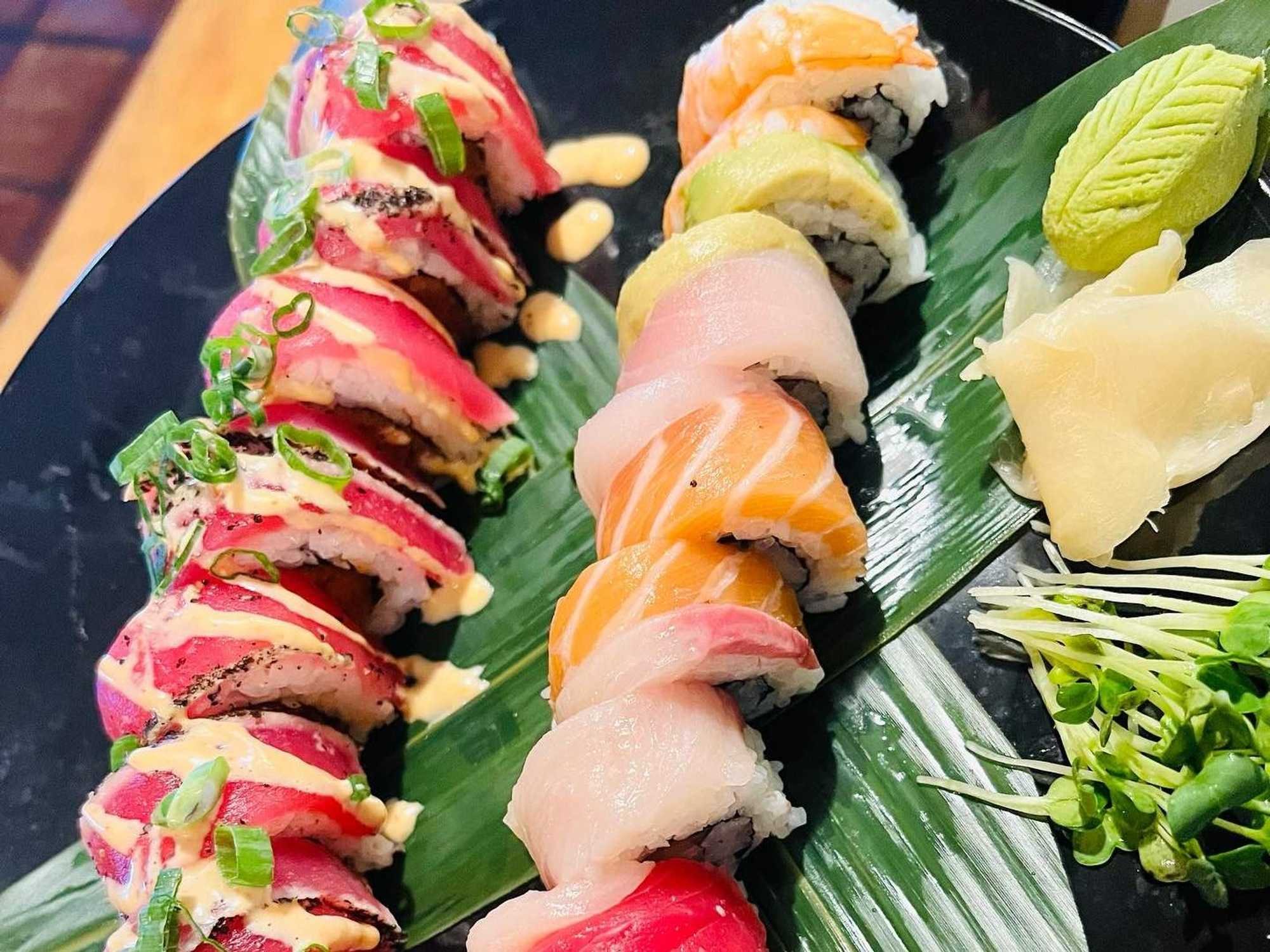
Sushi on the Northwest Corridor
San Antonio's Japanese restaurant scene does not concentrate the way you might expect. Rather than clustering downtown or along the River Walk, a significant portion of the city's sushi addresses sit on the commercial corridors of the northwest side, where suburban density and consistent neighbourhood traffic support the kind of repeat-visit model that sustains a fish-forward kitchen. West Avenue, where Godai Sushi Bar & Japanese Restaurant occupies a spot at 11203, belongs to that pattern. The surrounding stretch mixes casual dining with everyday retail, which means the room fills with regulars rather than tourists looking for something to photograph.
That positioning matters when you think about what keeps a sushi programme honest in an inland city. San Antonio sits roughly 140 miles from the Gulf Coast and considerably further from Pacific-facing ports, which means ingredient sourcing decisions carry real weight. Japanese restaurants operating this far from major fish-landing infrastructure have historically relied on overnight freight from distributors in Houston, Dallas, or directly from Japanese wholesale networks in Los Angeles.
What the Cuisine Format Tells You
The combination of a sushi bar and a broader Japanese restaurant format under one roof is a structural choice worth reading carefully. It signals a menu architecture that bridges two different dining intentions: the counter experience, where the fish programme is the entire point, and the broader Japanese restaurant mode, where noodles, cooked preparations, and composed plates allow a wider range of occasions and price points. San Antonio supports both formats, though the omakase-only counter model that defines the upper tier in cities like New York or Houston has not yet displaced the hybrid format here. Godai sits in that hybrid category, which in practice means the kitchen needs to execute across a wider range. That is harder than it looks.
For a useful point of comparison, the discipline required to run a tight Japanese programme in a mid-market American city is not unlike what you see at venues such as Kumiko in Chicago, where the commitment to Japanese craft extends across format and price point without requiring a tasting menu price of entry.
Sourcing Logic in an Inland Market
The ingredient sourcing argument for Japanese cuisine in Texas has evolved. A decade ago, the conversation was largely about whether a landlocked city could support sashimi-grade product at all. The answer, established through a combination of improved cold-chain infrastructure and the growth of direct import relationships, is clearly yes. Houston's port position and the state's scale mean that premium seafood supply to San Antonio is a logistics question rather than a fundamental limitation. What separates kitchens now is not access to the supply chain but the consistency of the decisions made within it: which species are ordered fresh versus frozen, how frequently orders turn over, and whether the kitchen adjusts its offer around seasonal availability rather than holding a fixed menu regardless of what's actually arriving at peak quality.
Seasonal adjustment is the mark of a sourcing-conscious operation. In late autumn and winter, certain fish species from Pacific and Atlantic waters are at their peak fat content and flavour. A kitchen paying attention to that cycle will shift its emphasis accordingly. Spring and early summer bring different strengths. Diners who return across seasons rather than visiting once get a more accurate read on whether a programme is genuinely tracking the supply or simply running a static list.
San Antonio's Broader Dining Context
Placing Godai within San Antonio's wider scene is useful for calibrating expectations. The city's most-discussed food addresses tilt toward Tex-Mex, barbecue, and a growing modern American tier that has developed in the Pearl District and surrounding neighbourhoods. Japanese dining operates as a distinct and somewhat separate track, with its own loyal customer base that follows quality signals rather than trend cycles. For visitors building a broader San Antonio itinerary, the full San Antonio restaurants guide provides context across cuisine types and neighbourhoods.
The bar and drinks culture in San Antonio has its own distinct character, with venues like Bar 1919 and 1Watson anchoring a serious cocktail conversation downtown, while Alamo Beer Company and the rooftop programme at Aleteo cover different registers of the city's drinking scene. For those extending the evening beyond a Japanese dinner, the West Avenue corridor connects reasonably to the broader northwest side, though the concentrated bar programming is a drive away.
Bar Leather Apron in Honolulu and Jewel of the South in New Orleans set a reference point for how Japanese technique translates into bar culture in American cities. Closer to Texas, Julep in Houston demonstrates what a regionally anchored programme looks like when it takes a specific tradition seriously. Further afield, ABV in San Francisco, Superbueno in New York City, and The Parlour in Frankfurt on the Main each illustrate how a clearly defined editorial point of view gives a drinks programme durability.
Planning Your Visit
West Avenue is accessible by car from most parts of San Antonio's northwest side and from the Medical Center area, with parking available along the commercial stretch. The address at 11203 West Avenue places Godai outside the high-traffic downtown and Pearl District zones, which means approach and parking are considerably less complicated on weekend evenings than they would be closer to the city centre. Current hours, booking availability, and pricing are best confirmed directly with the venue, as specific operational details were not available at time of publication.
Peers in This Market
Comparable venues nearby, for context on price, style, and recognition.
| Venue | Cuisine | Price | Notes |
|---|---|---|---|
| Godai Sushi Bar & Japanese RestaurantThis venue — the venue you are viewing | sake_bar | $$ | Not listed |
| Niki's Tokyo Inn | sake_bar | $$ | Monte Vista Historical District |
| Brick | wine_bar | $$ | Southtown |
| Three Star Bar | dive_bar | $$ | River North District |
| The Modernist | cocktail_bar | $$ | River North District |
| SILO Terrace Oyster Bar | rooftop_bar | $$$ | The Dominion |
Continue exploring
More in San Antonio
Bars in San Antonio
Browse all →

Restaurants in San Antonio
Browse all →
Hotels in San Antonio
Browse all →

At a Glance
- Elegant
- Intimate
- Date Night
- Special Occasion
- Standalone
- Seated Bar
- Sake
Current opening hours
- Monday
- 11 AM–9:30 PM
- Tuesday
- 11 AM–9:30 PM
- Wednesday
- 11 AM–9:30 PM
- Thursday
- 11 AM–9:30 PM
- Friday
- 11 AM–10 PM
- Saturday
- 11 AM–10 PM
- Sunday
- 12–9 PM
Hours can change for holidays and private events. Last verified .