The St. Anthony, a Luxury Collection Hotel, San Antonio
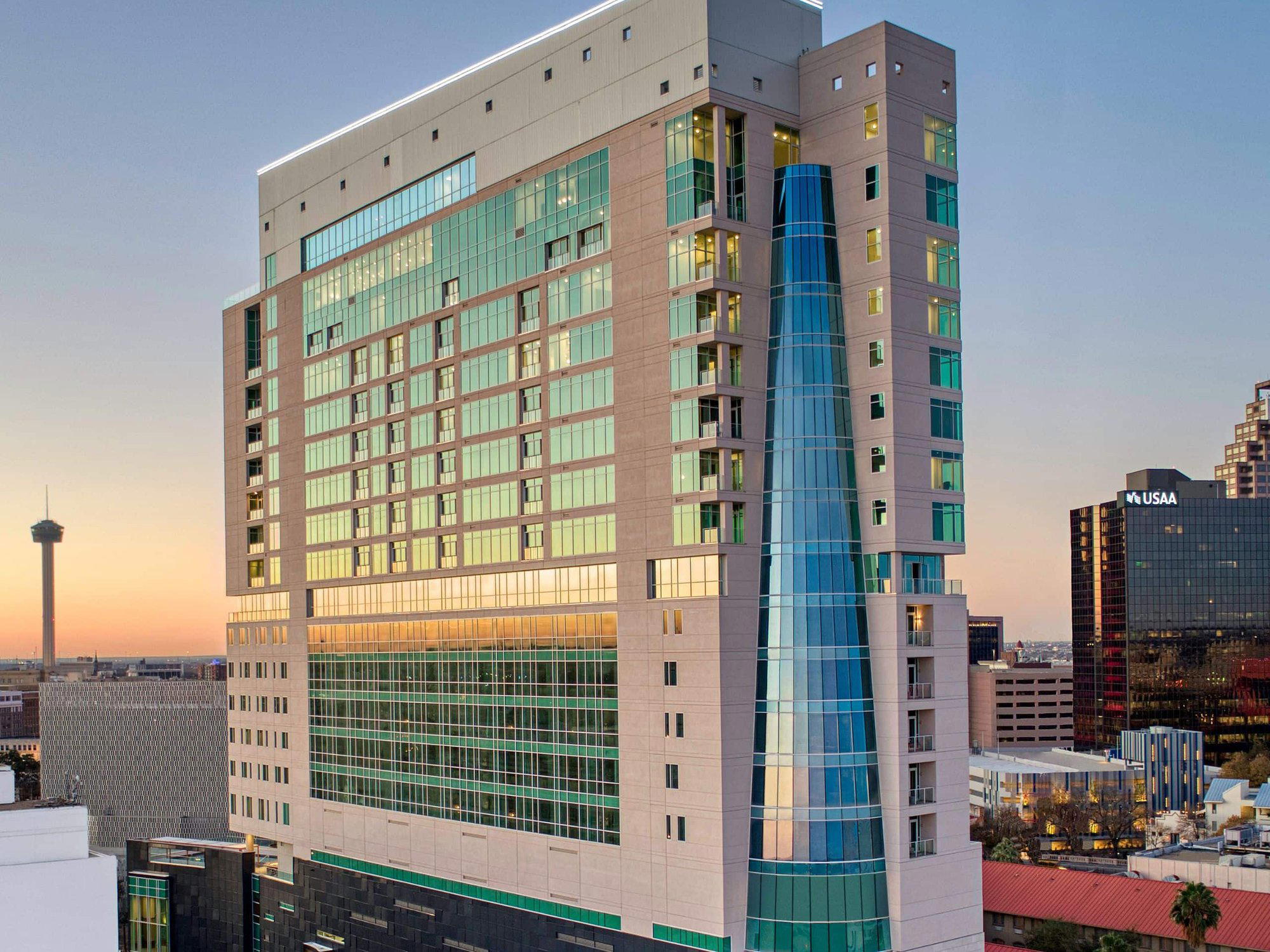
San Antonio's historic hotel scene has a clear anchor on Travis Street. The St. Anthony, part of Marriott's Luxury Collection, occupies a Beaux-Arts building dating to 1909 and sits within walking distance of the Alamo and the River Walk. For travellers who want downtown access wrapped in period architecture and full-service amenities, it represents the established, formal end of the city's hotel market.

Pearl is the En Primeur Club membership app, where members save venues, book tables and use the concierge.
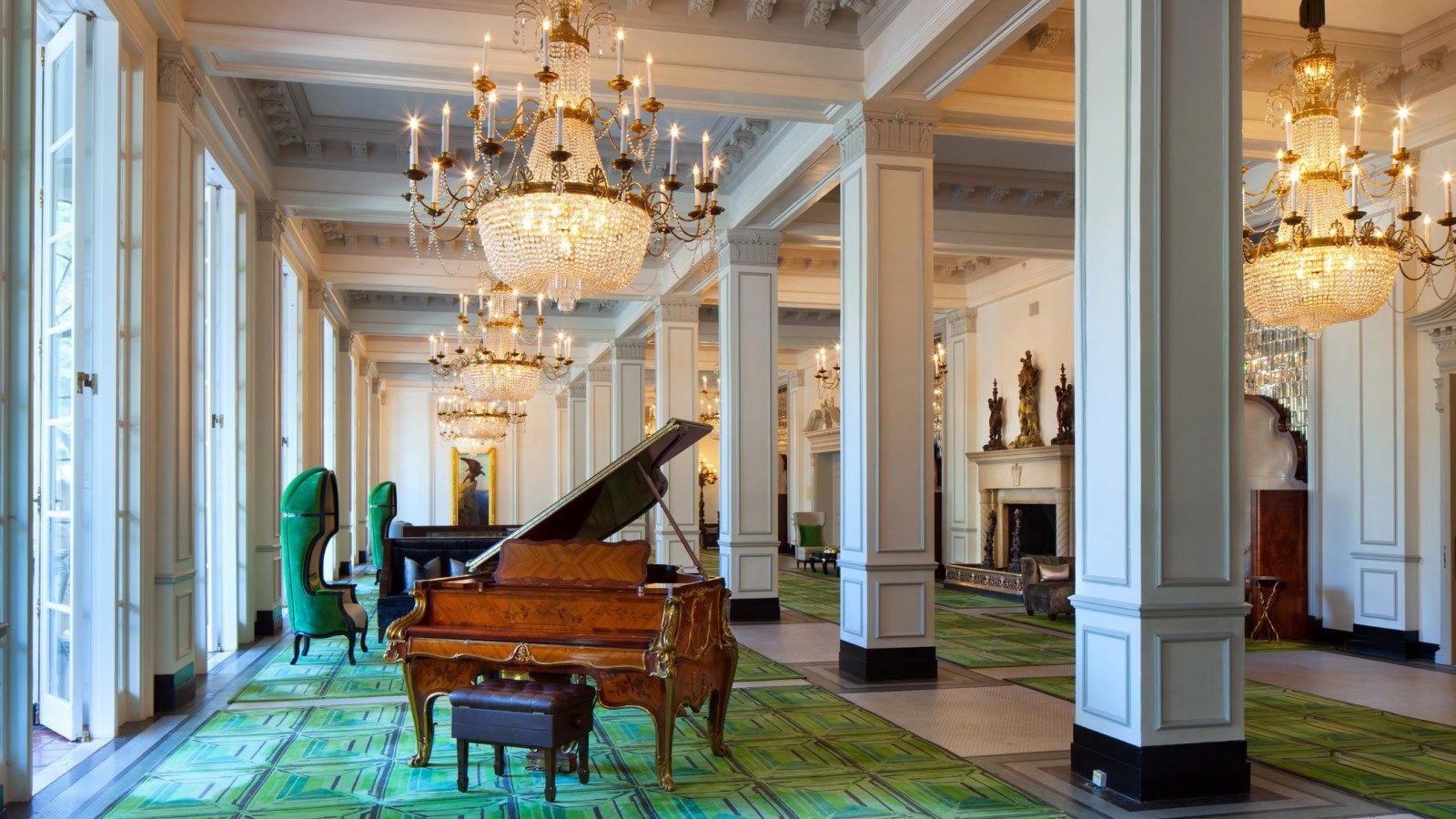
A Beaux-Arts Address in Downtown San Antonio
Downtown San Antonio's hotel stock covers significant range: riverside boutiques with industrial bones, canyon resorts on the city's western edge, and a handful of historic grand hotels that predate the River Walk itself. The St. Anthony, a Luxury Collection Hotel, sits firmly in that last category. Its address at 300 E Travis Street places it at the formal, civic end of the downtown core, a short walk from the Alamo Plaza and within easy reach of the convention centre district. The building dates to 1909, and its Beaux-Arts facade reads as institutional in the leading sense: permanent, considered, and built to outlast the trends around it.
San Antonio's premium hotel market has diversified considerably over the past decade. Properties like Hotel Emma, housed in a converted Pearl Brewery complex on the city's north side, and Hotel Havana, a 27-room boutique on the River Walk, represent the design-led, lower-key end of the market. At the resort scale, Signia by Hilton La Cantera Resort & Spa operates as a full destination property removed from the urban core. The St. Anthony occupies a different position: a full-service historic hotel in the centre of the city, aligned with the Luxury Collection brand's broader positioning across major American downtowns. Comparable properties in that tier, such as The Fifth Avenue Hotel in New York City or Raffles Boston, similarly rely on historic buildings and city-centre locations as their primary differentiators.
The Room as the Point
In historic hotels of this era, the guest room is where the tension between preservation and comfort plays out most directly. Beaux-Arts properties built in the early twentieth century were designed around public grandeur, not private ease: ceilings were high, corridors long, and individual rooms secondary to the lobby and ballroom. The better historic conversions resolve this tension through careful renovation rather than cosmetic refresh, and the quality of that renovation is what separates a genuine luxury overnight from a heritage property coasting on nostalgia.
At The St. Anthony, the room programme reflects the Luxury Collection standard, which sits at the upper end of Marriott's portfolio and is benchmarked against independent luxury properties in each market. The general expectation for properties operating at this tier includes premium bedding programmes, well-considered bathroom fixtures, and technology integration that doesn't disrupt the aesthetic character of a historic room. What matters for the overnight guest is whether the bones of the building, the ceiling height, the window proportions, the corridor scale, translate into rooms that feel generous rather than merely old. Historic San Antonio properties that have managed this well, including Omni La Mansión del Rio along the river, demonstrate that period architecture and contemporary comfort are not mutually exclusive.
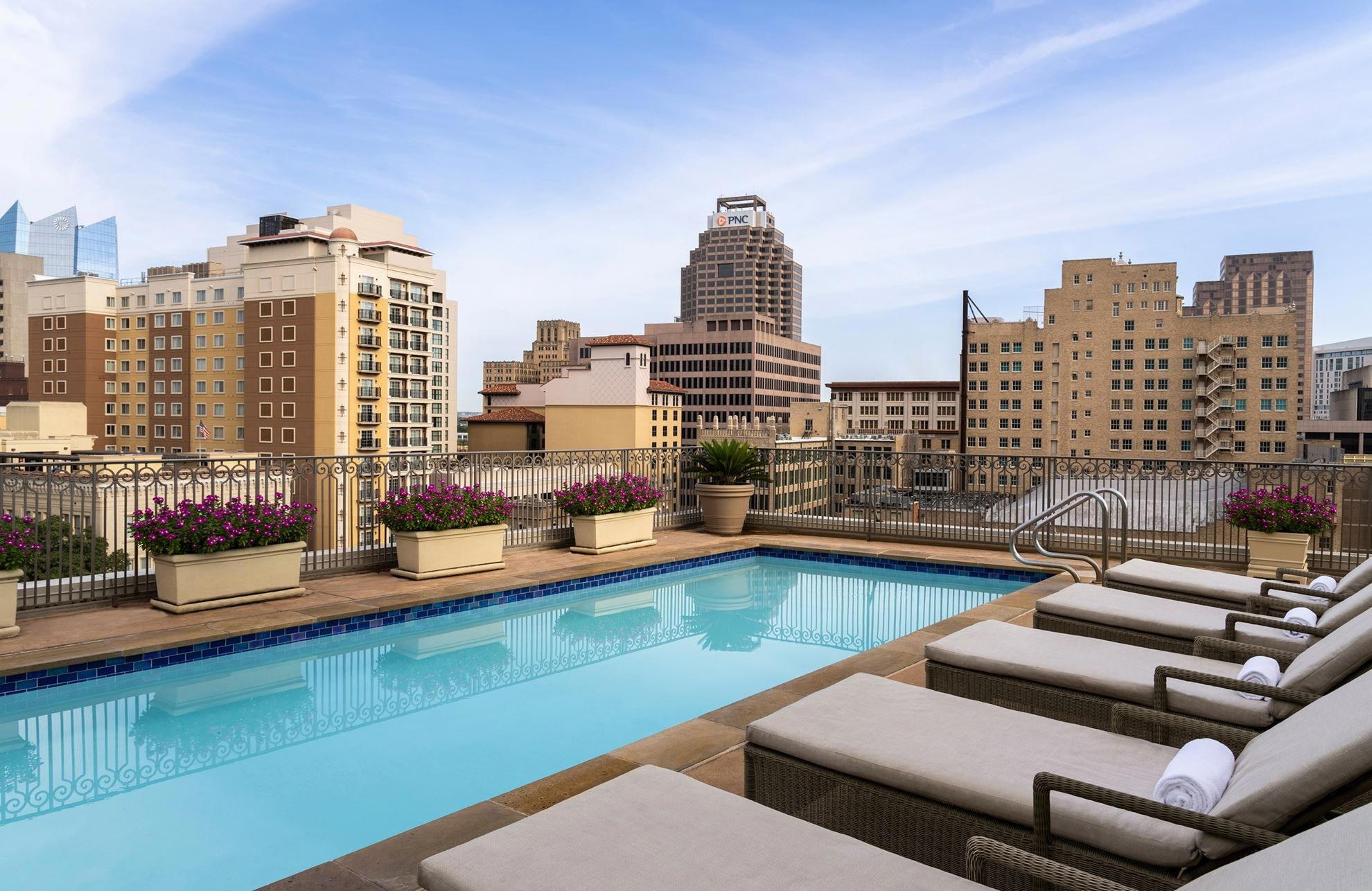
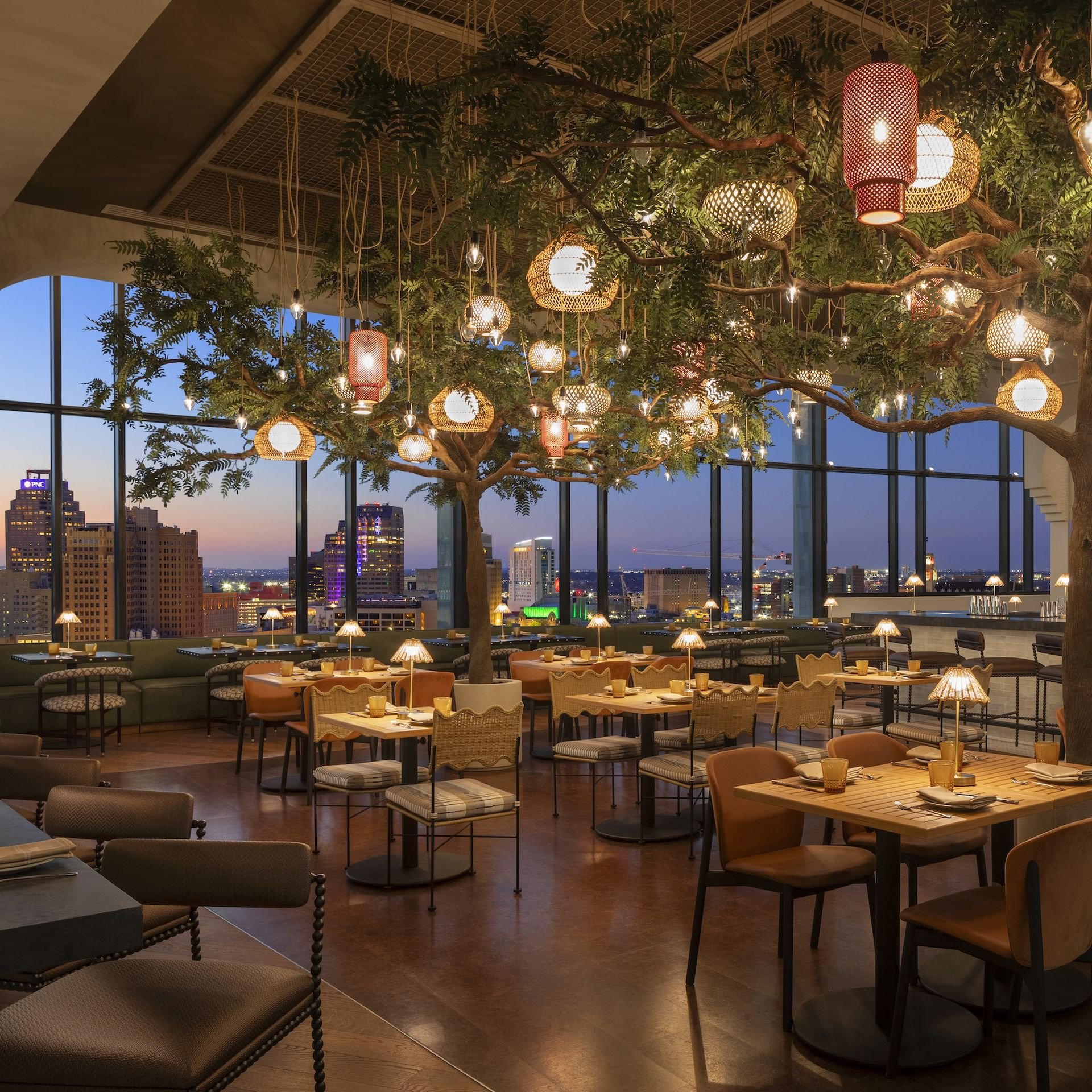
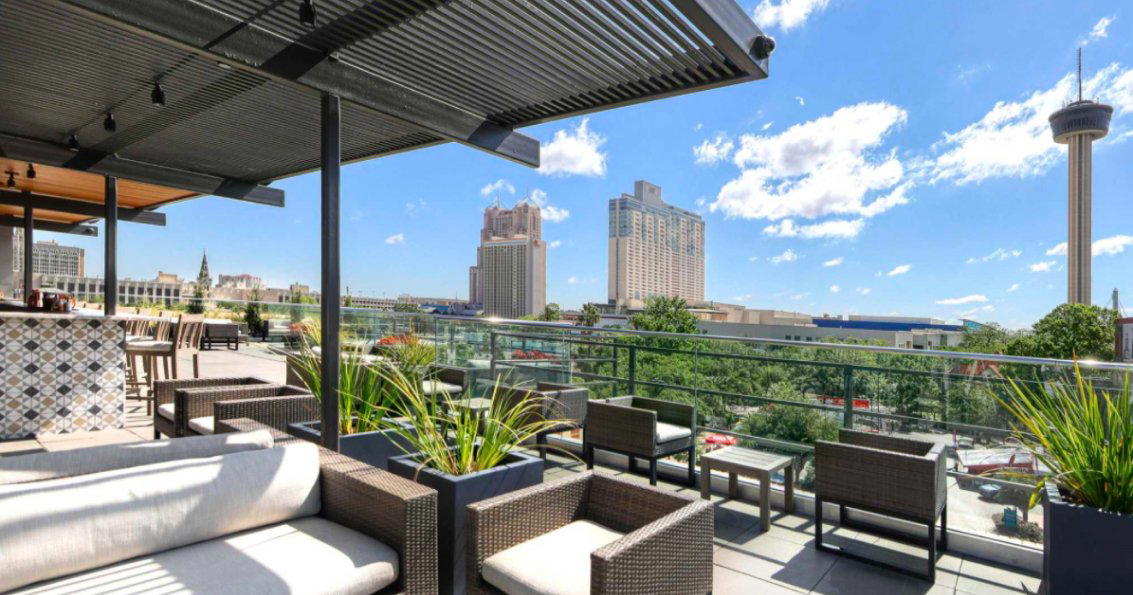
The hotel's pool deck and public spaces carry the kind of social weight that defines grand hotel culture in the American South and Southwest. A rooftop or refined pool in a downtown San Antonio property at this address functions as both amenity and vantage point: the city's flat topography means even a modest elevation creates meaningful views toward the Alamo dome and the Mission-style civic buildings clustered nearby.
Where This Hotel Sits in the San Antonio Market
San Antonio's premium accommodation market is worth reading carefully before booking. The city's options cluster into three distinct zones. The River Walk corridor, where properties like Mokara Hotel & Spa, Thompson San Antonio - Riverwalk, and Omni La Mansión del Rio operate, offers immediate water access and the pedestrian energy of the paseo. The Pearl District, anchored by Hotel Emma, draws guests who prioritise the neighbourhood's food and market scene over central proximity. The downtown civic core, where The St. Anthony sits, is closer to the Alamo, the convention centre, and the city's major cultural institutions.
Guests who choose the Travis Street address are generally optimising for walkability to historic sites and the formal business district rather than River Walk immersion. For comparison, newer entrants like The Monarch San Antonio target a younger, design-forward traveller with different price expectations. The St. Anthony's Luxury Collection affiliation places it in a conservative, brand-assured tier that appeals to travellers who want programme consistency alongside historic character, a combination that properties like Amangiri in Canyon Point or Post Ranch Inn in Big Sur achieve through entirely different means, namely extreme remoteness and environmental design rather than urban heritage.
Planning Your Stay
The St. Anthony is located at 300 E Travis Street, placing it within a ten-minute walk of the Alamo and the northern end of the River Walk. San Antonio's major festivals, including Fiesta in April, substantially compress availability across all premium properties downtown, and rates at historic hotels in this tier typically reflect that demand. Booking well in advance for spring visits, or for dates coinciding with major conventions at the Henry B. González Convention Center three blocks away, is advisable. For a broader orientation to San Antonio's dining and hotel scene before or after your stay, the full San Antonio restaurants guide covers the city's key neighbourhoods and what to eat in each.
Travellers who want to compare this property against other Luxury Collection and premium independent options across the United States will find useful reference points in properties like Hotel Bel-Air in Los Angeles, Auberge du Soleil in Napa, or Four Seasons at The Surf Club in Surfside, each of which sits at a different point on the spectrum between historic character and contemporary construction. For international context at the grand historic hotel end, Badrutt's Palace Hotel in St. Moritz and Aman Venice represent how the category operates at its most consolidated.
Comparison Snapshot
| Venue | Cuisine | Price | Awards |
|---|---|---|---|
| The St. Anthony, a Luxury Collection Hotel, San AntonioThis venue (the venue you are viewing) | This venue | $100–200 | Not listed |
| Hotel Emma | Michelin 2 Key | $300–500 | 2 Michelin Keys · La Liste Top Hotels |
| Mokara Hotel & Spa | Not listed | Not listed | Michelin Selected · Forbes 4-Star |
| The Monarch San Antonio | Not listed | $300–500 | Not listed |
| Thompson San Antonio - Riverwalk | Not listed | Not listed | Michelin Selected · Virtuoso Luxury Hotel Partner |
Continue exploring
More in San Antonio
Hotels in San Antonio
All hotels in San Antonio →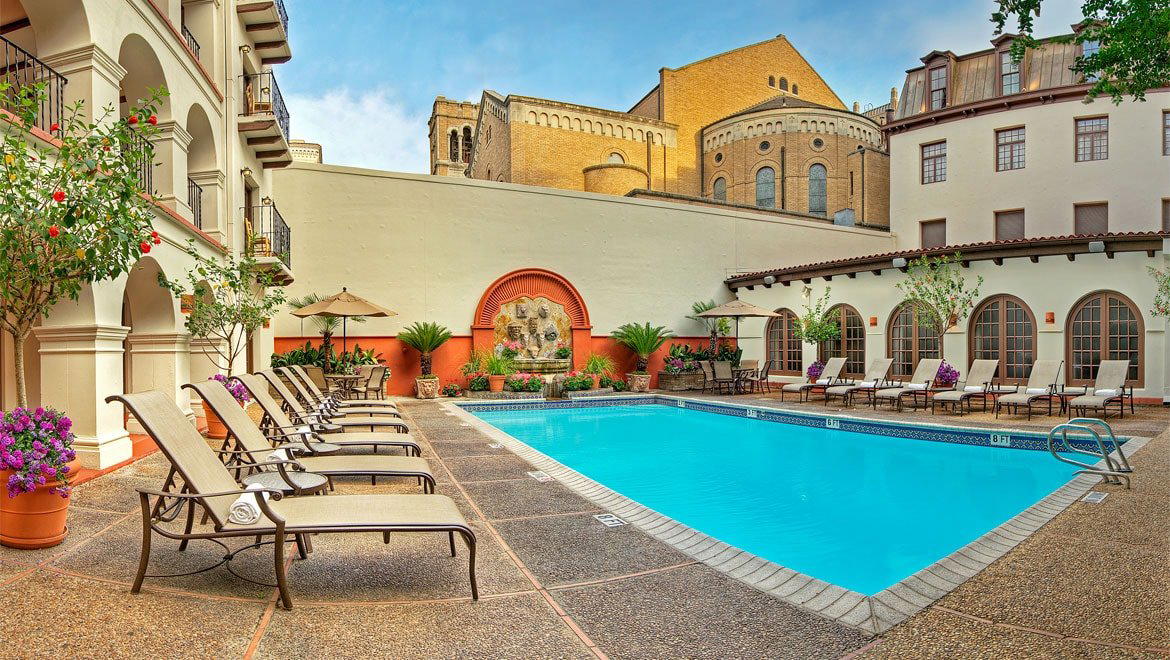

Bars in San Antonio
All bars in San Antonio →

Details
- Elegant
- Classic
- Ornate
- Sophisticated
- Romantic Getaway
- Anniversary
- Business Trip
- Weekend Escape
- Historic Building
- Rooftop Pool
- Wi Fi
- Pool
- Fitness Center
- Room Service
- Concierge
- Business Center
- Valet Parking
- Street Scene
- Elevator
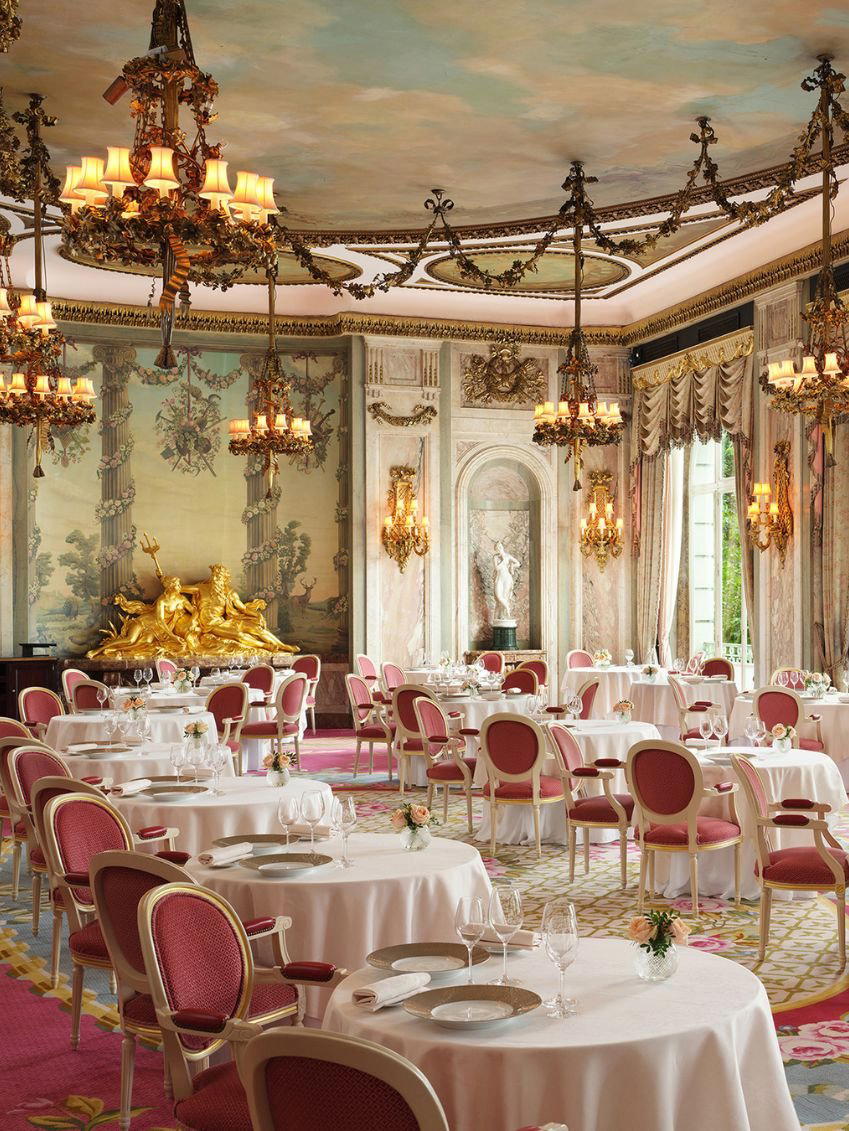
Ornate atmosphere with rich velvet details, gold accents, crystal chandeliers, Italian marble, and plush bedding creating a timeless, glamorous elegance.