Rebecca Creek Distillery

Rebecca Creek Distillery sits along Bulverde Road on San Antonio's northern edge, where the Hill Country terrain begins to assert itself against the suburban sprawl. Awarded Pearl 2 Star Prestige in 2025, the distillery occupies a different competitive tier from the city's downtown craft operations, offering a sense-of-place experience tied closely to the Texas landscape surrounding it.
Pearl is the En Primeur Club membership app — saves, bookings, and concierge access live there. Same editors, same standards.
- Address
- 26605 Bulverde Rd, San Antonio, TX 78260
- Phone
- +1 830-714-4581
- Website
- rebeccacreekdistillery.com
 Saves & bookings on Pearl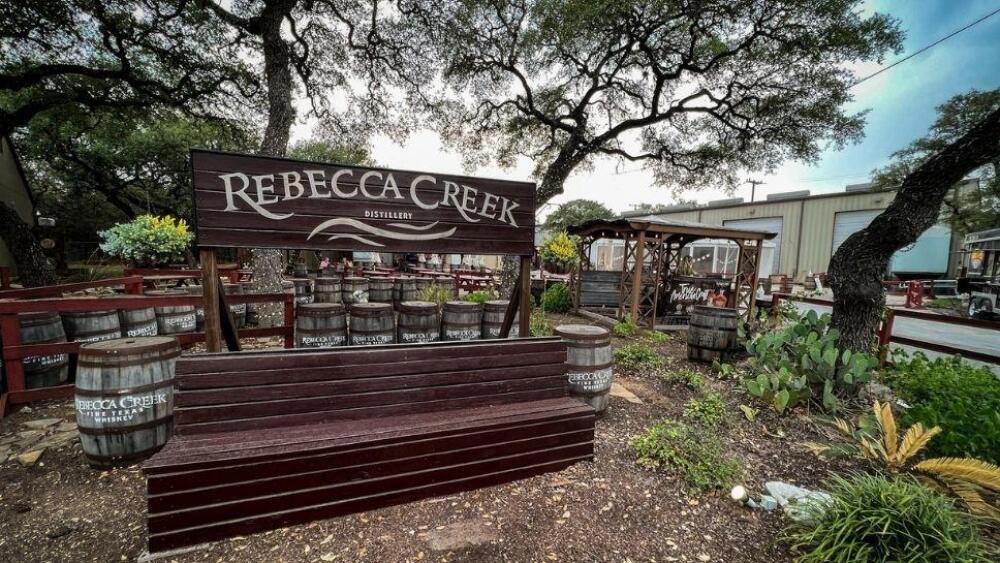
Where the Hill Country Begins
San Antonio's distillery scene has developed along two distinct lines: the downtown and Pearl District operations that lean into the city's urban energy, and a smaller cluster of producers who have pushed north and northwest. Rebecca Creek Distillery, at 26605 Bulverde Road, belongs firmly to the second group. The address alone tells you something: Bulverde Road runs through a corridor where subdivisions thin out and cedar and live oak take over the roadsides. Approaching from the south, the shift from city to something quieter is gradual but unmistakable.
That physical context matters more than it might at a downtown bar. Distilleries that anchor themselves to landscape are making an implicit argument about provenance and atmosphere, that where a spirit is made shapes what it is and how it should be tasted. The Texas Hill Country has become a credible frame for that argument. The region's water, its climate swings, and the character of its grain supply have all been cited by producers across the corridor as factors that distinguish their output from spirits made in more generic industrial settings. Rebecca Creek's position at the northern edge of San Antonio, with the Hill Country proper beginning just beyond, places it inside that conversation.
A 2025 Pearl Prestige Recognition
Recognition in the spirits world tends to cluster around competition medals and industry ratings. The Pearl 2 Star Prestige award Rebecca Creek Distillery received in 2025 places it in a defined tier within that ratings framework, distinguishing it from other producers. For a visitor calibrating expectations before a trip, that signal is worth taking seriously.
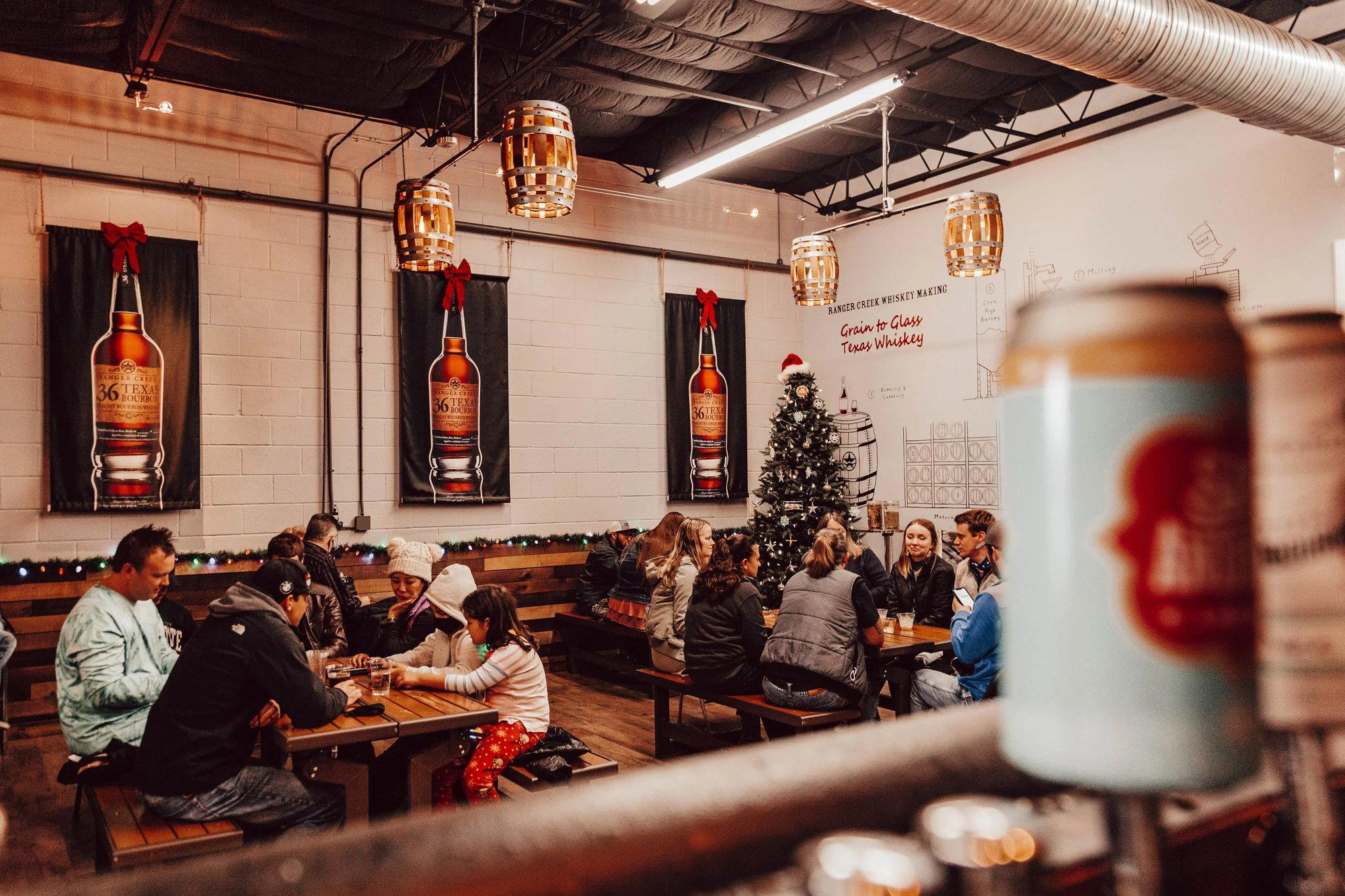
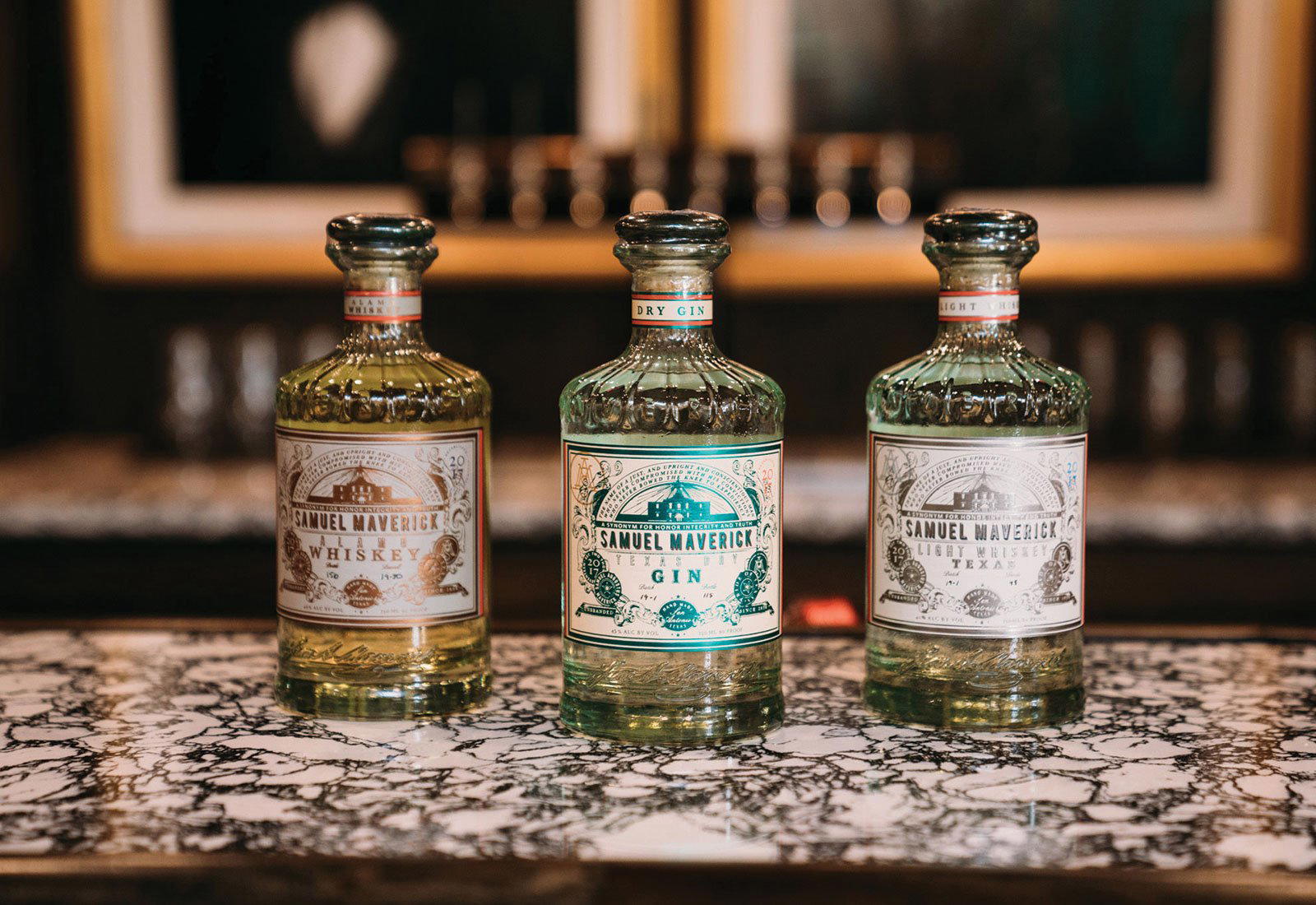
San Antonio's craft spirits category has grown considerably over the past decade. Operations like Devils River Distillery, Maverick Whiskey, and Ranger Creek Brewing & Distilling each occupy different positions in the city's craft production spectrum, from hybrid brewing and distilling formats to whiskey-forward expressions aimed at national distribution. Rebecca Creek's 2025 Prestige recognition suggests a quality tier that warrants comparison with other notable producers. Within the broader Texas craft spirits movement, that kind of award signal carries weight precisely because the category is crowded and differentiation is difficult to sustain.
Landscape as the Experience Frame
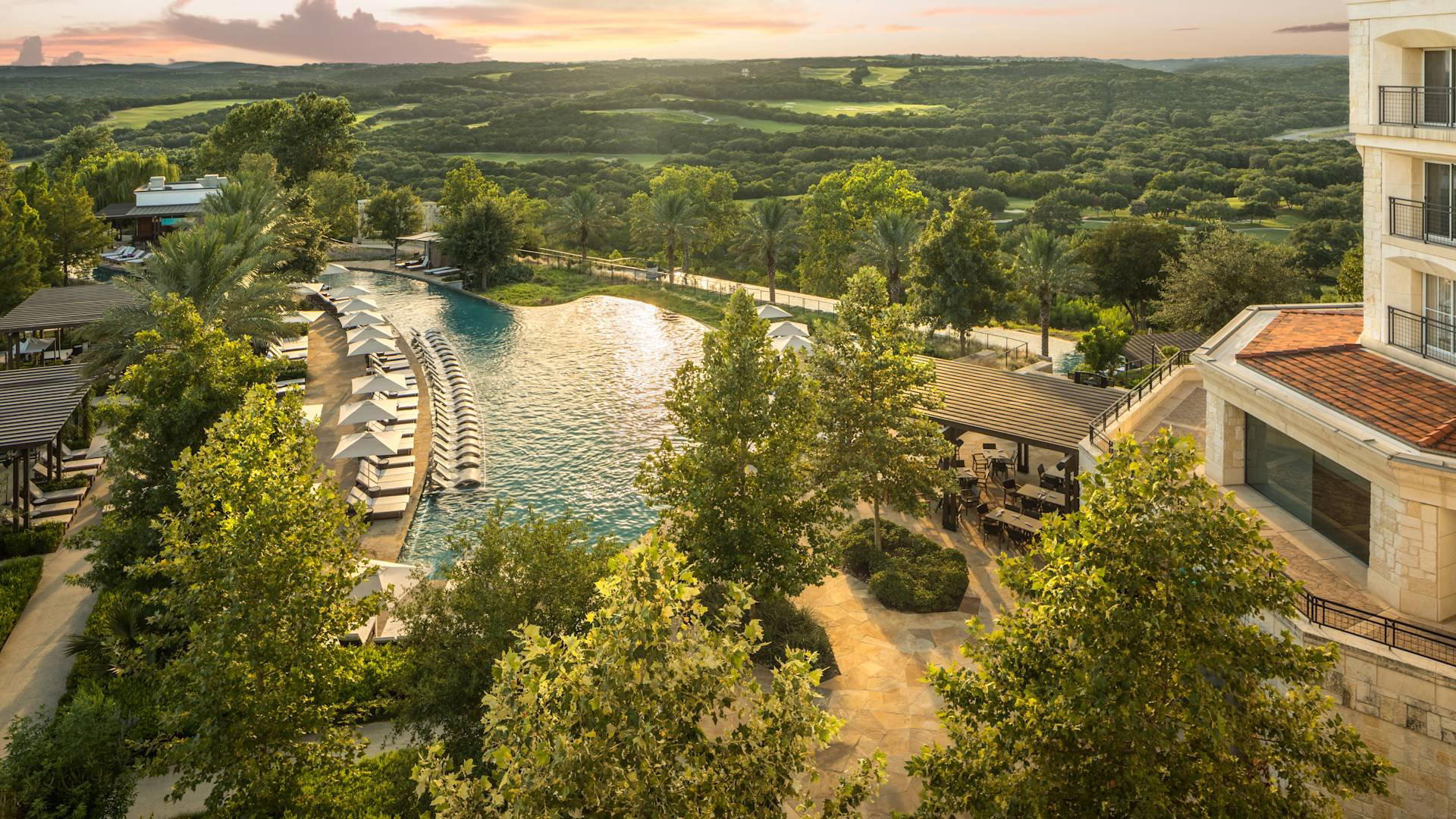
The editorial angle for any Hill Country-adjacent producer is the land itself. Texas craft spirits have benefited from a strong regional identity narrative, but that narrative only holds when the physical setting actually delivers. The Bulverde corridor runs north from San Antonio toward the Guadalupe River watershed and offers open terrain that makes a distillery visit feel like a departure rather than an extension of the city. Cedar-covered ridgelines, warm limestone soil, and the particular quality of afternoon light in that latitude combine to create a setting that city-centre operations simply cannot replicate.
For producers who have made a deliberate choice to locate outside the urban core, the visitor experience becomes as much about place as about product. This model has long worked well for wine regions internationally, where producers have built their reputations partly on the argument that their setting is worth a dedicated visit. The same logic applies here: the journey to Bulverde Road is part of the offer, and visitors who make it with that understanding will read the experience differently than those who treat it as a quick errand.
The North San Antonio Spirits Corridor
The stretch of highway and rural road running north from San Antonio toward New Braunfels and Boerne has assembled a concentration of craft producers. The pattern mirrors what happened in established wine regions across the American West, where proximity to a major city provided initial market access while distance from the urban core allowed producers to maintain lower costs, larger footprints, and a more experiential visitor offer. Along the Willamette Valley, producers like Adelsheim Vineyard in Newberg built destination-quality experiences on exactly that model. In California, operations from Accendo Cellars in St. Helena to Adelaida Vineyards in Paso Robles demonstrate how a strong sense of place at a specific address can anchor a producer's identity far more effectively than urban proximity alone.
For Texas whiskey, the Hill Country edge is that kind of positioning. Rebecca Creek's location on Bulverde Road puts it at the point where that corridor begins to develop its own identity, separate from the city's downtown craft beer and cocktail culture. Visitors who have already worked through the Pearl District's food and drink offer and want to push further into what makes Texas spirits distinct as a category will find the drive north worth making.
Planning Your Visit
Rebecca Creek Distillery is located at 26605 Bulverde Road, San Antonio, TX 78260, on the city's northern fringe where the Hill Country terrain begins in earnest. The drive from downtown San Antonio runs roughly 25 to 30 minutes under normal conditions, heading north on US-281 and then through the Bulverde corridor. Given the rural setting, visitors should confirm current hours and any reservation requirements directly before travelling.
For those building a broader itinerary around San Antonio's craft production scene, the city offers a varied comparable set worth exploring. Ranger Creek's hybrid brewing and distilling model offers a different entry point into the category, while Maverick Whiskey and Devils River approach the Texas whiskey identity from distinct production philosophies. For a complete picture of what San Antonio's food and drink scene offers beyond the distillery corridor, see the city's broader dining and drinking offer by neighbourhood.
Internationally, the model Rebecca Creek represents has strong precedents. From the concentrated Napa corridor producers like Alpha Omega Winery in Rutherford and Alexander Valley Vineyards in Geyserville, to the Rhône-focused work of Alban Vineyards in Arroyo Grande and Andrew Murray Vineyards in Los Olivos, the pattern of landscape-anchored producers earning prestige recognition is well established. Even in older producing traditions, from Aberlour in Scotland's Speyside to Achaia Clauss in Patras, the argument that place shapes spirit is not new. What is relatively new is its application to Texas craft whiskey, and Rebecca Creek's 2025 Pearl Prestige recognition suggests the argument is landing with the judges who matter.
A Tight Comparison
Comparable venues nearby, for context on price, style, and recognition.
| Venue | Cuisine | Price | Notes |
|---|---|---|---|
| Rebecca Creek DistilleryThis venue — the venue you are viewing | Bulverde Road area, Texas | $$ | |
| Viña Leyda | San Antonio, Pinot Noir, Sauvignon Blanc | $$ | |
| Viña Garcés Silva (Amayna) | Winery | , | |
| Maverick Whiskey | Downtown, Winery | $$$ | |
| Ranger Creek Brewing & Distilling | $$ | .remote area, Texas | |
| Devils River Distillery | Downtown, Texas | $$ |
Continue exploring
More in San Antonio
Wineries in San Antonio
Browse all →
Bars in San Antonio
Browse all →


Restaurants in San Antonio
Browse all →




At a Glance
- Lively
- Rustic
- Group Outing
- Celebration
- Historic Building
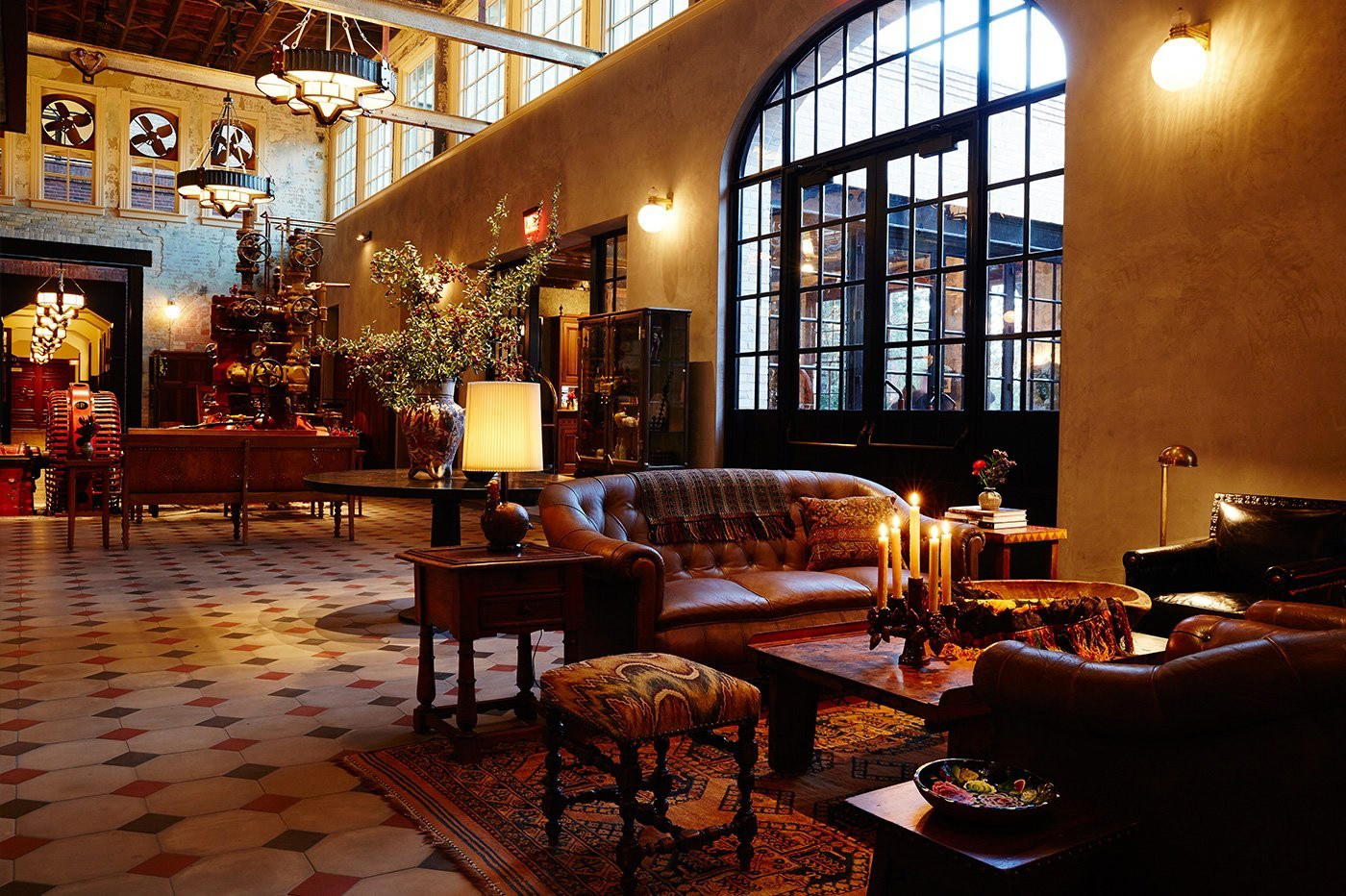
Lively and welcoming with live music, indoor saloon, and outdoor areas featuring food trucks and markets.