Chapline Distillery

Mike Chapline Distillery sits in Bulverde, Texas, holding a Pearl 2 Star Prestige rating for 2025, a signal that this Hill Country operation has moved well past hobbyist territory into the tier where production discipline and terroir awareness define the conversation. Located at 30790 Blanco Rd, it represents the quieter, craft-focused end of Texas spirits, where the land's limestone-heavy geology and dramatic temperature swings leave a legible mark on the final product.
Pearl is the En Primeur Club membership app — saves, bookings, and concierge access live there. Same editors, same standards.
- Address
- 30790 Blanco Rd #301, Bulverde, TX 78163
- Phone
- +1 210-542-6901
- Website
- chaplinedistillery.com
 Saves & bookings on Pearl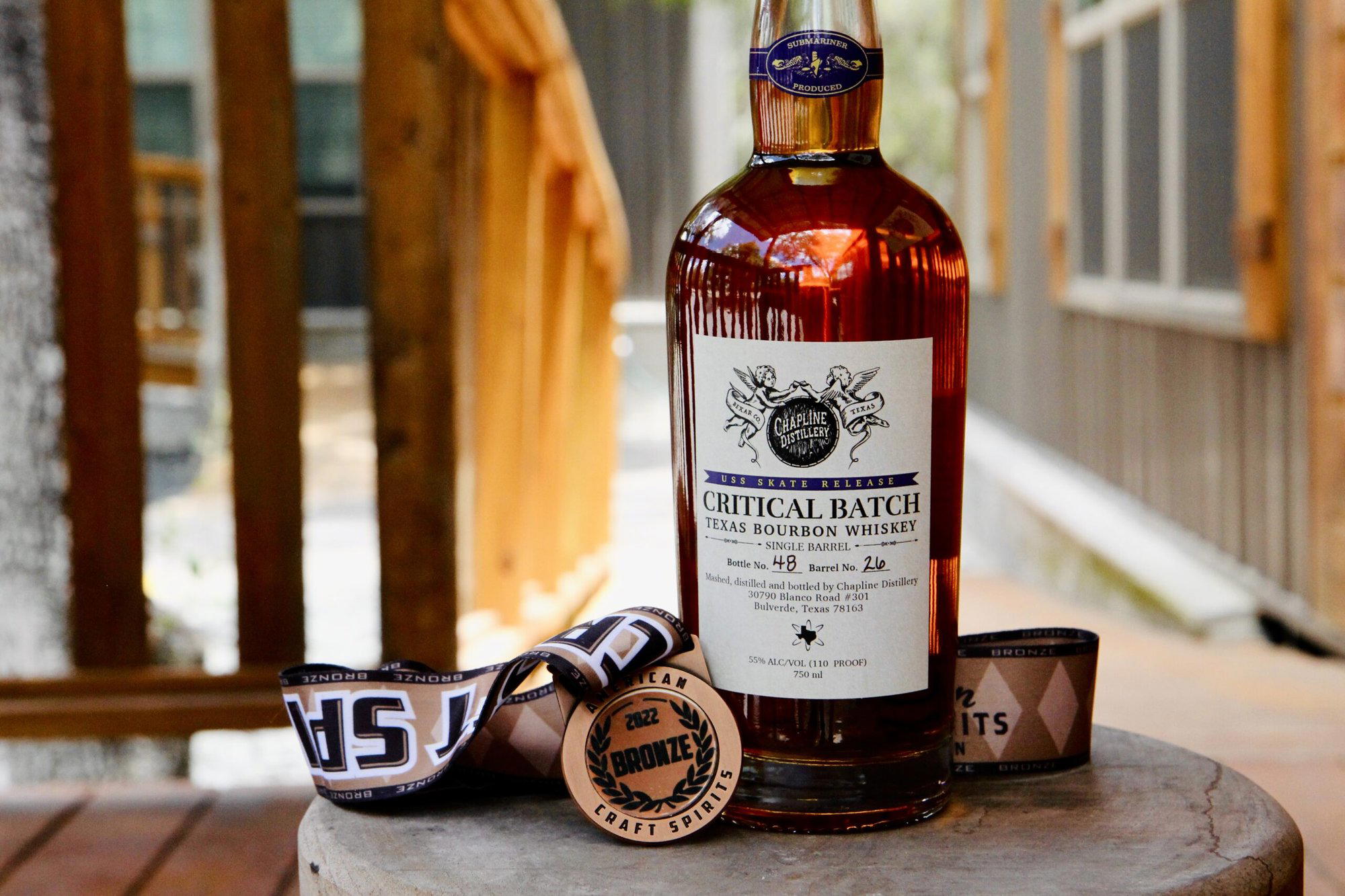
Where Hill Country Terrain Meets the Still
The stretch of Blanco Road running through Bulverde, Texas, doesn't announce itself. The Edwards Plateau rolls out in cedar and live oak, the elevation sits around 1,200 feet, and the soil reads as caliche and limestone in roughly equal measure. None of that is incidental to what Mike Chapline Distillery produces. In the broader story of American craft spirits, the most interesting operations of the last decade have been those that treat geography as an input rather than a backdrop, and Bulverde, sitting on the northern fringe of San Antonio's suburban reach, offers a genuinely distinct set of conditions.
The Hill Country's temperature swings are severe by any standard. Summer days push well past 100°F, while winter nights can drop to freezing in the same calendar month. For spirits aged in barrel, that compression of seasonal stress accelerates what longer, cooler climates achieve over more years. The wood breathes faster. The interaction between spirit and oak intensifies. What a Kentucky distillery might achieve in four years, a Texas Hill Country barrel can negotiate in two, though the result is not simply faster, it is different: richer in caramelized wood character, sometimes more assertive in spice.
Mike Chapline's address at 30790 Blanco Rd, Suite 301, places it squarely within this terroir argument. The limestone aquifer beneath the region influences water chemistry, and any serious production operation draws on that source water as a foundational variable. This is the kind of detail that separates a distillery genuinely embedded in its geography from one that could theoretically operate anywhere.
A 2025 Pearl Star Rating and What It Signals
Mike Chapline Distillery holds a Pearl 2 Star Prestige rating for 2025. Within the Pearl framework, the Prestige tier designates operations that have cleared measurable thresholds of production quality, consistency, and presentation, not simply novelty or local goodwill. A 2 Star rating in that system places Mike Chapline in a middle-to-upper band: past the entry category where craft enthusiasm alone carries the grade, and into the range where the product competes on technical merit.
For context, Texas craft spirits have expanded rapidly since the state loosened distillery laws in 2013. The number of licensed distilleries has grown from a handful to well over 200 in the decade since, which means quality variance across that population is significant. A recognized rating provides a useful filter. Mike Chapline's 2025 standing suggests that whatever is happening at the Blanco Road facility, in terms of grain sourcing, fermentation discipline, distillation cuts, or barrel management, is producing results that hold up under structured evaluation.
This positions Mike Chapline differently from the broader Texas craft field. Operations at comparable recognition levels include producers working across whiskey, brandy, and agave-based spirits in the Hill Country corridor. The craft distillery comparable set that has earned formal recognition tends to share a few characteristics: close attention to local grain or water sourcing, barrel programs calibrated to the regional climate, and distribution strategies that keep volume controlled enough to maintain consistency. Whether Mike Chapline fits that profile on every dimension is not confirmed by available data, but the rating implies alignment with at least the quality dimension of that pattern.
Bulverde and the North San Antonio Corridor
Bulverde sits about 20 miles north of downtown San Antonio, in Comal County. It functions as a semi-rural exurb, large lots, ranch-style properties, proximity to Canyon Lake and the Guadalupe River corridor. The area has developed a loose cluster of craft food and beverage producers over the past several years, benefiting from affordable land relative to Austin or the more-trafficked Fredericksburg wine trail to the northwest.
For visitors making a longer Hill Country circuit, Bulverde occupies a logical position between San Antonio and the Fredericksburg appellation, where Texas Hill Country wine producers have established a more visible tourist infrastructure. Distilleries in the region occupy a different category from wineries in one important respect: the product cycle is compressed. A winery is tied to its annual harvest and multi-year aging. A distillery can respond to local conditions and market signals on a shorter timeline, which makes operations like Mike Chapline more nimble in terms of what they can offer at any given visit.
Getting to Mike Chapline from San Antonio is a direct drive north on US-281, turning onto Blanco Road. The drive itself passes through the kind of Hill Country that defines why this region has become a destination rather than a pass-through: the cedar-studded limestone terrain, the sudden valley views, the low-density development that still feels agricultural at its edges. For a full day, pairing a Mike Chapline visit with the broader Bulverde food and drink circuit makes sense.
How Mike Chapline Fits the Wider Craft Spirits Conversation
American craft distilling has matured past its first wave. The early 2010s saw a proliferation of operations running on local pride and novelty more than technical discipline. By the mid-2020s, the field has stratified: producers with consistent barrel programs and identifiable house styles have separated from those that peaked early or never resolved production inconsistencies. Mike Chapline's 2025 rating places it in the former group, though public sources do not confirm specific production volumes or distribution reach.
Across American wine and spirits, the most interesting regional producers share a tendency to treat geography as a competitive differentiator rather than an origin story detail. Wineries like Adelaida Vineyards in Paso Robles have built reputations on limestone-heavy soil expression. Alban Vineyards in Arroyo Grande has made a case for climate-driven Rhône varieties far from their European origin. Andrew Murray Vineyards in Los Olivos operates in a similar register. These are not direct peers of a Texas distillery, but they represent the same intellectual argument: that American terroir, properly attended to, produces results that cannot be replicated elsewhere.
For spirits specifically, the Hill Country comparison extends to how barrel aging interacts with climate. Operations across the American South and Southwest have been making this case for over a decade. The extreme Texas climate produces a kind of accelerated wood dialogue that cooler-climate producers simply cannot replicate, not better or worse in absolute terms, but genuinely distinct. Mike Chapline sits within that argument. Further afield, the terroir conversation around production and place extends to beverage producers across categories: Accendo Cellars in St. Helena, Artesa Vineyards and Winery in Napa, Alpha Omega Winery in Rutherford, and Adelsheim Vineyard in Newberg all represent different expressions of the same premise: the land is legible in the glass, if you are paying attention.
For the reader interested in how spirits from non-traditional regions develop distinct character, looking at international parallels is instructive. Aberlour in Aberlour demonstrates how a specific river valley microclimate shapes Scotch whisky over decades. Achaia Clauss in Patras shows how a Mediterranean terroir produces beverage character that couldn't emerge anywhere else. The underlying logic, site specificity as a production value, translates across categories and continents. Au Bon Climat in Santa Barbara, Aubert Wines in Calistoga, Alexander Valley Vineyards in Geyserville, B.R. Cohn Winery in Glen Ellen, and Babcock Winery and Vineyards in Lompoc each operate within their own version of this framework.
Planning a Visit
Mike Chapline Distillery is at 30790 Blanco Rd, Suite 301, Bulverde, TX 78163. Summer visits are possible but require planning around the heat.
How It Stacks Up
Comparable venues nearby, for context on price, style, and recognition.
| Venue | Cuisine | Price | Notes |
|---|---|---|---|
| Mike Chapline DistilleryThis venue — the venue you are viewing | Texas | $$ | |
| Dripping Springs Distilling | Texas Hill Country | $$ | Dripping Springs |
| K Estate (Kuhlman Cellars) | Zinfandel, Roussanne | $$ | Stonewall |
| Viña Leyda | Pinot Noir, Sauvignon Blanc | $$ | San Antonio |
| Silver Dollar Winery | Riesling, Viognier | $$ | Johnson City |
| Narrow Path Winery | Cabernet Sauvignon, Cabernet Franc | $$ | Stonewall |
Continue exploring
More in Bulverde
Wineries in Bulverde
Browse all →
Bars in Bulverde
Browse all →

Restaurants in Bulverde
Browse all →



At a Glance
- Rustic
- Cozy
- Intimate
- Group Outing
- Private Tasting
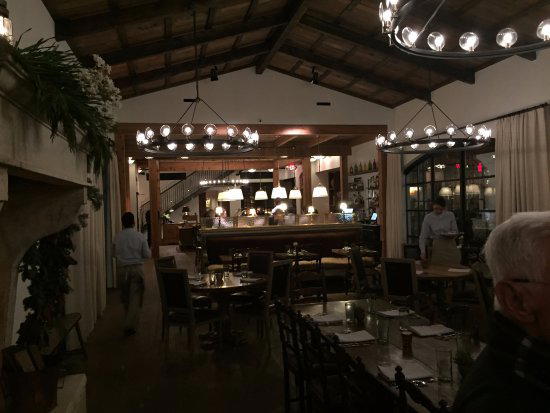
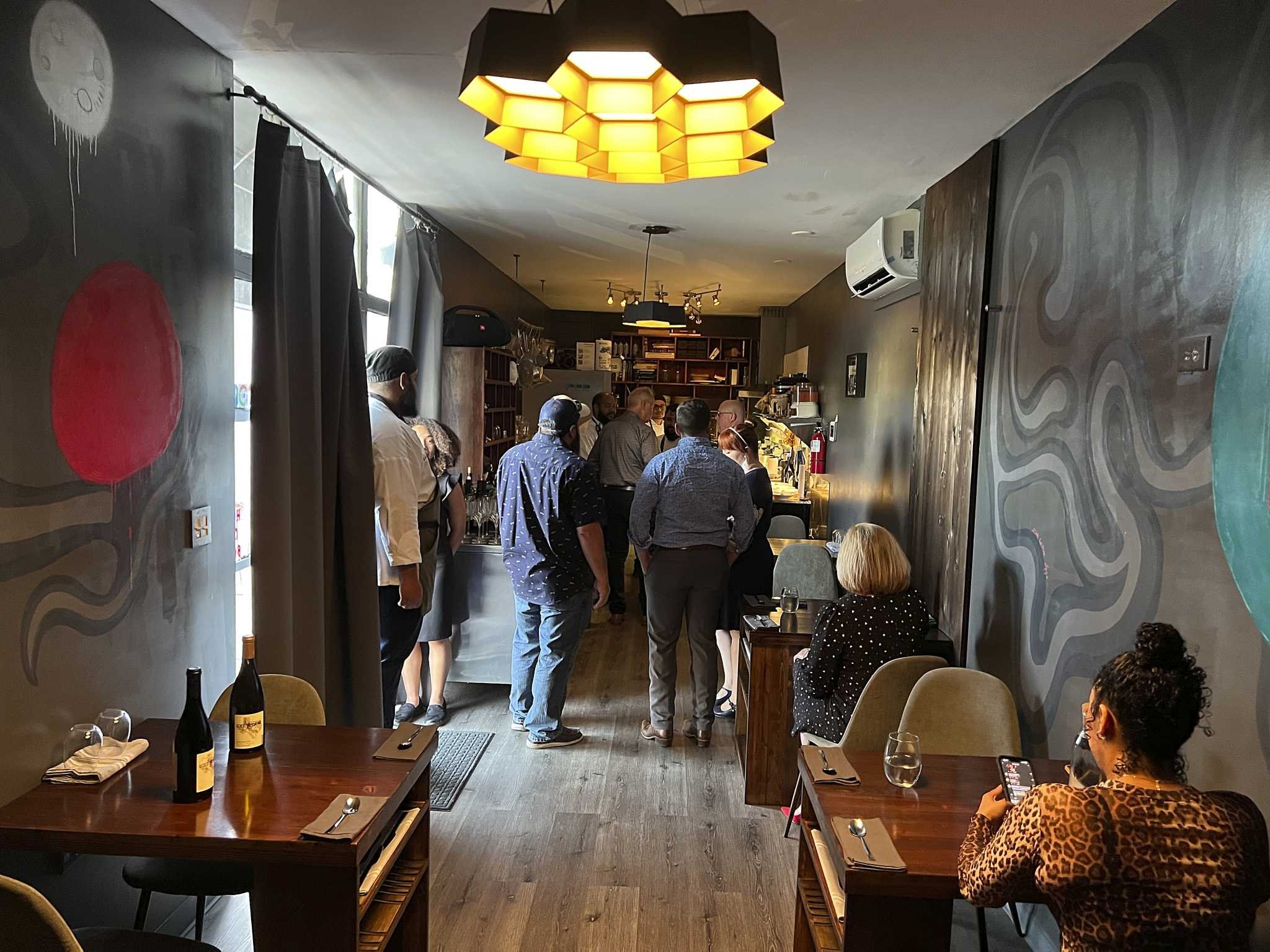
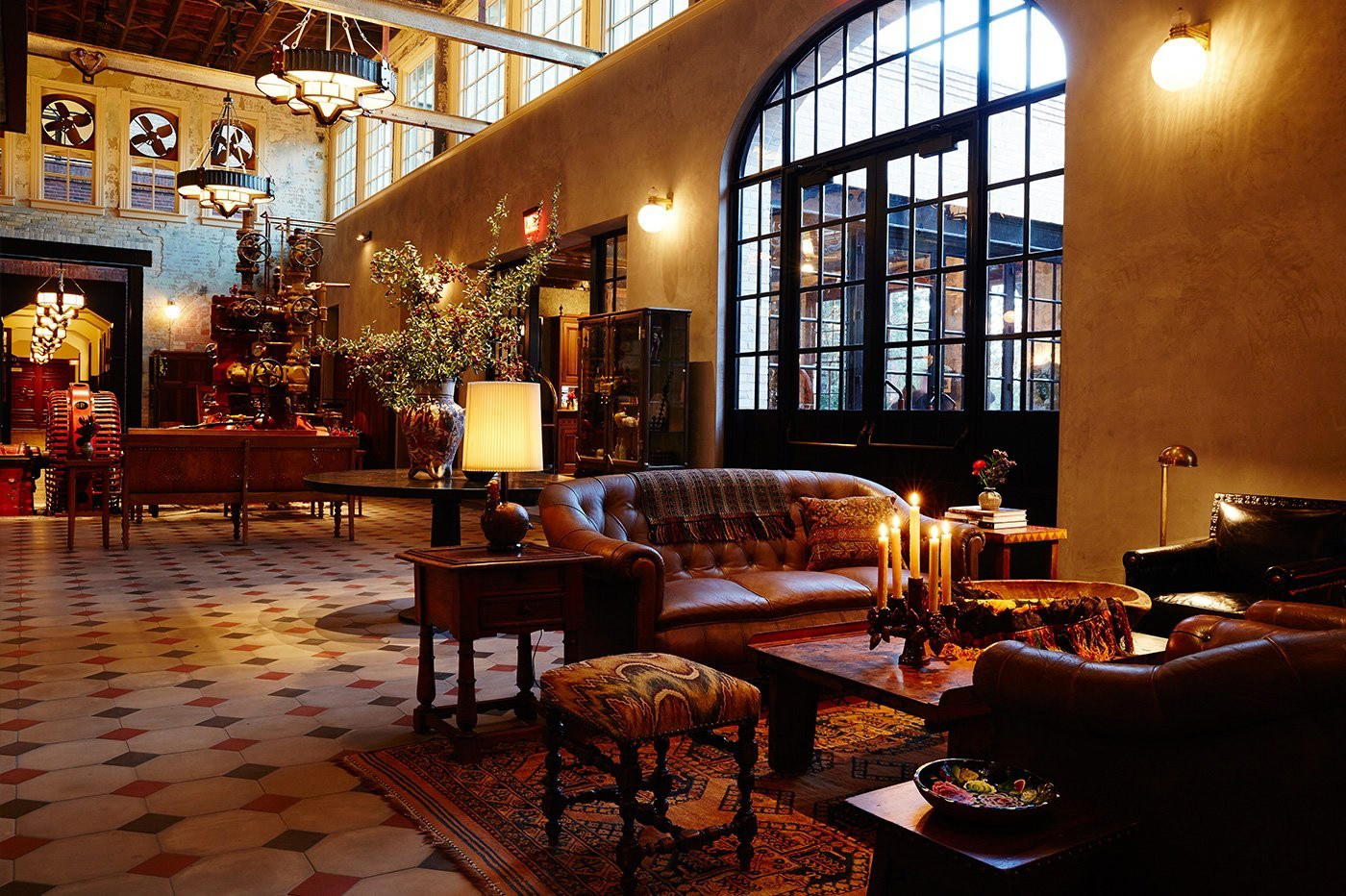
Relaxed and friendly tasting room atmosphere with occasional live music.