Viña Leyda
The venue sits within a local scene that has developed serious tasting credentials alongside established distilleries and craft producers. For those tracking what happens between harvest and bottle, Leyda rewards attention.

Pearl is the En Primeur Club membership app — saves, bookings, and concierge access live there. Same editors, same standards.
- Address
- San Antonio, United States
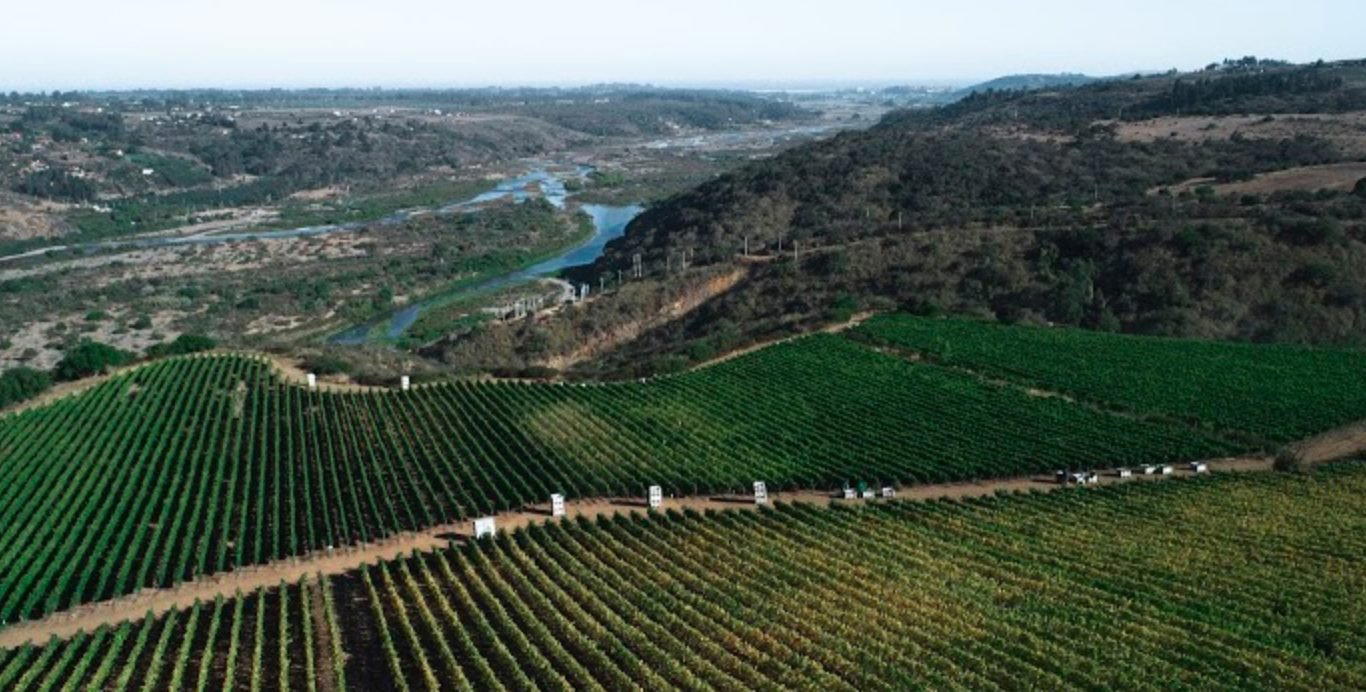
San Antonio's Craft Beverage Scene and Where Viña Leyda Sits Within It
San Antonio's craft beverage corridor has matured considerably over the past decade, moving from a handful of novelty distilleries into something with genuine competitive depth. The city now contains a layered set of producers, from grain-to-glass whiskey operations like Devils River Distillery and Maverick Whiskey to hybrid craft facilities such as Ranger Creek Brewing & Distilling and Rebecca Creek Distillery.
That award matters as a positioning signal. For anyone mapping San Antonio's wine and spirits geography, that benchmark is where the conversation about Leyda should begin. See our full San Antonio restaurants and venues guide for broader context on how the city's scene is structured.
The Logic of Post-Harvest Decisions: What Barrel Selection and Aging Tell You About a Producer
The editorial angle that most usefully frames Viña Leyda is not what arrives at harvest but what happens after it. In premium wine and spirits production, barrel selection, aging duration, and blending philosophy are where a producer's actual sensibility becomes legible. These are the decisions that cannot be faked with marketing copy: the choice of new oak versus seasoned cask, the patience required for extended aging, and the discipline to decline a blend that does not meet internal benchmarks all produce measurable differences in the glass and, over time, in the critical record.
Prestige-tier ratings at this level generally reflect consistency and intentionality in the cellar, not just raw material quality. Across comparable wine-producing traditions in the Americas, the producers who accumulate formal recognition over time tend to be those who have made deliberate aging programme commitments rather than optimising for early release volume. Producers like Accendo Cellars in St. Helena and Adelaida Vineyards in Paso Robles represent different expressions of that same underlying logic: the cellar programme is the product, and the label is the record of decisions made across months or years.
Oregon's approach, exemplified by estates like Adelsheim Vineyard in Newberg, has long placed barrel rotation and cooperage sourcing at the centre of its critical identity, while producers such as Alban Vineyards in Arroyo Grande have built reputations on aging decisions that run counter to commercial timelines. Viña Leyda, carrying prestige recognition in a market that has traditionally been dominated by distillate producers, signals that similar discipline is operating here.
A Broader Comparison: What Prestige Recognition Looks Like Across Regions
In Alexander Valley, Alexander Valley Vineyards in Geyserville has maintained consistent critical positioning through estate discipline across multiple decades. In Rutherford, Alpha Omega Winery occupies a tier defined by blending precision and cellar investment at a scale that commands attention from serious collectors. In Los Olivos, Andrew Murray Vineyards has built its standing on Rhône-varietal aging programmes that prioritise structural development over approachability at release.
What connects these producers, and what connects them to the position Viña Leyda holds in San Antonio, is the underlying commitment to letting time do work that technique alone cannot accomplish. Extended aging is expensive in both capital and opportunity cost. Producers who absorb those costs and still earn formal recognition are, by definition, operating with a longer horizon than their peers.
For international reference points, operations like Aberlour in Aberlour and Achaia Clauss in Patras demonstrate that prestige-tier aging credentials translate across categories and continents. The discipline of the cellar, whether applied to Scotch whisky maturation or Greek wine production, produces a recognisable kind of seriousness that awards bodies are calibrated to identify.
Viña Leyda in Its San Antonio Context
San Antonio's wine and spirits scene has historically been weighted toward distillate production, and that remains true. The city's most visible producers tend to be whiskey and spirit operations. Viña Leyda sits alongside Viña Garcés Silva (Amayna), another formally recognised producer in the same geography, and together they represent a strand of the San Antonio scene that takes post-harvest decisions as seriously as any comparable operation in more established American wine regions.
For visitors planning a San Antonio tasting itinerary that includes formal producers, building in lead time for research is advisable. The recognition tier suggests demand will not be low.
For those building out a broader Texas wine and spirits day, the concentration of recognised producers in San Antonio means that a single visit can cover meaningfully different production philosophies without significant travel between stops. The distillate-focused operations and the prestige-tier wine producers occupy different parts of the same city's identity, and visiting across both gives a more complete picture of what San Antonio has developed into as a craft beverage destination.
Comparable Options
Comparable venues nearby, for context on price, style, and recognition.
| Venue | Cuisine | Price | Awards | Notes |
|---|---|---|---|---|
| Viña LeydaThis venue — the venue you are viewing | Pinot Noir, Sauvignon Blanc | Not listed | Not listed | Not listed |
| Ranger Creek Brewing & Distilling | Texas | $10–20 | Not listed | .remote area |
| Viña Garcés Silva (Amayna) | Winery | Not listed | Falstaff Winery - Listed | San Antonio |
Continue exploring
More in San Antonio
Wineries in San Antonio
Browse all →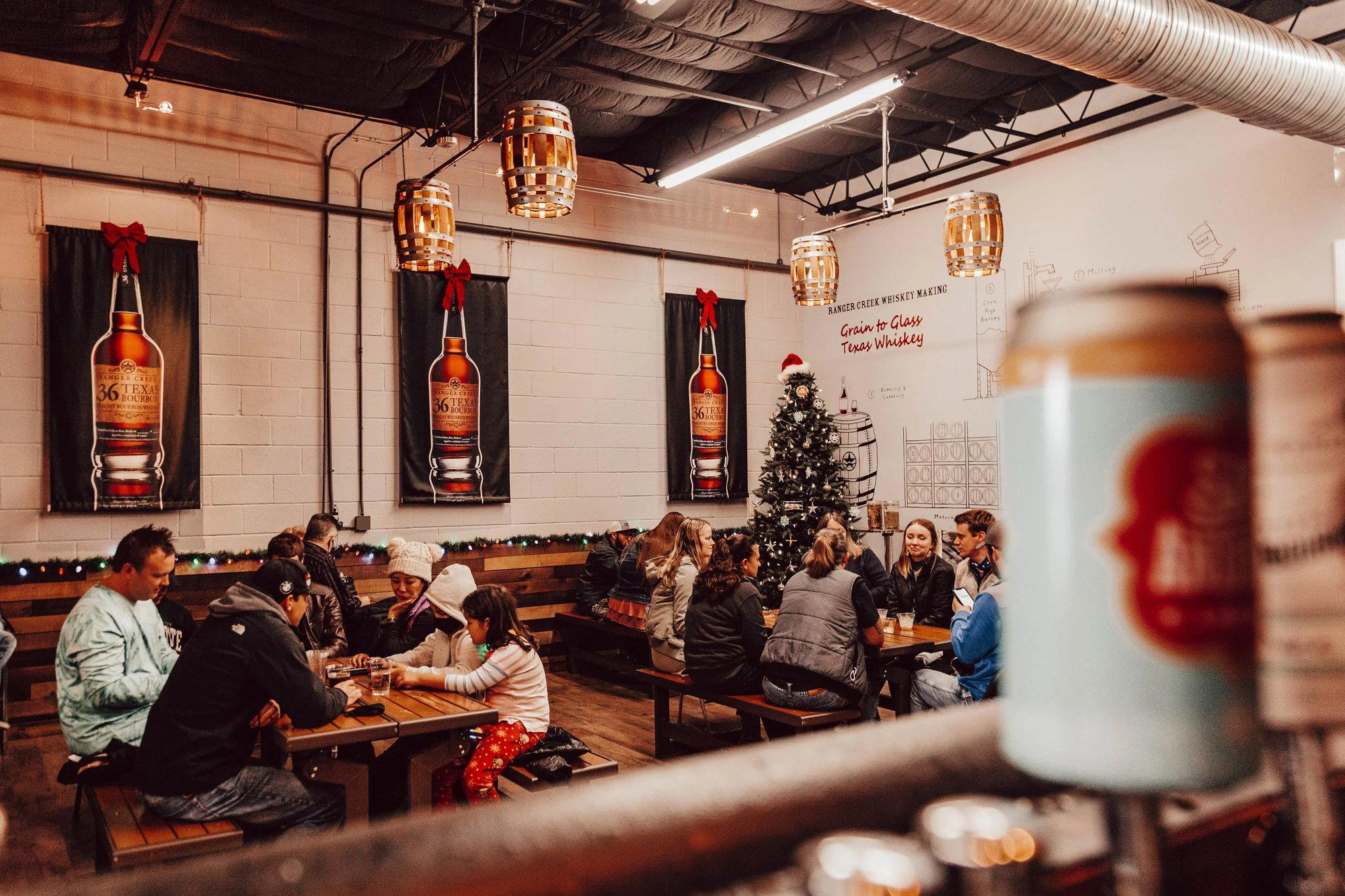

Bars in San Antonio
Browse all →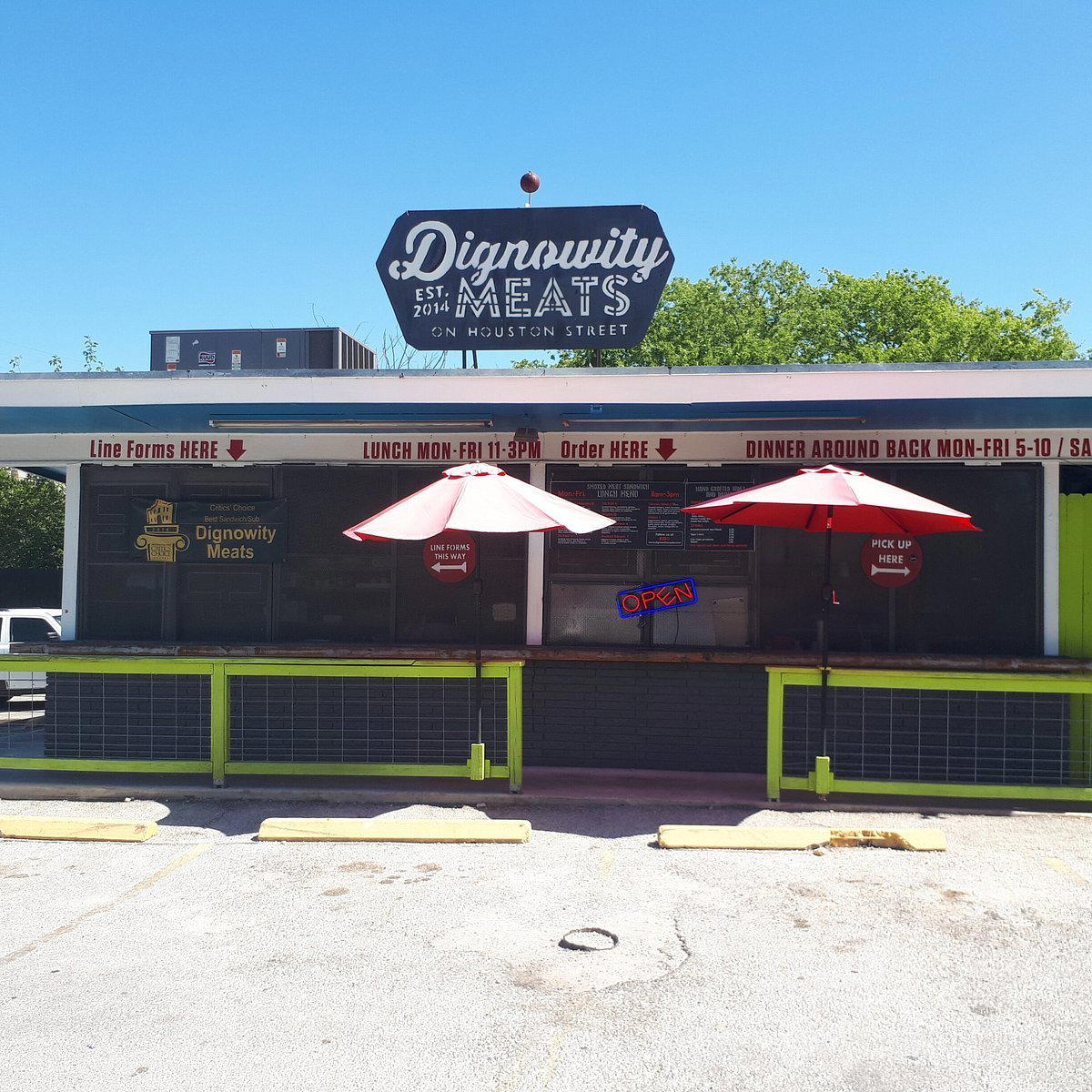
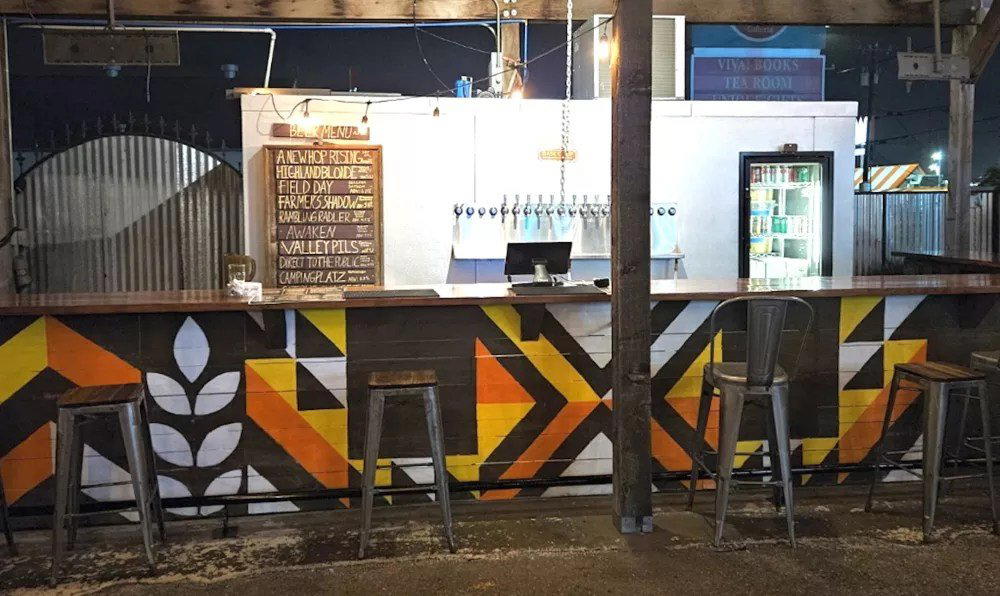
Restaurants in San Antonio
Browse all →


Details
- Scenic
- Classic
- Rustic
- Wine Education
- Group Outing
- Vineyard Tour
- Estate Grounds
- Sustainable
- Vineyard
- Pinot Noir
- Sauvignon Blanc
- Chardonnay
- Still Red
- Still White
- Still Rosé
- Estate Tasting
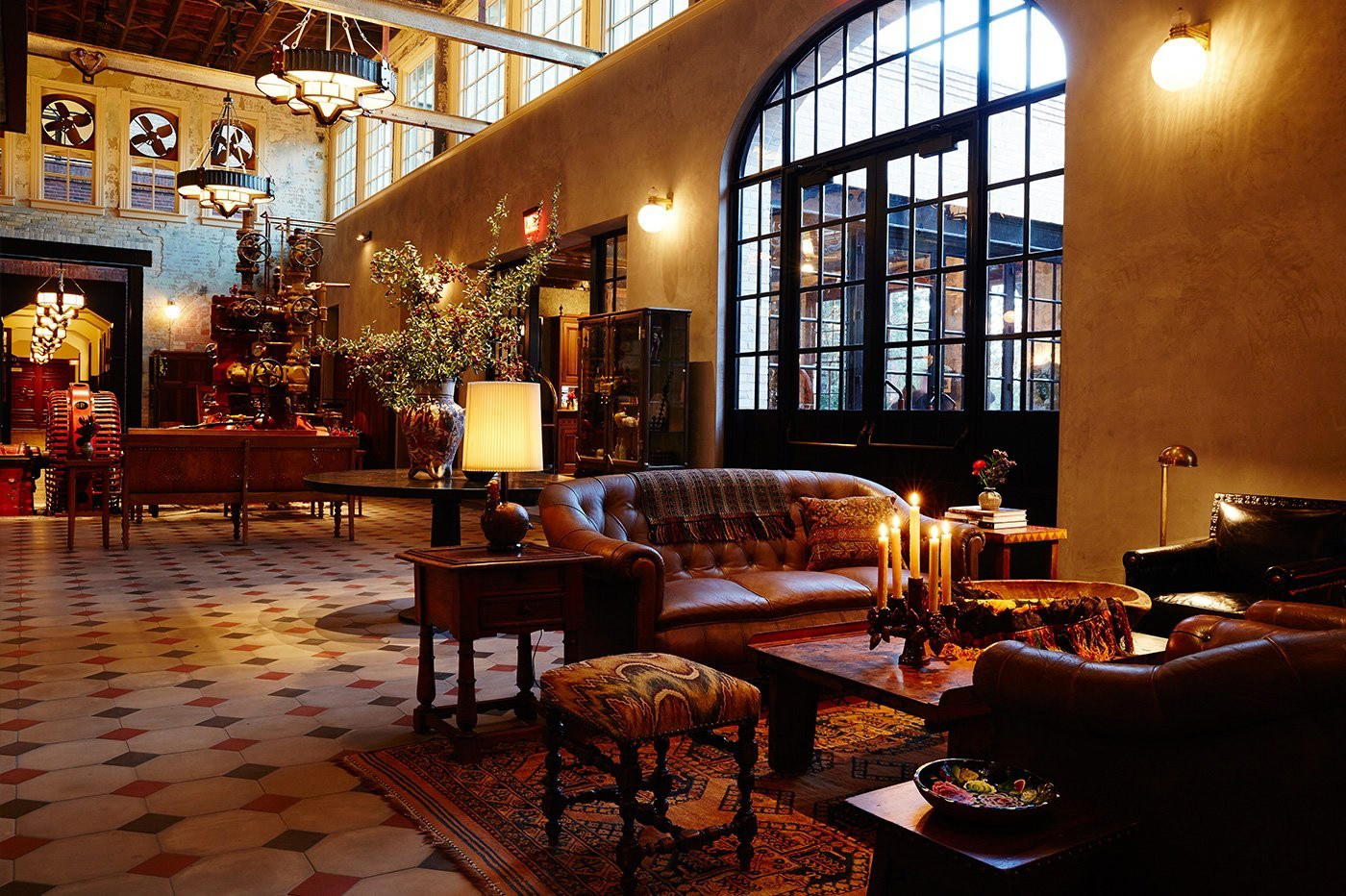
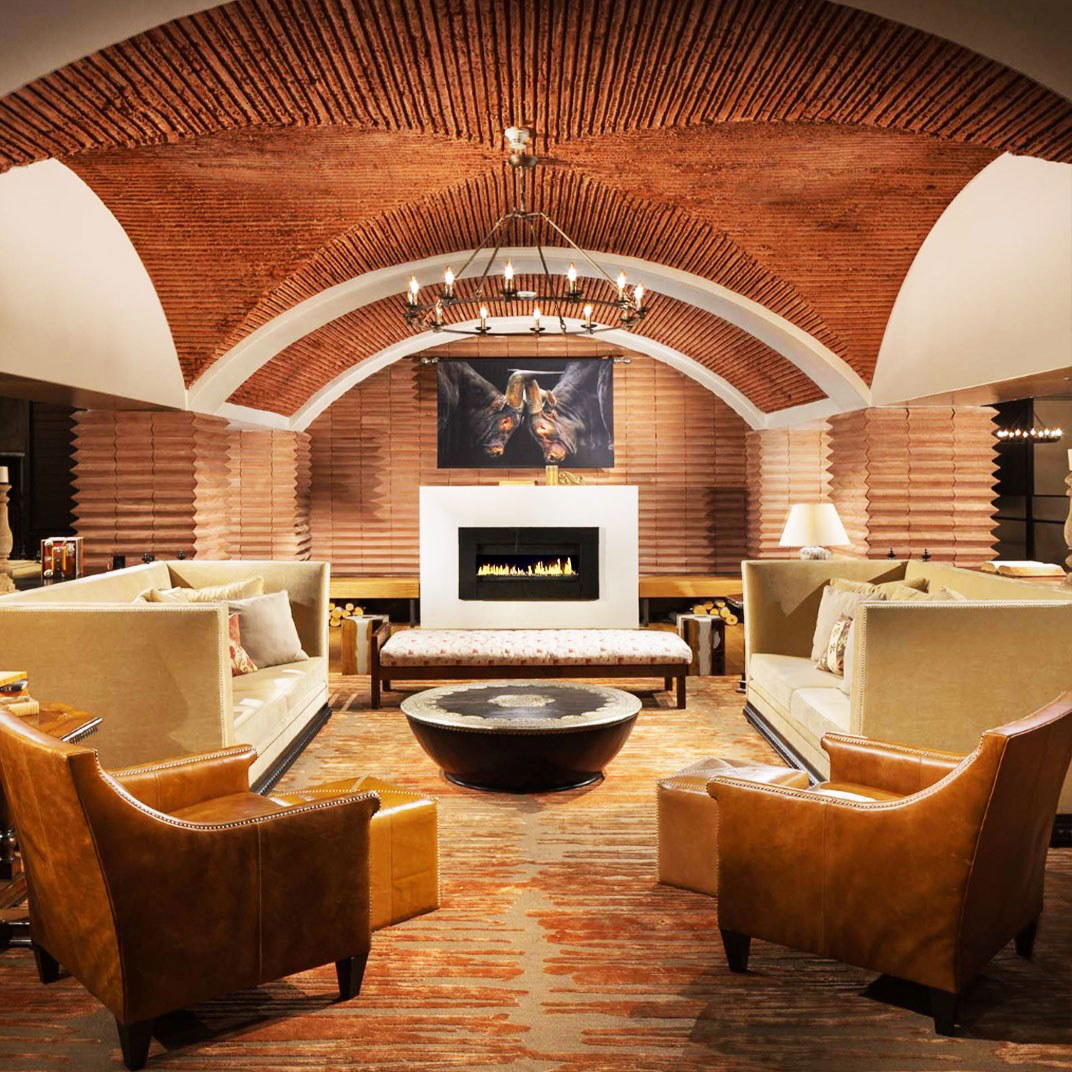
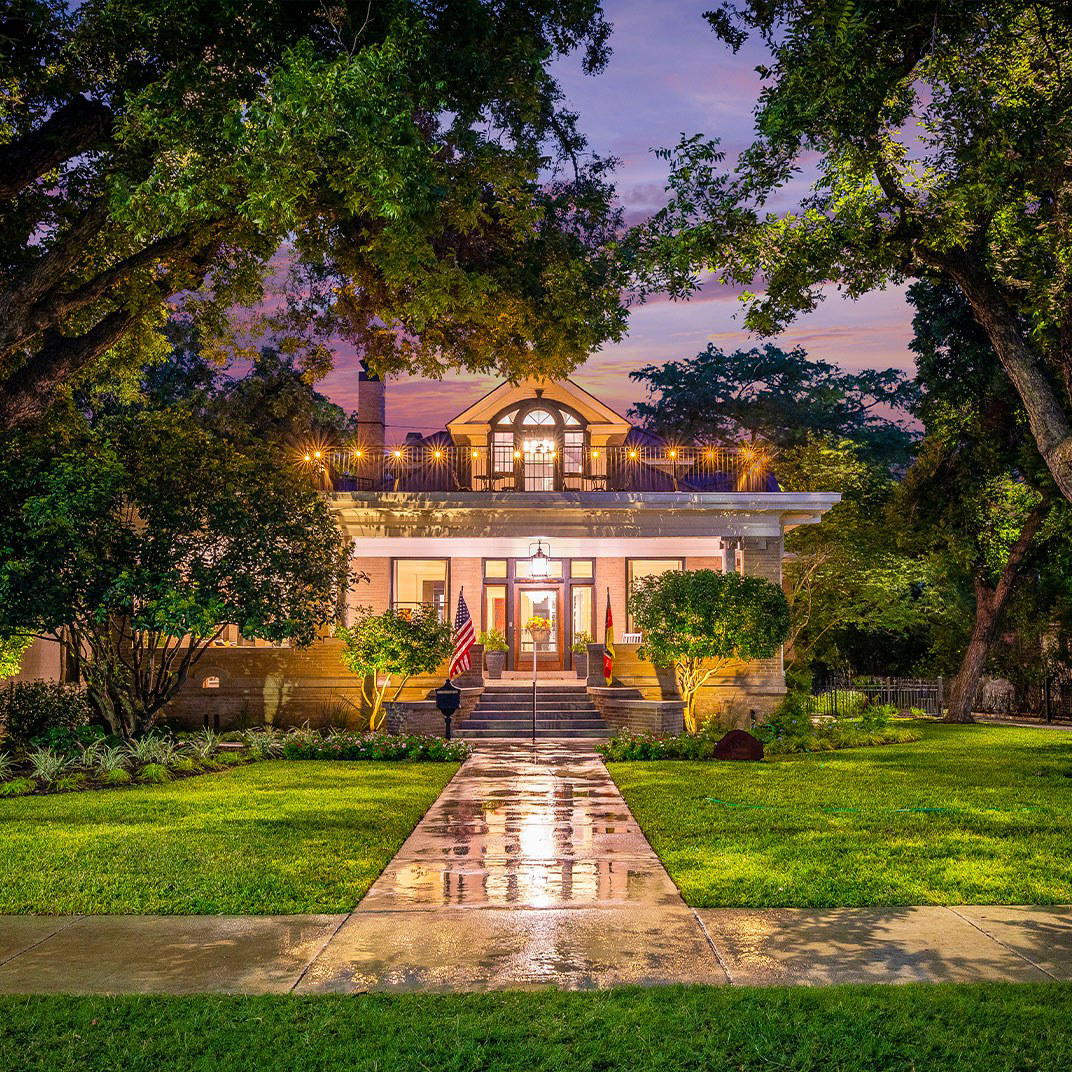
Cool-climate vineyard setting with fresh, bright atmosphere reflecting the Pacific coastal influence on the wines.