Devils River Distillery

Devils River Distillery sits at 401 E Houston Street in the heart of San Antonio, earning a Pearl 2 Star Prestige rating in 2025. The distillery occupies a prominent position in the city's growing craft spirits scene, drawing visitors who want to understand how Texas terroir and tradition translate into the glass. It belongs to a comparable set defined by local character rather than imported formula.
Pearl is the En Primeur Club membership app — saves, bookings, and concierge access live there. Same editors, same standards.
- Address
- 401 E Houston St, San Antonio, TX 78205
- Phone
- +1 833-379-1840
- Website
- devilsriverwhiskey.com
 Saves & bookings on Pearl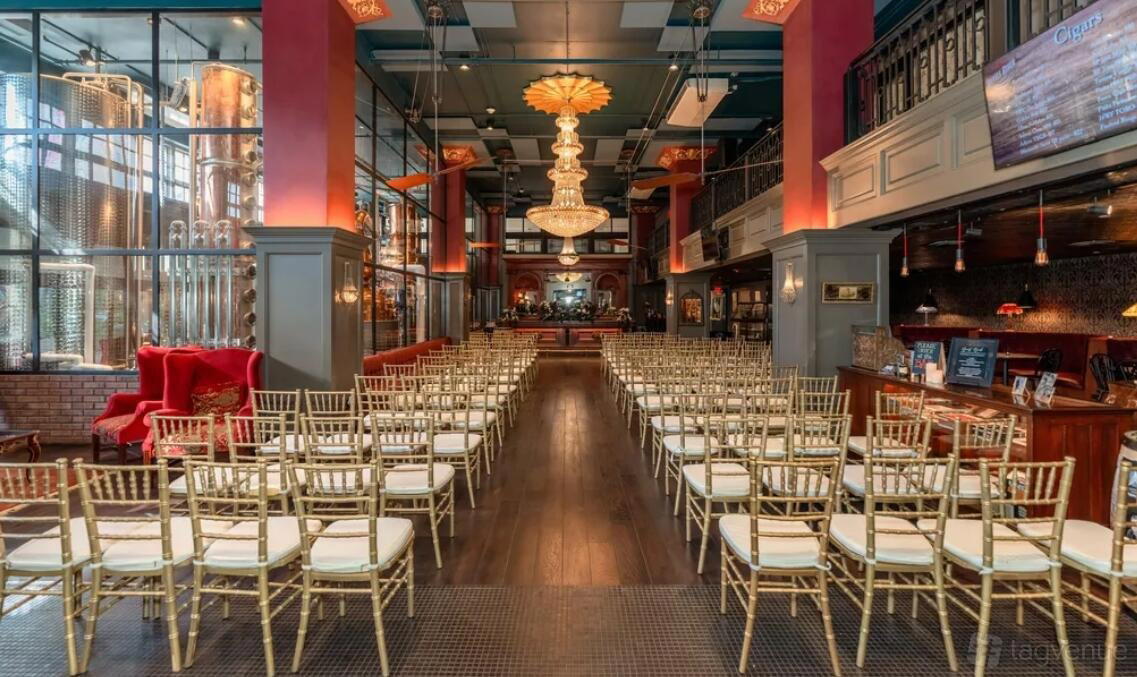
East Houston Street in downtown San Antonio runs through a corridor where the city's ambitions and its history press up against each other. The address at 401 puts Devils River Distillery in walking distance of the River Walk crowds, but the spirit of the place pulls in a different direction, toward the arid limestone country and the cedar-edged river valleys that define the Texas Hill Country to the northwest. That tension between urban address and wild-terrain identity is the organizing principle of craft distilling in this part of Texas, and Devils River works within it deliberately.
Texas Terroir and the Case for Place-Rooted Spirits
The question of terroir in spirits is more contested than in wine, but Texas makes a compelling argument for its relevance. The state's climate, extreme heat, wide diurnal swings in the Hill Country, water drawn from the Edwards Aquifer and fed by rivers like the Devils River itself, accelerates aging in ways that European distilling traditions never anticipated. Whiskeys that might require a decade in a Scottish warehouse can develop comparable complexity in three to five Texas summers. That compression of time into flavor is not a shortcut; it is a distinct regional condition, and distilleries that understand it produce spirits that could not come from anywhere else.
Devils River Distillery takes its name from one of the most remote waterways in Texas, a spring-fed river in Val Verde County whose clarity and mineral character made it a landmark for travelers crossing the Chihuahuan Desert. That geographic reference is not incidental branding. It signals an orientation toward the deeper, drier, more austere part of the state, the terrain beyond the Hill Country, and positions the distillery's output against spirits that aim for approachable sweetness rather than structural character.
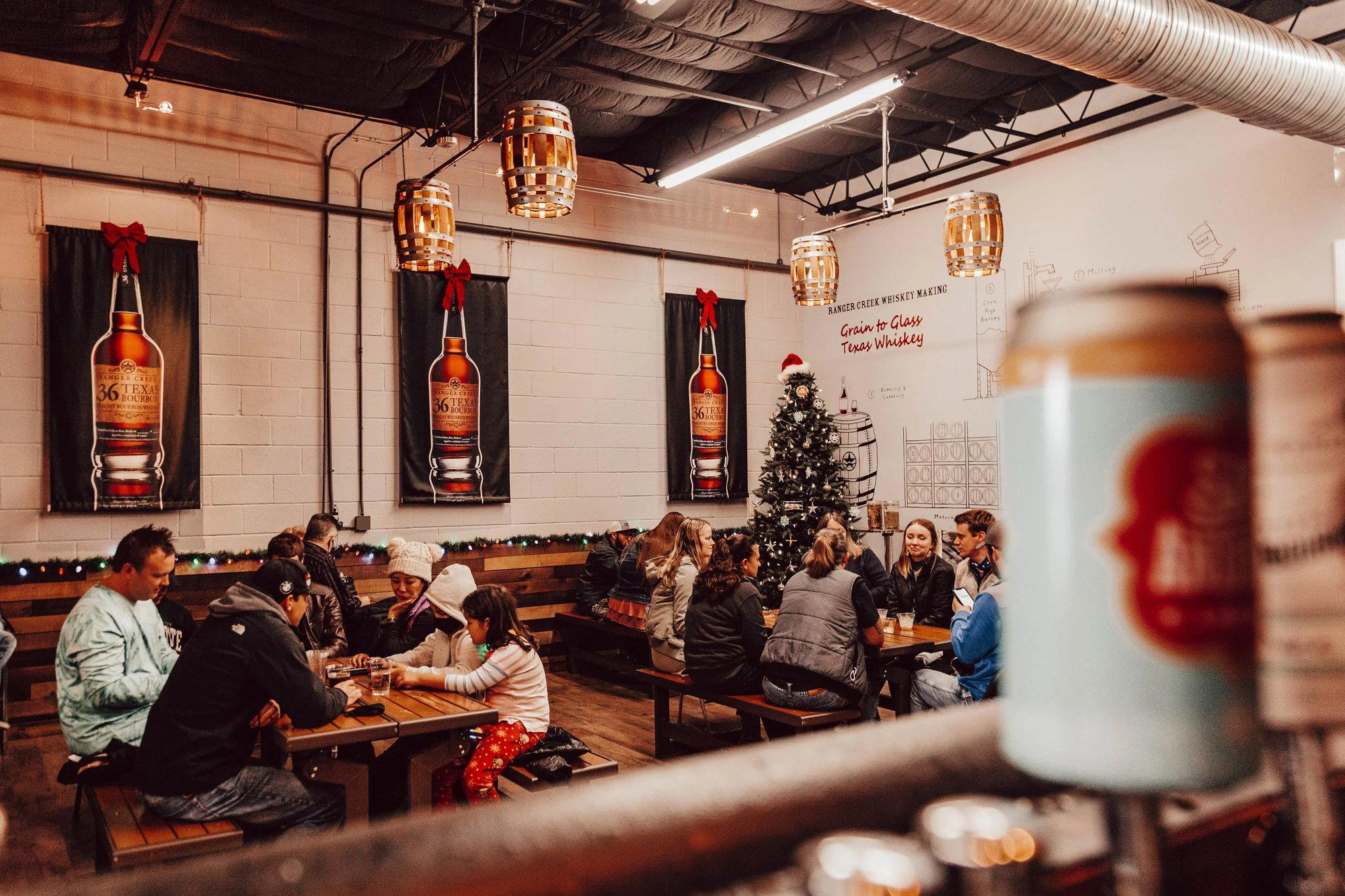
For a comparative sense of how San Antonio's craft producers are approaching regional identity, the work at Ranger Creek Brewing & Distilling offers a useful reference point. Ranger Creek has built its identity around the idea that Texas grain, Texas water, and Texas climate are sufficient to produce whiskey with a defined sense of place. Devils River operates in the same regional conversation, though with a tighter focus on distilled spirits rather than the dual brewing-distilling format.
The San Antonio Craft Spirits Tier
San Antonio's craft spirits scene has developed unevenly, with a handful of producers earning consistent recognition while others have remained closer to novelty operations. The 2025 Pearl 2 Star Prestige award places Devils River Distillery in the former category, the tier where production discipline, consistent quality, and local sourcing credibility have been verified by external assessment rather than self-reported. Pearl Star ratings in Texas function as a regional benchmark, separating producers who have achieved repeatable quality from those still working toward it.
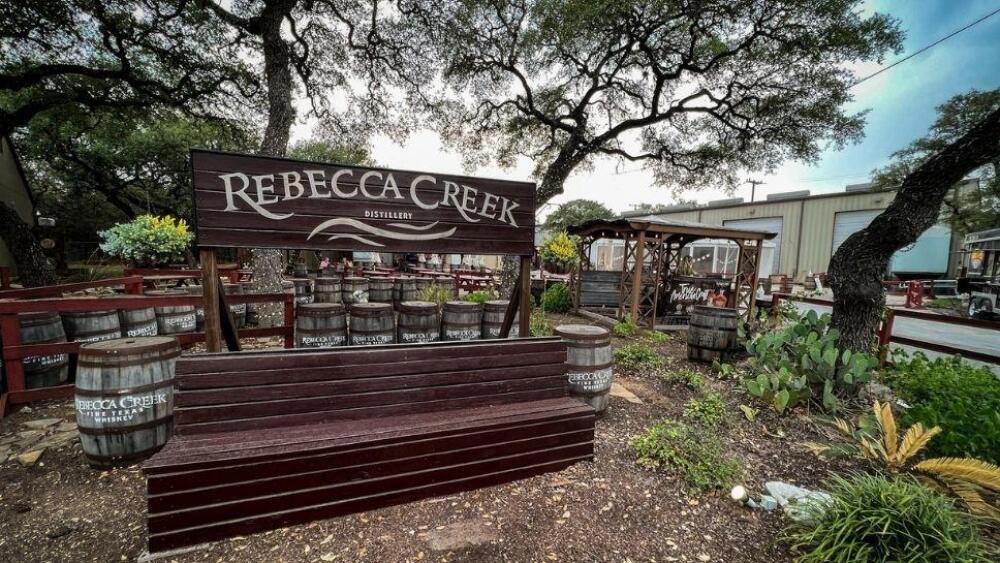
Within the San Antonio comparable set, Maverick Whiskey and Rebecca Creek Distillery represent different approaches to Texas spirits production. Rebecca Creek has built a large-scale operation oriented toward accessible price points and broad distribution; Maverick leans into a craft narrative with smaller-batch positioning. Devils River's Pearl 2 Star recognition in 2025 positions it among producers where quality verification, not just local affection, defines the reputation.
For readers building a comparative understanding of American craft spirits beyond Texas, the distilling traditions at Aberlour in Aberlour provide the Scotch benchmark against which many American whiskey producers implicitly position themselves, while the work at Accendo Cellars in St. Helena and Alpha Omega Winery in Rutherford illustrates how California's premium producers approach provenance-based positioning in a different category entirely.
How Downtown San Antonio Anchors the Visit
The East Houston Street location places Devils River Distillery inside the walkable core of downtown, which matters practically for visitors organizing a broader itinerary. San Antonio's craft drinks scene is not concentrated in one neighborhood the way Austin's East Sixth Street corridor functions; instead, it spreads across downtown, the Pearl District, and the near-north side. The Devils River address sits close enough to the River Walk to capture foot traffic from visitors who arrived with other intentions, but the experience it offers rewards those who came specifically.
The Pearl District, a few minutes north by car or a longer walk, anchors the premium end of San Antonio's food and drink scene and provides useful context for understanding where Devils River sits in the city's hospitality geography. Producers who have earned Pearl Star recognition are, in effect, being assessed against the standards that the Pearl District has helped establish as a local benchmark for quality.
Regional Spirits in a Wine-Dominant Conversation
Much of the critical language around place-based beverage production has been developed in wine contexts, in regions like San Antonio's Chilean namesake valley, where producers including Viña Leyda and Viña Garcés Silva (Amayna) have built reputations around the coastal Pacific influence on their Pinot Noir and Chardonnay. Those wine producers share a name with this Texas city but operate in a completely different tradition of terroir expression, where the conversation about climate, soil, and place-character is decades more developed.
Texas craft distillers are working to build an equivalent vocabulary. The argument goes roughly as follows: the Edwards Plateau limestone filters the water; the semi-arid climate concentrates flavors in grain crops; the heat and humidity swings accelerate interaction between spirit and oak. These are not abstract claims, they are measurable conditions that produce verifiable effects on the finished spirit. The Devils River name gestures toward the most extreme version of that environment: a river so remote and spring-fed that its water quality became a reference point for travelers, and whose surrounding terrain produces some of the most climate-stressed conditions in Texas.
Distilleries in other American regions that have built credibility around place-based production include producers in the Willamette Valley, where Adelsheim Vineyard in Newberg has demonstrated how Oregon's cool-climate conditions can define a distinct regional character in beverage production. The logic, place conditions shape product character, transfers across categories, even if the mechanisms differ between viticulture and distilling.
Planning the Visit
Devils River Distillery sits at 401 E Houston Street, San Antonio, TX 78205, accessible on foot from the River Walk hotel corridor and from the city's downtown parking infrastructure. The 2025 Pearl 2 Star Prestige recognition makes this a reference stop for anyone building a serious itinerary around Texas craft spirits. The downtown location means it pairs naturally with other East Houston Street and River Walk stops, and readers building a fuller spirits itinerary across San Antonio should cross-reference the work at Ranger Creek Brewing & Distilling and Maverick Whiskey to understand how the city's producers have positioned themselves differently within the same regional conversation.
For readers with a broader interest in American wine and spirits production beyond Texas, the comparative context at Adelaida Vineyards in Paso Robles, Alban Vineyards in Arroyo Grande, Alexander Valley Vineyards in Geyserville, Andrew Murray Vineyards in Los Olivos, and Achaia Clauss in Patras illustrates how producers across different climates and traditions approach the challenge of making place legible in the glass, the same challenge Devils River Distillery has worked through in its own corner of Texas.
A Quick Peer Check
Comparable venues nearby, for context on price, style, and recognition.
| Venue | Cuisine | Price | Notes |
|---|---|---|---|
| Devils River DistilleryThis venue — the venue you are viewing | Texas | $$ | |
| Viña Leyda | Pinot Noir, Sauvignon Blanc | $$ | San Antonio |
| Maverick Whiskey | Winery | $$$ | Downtown |
| Rebecca Creek Distillery | Texas | $$ | Bulverde Road area |
| Viña Garcés Silva (Amayna) | Winery | , | San Antonio |
| Ranger Creek Brewing & Distilling | Texas | $$ | .remote area |
Continue exploring
More in San Antonio
Wineries in San Antonio
Browse all →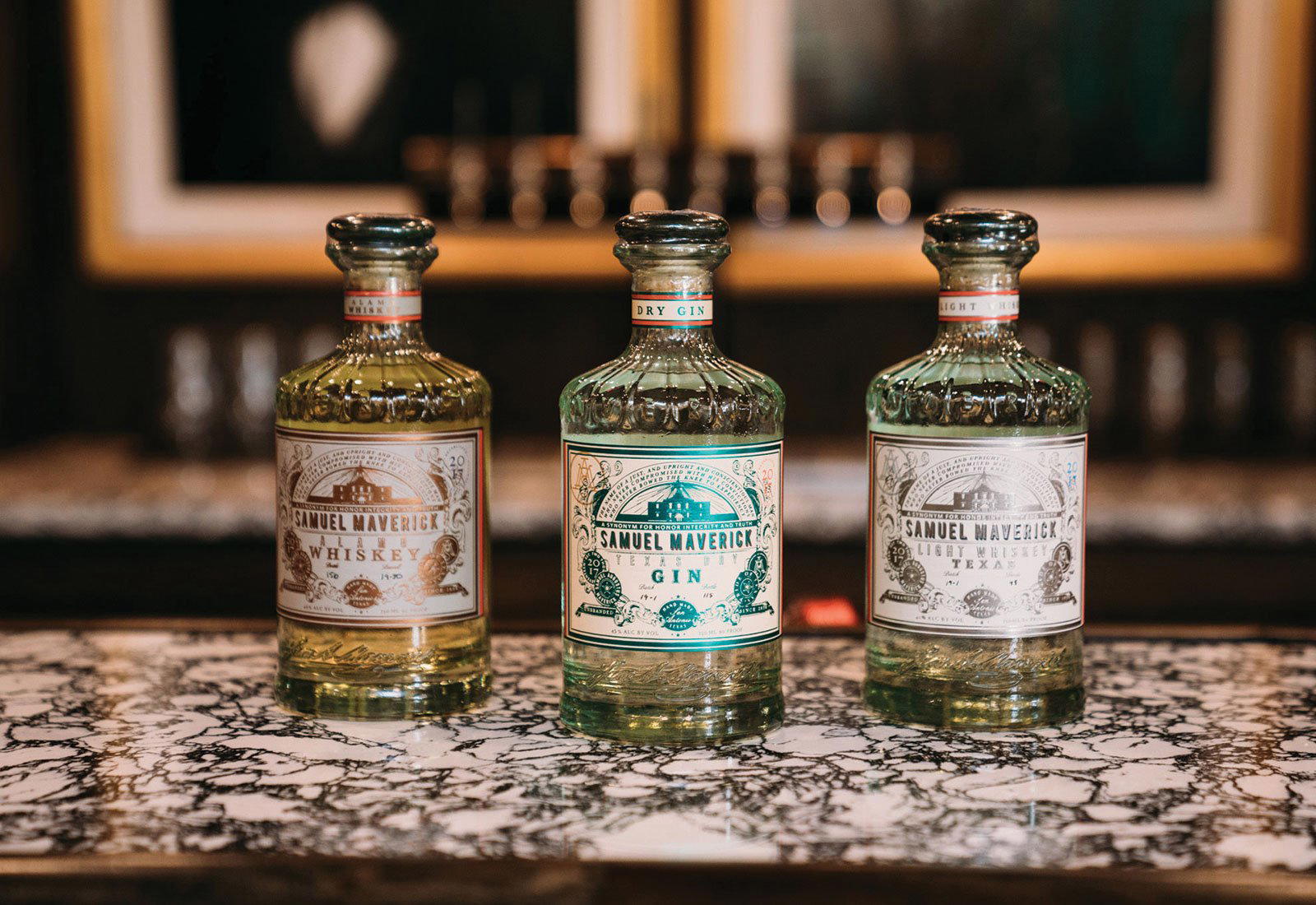
Bars in San Antonio
Browse all →
Restaurants in San Antonio
Browse all →



At a Glance
- Industrial
- Elegant
- Intimate
- Lively
- Group Outing
- Celebration
- Private Tasting
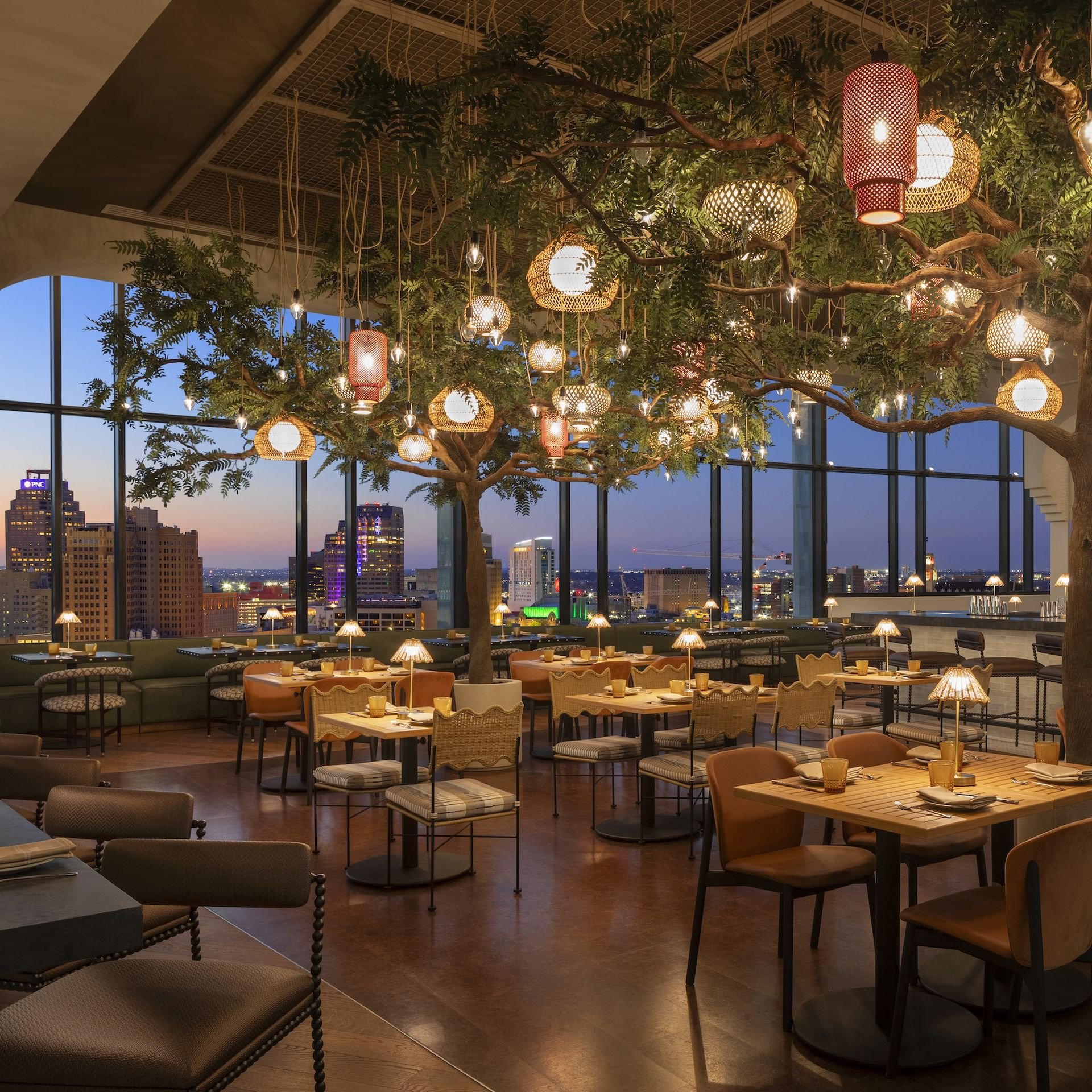
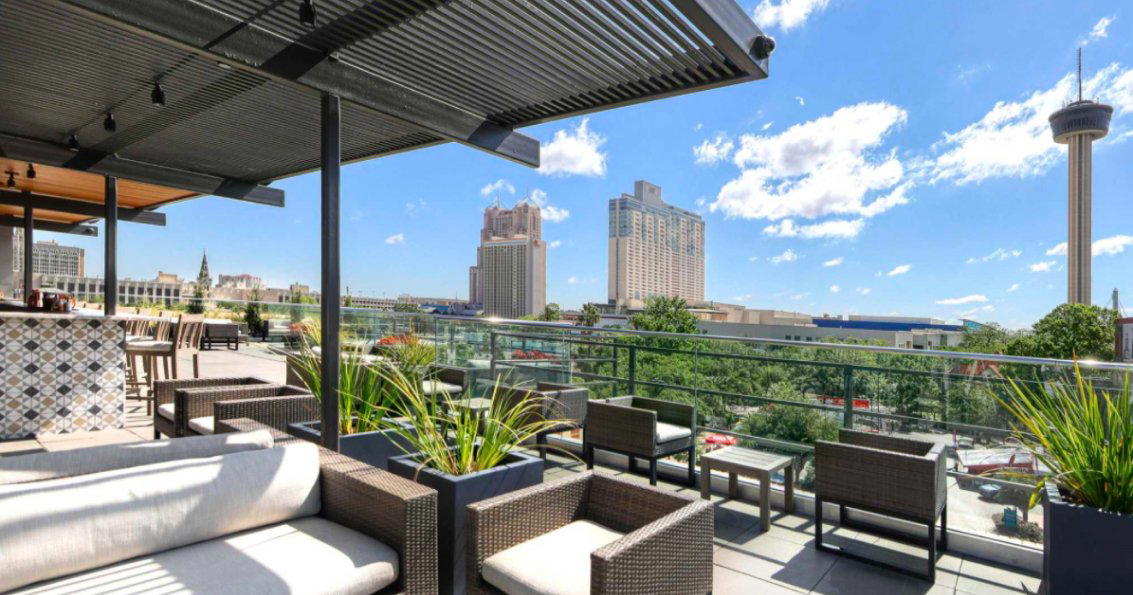
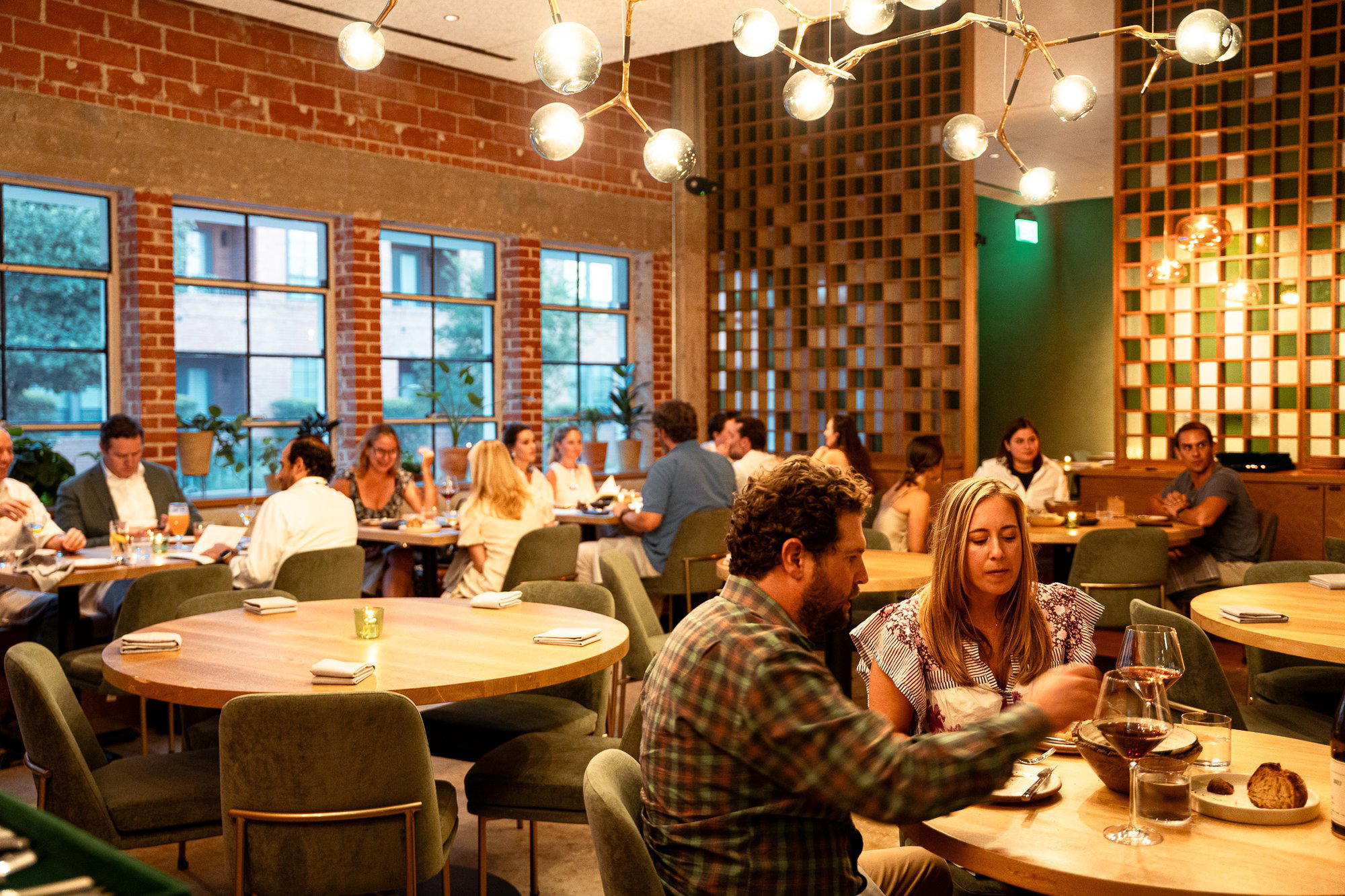
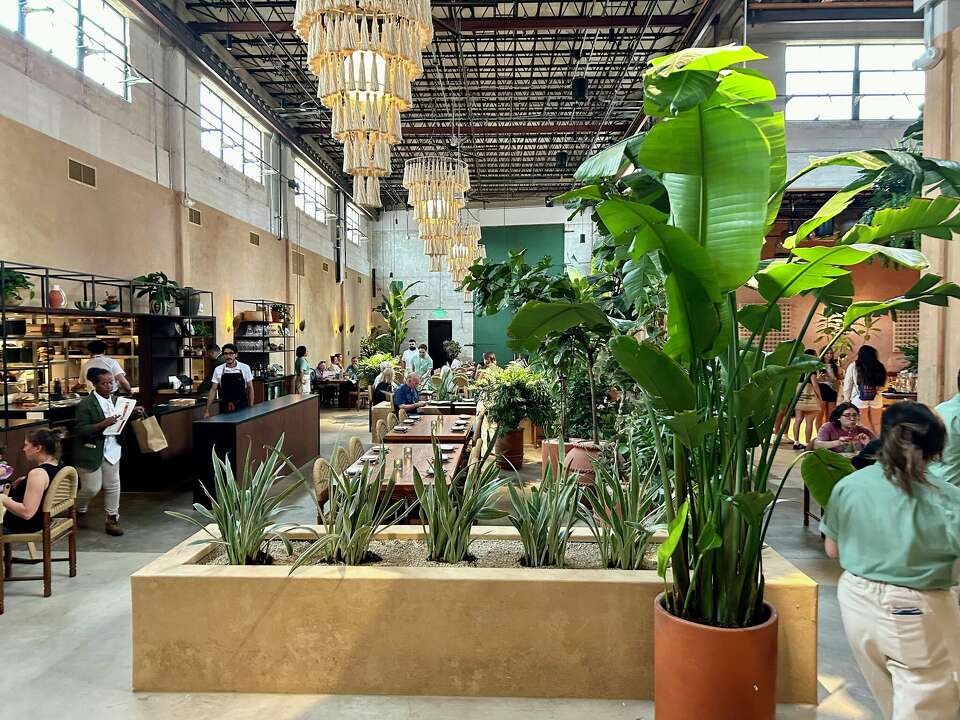
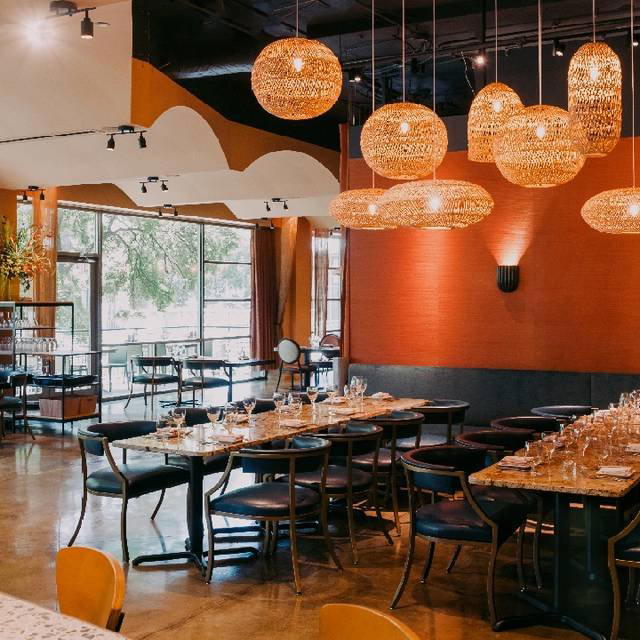
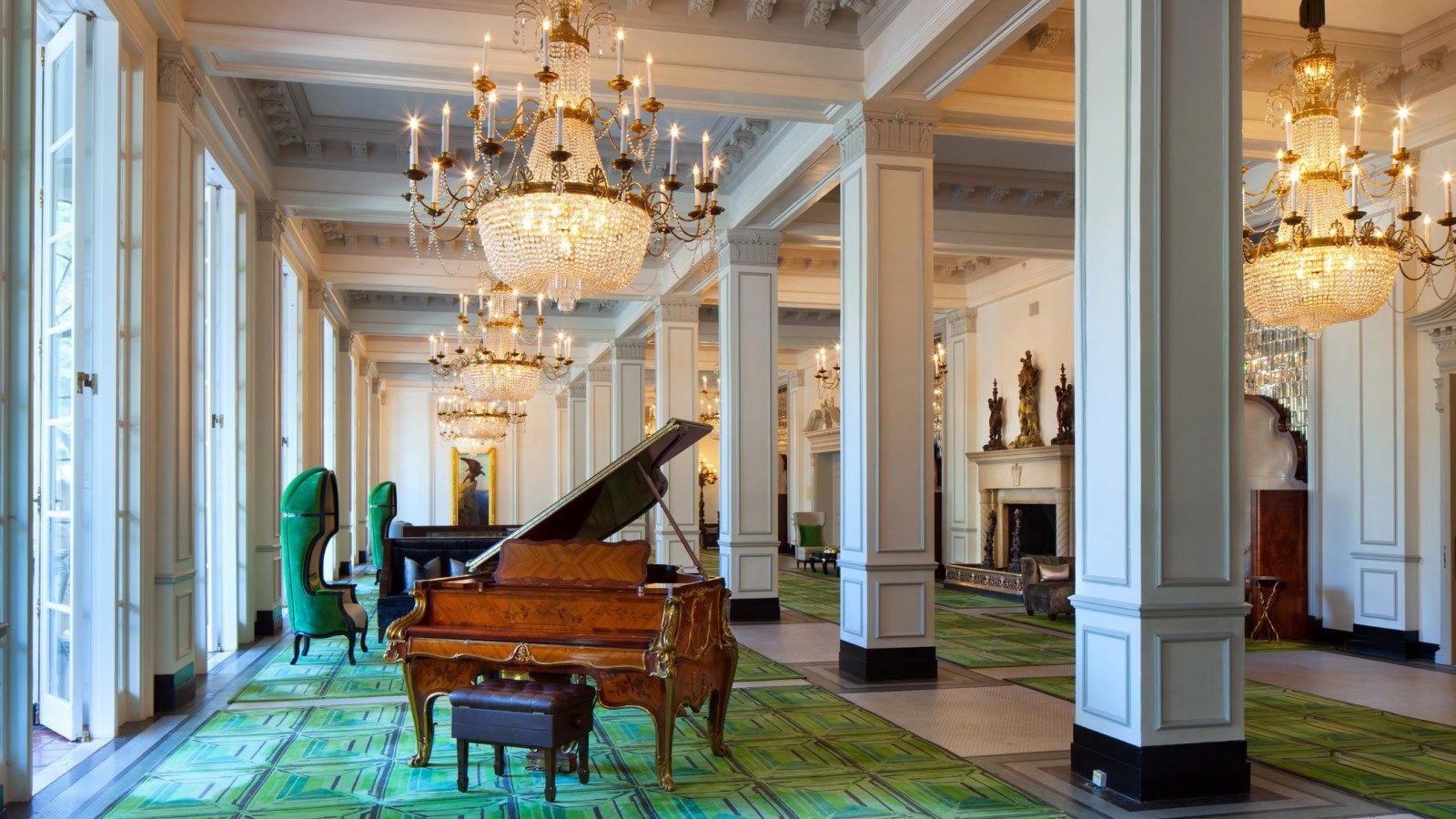
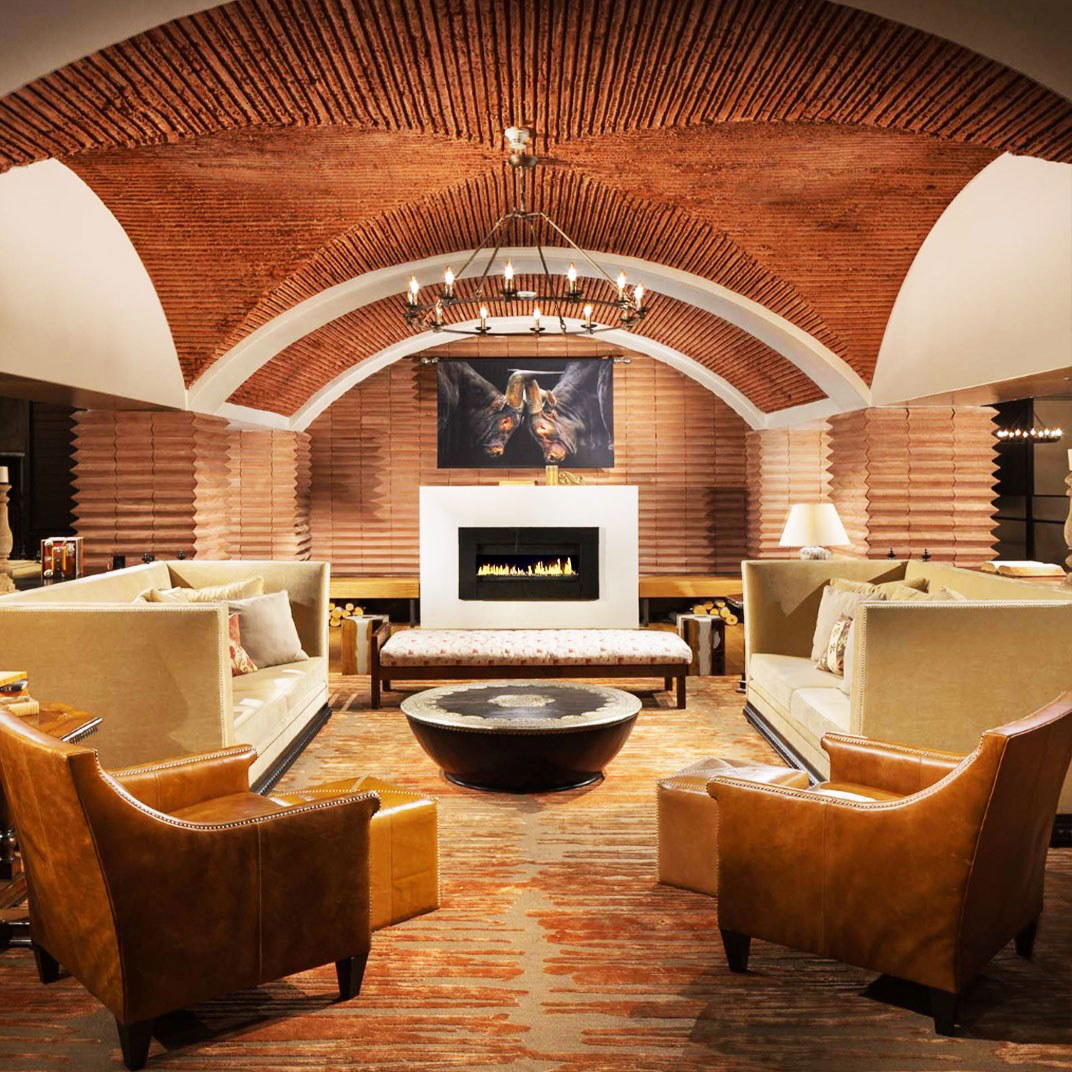
Dark, moody speakeasy atmosphere with elegant chandeliers, industrial elegance, and vibrant energy from live music on the outdoor patio.