Omni La Mansión del Rio
Occupying a converted 1852 Spanish Colonial building on the San Antonio River Walk, Omni La Mansión del Rio anchors the upper tier of downtown hotel options with architecture that few Riverwalk properties can match. The arched loggias, open-air courtyards, and terracotta details place it firmly in the tradition of Texan-Spanish mission design. For visitors whose stay is shaped by sense of place rather than amenity checklists, this is a serious candidate.

Pearl is the En Primeur Club membership app, where members save venues, book tables and use the concierge.
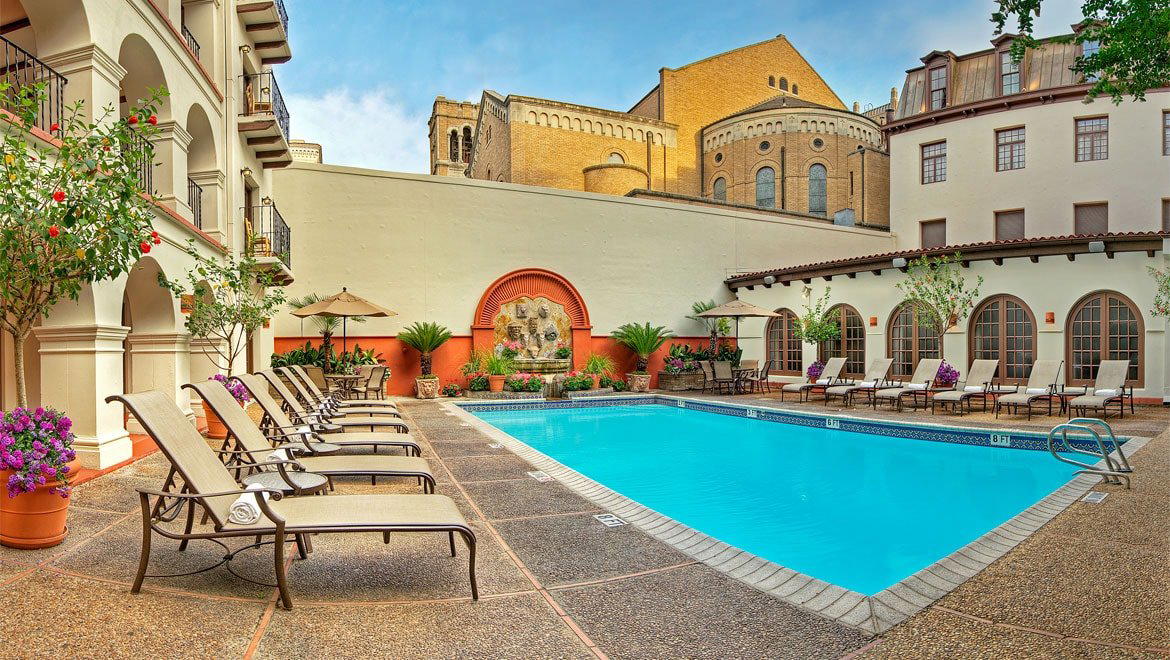
A Building That Predates the Hotel
Most hotels on the San Antonio River Walk were built to face it. Omni La Mansión del Rio at 112 College Street was not. The structure that houses it dates to 1852, originally constructed as the San Antonio Academy, and later serving as a law school before conversion to hotel use. That sequence matters architecturally: the building's proportions, its interior courtyards, and its thick masonry walls follow the logic of institutional Spanish Colonial design rather than the hospitality formats that came later. The result is a hotel that reads differently at street level from nearly every other property on this stretch of the river, including comparably positioned options like Thompson San Antonio - Riverwalk and Mokara Hotel & Spa.
The approach from College Street gives you the facade first: pale stone, arched entryways, and ironwork details that echo the mission architecture San Antonio is known for at a civic scale. Walking through into the interior courtyard shifts the register entirely. The open-air layout, with its tile work and planted surrounds, operates closer to a Mexican hacienda than a Texas hotel lobby, and that distinction is not decorative. It reflects a genuine building type, adapted over its 170-plus years of use rather than constructed as themed atmosphere.
Where This Sits in San Antonio's Accommodation Tier
San Antonio's River Walk hotel market spans an unusually wide range, from budget chains occupying modern towers to design-led independents that have reshaped what luxury means in this city. Hotel Emma at the Pearl redefined the city's upper bracket with its adaptive reuse of a 19th-century brewhouse, and Hotel Havana operates at the intimate boutique end with 27 rooms in a 1914 building. La Mansión occupies a different position: larger than the boutique tier, grounded in historical architecture, and carrying the Omni flag, which brings with it a set of operational standards and loyalty infrastructure that independent properties cannot offer.
That positioning has specific implications for the traveler. If your priority is maximum architectural integrity in a small property, Hotel Havana or Hotel Emma will edge ahead. If you want River Walk access, historical building fabric, and the reliability of a major hotel group managing the experience, La Mansión is the clearer choice. The Monarch San Antonio and Signia by Hilton La Cantera Resort & Spa occupy parallel tiers in different parts of the city, the latter trading River Walk centrality for resort-scale amenities outside the urban core.
The Architectural Logic of the Interiors
Spanish Colonial Revival, as a formal architectural movement, reached its American peak between roughly 1890 and 1940, producing buildings across Texas, California, and Florida that borrowed from the mission and hacienda traditions of the Spanish colonial period. La Mansión's 1852 original structure predates that revival, which gives it a different quality: the building is not referencing the tradition, it is of the tradition, at least in its bones. Later renovations have layered hospitality function over that original fabric, and some rooms carry the patina of a building that has been adapted repeatedly, which is either a flaw or a feature depending on your relationship to historical hotel properties.
River-facing rooms present the clearest argument for the property. The San Antonio River at this point is not wide, but its limestone banks, cypress trees, and pedestrian paths create a contained urban landscape that differs considerably from what you see through the window at newer towers on the same stretch. The view from an upper-floor room looking south along the river toward the bend captures why the River Walk's scale, measured in feet rather than boulevards, produces an intimacy that larger waterfront destinations cannot replicate. Properties like Hotel Bel-Air in Los Angeles or Amangiri in Canyon Point command attention through landscape drama; La Mansión's version is quieter and more textural.
Planning Your Stay: Practical Detail
The hotel sits at 112 College Street in downtown San Antonio, a short walk from the Alamo and within easy reach of the city's primary cultural institutions. The River Walk is directly accessible from the property, placing the hotel at the convergence of San Antonio's two main pedestrian circuits. For those comparing urban-anchor options nationally, the dynamic is not unlike what Raffles Boston offers in Back Bay or what The St. Anthony, a Luxury Collection Hotel, San Antonio provides a few blocks north on Travis Street: a historically grounded address that functions as a base for the walkable city rather than a destination that pulls you away from it.
Booking should be done directly through the Omni channel to access the loyalty program benefits that make the group's pricing structure most transparent. San Antonio's peak season runs from March through early June, when the city's festival calendar and spring weather combine to push River Walk occupancy significantly. December is a second spike, with the River Walk's holiday light installation drawing visitors specifically for that event. Shoulder season in January and February offers the most predictable availability and rates without meaningful sacrifices in weather or access. For guests considering San Antonio alongside other Texas markets or comparing to resort formats like Canyon Ranch Tucson or Four Seasons at The Surf Club in Surfside, the La Mansión stay is decisively urban in character, with all the trade-offs that implies.
For dining context beyond the hotel, our full San Antonio restaurants guide covers the city's broader food scene, which has expanded considerably in the Pearl district and southside neighborhoods over the past decade.
The Wider Field: Historical Hotel Architecture in the US
La Mansión belongs to a category of American hotels where the building's biography is inseparable from the guest experience. Troutbeck in Amenia operates on a similar premise in the Hudson Valley, as does SingleThread Farm Inn in Healdsburg in the wine country context. What distinguishes La Mansión within that category is the specific weight of San Antonio's Spanish colonial history and the building's direct participation in it. This is not a 19th-century farmhouse adapted for weekend retreats; it is an 1852 institutional building in the center of one of North America's oldest continuously occupied cities, now serving as a hotel with River Walk access that most guests use daily. That combination of age, location, and continued urban centrality gives the property a context that newer Riverwalk construction cannot manufacture, regardless of budget. Comparable internationally, the principle echoes properties like Aman Venice, where the palazzo's pre-hospitality biography is what justifies the address. In the American Southwest specifically, Post Ranch Inn in Big Sur and Auberge du Soleil in Napa operate with different historical registers, but share the principle that the physical setting cannot be separated from the accommodation argument. At La Mansión, the setting is a 170-year-old building in the heart of a city whose architectural identity is still shaped by the same colonial tradition that produced it.
At-a-Glance Comparison
| Venue | Cuisine | Price | Awards |
|---|---|---|---|
| Omni La Mansión del RioThis venue (the venue you are viewing) | This venue | Not listed | Not listed |
| Hotel Emma | Michelin 2 Key | $300–500 | 2 Michelin Keys · La Liste Top Hotels |
| Mokara Hotel & Spa | Not listed | Not listed | Michelin Selected · Forbes 4-Star |
| The Monarch San Antonio | Not listed | $300–500 | Not listed |
| Thompson San Antonio - Riverwalk | Not listed | Not listed | Michelin Selected · Virtuoso Luxury Hotel Partner |
| Hotel Havana | Not listed | $100–200 | Michelin Selected |
Continue exploring
More in San Antonio
Hotels in San Antonio
All hotels in San Antonio →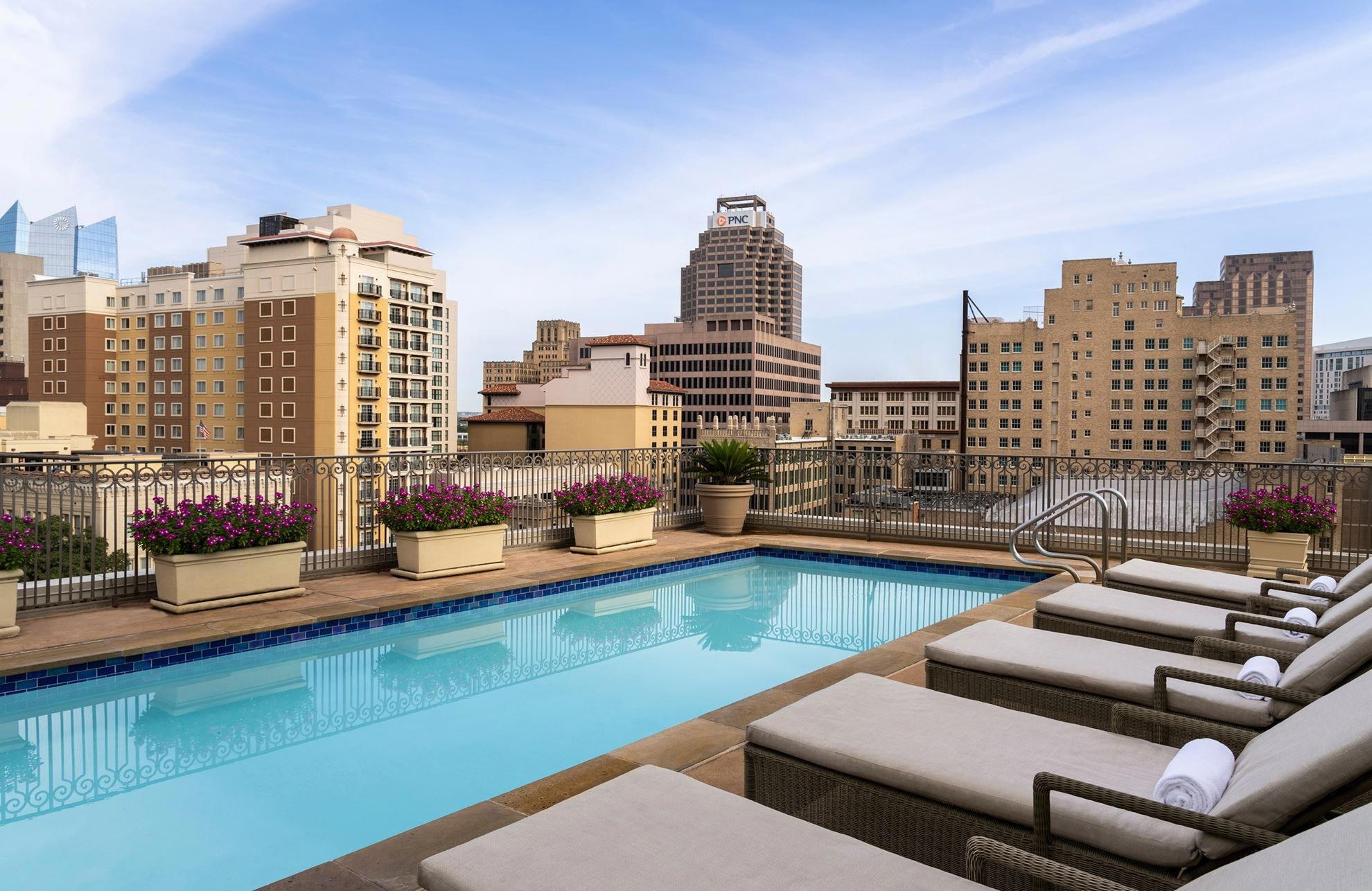

Bars in San Antonio
All bars in San Antonio →

Restaurants in San Antonio
All restaurants in San Antonio →
Wineries in San Antonio
All wineries in San Antonio →
Details
- Romantic
- Elegant
- Classic
- Sophisticated
- Scenic
- Romantic Getaway
- Family Vacation
- Business Trip
- Anniversary
- Weekend Escape
- Historic Building
- Rooftop Pool
- Waterfront
- Pool
- Spa
- Wi Fi
- Room Service
- Concierge
- Valet Parking
- Business Center
- Waterfront
- Wheelchair Accessible
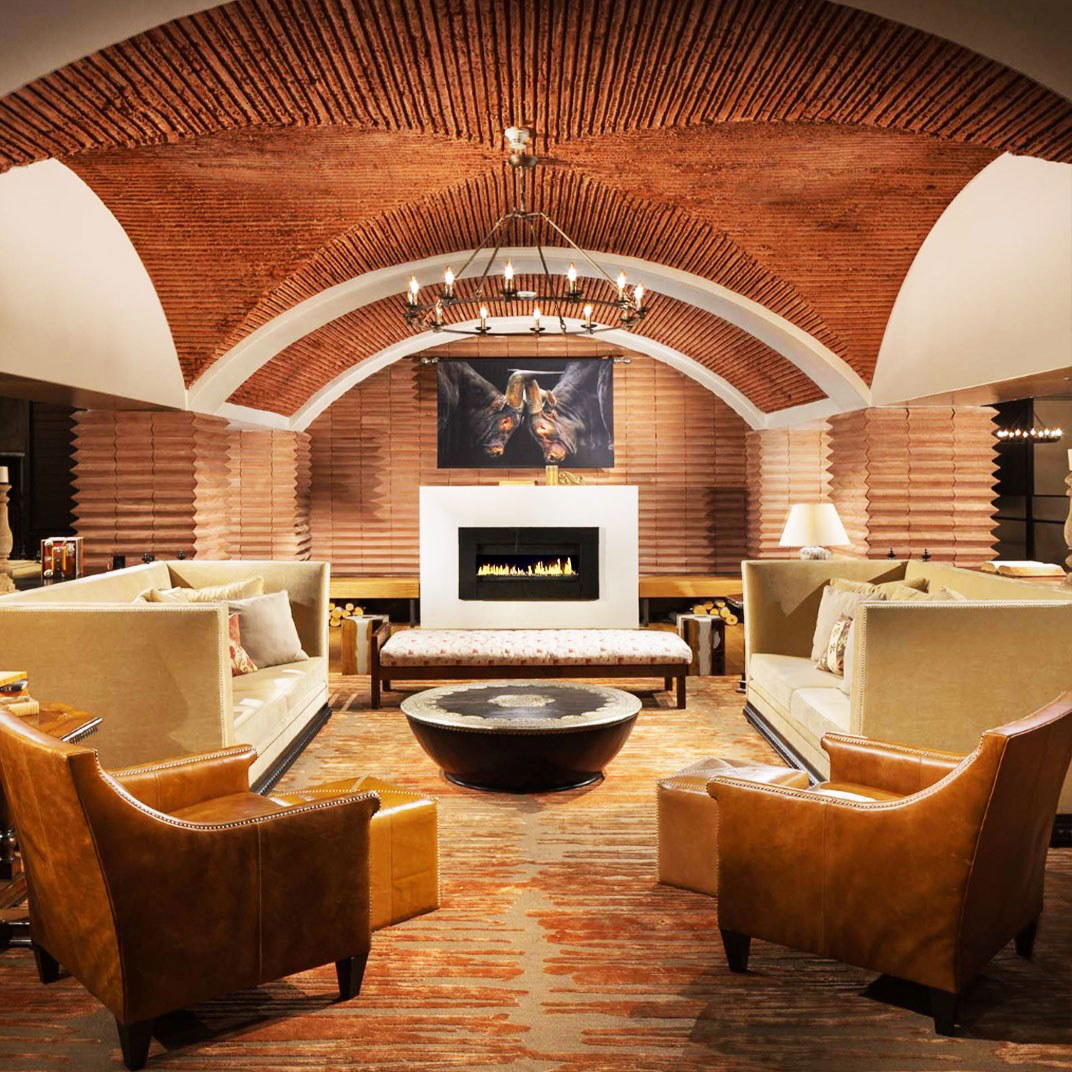
Warm earth tones, soft lighting, beamed ceilings, exposed brick walls, and marble bathrooms create a tranquil, romantic hacienda atmosphere.