Kongsgaard

Falstaff Winery - Listed
Operating from Atlas Peak Road since its first vintage in 1996, Kongsgaard is one of Napa's most allocation-driven producers. Winemaker John Kongsgaard has built a following around Chardonnay and Syrah that sits well outside the valley's Cabernet mainstream, with wines that reward patience and cellar time over immediate approachability.

Pearl is the En Primeur Club membership app — saves, bookings, and concierge access live there. Same editors, same standards.
- Address
- 4375 Atlas Peak Rd, Napa, CA 94558
- Phone
- (707) 226-2190
- Website
- kongsgaardwine.com
- Directions
- Get directions
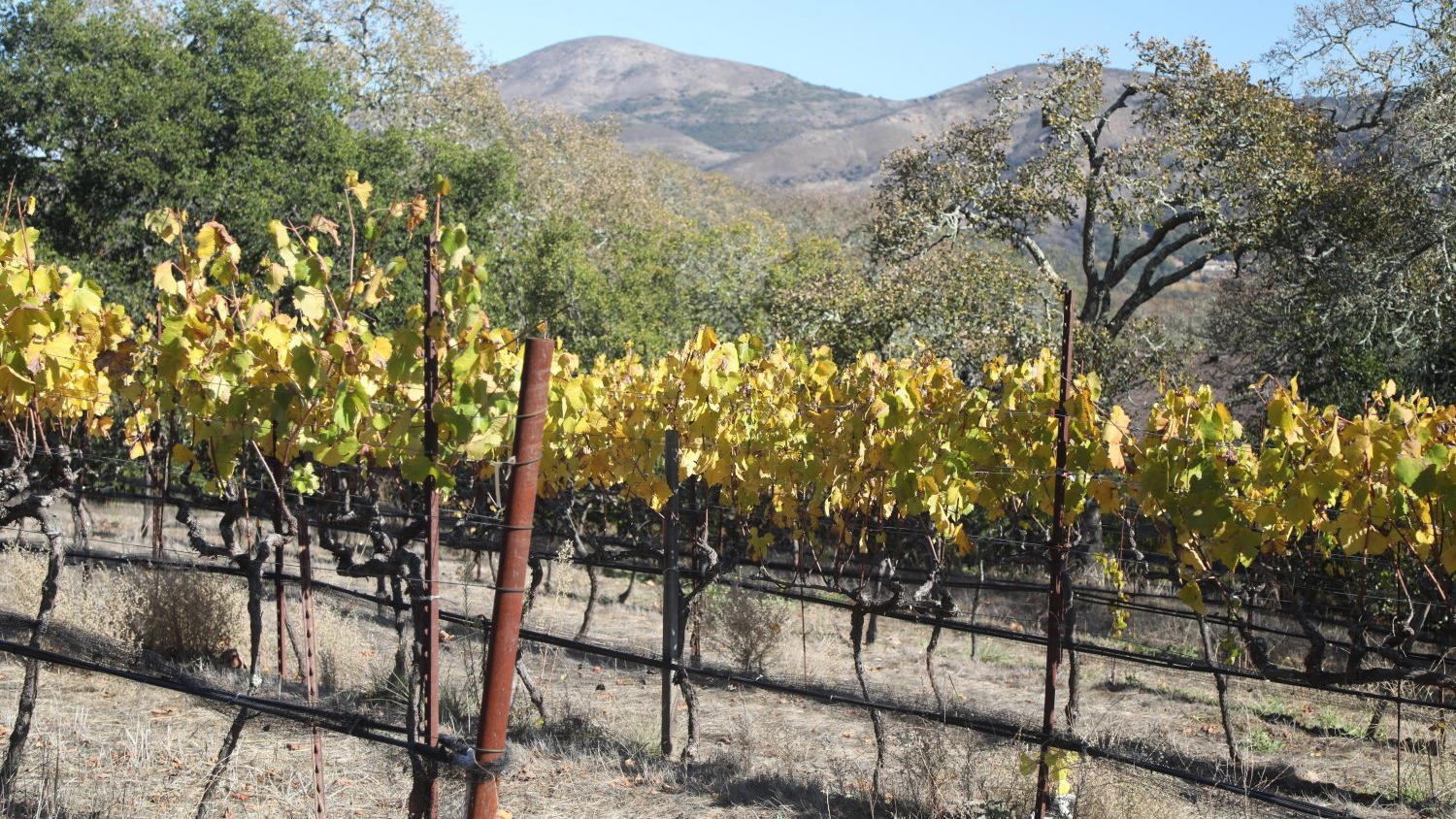
What Happens After Harvest: The Kongsgaard Approach to Time
Napa's dominant commercial identity is built on Cabernet Sauvignon, large allocated releases, and a hospitality infrastructure designed to move bottles quickly. Kongsgaard, operating from Atlas Peak Road since its first vintage in 1996, represents a deliberate counterpoint to that model. The winery's reputation rests not on scale or spectacle but on what occurs in the cellar after the fruit is picked: barrel selection, extended aging, and a refusal to force wines into market windows that suit distribution calendars rather than the wine itself.
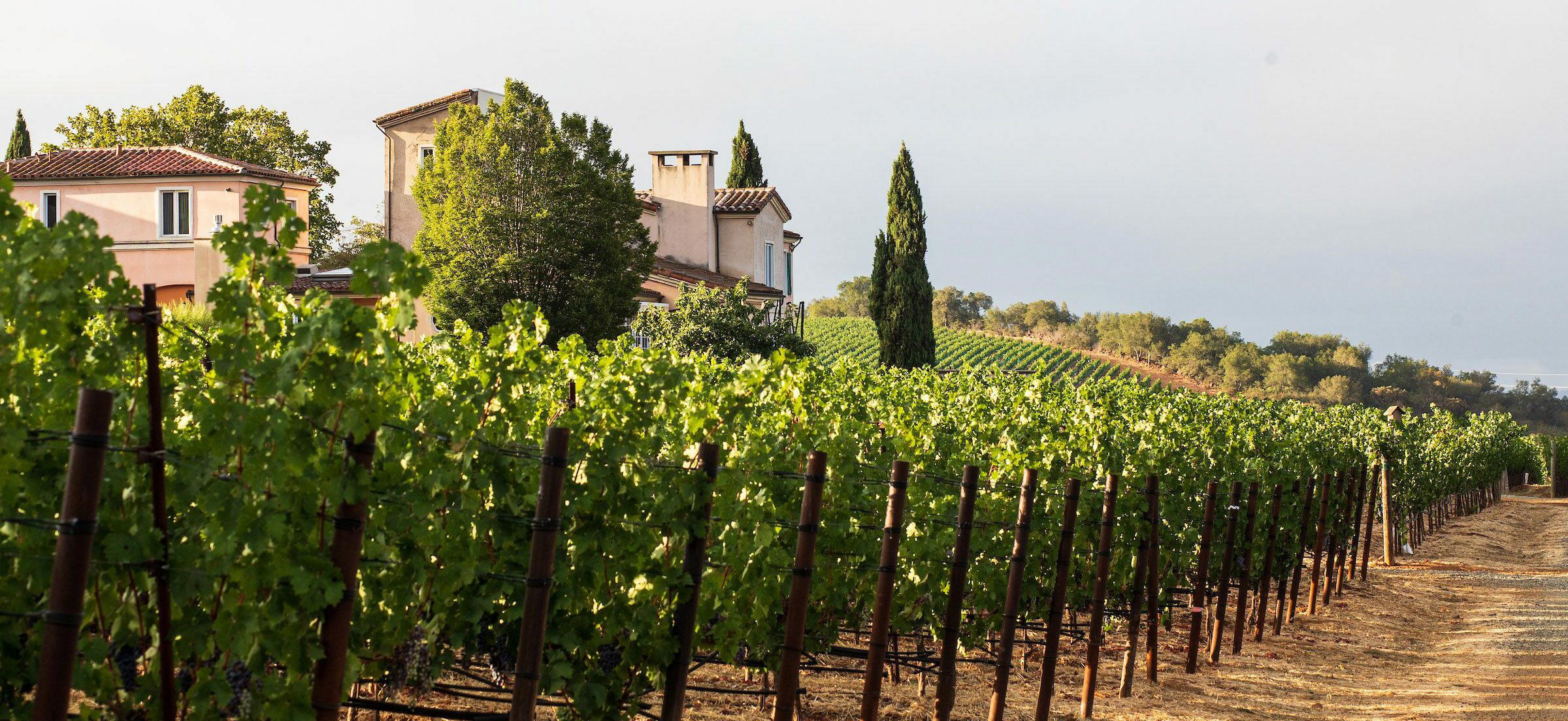
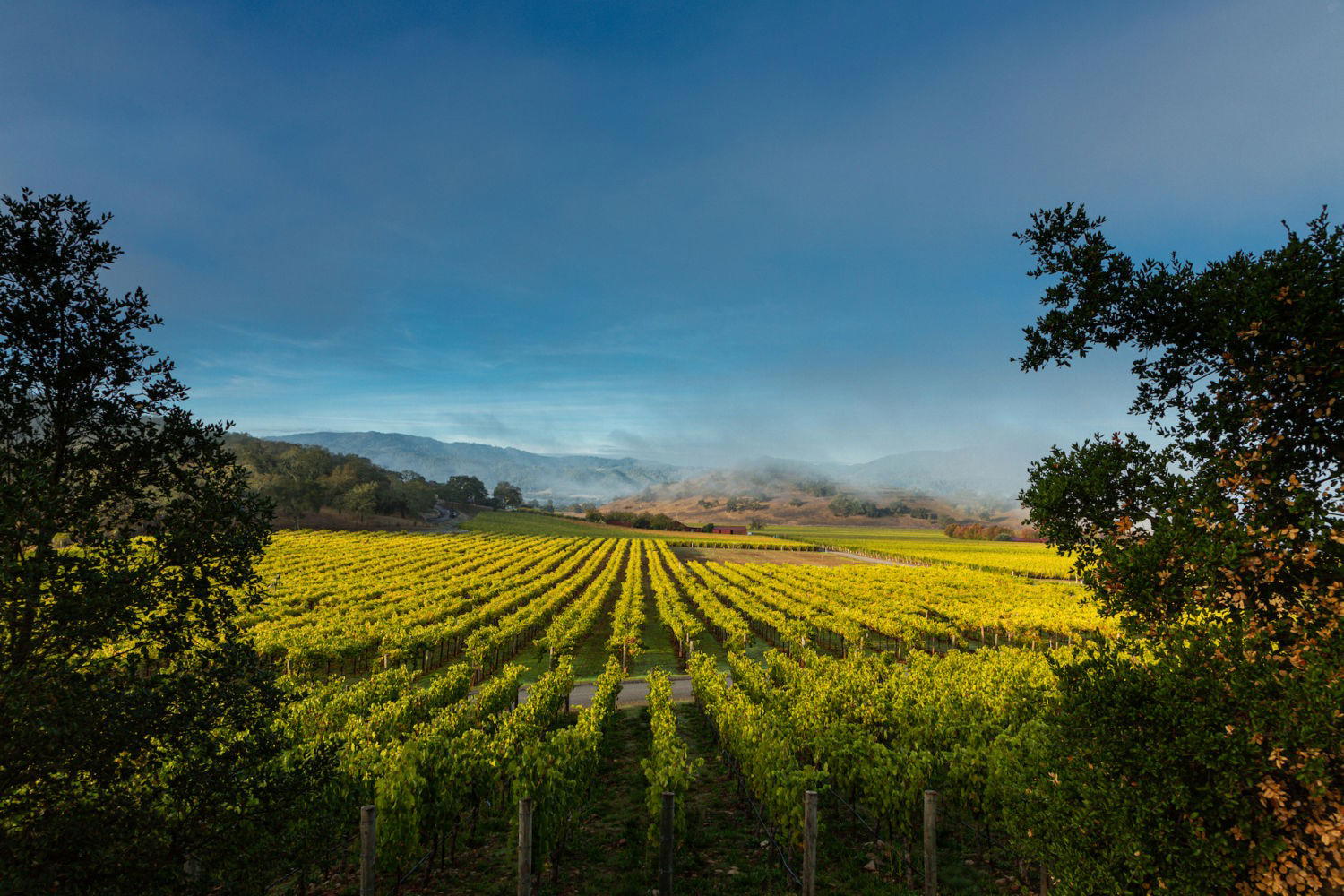
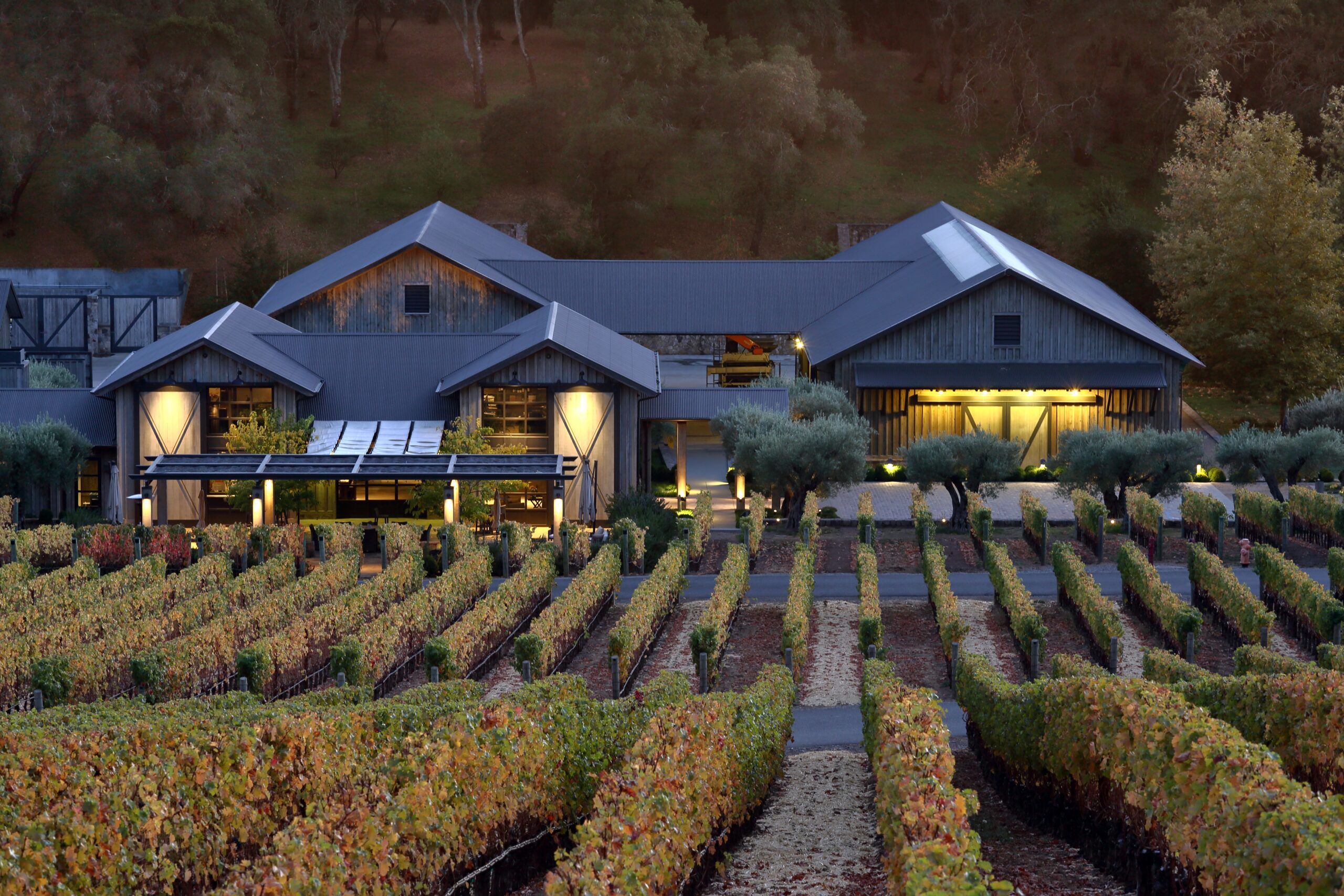
Atlas Peak, where Kongsgaard sources and works, sits at higher elevation than the valley floor appellations that dominate Napa's commercial story. The altitude shapes ripening timelines and acidic structure in ways that differ materially from benchland or alluvial sites. For a producer focused on cellar aging and long development arcs, that structural foundation matters: wines built on higher-acid, cooler-grown fruit hold longer and evolve more interestingly than those engineered for early accessibility. The address at 4375 Atlas Peak Rd is not incidental to the wine program; it is part of the logic.
Barrel Decisions and the Logic of Extended Time
What distinguishes the Kongsgaard program at a technical level is the commitment to extended barrel aging and minimal intervention during that period. Across California's premium tier, two broad schools operate: one uses new French oak aggressively to build structure and add aromatic complexity quickly; the other treats oak as a container for slow oxidative development, selecting barrels for their neutrality as much as their contribution. Kongsgaard sits firmly in the second school. The extended time in barrel allows wines to integrate without cosmetic assistance, which means they arrive at release in a different state than most California whites or reds of comparable provenance.
The Chardonnay program, which winemaker John Kongsgaard has developed since the winery's first vintage in 1996, is the most discussed element of the portfolio. California Chardonnay has spent two decades oscillating between heavily-oaked, low-acid commercial styles and the lean, reductive natural-wine adjacent end of the spectrum. Kongsgaard's version has remained outside both poles: full-bodied and textured by extended lees contact and barrel time, but structured enough to develop for a decade or more in bottle. That consistency over nearly thirty years of production is the most credible signal of a coherent program.
Kongsgaard in the Context of California's Alternative Premium Tier
California's wine geography is often discussed in terms of Napa versus Sonoma, Cabernet versus Pinot, international versus domestic ownership. The more instructive division for understanding Kongsgaard is between producers oriented toward the national three-tier distribution system and those who operate primarily through direct allocation lists. The latter group, which includes Kongsgaard, functions differently in almost every operational dimension: production volumes are smaller, release timing is less predictable, and the relationship between winery and buyer is built over years rather than transactions.
Within Napa specifically, that allocation-first model is practiced by a range of producers at different price and prestige points. Some, like Ashes and Diamonds Winery, have built their identity around mid-century California aesthetics and approachable structure. Others, like Blackbird Vineyards, focus on Bordeaux-style blends with significant aging ambition. Kongsgaard's position in that field is defined by its white wine credibility and by a Syrah program that places it in a cross-regional conversation with producers like Alban Vineyards in Arroyo Grande, where Rhone varieties have been the primary focus for decades.
For visitors arriving via our full Napa guide, the winery is leading understood as a destination for buyers with cellar capacity and patience rather than those seeking immediate gratification. Wines released by Kongsgaard typically need additional time in bottle to show the development their barrel aging has set in motion. That is not a caveat; it is the point of the program.
Placing Kongsgaard Against Napa's Broader Field
The valley floor producers, from Darioush Winery to Alpha Omega Winery in Rutherford, tend to build hospitality-forward tasting experiences that function as retail environments as much as educational ones. Kongsgaard does not operate in that mode. Visits, if available at all, are by appointment and oriented toward buyers already engaged with the allocation list rather than walk-in discovery. That distinction matters for trip planning: arriving at Atlas Peak Road expecting a conventional Napa tasting room experience will produce the wrong result.
The comparison extends beyond Napa. California's northern coast has producers at every ambition level, from the volume-oriented cooperatives of Artesa Vineyards and Winery through mid-tier estate producers to allocation-only houses. This is not an entry point into Napa wine; it is a destination for those already past the introductory stages.
For reference across California's premium tier, producers with similar philosophical alignment include Adelaida Vineyards in Paso Robles, where limestone soils and elevation drive a structurally similar commitment to aging-forward wines, and Andrew Murray Vineyards in Los Olivos, where Rhone varieties receive comparable cellar attention. Outside California entirely, producers like Adelsheim Vineyard in Newberg and Alexander Valley Vineyards in Geyserville offer alternative reference points for understanding how American wine programs build prestige through consistency over decades rather than single-vintage reputation.
Planning a Visit
Kongsgaard is located at 4375 Atlas Peak Rd, Napa, CA 94558, on a road that climbs away from the valley floor into terrain that requires a car and a clear sense of destination. No public transit serves this area, and the drive from central Napa takes time on mountain road. Buyers sourcing through secondary markets for Clos Selene Winery and comparable Napa producers at auction will find Kongsgaard bottles appearing in the same specialist sale rooms, which gives a secondary-market price signal even when primary allocation is unavailable.
Price Lens
Comparable venues nearby, for context on price, style, and recognition.
| Venue | Cuisine | Price | Awards | Notes |
|---|---|---|---|---|
| KongsgaardThis venue — the venue you are viewing | Atlas Peak, Chardonnay, Syrah | Not listed | Falstaff Winery - Listed | Not listed |
| Kapcsandy Family Winery | Yountville, Cabernet Sauvignon, Merlot | Not listed | Falstaff Winery - Listed | Not listed |
| Seven Apart | Not listed | $150–200 | Not listed | Atlas Peak, Cabernet Sauvignon, Cabernet Franc |
| Amuse Bouche Winery | Downtown Napa, Merlot, Cabernet Franc | Not listed | Not listed | Not listed |
| Macdonald | Not listed | $150–200 | Not listed | Oakville, Cabernet Sauvignon, Cabernet Franc |
| Lail Vineyards | Not listed | Not listed | Not listed | Yountville, Cabernet Sauvignon, Sauvignon Blanc |
Recognition history
Dated appearances from independent guides and award organizations, with the underlying list record or original source where available.
Falstaff Winery - Listed
Falstaff
Continue exploring
More in Napa
Wineries in Napa
Browse all →
Bars in Napa
Browse all →
Restaurants in Napa
Browse all →
Details
- Well Known
- Intimate
- Sophisticated
- Rustic
- Solo Exploration
- Special Occasion
- Romantic Getaway
- Private Tasting
- Historic Building
- Dry Farmed
- Sustainable
- Mountain
- Vineyard
- Chardonnay
- Syrah
- Cabernet Sauvignon
- Albariño
- Viognier
- Roussanne
- Still White
- Still Red
- Private Tasting
Minimal-intervention, artisanal, and likely intimate; the winery is described as a cave/underground winery with powerful, graceful wines and a cult, well-known reputation.