Napa River Inn

At 500 Main Street, Napa River Inn occupies a converted historic mill building at the center of downtown Napa's pedestrian district. Its 66 rooms sit within walking distance of the city's most concentrated cluster of tasting rooms, wine bars, and restaurants. The property holds a 2026 Star Wine List award, signaling serious attention to what's in the glass.
Pearl is the En Primeur Club membership app — saves, bookings, and concierge access live there. Same editors, same standards.
- Address
- 500 Main Street
- Phone
- 707-251-8500
- Website
- napariverinn.com
- Directions
- Get directions
 Saves & bookings on Pearl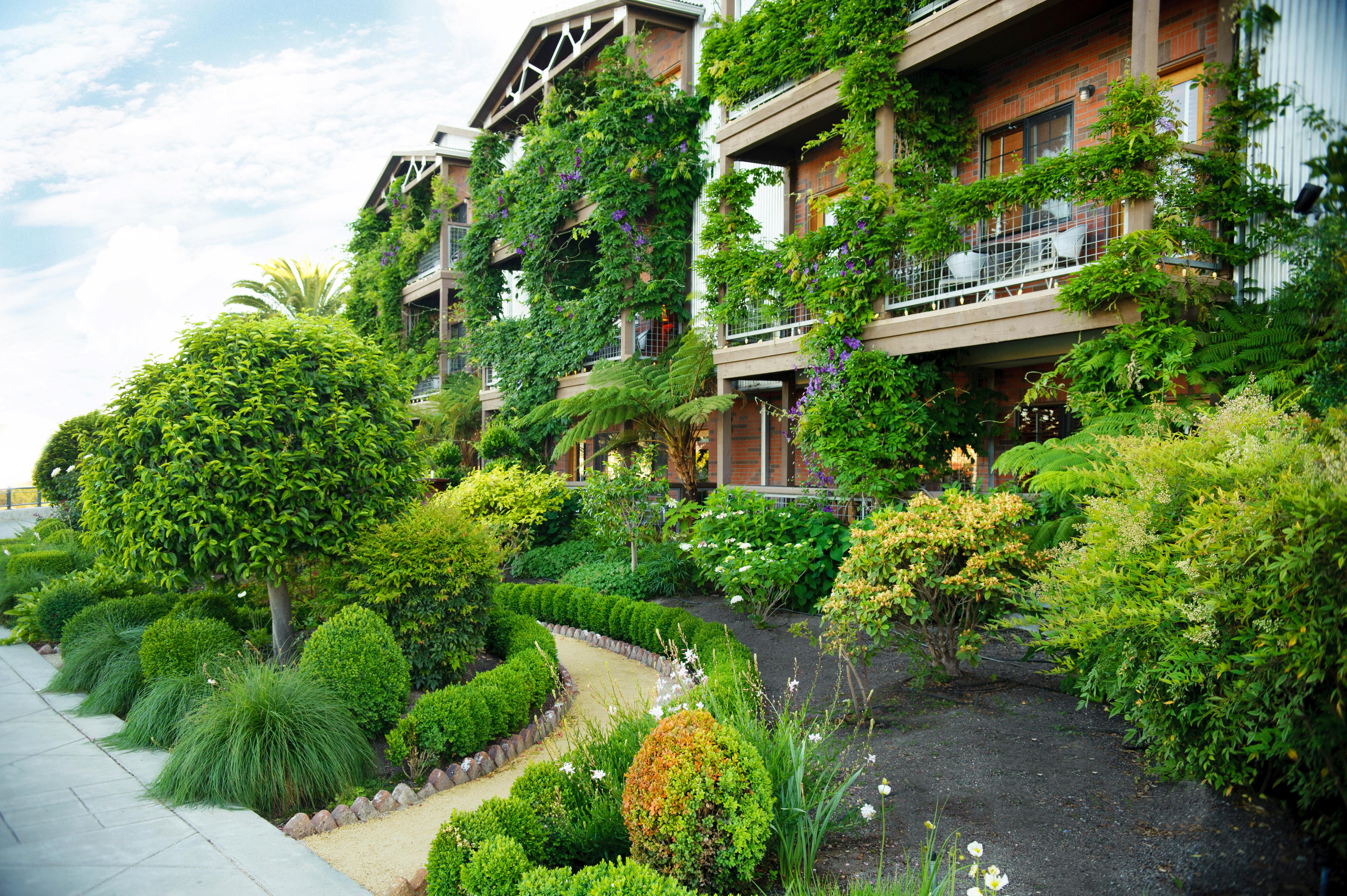
Where Downtown Napa's Wine Culture Begins at the Door
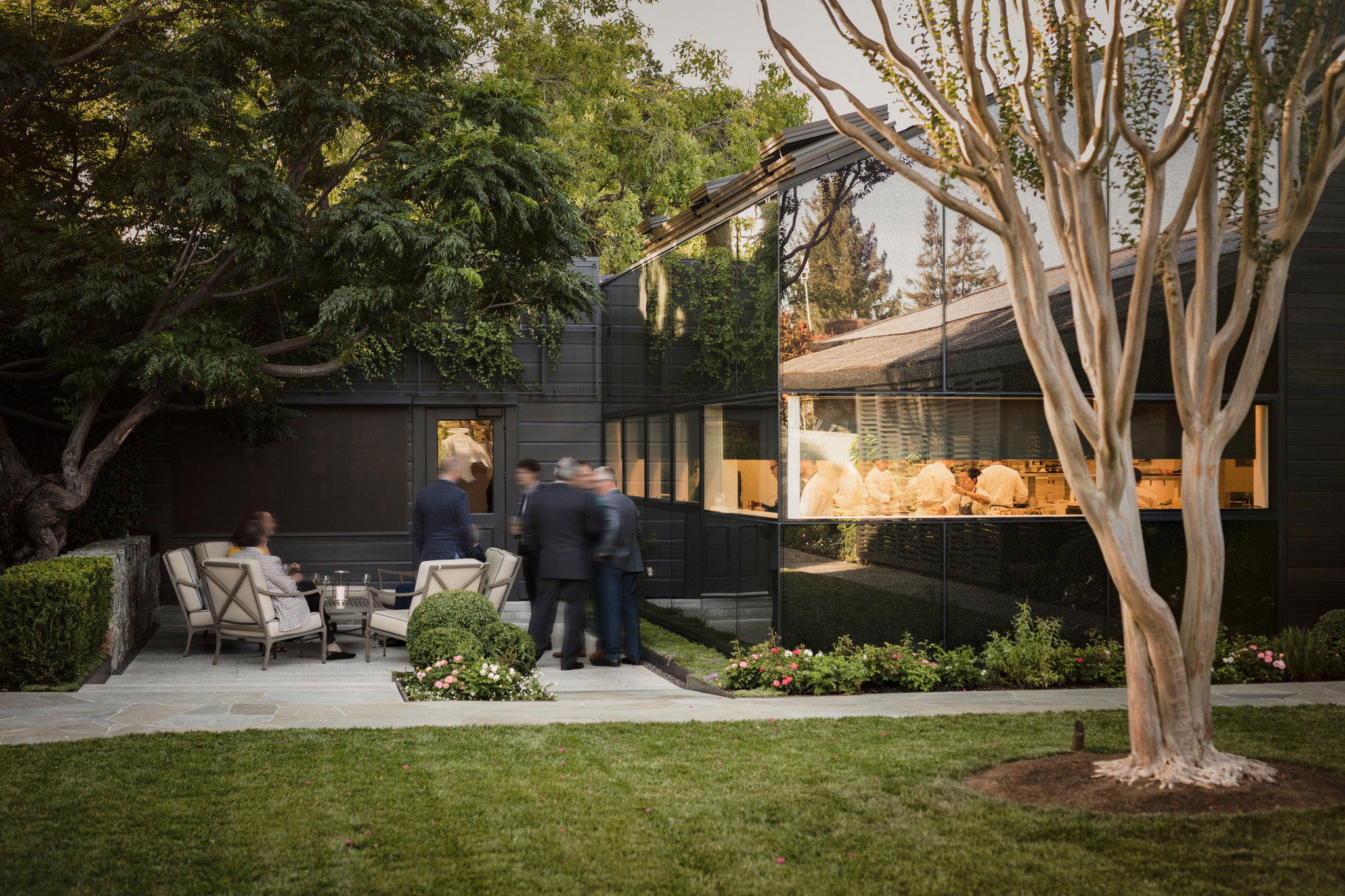
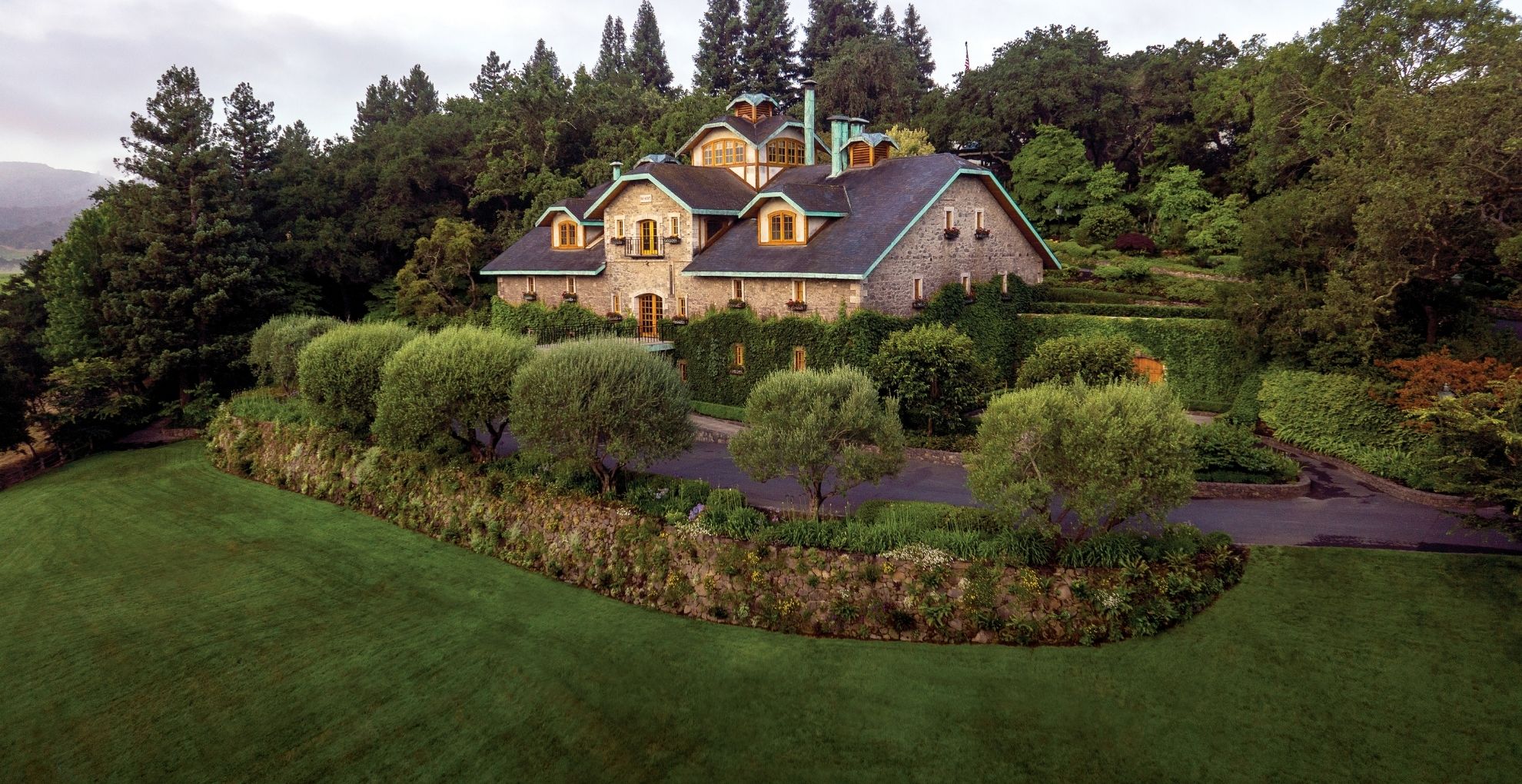
The approach to Napa River Inn sets up what the property delivers: 500 Main Street puts you at the geographic and social center of downtown Napa, where the Napa River moves quietly alongside the Oxbow District and the city's densest concentration of wine-focused dining and retail spreads in every direction on foot. The building itself is a converted historic Hatt Mill complex, a structure that predates the modern wine tourism economy by decades, and that physical history registers immediately in the exposed wood, the industrial bones, and the way the interiors acknowledge rather than erase the site's working past. In a valley where most luxury properties orient guests toward vineyard views and rural seclusion, a downtown address at this scale is a specific editorial choice about how to experience wine country.
The Star Wine List Recognition and What It Signals
The 2026 Star Wine List award attached to Napa River Inn is not a restaurant distinction or a broad hospitality trophy. Star Wine List evaluates wine programs specifically, using a panel of sommeliers to assess list depth, producer range, and value calibration. For context, properties like Auberge du Soleil and Meadowood Napa Valley compete in a category where wine credentials are assumed; for a 66-room downtown inn to earn the same category of recognition suggests the program is being run with real intentionality, not assembled as an afterthought for tourists expecting Cabernet by the glass.
That award also frames a question worth asking about what you're paying for here. Downtown Napa has evolved considerably since the early 2000s, when the city center was largely bypassed in favor of valley-floor resort experiences. The Oxbow Public Market, the growing cluster of producer tasting rooms on Main and First Streets, and the concentration of chef-driven restaurants have repositioned downtown as a serious destination in its own right rather than a waypoint before driving north to Yountville or St. Helena. Napa River Inn is positioned squarely inside that shift.
Ingredient Sourcing and the Oxbow Proximity Advantage
The editorial angle that matters most for Napa River Inn is its relationship to where food actually comes from in this region. The Oxbow Public Market, one of the most producer-direct food markets in Northern California, is within walking distance of the property. The market hosts vendors with direct relationships to local farms, ranches, and fishing operations, and its presence reflects a broader principle about how Napa's food economy operates at its finest: the valley's growing conditions that make it exceptional for viticulture also support a wider agricultural output that serious kitchens have been drawing from for decades.
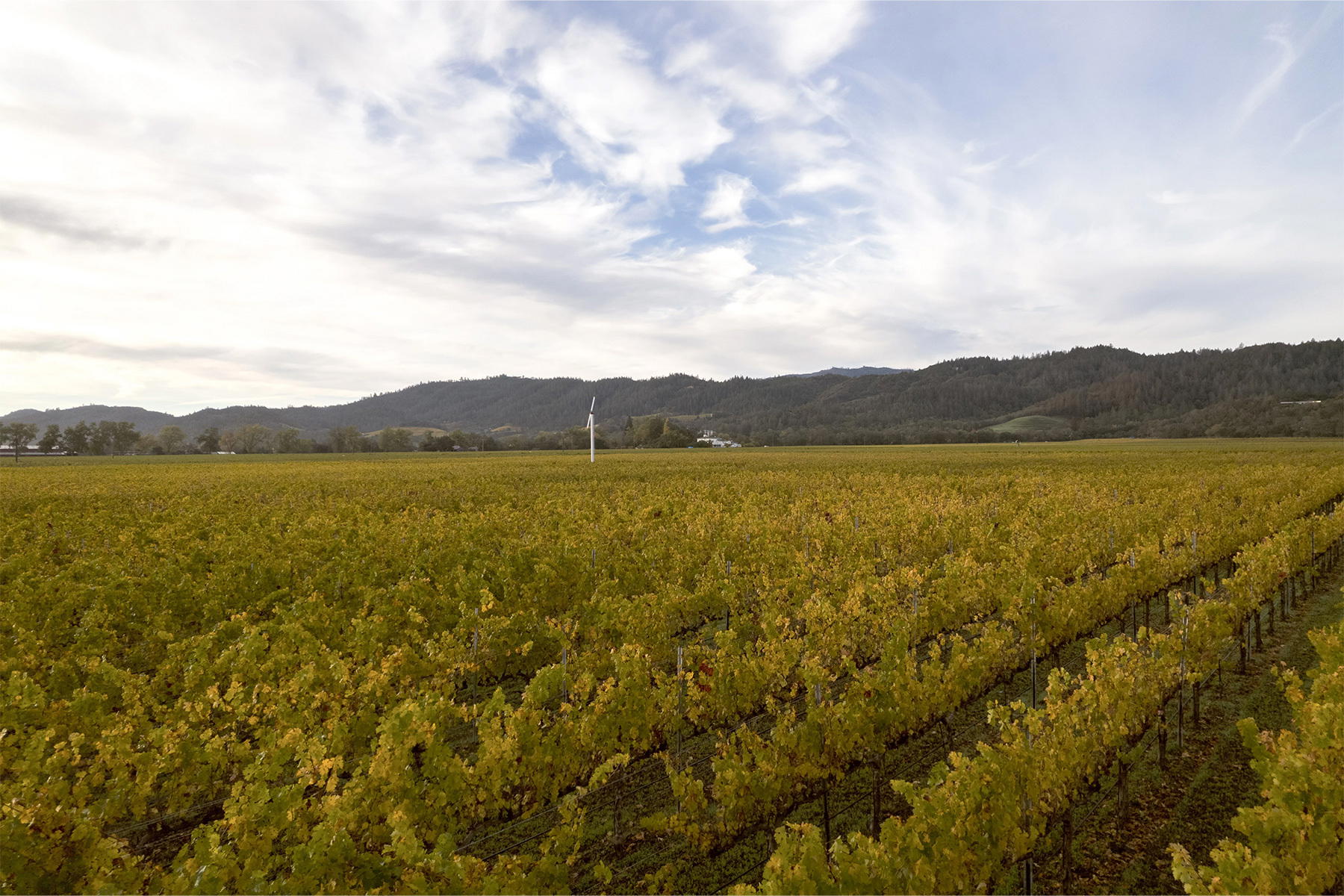
When a hotel sits inside that supply chain geography rather than removed from it, the practical implication is that dining in and around the property benefits from proximity. Farms in the Carneros AVA, which edges the southern end of Napa Valley toward San Pablo Bay, produce ingredients that move quickly into the city's restaurant kitchens. The delta between a vegetable harvested that morning and one that has traveled two days from a distribution center is visible and edible, and Napa's downtown restaurant cluster has built its identity around that advantage. Staying at a property on Main Street means being embedded in that network rather than driving into it from a removed resort setting.
For comparison, properties like Bardessono Hotel and Spa in Yountville and Stanly Ranch, Auberge Resorts Collection offer their own food-and-beverage programs grounded in estate or local sourcing, but they do so within self-contained resort environments. Napa River Inn's position is different: it places you in the city rather than above it, which means the sourcing story is distributed across an entire walkable district rather than consolidated on one property's grounds.
Situating Napa River Inn Within the Boutique Hotel Set
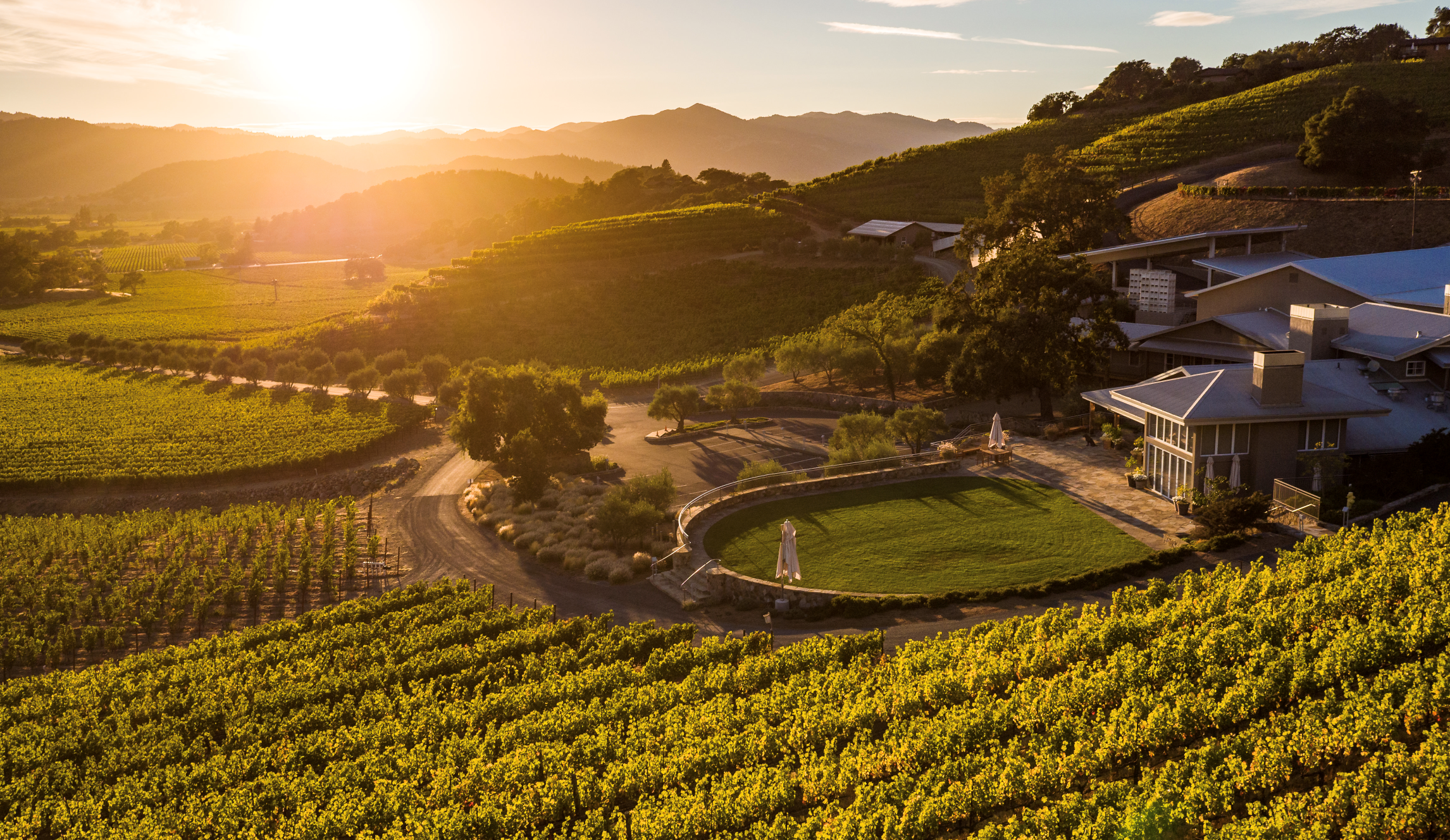
At 66 rooms, Napa River Inn occupies a middle tier in downtown Napa's accommodation range. It is neither the intimate scale of Milliken Creek Inn, which operates at a much smaller key count, nor the resort footprint of Alila Napa Valley. Properties like North Block in Yountville and Rancho Caymus Inn offer comparable boutique scale but in valley-floor settings that prioritize vineyard adjacency over urban access. The tradeoffs are real: if your primary goal is walking to producer tasting rooms, independent wine bars, and the Oxbow market without a car, downtown is the correct base. If you want a property where the grounds themselves are part of the experience, the valley floor delivers something different.
The historic mill building adds a layer of character that purpose-built hotel structures rarely replicate. The Hatt Mill complex dates to the nineteenth century, and the decision to adapt it rather than replace it produces interiors with dimensional depth that newer construction in wine country tends to lack. This places Napa River Inn in a small category of California boutique hotels where the building's provenance is itself a point of interest, comparable in that respect (if not in scale or price) to properties like Troutbeck in Amenia or Post Ranch Inn in Big Sur, both of which trade on built-environment history as part of their offer.
Planning Your Stay
Downtown Napa's appeal is most legible in the shoulder seasons, particularly April through May and September through November, when harvest activity brings producer energy into the city without the peak-summer crowd density. The property sits at 500 Main Street, putting the Oxbow Public Market within a short walk and placing most of downtown's wine bar and restaurant circuit within fifteen minutes on foot in either direction. Booking timing matters in this market: Napa Valley hotel availability compresses significantly during harvest weekends in September and October, and properties with recognized wine programs like this one tend to fill before generalist hotels in the same price tier.
Travelers comparing Napa River Inn to valley-floor alternatives should weigh the urban-access premium honestly. The property's Star Wine List recognition suggests the in-house program warrants attention on its own terms, but the more compelling argument for this address is what surrounds it. For a wider look at how the downtown dining and drinking scene maps against valley destinations to the north, our full Napa restaurants guide covers the category in depth. Guests arriving from San Francisco may also find it useful to consider the broader Northern California accommodation tier, including 1 Hotel San Francisco and SingleThread Farm Inn in Healdsburg, when calibrating what a wine-country hotel stay should deliver at different price points and settings.
Recognition history
Dated appearances from independent guides and award organizations, with the underlying list record or original source where available.
Star Wine List
Star Wine List
Continue exploring
More in Napa
Hotels in Napa
Browse all →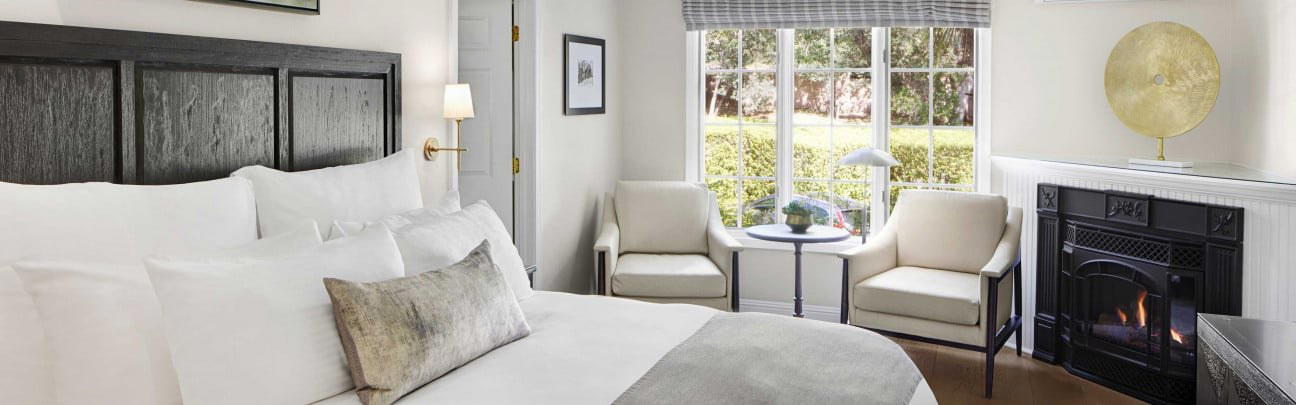

Bars in Napa
Browse all →
Restaurants in Napa
Browse all →
At a Glance
- Romantic
- Cozy
- Elegant
- Historic
- Scenic
- Romantic Getaway
- Anniversary
- Weekend Escape
- Waterfront
- Historic Building
- Wi Fi
- Spa
- Fitness Center
- Room Service
- Concierge
- Restaurant
- Free Parking
- Waterfront
- Wi Fi
- Spa
- Fitness Center
- Room Service
- Concierge
- Restaurant
- Free Parking
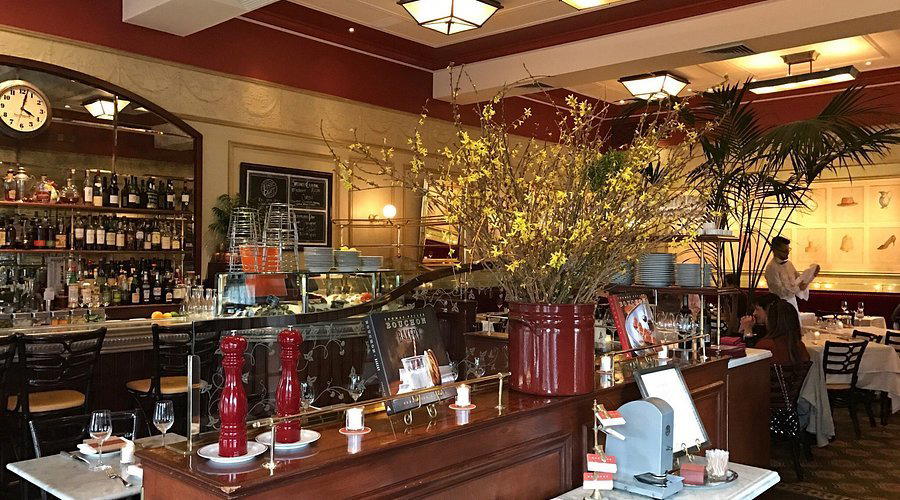
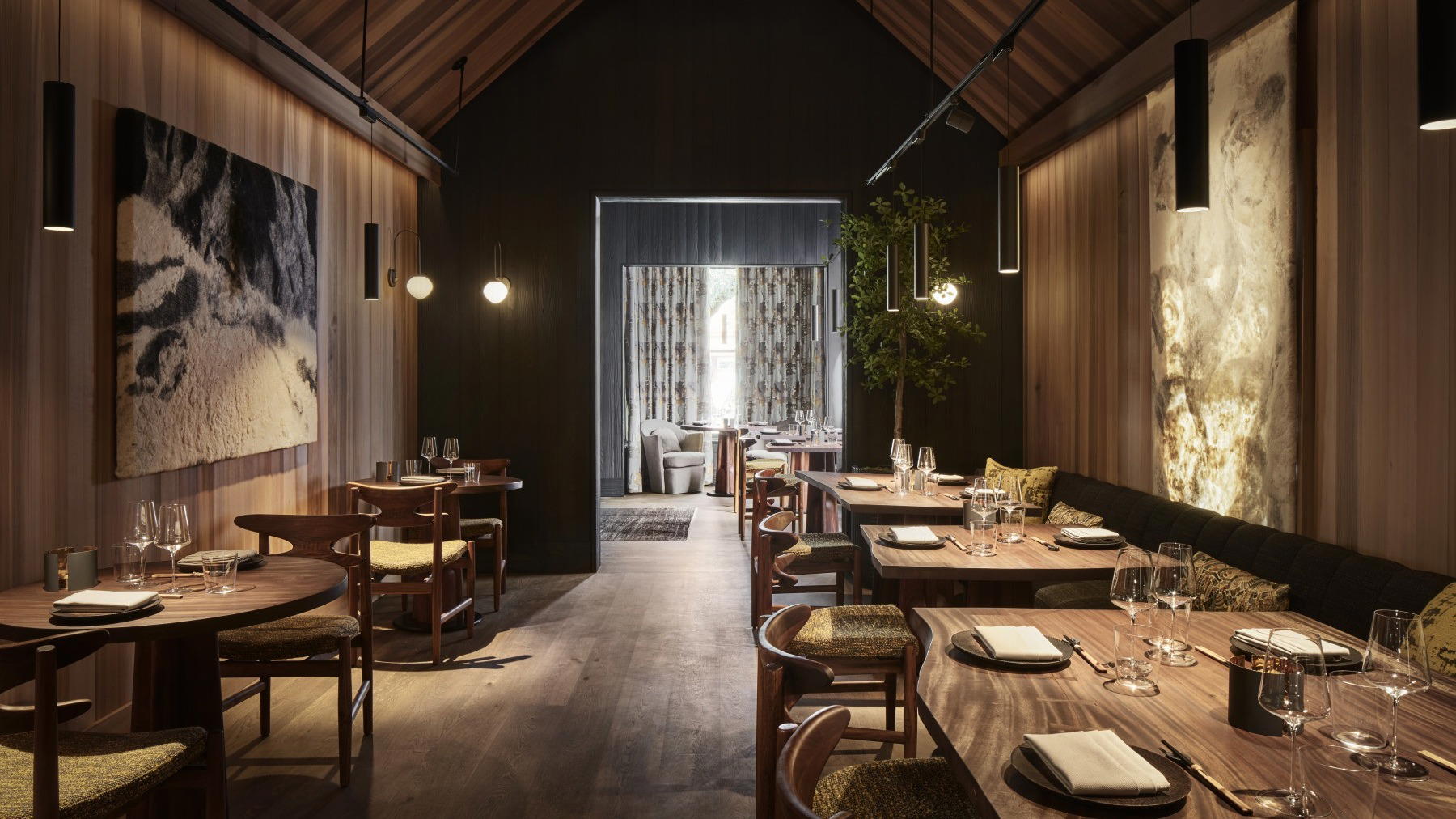
Warm, cozy atmosphere with exposed brick, fireplaces, deep wine-country hues, and soft lighting evoking historic charm.
Know Before You Go
- Getting there
- 500 Main Street