← Guides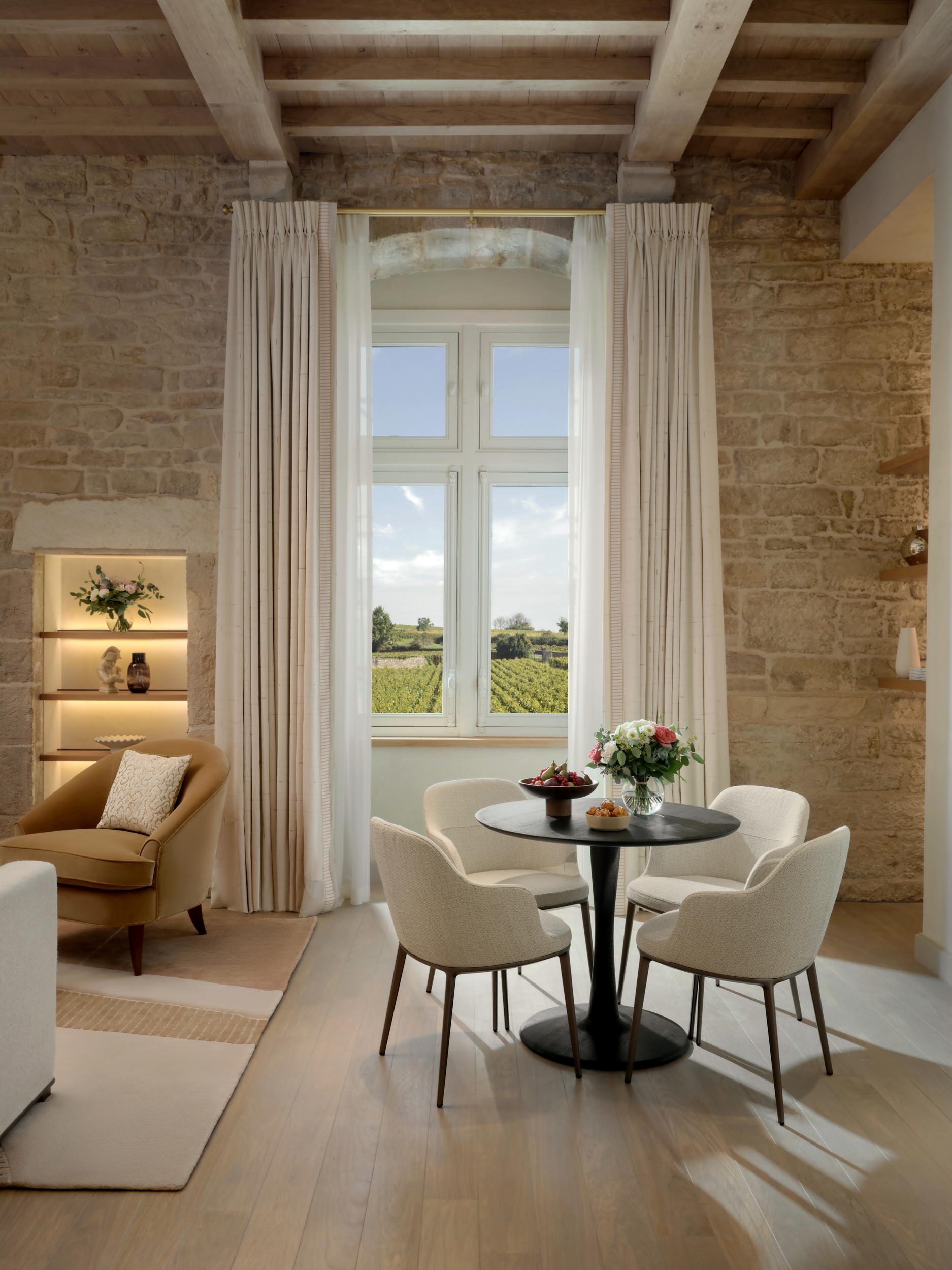
A five-year restoration brings a 37-room five-star hotel, working winery and premier cru vineyard stay to Pommard.
A five-year restoration brings a 37-room five-star hotel, working winery and premier cru vineyard stay to Pommard.
Château la Commaraine Pommard has recently opened in Burgundy as a five-star hotel fully integrated with a working winery and the Clos de la Commaraine premier cru vineyard, according to Decanter. The 12th-century estate, restored over five years by Champagne Hospitality, the group behind Royal Champagne Hotel & Spa, now gives you the rare Burgundy experience of sleeping inside the walls of a premier cru domaine rather than driving back to Beaune after the last glass (Decanter1).
That distinction matters in Pommard. This is not a hotel with a vineyard view added to the brochure. Château la Commaraine sits in the centre of the village, surrounded by the vines of Clos de la Commaraine, with winemaking, dining, rooms, tastings and vineyard walks folded into the same estate. Burgundy has many serious tables, many serious cellars, and many domaines whose gates open only on careful appointment. It has had far fewer places where those elements converge at five-star level on a working premier cru site.
The core proposition is physical access. Decanter describes Château la Commaraine as Burgundy’s first luxury five-star hotel fully integrated with a working winery and premier cru vineyard. For a region where particularly coveted experiences often depend on long relationships, allocations and timing, that configuration changes the rhythm of a stay: the vineyard is not a stop between lunch and a tasting; it is the place you wake up (Decanter1).
Clos de la Commaraine surrounds the château behind historic stone walls in Pommard. It is a premier cru vineyard with a history stretching back centuries, and the estate itself dates from the 12th century. Those two facts give the opening its weight. Burgundy hospitality can drift toward polished distance when it separates the guest room from the vineyard; here, the property keeps the climats close enough to make classification, exposition and farming practice part of the day’s texture (Decanter1).
Pommard gives the project a sharper outline. The village, in Burgundy’s Côte de Beaune, is associated with structured, age-worthy Pinot Noir, wines that collectors often approach with patience rather than haste. Staying at Château la Commaraine places you within minutes by car of Beaune’s restaurants and wine bars, but the more interesting choice may be to remain inside Pommard’s quieter orbit: family-owned domaines, old stone streets, and vineyard walks that begin without a transfer.
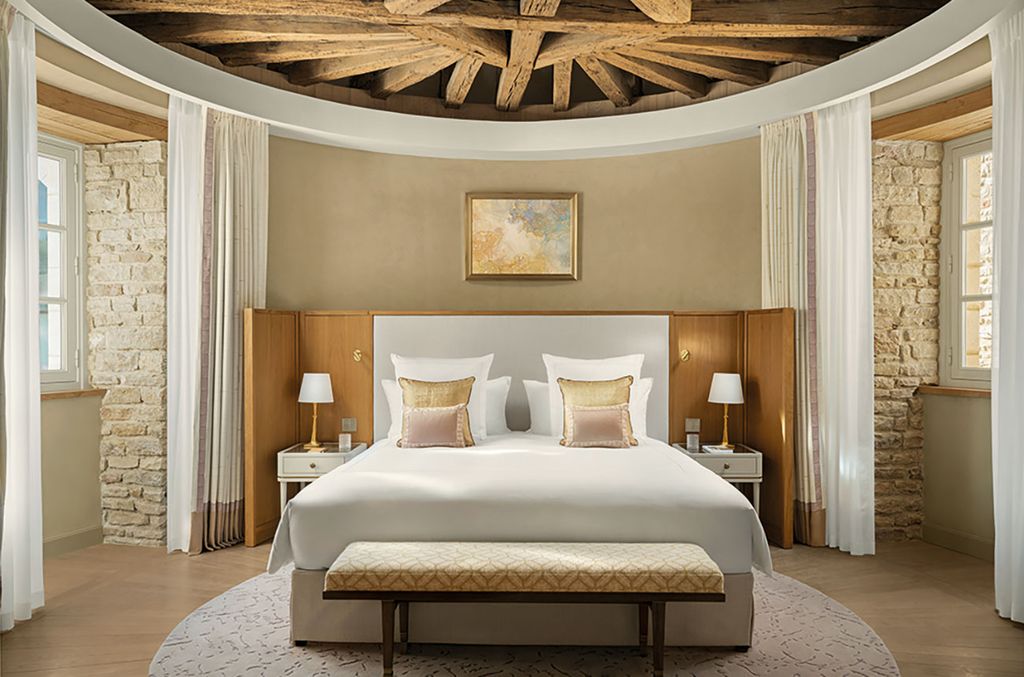
For the collector-traveler, the scarcity is built into the format. Thirty-seven rooms and suites sit within the estate, according to Decanter, many with views over the surrounding vines. That is not the scale of a resort built around volume; it is a small enough room count to keep the property anchored to the château and its clos. In Burgundy, where a few meters of vineyard can alter both label and price, scale always matters.
Champagne Hospitality spent five years renovating the property, Decanter reports, returning a medieval Pommard estate to use as a luxury hotel and spa while retaining the architectural character that gives the château its sense of place. The group’s involvement is relevant because it also operates Royal Champagne Hotel & Spa, a property that has already tested the appetite for wine-led hospitality at the summit end of the French market (Decanter1).
At Château la Commaraine, the restoration appears to have been calibrated around continuity rather than theatrical reinvention. Decanter notes that original architectural details have been preserved inside the property, while the rooms and suites use natural materials, soft tones and careful detailing. The modern cues are specific: heated bathroom floors, Diptyque amenities and bathrobes. Burgundy does not need stage dressing. It needs restraint.
The estate’s age gives the opening more than romantic patina. A 12th-century château in the middle of Pommard carries the layered memory of monastic Burgundy, village-scale viticulture and the later codification of vineyard names that collectors now parse with near-liturgical care. A complete ownership chronology has not been provided, and one should not invent one; still, the documented date is enough to place the estate in the long arc of Burgundian landholding.
The five-year timeline also explains why the opening has drawn attention among wine travelers. Serious restoration in Burgundy has to answer to the old stone, the village fabric and the working vineyard around it. A hotel in the centre of Pommard cannot behave like an isolated countryside retreat. Deliveries, harvest work, cellar movements and guest arrivals all happen within a living wine village.
That is part of the appeal. You are not being airlifted into a themed version of Burgundy; you are staying in a place where the vineyard and the hospitality program must share the same address.
Wine sits at the centre of the Château la Commaraine Pommard opening because the estate has kept the Clos de la Commaraine in active view. Decanter reports that the historic premier cru vineyard has been farmed organically for several years, with biodynamic practices now guiding much of the vineyard work. For readers who track Burgundy beyond labels, that farming note is more useful than any generic promise of vineyard authenticity.
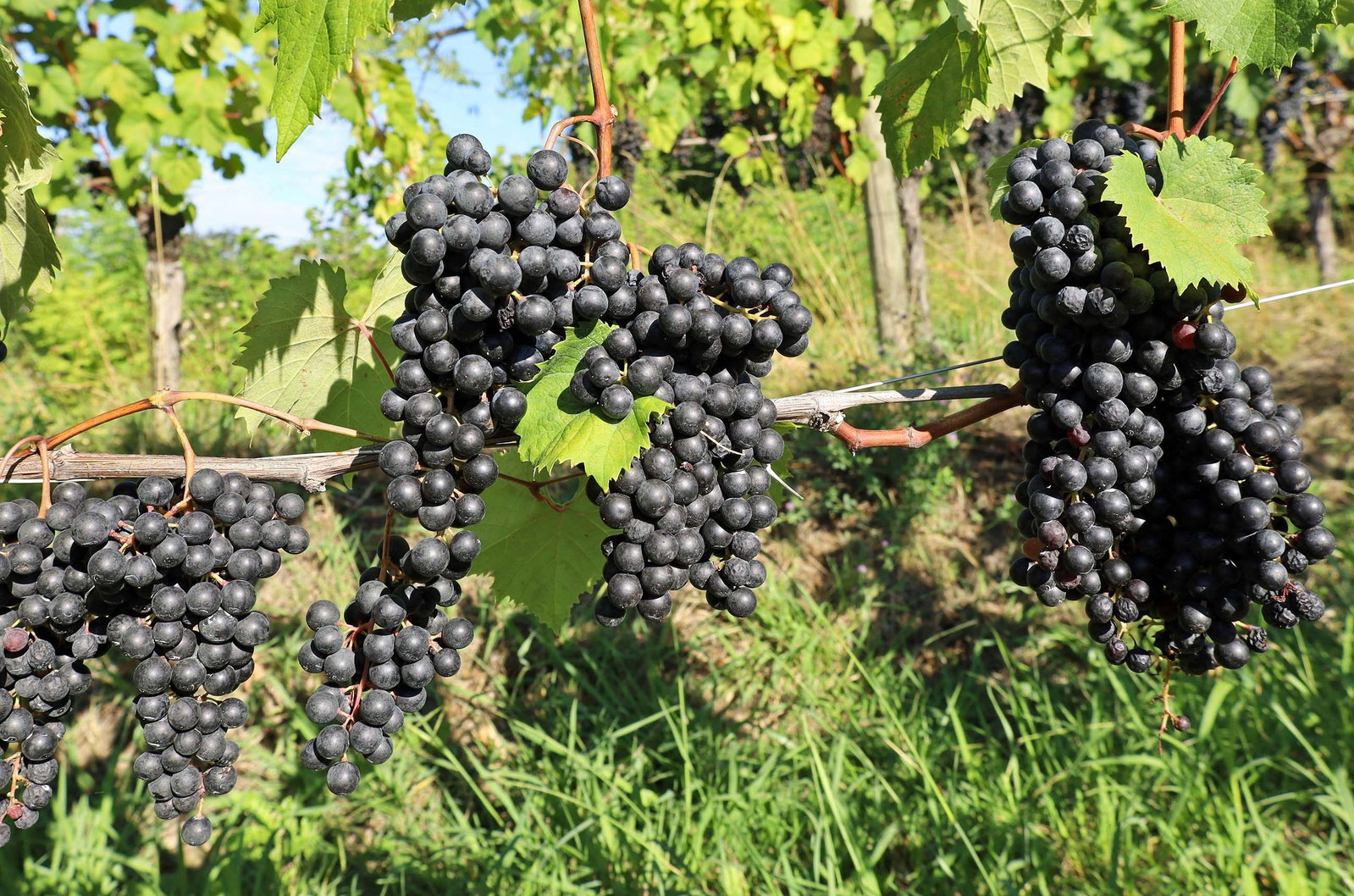
The property offers bespoke tastings and guided vineyard walks, giving guests a structured way to move from vine rows to glass. In Pommard, that matters because the village’s reputation for firmness and longevity can obscure the nuance between parcels, farming choices and cellar decisions. A guided walk through the clos can make the classification feel less abstract: the wall, the slope, the proximity to the château, the fact that premier cru is not a marketing adjective but a legal and cultural marker.
Decanter also notes that a new on-site winery will soon give visitors a deeper view of the route from vine to bottle. That “soon” is the detail to track. The current opening already combines hotel, dining, vineyard and tastings; the full maturation of the winery component will determine how deeply guests can follow the work of the estate during key moments of the year.
For collectors, the more immediate value lies in context. Burgundy buying has become increasingly relationship-led, and travel remains one of the few ways to understand a producer’s intentions beyond the back label. Château la Commaraine does not need to promise allocation miracles to be useful. A stay that places you inside a premier cru vineyard, with tastings and walks tied to the estate, can sharpen how you read Pommard on a list or in a cellar inventory.
The opening also adds a different kind of base for Côte de Beaune itineraries. Beaune remains minutes away by car, with its restaurants, wine bars and Saturday morning market. Decanter cites around 180 traders at that market, selling seasonal produce, artisan breads, Burgundian cheeses, charcuterie and regional specialties. For a wine traveler, that is not filler between tastings; it is the edible grammar of the region.
The culinary program has serious names attached. Decanter identifies Christophe Raoux, a Meilleur Ouvrier de France, and chef Jérôme Rioux as the leaders of the food offering at Château la Commaraine. That credential gives the restaurants an immediate signal for guests who care as much about the table as the cellar.
Le Clos is the more relaxed bistro, overlooking the winery and built around seasonal regional ingredients. That room should be central to the property’s appeal: Burgundy’s most satisfying meals are often the ones that let the wine lead without turning dinner into ceremony. A bistro above or beside the working winery gives guests a natural place to test local bottles against the region’s produce.
Le VIII, the fine dining restaurant, opened this summer in the estate’s ancient vaulted cellar, Decanter reports. The setting is doing real work here. A vaulted cellar in a 12th-century estate carries a different energy from a glass-walled dining room designed to signal status; it keeps the meal in conversation with Burgundy’s underground architecture, where barrels, bottles and patience usually hold the room.
The wine and cocktail bar occupies a restored 14th-century tower. That detail alone gives the aperitif hour a sense of enclosure and age without requiring any decorative flourish. Decanter also describes a terrace where guests can watch the sun set as swallows dip over the swimming pool among the vines. It is a precise, useful image because it locates the hotel’s comfort inside the vineyard rather than apart from it.
The wine list leans into the strengths of the Côte d’Or, with both established names and rising stars. Producers, vintages and prices have not been named, so caution is appropriate here. What can be said is that a list shaped around the Côte d’Or inside a Pommard premier cru estate gives guests a way to drink comparatively: village against village, producer against producer, youth against bottle age, all without leaving the property.
The practical advantage of Château la Commaraine begins with geography. Pommard sits in the Côte de Beaune, close enough to Beaune for dinner, wine bars and the Saturday market, yet distinct enough to preserve a village tempo. If your Burgundy travel usually involves choosing between vineyard access and hotel comfort, this opening narrows that gap.
The property has 37 rooms and suites, many overlooking the surrounding vines, according to Decanter. It also includes a spa and wellness facilities, which matters more than it may sound after a day of cellar visits, long lunches and Côte d’Or roads. Burgundy rewards stamina, but it also rewards stillness; a spa within the same estate as the winery makes the pauses easier to take.
A sensible stay would treat Château la Commaraine not as a place to sleep between appointments, but as the centre of the itinerary. Begin with the Clos de la Commaraine itself: vineyard walk, tasting, time in Pommard. Then widen the circle to Beaune, nearby restaurants and the market. The temptation in Burgundy is always to over-schedule. This property argues for fewer transfers and more attention.
Bespoke tastings and guided vineyard walks are confirmed. Burgundy punishes assumptions. Ask precisely.
The larger point is that Château la Commaraine Pommard gives the Côte de Beaune a hospitality address built around premier cru proximity rather than scenic adjacency. As the winery element develops and Le VIII settles into its first seasons in the vaulted cellar, the property should become a useful barometer for how far Burgundy is willing to take estate-integrated hospitality without losing the discipline of the vineyard.
Get the App
Take the shortlist into the En Primeur Club app for concierge access, saved places, and the next step after discovery.
Get Exclusive AccessMore from the editors