
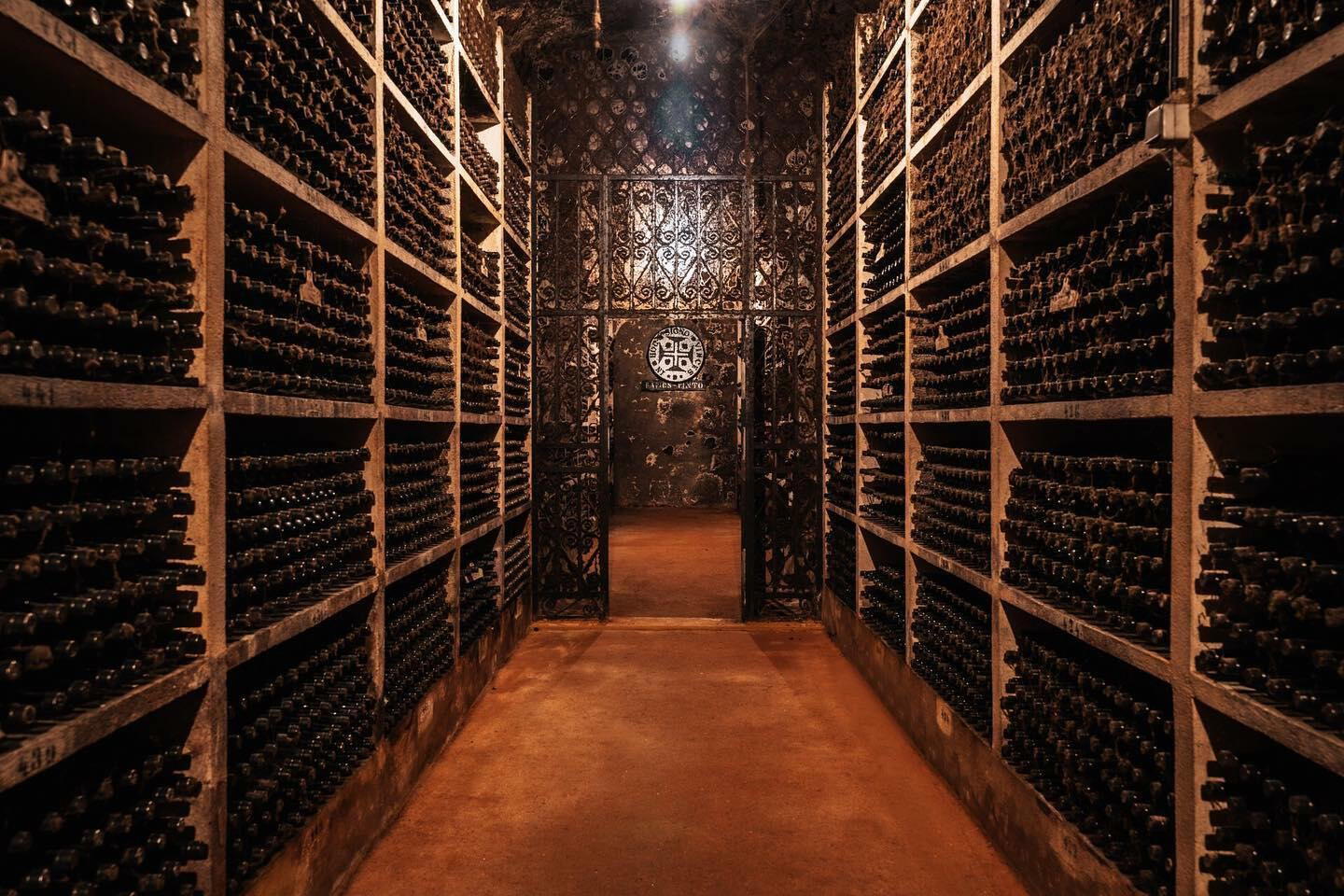
A Cozinha distills the essence of contemporary Portuguese gastronomy into an intimate, artfully choreographed dining experience. Seasonal Atlantic seafood, heritage vegetables, and small-batch artisanship are polished through precise technique and poetic restraint, resulting in plates that are both evocative and impeccably balanced. Candlelit warmth, tactile linens, and a quietly attentive team create an atmosphere of whispered exclusivity, while a sommelier-curated cellar celebrates Portugal’s storied terroirs with rare bottlings and thoughtful pairings. This is a destination for travelers who collect meals like heirlooms, memorable, nuanced, and unmistakably of place.
Pearl is the En Primeur Club membership app — saves, bookings, and concierge access live there. Same editors, same standards.
- Address
- Largo do Serralho 4, 4800-472 Guimarães, Portugal
- Phone
- +351 253 534 022
- Website
- restauranteacozinha.pt
- Directions
- Get directions
 Saves & bookings on Pearl
Where Guimarães Meets the Table
A Cozinha is a one-star Michelin restaurant in Guimarães, Portugal, serving Modern Portuguese Fine Dining at a €€€ price point. Largo do Serralho sits a short walk inside the medieval walls of Guimarães, a city whose historic centre earned UNESCO World Heritage status in 2001. The streets here are narrow and stone-flagged, the buildings low and ochre-washed, and the general pace is one of considered movement rather than tourist rush. A Cozinha occupies an unassuming building on this square, the kind of address that gives nothing away from the outside. Inside, the dining room is calm and ordered, with a glass wall separating it from the kitchen so that the full arc of service is visible throughout the meal. That transparency is not theatrical, it reads more as a statement of confidence in the craft taking place on the other side of the glass.
Modern Portuguese Cooking in a Historic Frame
Portugal's single-star Michelin tier has matured considerably in the past decade. What was once a category dominated by technically precise but occasionally inert cooking has opened up toward something more culturally grounded. Restaurants from Antiqvvm in Porto to Casa de Chá da Boa Nova in Leça da Palmeira have demonstrated that the country's regional pantry, its livestock traditions, its Atlantic fisheries, its ancient vegetable plots, is deep enough to sustain serious modern cooking without importing an external framework. A Cozinha draws on the Minho region's own larder rather than reaching for the coastal ingredients that anchor so much Portuguese fine dining further south.
The Minho is cattle country. It is also the home of vinho verde, of caldo verde, of slow-braised preparations that speak to a cooler, wetter climate than the Alentejo or the Algarve. Modern cooking here does not mean erasing those references; it means finding a balance between a solid traditional foundation and the sensitivity required to present those flavours in a format that rewards careful attention. That balance is formalised in the name of the tasting menu on offer: Equilíbrio, the Portuguese word for balance. The menu runs to either six or nine courses depending on appetite and occasion, with a shorter à la carte option drawing from the same source material for guests who prefer a less structured format.
The Equilíbrio Concept
The tasting menu format has proliferated across European fine dining to the point where the form itself needs to do something specific to justify the commitment it asks of a guest. In the Minho context, a structured menu built around the region's ingredients carries a logic that shorter formats sometimes cannot. The progression from course to course allows the kitchen to move through the region's pantry in a way that a single plate does not. The six-course version gives a compressed reading of the same arc that the nine-course version extends.
Veal with cauliflower, singled out in Michelin's own notation as representative of the kitchen's output, illustrates the approach. Veal from this part of northern Portugal has a particular character linked to grazing conditions and breed, the cauliflower grounds it in a preparation that is modern in technique but entirely legible in reference. That legibility is part of the editorial argument the kitchen is making: that the Minho does not need to be explained or exoticised, only cooked with respect.
A Cozinha's one-star position at a €€€ price point places it in a tier that asks for genuine intention from the diner without reaching into the multi-hundred-euro territory of the country's leading tables.
The Dining Room and the Building
The physical setup at the restaurant rewards attention. The glass wall between the dining room and the kitchen is not decorative; it makes the kitchen staff part of the room's visual field throughout service, which changes the dynamic of the meal. The upper floor contains a private dining room, a detail that points toward a secondary use case for corporate or celebratory groups who prefer separation from the main floor. There is also a terrace planted with aromatic herbs, though access and seasonal availability should be confirmed directly when booking.
The address at Largo do Serralho places the restaurant in the heart of Guimarães's heritage zone, an area that draws visitors for its castle, its ducal palace, and its largely intact medieval urban fabric. Visiting the historic centre on foot before or after a meal at the restaurant is a natural pairing, the scale of the city means most key sites are within a short walk of the restaurant's address at Largo do Serralho 4, 4800-472 Guimarães.
Guimarães at the Table: Placing A Cozinha in the City's Dining Scene
Guimarães is not a large city, and its restaurant scene is proportionally compact. Fine dining at the Michelin level is currently represented by a small number of addresses, of which the restaurant is especially decorated. For visitors building a longer itinerary around the city's food and drink, the scene offers genuine range at lower price points: Hool operates in the traditional cuisine bracket at the same €€€ tier, while Norma, 34, and Le Babachris cover creative, international, and Mediterranean registers respectively at the €€ level.
For a comprehensive view of eating and drinking in the city, the full Guimarães restaurants guide maps the full range of options. Those spending multiple nights can also consult the Guimarães hotels guide, the bars guide, the wineries guide, and the experiences guide for a fuller picture of what the city and its surroundings offer.
Planning Your Visit
The restaurant is open Tuesday through Saturday for both lunch and dinner, with Monday and Sunday closed. The kitchen's Michelin recognition and the relatively small footprint of Guimarães as a destination mean that the dining room fills on weekend evenings with a mix of local regulars and visitors arriving specifically for the restaurant. Booking in advance is essential. The price range sits at the €€€ level, consistent with a one-star address in a mid-sized Portuguese city rather than a metropolitan capital, which makes the ratio of quality to spend more favourable than comparable starred cooking in Lisbon or Porto. Reservations are leading made directly through the restaurant's contact channels.
Pricing, Compared
Comparable venues nearby, for context on price, style, and recognition.
| Venue | Cuisine | Price | Awards | Notes |
|---|---|---|---|---|
| A CozinhaThis venue — the venue you are viewing | Modern Cuisine | $$$ | Michelin 1 Star | Not listed |
| 34 | Not listed | $$$ | Michelin Plate | historic centre, Modern International Fusion |
| Cor de Tangerina | Not listed | $$$ | Not listed | Centro Histórico, Modern Portuguese Vegetarian |
| Norma | Guimaraes, Modern Portuguese Fusion | $$ | Bib Gourmand | Not listed |
| Hool | Not listed | $$$ | Michelin Plate | Historic Center, Modern Portuguese Mediterranean |
| Le Babachris | Not listed | $$$ | Michelin Plate | historical center, Modern Mediterranean Fusion |
Recognition history
Dated appearances from independent guides and award organizations, with the underlying list record or original source where available.
Michelin 1 Star
Michelin
Michelin 1 Star
Michelin
Michelin 1 Star
Michelin
Continue exploring
More in Guimaraes
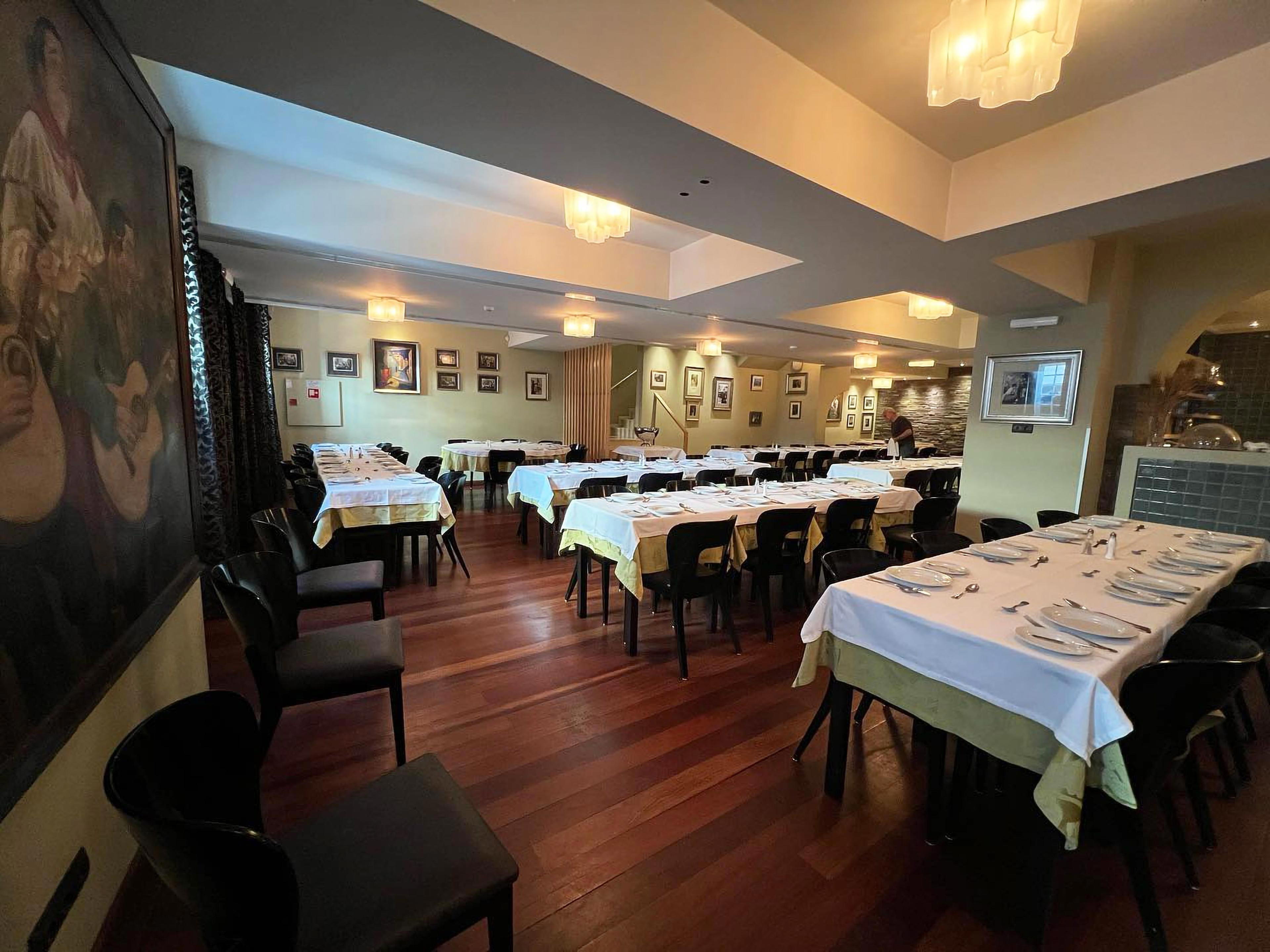
Restaurants in Guimaraes
Browse all →
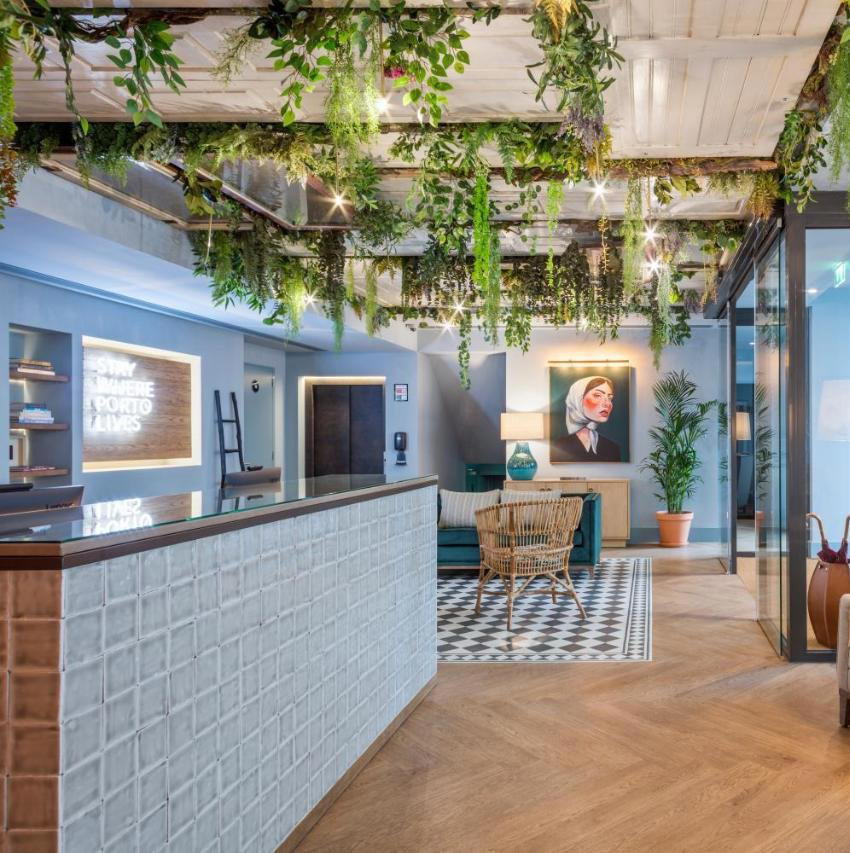
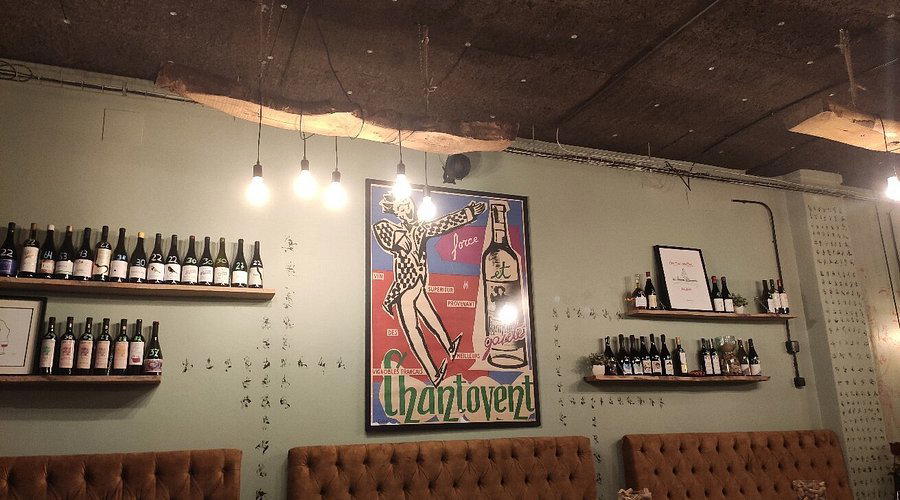
Bars in Guimaraes
Browse all →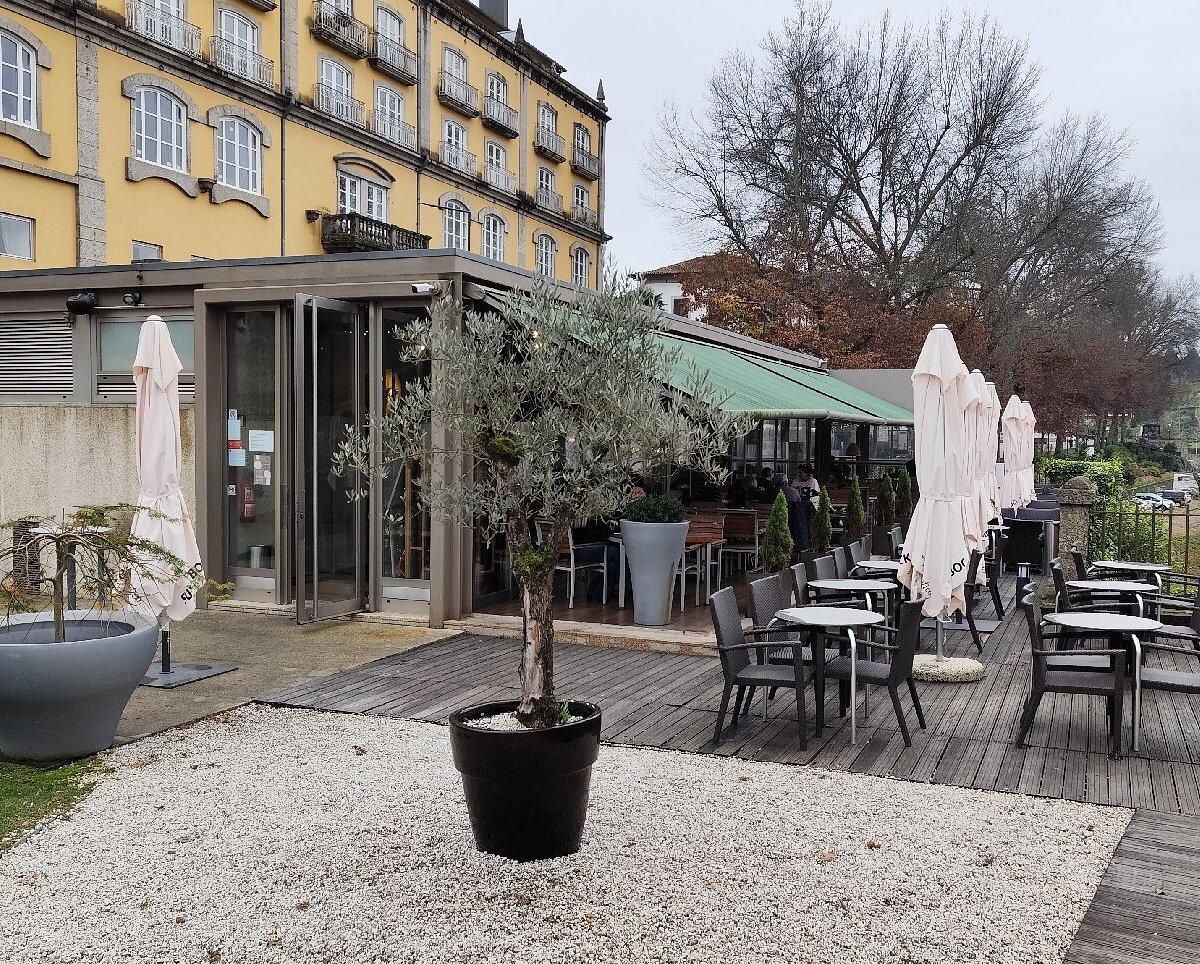
Hotels in Guimaraes
Browse all →
At a Glance
- Elegant
- Cozy
- Sophisticated
- Intimate
- Date Night
- Special Occasion
- Celebration
- Open Kitchen
- Historic Building
- Extensive Wine List
- Local Sourcing
Current opening hours
- Monday
- Closed
- Tuesday
- 12:30–3:30 PM, 7:30–11 PM
- Wednesday
- 12:30–3:30 PM, 7:30–11 PM
- Thursday
- 12:30–3:30 PM, 7:30–11 PM
- Friday
- 12:30–3:30 PM, 7:30–11 PM
- Saturday
- 12:30–3:30 PM, 7:30–11 PM
- Sunday
- Closed
Hours can change for holidays and private events. Last verified .
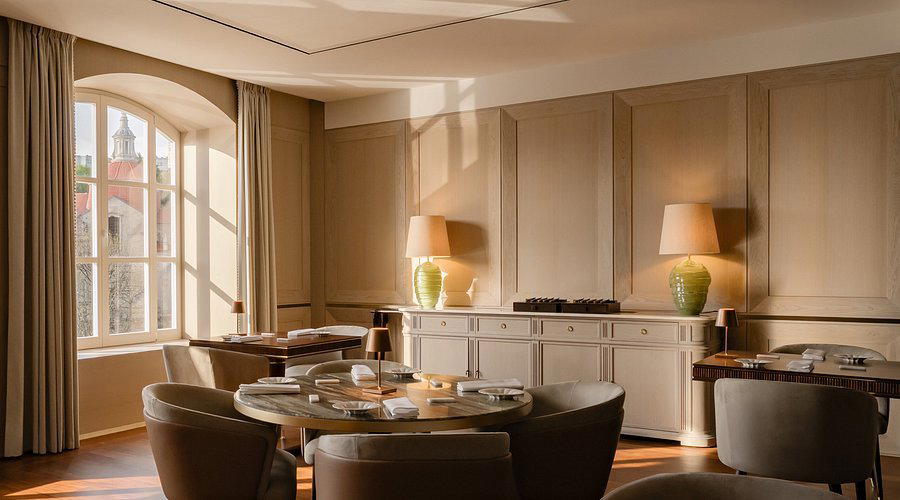
Elegant and welcoming dining room with understated sophistication, glass wall to open kitchen, relaxed yet professional atmosphere.