




Euskalduna Studio occupies a counter-format room on a narrow Santo Ildefonso street, where Chef Vasco Coelho Santos runs a tasting menu that draws on Azorean fish, charcoal technique, and spice-forward condiments within a single open kitchen. Holder of one Michelin star and ranked in Opinionated About Dining's Top 369 European restaurants for 2025, it is among Porto's most reservation-intensive tables.
Pearl is the En Primeur Club membership app — saves, bookings, and concierge access live there. Same editors, same standards.
- Address
- R. de Santo Ildefonso 404, 4000-466 Porto, Portugal
- Phone
- +351 935 335 301
- Website
- euskaldunastudio.pt
- Directions
- Get directions
 Saves & bookings on Pearl
The Counter, the Bell, and the Booking Window
Euskalduna Studio is a one-star restaurant in Porto serving a Modern Fusion Tasting Menu. At one end sit the grand-room operations with broad à la carte menus and hotel affiliations: Le Monument and Vila Foz occupy that bracket. At the other end, a smaller cohort of counter-format tasting-menu rooms has emerged, trading scale for intensity of engagement. Euskalduna Studio sits firmly in that second tier, and it is the harder table to secure. The physical format announces this immediately: ring the bell on Rua de Santo Ildefonso 404, wait for the door, and step into a room shaped less like a restaurant than like a working kitchen with seats. The counter faces the pass directly, and dishes are composed within the guests' sightline throughout the meal.
That format carries specific implications for the booking experience. Capacity is deliberately limited, the counter layout leaving little room for expansion, and the combination of a Michelin star and a booking window that fills quickly has compressed the available window considerably. Reservations at this level in Porto require planning that most visitors underestimate. Euskalduna is not a walk-in proposition.
Where the Format Comes From
Counter dining with an open kitchen and chef-to-guest conversation has a clear reference point in Japanese izakaya and omakase culture, and Euskalduna's room draws that comparison explicitly in its design and operational logic. What distinguishes the Porto iteration is the culinary vocabulary being applied within that format. The tasting menu here is not the restrained, single-terrain approach typical of Japan's high counter rooms. It is more restless: charcoal smoke, aged fish sourced partly from Azorean waters through the kitchen's own fishmonger relationships, spices, and assertive herbs all move through the same menu with coherence as the governing discipline rather than geographical loyalty.
That positioning places Euskalduna in a different competitive set from Porto's other Michelin-recognised rooms. Antiqvvm, with two stars, works from a more classically rooted Portuguese frame. Blind operates on a different kind of theatrical premise. Euskalduna's version of progressive Portuguese cooking is one that absorbs international technique without abandoning local ingredient sourcing, the Azorean fish supply being the clearest structural example of that commitment. Within Portugal's broader fine-dining geography, the approach sits between the hyper-regional precision of Casa de Chá da Boa Nova in Leça da Palmeira and the more globally inflected work at Belcanto in Lisbon.
The Tasting Menu: What the Record Shows
The kitchen runs a single tasting menu format. Friday and Saturday lunch services run from 1 PM to 3 PM. Chef Vasco Coelho Santos and the kitchen team maintain direct interaction with guests throughout the meal, and the menu consistently includes at least one dish not listed on the printed format, a structural choice that keeps the experience dynamic across repeat visits and makes each sitting a partial deviation from what the guest was told to expect.
The culinary techniques on record are specific enough to communicate the register: charcoal cookery introducing smoke as a flavour layer rather than a garnish, fish aged through a dedicated supply relationship rather than ordered fresh-daily, and condiment pairings that reach toward spice and herb combinations outside standard Portuguese pantry logic. For guests familiar with counter dining at this level elsewhere in Europe or in cities like New York, where Atomix uses a comparable counter format with Korean roots, the Euskalduna approach will read as technically coherent and distinctly positioned. For guests arriving from more conventional fine-dining expectations, the informality of the counter and the kitchen's conversational style may require a brief recalibration.
Fish sourced from Azorean waters represents a supply chain that connects Porto's fine dining to one of the Atlantic's most respected fishing grounds. The Azores' position in the mid-Atlantic means certain species and quality tiers unavailable on the mainland coast enter the menu through that channel. This is not decorative provenance labelling; it has structural consequences for what the kitchen can do with aged seafood technique. Comparable commitments to single-origin fish supply at this level appear at Le Bernardin in New York and Ocean in Porches, where the sourcing relationship shapes the menu architecture rather than illustrating it.
Porto's Fine-Dining Context
Porto has historically operated in Lisbon's shadow when it comes to international fine-dining recognition, but the gap has narrowed. The city's Michelin-starred tier now includes several distinct approaches, and the counter-format segment that Euskalduna anchors has attracted consistent European critical attention. Opinionated About Dining has also recognized the restaurant in recent years.
For visitors assembling a Porto dining itinerary across multiple price points, the broader ecosystem offers useful contrast. Almeja operates at €€ and provides a contemporary Portuguese entry point without the tasting-menu commitment. At the opposite end, Antiqvvm's two-star positioning and grand-house setting represent the city's most formally structured fine dining. Euskalduna sits between those poles on format and informality, while matching the leading price bracket on experience intensity. The The Yeatman across the river in Vila Nova de Gaia and Il Gallo d'Oro in Funchal represent the hotel-anchored end of Portugal's Michelin tier, providing a structural contrast to Euskalduna's standalone, counter-only model. Vila Joya in Albufeira holds two stars in a coastal resort setting, a different set of priorities entirely.
Beyond restaurants, Porto's premium hospitality scene extends across categories that reward the same level of planning applied to a table at Euskalduna. The Porto hotels guide, bars guide, wineries guide, and experiences guide map the full picture for visitors treating the city as a serious destination rather than a weekend stopover.
Planning a Table
Euskalduna Studio operates Tuesday through Saturday. The kitchen is closed Monday and Sunday. Dinner runs from 7:30 PM to 11 PM across all service days. Friday and Saturday add a lunch window from 1 PM to 3 PM, which tends to be marginally more accessible than prime Friday or Saturday dinner slots, though both require advance booking. The restaurant sits on Rua de Santo Ildefonso 404 in the Santo Ildefonso neighbourhood of central Porto, accessible on foot from most of the city's central accommodation. The entry format, bell, closed door, no visible signage visible to casual passers-by, means first-time guests should confirm the address before arrival rather than rely on street-level identification. Given the ranking trajectory and the limited counter capacity, booking as far in advance as the reservation system permits is the functional approach rather than an optional precaution.7 from 582 responses.
Compact Comparison
Comparable venues nearby, for context on price, style, and recognition.
| Venue | Cuisine | Price | Notes |
|---|---|---|---|
| Euskalduna StudioThis venue — the venue you are viewing | Bonfim, Modern Fusion Tasting Menu | $$$$ | Not listed |
| Le Monument | Not listed | $$$$ | Santo Ildefonso, Modern Portuguese Fine Dining |
| Pedro Lemos | Not listed | $$$$ | Lordelo do Ouro, Contemporary Portuguese Fine Dining |
| Vila Foz | Nevogilde, Modern Portuguese Seafood | $$$$ | Not listed |
| In Diferente | Not listed | $$$ | Foz do Douro, Modern Portuguese Seafood Fine Dining |
| Gastro by Elemento | Not listed | $$$$ | Campanhã, Modern Fire-Centric Portuguese Tasting |
Recognition history
Dated appearances from independent guides and award organizations, with the underlying list record or original source where available.
Falstaff Restaurant - 94 Falstaff Points
Falstaff
La Liste Top Restaurants
La Liste
Michelin 1 Star
Michelin
Opinionated About Dining Top Restaurants in Europe Recommended
Opinionated About Dining
Michelin 1 Star
Michelin
Opinionated About Dining Top Restaurants in Europe Ranked #369
Opinionated About Dining
The Best Chef Two Knives
The Best Chef
Michelin 1 Star
Michelin
Opinionated About Dining Top Restaurants in Europe Ranked #239
Opinionated About Dining
Opinionated About Dining Top New Restaurants in Europe Recommended
Opinionated About Dining
Continue exploring
More in Porto
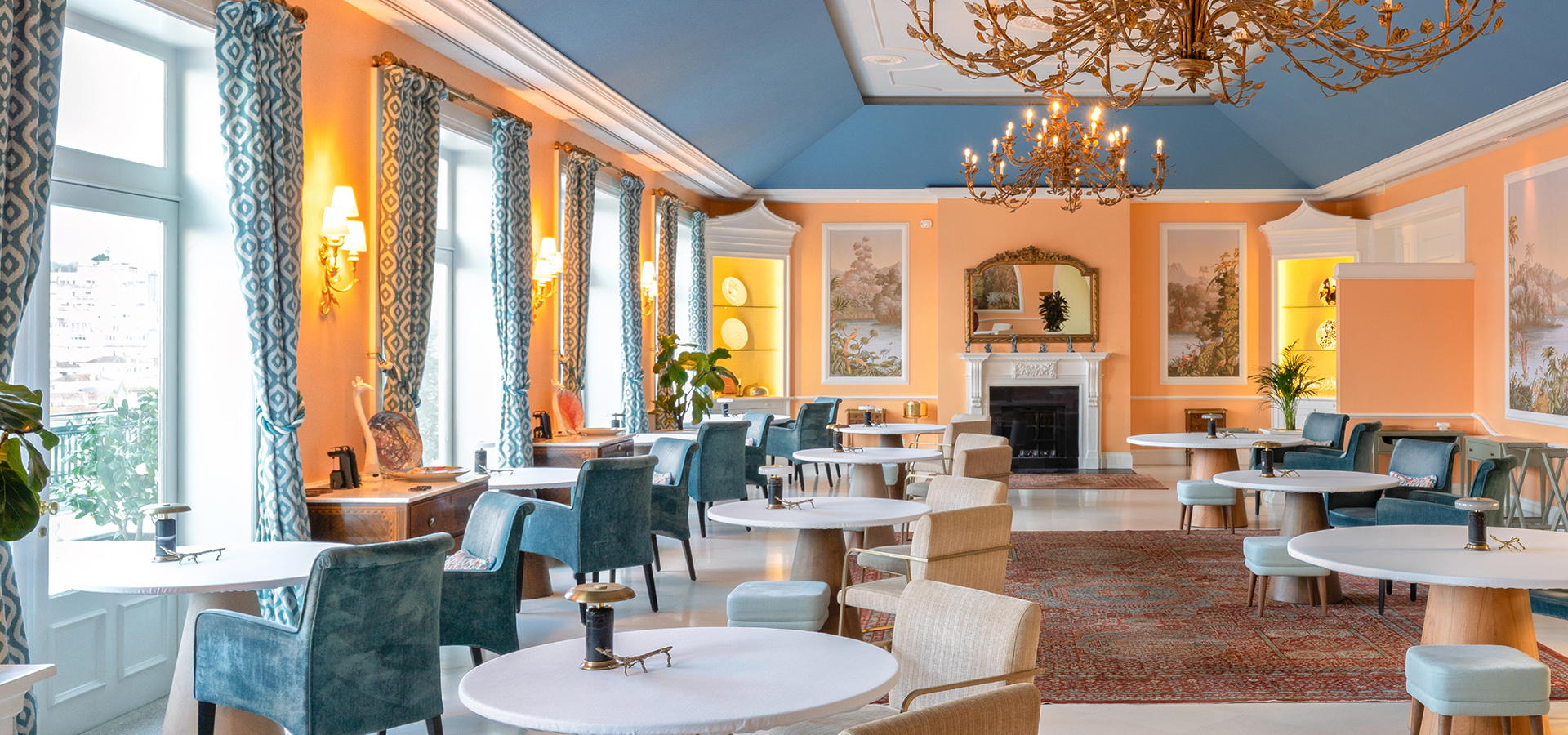
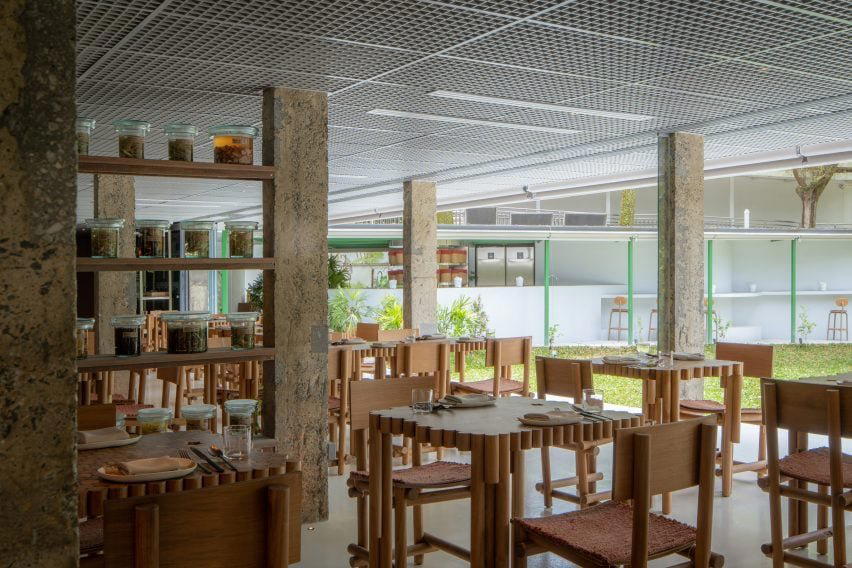
Restaurants in Porto
Browse all →
Bars in Porto
Browse all →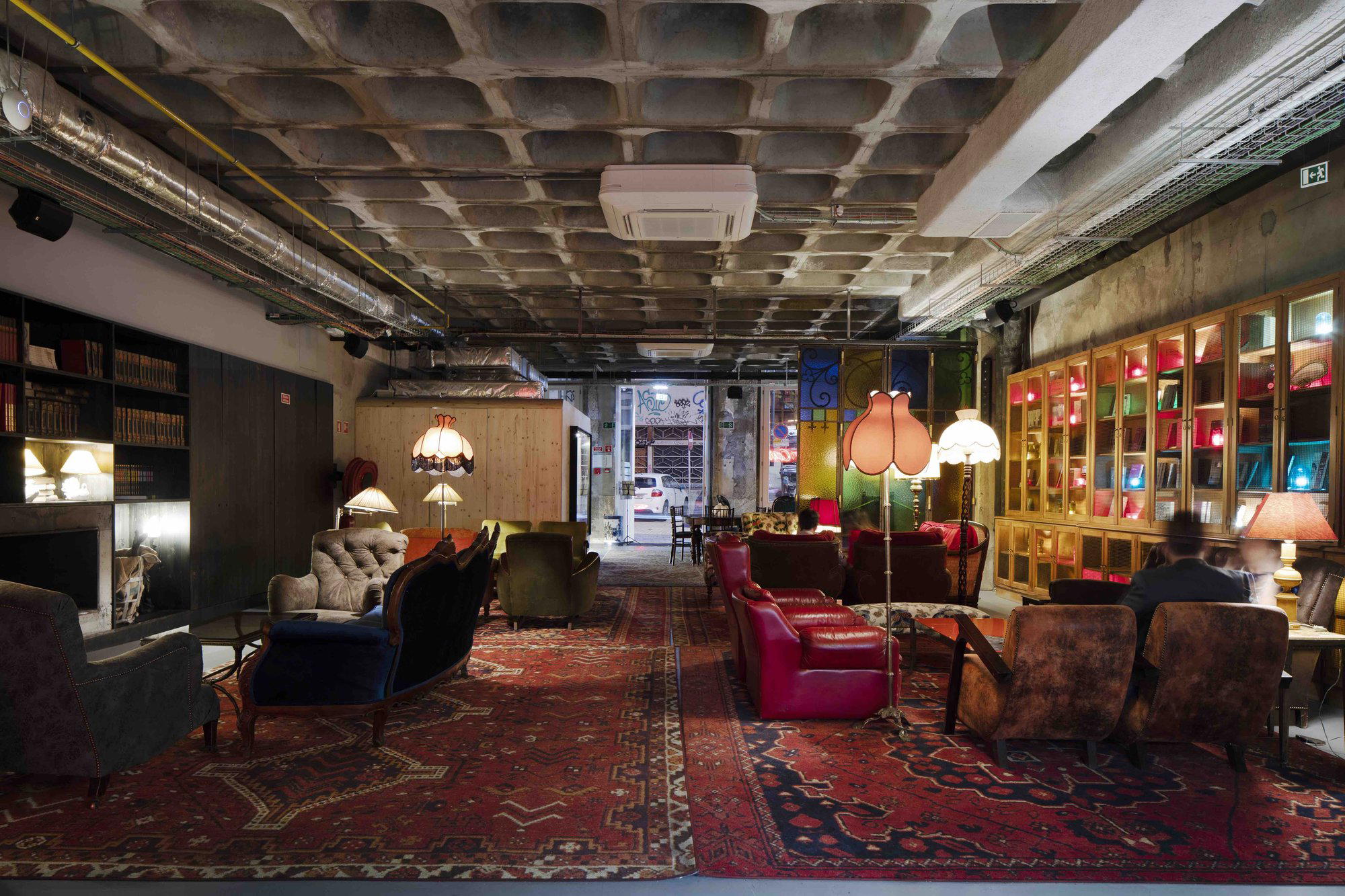
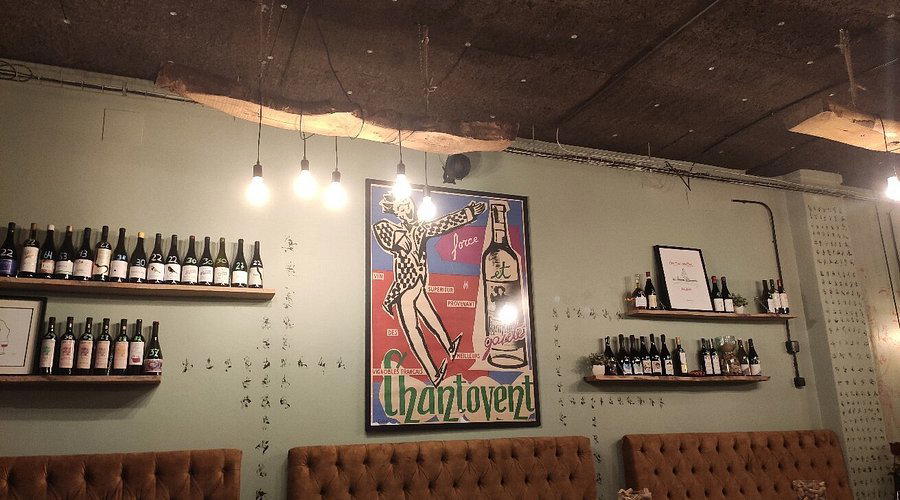
Hotels in Porto
Browse all →
At a Glance
- Intimate
- Modern
- Elegant
- Sophisticated
- Special Occasion
- Date Night
- Open Kitchen
- Extensive Wine List
- Local Sourcing
Current opening hours
- Monday
- Closed
- Tuesday
- 7:30–11 PM
- Wednesday
- 7:30–11 PM
- Thursday
- 7:30–11 PM
- Friday
- 1–3 PM, 7:30–11 PM
- Saturday
- 1–3 PM, 7:30–11 PM
- Sunday
- Closed
Hours can change for holidays and private events. Last verified .
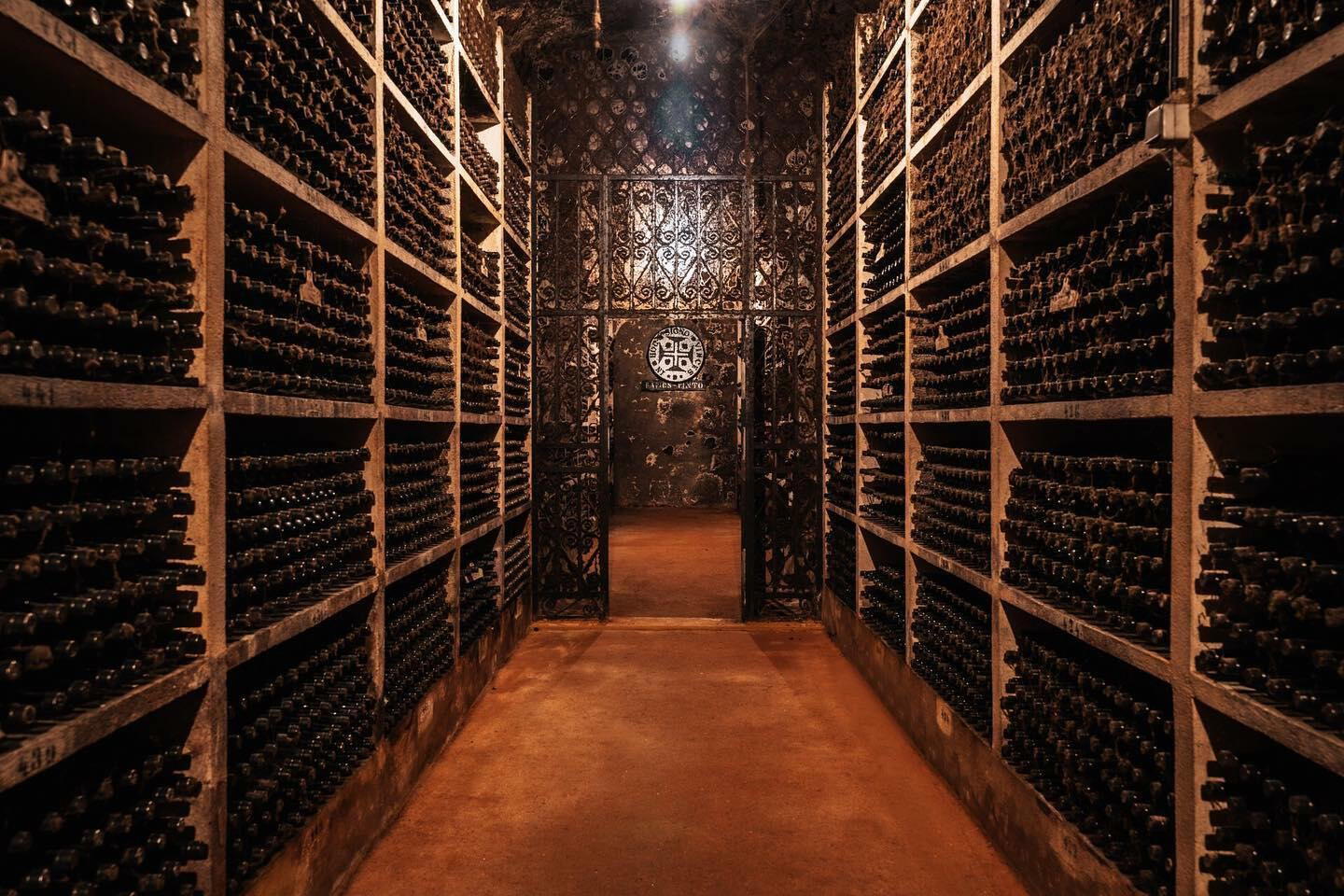
Dark walls and soft lighting create a focused, immersive atmosphere with no distractions, emphasizing precision and creativity in an intimate, welcoming setting.