

Set inside a palatial 1827 building at the heart of Guimarães' UNESCO-listed historic centre, Torel Royal Court occupies one of northern Portugal's most architecturally significant addresses. The property sits where Minho heritage and considered hospitality converge, offering a base from which the birthplace of the Portuguese nation becomes genuinely immersive. For travellers for whom the building is part of the experience, this is a serious option.
Pearl is the En Primeur Club membership app — saves, bookings, and concierge access live there. Same editors, same standards.
- Address
- R. de Camões 106, 4810-442 Guimarães
- Phone
- +351 253 144 110
- Website
- torelroyalcourt.com
- Directions
- Get directions
 Saves & bookings on Pearl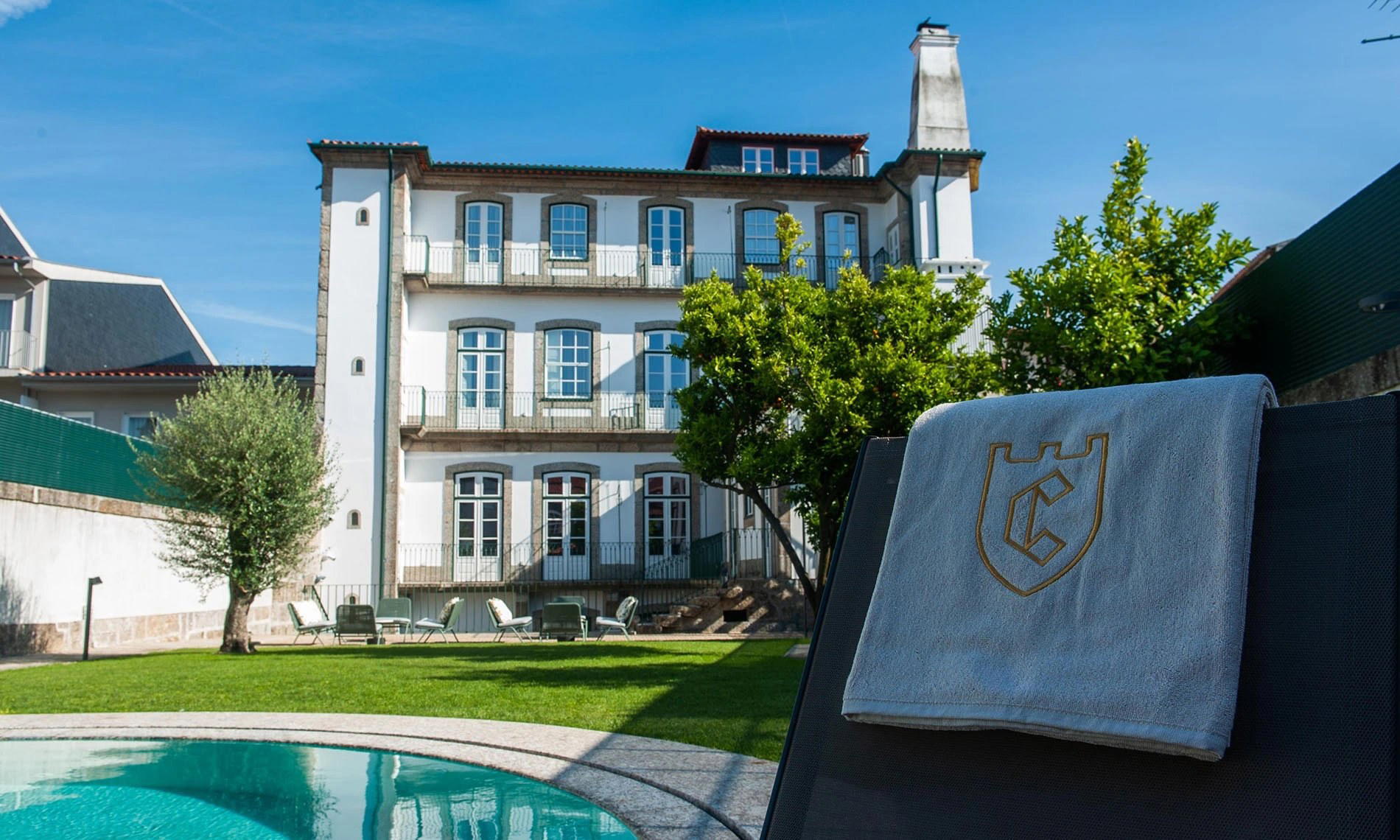
A Nineteenth-Century Palácio in Portugal's Founding City
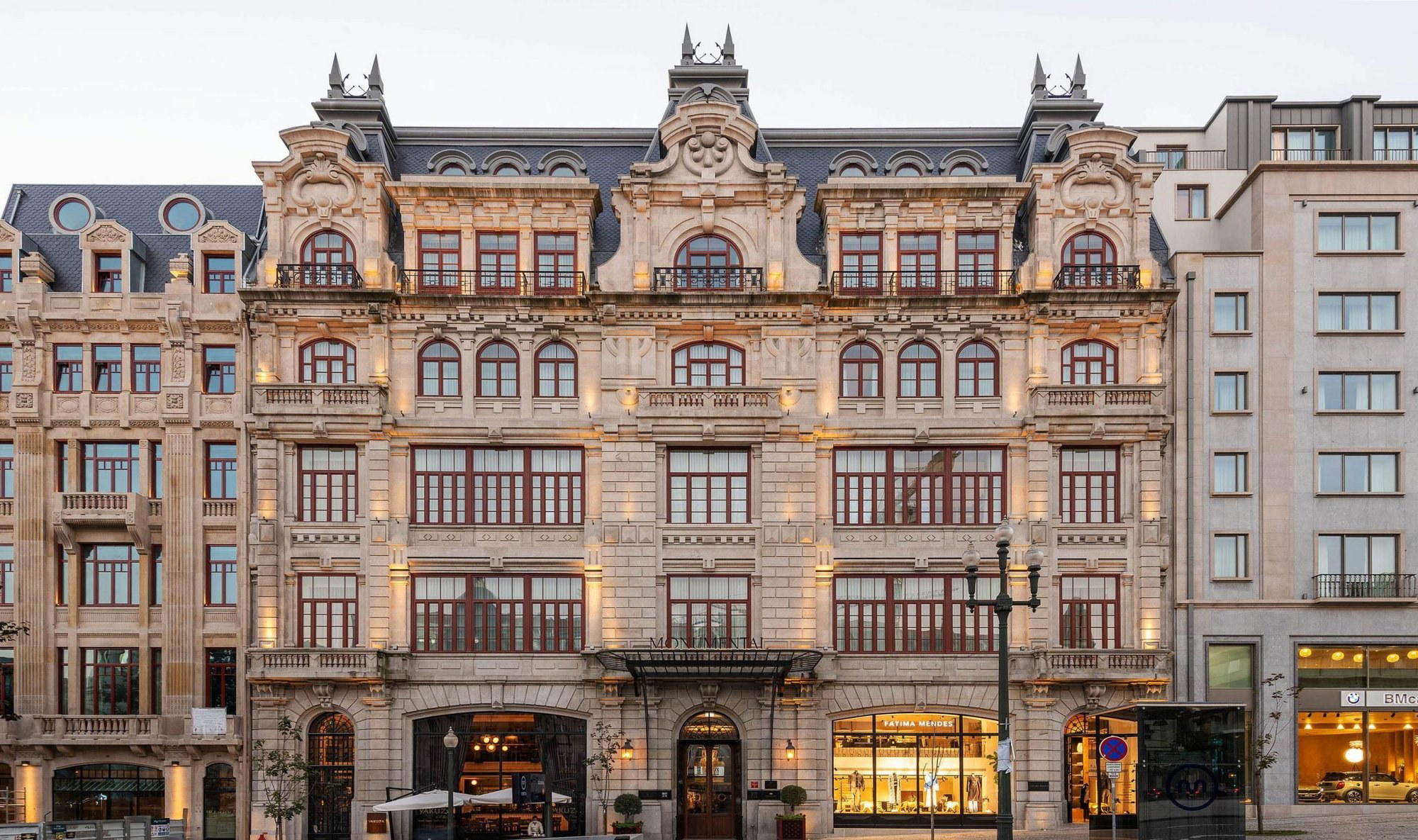
Guimarães carries a weight that most Portuguese cities can only reference. Declared the birthplace of the nation, its medieval centre earned UNESCO World Heritage status in 2001, and the physical evidence of that designation is inescapable: granite-cobbled lanes, Romanesque chapels, and a castle that predates the Portuguese monarchy itself. Within this context, where a building was constructed matters as much as how it looks today. The address at R. de Camões 106 places Torel Royal Court inside the historic nucleus, not at its edge, and that proximity shapes everything about how the property reads.
The building dates to 1827, a period when northern Portuguese architecture was consolidating a particular kind of civic grandeur, palatial in scale, restrained in ornament relative to the Baroque excess of the preceding century, but unmistakably built for permanence. Properties of this vintage in the Minho region tend to reflect a sober confidence: thick stone walls, symmetrical façades, interiors that announce purpose without theatrical flourish. That architectural grammar is worth understanding before arrival, because it sets expectations for what the space will feel like at ground level.
The Architecture as Primary Experience
Portugal has developed two distinct models for inserting contemporary hospitality into historic buildings. The first treats heritage as backdrop, retaining a façade while gutting the interior for a neutral, modern hotel environment. The second takes the structure seriously, working within its proportions and allowing original materials to remain in dialogue with contemporary use. Torel Royal Court fits firmly in the second camp.
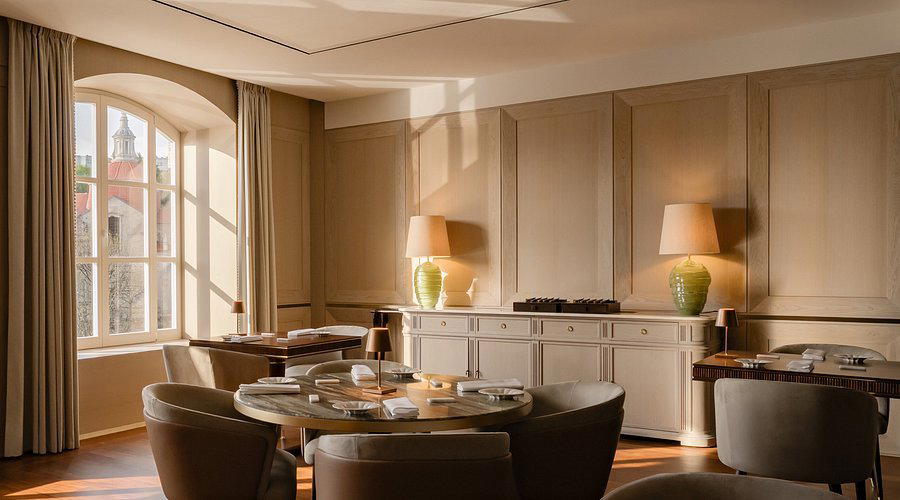
What that means practically at a property like this is a building that reads as a palácio first and a hotel second. High ceilings with original plasterwork, stone detailing that has not been smoothed into abstraction, and room configurations that follow the logic of the 1827 floorplan rather than a modern hospitality brief. For guests accustomed to the studied neutrality of international chains, the adjustment is real and, for the right traveller, the point entirely. The Conrad Algarve or InterContinental model offers predictability; a converted nineteenth-century palácio in a UNESCO city offers something considerably less repeatable.
Within Portugal's broader heritage hotel scene, this approach has strong precedent. The Bussaco Palace Hotel in Luso operates within a neo-Manueline hunting palace; Casa da Calçada in Amarante anchors itself in an eighteenth-century manor. Each of these properties asks the building to carry narrative weight that the hospitality programme then supports, rather than the reverse. Torel Royal Court fits that pattern, with the 1827 palácio as the primary credential.
Guimarães as a Destination: What the City Offers Around It
The decision to stay inside the historic centre rather than on its periphery has consequences beyond aesthetics. Guimarães' most significant sites, the Castelo de Guimarães, the Paço dos Duques de Bragança, the Igreja de Nossa Senhora da Oliveira, are within walking distance of the centre, which means that a property at R. de Camões 106 functions as a genuine base for exploration on foot. The city is compact enough that a two-night stay covers the main architectural and historical points without requiring transport.
The dining scene in Guimarães reflects the Minho region's broader culinary character: substantial, pork-forward, and rooted in traditions that have not been significantly reinterpreted for outside audiences. Bacalhau preparations, caldo verde, and the region's distinctive vinho verde, lighter, lower in alcohol, often with a faint spritz, are the reference points. For travellers arriving from Porto, a 50-kilometre drive or short train journey north, Guimarães registers as a quieter, less touristically saturated version of northern Portuguese urban culture, which is part of its appeal.
Broader northern Portugal circuit pairs Guimarães naturally with Douro Valley properties. Options like Ventozelo Hotel and Quinta in Ervedosa do Douro, Q.ta da Corte in Valença do Douro, and Douro Valley Casa Vale do Douro in Cambres are natural extensions of a northern Portugal itinerary that begins in a city like Guimarães. For travellers routing through Porto, M Maison Particulière Porto represents a comparable design-led, heritage-sensitive approach in a larger urban setting.
Planning Your Stay
Guimarães draws significant domestic and European visitor traffic during the summer festival season, particularly around the Festas Gualterianas in August, one of the oldest festivals in Portugal. The historic centre fills substantially during that window, and properties of limited key count, as palácio conversions tend to be, book ahead. Outside July and August, the city is considerably quieter, and the medieval architecture reads differently under the lower light of autumn and early spring. For those whose priority is the architectural experience rather than the summer atmosphere, the shoulder months offer a more measured pace. Booking ahead is the practical approach for a property in this category.
Travellers looking at comparable heritage-led approaches elsewhere in Portugal might also consider Hotel Britania Art Deco in Lisbon, Carmo's Boutique Hotel in Ponte de Lima, or Casa das Penhas Douradas in Manteigas for a sense of how different building typologies and regional settings shape the heritage hotel experience across the country.
Comparable Venues
Comparable venues nearby, for context on price, style, and recognition.
| Venue | Cuisine | Price | Awards | Notes |
|---|---|---|---|---|
| Torel Royal CourtThis venue — the venue you are viewing | Renovated 19th-century urban palace blending timeless elegance with modern luxury. | $$$$ | 4-Star | Not listed |
| The Standard | Contemporary luxury boutique hotel respecting heritage architecture with modern unconventional hospitality. | $$$$ | 5-Star | Alfama |
| The Ivens Hotel, Autograph Collection | 19th-century well-known warehouse revived as a luxurious explorers' boutique hotel with distinctive historical charm. | $$$$ | 5-Star | Chiado |
| Pestana Porto A Brasileira | Historic city center heritage building with modern luxury | $$$$ | 5-Star | City Center |
| You and the sea - Ericeira Hotel and Apartments | Urban chic beachfront aparthotel | $$$ | 4-Star | Praia do Sul |
| Casa do Conto | Renovated 19th-century bourgeois townhouse blending heritage architecture with contemporary arts residence concept. | $$$ | 4-Star | Cedofeita |
Recognition history
Dated appearances from independent guides and award organizations, with the underlying list record or original source where available.
Michelin Selected
Michelin
Tablet Hotels Top 40 New Hotels #29
Tablet Hotels
Continue exploring
More in Guimaraes
Hotels in Guimaraes
Browse all →
Bars in Guimaraes
Browse all →
Restaurants in Guimaraes
Browse all →

At a Glance
- Elegant
- Sophisticated
- Romantic
- Classic
- Intimate
- Romantic Getaway
- Anniversary
- Weekend Escape
- Historic Building
- Garden
- Terrace
- Pool
- Spa
- Room Service
- Concierge
- Fitness Center
- Bar
- Garden
- Garden
- Pool
- Spa
- Room Service
- Concierge
- Fitness Center
- Bar
- Garden
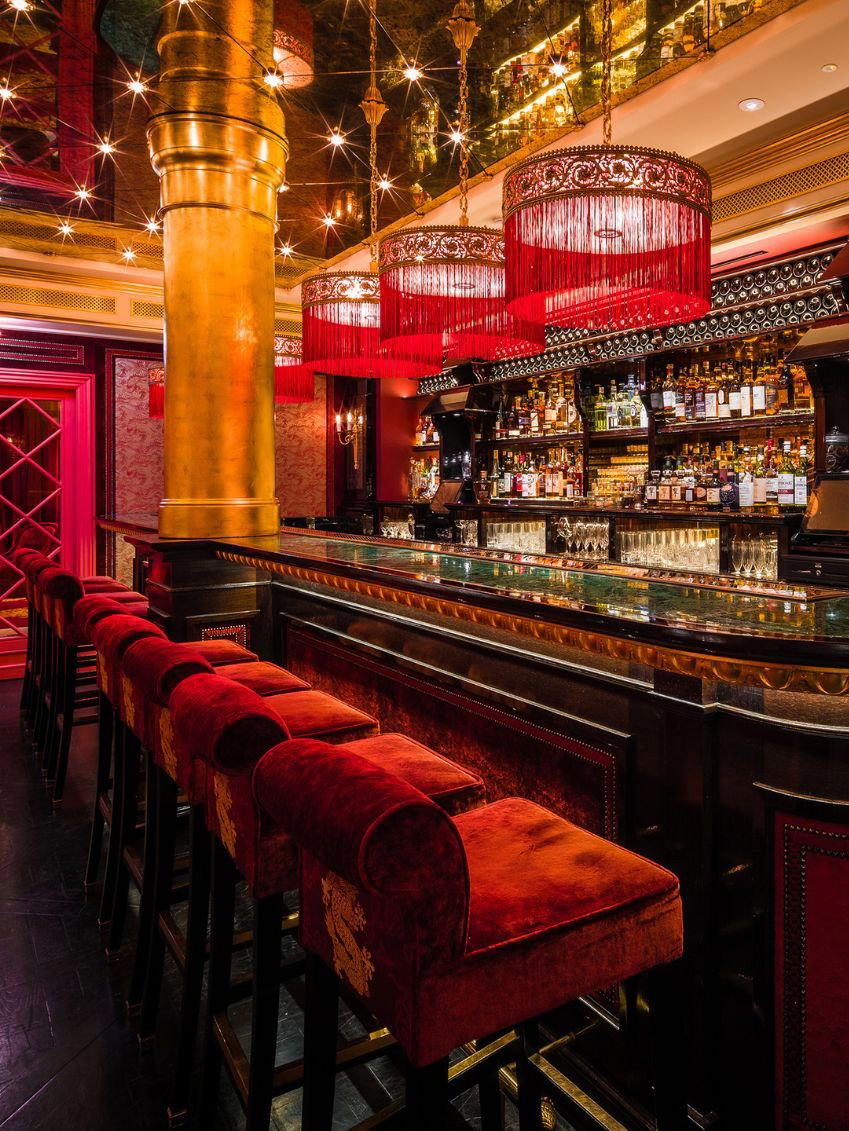
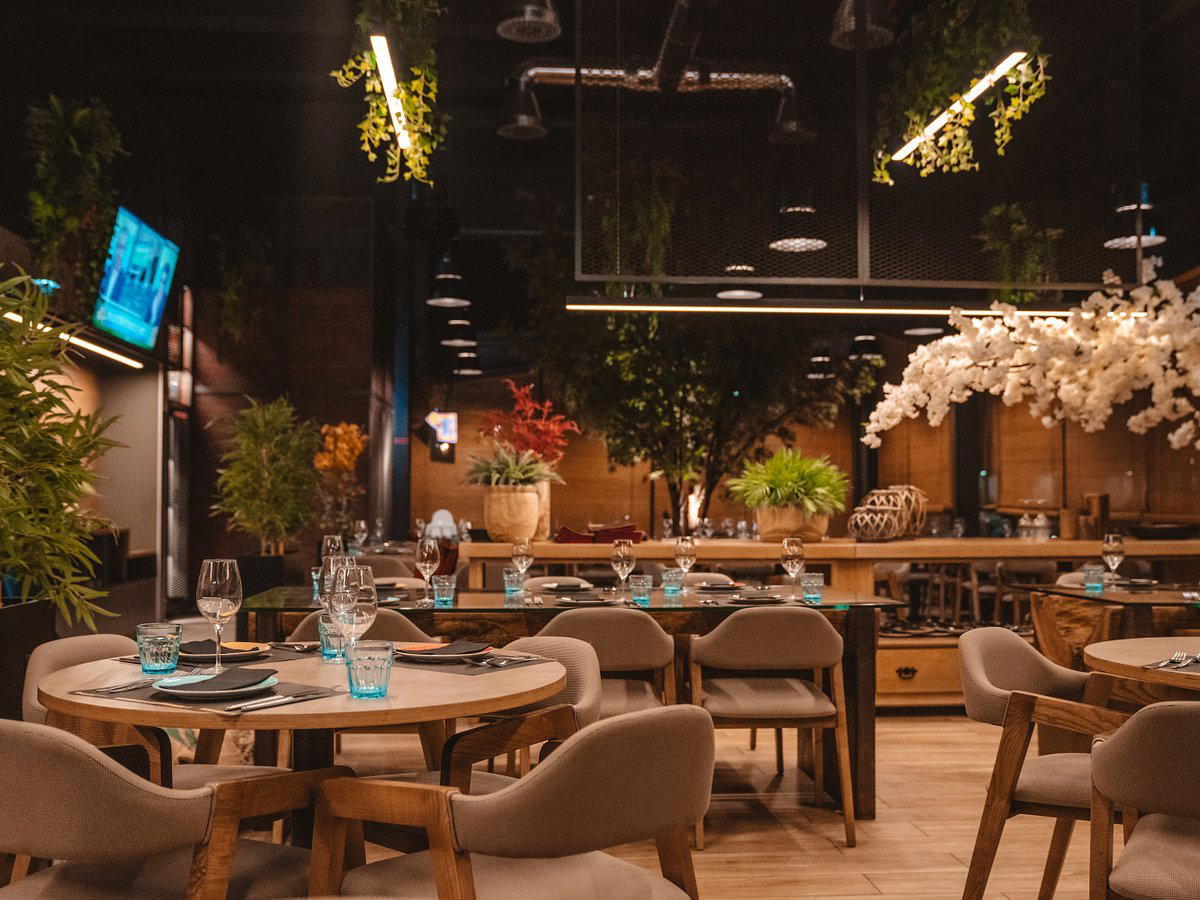
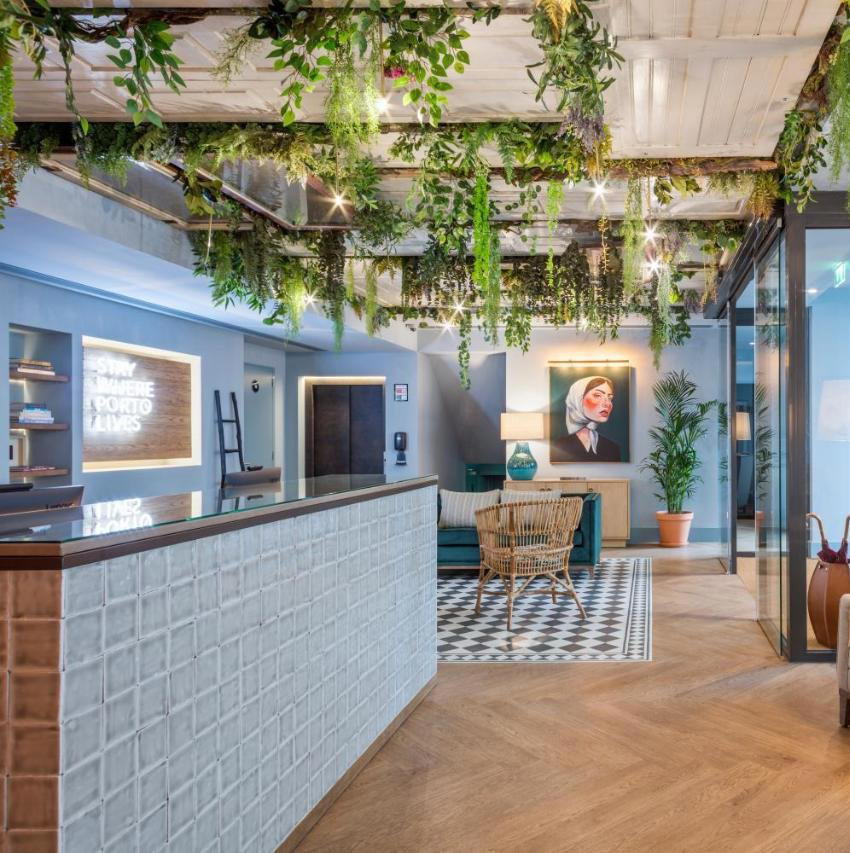
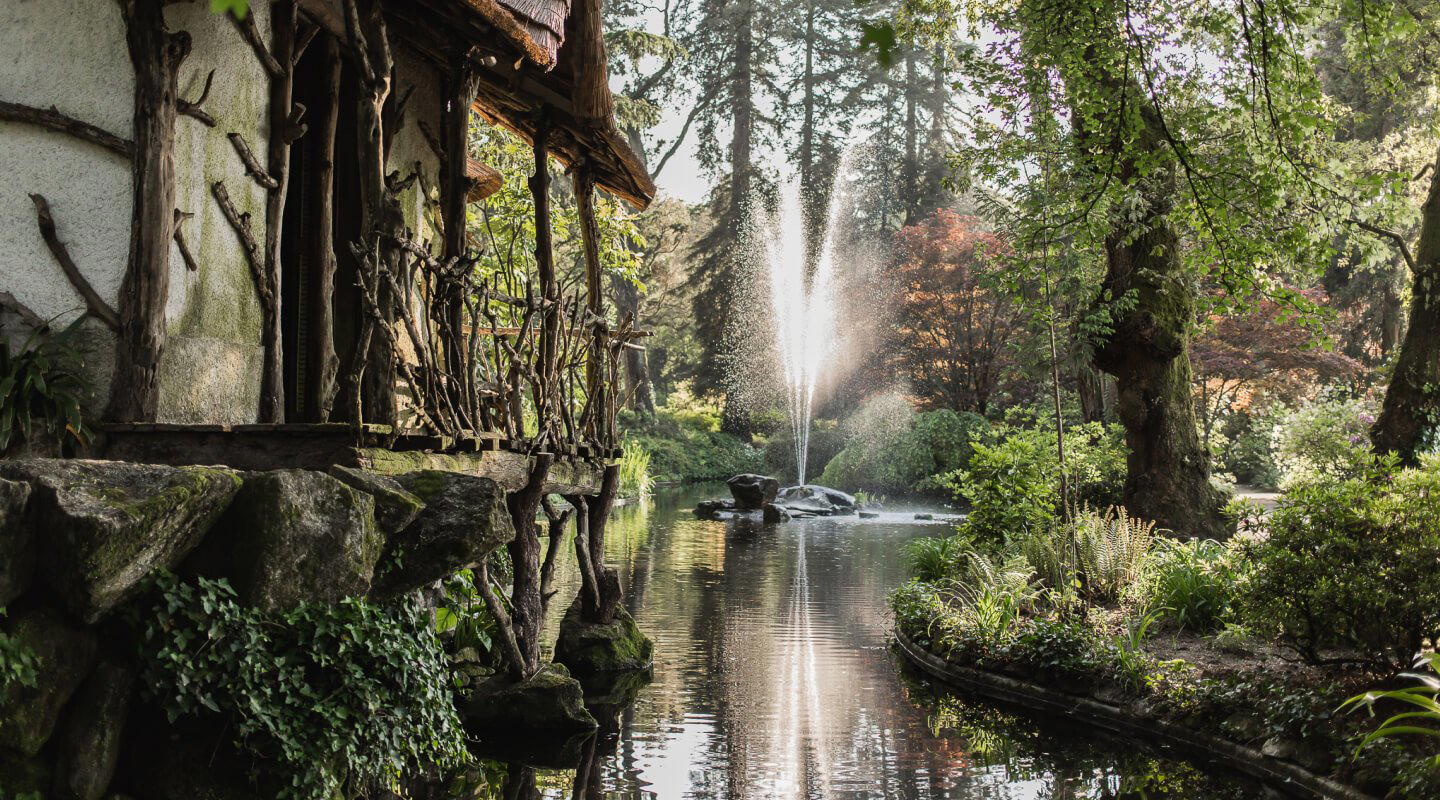
Timeless elegance with modern luxury, serene garden and poolside relaxation, sophisticated sports lounge atmosphere.