
Set within Quinta Vale de Abraão amid vineyard views outside Lamego, Restaurant The Vale de Abraao positions itself around produce from an organic herb and vegetable garden tended by Chef Nuno Matos. The kitchen leans toward vegetables and health-conscious cooking, though the concept is still finding its footing. For travellers in the Douro wine country seeking a garden-to-table format, it offers a promising premise with room to grow.
Pearl is the En Primeur Club membership app — saves, bookings, and concierge access live there. Same editors, same standards.
- Address
- Quinta Vale de Abraão, 5100-758 Samodães, Portugal
- Phone
- +351 254 660 600
- Website
- sixsenses.com
- Directions
- Get directions
 Saves & bookings on Pearl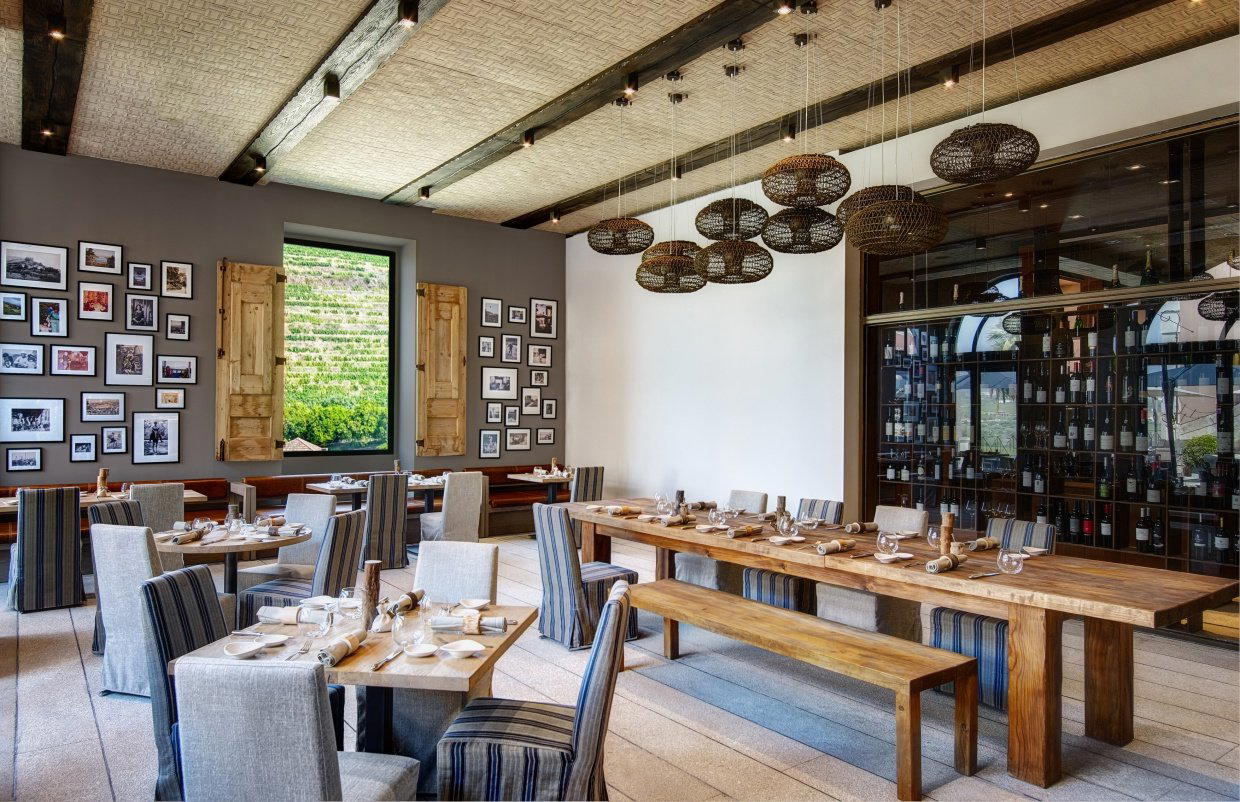
Vineyard Country, Garden Table: Dining at Vale de Abraão
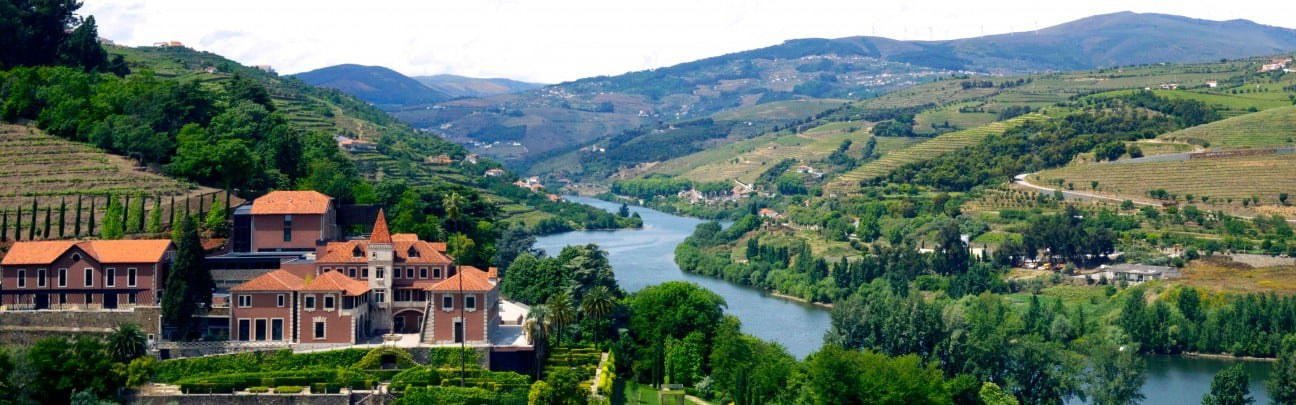
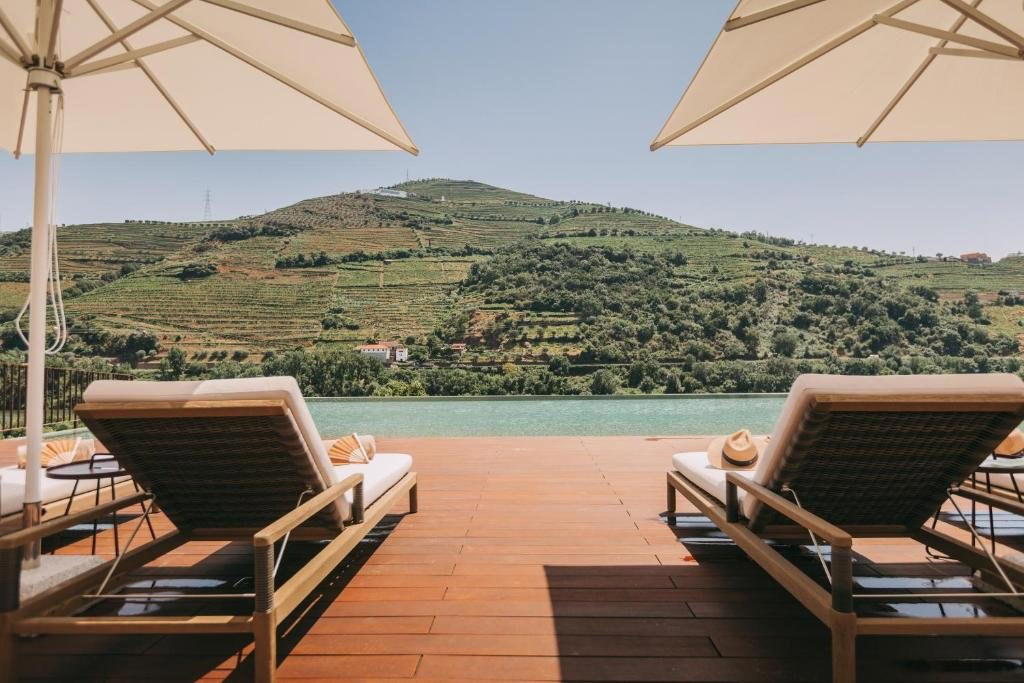
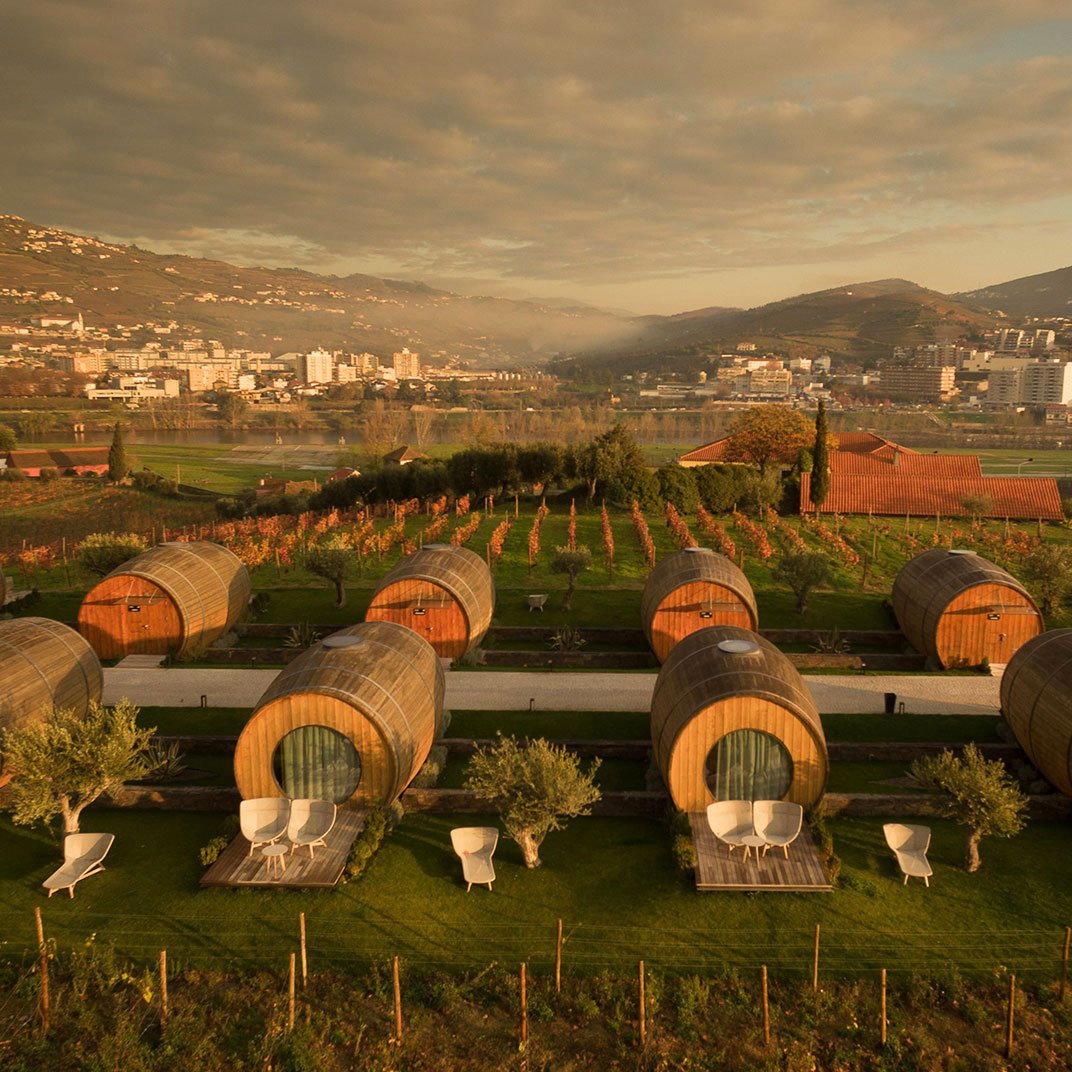
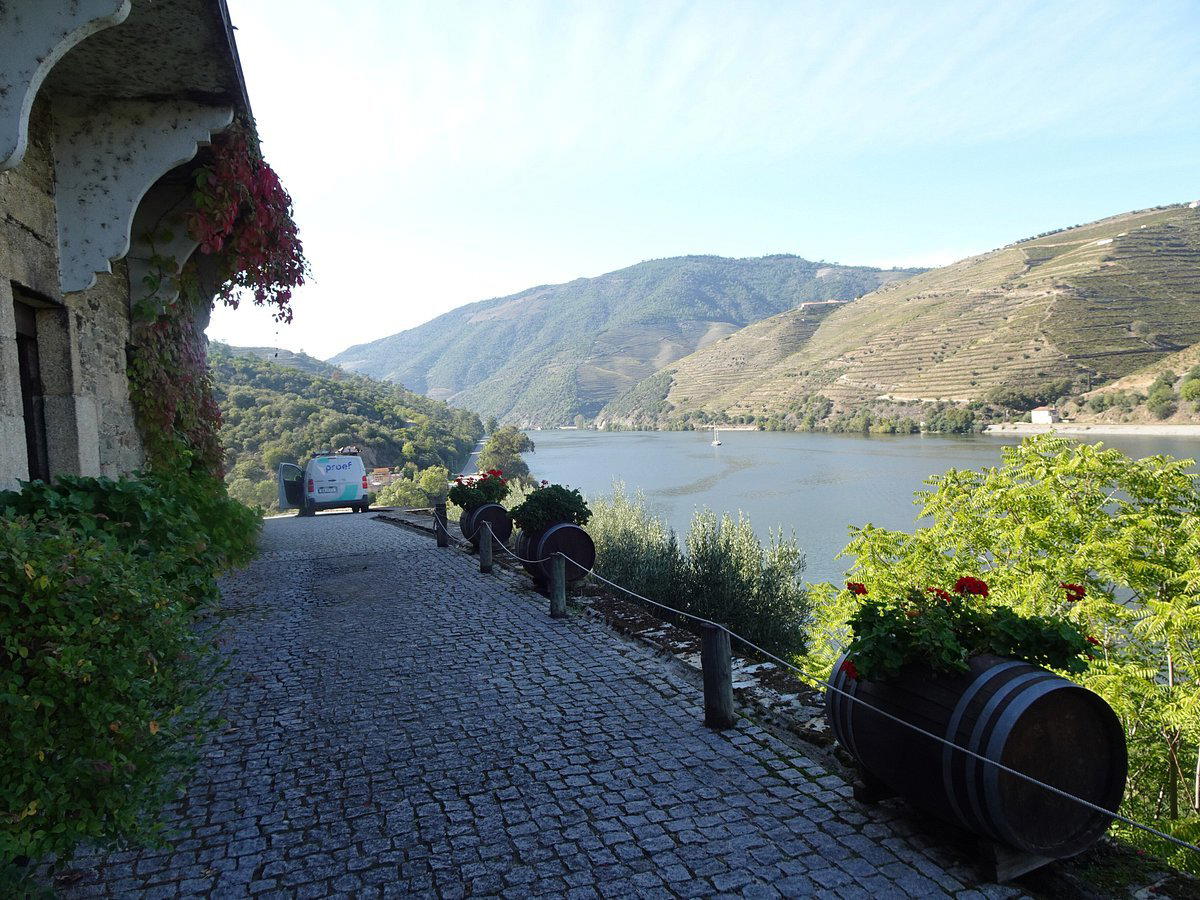
The approach to Quinta Vale de Abraão sets a clear expectation before you reach the dining room. Terraced vineyards slope away from the property in the direction of the Douro valley, and the organic kitchen garden occupies a working position in the estate rather than a decorative one. This is a property that has anchored its culinary identity to the land immediately around it, a premise that carries real weight in a region where the relationship between agriculture, wine, and the table has been the defining feature of local hospitality for generations.
In northern Portugal, the Douro corridor has historically framed fine dining through the lens of the wine estate, with food existing in productive tension with the glass rather than independently of it. The quinta model, where accommodation, viticulture, and cuisine occupy the same physical territory, is well established here, and the better examples use that integration as a genuine curatorial principle rather than a branding convenience. At Vale de Abraão, the intent is clear: the cooking draws from that organic production. The question the kitchen is still answering is how far that philosophy translates into the plate.
The Sourcing Logic: What the Garden Signals
The organic herb and vegetable garden at Vale de Abraão functions as both supply chain and editorial statement. When a kitchen invests in growing its own produce, it makes a claim about provenance that positions it differently from restaurants sourcing even from excellent local suppliers. The control over variety, harvest timing, and cultivation method allows for a specificity of flavour that conventional supply cannot match. Herbs picked at a particular stage of growth, vegetables harvested at smaller sizes for texture rather than yield, these are the granular decisions that distinguish garden-to-kitchen cooking from its looser approximations.
This sourcing approach places Vale de Abraão in a broader movement across Portuguese fine dining, where terrain and agricultural origin have become increasingly central to how chefs frame their menus. Restaurants like Antiqvvm in Porto and Ó Balcão in Santarém have built reputations on regional ingredient intelligence, while coastal counterparts such as Casa de Chá da Boa Nova in Leça da Palmeira anchor their identity to hyper-local maritime sourcing. At Vale de Abraão, the logic is agricultural rather than maritime, and the emphasis on vegetables and health-conscious cooking gives it a distinct orientation within that broader field.
The honest assessment, though, is that intention and execution are not fully aligned. The garden is there, the philosophy is articulated, and Nuno Matos's investment in the growing side of the operation is evident. But the kitchen has been identified as having significant room for improvement, specifically in translating that produce-led ambition into the kind of cooking that makes the sourcing story feel earned rather than assumed. This is not an uncommon position for an estate restaurant in its developmental phase, and it is a more intellectually honest place to occupy than a kitchen that performs farm-to-table theatre without the underlying commitment.
Placing Vale de Abraão in the Portuguese Dining Picture
Portugal's most recognised restaurants currently cluster in Lisbon, the Algarve, and the Douro-Porto corridor. Belcanto in Lisbon and Vila Joya in Albufeira operate at the summit of the country's Michelin-recognised tier, while Ocean in Porches and The Yeatman in Vila Nova de Gaia demonstrate how estate and hotel dining can reach serious critical standing. Further afield, Il Gallo d'Oro in Funchal and regional entries like A Cozinha in Guimaraes, A Ver Tavira in Tavira, and Al Sud in Lagos show how the country's dining ambition has spread beyond the capital.
What it does represent is an estate restaurant with a coherent sourcing premise and a setting, vineyard views, organic gardens, a property designed for immersion rather than transit, that creates the conditions for something more considered to emerge. The gap between premise and performance remains the central question.
For international context, the model of producing serious destination dining within a resort estate has precedents at addresses like Le Bernardin in New York City and Emeril's in New Orleans, where the kitchen operates as a serious independent proposition within a larger hospitality structure. The challenge for estate dining everywhere is ensuring the restaurant earns its place on culinary terms, not simply as an amenity. That is the standard Vale de Abraão is reaching toward.
Getting There and Planning Your Visit
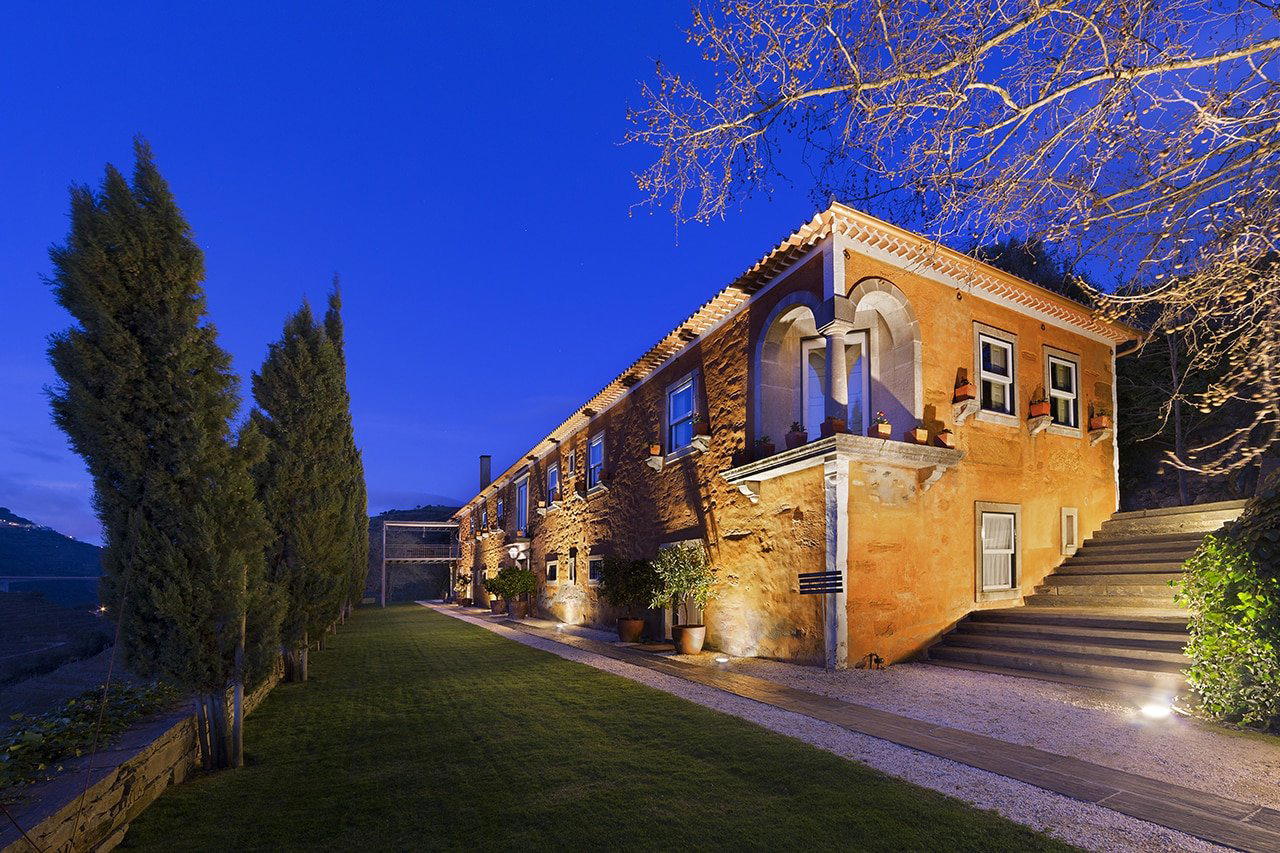
The quinta sits at Quinta Vale de Abraão, 5100-758 Samodães, on the fringes of Lamego in northern Portugal. Lamego itself is approximately an hour's drive from Porto along the A4 and IP3, making it an accessible proposition for travellers basing themselves in the Douro wine country. The address at Samodães places it in a rural, agricultural setting rather than in Lamego's small historic centre, arrive by car, and follow estate signage from the main road. For anyone travelling through the Douro with an interest in wine tourism and local food culture, the estate's vineyard context makes it a coherent stop alongside visits to the region's quintas and producers.
Comparable Spots, Quickly
Comparable venues nearby, for context on price, style, and recognition.
| Venue | Cuisine | Price | Awards | Notes |
|---|---|---|---|---|
| Restaurant The Vale de AbraaoThis venue — the venue you are viewing | Portuguese Farm-to-Table | $$$$ | Not listed | Not listed |
| Casa de Chá da Boa Nova | Modern Seafood Fine Dining | $$$$ | Not listed | Leça da Palmeira |
| Canto Redondo | Portuguese Fine Dining | $$$ | Not listed | Largo do Paço / Casa da Calçada |
| Bomfim 1896 with Pedro Lemos | Modern Douro Valley Cuisine with Wood-Fired Technique | $$$$ | Michelin Plate | Pinhão |
| Le Babachris | Modern Mediterranean Fusion | $$$ | Michelin Plate | historical center |
| austa | Contemporary Seasonal Mediterranean | $$$$ | Not listed | Almancil |
Recognition history
Dated appearances from independent guides and award organizations, with the underlying list record or original source where available.
We're Smart World 1 Radish
We're Smart World
At a Glance
- Romantic
- Scenic
- Elegant
- Intimate
- Sophisticated
- Date Night
- Special Occasion
- Celebration
- Group Dining
- Open Kitchen
- Terrace
- Garden
- Panoramic View
- Hotel Restaurant
- Wine Cellar
- Extensive Wine List
- Sommelier Led
- Farm To Table
- Organic
- Local Sourcing
- Vineyard
- Garden
Current opening hours
- Monday
- 12:30–3 PM, 7–10 PM
- Tuesday
- 12:30–3 PM, 7–10 PM
- Wednesday
- 12:30–3 PM, 7–10 PM
- Thursday
- 12:30–3 PM, 7–10 PM
- Friday
- 12:30–3 PM, 7–10 PM
- Saturday
- 12:30–3 PM, 7–10 PM
- Sunday
- 12:30–3 PM, 7–10 PM
Hours can change for holidays and private events. Last verified .
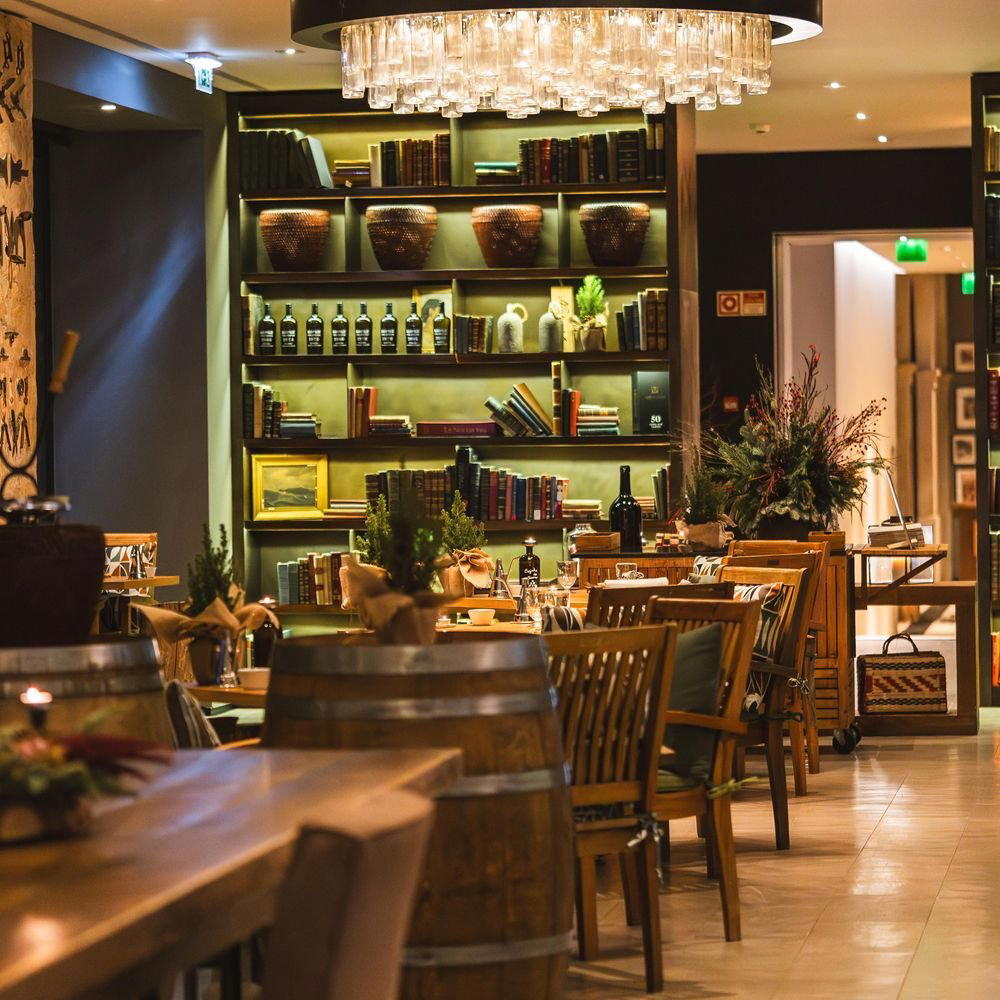
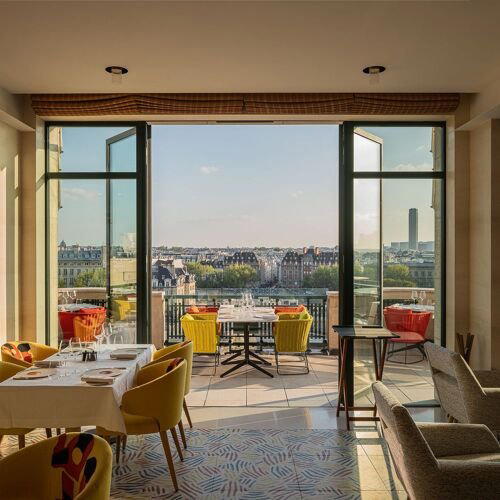
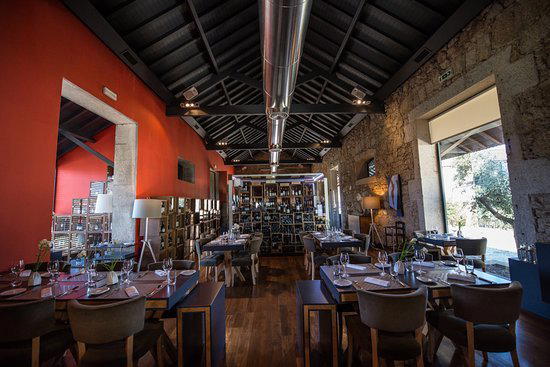
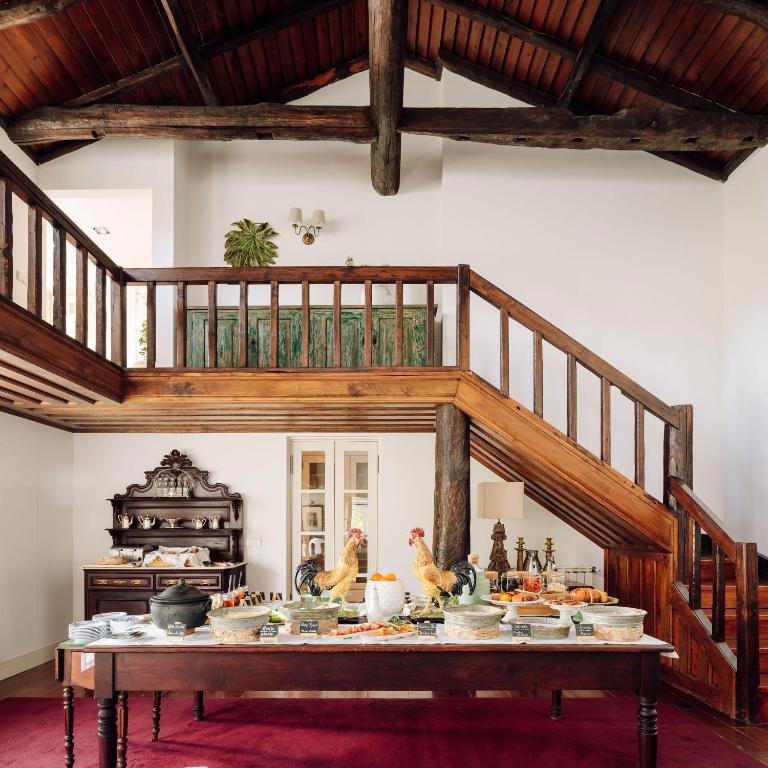
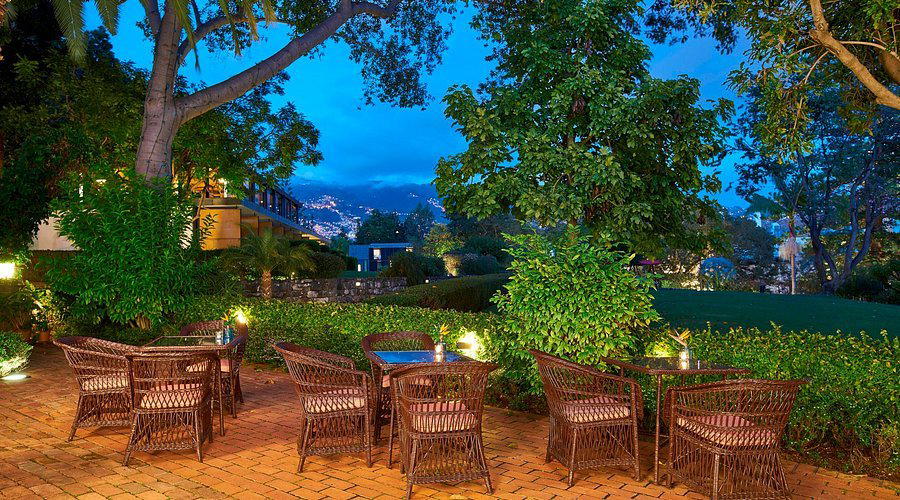
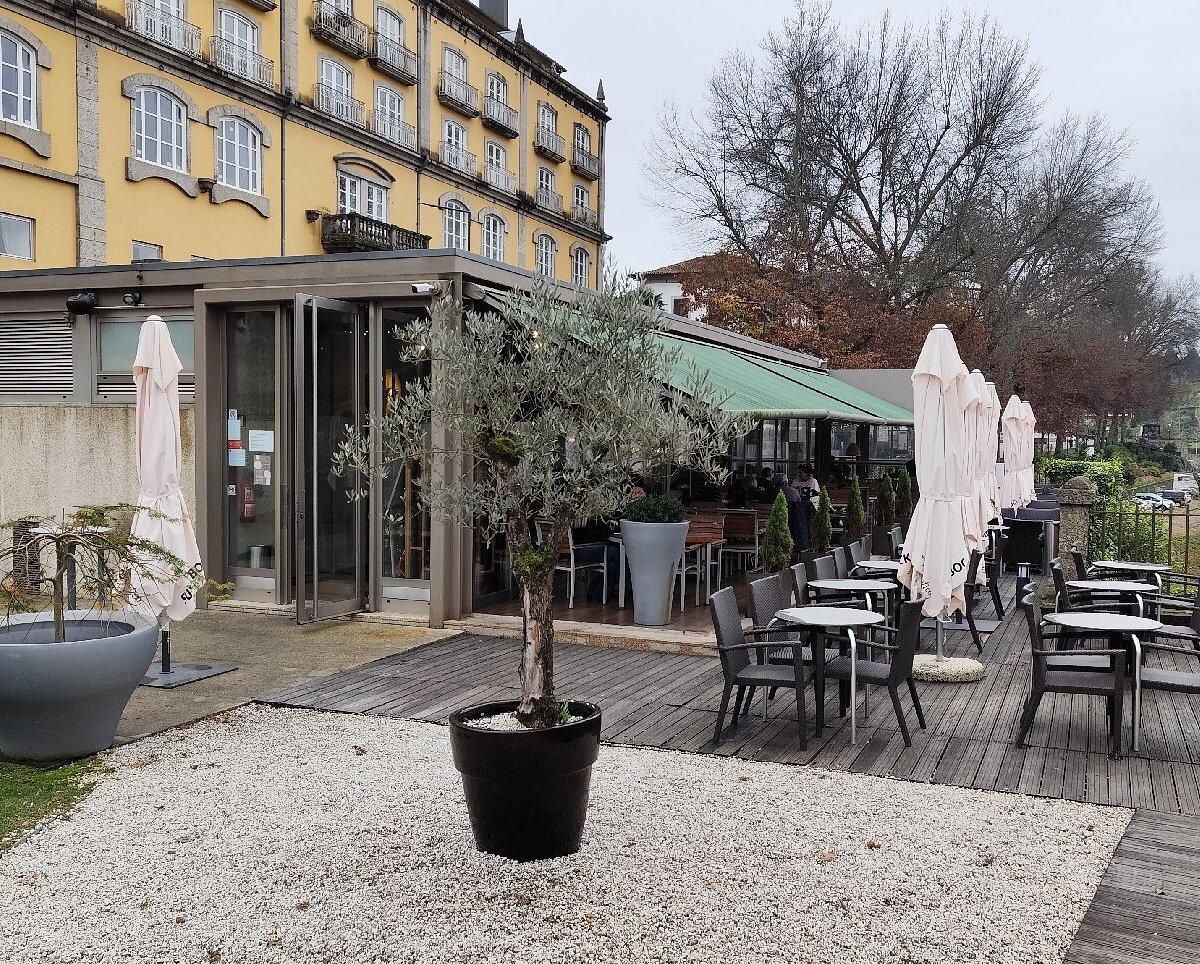
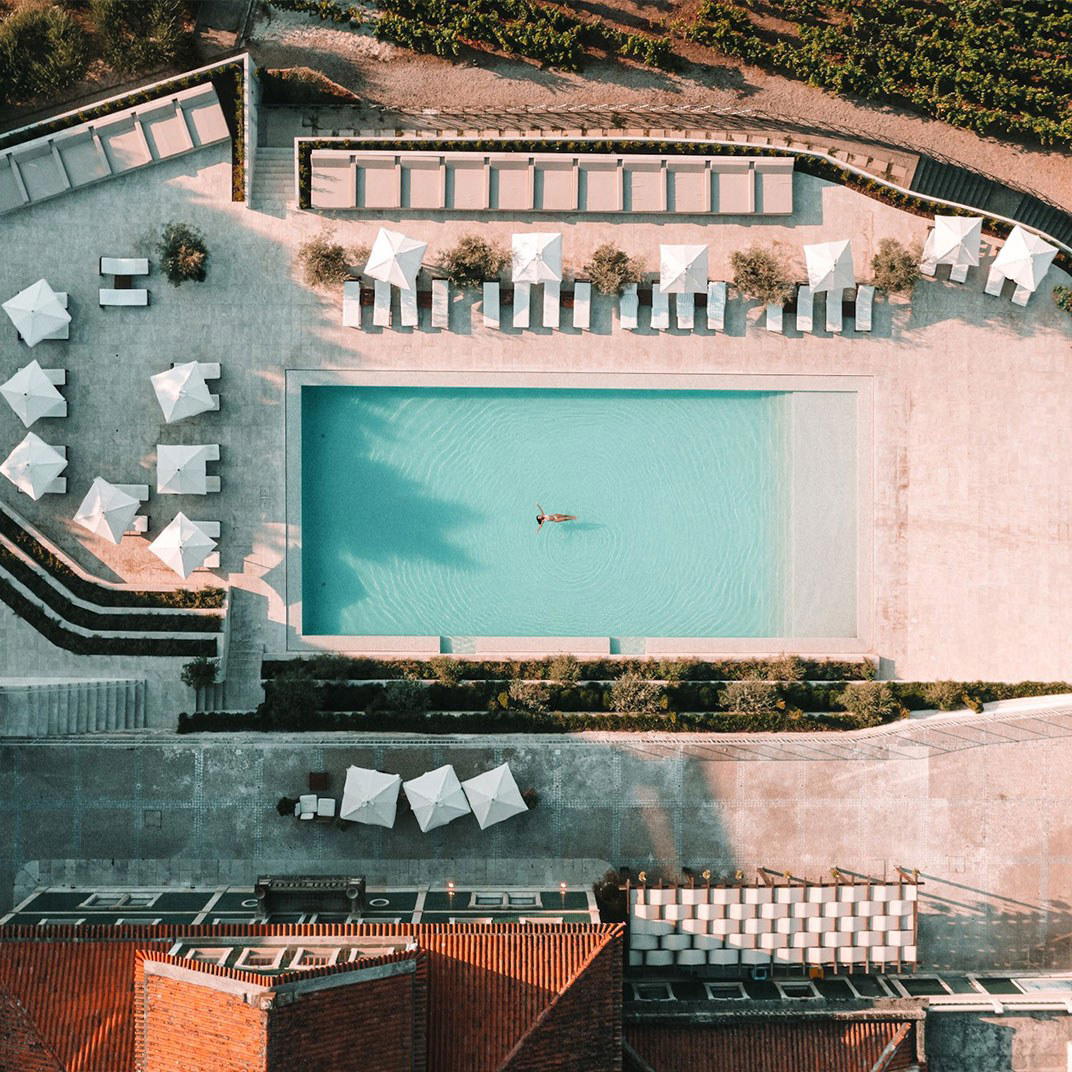
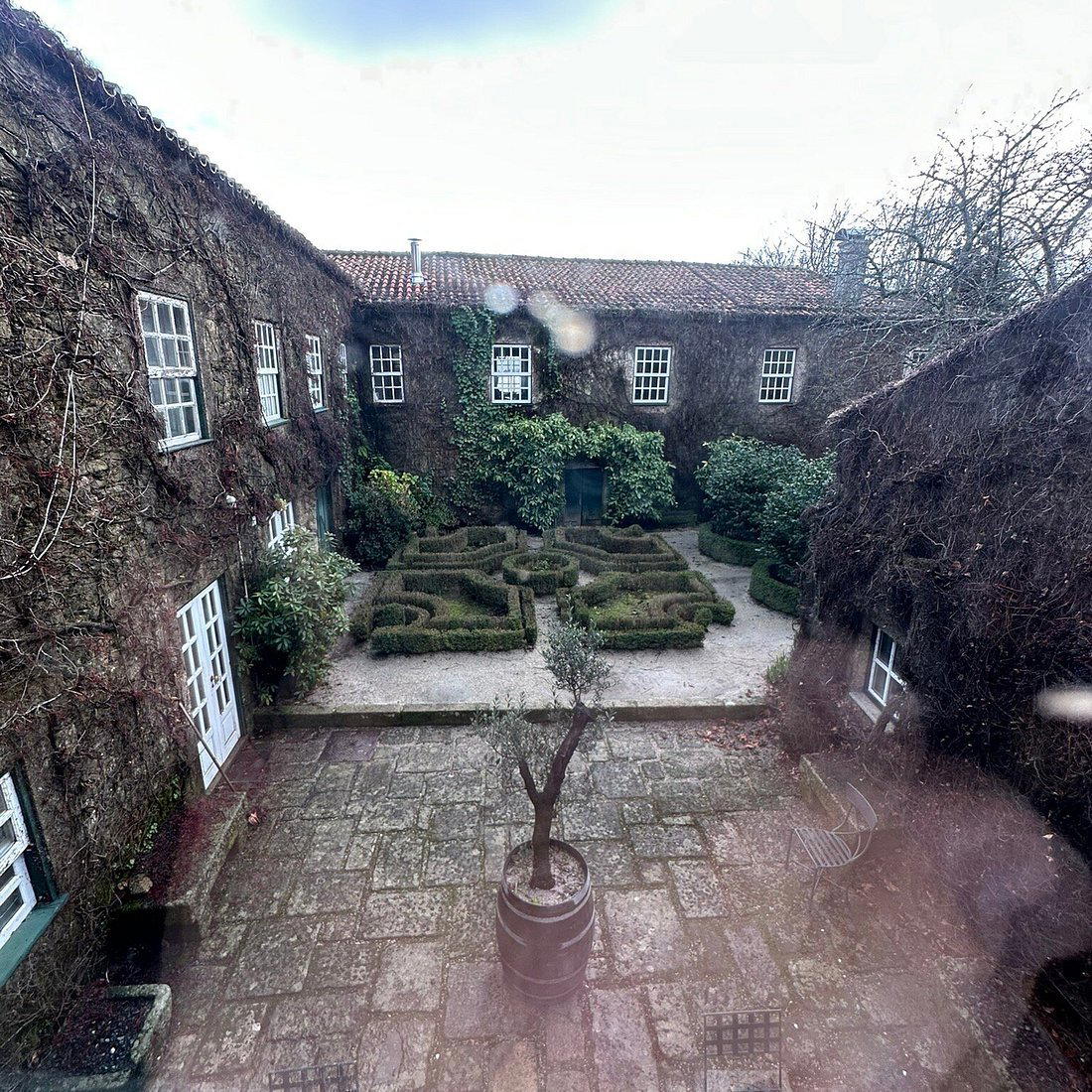
Intimate and contemporary with classical Portuguese elements including 18th-century azulejo tiles, cork ceilings, granite floors, oversized fireplaces, floor-to-ceiling windows, and a sunny terrace overlooking vineyards.