Quinta do Portal sits along the N323 in Celeirós, within the Douro Valley's Sabrosa municipality, where schist-laden soils and dramatic altitude shifts define every bottle produced on the estate.. For visitors serious about understanding how Douro geography translates to glass, it belongs on the itinerary.
Pearl is the En Primeur Club membership app — saves, bookings, and concierge access live there. Same editors, same standards.
- Address
- N323, 5060-020 Celeirós
- Phone
- +351 968 120 127
- Website
- manorhousedouro.com
- Directions
- Get directions
 Saves & bookings on Pearl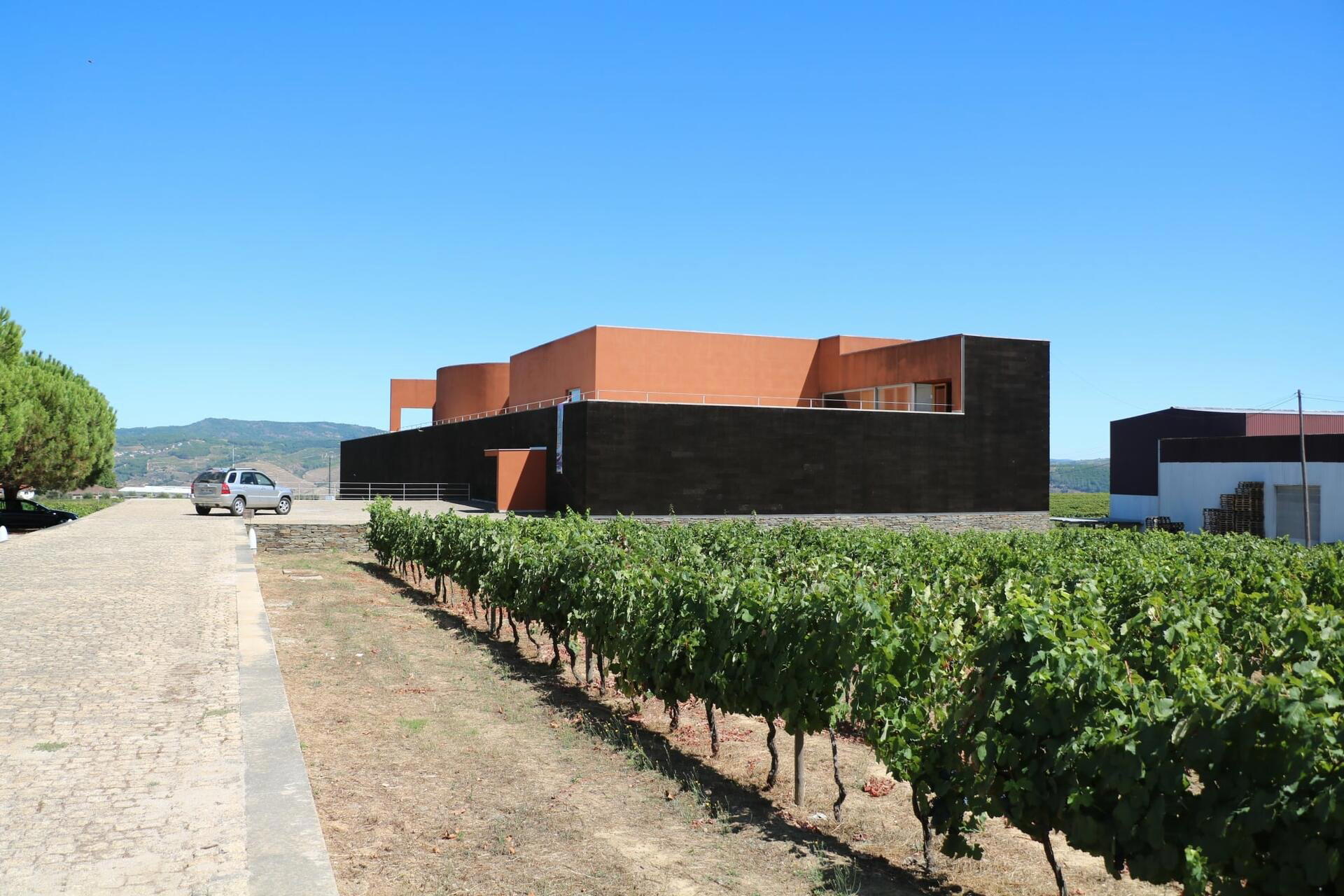
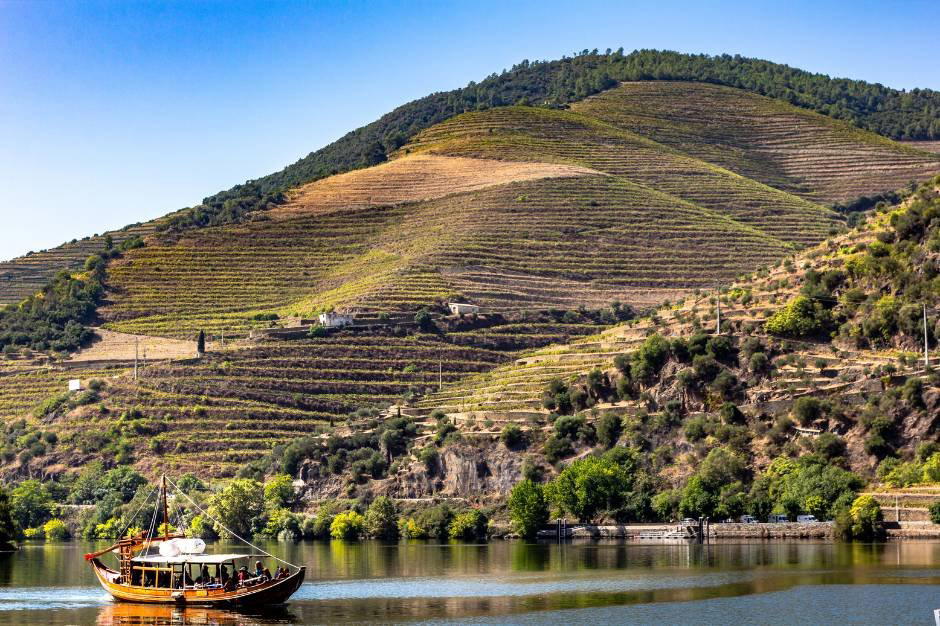
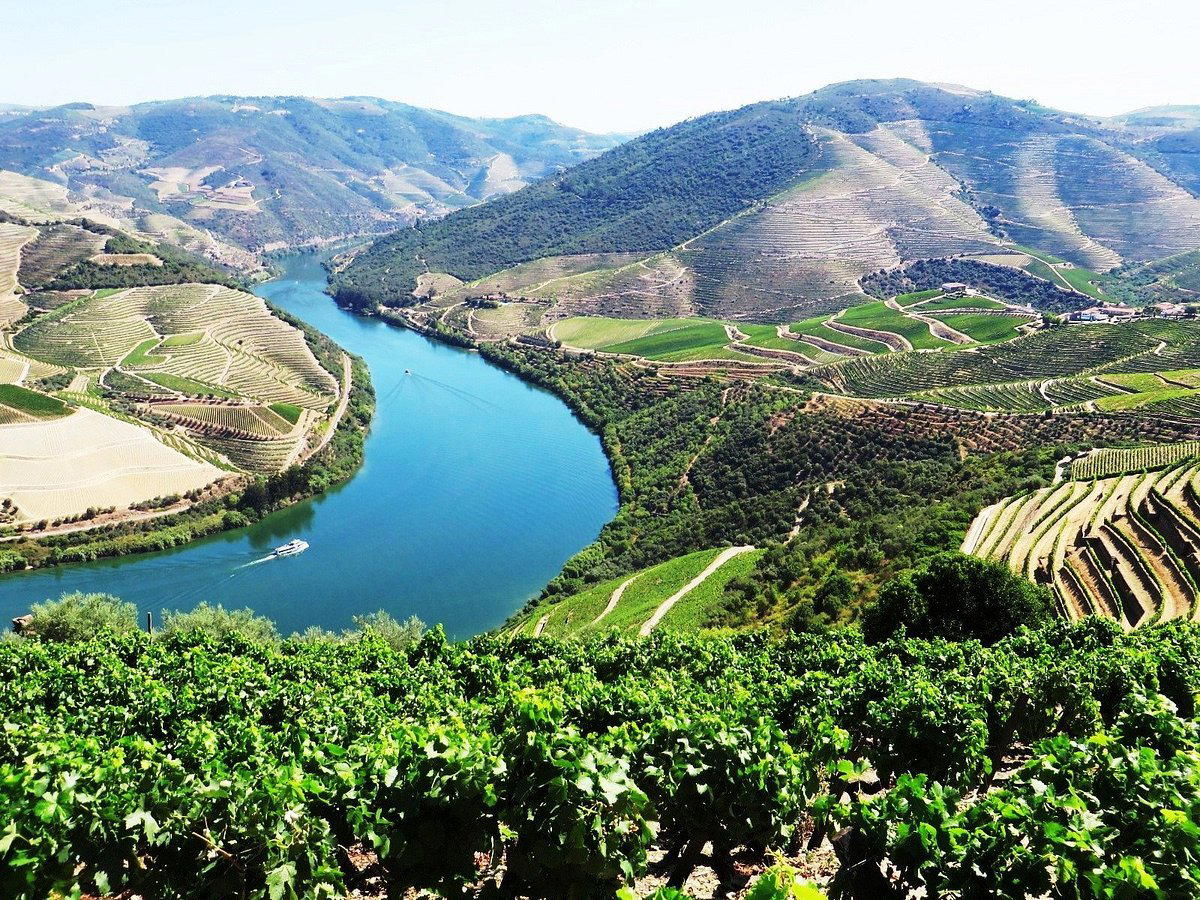
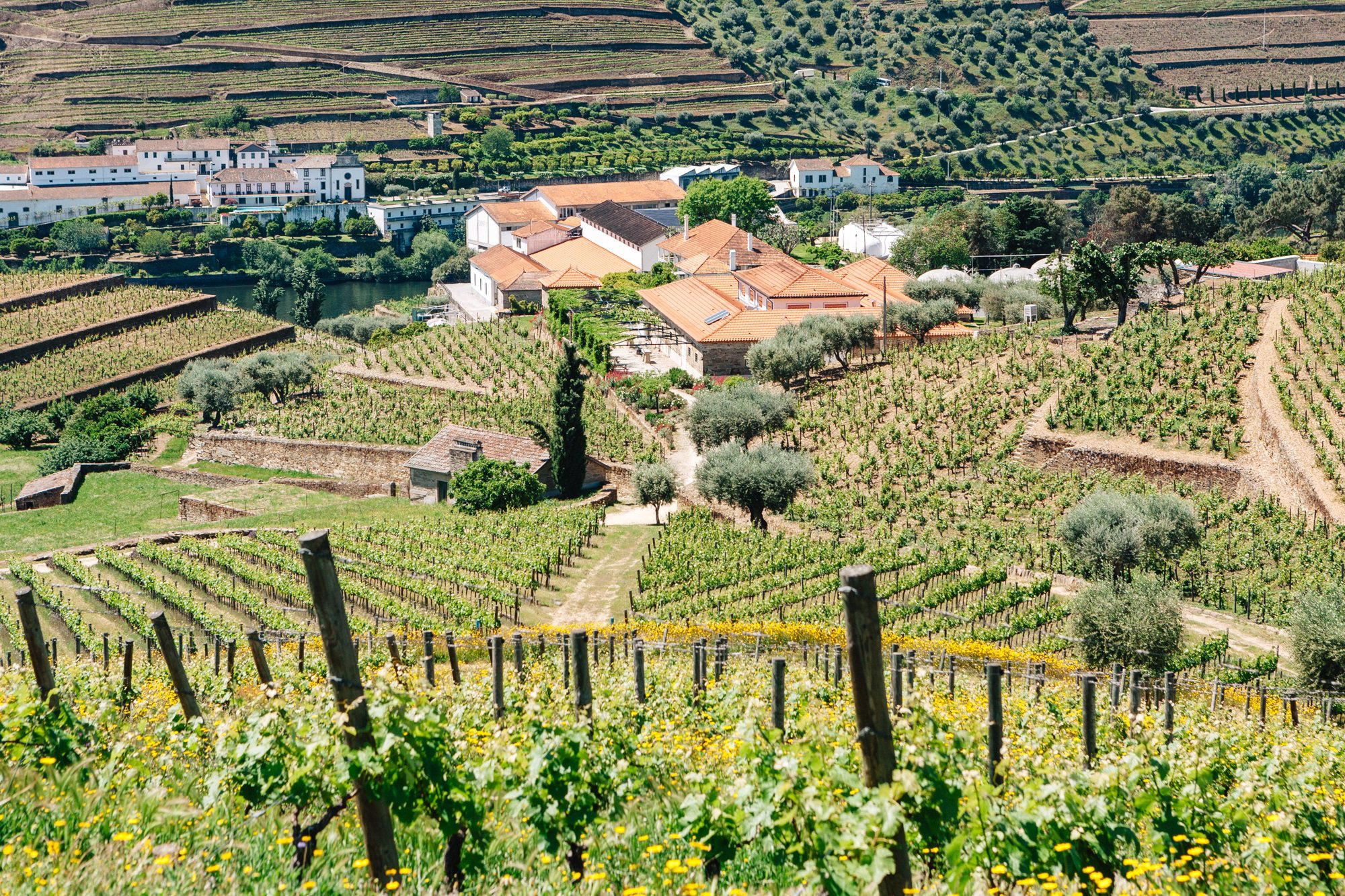
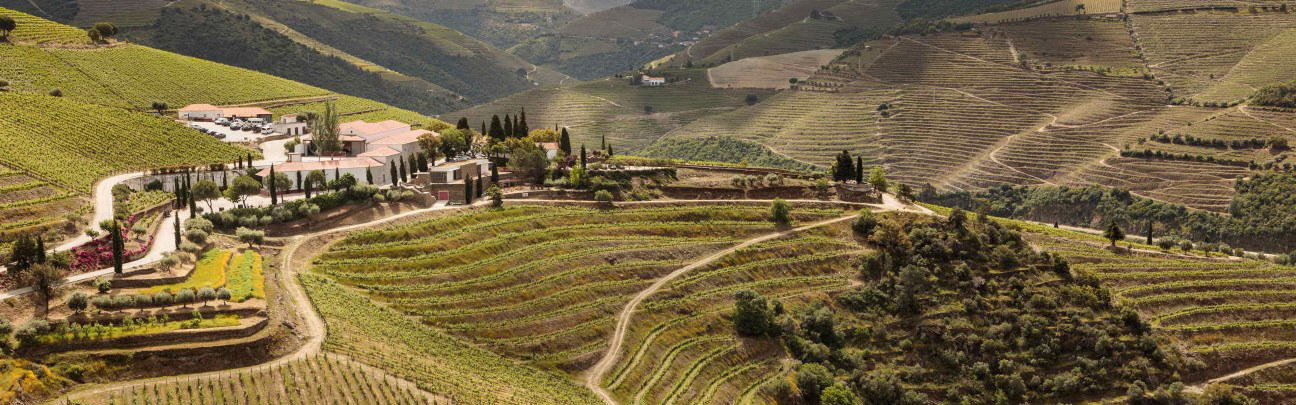
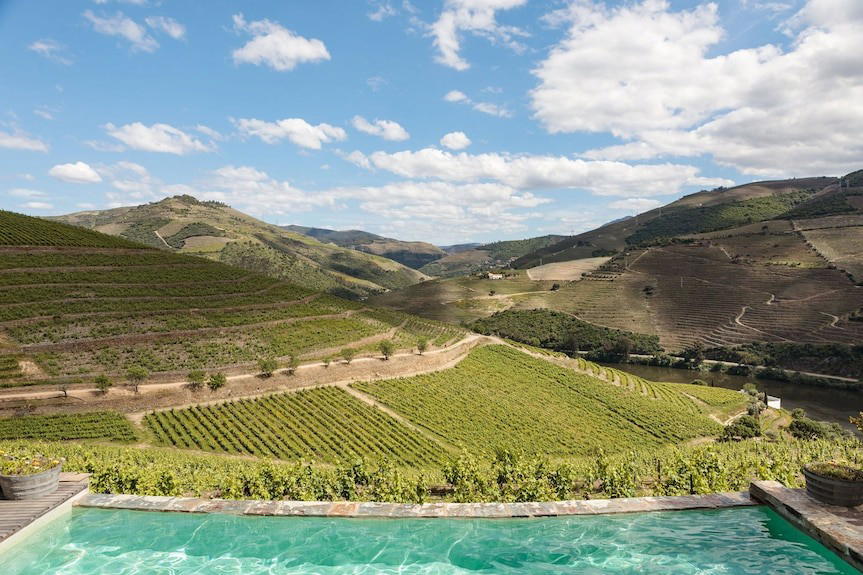
Approach the Douro Valley from the hilltop town of Sabrosa and the landscape shifts in registers rather than gradients. Schist outcrops break through terrace walls of ancient vines, the river cuts its unhurried path hundreds of metres below, and the air carries the particular dryness that characterises the upper reaches of the Douro Superior sub-region. Quinta do Portal, addressed along the N323 in Celeirós, sits within this geography not as an isolated operation but as one of the more considered expressions of what the valley's northern margins can produce.
Schist, Altitude, and the Douro's Northern Logic
The Douro's winemaking argument has always been geological before it is anything else. The region's schist soils — fragmented, heat-retaining, and brutally low in organic matter — force vines to root deeply, drawing water and mineral complexity from far below the surface rather than from rainfall or irrigation. What arrives in the glass reflects that effort: structured tannins, concentrated fruit, and an underlying mineral tension that distinguishes Douro reds from softer Atlantic-influenced Portuguese wines. Quinta do Portal operates within this logic, positioned in the Sabrosa municipality where altitude variation across vineyard parcels introduces a range of ripening conditions that allow for both power and finesse across different wines.
Portugal's Douro Valley has seen significant investment across its winery tier over the past two decades. Estates like Quinta do Crasto and Quinta do Infantado, both also based in Sabrosa, represent the competitive reference points against which serious Douro producers are measured. The cluster of high-recognition estates in this municipality is not coincidental, Sabrosa's elevation, aspect, and the specific schist formations here have attracted sustained winemaking investment precisely because the conditions support wines that age and travel well. Quinta do Portal holds its own within this peer group.
What the Douro Terroir Means in Practice
Terroir is frequently invoked and rarely explained. In the Douro context, it describes a set of interconnected variables: the schist bedrock that drains aggressively and pushes vine stress, the continental climate with cold winters and summers that routinely exceed 40°C in lower elevations, and the altitude-driven temperature differentials that slow ripening and preserve aromatic complexity. Producers working at higher elevations in the Cima Corgo and Douro Superior sub-regions can access growing conditions meaningfully different from those in the warmer valley floor, the difference between a wine that shows dried fruit and chocolate and one that retains darker berry character with greater acidity.
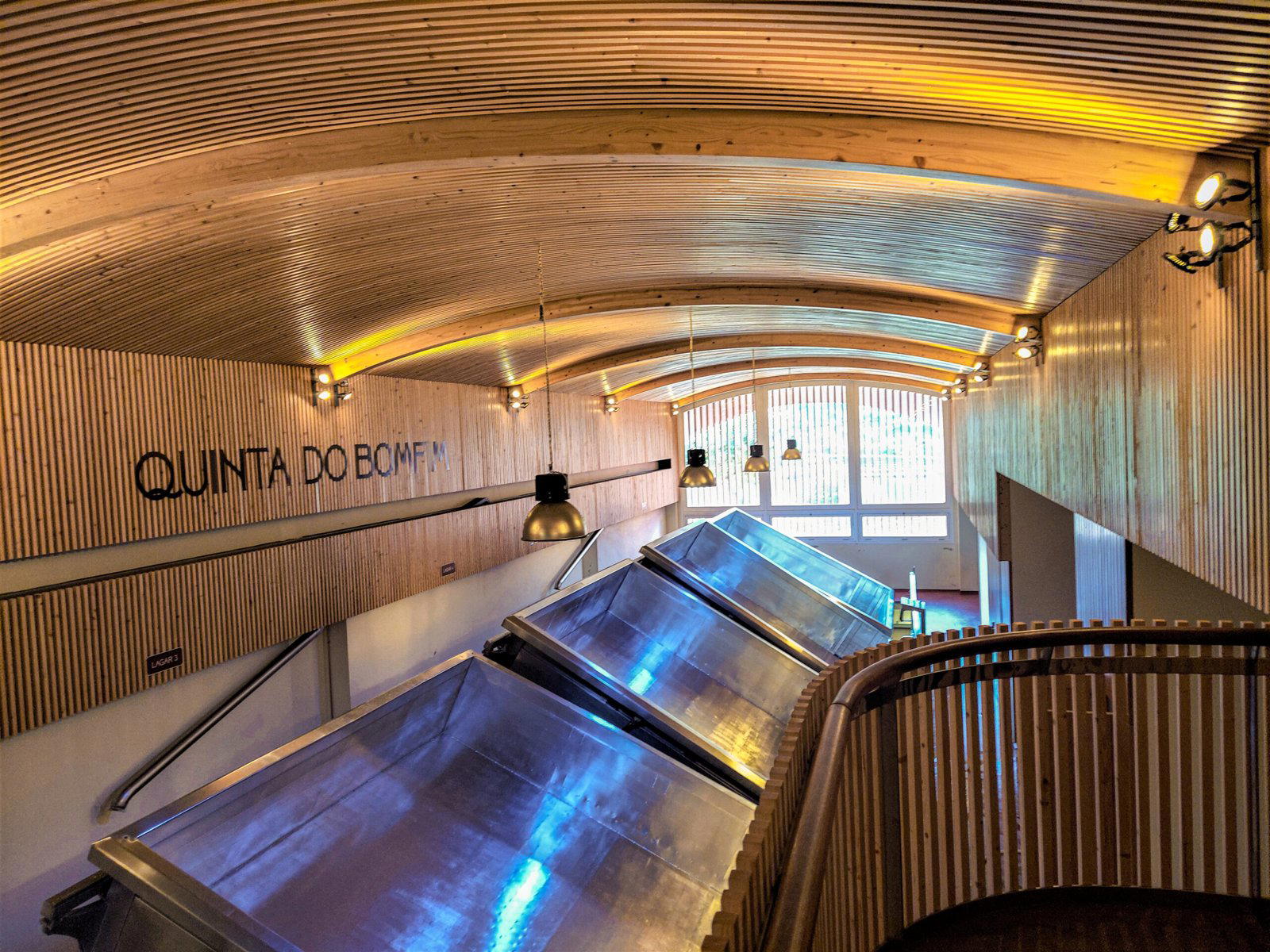
Quinta do Portal's Celeirós address places it within a zone where these altitude benefits are available. Compared to Port-focused estates like Quinta do Bomfim in Pinhão or Quinta do Seixo (Sandeman) in Tabuaço, which operate in part around Port wine traditions with significant visitor infrastructure, Portal sits closer to the model of estate-driven dry table wine production that has come to define the Douro's modern international reputation. That said, the region's Port heritage remains part of any serious producer's range here, and visitors arriving with an interest in both fortified and unfortified expressions will find the Douro's dual identity informative rather than contradictory.
The Douro in Context: Portugal's Premium Wine Belt
Portugal's wine geography rewards comparative thinking. The Douro's granite-and-schist north contrasts with the limestone-influenced Alentejo to the south, where estates like Herdade do Esporão in Reguengos de Monsaraz and Adega Cartuxa in Évora work with entirely different indigenous varieties and produce wines of markedly different weight and aromatic profile. Even within the Douro system, Port producers operating out of Vila Nova de Gaia, where Churchill's ages its fortified wines in the classic lodge tradition, represent a different model from estate-based quinta production upstream.
Further afield, the contrast with Atlantic-influenced operations like Bacalhôa Vinhos in Azeitão or the island-specific fortified traditions of Blandy's Wine Lodge in Funchal underscores how diverse Portuguese wine geography is. Quinta do Portal belongs to the most internationally recognised of those geographies, the Douro Valley's UNESCO-listed terraced landscape, which functions as both the country's most exported wine identity and one of Europe's more dramatic wine tourism destinations.
Planning a Visit to Quinta do Portal
Sabrosa sits above the Douro at roughly 600 metres elevation, accessible by car from Pinhão in under 30 minutes and from the city of Vila Real in a similar timeframe. The N323 road connecting Celeirós to the broader Sabrosa municipality is typical of Douro mountain driving, scenic and winding, leading approached without time pressure. Visitors building a multi-estate itinerary through the valley would logically pair a visit here with stops at neighbouring Sabrosa producers, all within a short drive of each other. Our full Sabrosa restaurants guide covers the broader area for those planning an overnight stay in the municipality rather than a day trip from Porto.
For international comparison points outside Portugal, the high-altitude, terroir-focused estate model Quinta do Portal represents has equivalents in places like Accendo Cellars in St. Helena, where small-production, site-specific wine commands a similar positioning in its own region's premium tier. The logic, schist versus volcanic or alluvial soils aside, is comparable: wines that communicate where they come from rather than what the market expects them to taste like.
The harvest period from late September through October is the most active time at any Douro estate and typically requires advance planning; shoulder months of May through June and the early autumn weeks before harvest offer calmer visits with full wine access.
Continue exploring
More in Sabrosa
Wineries in Sabrosa
Browse all →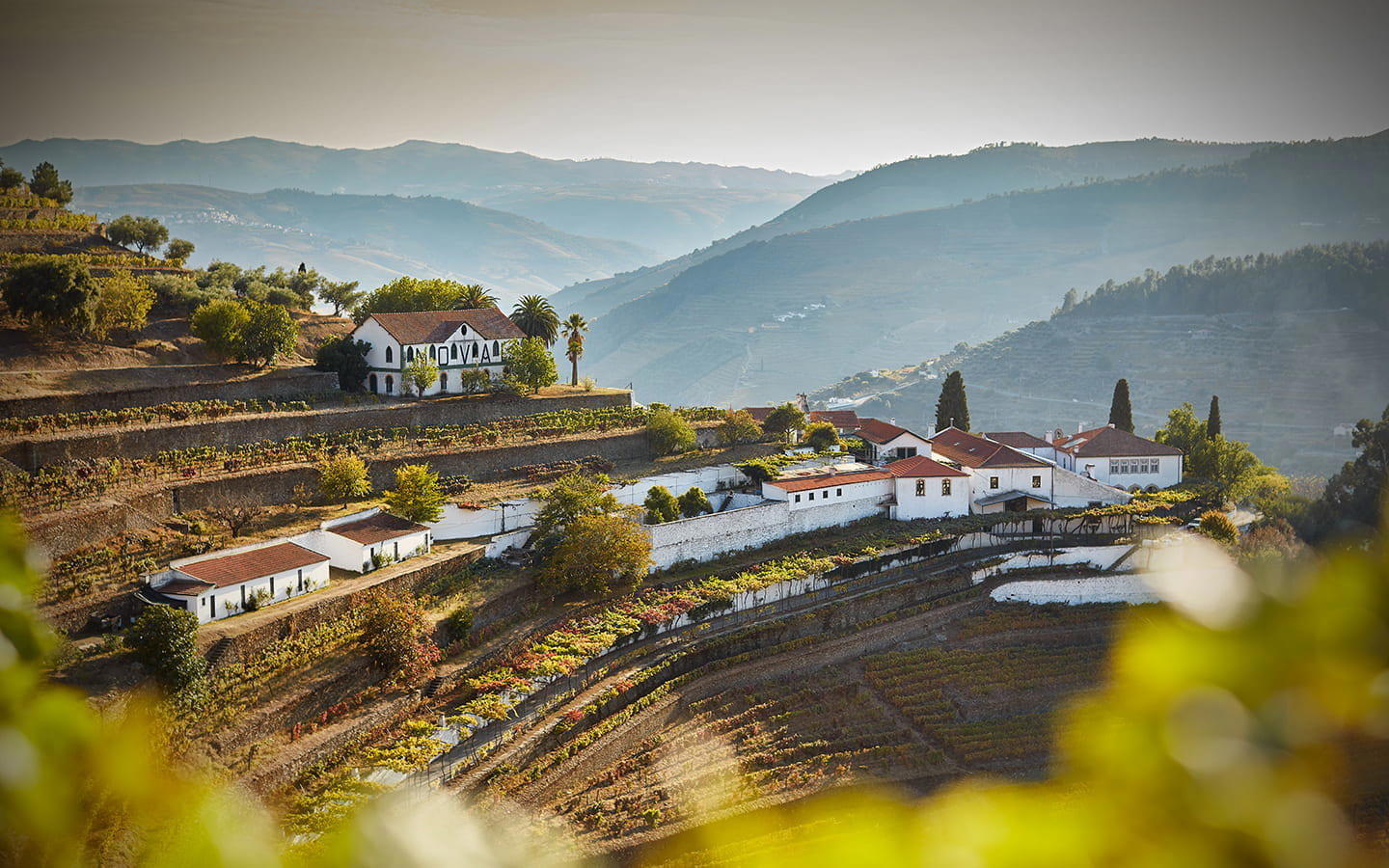
Bars in Sabrosa
Browse all →
Restaurants in Sabrosa
Browse all →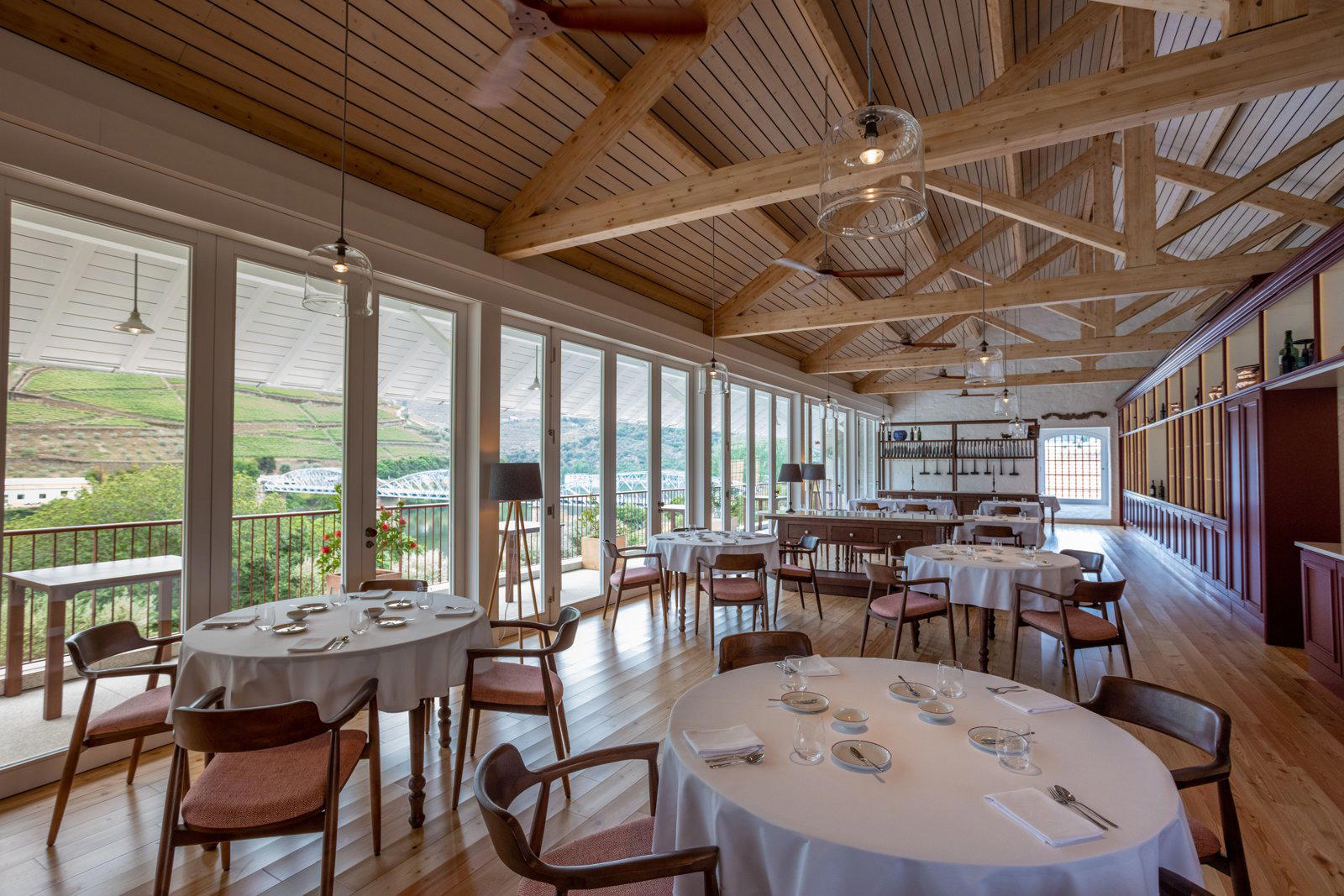
At a Glance
- Scenic
- Rustic
- Elegant
- Quiet
- Intimate
- Romantic Getaway
- Wine Education
- Special Occasion
- Family
- Vineyard Tour
- Panoramic View
- Historic Building
- Terrace
- Sustainable
- Vineyard
- Mountain
- Douro DOC
- Touriga Nacional
- Touriga Franca
- Tinta Roriz
- Tempranillo
- Malvasia Fina
- Viosinho
- Still Red
- Still White
- Fortified
- Still Rosé
- Wine Tasting
- Cellar Tour
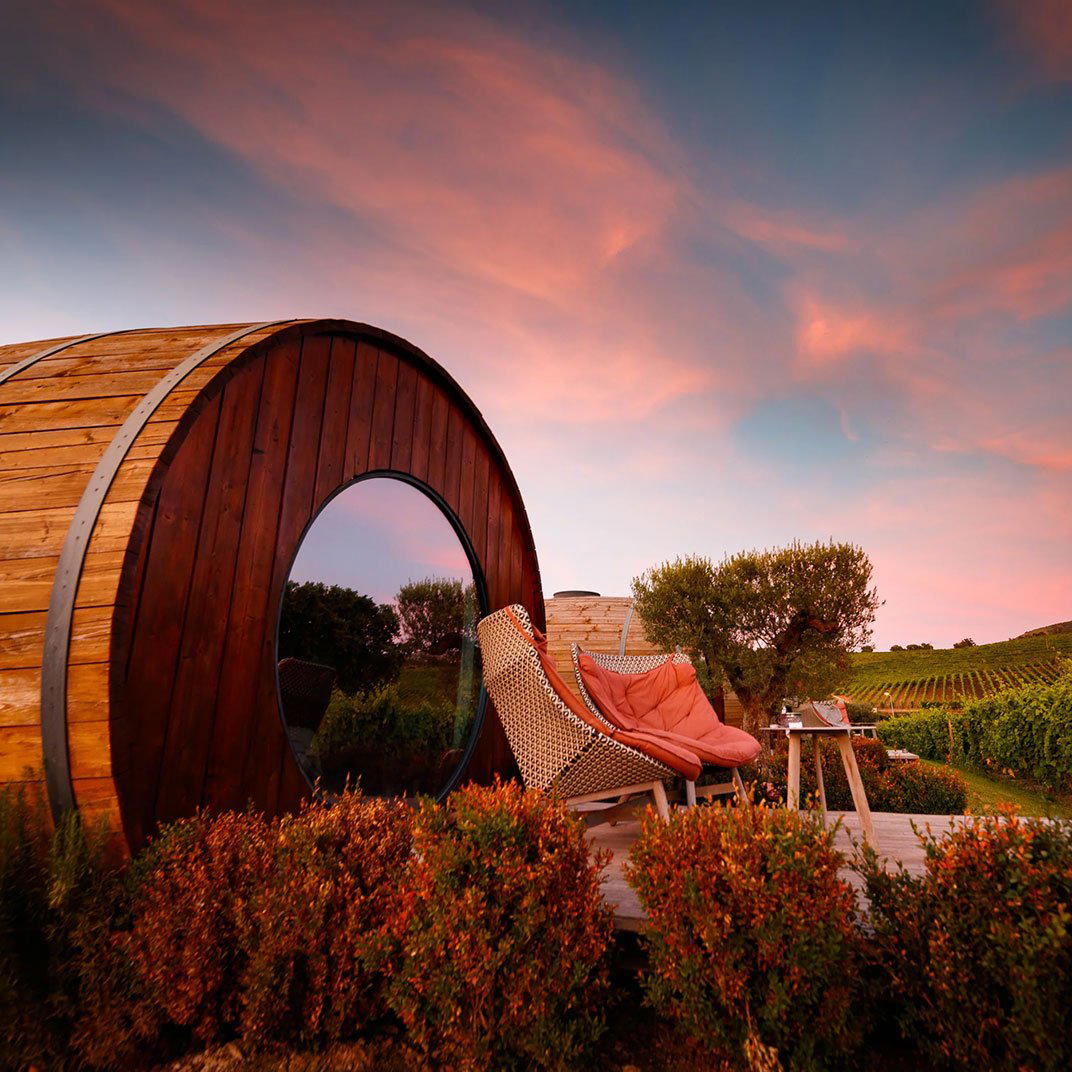
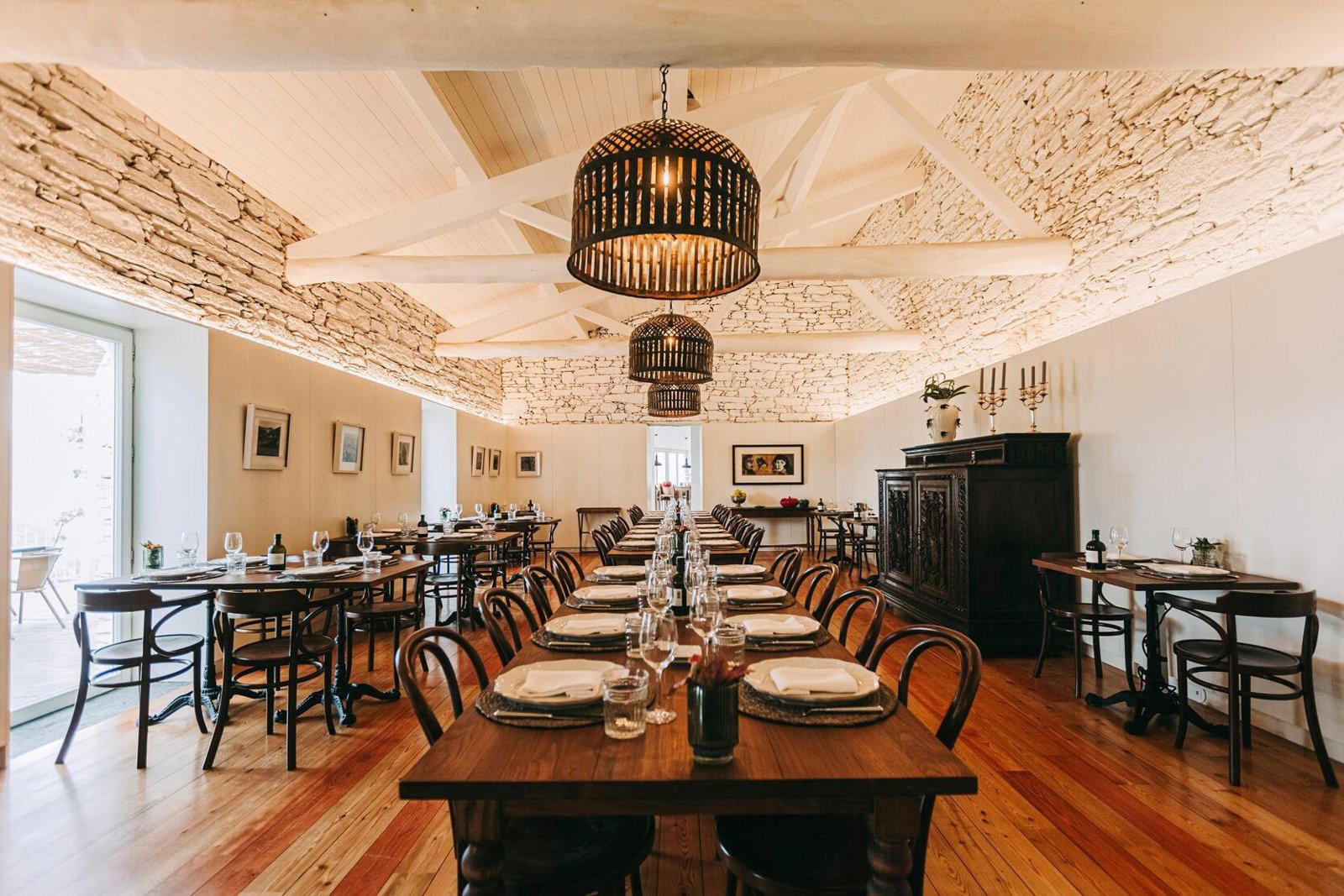
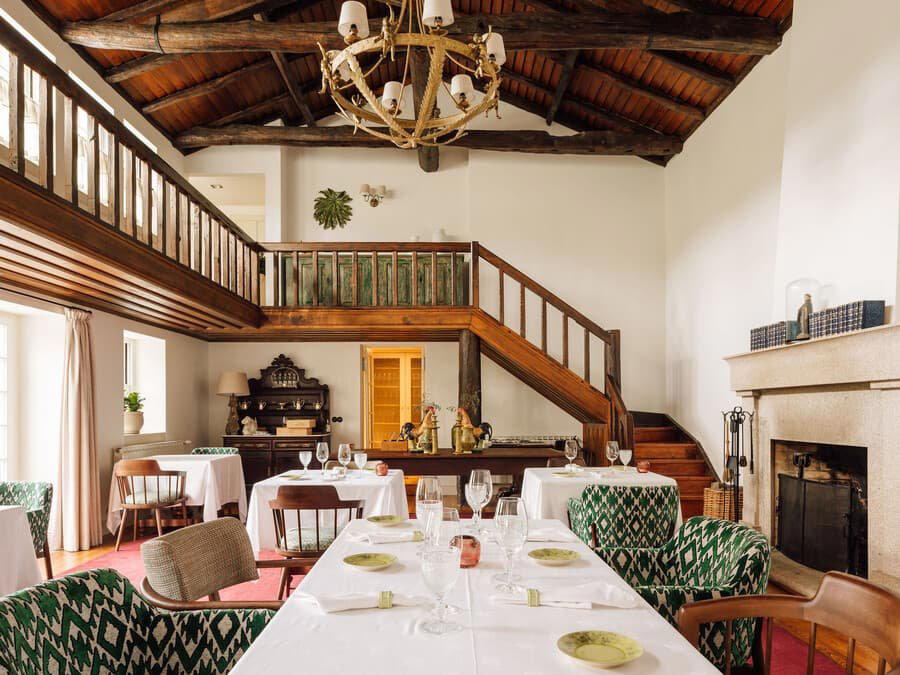
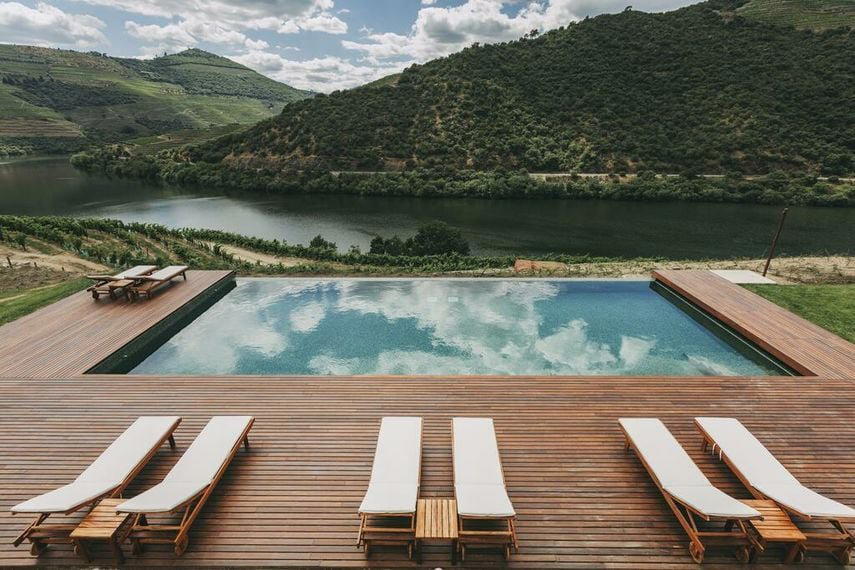
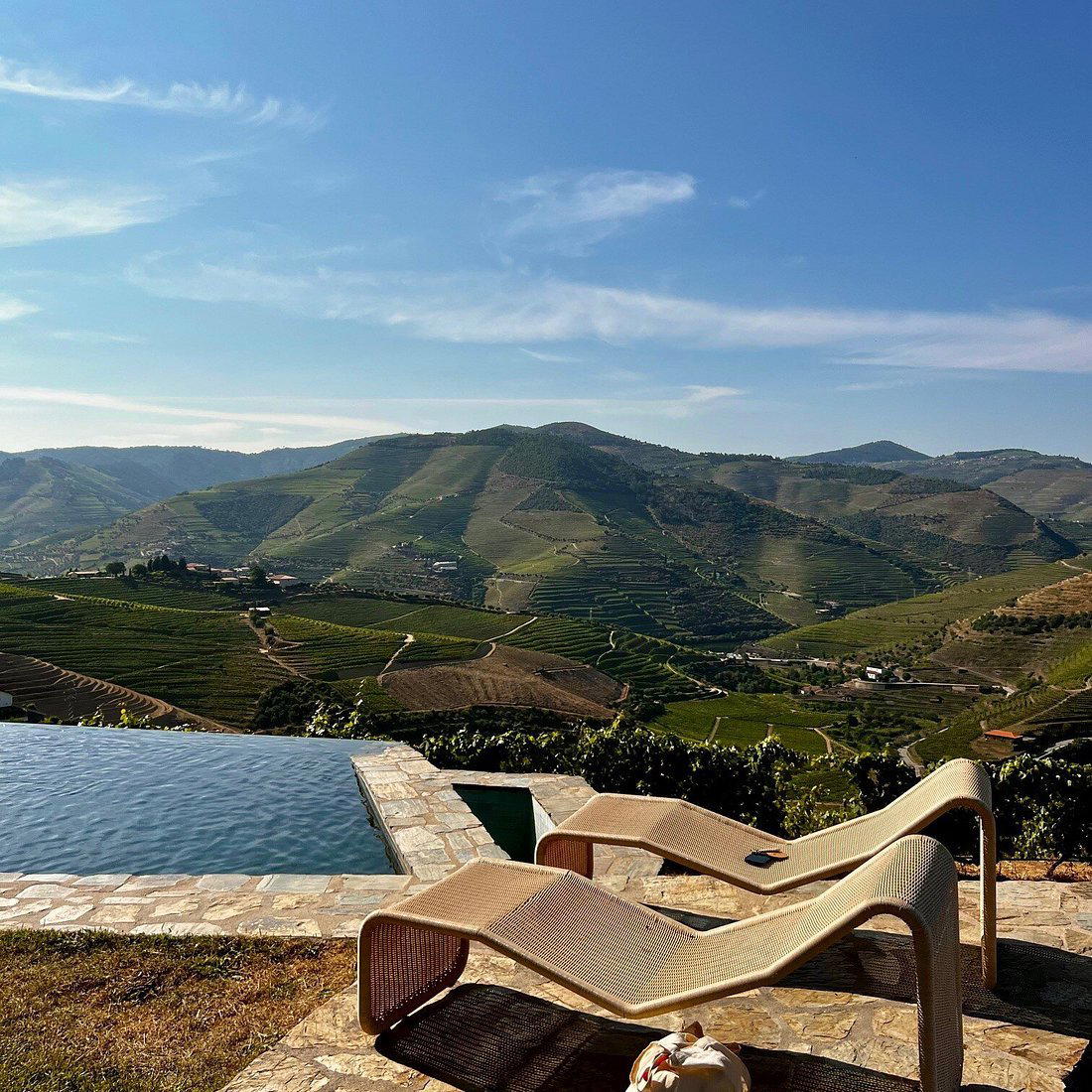
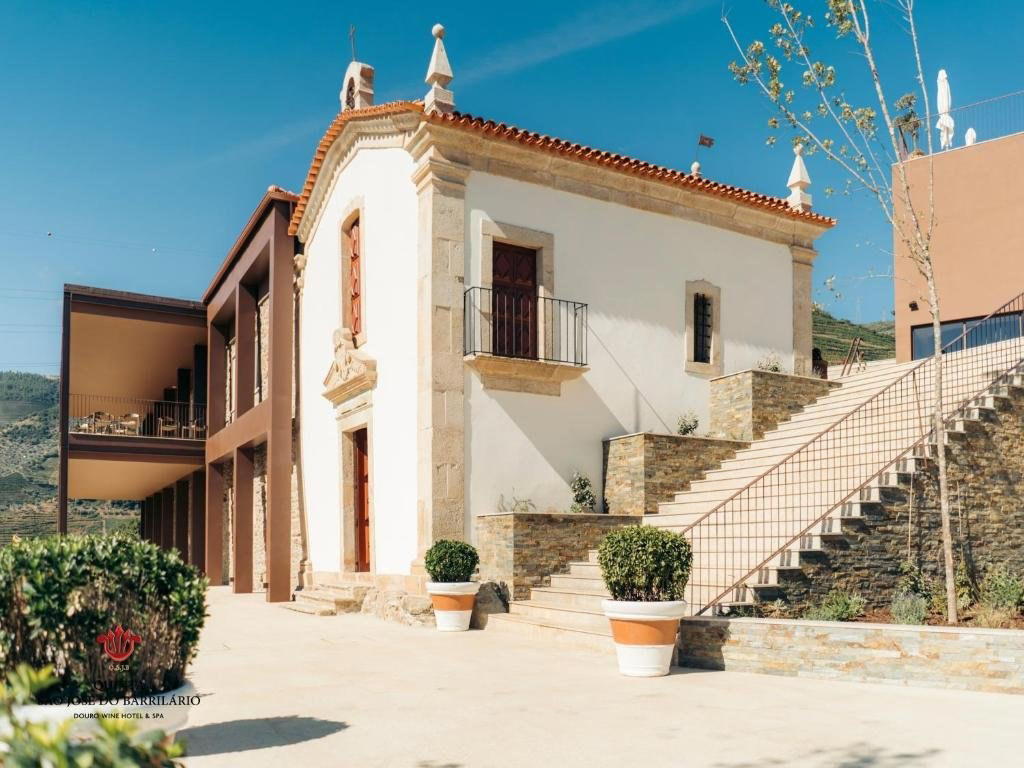
Quiet and magnificent with relaxed, informal atmosphere overlooking lush vineyards, pool deck, and surrounding mountains.
Know Before You Go
- Getting there
- N323, 5060-020 Celeirós