Priest Ranch
Based in Yountville with ties to the St. Helena wine corridor, it represents a strand of California winemaking where place speaks louder than trend. For those building serious Napa itineraries, it belongs on the planning list.

Pearl is the En Primeur Club membership app — saves, bookings, and concierge access live there. Same editors, same standards.
- Address
- 6490 Washington St, Yountville, CA 94599
- Hours
- Daily 10 AM–6 PM
- Directions
- Get directions
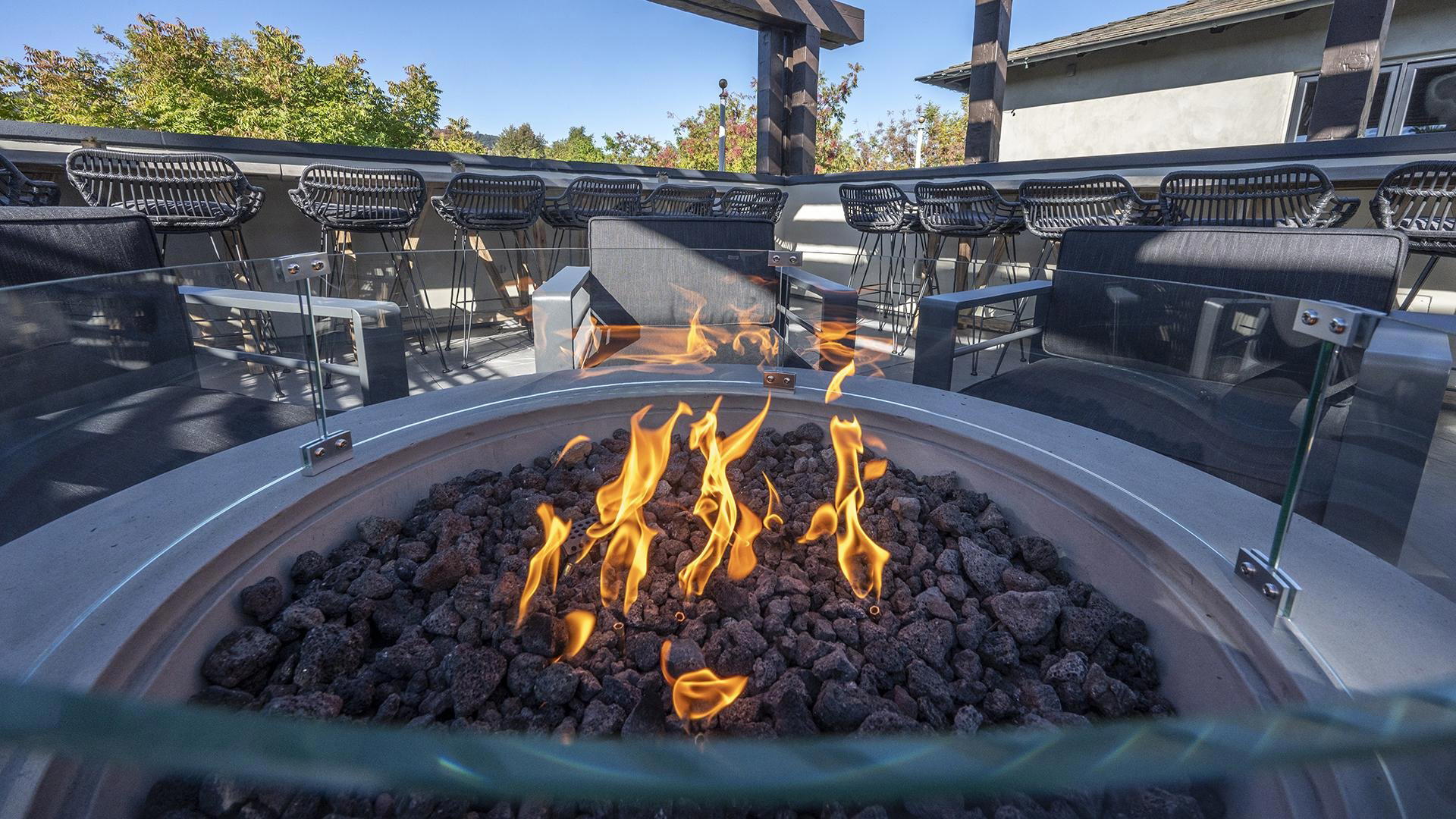
Where Napa's Land Speaks for Itself
There is a particular kind of California winery that resists the gravitational pull of the Napa Valley prestige machine, the one that sells tasting experiences as lifestyle spectacle rather than letting the wine make the argument. Priest Ranch sits in a different category. Located on Washington Street in Yountville, within reach of the St.
That rating matters as a calibration tool. EP Club's Prestige tier is not broadly distributed across Napa's hundreds of bonded wineries. It signals consistent quality signals, production seriousness, and a position in the regional conversation that extends beyond tasting room foot traffic. For visitors assembling a serious Napa itinerary, the 2 Star Prestige level functions as a reliable entry point into the valley's upper-middle tier, where the wines reward attention rather than simply rewarding the occasion of drinking them.
The St. Helena Corridor and What It Demands
To understand where Priest Ranch sits in the regional hierarchy, it helps to understand the particular pressure that the St. Helena and Yountville zone exerts on any producer operating within its borders. This stretch of the Napa Valley floor, flanked by the Mayacamas to the west and the Vaca Range to the east, has long concentrated some of the appellation's most scrutinized Cabernet Sauvignon production. Names like Dana Estates, Chappellet Winery, and Charles Krug anchor a tradition that stretches back to the mid-nineteenth century, when Napa first established itself as a serious wine-growing region rather than simply a source of bulk production for the California market.
That history creates a benchmark. Producers in this zone are measured against a longer record than most American wine regions can claim, and the best of them have learned that the valley's elevation changes, soil transitions, and microclimate variation demand precision rather than formula. Accendo Cellars and Brand Napa Valley represent the allocation-model tier of this conversation, where scarcity and collector demand amplify whatever quality signals the wines already carry. Priest Ranch's Prestige rating positions it as a serious participant in the same regional discourse, operating with its own production identity rather than chasing a peer's model.
The Cultural Weight of California's Oldest Wine Corridor
American wine culture tends to measure itself against French precedent, and nowhere in California is that measuring more explicit than in Napa Valley's premium tier. The comparison has always been slightly strained, because Napa's geology, climate, and cultural context differ from Burgundy or Bordeaux in ways that make direct translation a category error. What the valley has developed instead, across roughly 150 years of serious production, is its own terroir grammar: a set of site-specific patterns that producers who pay attention can read and translate into bottles that communicate place rather than approximating a European original.
That shift from imitation to self-expression has been one of the defining movements in California wine over the past two to three decades. The producers who have made the most convincing argument for Napa as a distinct wine culture are generally those who have committed to specific vineyard sources, kept intervention restrained enough for the site to register, and resisted the temptation to over-extract or over-oak in pursuit of high scores. The EP Club Prestige recognition system rewards exactly this kind of production seriousness, which is why the 2 Star designation for Priest Ranch functions as more than a marketing credential; it acts as a placement signal within a larger story about what Napa Valley winemaking can mean when it is working at its most rigorous.
For those who want comparative reference points across California's diverse wine geography, the conversation extends well beyond Napa. Adelaida Vineyards in Paso Robles, Alban Vineyards in Arroyo Grande, and Andrew Murray Vineyards in Los Olivos each represent a distinct California wine tradition operating outside the Napa premium tier, offering useful perspective on how different soils, climates, and cultural contexts shape what ends up in the glass. Even further afield, Adelsheim Vineyard in Newberg and Alexander Valley Vineyards in Geyserville round out the picture of serious American wine production beyond the Napa Valley's gravitational field.
Visiting Priest Ranch: What to Know Before You Go
Priest Ranch's address places it at 6490 Washington Street in Yountville, a town that has become one of the most concentrated blocks of premium food and wine experience on the West Coast. Washington Street's reputation is anchored by hospitality institutions that draw visitors from across the country, which means the practical logistics of any Yountville visit require planning. The area rewards those who arrive with a tasting sequence mapped in advance rather than relying on walk-in availability, and Priest Ranch's Prestige tier suggests the same level of forward planning that its neighbors in the St. Helena wine corridor generally demand.
Seasonal timing matters in this part of Napa: harvest season from August through October brings the valley's highest foot traffic and the most dynamic energy around production, while the spring months offer the opposite, fewer visitors, more attention from tasting room staff, and a clearer window into what the wines actually express when the room is not at capacity. For a broader orientation to the wines and experiences available in the immediate area, our full St. Helena restaurants guide maps the key properties and producers worth building an itinerary around.
Those building a wider California wine education alongside a Napa visit might also consider how international wine cultures compare. Artesa Vineyards and Winery in Napa, with its Spanish Codorníu roots, represents one angle on how Old World production heritage has been translated into Napa terroir. For a completely different cultural context, Achaia Clauss in Patras and Aberlour in Aberlour offer reference points for how European production traditions have built their own long-form credibility, a useful frame for appreciating what California producers are building toward in real time. The Alpha Omega Winery in Rutherford sits within the same Napa production zone as Priest Ranch and represents a comparable tier of ambition within the appellation.
Comparable Venues
Comparable venues nearby, for context on price, style, and recognition.
| Venue | Cuisine | Price | Notes |
|---|---|---|---|
| Priest RanchThis venue — the venue you are viewing | Cabernet Sauvignon, Grenache Blanc | Not listed | Not listed |
| Vine Cliff Winery | Cabernet Sauvignon, Chardonnay | $50–100 | Oakville |
| Volker Eisele Family Estate | Cabernet Sauvignon, Cabernet Franc | Not listed | Chiles Valley |
| Pride Mountain Vineyards | Cabernet Sauvignon, Chardonnay | Not listed | Spring Mountain District |
| Saint Helena Winery | Cabernet Sauvignon, Cabernet Franc | Not listed | St. Helena |
| Trinchero Napa Valley | Cabernet Sauvignon, Sauvignon Blanc | Not listed | St. Helena |
Continue exploring
More in St. Helena
Wineries in St. Helena
Browse all →
Bars in St. Helena
Browse all →
Restaurants in St. Helena
Browse all →
Details
- Rustic
- Scenic
- Elegant
- Sophisticated
- Wine Education
- Special Occasion
- Solo Exploration
- Vineyard Tour
- Estate Grounds
- Panoramic View
- Sustainable
- Vineyard
- Mountain
- Cabernet Sauvignon
- Grenache Blanc
- Syrah
- Malbec
- Zinfandel
- Petite Sirah
- Petit Verdot
- Cabernet Franc
- Merlot
- Viognier
- Still Red
- Still White
- Still Rosé
- Sparkling
- Fortified
- Dessert
- Flight
- Private Tasting
Current opening hours
- Monday
- 10 AM–6 PM
- Tuesday
- 10 AM–6 PM
- Wednesday
- 10 AM–6 PM
- Thursday
- 10 AM–6 PM
- Friday
- 10 AM–6 PM
- Saturday
- 10 AM–6 PM
- Sunday
- 10 AM–6 PM
Hours can change for holidays and private events. Last verified .
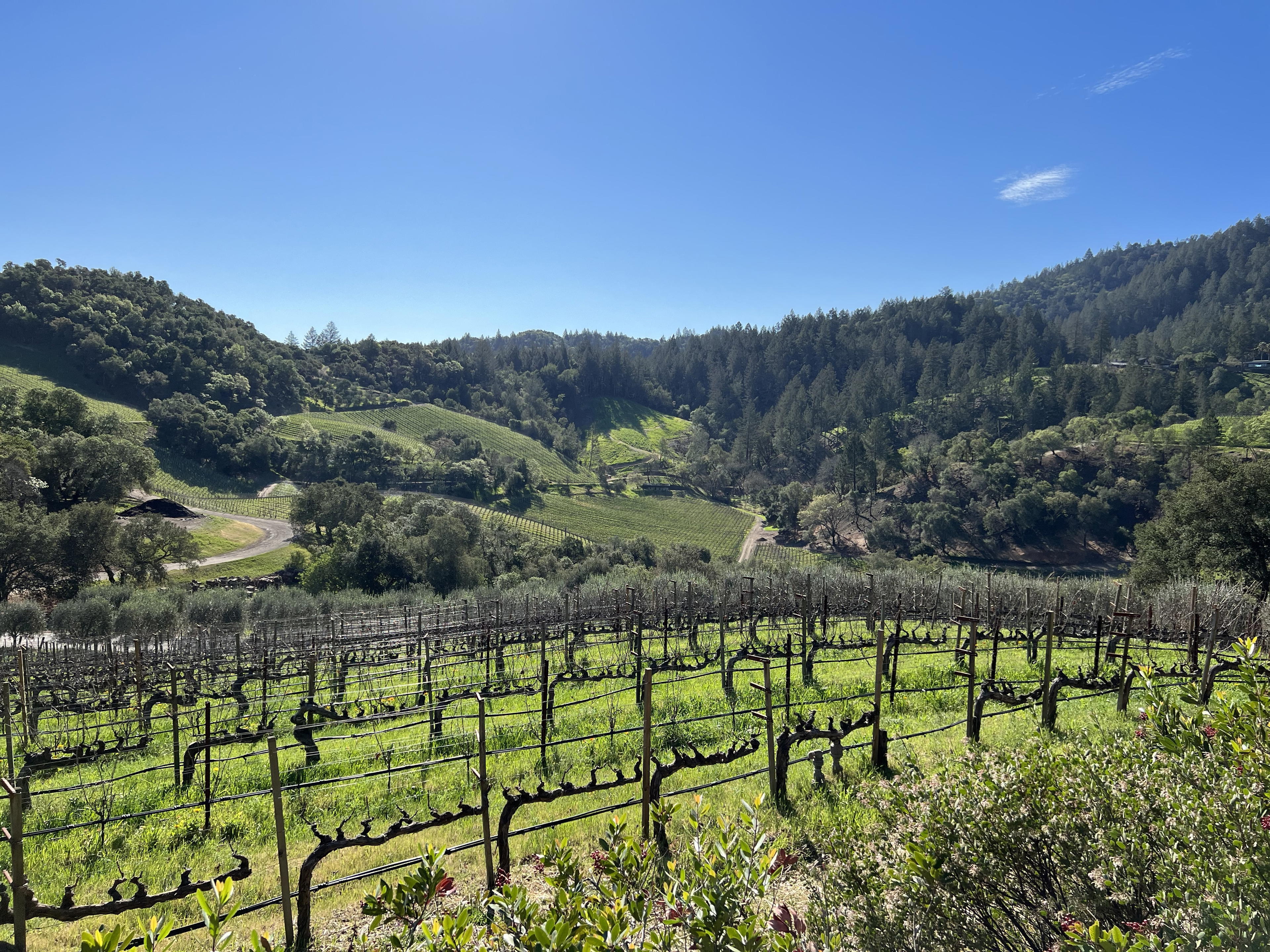
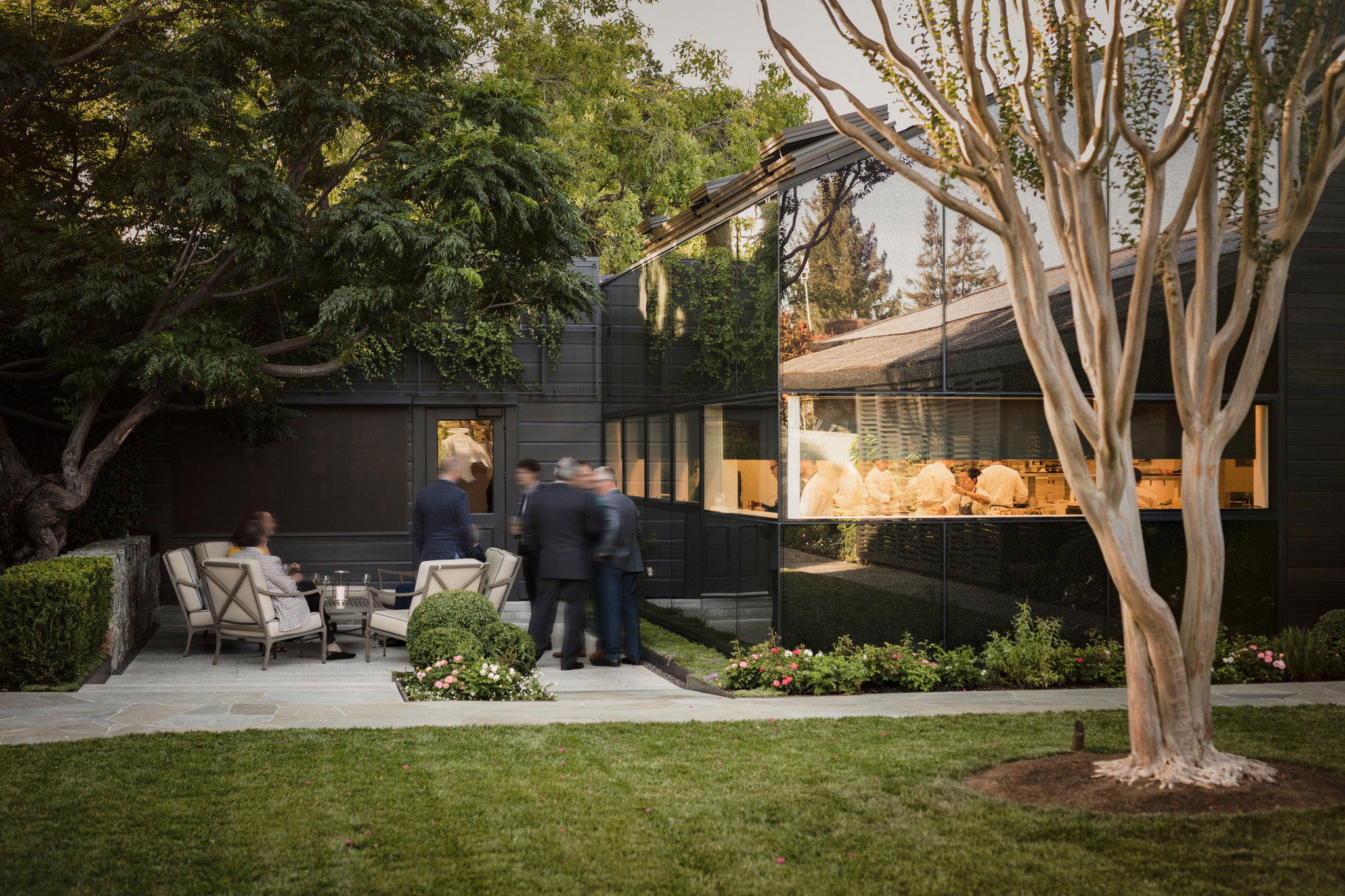
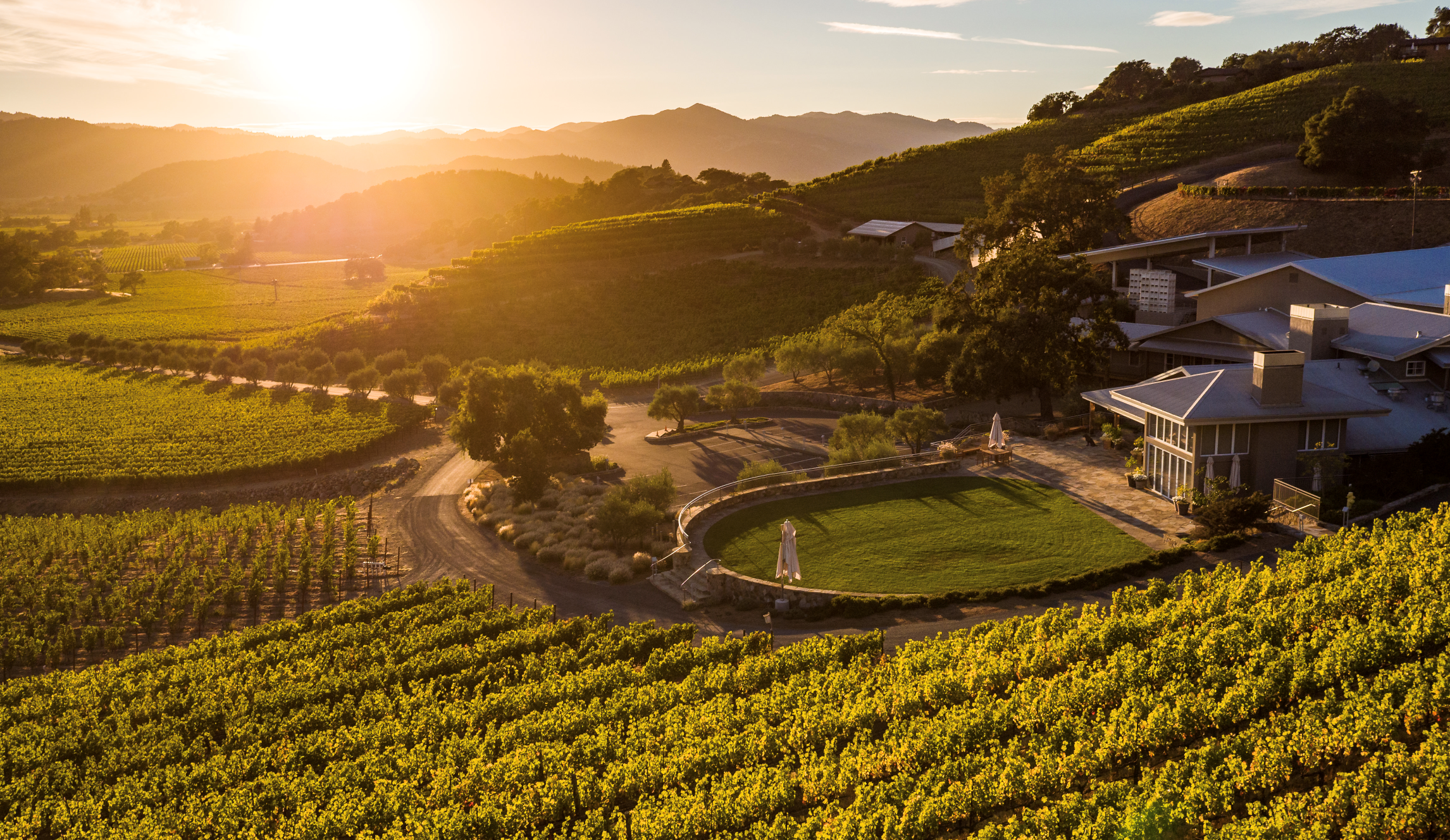
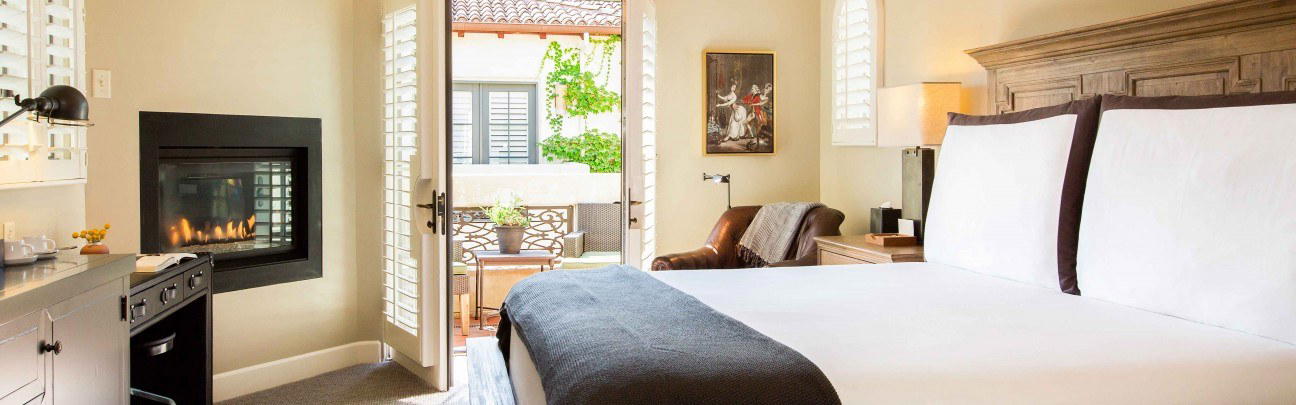
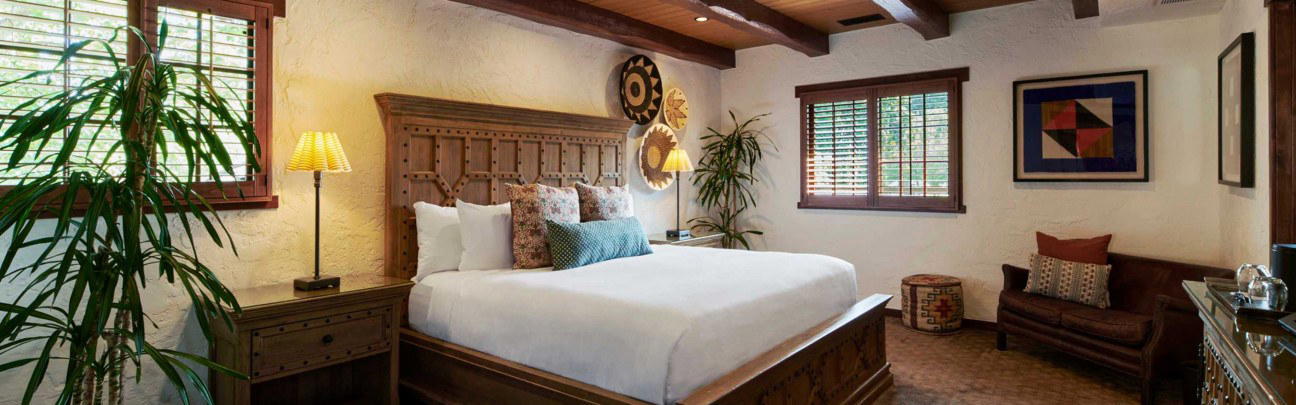
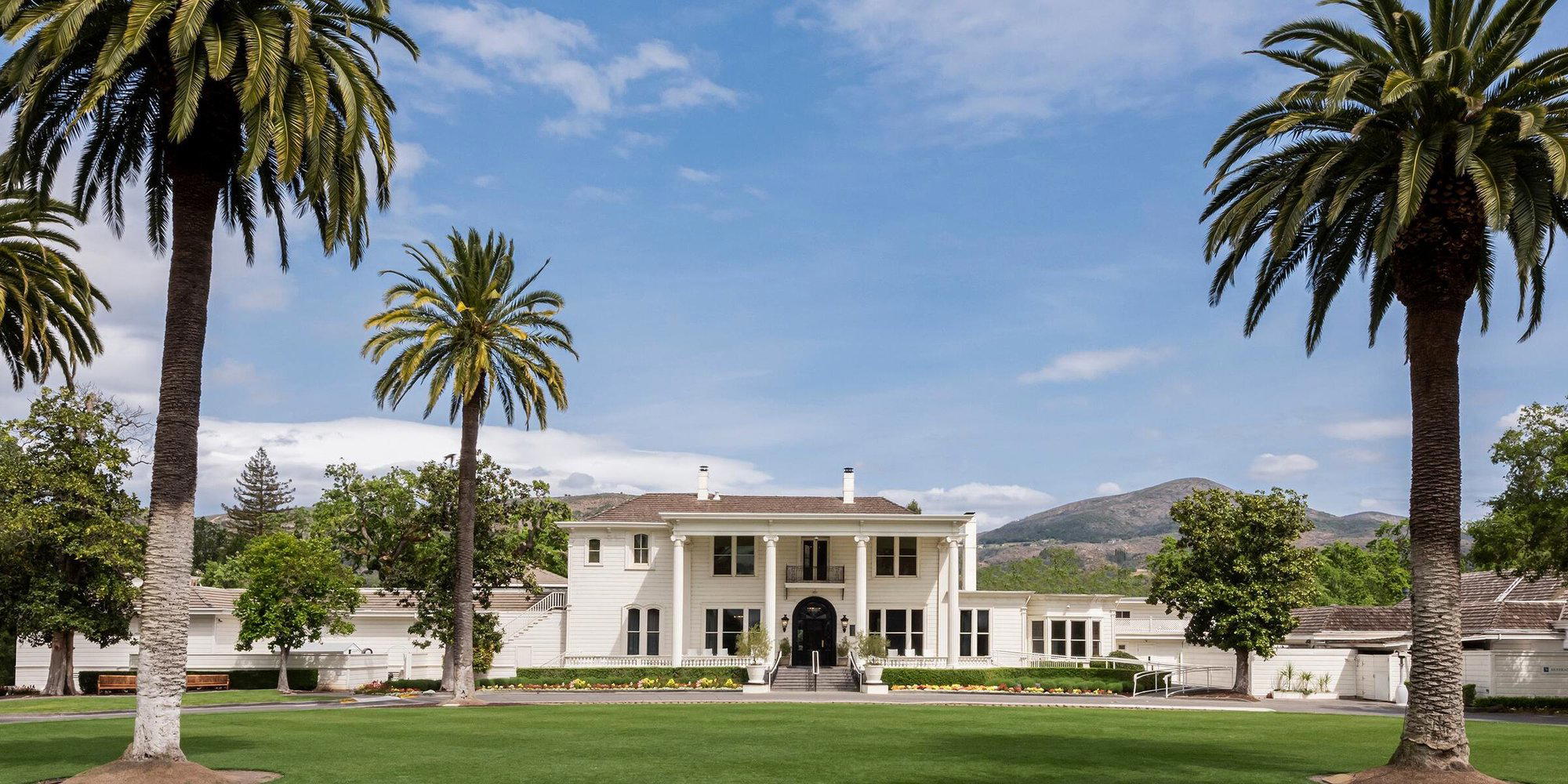
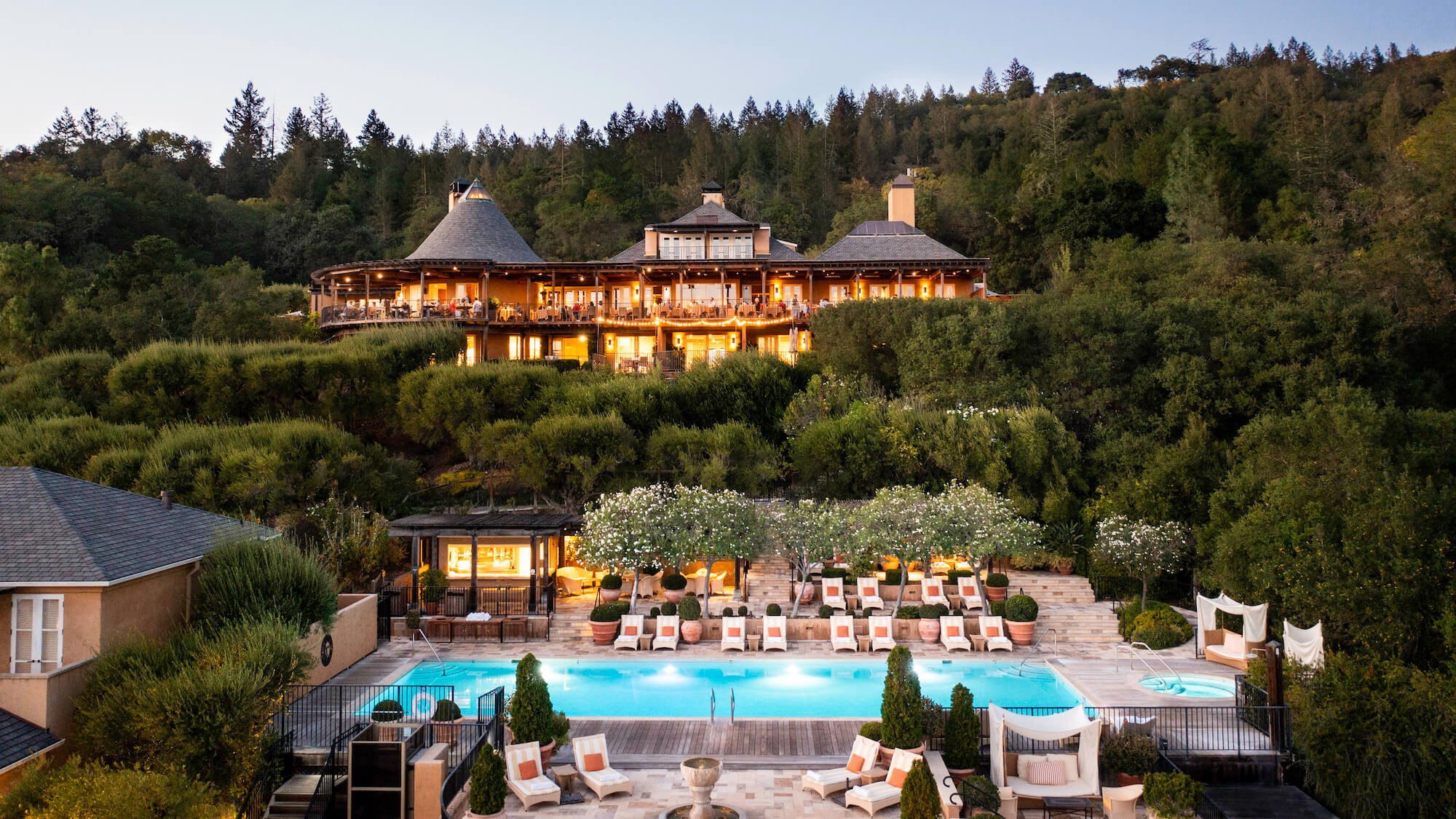
Comfortable, sophisticated, and welcoming tasting room setting highlighting the purity of estate mountain fruit with minimalist winemaking.