Pride Mountain Vineyards
Pride Mountain Vineyards sits at the Spring Mountain District's highest elevations, producing Cabernet Sauvignon and other Bordeaux varieties from a property that straddles the Napa-Sonoma county line.

Pearl is the En Primeur Club membership app — saves, bookings, and concierge access live there. Same editors, same standards.
- Address
- 4026 Spring Mountain Rd, St Helena, CA 94574
- Phone
- (707) 963-4949
- Website
- pridewines.com
- Directions
- Get directions
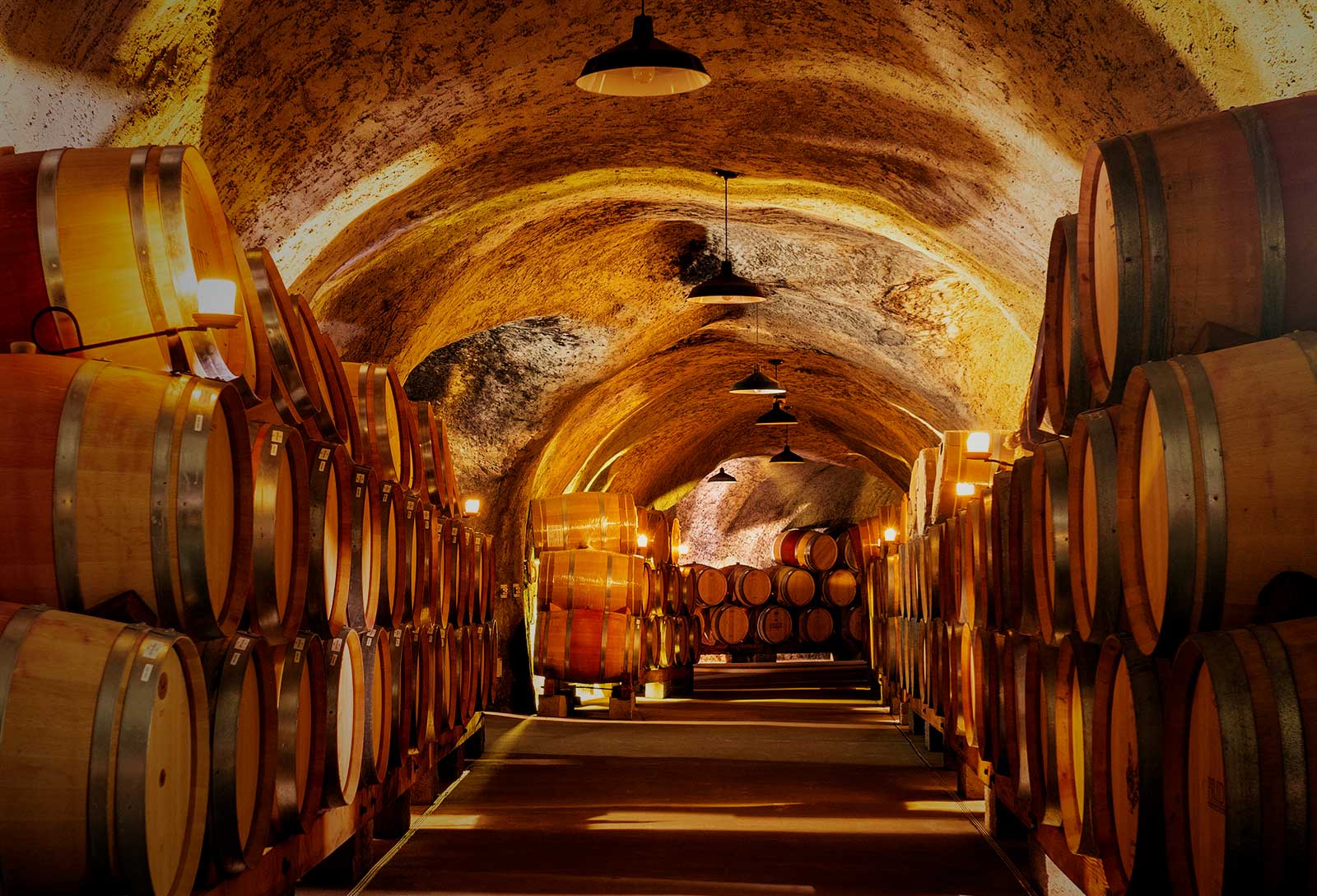
Where the County Line Runs Through the Cellar
Spring Mountain's upper ridgeline sits at elevations that change the calculus of Cabernet Sauvignon in ways the valley floor simply cannot replicate. The drive up Spring Mountain Road from St. Helena is itself instructive: as the switchbacks tighten and the fog line appears below, the air cools and the volcanic soils give way to fractured rock and red clay. By the time you reach 4026 Spring Mountain Road, you are not in the Napa Valley in any conventional sense. Pride Mountain Vineyards occupies a position that physically crosses the Napa-Sonoma county boundary, a logistical peculiarity that requires the winery to produce separate lots from each county's fruit and blend them only after receiving regulatory clearance. It is a production detail that tells you something about how seriously the mountain takes geography.
The Mountain Appellation Tier
Napa's premium identity is overwhelmingly shaped by valley-floor Cabernet, but the mountain appellations — Howell Mountain, Diamond Mountain, Spring Mountain — have long attracted a different kind of producer. The elevation advantage suppresses yields, extends hang time, and builds a tannic architecture that ages differently from lower-altitude fruit. Spring Mountain's producers broadly divide between large estates with visitor infrastructure and smaller, allocation-driven operations where the tasting experience is deliberately minimal. Pride Mountain sits in the latter group.enprimeurclub.com/wineries/barnett-vineyards-spring-mountain-district-st-helena-winery">Barnett Vineyards, Keenan Winery, and Fantesca Estate & Winery on the same ridge system. These are not wineries competing on amenity. They compete on the wine itself, and the cellar decisions that follow harvest are where the differentiation happens.
After Harvest: The Barrel Programme and Blending Logic
The editorial angle that matters most at a mountain estate is what happens once the fruit leaves the vine. At Pride Mountain, the first vintage on record is 1991, which means the property has accumulated more than three decades of vintage data across its ridgetop blocks. That history is the foundation of any serious cellar programme: winemakers who have worked enough harvests on the same land develop a calibrated sense of which blocks produce structure that opens early, which hold deeper tannins requiring extended aging, and how blending decisions shift the wine's arc from one year to the next.
Winemaker Sally Johnson oversees that programme today. In the Spring Mountain context, the barrel decisions carry particular weight. Mountain Cabernet, with its tighter structure and refined acidity relative to valley-floor equivalents, generally tolerates longer wood contact without losing the aromatic definition that distinguishes it from Howell Mountain or Atlas Peak fruit. The question for any winemaker in this appellation tier is always one of patience: how long the wine needs in barrel before blending, and what ratio of new oak to neutral wood keeps the fruit legible beneath the wood influence.
The county-line complication adds another layer. Because fruit from the Napa portion and the Sonoma portion must be vinified and documented separately before blending, the cellar operates with a structural discipline that goes beyond stylistic preference. Both lots must demonstrate their appellation character independently before they can be combined, which in practice means the winemaker must have a clear model of what the final blend will look like at the point of harvest, not at the point of blending. That kind of forward planning, across multiple varietals and multiple regulatory designations, is what distinguishes this estate's production approach from simpler single-appellation operations.
For a frame of reference outside Napa, the mountain-appellation blending logic has parallels at producers like Accendo Cellars in St. Helena and at properties in other high-elevation California regions, including Adelaida Vineyards in Paso Robles, where calcareous soils and elevation similarly require the winemaker to build a long-range aging programme rather than simply responding to the fruit at harvest.
Spring Mountain in the Wider California Context
The district's character is easier to understand in relation to what it is not. Valley-floor Napa Cabernet, at its conventional leading, is a wine of density, plushness, and relatively approachable tannins in its first five years. Spring Mountain Cabernet tends toward a tighter, more linear profile, with darker fruit, a more mineral spine, and a closing structure that resists early drinking. If you are looking for a wine that performs at release, the mountain is the wrong address. If you are building a cellar with a ten-year horizon, the calculus inverts.
Calla Lily Estate & Winery and Frias Family Vineyard work similar elevations and face similar production constraints. The mountain doesn't produce wines that can be rushed. The producers who work here understand that, and the tasting experience at most of them reflects it: these are cellars built for conversations about aging, not for rapid throughput of tasting-room visitors.
California's other serious mountain and high-elevation programs offer useful comparisons. Alexander Valley Vineyards in Geyserville operates at a different altitude register, producing Cabernet with broader shoulders and earlier accessibility. Alpha Omega Winery in Rutherford represents the valley-floor Napa benchmark. The contrast in those two reference points clarifies where Spring Mountain sits in the regional hierarchy: not at the approachable end, and not at the most extracted end, but in the structured-and-patient middle tier that rewards cellaring over immediacy.
Further afield, the Rhône-trained perspective of Alban Vineyards in Arroyo Grande or the Pinot-forward programme at Adelsheim Vineyard in Newberg each illustrate how elevation and appellation specificity shape cellar decisions across very different California and Oregon contexts. Andrew Murray Vineyards in Los Olivos adds a Central Coast reference for Rhône varieties that age under a similarly patient framework.
Planning a Visit
Spring Mountain Road requires an appointment-based mindset. The district's producers do not operate drop-in visitor centres, and the road itself is not the kind of drive you make speculatively on a Saturday afternoon during harvest season. For Pride Mountain, visits should be arranged in advance; the estate sits well above St. Helena, and the production infrastructure is working winery-first rather than hospitality-first. Autumn is the season that concentrates the most activity on the mountain, as harvest typically runs through September and October, but the caves and barrel rooms have their own logic regardless of season. If your focus is the aging programme rather than the vineyard spectacle, a shoulder-season visit in late spring allows the previous vintage to show more clearly in barrel while the current year's growing season is still forming.
For broader context on what the Spring Mountain District offers alongside Pride Mountain, the full Spring Mountain District guide maps the range of producers and styles across the ridge. Internationally, producers operating at a similar prestige tier in older wine regions include Aberlour in Aberlour and Achaia Clauss in Patras, both of which illustrate how long production histories shape a house style in ways that shorter-track operations cannot easily replicate.
Nearby-ish Comparables
Comparable venues nearby, for context on price, style, and recognition.
| Venue | Cuisine | Price | Awards | Notes |
|---|---|---|---|---|
| Pride Mountain VineyardsThis venue — the venue you are viewing | Cabernet Sauvignon, Chardonnay | Not listed | Not listed | Not listed |
| The Prisoner Wine Company | Zinfandel, Cabernet Sauvignon | $50–100 | Not listed | St. Helena |
| Ehlers Estate | Cabernet Sauvignon, Cabernet Franc | $50–100 | Not listed | St. Helena |
| AXR Napa Valley | Cabernet Sauvignon, Chardonnay | Not listed | Not listed | St. Helena |
| Revana Family Vineyard | Cabernet Sauvignon, Merlot | Not listed | Falstaff Winery - Listed | St. Helena |
| Crocker & Starr Wines | Cabernet Franc, Cabernet Sauvignon | Not listed | Not listed | St. Helena |
Continue exploring
More in St. Helena
Wineries in St. Helena
Browse all →
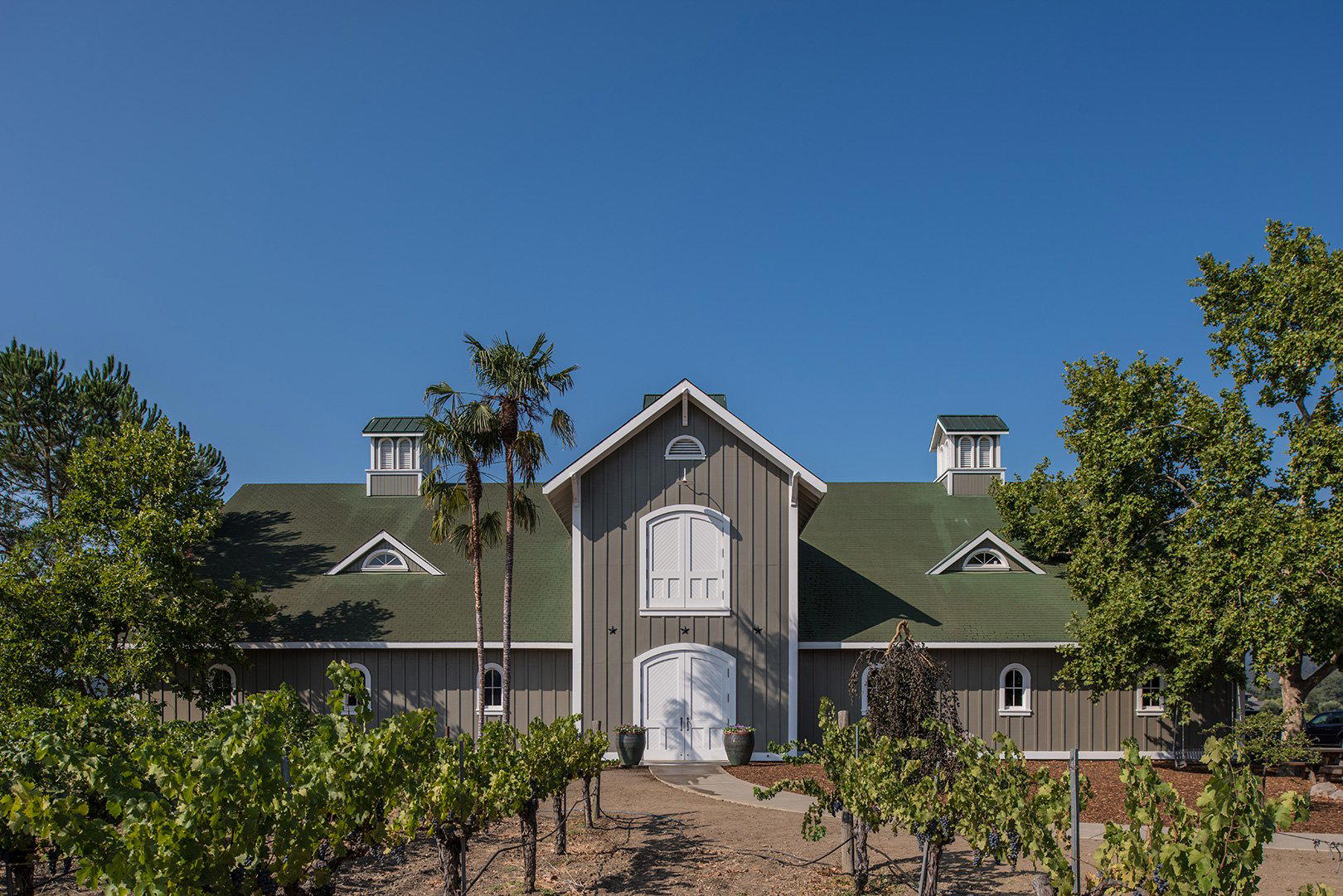
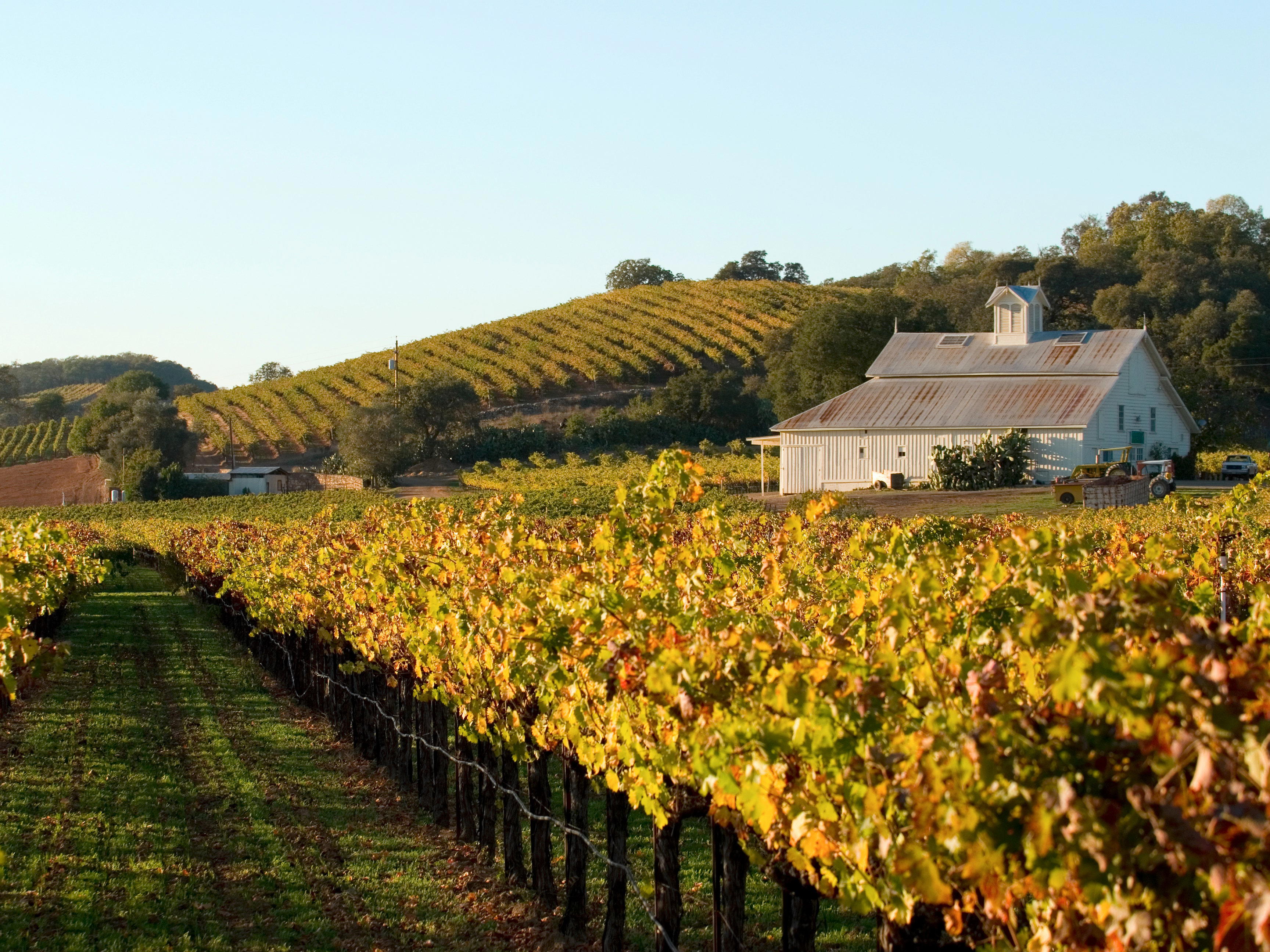
Bars in St. Helena
Browse all →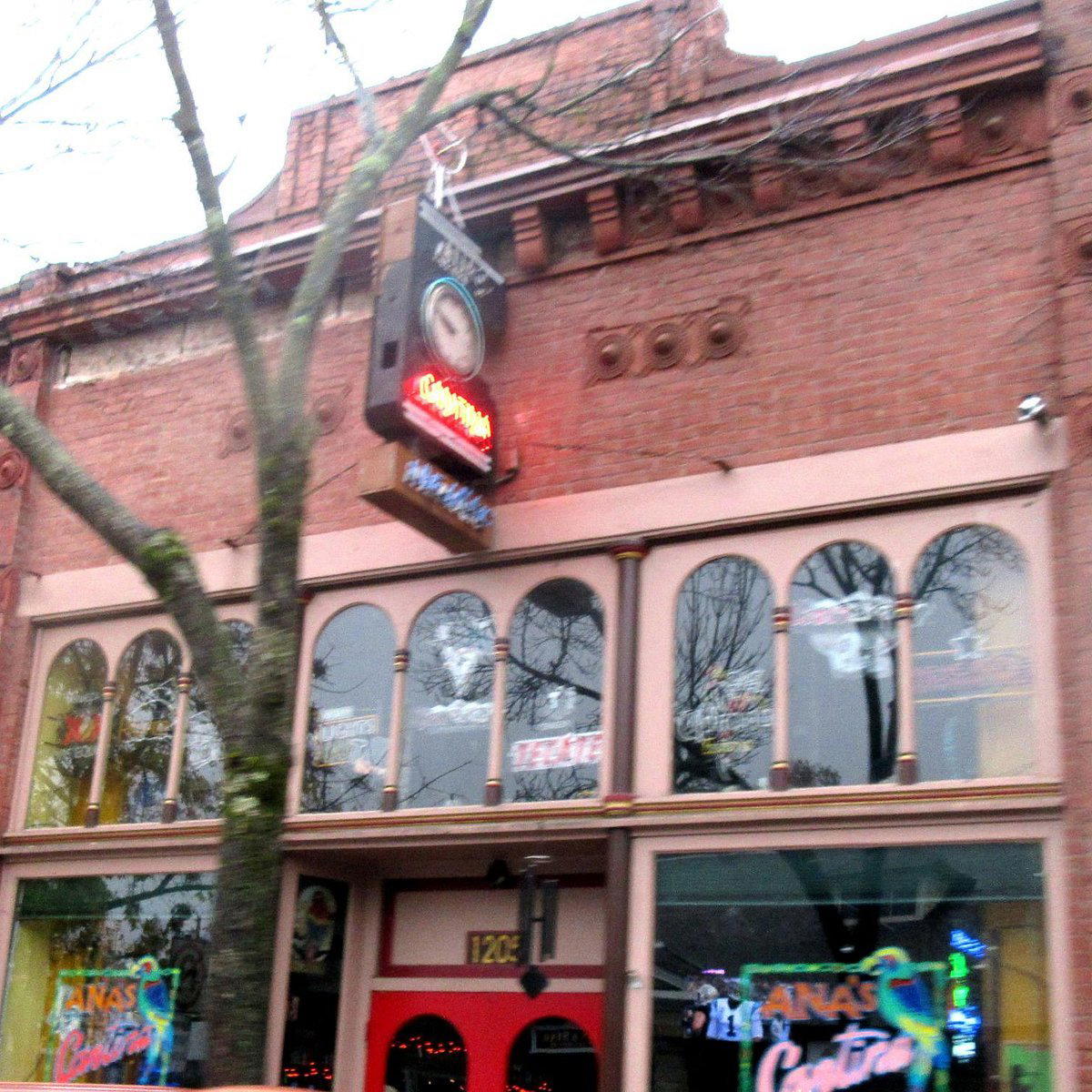
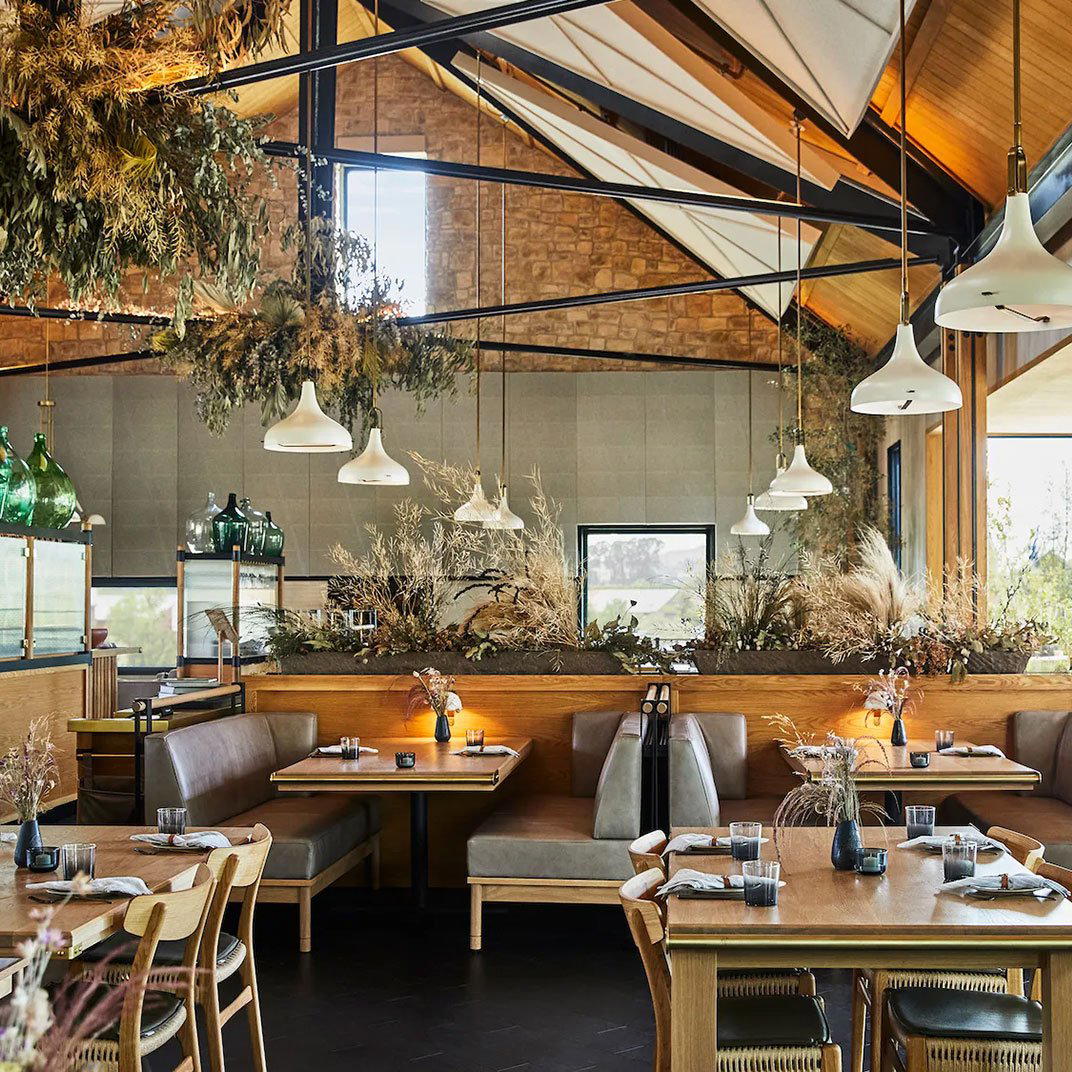
Restaurants in St. Helena
Browse all →

Details
- Scenic
- Elegant
- Rustic
- Intimate
- Sophisticated
- Romantic Getaway
- Special Occasion
- Wine Education
- Vineyard Tour
- Cave Tasting
- Estate Grounds
- Panoramic View
- Historic Building
- Sustainable
- Mountain
- Vineyard
- Cabernet Sauvignon
- Chardonnay
- Merlot
- Viognier
- Sangiovese
- Still Red
- Still White
- Cave Tasting
- Tour And Tasting
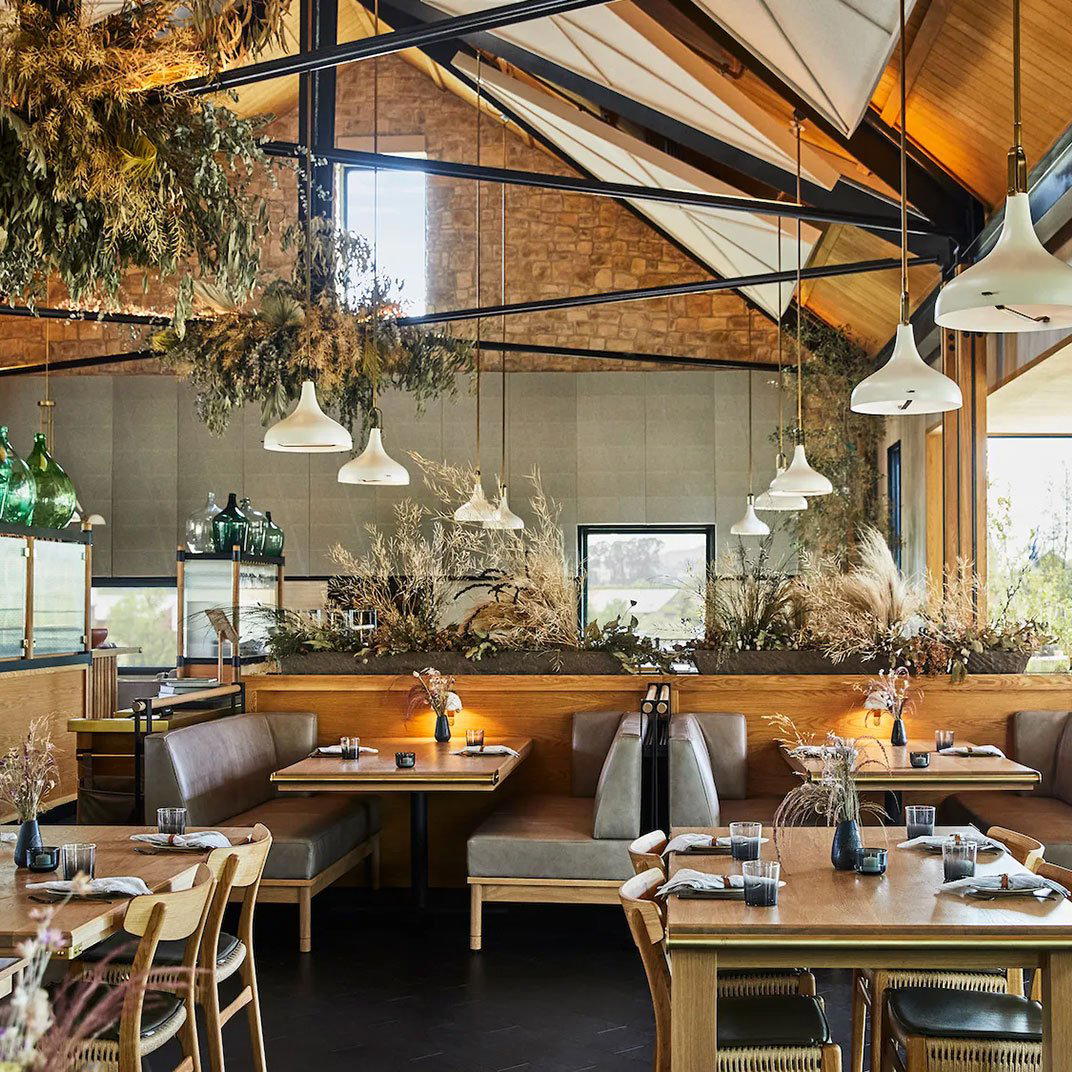
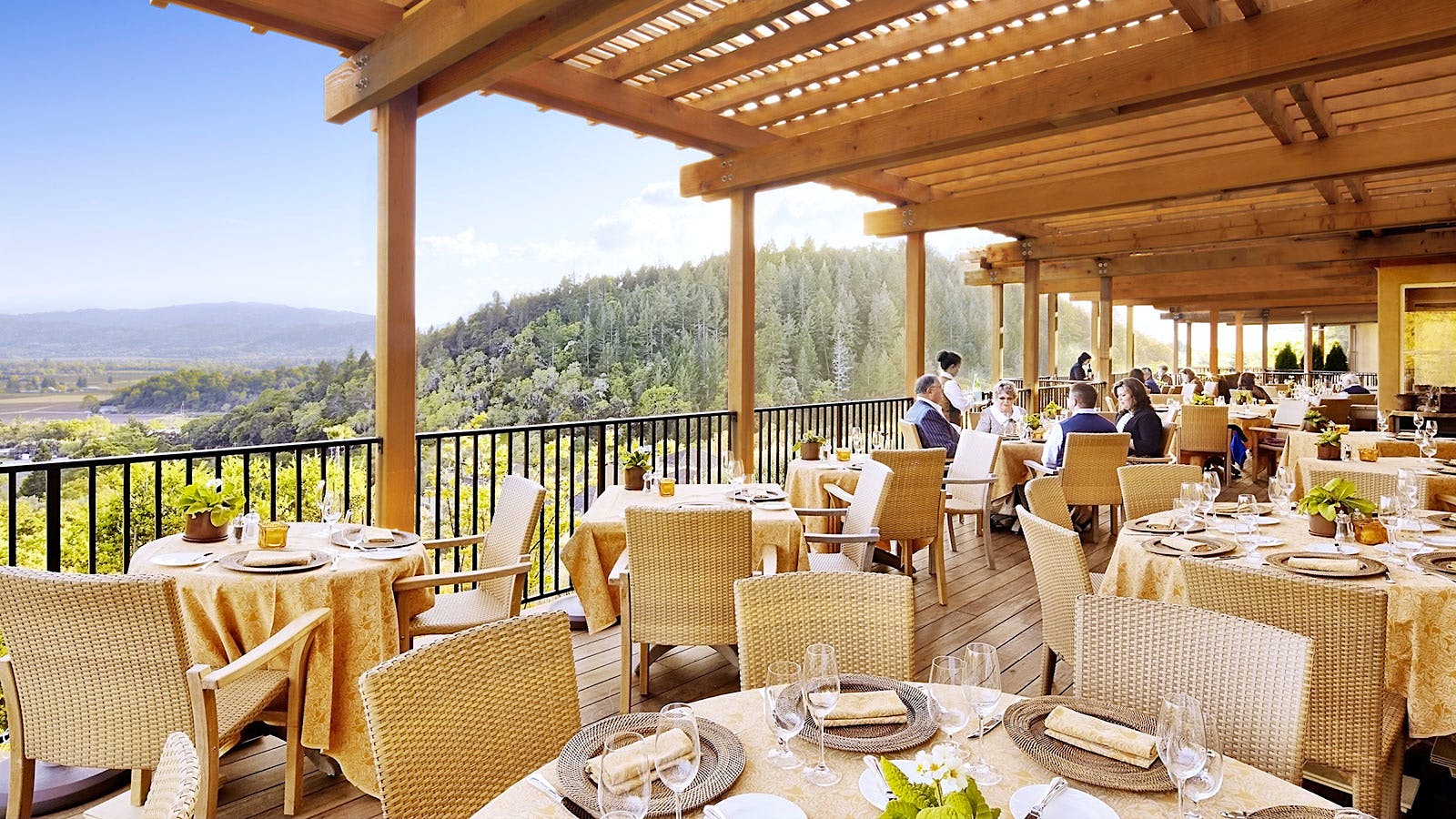
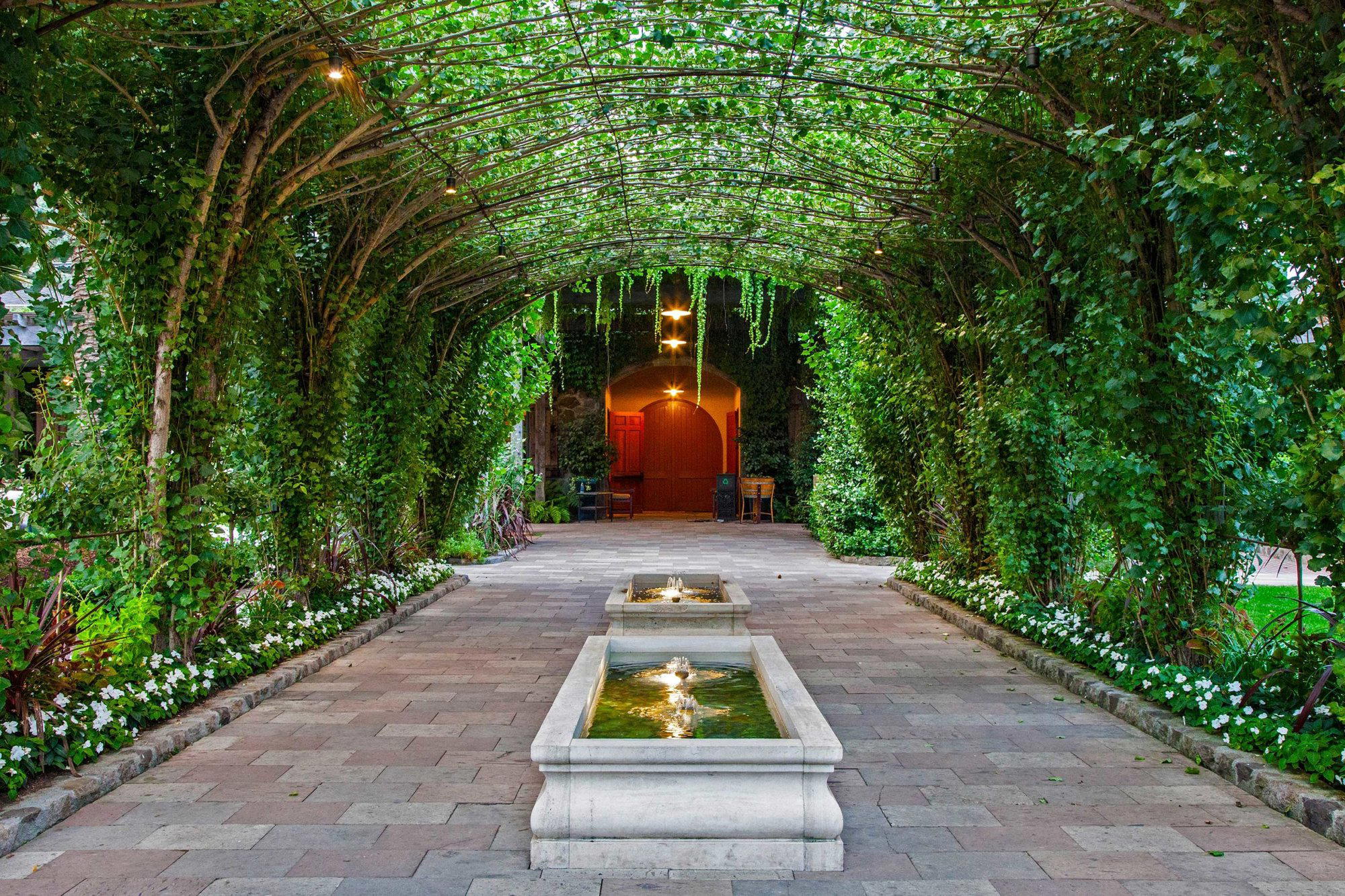
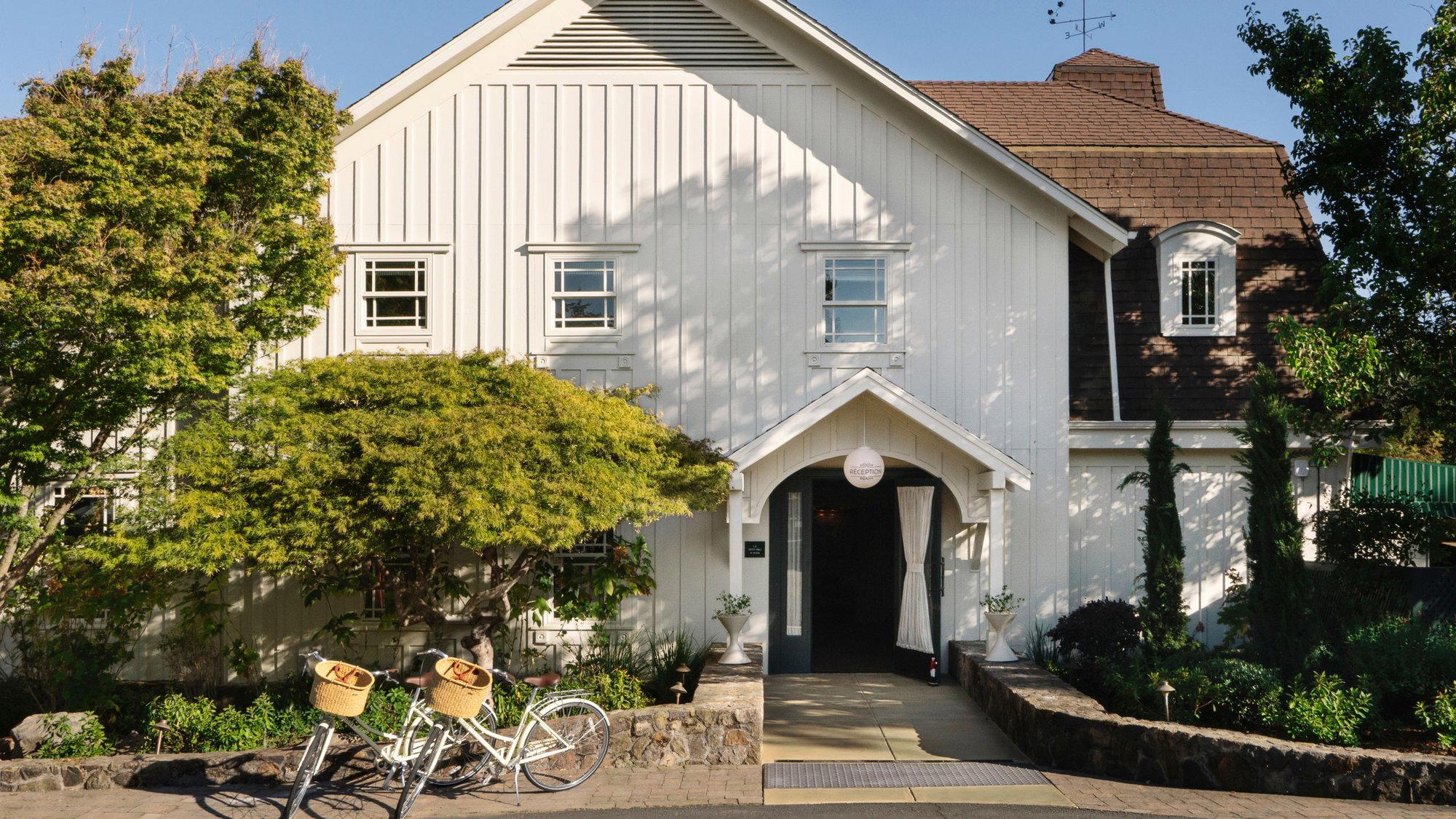
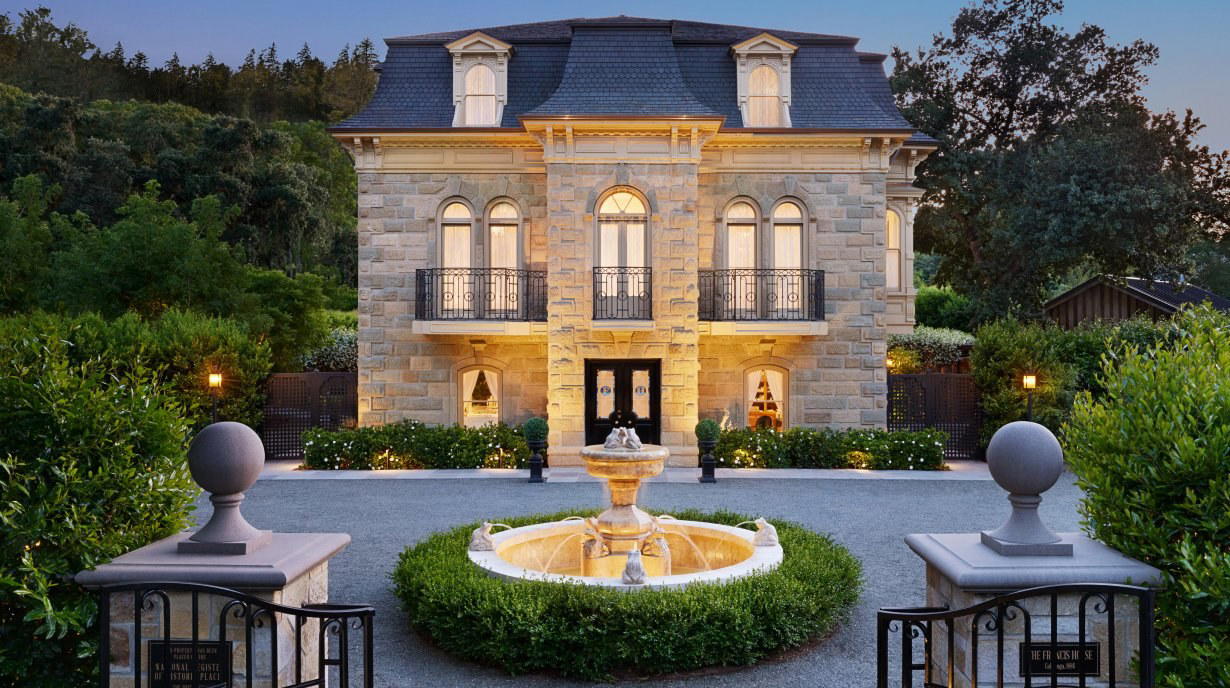
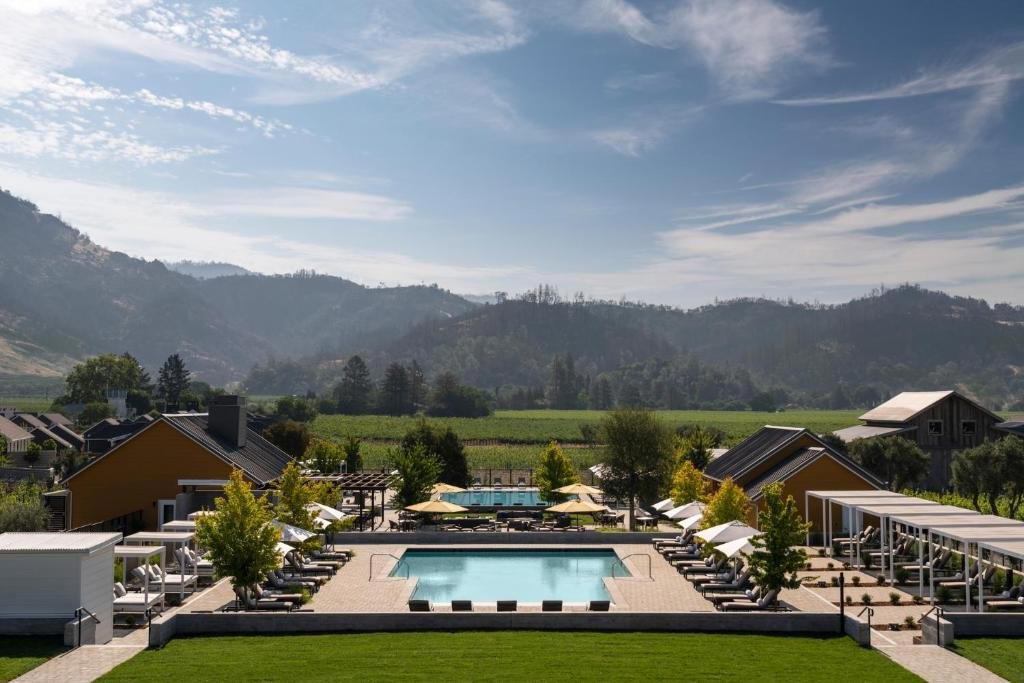
Wooden-beamed modest winery blending into mountainous surroundings with spectacular panoramic views, gracious hospitality, and serene cave tastings.